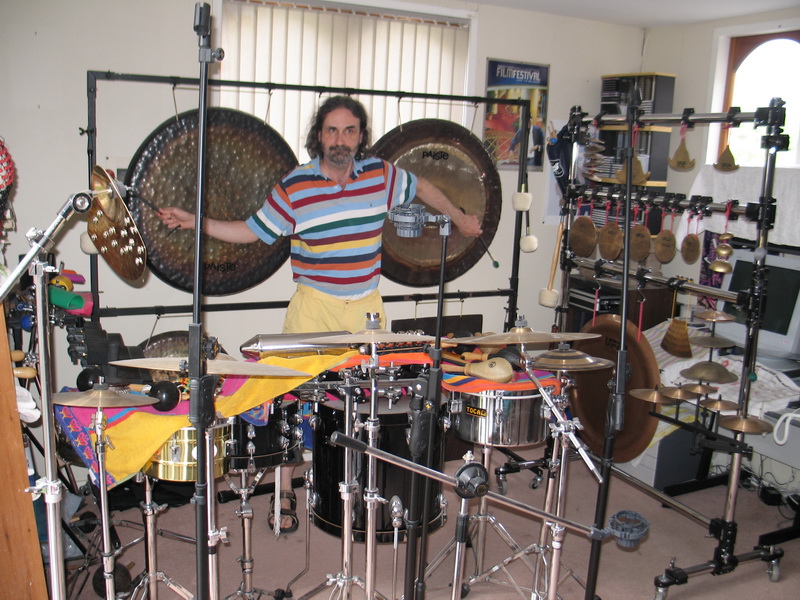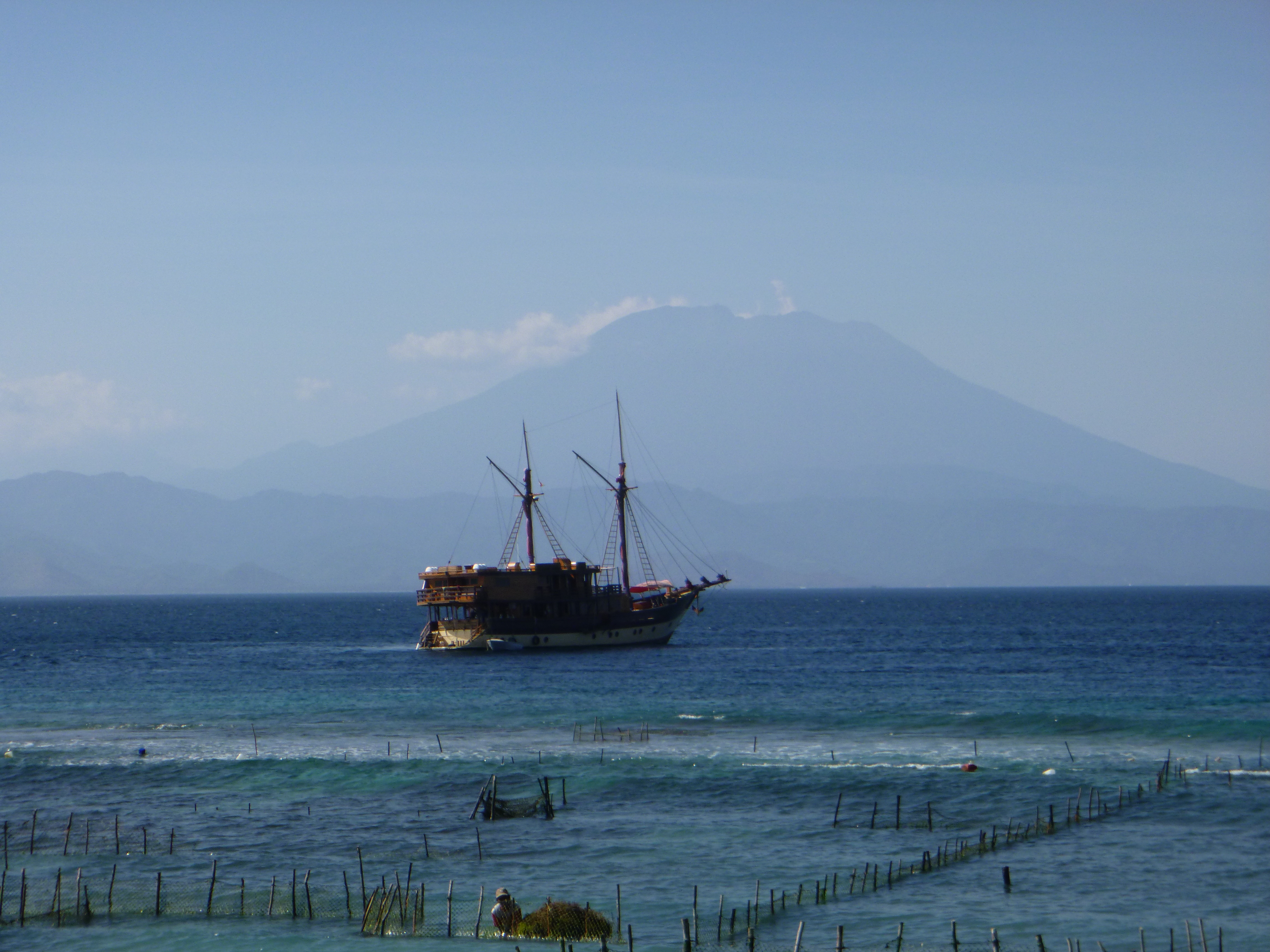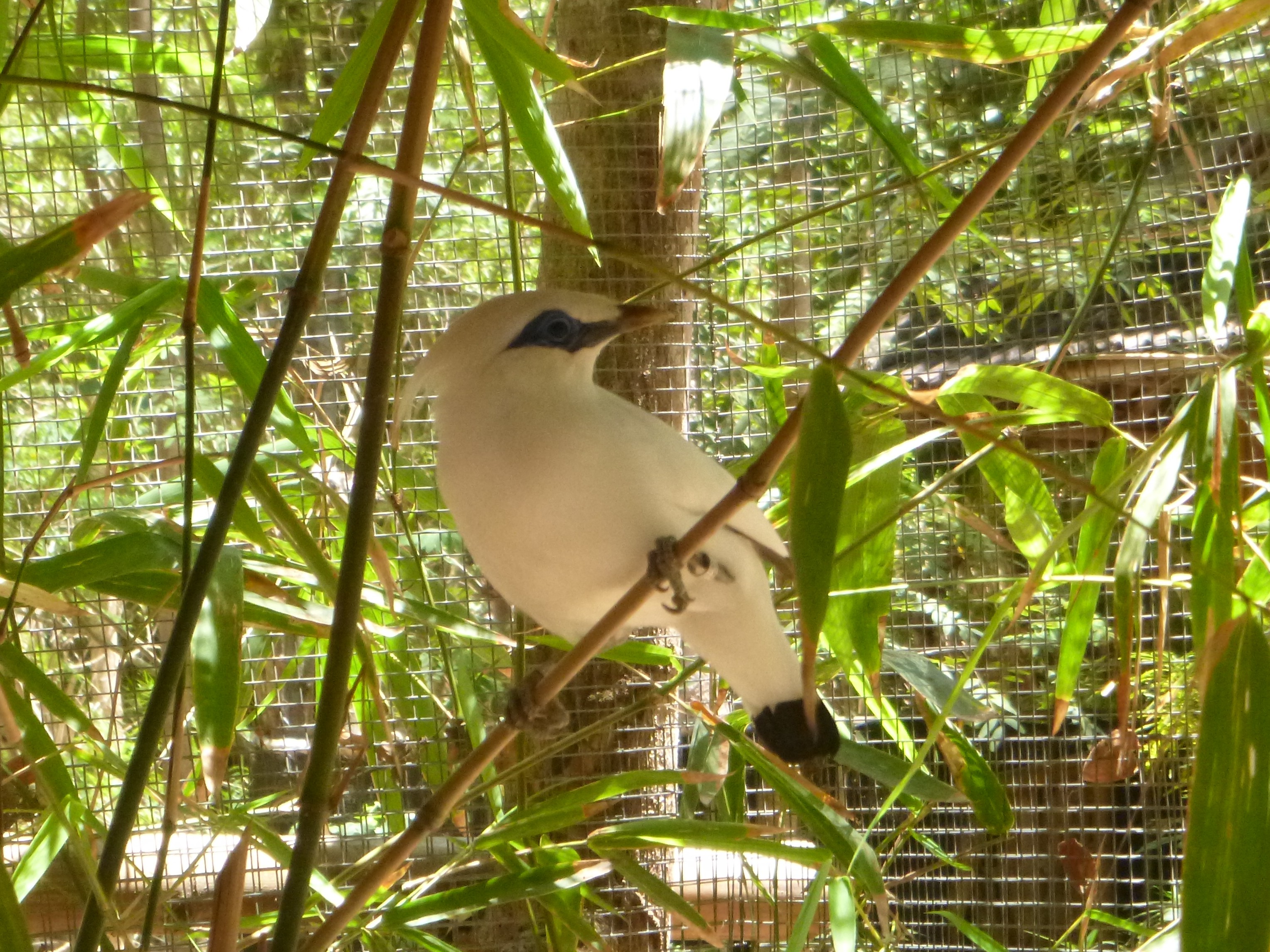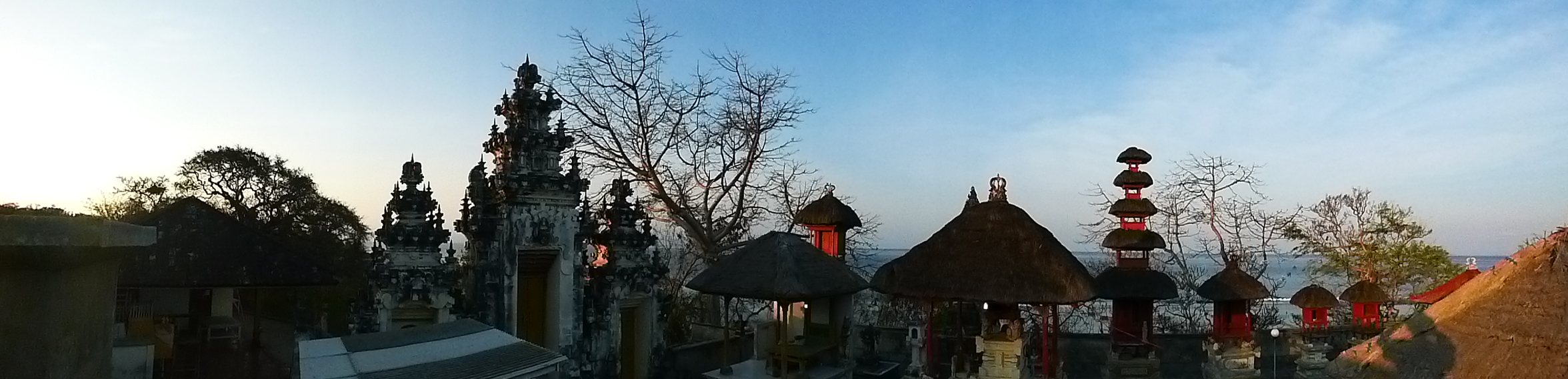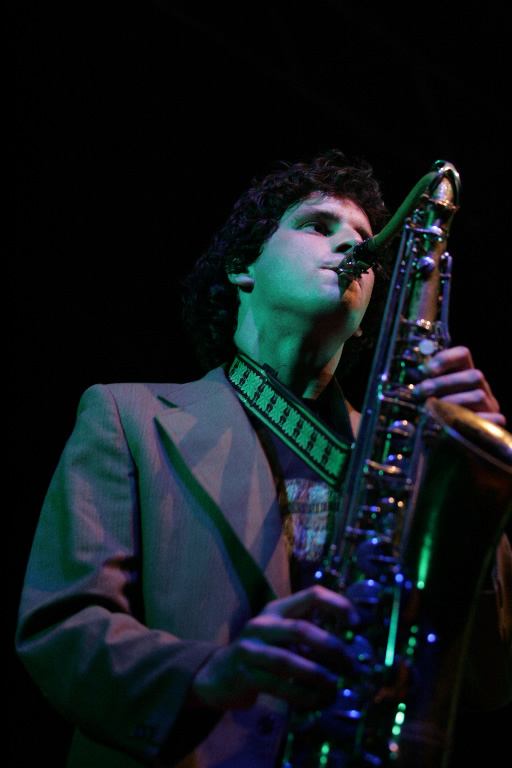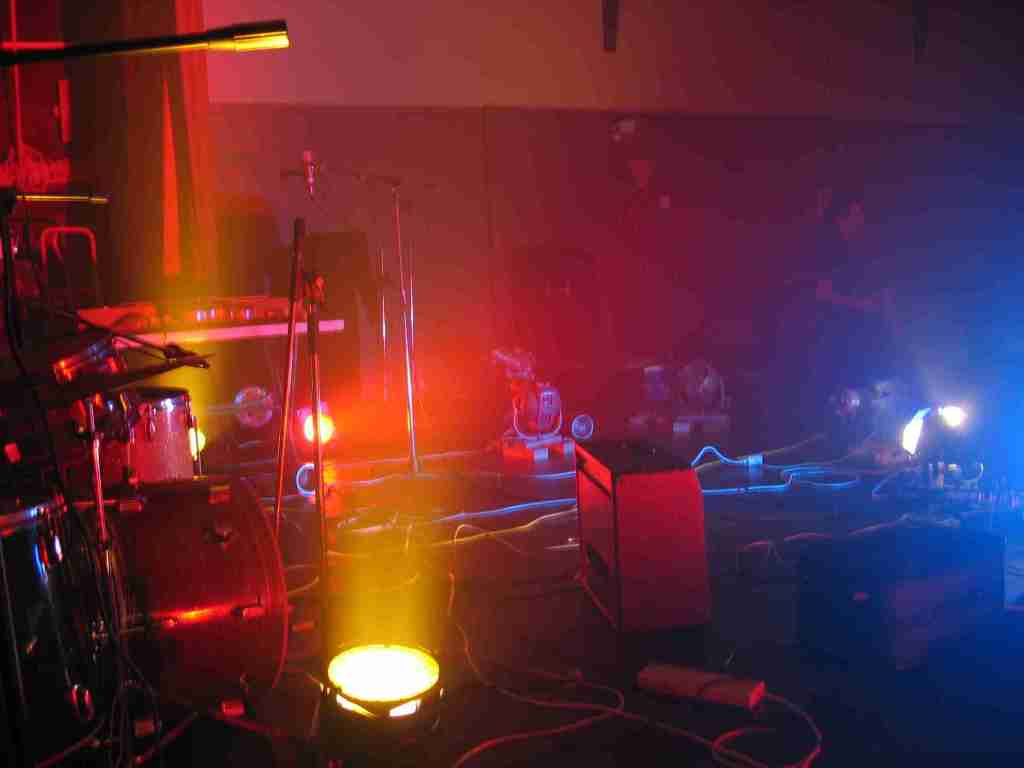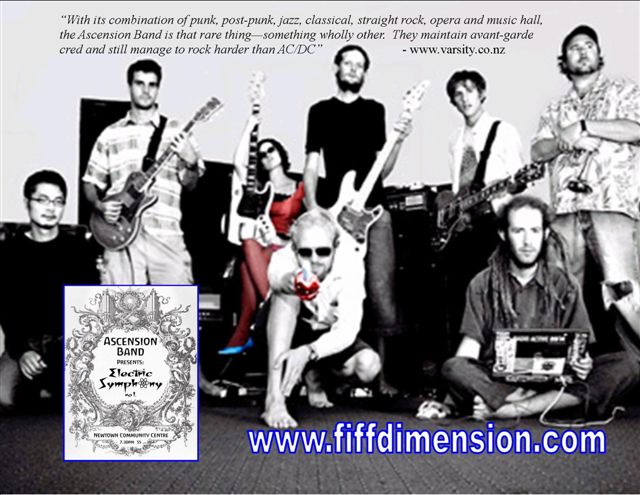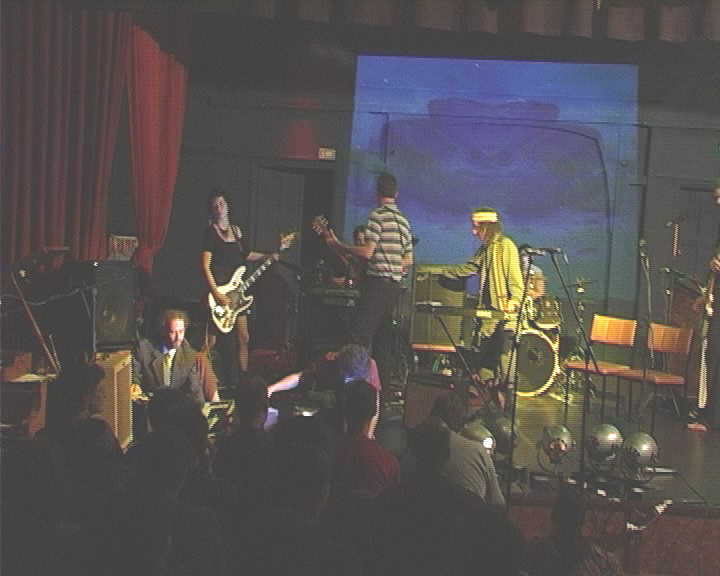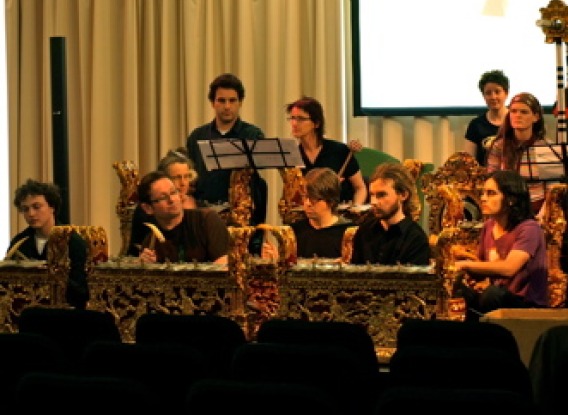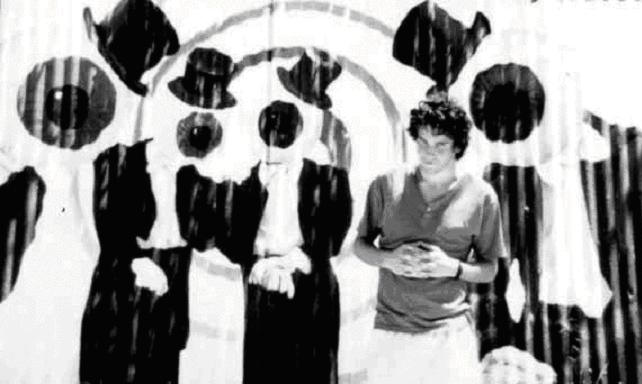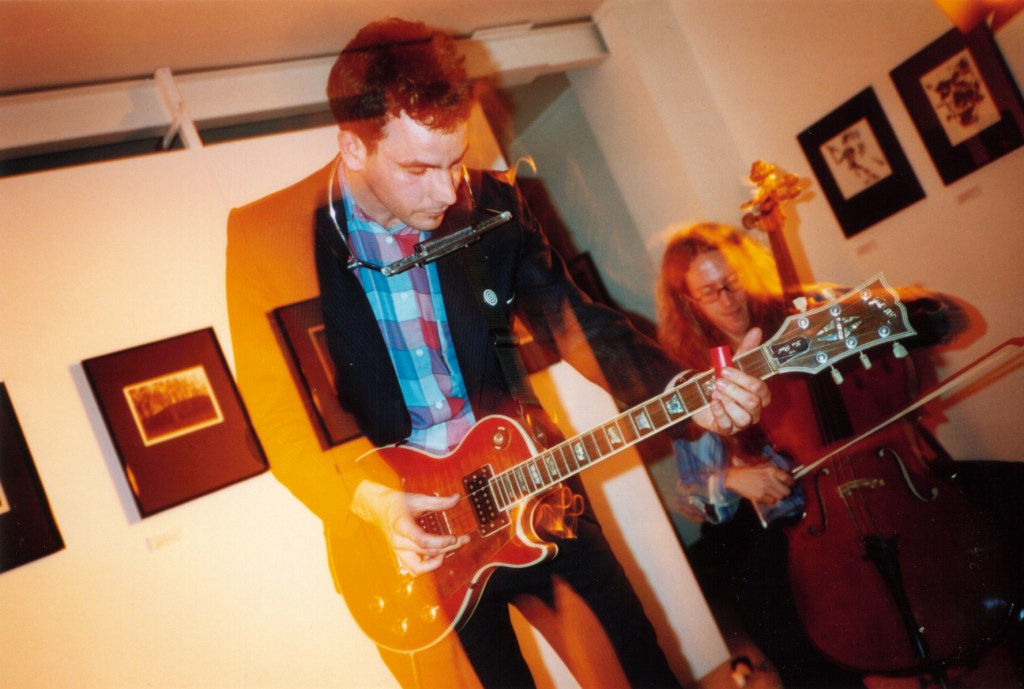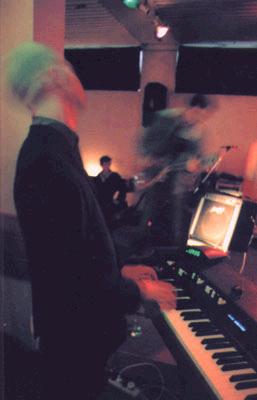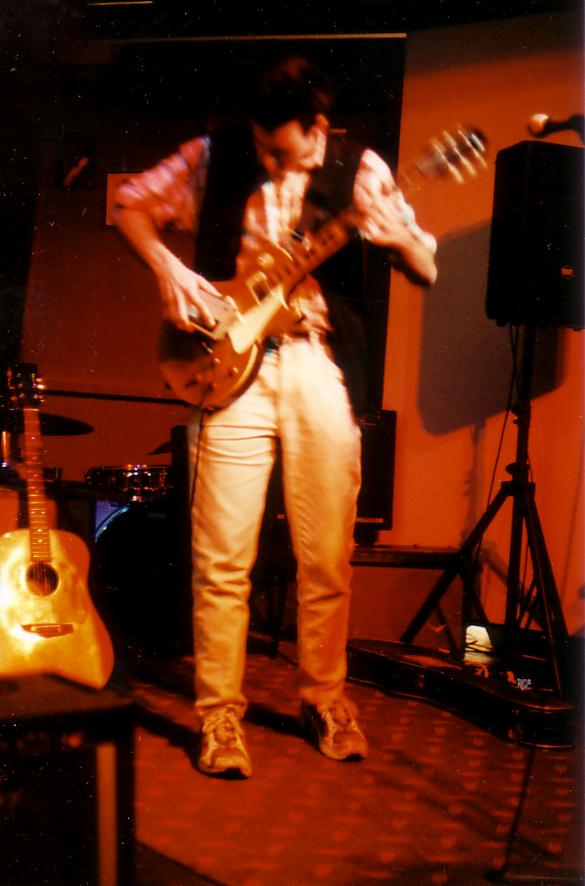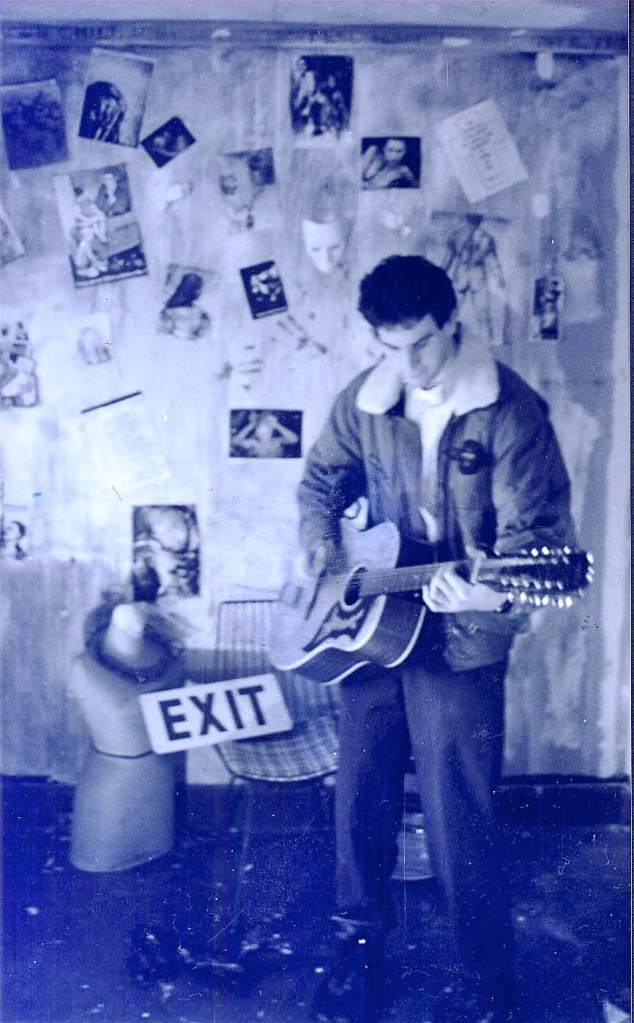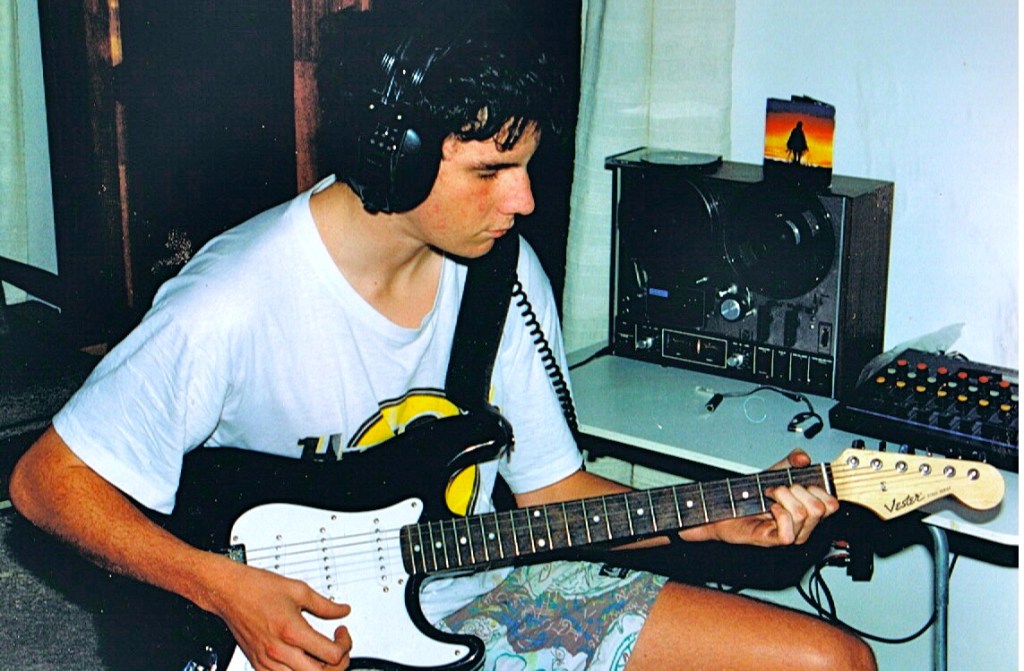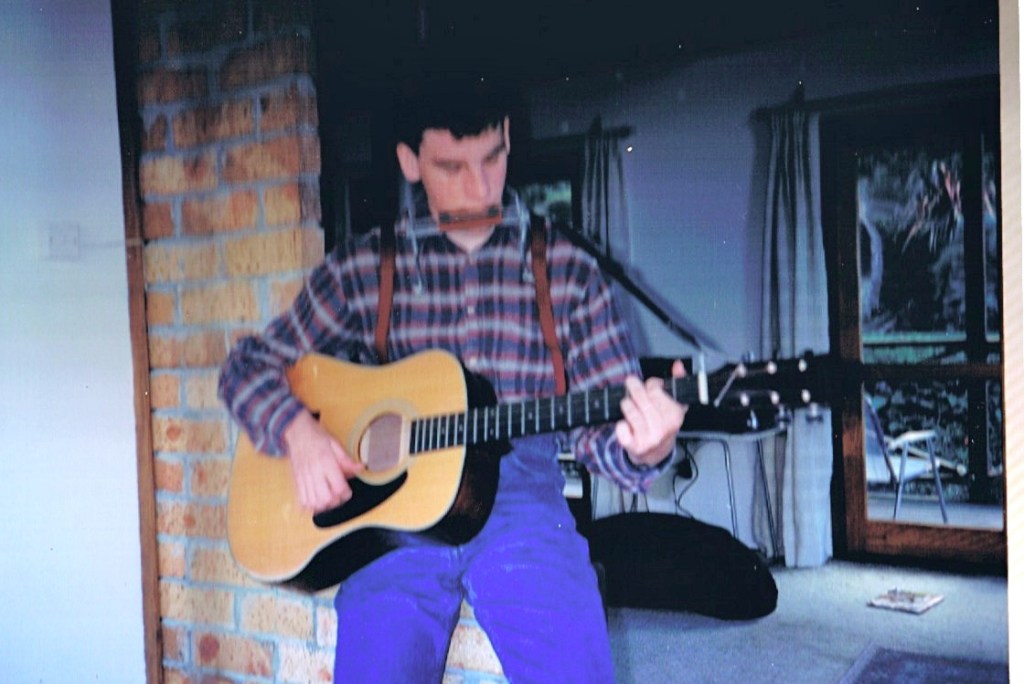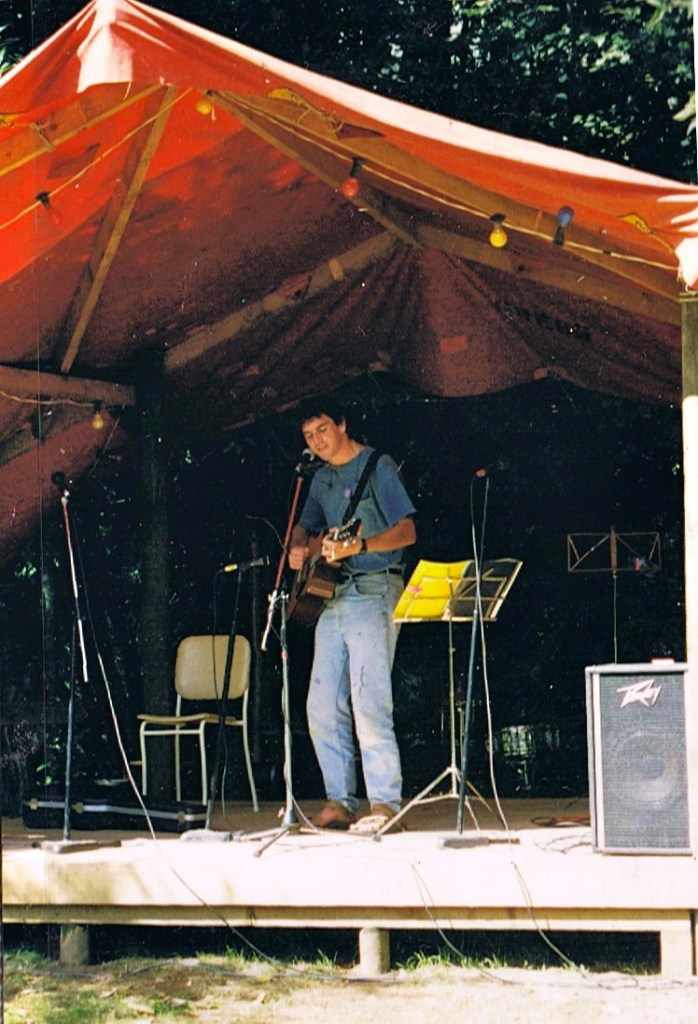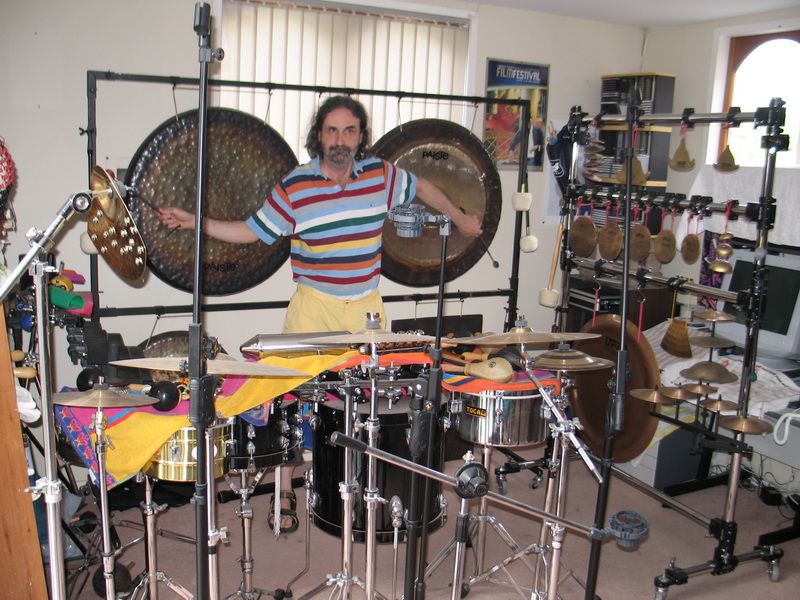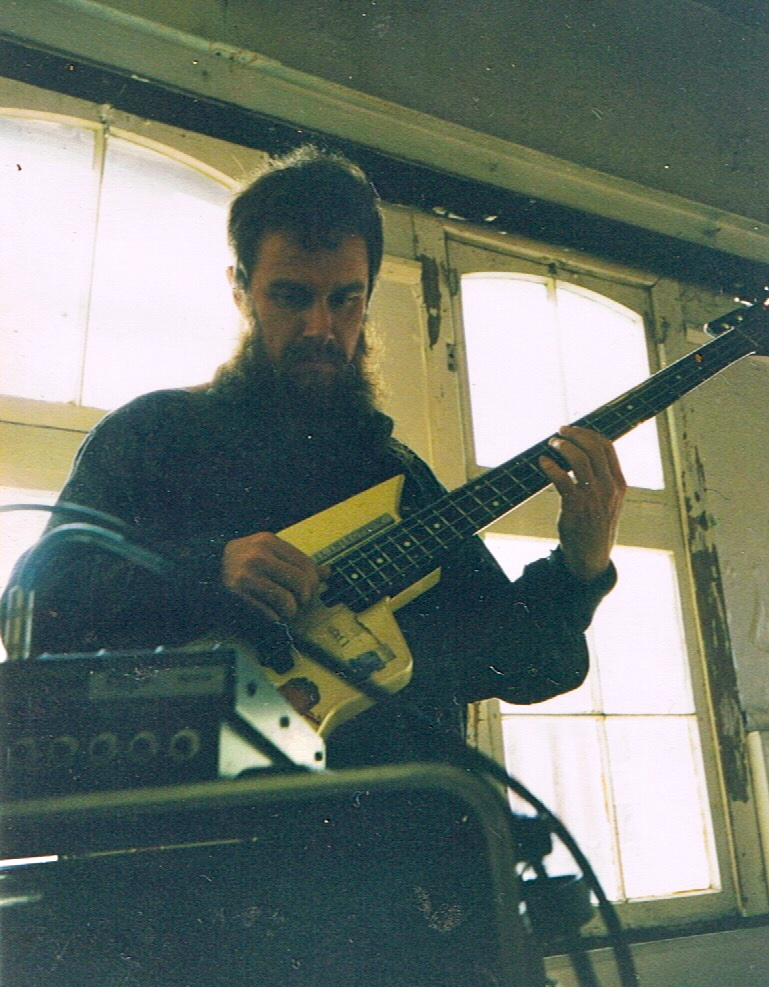
East to West brings together for the first time two of New Zealand’s more unusual artist/musician/filmmaker/ethnomusicologists, taking the audience on an epic journey from one side of the Eurasian continent to another in the space of an hour. Continue reading “Dave Black & Snake Beings: East to West”
Author: fiffdimension
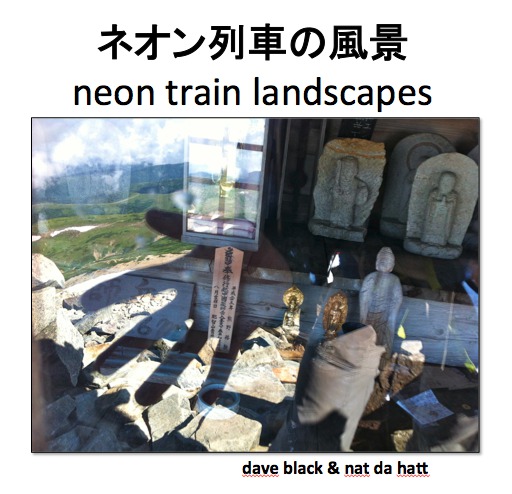
ネオン列車の風景 Neon Train Landscapes (Japan, 2012)
Listen
About
Crossing the Japan Alps
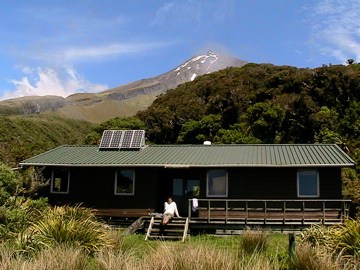
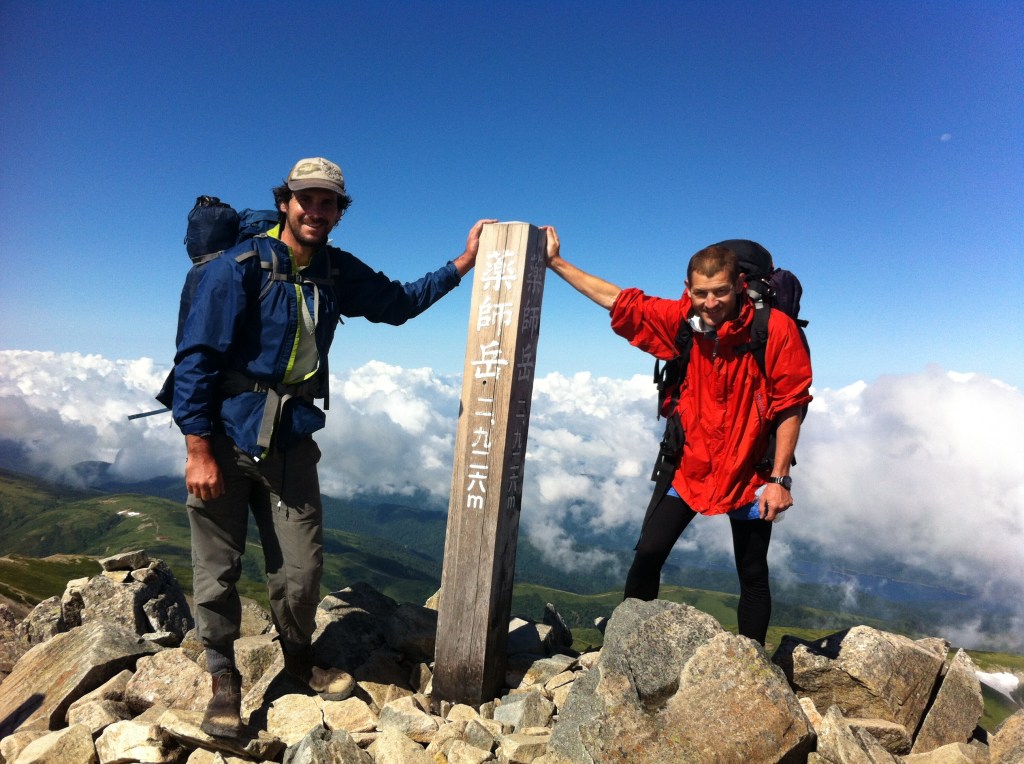
As well as recording music together, we completed a six-day hiking mission across the northern alps in July 2012, from Kamikochi to Toyama.
Asadoya Yunta Overdrive (Okinawa)
The album closes with our rendition of a traditional Okinawa shima uta (island song). It’s a tribute to Japan’s southernmost island prefecture, where Dave lived in 2011/12. The ‘overdrive’ is a tribute to early Pink Floyd, reflecting the psychedelic update of the tune.
Credits
Nat da Hatt – electric & acoustic guitars, drum machine, synths, laptop, samples
Dave Black – bass, banjo, acoustic guitar (5), electric guitar (3), loop pedal, electronics, laptop, field recordings
Tracklist
| 1. | 東京から槍ヶ岳 Tokyo to Yarigatake 03:38 |
| 2. | 携帯電話 Keitai Denwa 05:43 |
| 3. | 幸せとは何?What actually is happiness? 04:17 |
| 4. | 剃毛電球ブルース Shaved Lightbulb Blues 04:18 |
| 5. | 福岡に到着 Arrival in Fukuoka 04:41 |
| 6. | 電機市 Denki Ken 03:58 |
| 7. | 平仮名 Hiragana 04:57 |
| 8. | 薬師岳から漓江まで Yakushidake to Li Jiang 05:07 |
| 9. | 安里屋ユンタオーバードライブ Asadoya Yunta Overdrive (Okinawa) 05:20 |
Further listening: see ethnomusicology
Dave solo trip across Kyushu, March 2012
Nat da Hatt solo albums
Other duo tracks
Nat da Hatt also contributes guest tracks to
in a Wildflower State (WA, 2013)
and
Gamelan Dimensi Kelima (Indonesia, 2014)
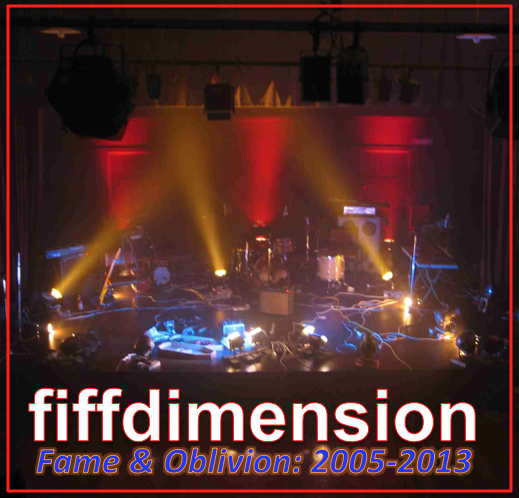
Fame & Oblivion: 2005-2012
“This is something that he has to do, that he will do, come fame or oblivion” –Chris Knox
- Made in New Zealand, Australia, South Korea, Thailand, Mongolia, and Japan.
- Includes tracks by Ascension Band, The Winter, Cylvi M, Wellington’s Most Famous Orchestra of Miraculous Delights, Dave Black & Nat da Hatt.
“As Dave Edwards he has explored fuzzy punk, free-jazz, spoken word, alternative-folk and demented pop… as Dave Black, the palette is broadened” – Simon Sweetman
by Dave Black (acoustic & electric guitars, banjo, harmonica, laptop, bass, tenor saxophone, field recordings, piano, gayageum, vocal), with
- Mike Kingston (acoustic guitar),
- Simon Sweetman (percussion),
- Nat da Hatt (electric guitar, keyboards),
- Cylvi M (vocal, field recordings, percussion, shakuhachi),
- Hayden Gifkins (electric guitar),
- Nigel Patterson (hammond organ),
- Ryan Prebble (tone generator),
- Matthew Thornicroft (electric guitar),
- Jeff Henderson (drums),
- Noel Meek (vocal),
- Hans Landon-Lane (ukulele)
- and field recordings from Australia, South Korea, Thailand, Mongolia, and Japan.
“Experimental and avant-garde…. There is a clear passion, and a commitment to pushing the boundaries… This will challenge your perceptions of what constitutes music and open the mind to new possibilities of sounds that surround us – muzic.net.nz“
- This is a sequel to the Gleefully Unknown: 1997-2005 compilation.
- The third part of the trilogy, Other Islands: 2012-2018, documents my return to NZ via other Asia-Pacific countries,
- A fourth volume águas Brilhantes: 2018-2022 covers more recent works made in the Wairarapa and Fiji.
Gleefully Unknown: 1997-2005
A compilation of songs, spoken word and instrumentals from the early phase of my gloriously unsuccessful career:
“Whilst shopping from fiffdimension, make sure to get hold of ‘Gleefully Unknown’ – a best-of compilation of Dave Edwards’ music from 1997 to 2005. Rough outsider folk-blues mysteries, dissonant rock textures, electric and acoustic improvisations…
“Edwards strikes me as one of the most overlooked musicians from the fertile lands of New Zealand and if you need a fresh start this might very well be the place.” – Mats Gustafsson, The Broken Face
- Made in New Plymouth and Wellington NZ, and Melbourne AU.
- For background and more detail see 1997-2005
- Includes tracks by The Slab Septet, The Winter, Ascension Band.
by Dave Edwards (acoustic & electric guitars, harmonica, bass, banjo, vocal), with
- Paul Winstanley (fretless bass, turntables),
- Mike Kingston (cello, acoustic guitar),
- Simon Sweetman (percussion),
- Nigel Patterson (hammond organ),
- Cylvi M (percussion),
- Simon O’Rorke (percussion),
- Francesca Mountfort (cello),
- Jeff Henderson (clarinet),
- Blair Latham (alto sax),
- Sam Prebble (violin, percussion),
- Chris Palmer (electric guitar),
- Chris O’Connor (drums),
- Antony Milton (violin, keyboards),
- Frey (laptop),
- Dean Brown (drums)
Featuring tracks from the albums
- Scratched Surface (1997-1998)
- in the non-idiomatic idiom in Norway (1999/2014)
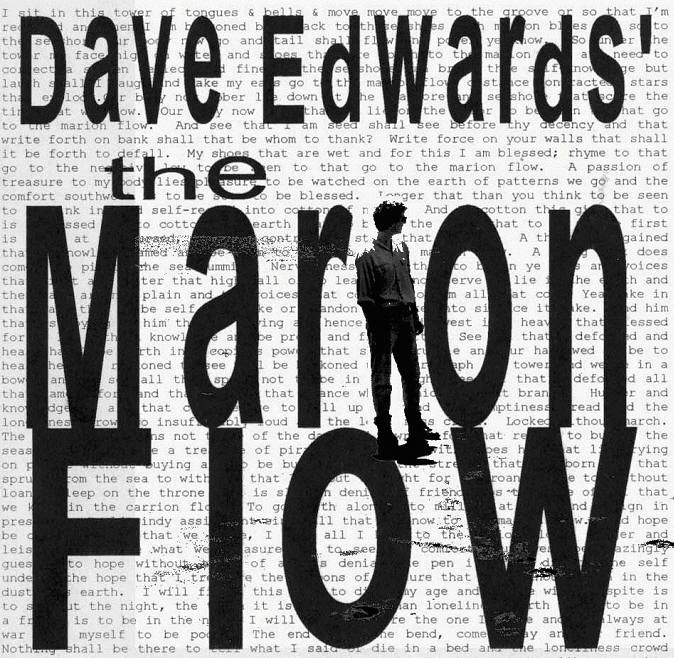
- The Marion Flow (1999-2001)
- Mantis Shaped and Worrying (2002)
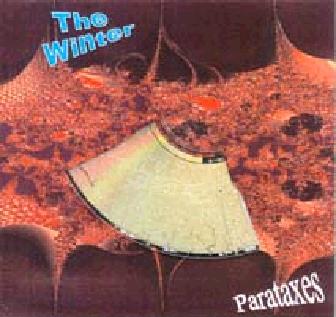
- The Winter: Parataxes (2003)
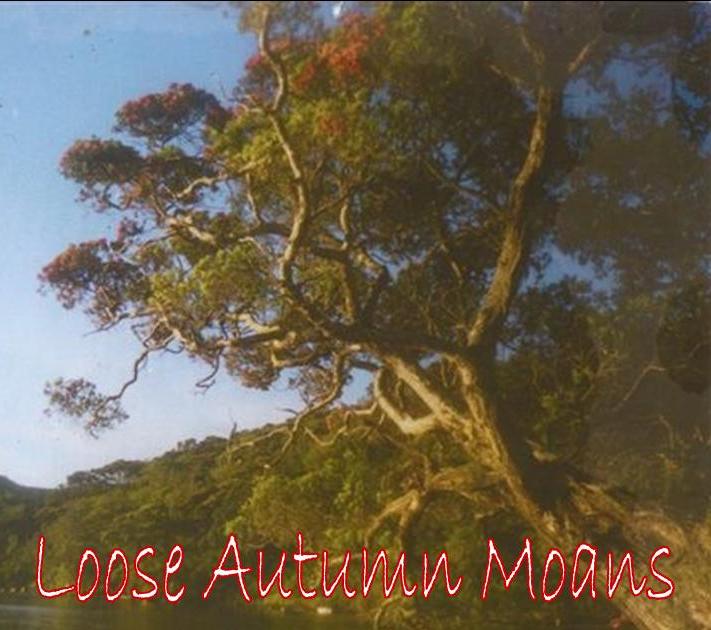
- Loose Autumn Moans (2003)
- Live 2004 (2004)
- After Maths & Sciences (2005-2006)


… if you enjoy this, try the sequels Fame & Oblivion: 2005-2012 and Other Islands: 2012-2018


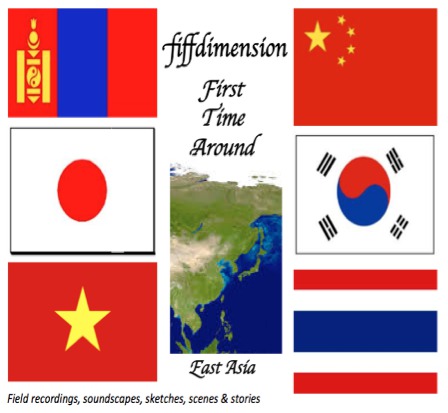
First Time Around: East Asia (2008)
This is an ethnomusicological album of pieces made from sound recordings, during visits to six different countries in Asia during 2007-2008, The sounds are edited into sonic short stories.
Listen
Credits
- Dave Black – field recordings, laptop, gayageum loops, clarinet, acoustic bass, guay, readings
- Cylvi M – tangso, shakuhachi, golden egg, singing bowl, readings & rubbings
About
During, and immediately after, a year and a half living in
South Korea 대한민국,
(teaching English for a living, and to fund further travels – see First Time Around: South Korea),
we travelled to:
China 中国
8. 请介意你的脚步 (Please Mind Your Step) 01:33
Japan 日本
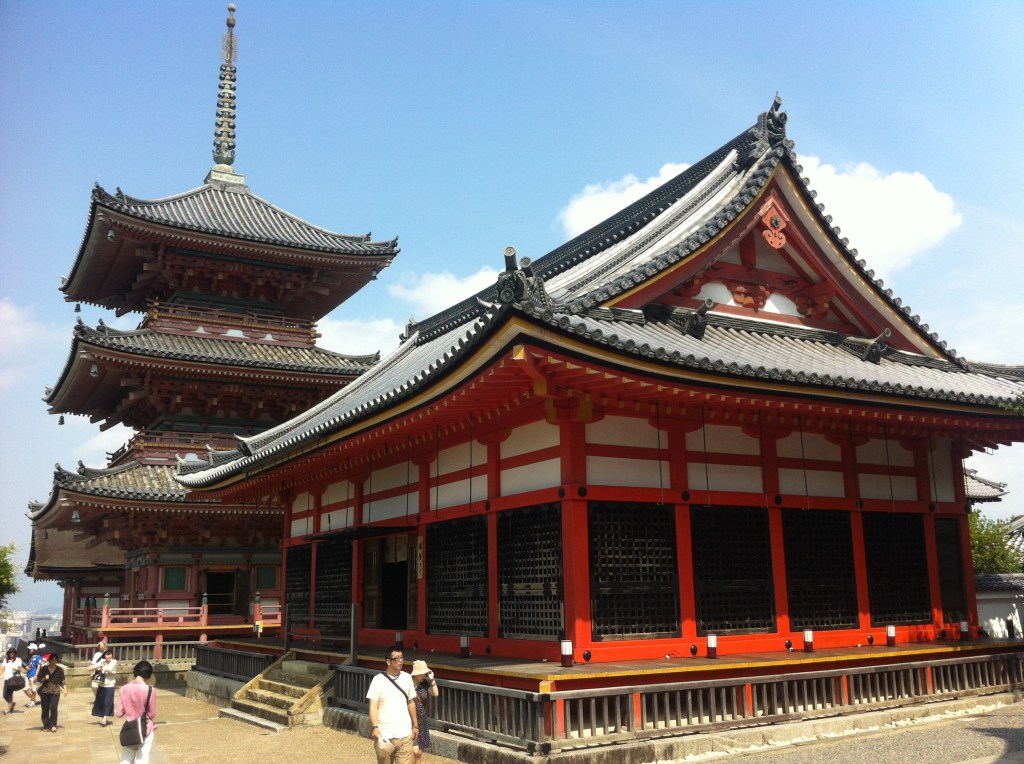
2. Cylvi M – シルビエム在佛的脚在京都 (at Buddha’s Foot, Kyoto) 02:16
Thailand ประเทศไทย
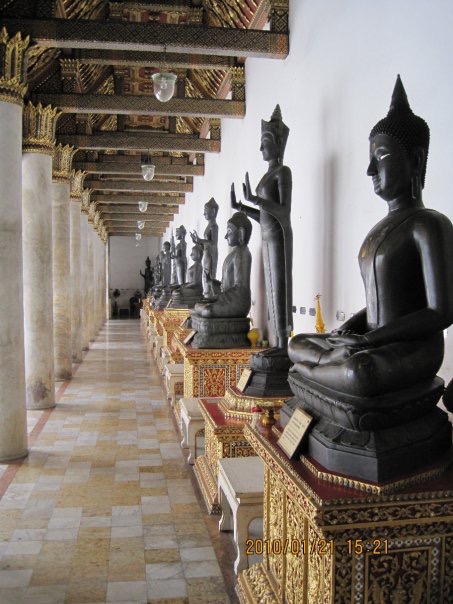
| 3. | ระดับที่สามพระอารามหลวง (3rd Grade Royal Temple) 04:04 |
| 4. | เชียงใหม่ร้านรัฐบาล (Chiang Mai government shop) 02:35 |
| 5. | หมู่บ้านกะเหรี่ยง (The Karen Village) 04:10 |
Vietnam Việt Nam
| 6. | Việt Nam chào buổi tối (Good Evening Vietnam) 02:25 |
| 7. | núi và rất cây (Mountain and Very Tree) 04:43 |
Mongolia Монгол улс
| 9. | Монголын хувьсгалт нам ((It’s a) Mongolian Revolutionary Party) 02:33 |
| 10. | ханаду ямаа (Goats in Xanadu) 03:32 |
감사합니다 – ありがとうございました – 谢谢 – ขอขอบคุณคุณ – cảm ơn bạn – Баярлалаа!
Continue reading “First Time Around: East Asia (2008)”Mongolia Монгол улс
July 22, 2008
Our guide Chim-ge was very helpful and friendly and spoke good English. We also had a driver whose name sounded like Reggae (we had fun trying to explain what reggae music is) who spoke no English but was very good at avoiding getting stuck in the mud. After a seven-hour drive across mostly dirt roads, we got to the ger camp where we were staying for the next two days. A ger is a round Mongolian tent house built around a central fireplace, with a south-facing door (the winds come from the north).
Mongolian nomads dismantle their gers and move home four times a year. That system allows the land to regenerate from grazing. The animals are the families’ livelihoods, providing income, food and even fuel for fires ie dung. We spent a couple of hours ‘picking up shit’ to help out, and also took a turn at milking the goats. We filled a fifth of a bucket between us in the time the mother and grandmother of the family filled two each. The other job was mixing the barrel of arrig, or alcohol made from fermented horses’ milk. We were presented with two bowls on arrival – it tasted like a sour yoghurt.
Mongolian food is almost entirely based on meat and dairy products and not at all spicy. They put some onion and carrot in our food but that was really a tourist concession. I found a native spinach plant growing nearby as a diet supplement – strangely the Mongolians don’t make use of that or the various herbs available. Many traditional nomads believe that vegetables are bad for you. They burn off all the protein and fat by working long and hard outdoors – in the city there were a lot of fat Mongolians however.
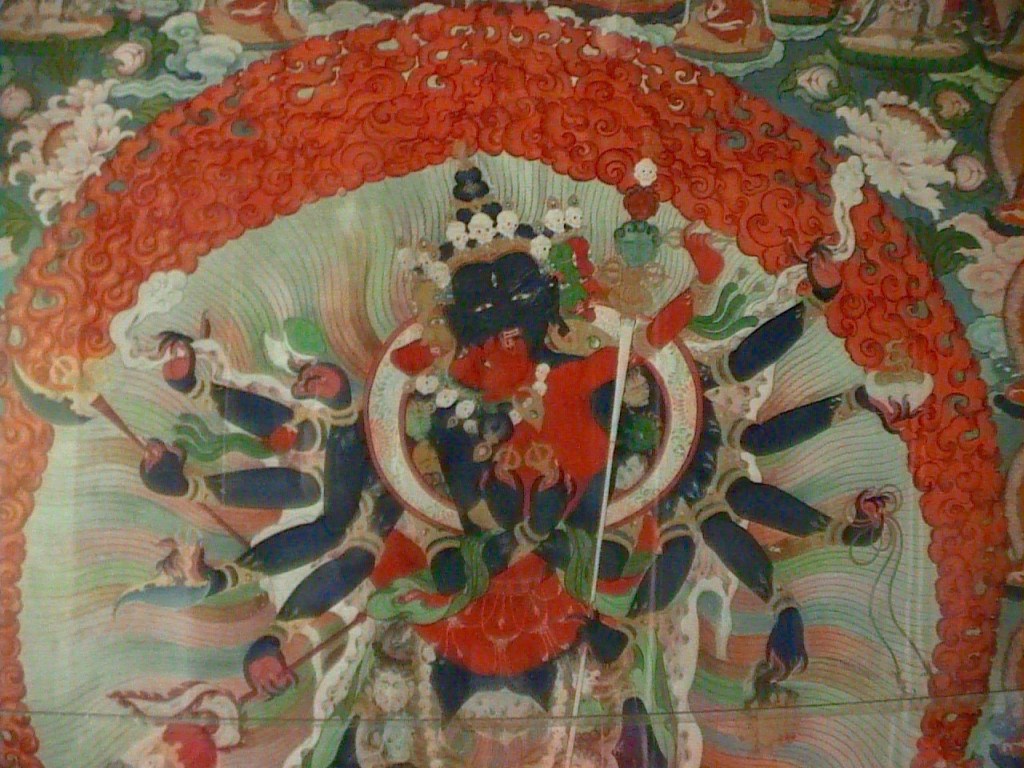
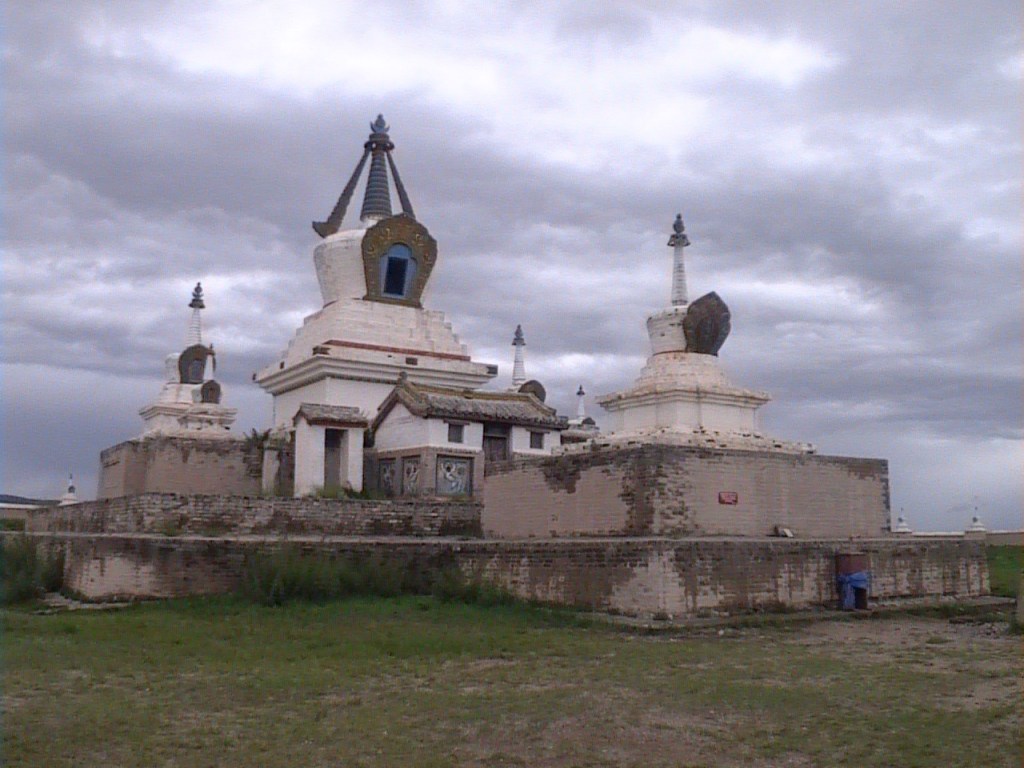
On the second day we had a side trip to Karakortum, site of the oldest surviving Buddhist monastery in Mongolia and Chinggis Khan’s royal court (one turtle statue is all that remains). Each Buddhist country has a different style of artwork – the Mongolian style is influenced by Tibetan Buddhism and seemed to emphasise demonic looking creatures such as the blue-skinned three-eyed sharp-fanged ten protectors. Listening to the red-robed monks chanting their sutras was fascinating, much more polyphonic than the Korean minimalist style.
The monastery buildings had Chinese-style roofs but overall there was much less Chinese influence in Mongolia than I’d imagined. If anything we could see bits of Russia creeping in, especially back in town – for example the language is written in the Cyrillic alphabet. It was very interesting the feeling of Asia gradually fading away.
After a couple of days out in the country enjoying the smog-free air and the sounds of goats and sheep rather than traffic noise, construction work and hard-sell advertising, we headed back to Ulaanbaatar. We had timed the trip to coincide with the Nadaam festival (translates as ‘fun festival’), which is the big annual event consisting of wrestling, archery and cross-country horse racing. It celebrates Mongolian independence from 200 years if Manchu rule. We were most interested in the opening ceremony, which was a feast of colourful costumes, dancing and Mongolian music which, as several locals said, evokes the feel of wide open spaces, galloping horses, cold winter nights and mountain passes.
We got our fill of Mongolian music over the next two nights, seeing both a smaller traditional ensemble and a big-scale stage show with a full Morin-Khuur orchestra. The morin-khuur is a kind of two-stringed cello with a rhombus-shaped body and a horse’s head carving at the top of the neck. They come in various sizes up to double-bass size and were surprisingly cheap to buy in the shops (about $80NZ – too big to travel with unfortunately and would need a case). Both shows were amazing, with costumes, dancing, musicians accompanying contortionists, and longsongs and throat-singing.
In all Mongolia was a definite highlight so far…
Vietnam Việt Nam
July 2008 –
It was a great pleasure to get to Vietnam. There was a stopover in Hong Kong airport – out the windows I could see glass apartment towers, hillsides eroded from deforestation and a polluted green harbour. Then on to Vietnam, a fertile countryside of rice paddies and fruit trees with sudden rock formations rising out of the plains. Everywhere hundreds of Vietnamese in cone-shaped coolie hats were at work in the fields from dawn to dusk… it’s definitely the land of the cone heads. The hats are an elegantly simple design that protect from the sun and rain.
Although poorer, the Vietnamese people overall seemed healthier, happier, and more stylish, industrious, humorous and better looking than the average Korean. I enjoyed the fusion of old and new on display, whereas Koreans keep their traditional things quite separate from their modern life. There was also a refreshing absence of the usual celebrity stooges’ faces everywhere, and no McDonalds restaurants to be found. Instead they had communist-style posters of good workers and Ho Chi Minh. The atmosphere was never dreary or oppressive though – it’s a vibrant, colourful country.
Hanoi, the capital, was full of motorbikes, their horns a constant soundtrack. The traffic is busy but not especially fast – to cross a road you just walk out at a steady pace and the traffic all somehow avoids you. It’s a much better system than in Thailand where you wait for a gap and then sprint across. Catching a motorbike ride with Vietnamese locals is a good way to get around and definitely part of the experience.
The slightly unsatisfying aspect was being on a time limit and being on the tourist trail for some of it. Prices were cheap but not that cheap and there were always locals around trying to sell something, and many small-time scams to get extra money. It’s hard to begrudge them though – they’re doing a great job rebuilding from the American war (one-legged mine victims the most visible reminder) and finding their place in the world. The newspaper headlines were mostly government propaganda (it’s a one-party state) and one that stood out was their goal to become an average income nation by 2020. That contrasts with Korea’s frantic industrial development (at the expense of their own culture and environment) and their new president’s unattainable election promise of 7% growth every year.Highlights included Cuc Phuong national park where we explored a bat-filled cave where stone-age people had lived 7500 years ago; the national water puppet theatre, a great Vietnamese art-form with live music, carving, action and splashes; a night drinking on a boat on Halong Bay with kiwis and aussies; and the sights and general ambience – there was an overall sense of optimism in the country.
In all, I’d love to go back to Southeast Asia another time with an open itinerary and no time limit, and see Cambodia and Laos as well.
Tonight it’s time to get on the train to Siberia, so I’ll write about Mongolia when I get a chance…
Cylvi M at Buddha’s foot, Kyoto 京都
The Winter: Flying Visit (2012)
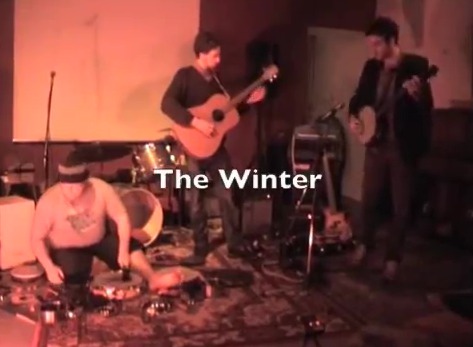
Acoustic instrumental music by Wellington, New Zealand, improvising trio The Winter.
Mike Kingston: charango, guitar, clarinet
Dave Edwards: ukulele, sanshin, tenor sax, piano
Simon Sweetman: xylophone, percussion
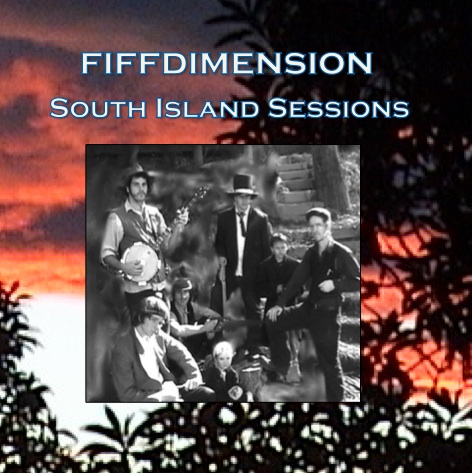
South Island Sessions (2006)
Recorded in Nelson, NZ, 2006.
Listen
About
1861 revisited – my pākeha (European) ancestors, John ‘Totara Jack’ and Mary Edwards, arrived in the South Island of New Zealand on board the Olympus and settled in Nelson1.
When I lived nearby a century and a half later,
- I found the address where they’d lived, just below a spot on a hill that marks the geographical centre of NZ.
- I recorded and toured with South Island musicians;
- studied at the Nelson School of Music – and finally had the chance to learn some ‘conventional’ technique;
- played in Hokitika, Greymouth, Westport, Nelson, Blenheim, Lyttelton and Dunedin
- (as well as Brisbane, Australia2);
- and recorded the sound of tui and makomako (native birds) in Nelson Lakes National Park.
The early settler stories marked the start of an interest in genealogy, and prompted the music video for The Ballad of William Knife3 (loosely based on ‘Totara Jack’).
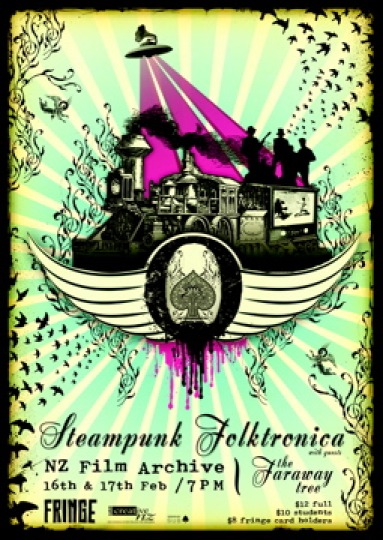
In contrast to the ‘traditional’ South Island NZ ‘Flying Nun‘ or The Dead C inspired sounds, South Island Sessions blended acoustic instruments with field recordings and electronic glitches. I played acoustic guitar, banjo and saxophone, and delegated the electric guitar role to two local players. We named this new genre “Steampunk Folktronica“4.
Credits
- Dave Black – acoustic guitar (2,6), banjo (3,4,6), drums (4), harmonica (2), laptop, field recordings, tenor saxophone (6,7), and vocals
- Cylvi M – vocals & phat beatz (1)
- Hayden Gifkins – electric guitar (5,7)
- Matthew Thornicroft – electric guitar (5,7)
- Damian ‘Frey’ Stewart – no-input mixing desk (3)
- Cookie – drums (5, 6)
Recorded in Nelson NZ, 2006


![First time around [South Korea]](https://fiffdimension.com/wp-content/uploads/2013/09/first-time-around-south-korea.jpg?w=300)