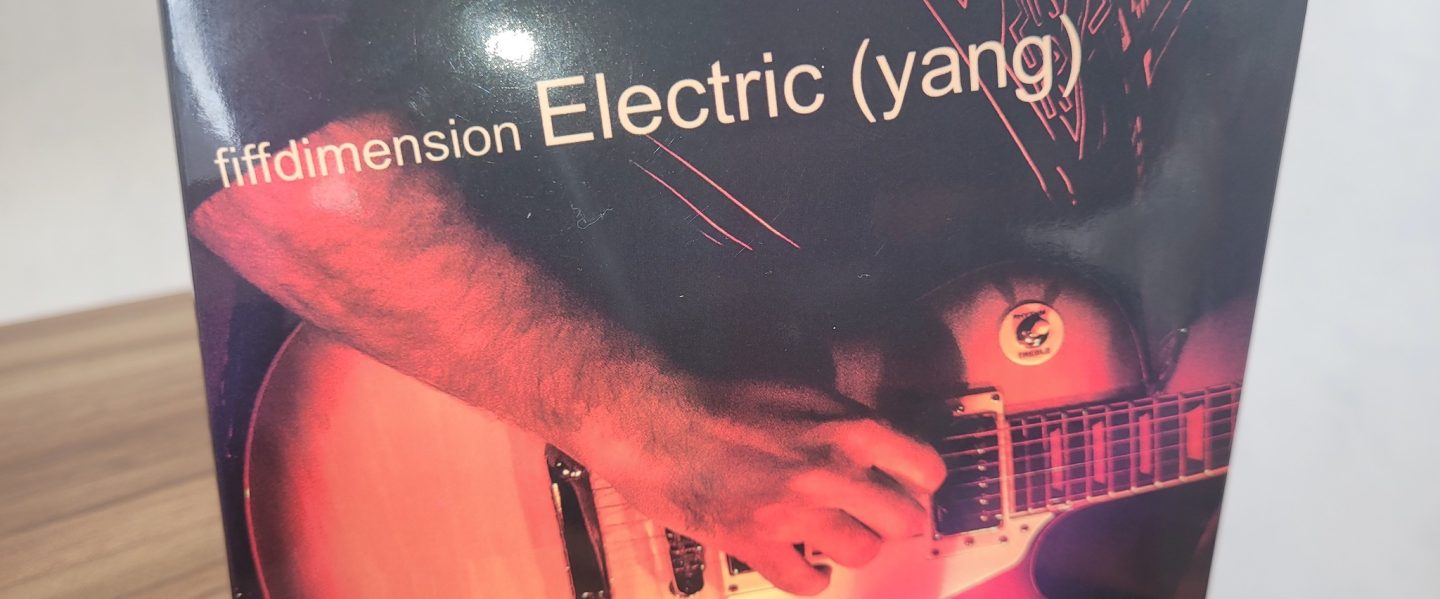
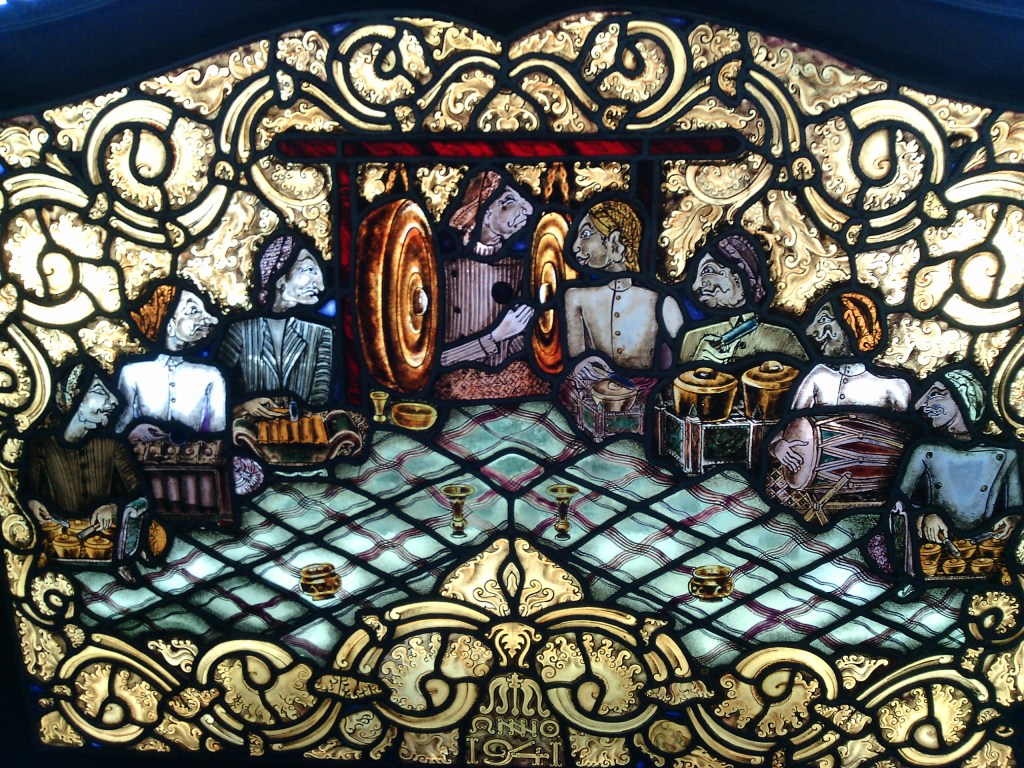
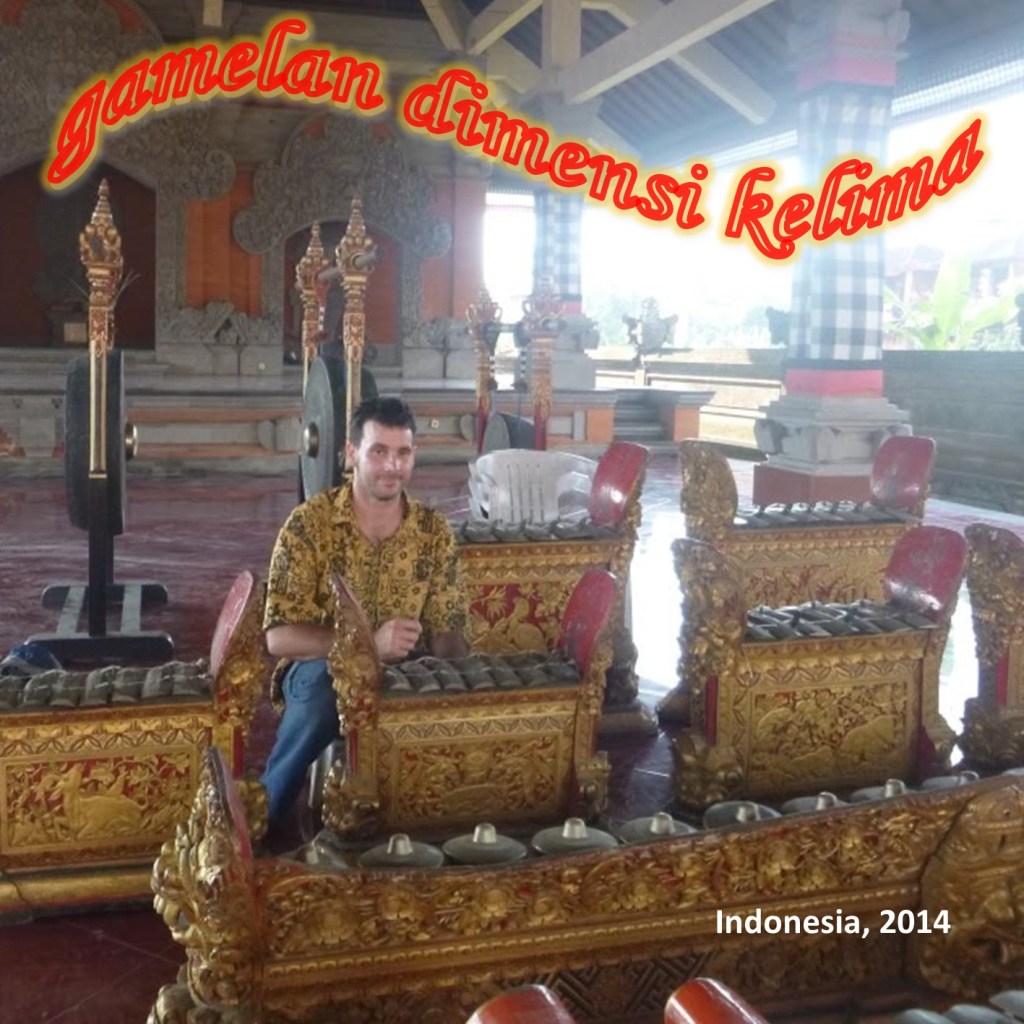
The album title translates to “Gamelan Fifth Dimension”.
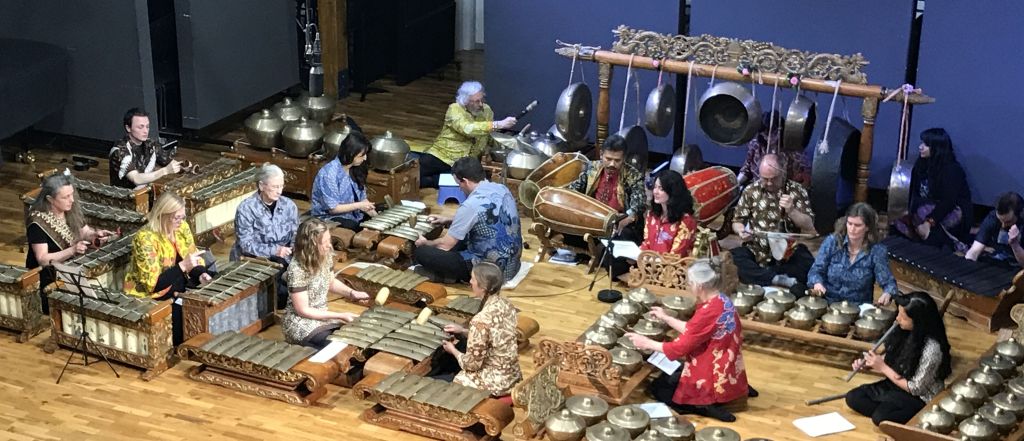
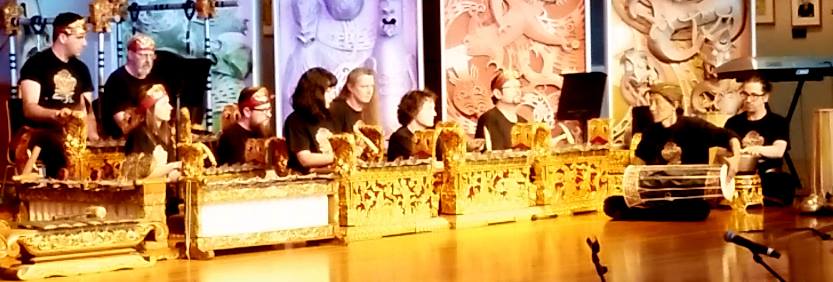
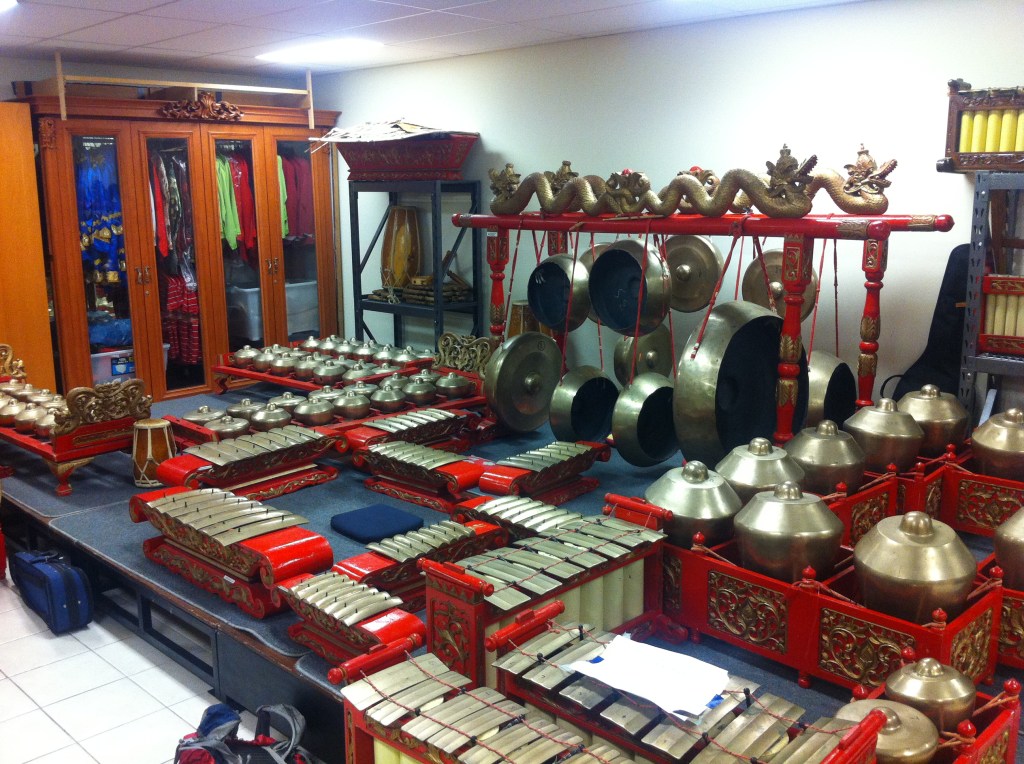
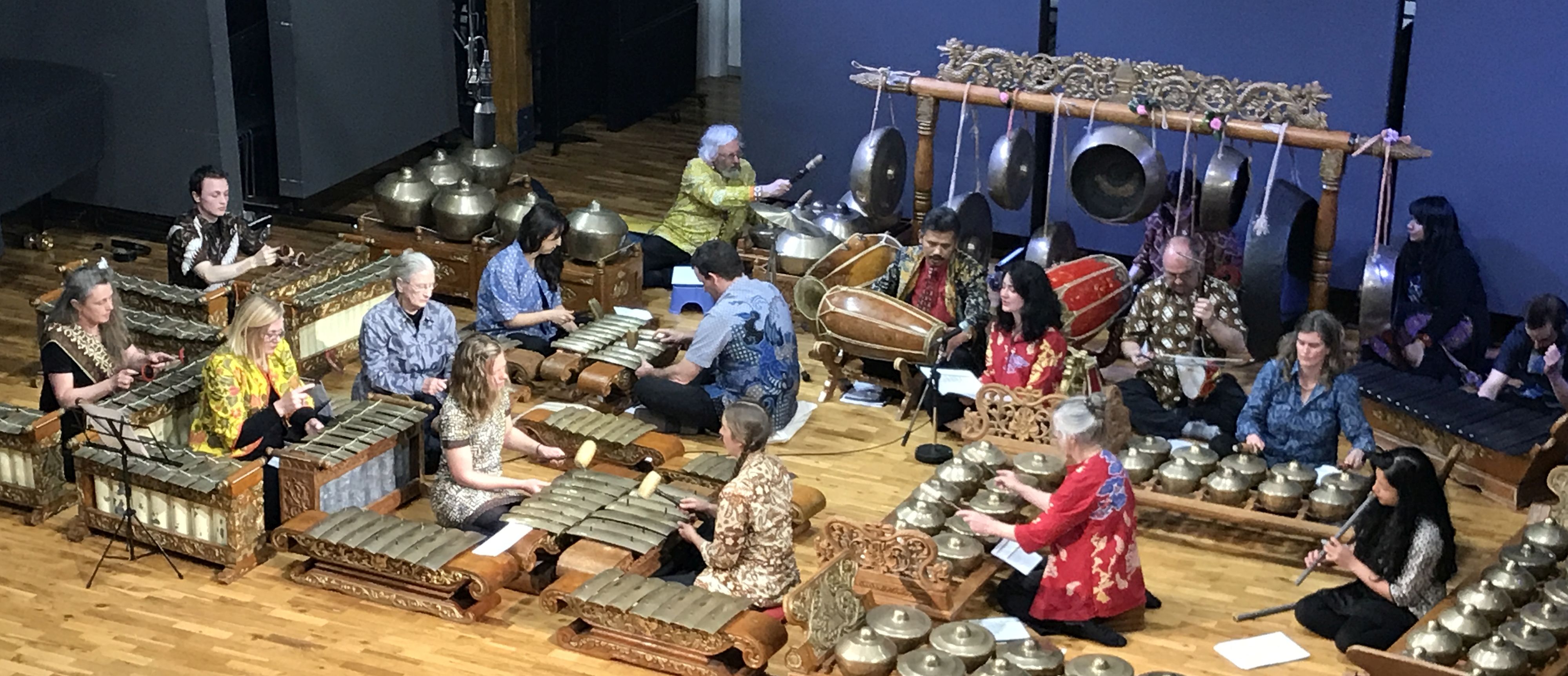
Gamelan was introduced to New Zealand in the 1970s. It has an active scene in Wellington (my birthplace, where I first encountered it in 2010 – thanks to www.gamelan.org.nz ).
From 2012-2014 I lived in Perth, Western Australia, and played in the ensemble Gamelan Sekar Puri. From there I was able to visit Indonesia (and Malaysia) relatively affordably.
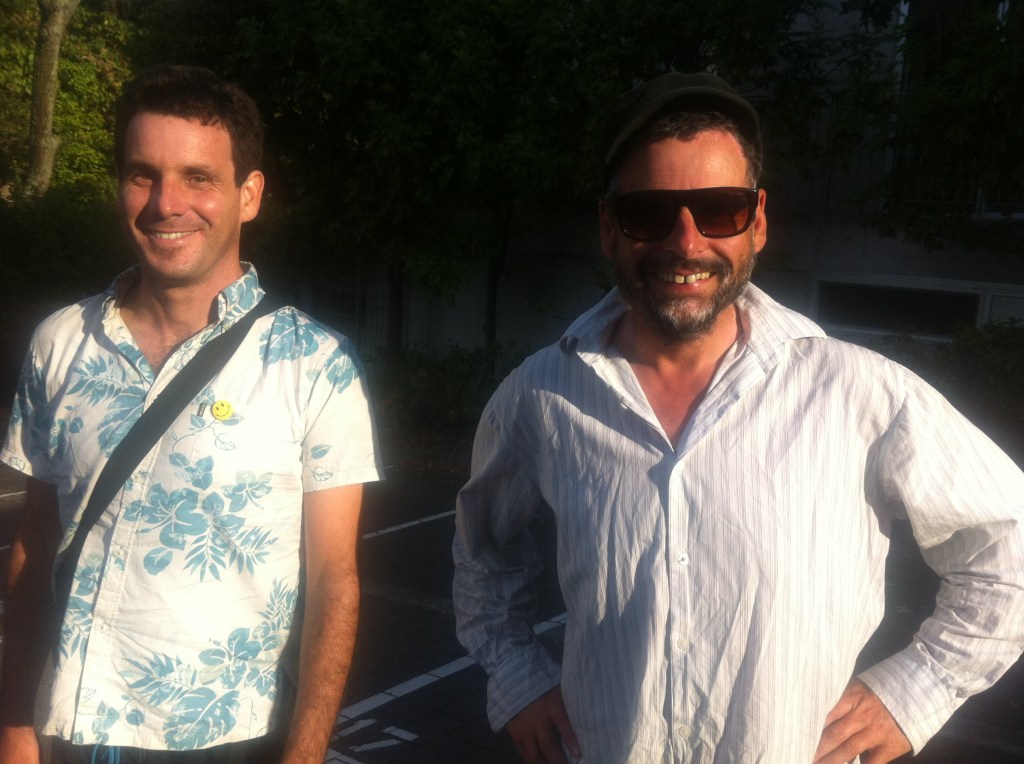
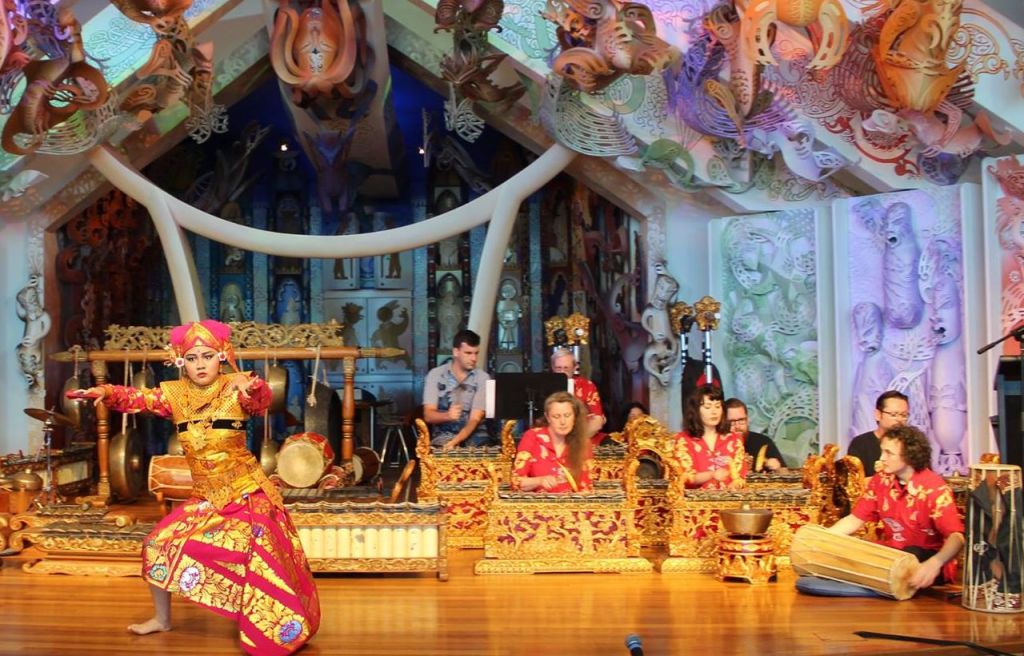
On returning home to New Zealand at the end of 2014, I spent the next few years as a member of theWellington gamelanensembles: Gamelan Taniwha Jaya (Balinese) and Gamelan Padhang Moncar (Javanese). In 2017 I moved to the Wairarapa, so travelling for regular rehearsals became impractical.
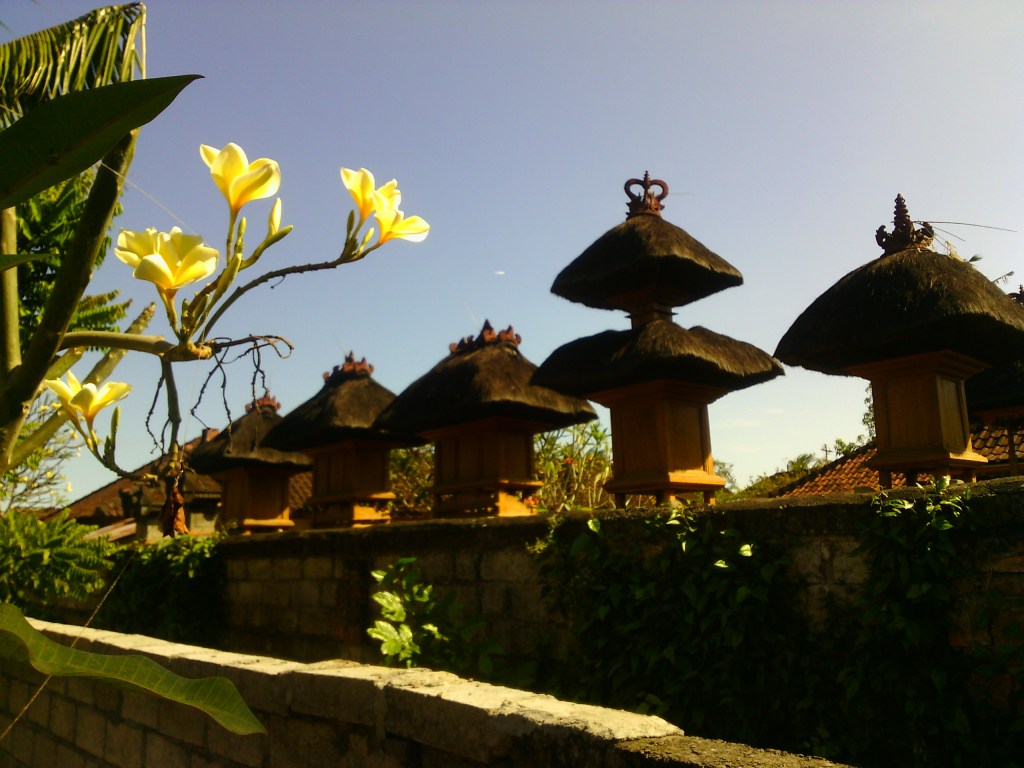
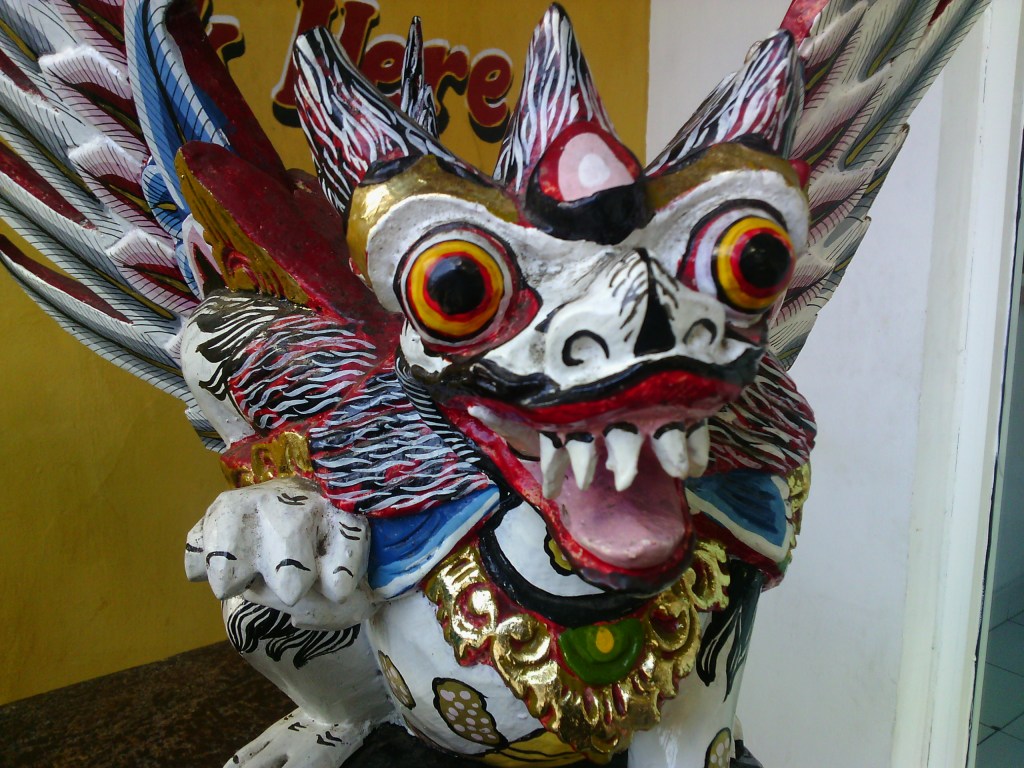
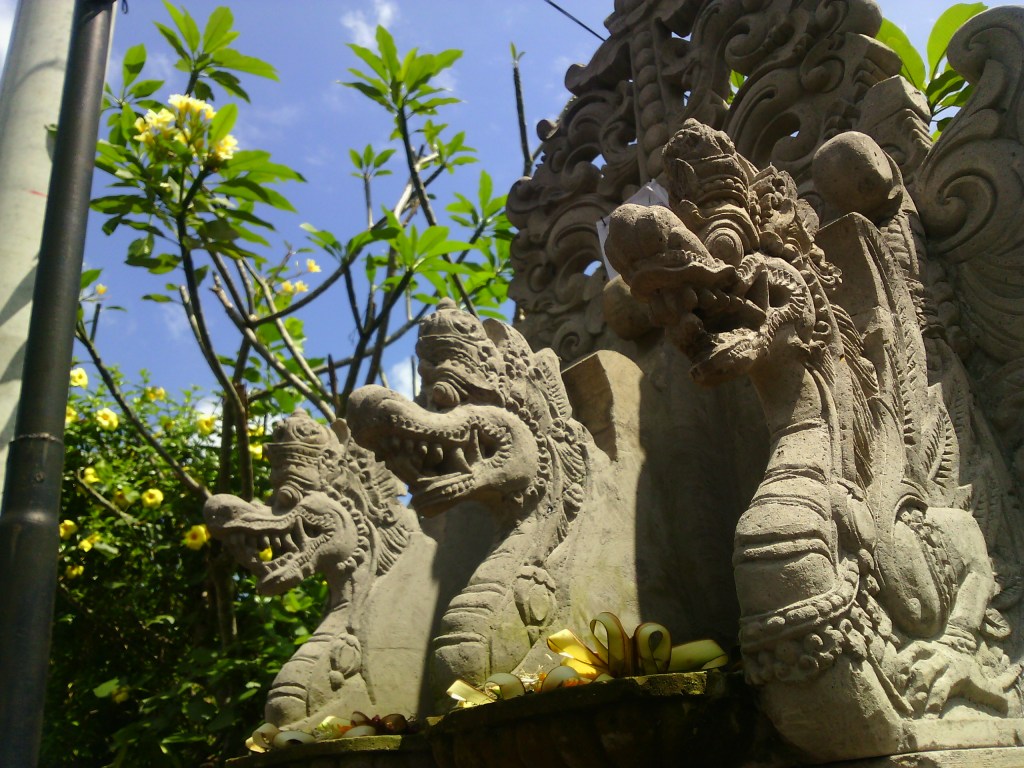
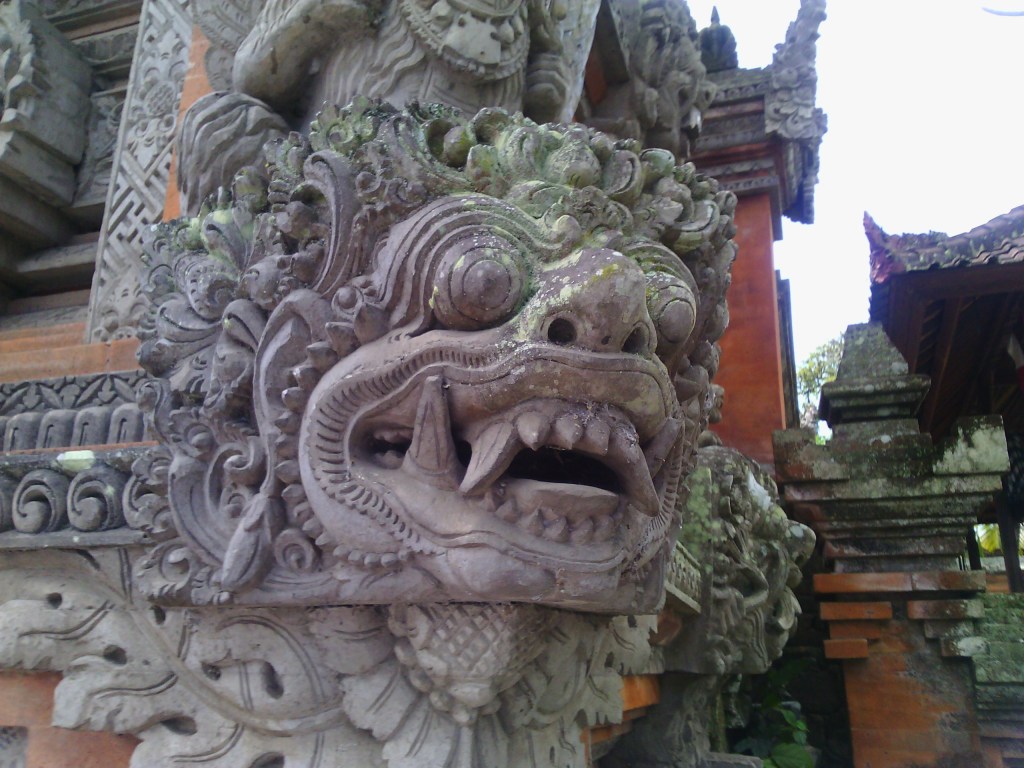
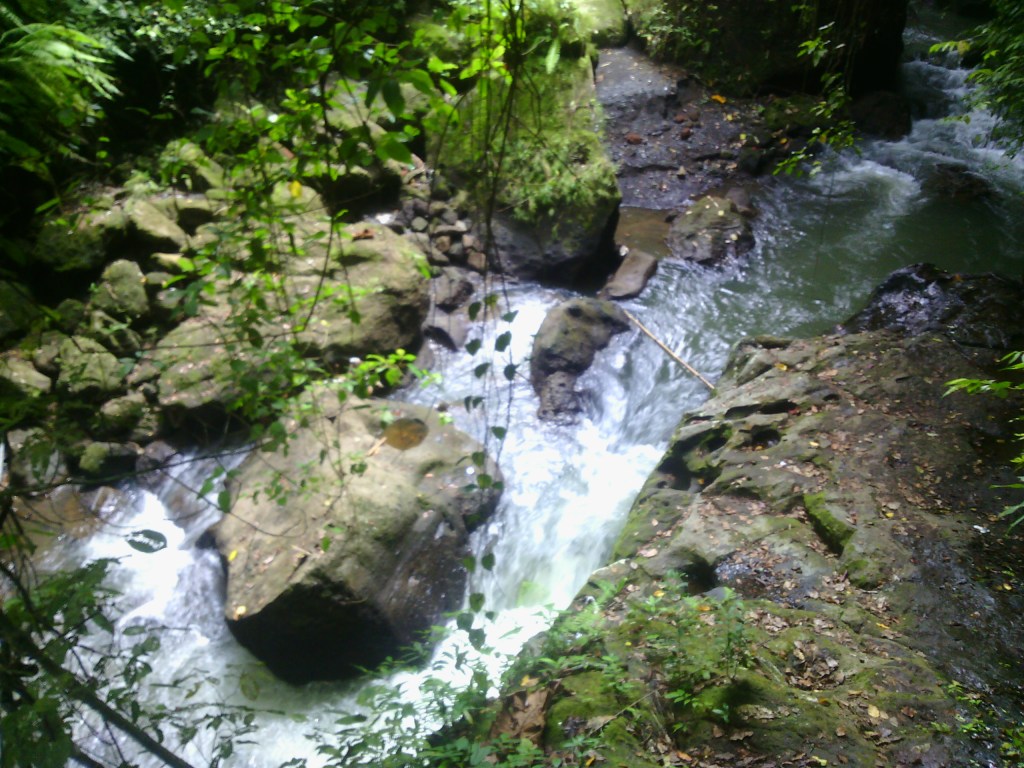
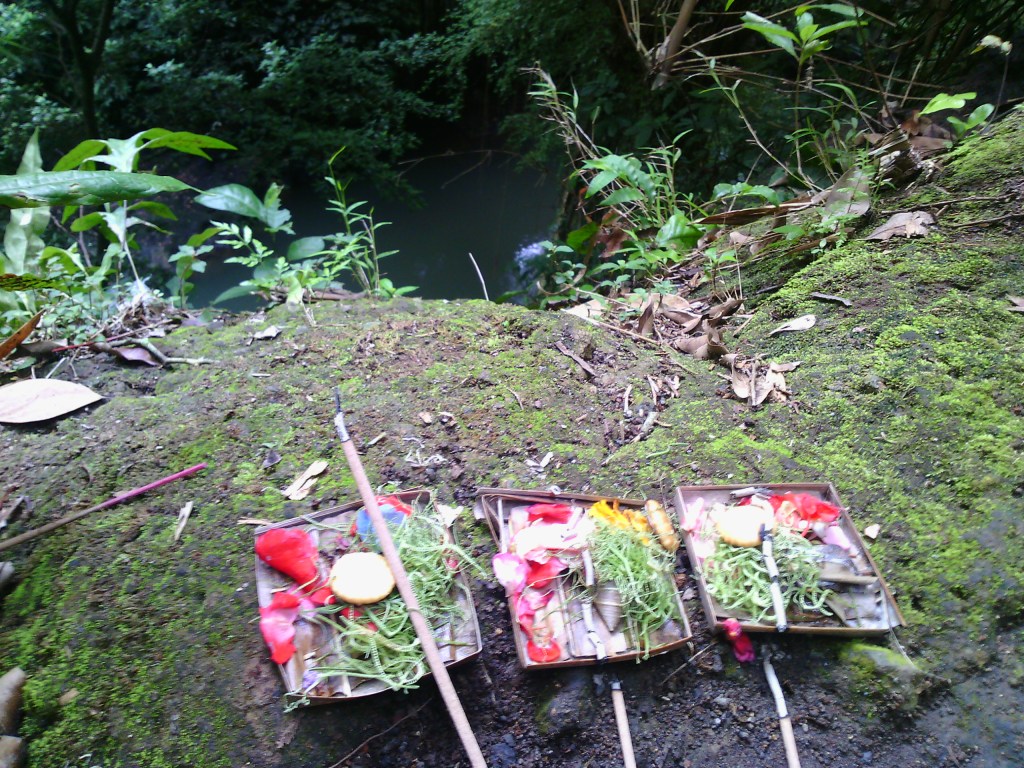
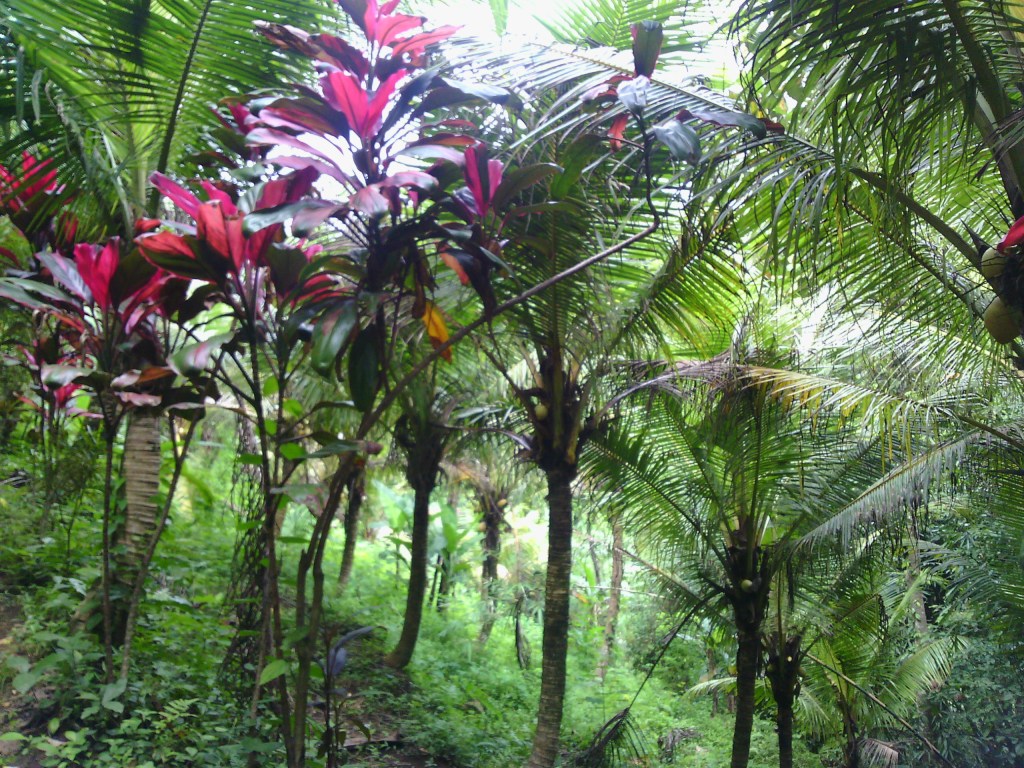
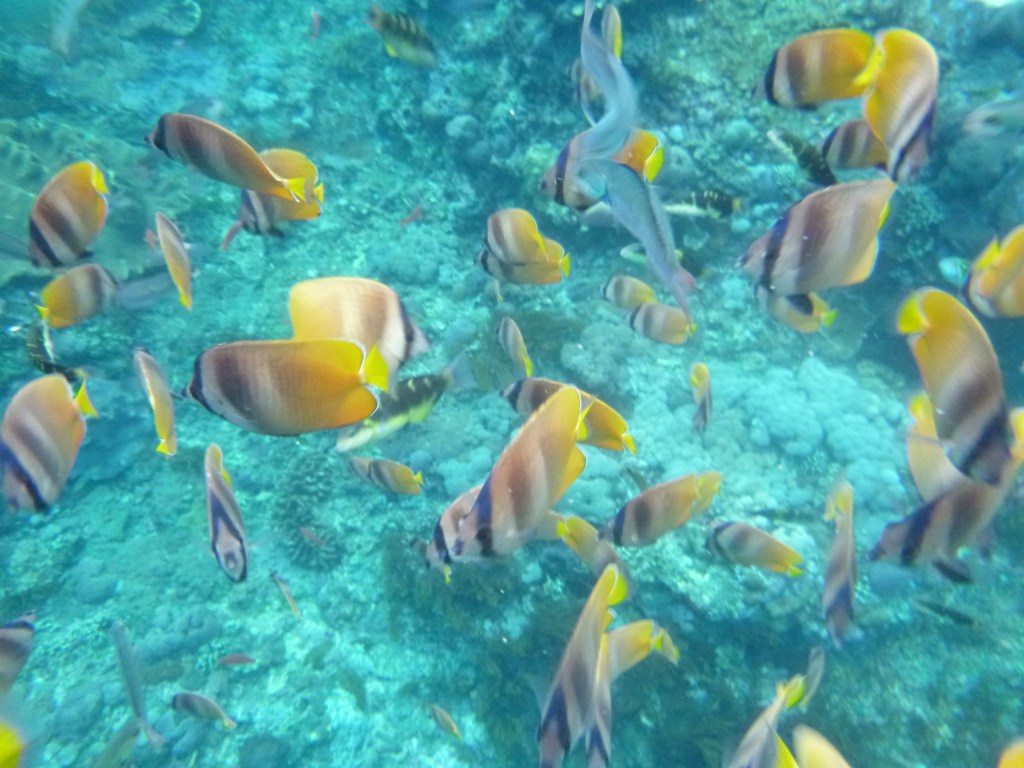
The field recordings were made in 2014 in Indonesia -in central Java, then Baliand Nusa Penida islands;
As well as very different scenery, cultures, cuisines and religion – the islands have strikingly different subgenres of gamelan. Stereotypically, the Javanese style is more hypnotic and meditative, while the Balinese style is faster and complex.
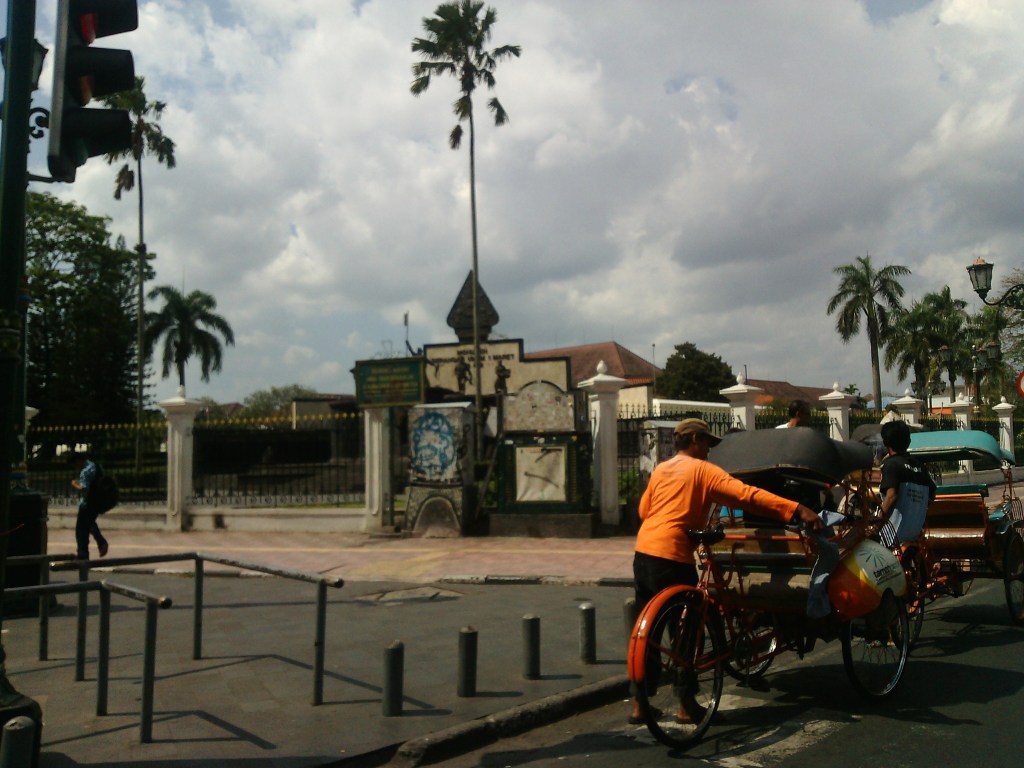
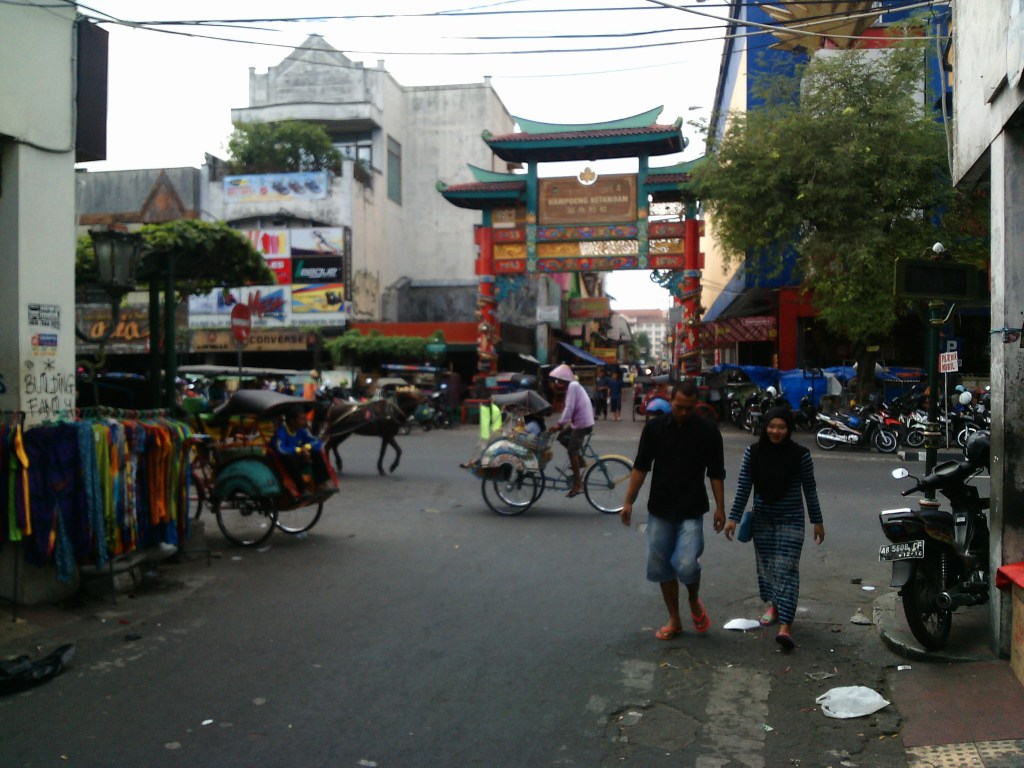
Yogyakarta and Surakarta, Central Java
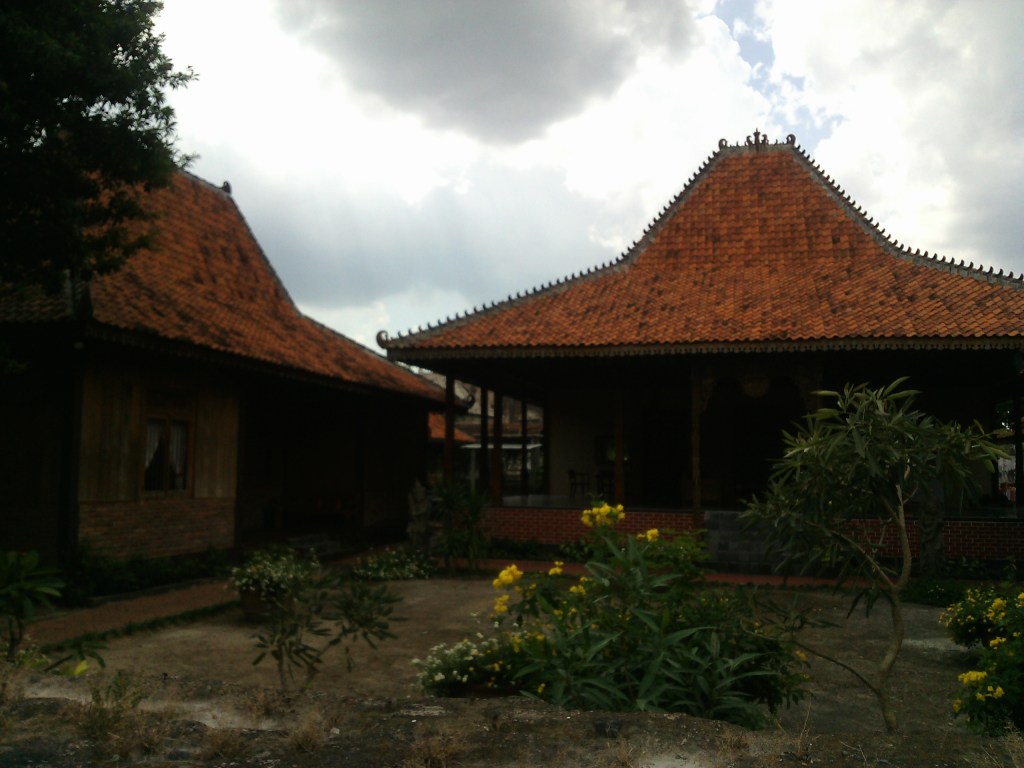
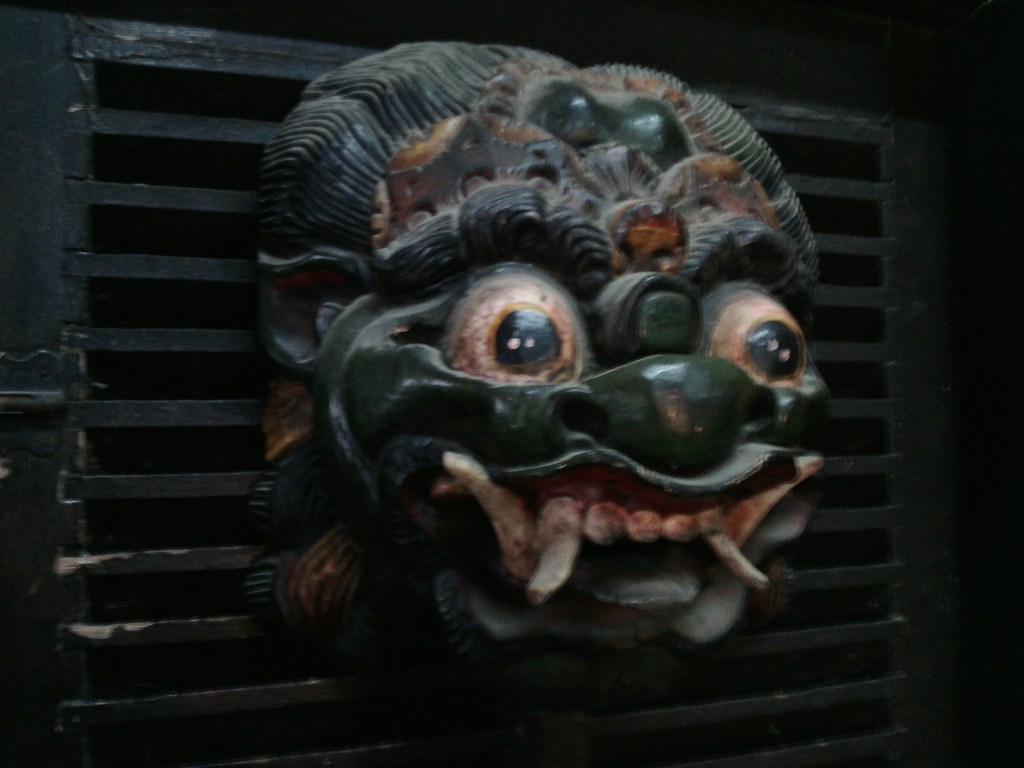
Central Java, Indonesia
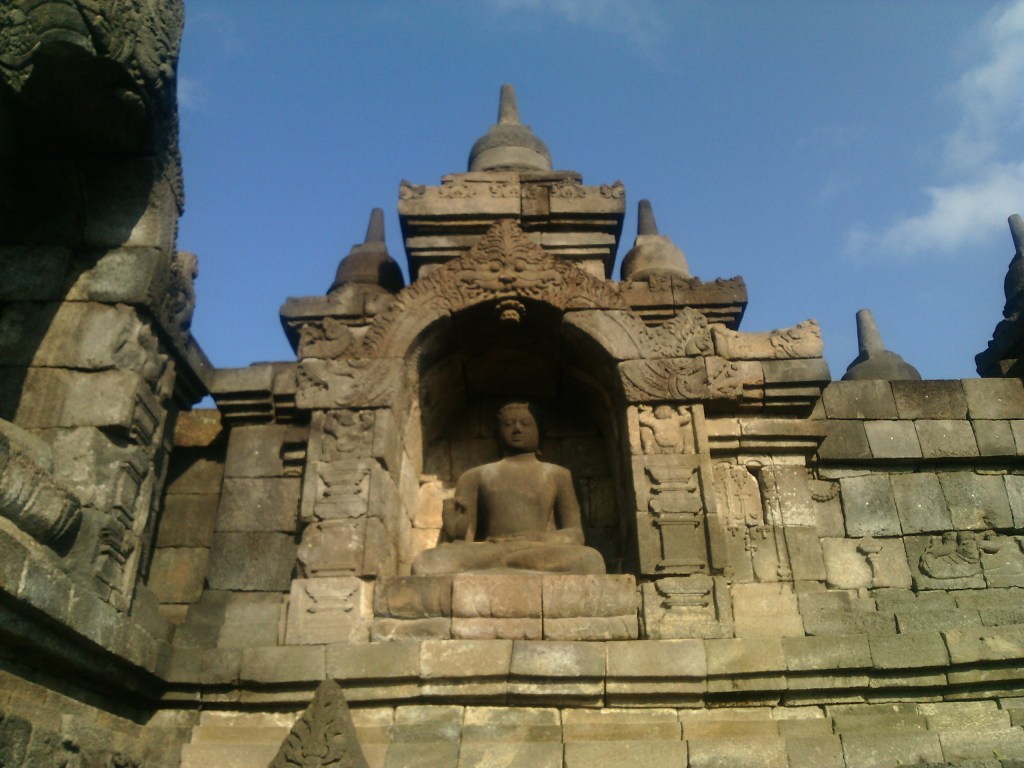
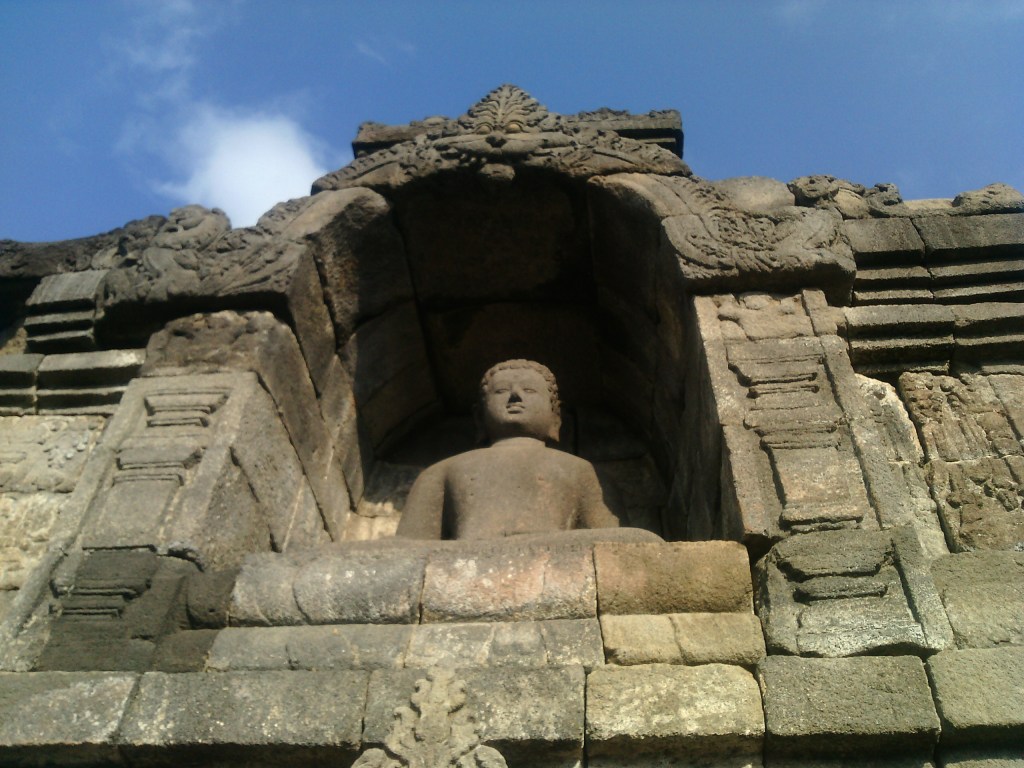
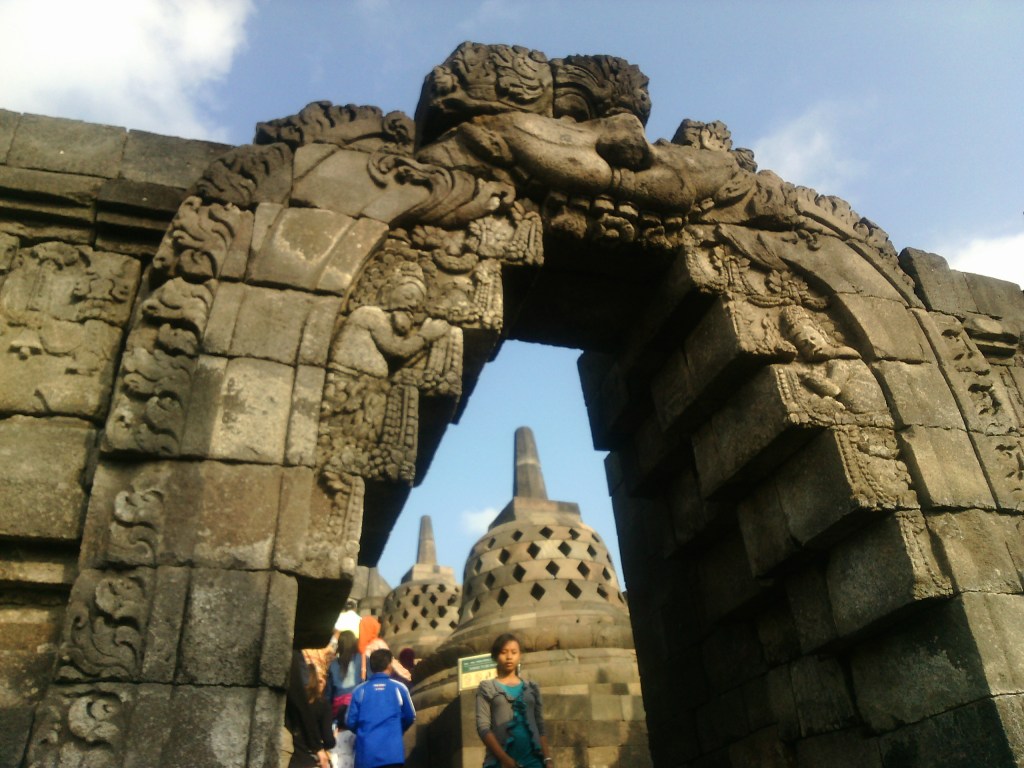
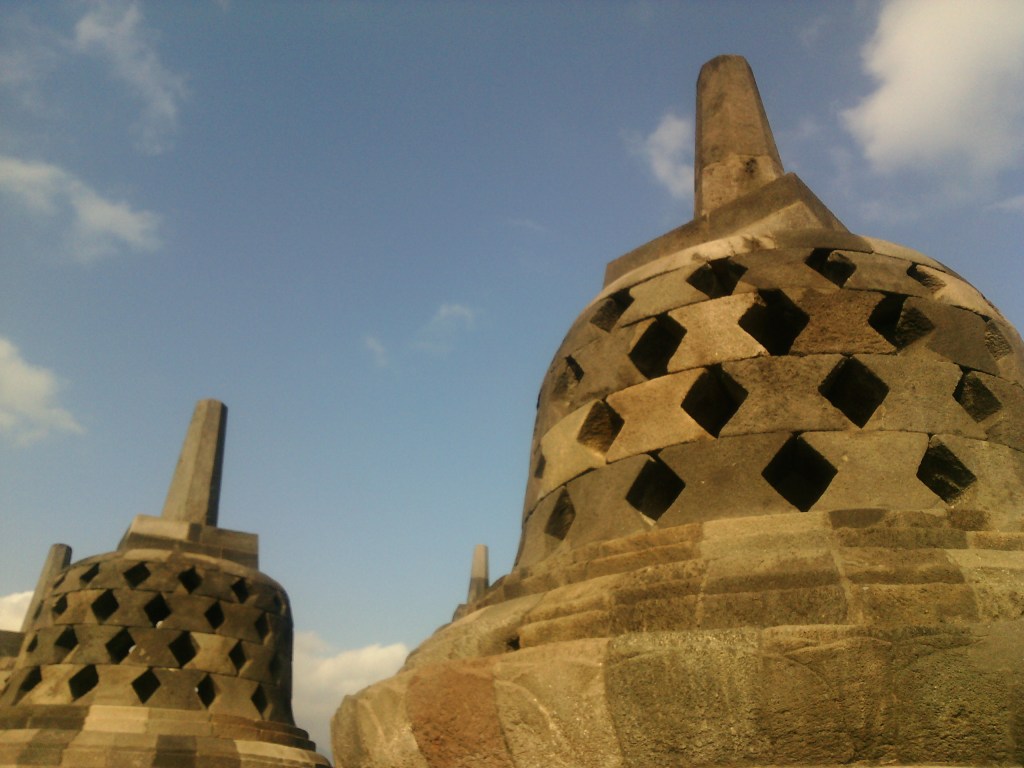
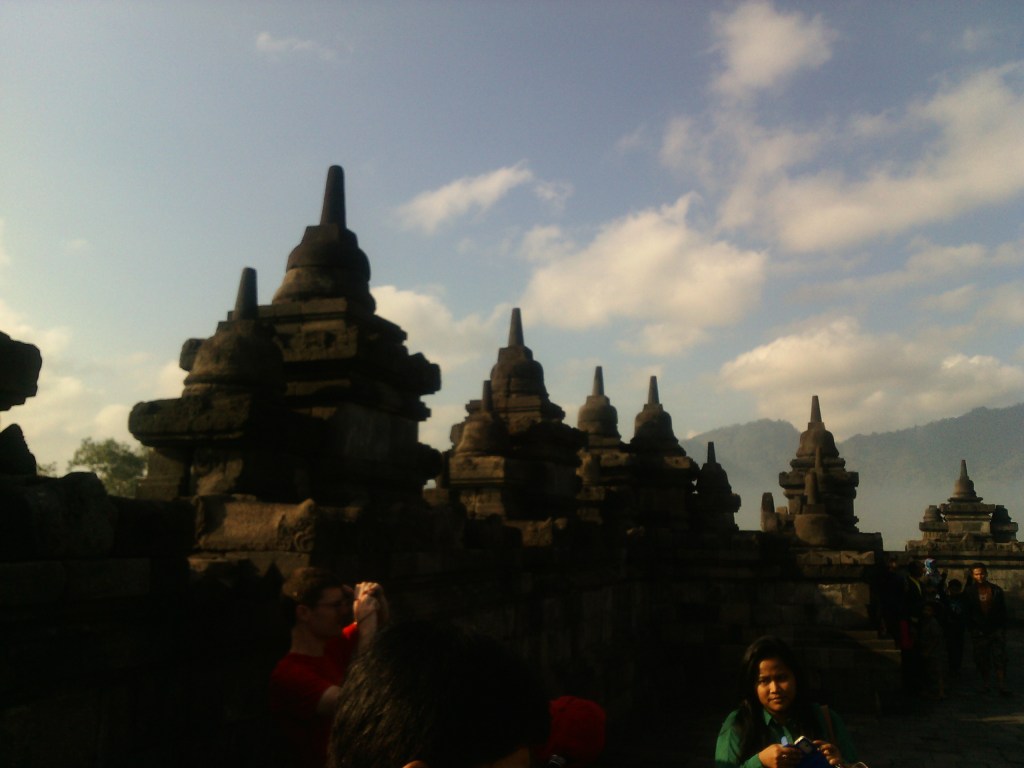
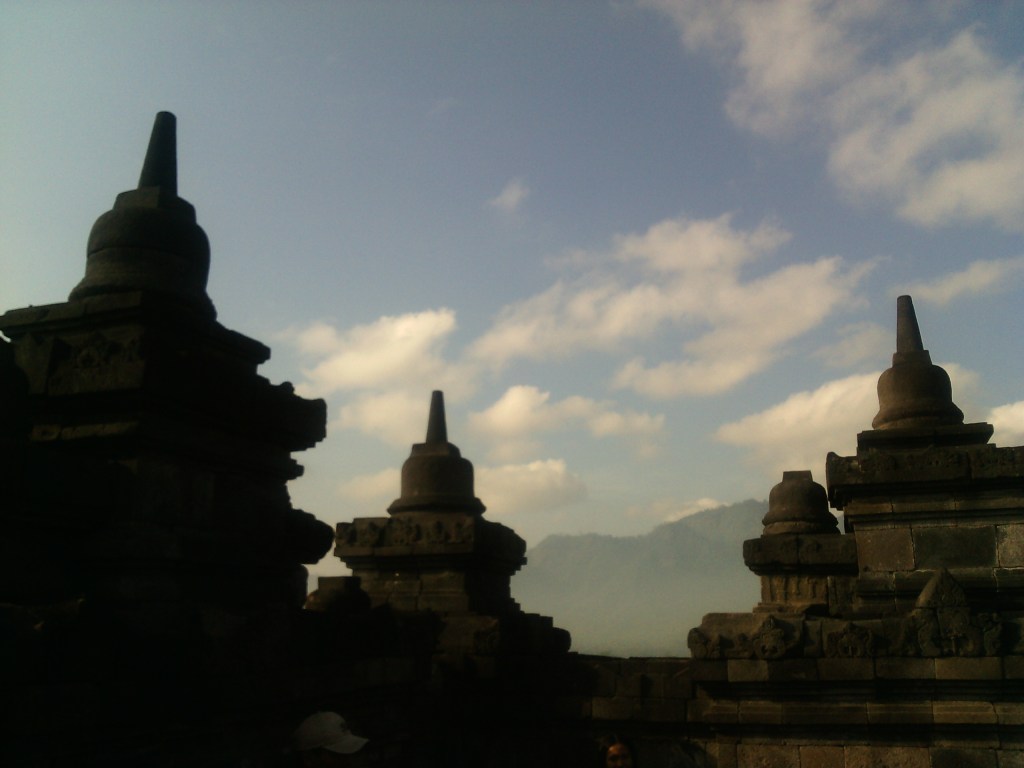
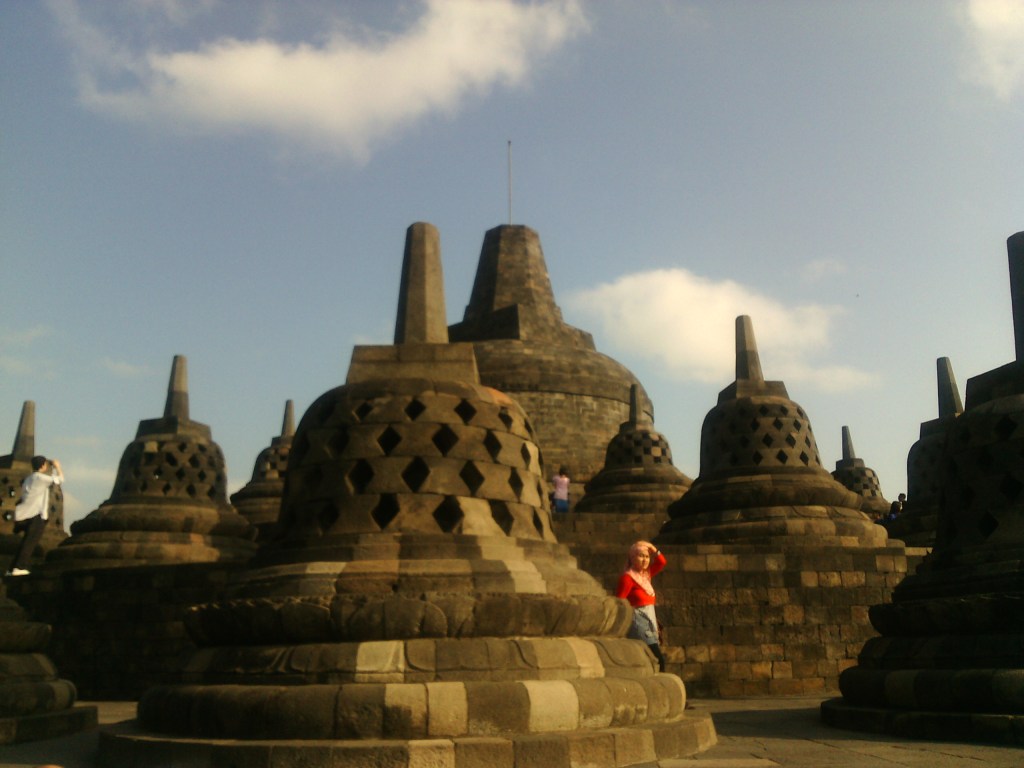
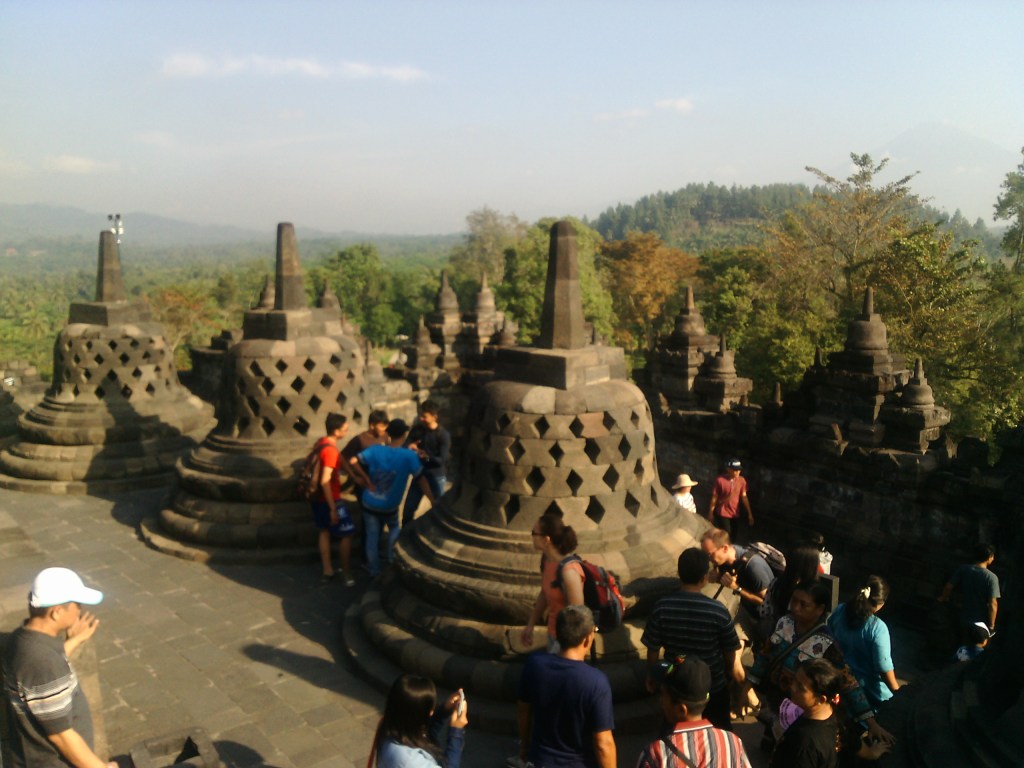
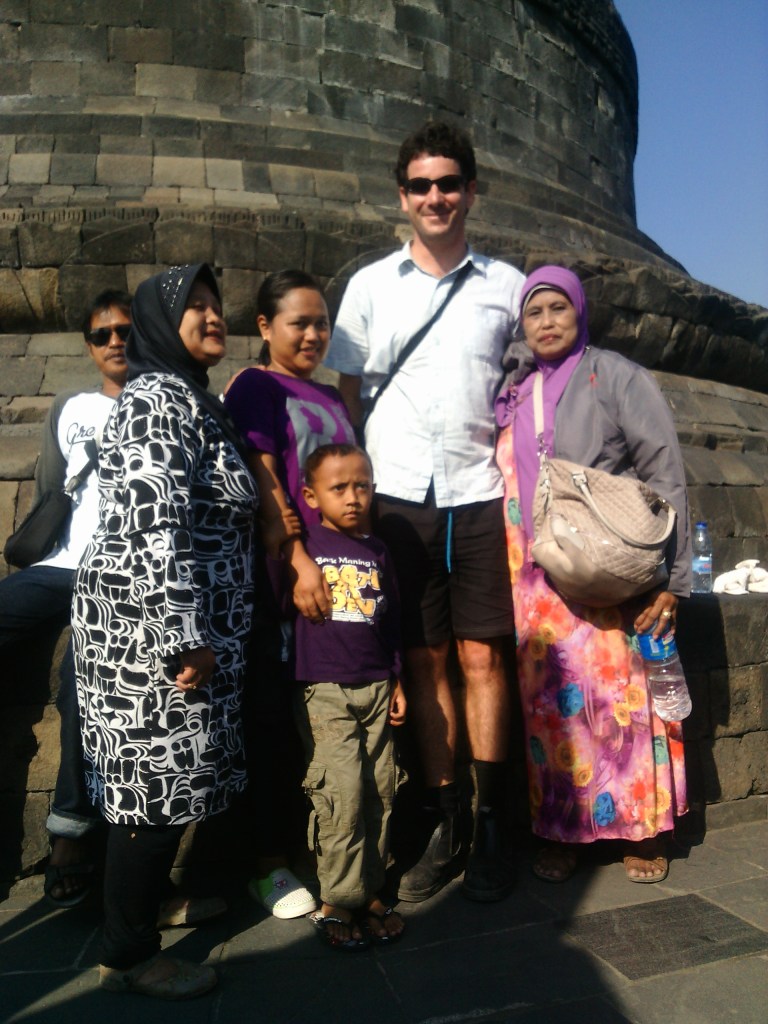
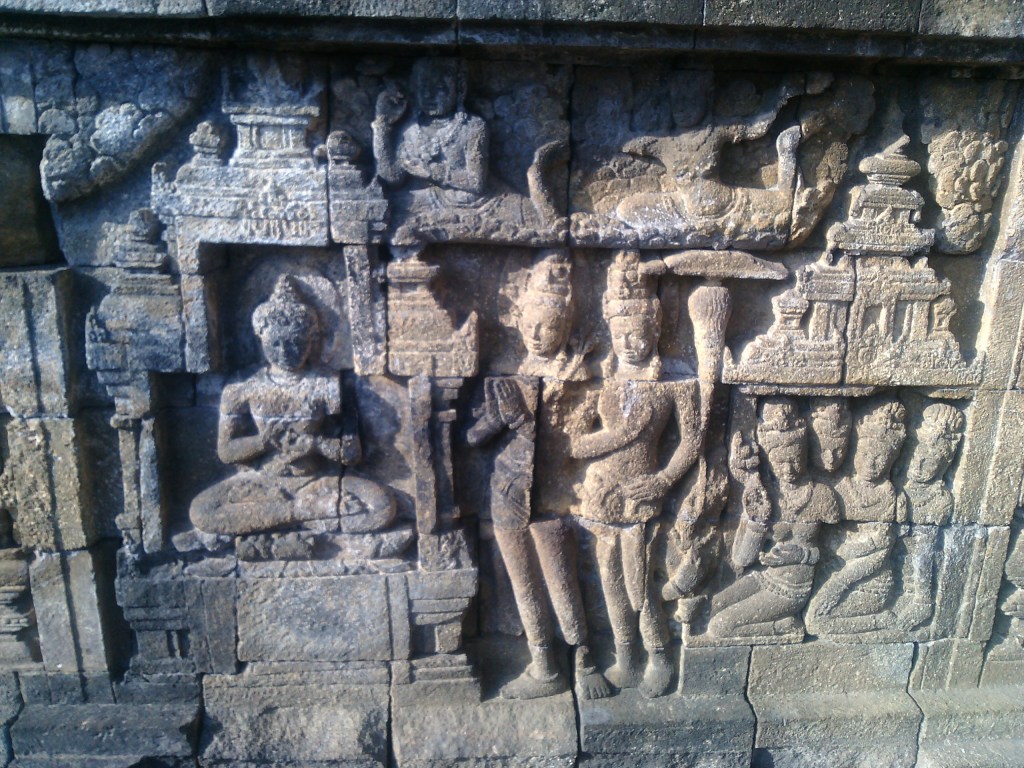
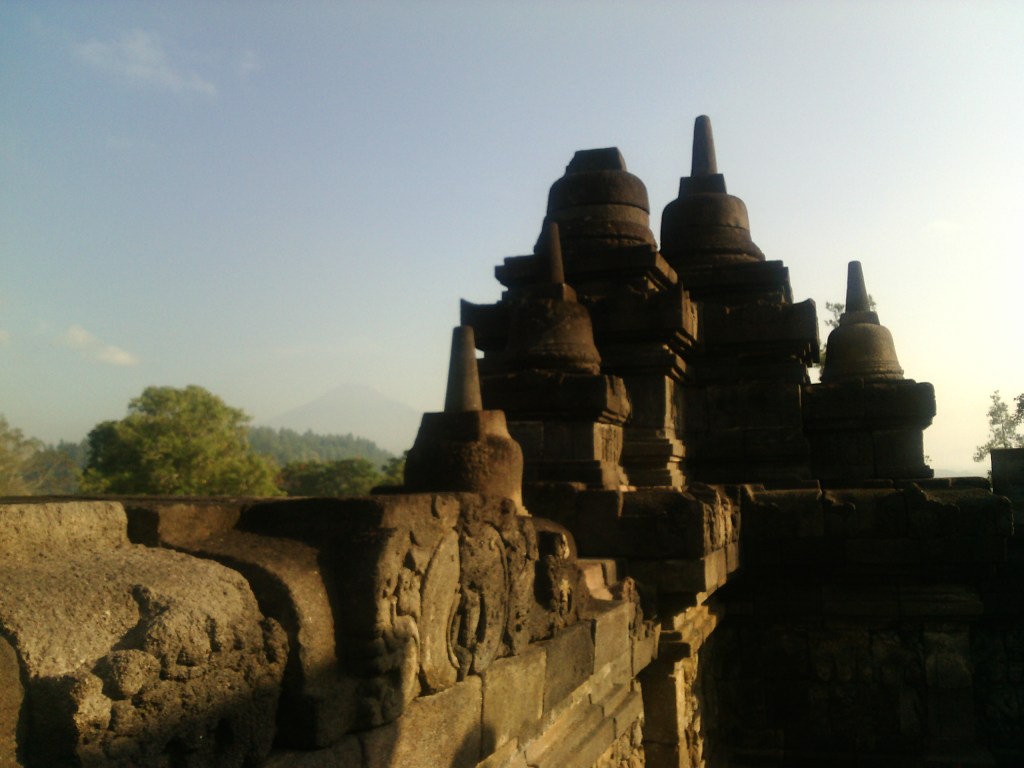
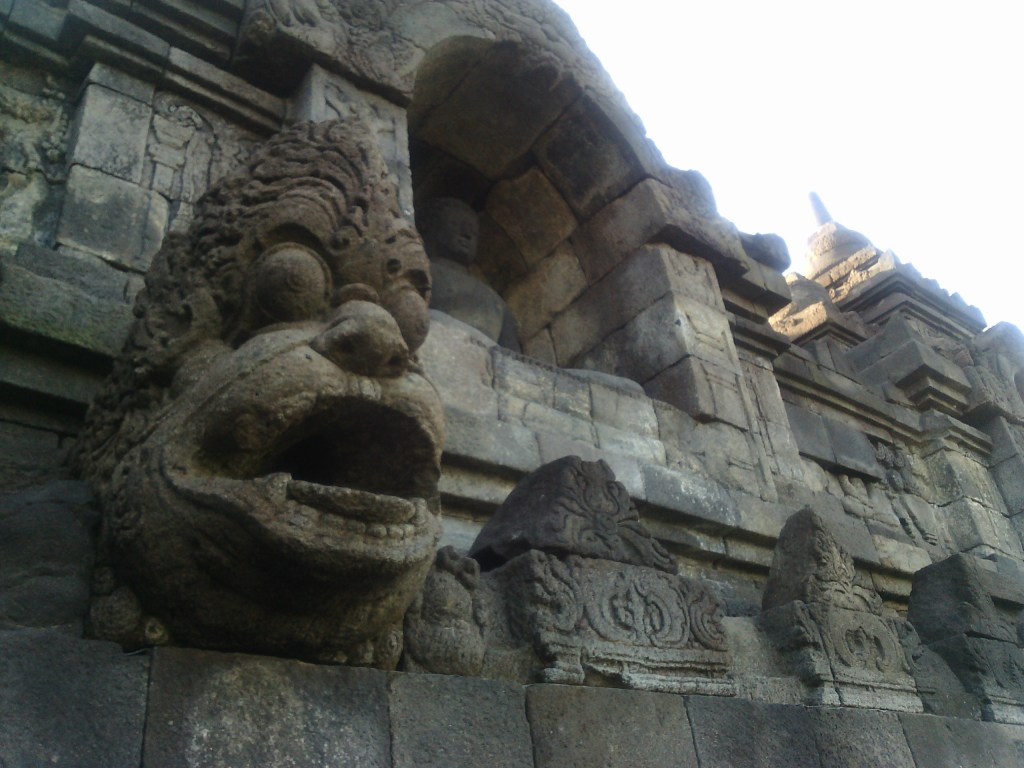
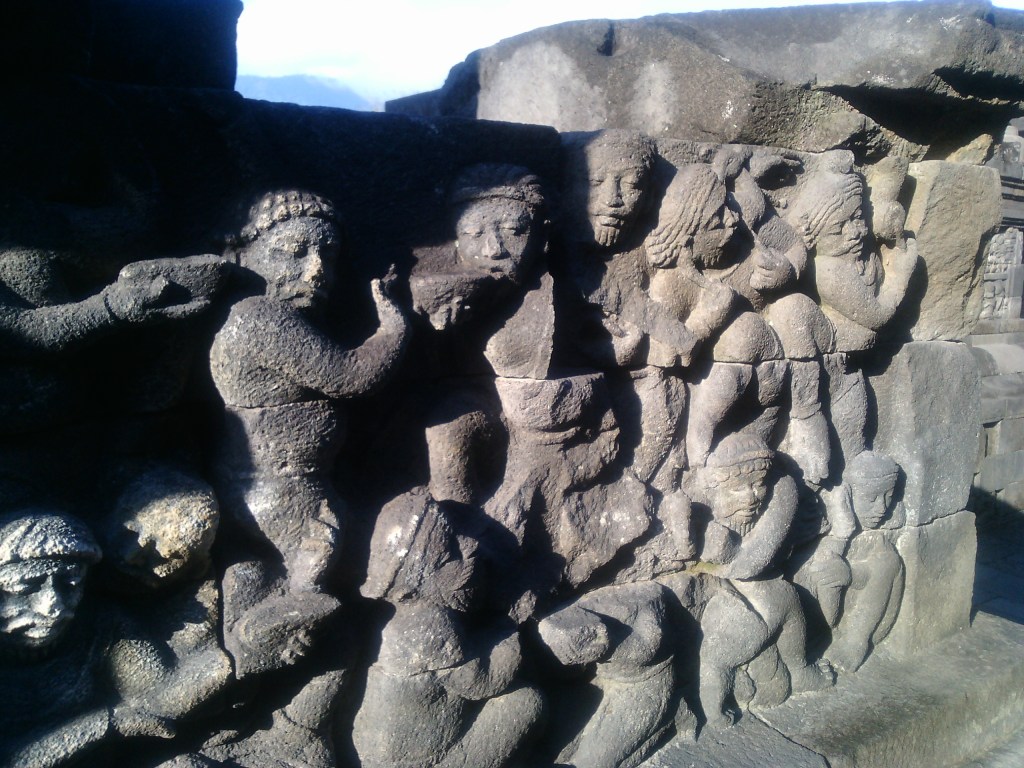
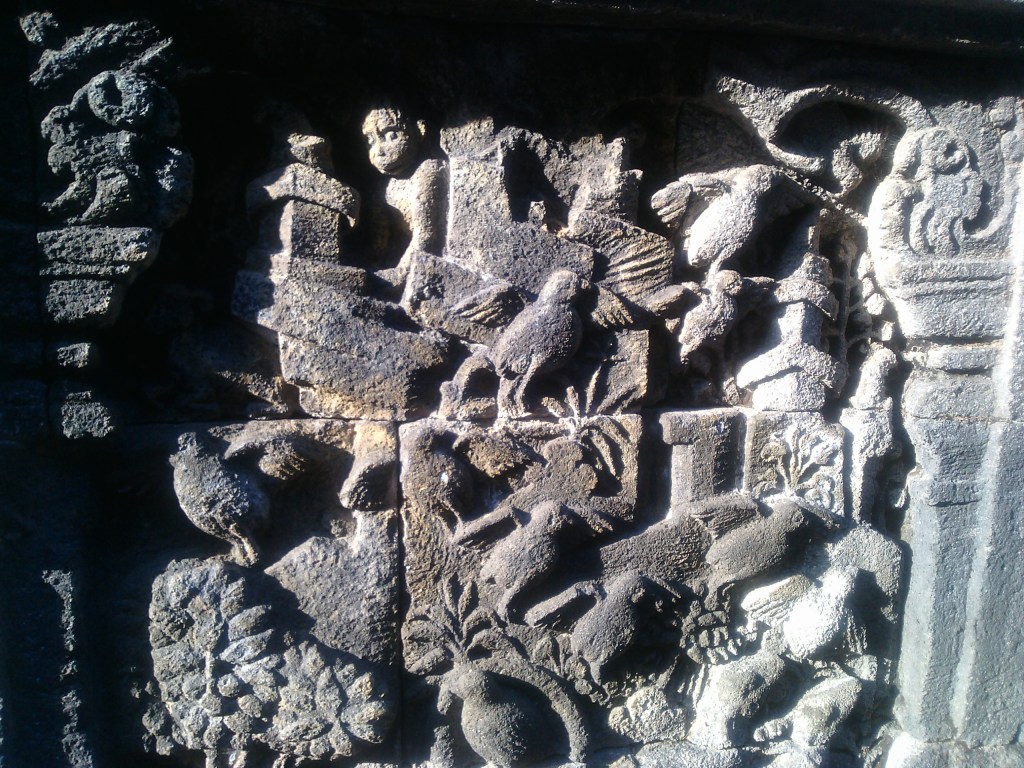
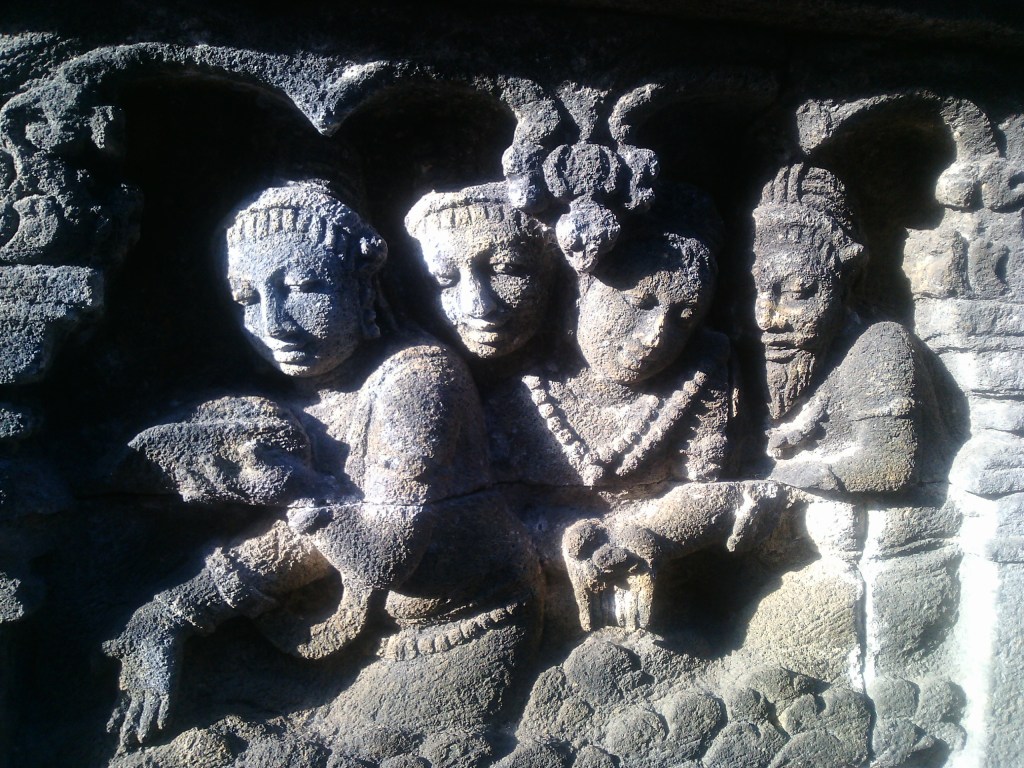
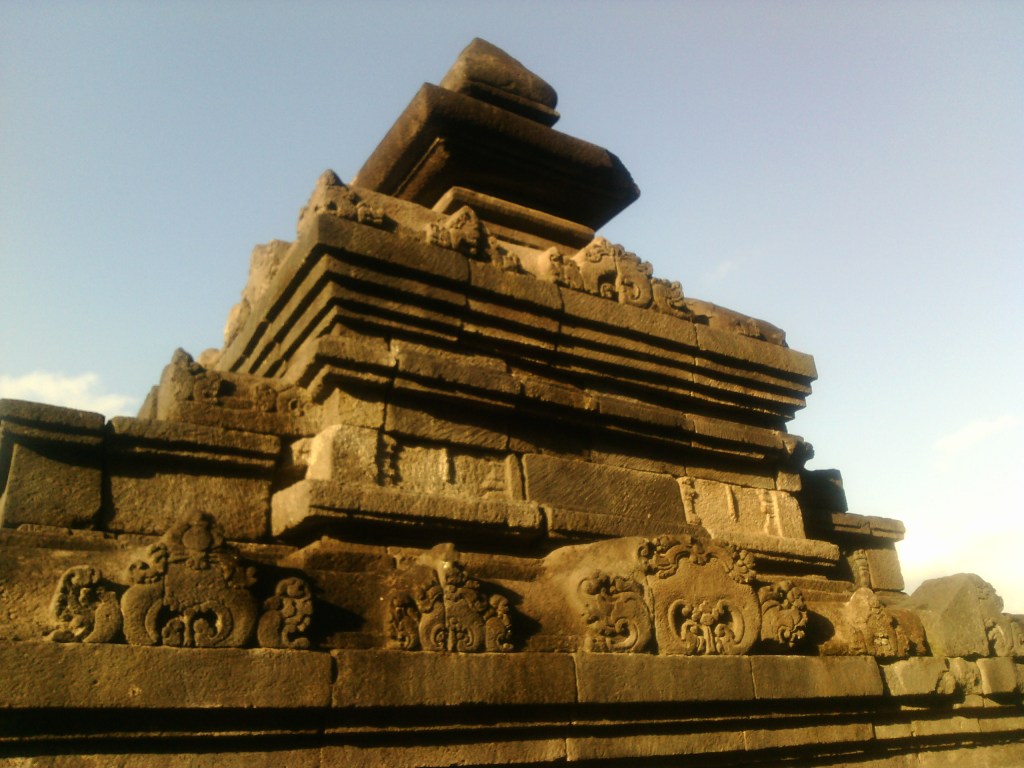
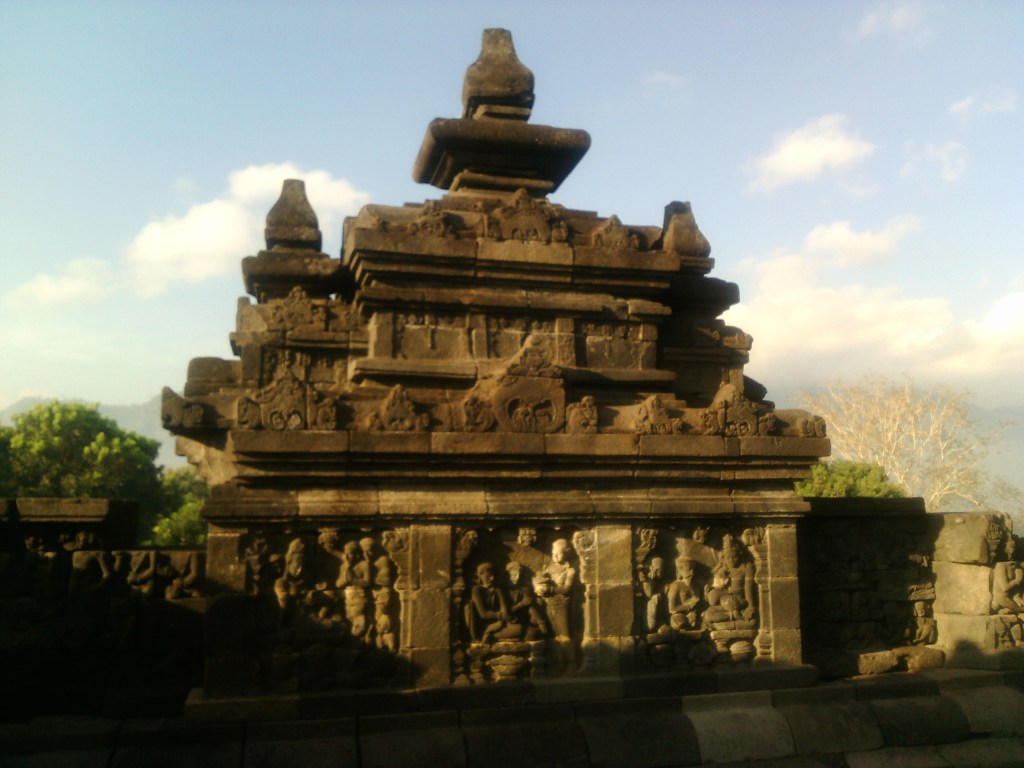
Borobudur temple, Central Java, Indonesia
Borobudur temple, Central Java, Indonesia
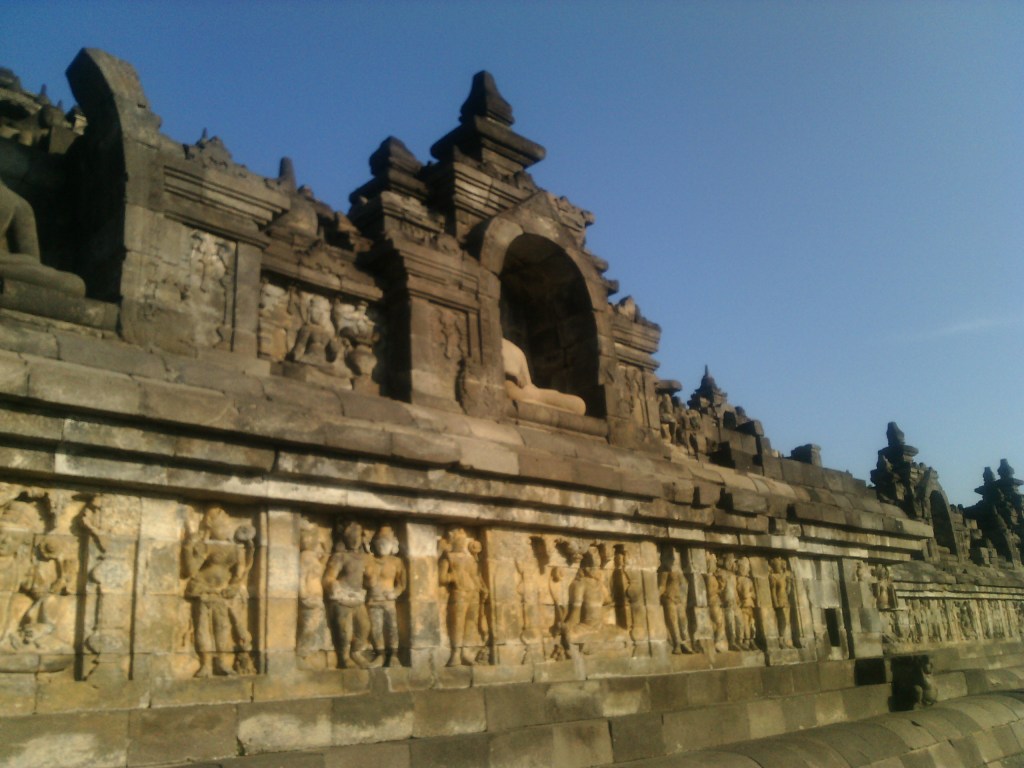
Borobudur temple, Central Java, Indonesia
Borobudur temple, Central Java, Indonesia
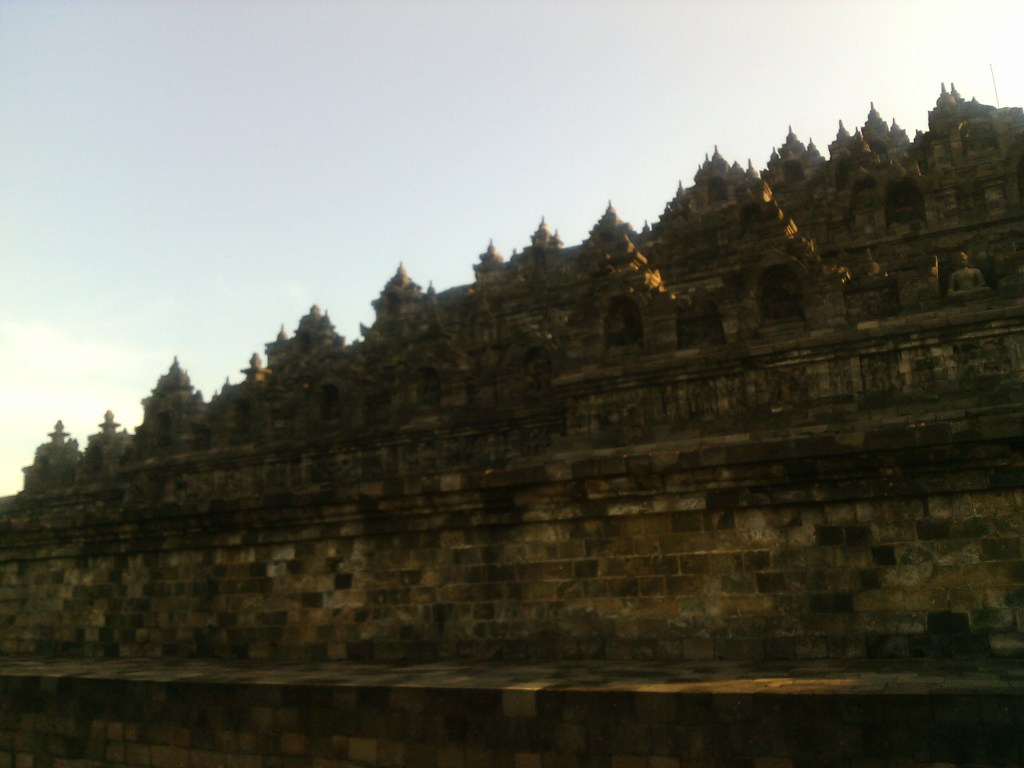
Borobudur temple, Central Java, Indonesia
Borobudur temple, Central Java, Indonesia
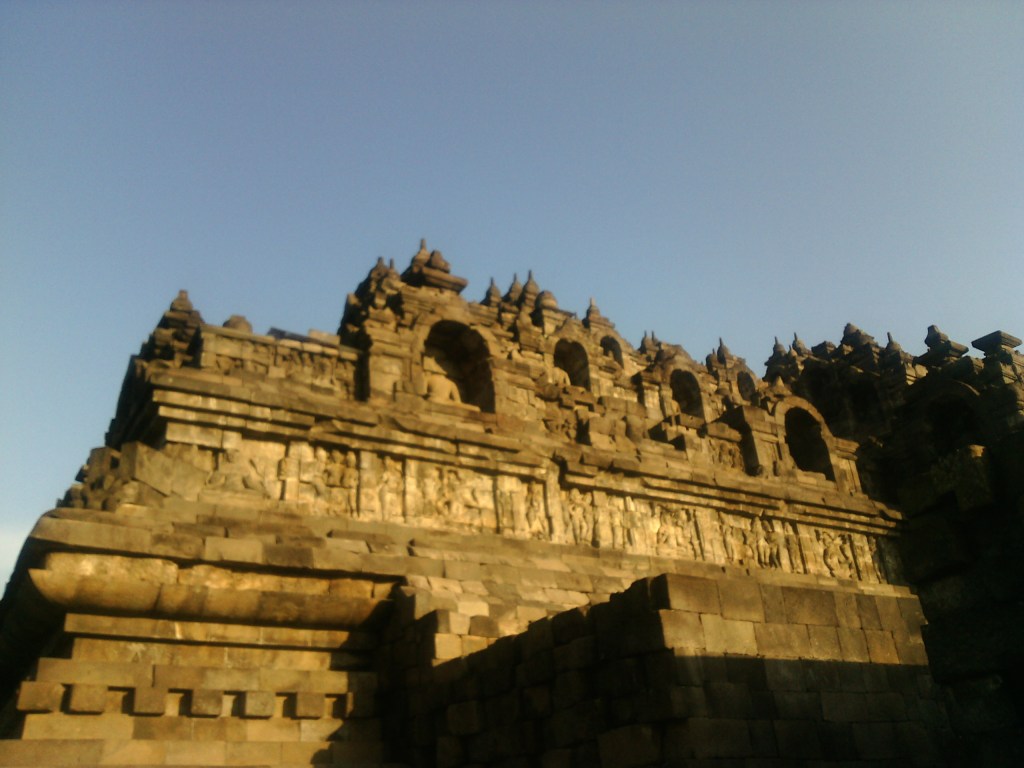
Borobudur temple, Central Java, Indonesia
Borobudur temple, Central Java, Indonesia
Borobudur temple, Central Java, Indonesia
Borobudur temple, Central Java, Indonesia
Borobudur temple, Central Java, Indonesia
Borobudur temple, Central Java, Indonesia, 2014
Borobudur temple, Central Java, Indonesia
Borobudur temple, Central Java, Indonesia
Borobudur temple, Central Java, Indonesia
Borobudur temple, Central Java, Indonesia
Borobudur temple, Central Java, Indonesia
Borobudur temple, Central Java, Indonesia
Borobudur temple, Central Java, Indonesia
Borobudur temple, Central Java, Indonesia
Borobudur temple, Central Java, Indonesia
Borobudur temple, Central Java, Indonesia
Borobudur temple, Central Java, Indonesia
Borobudur temple, Central Java, Indonesia
Borobudur temple, Central Java, Indonesia
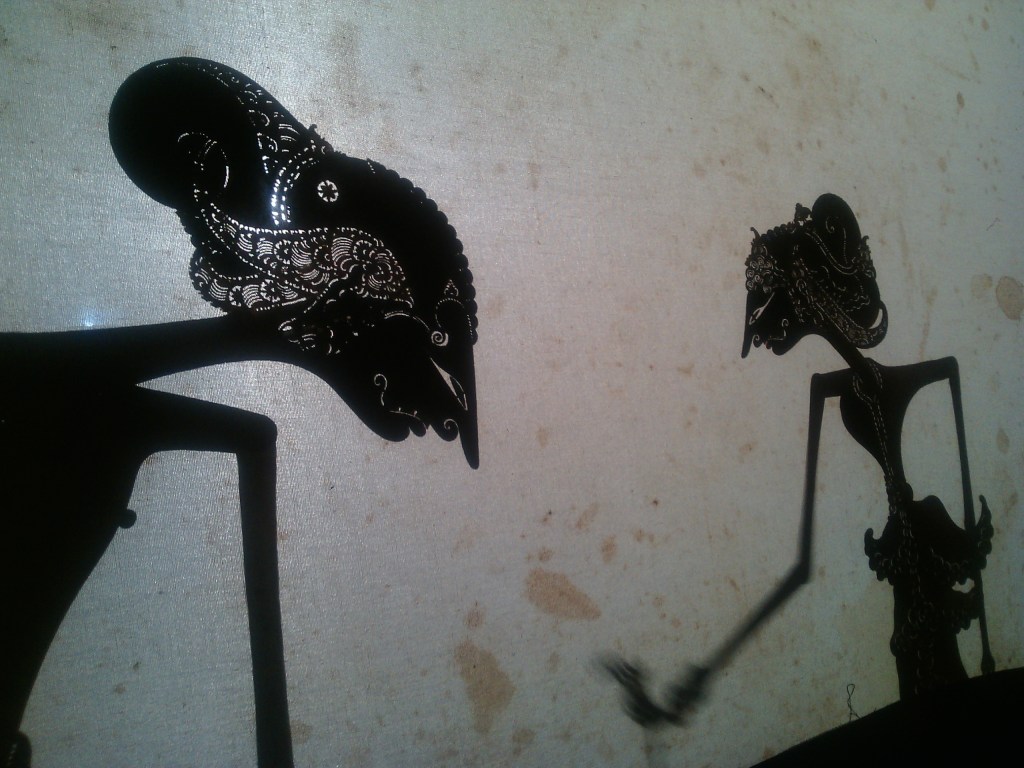
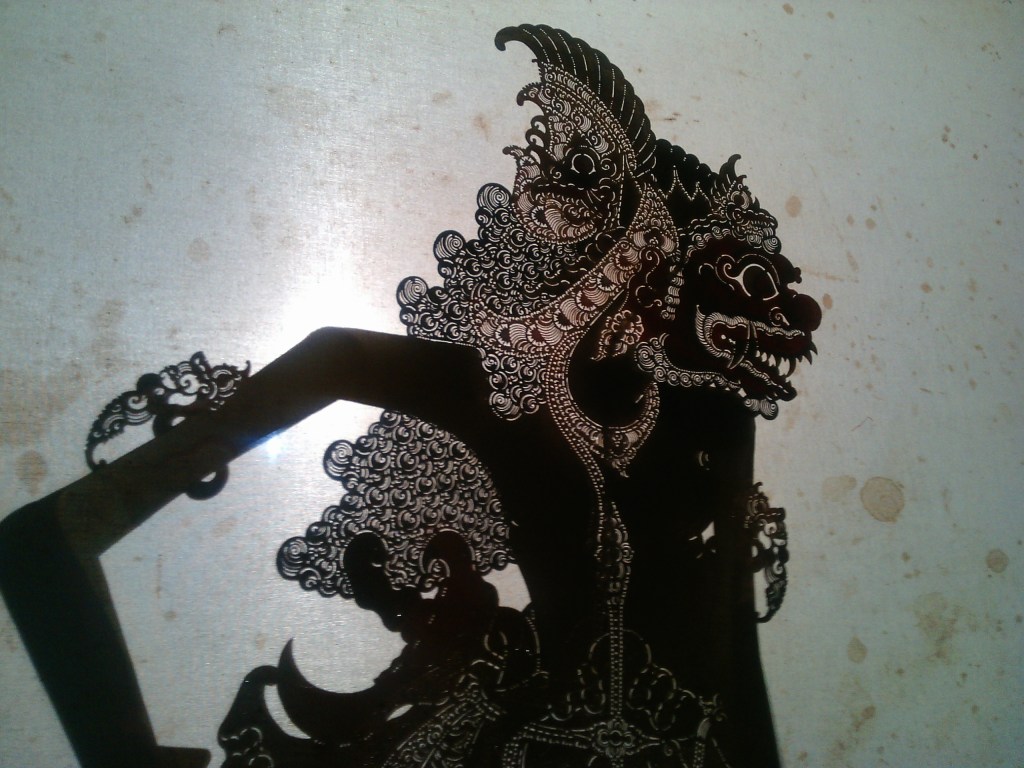
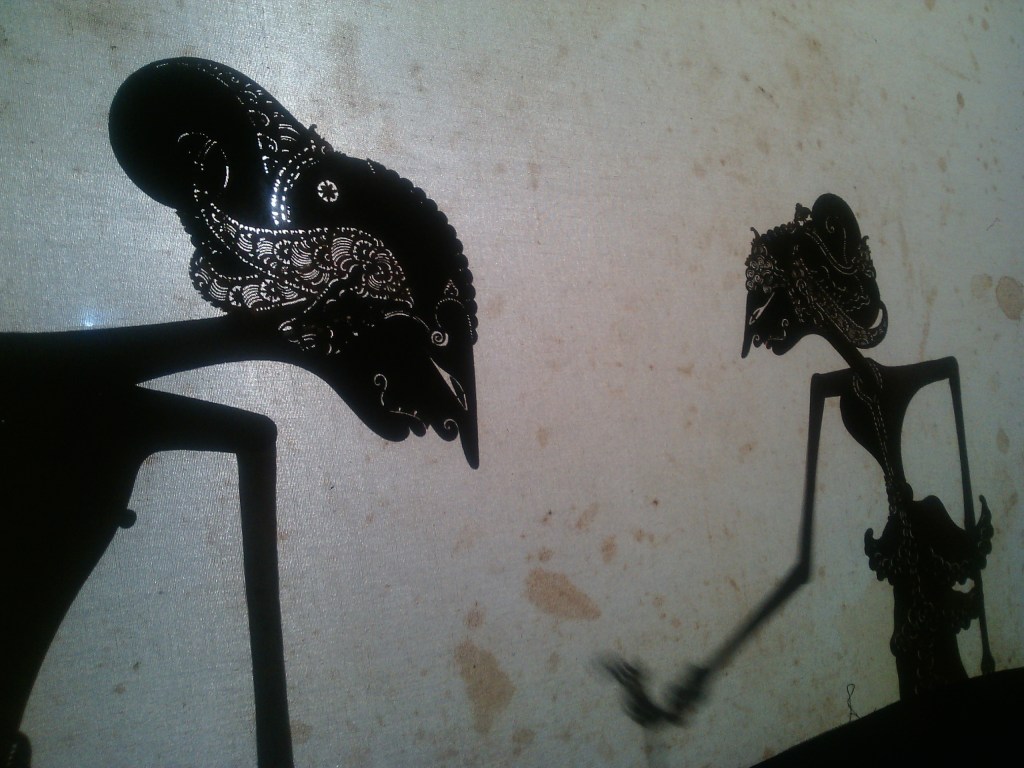
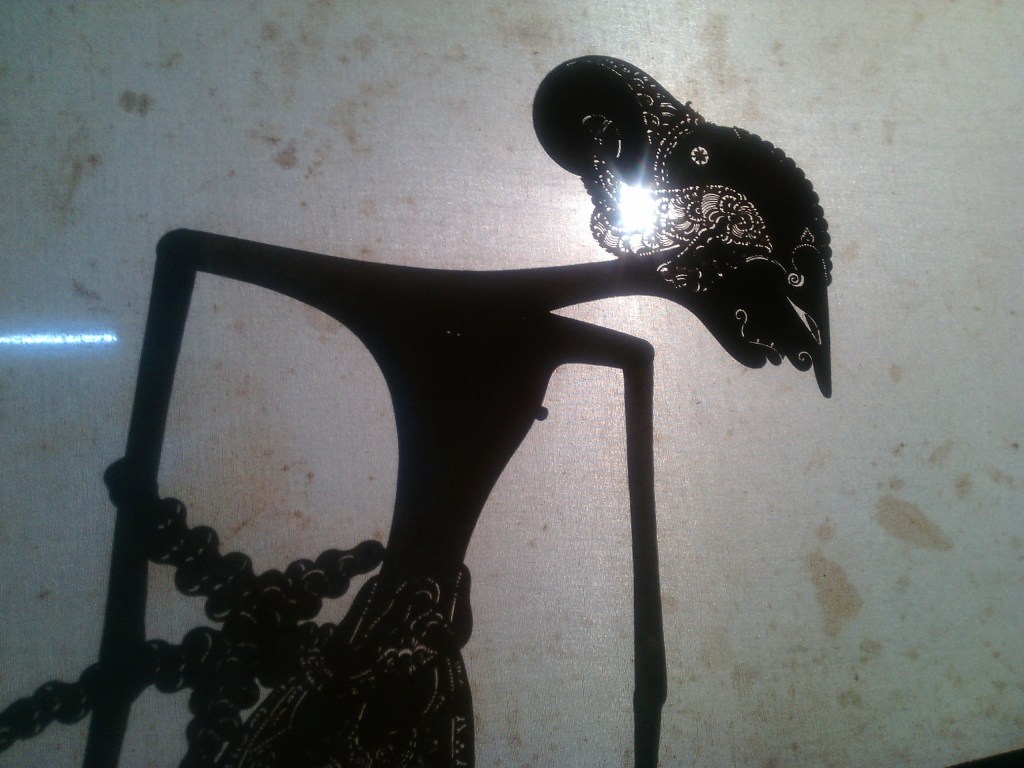
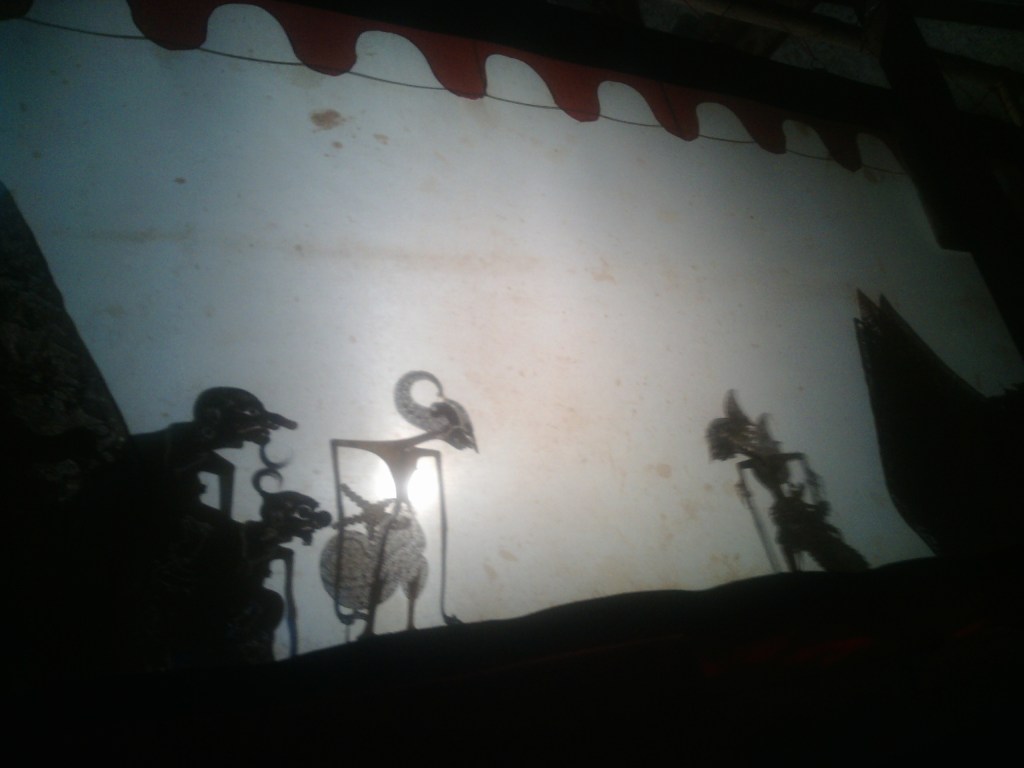
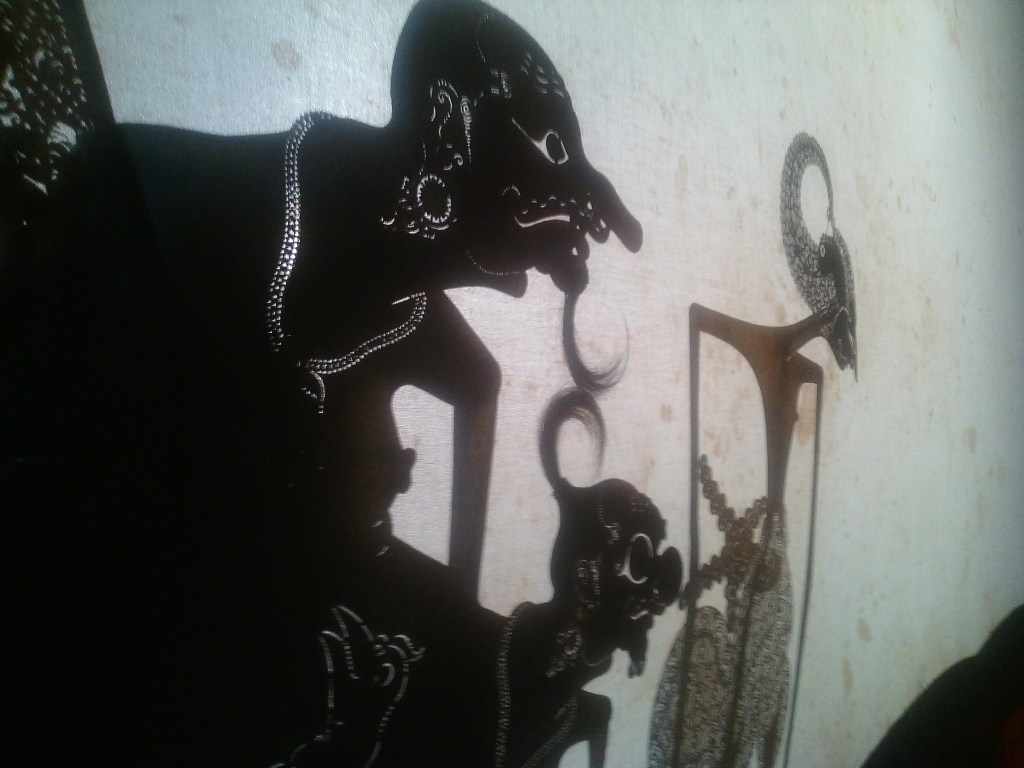
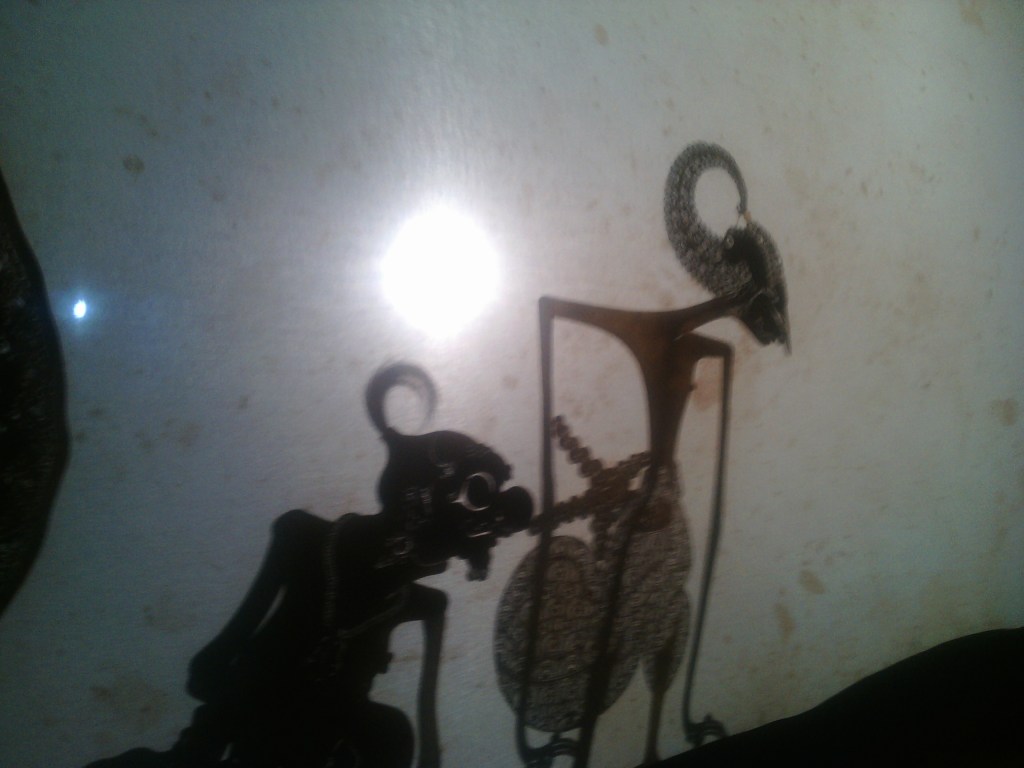
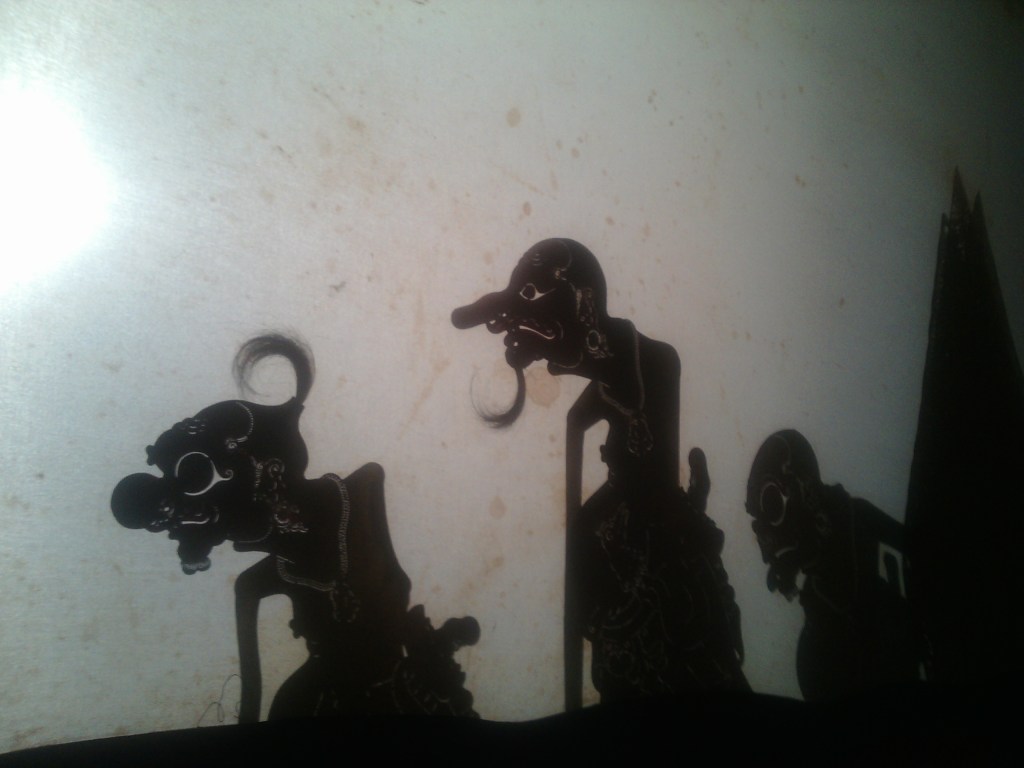
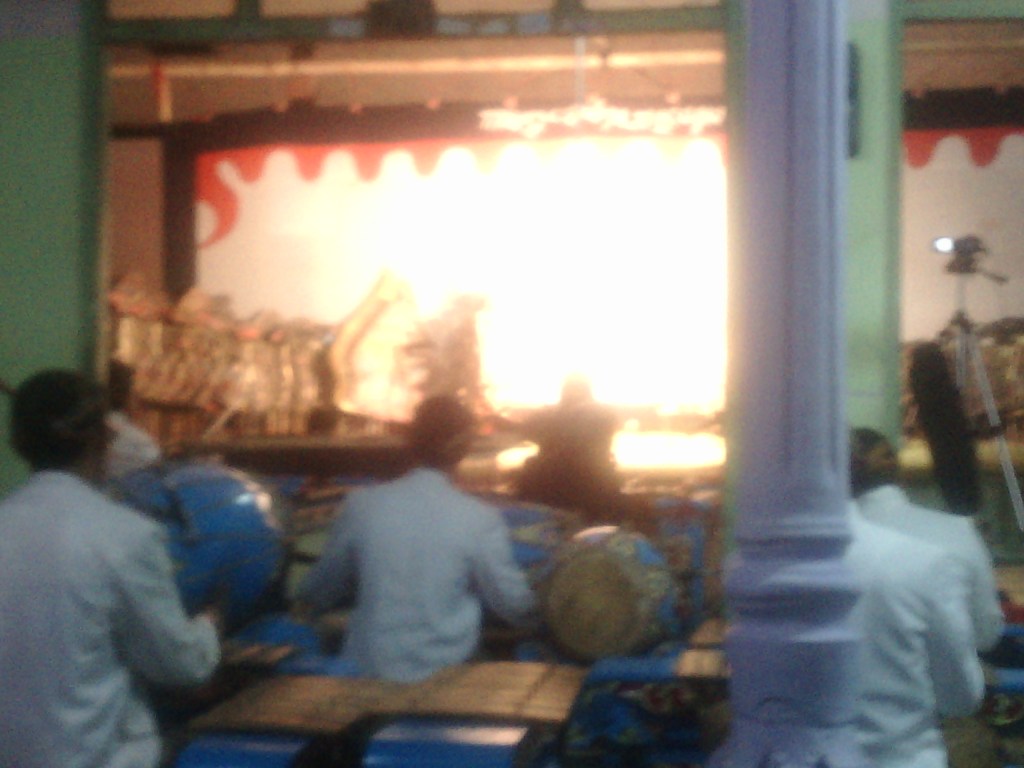
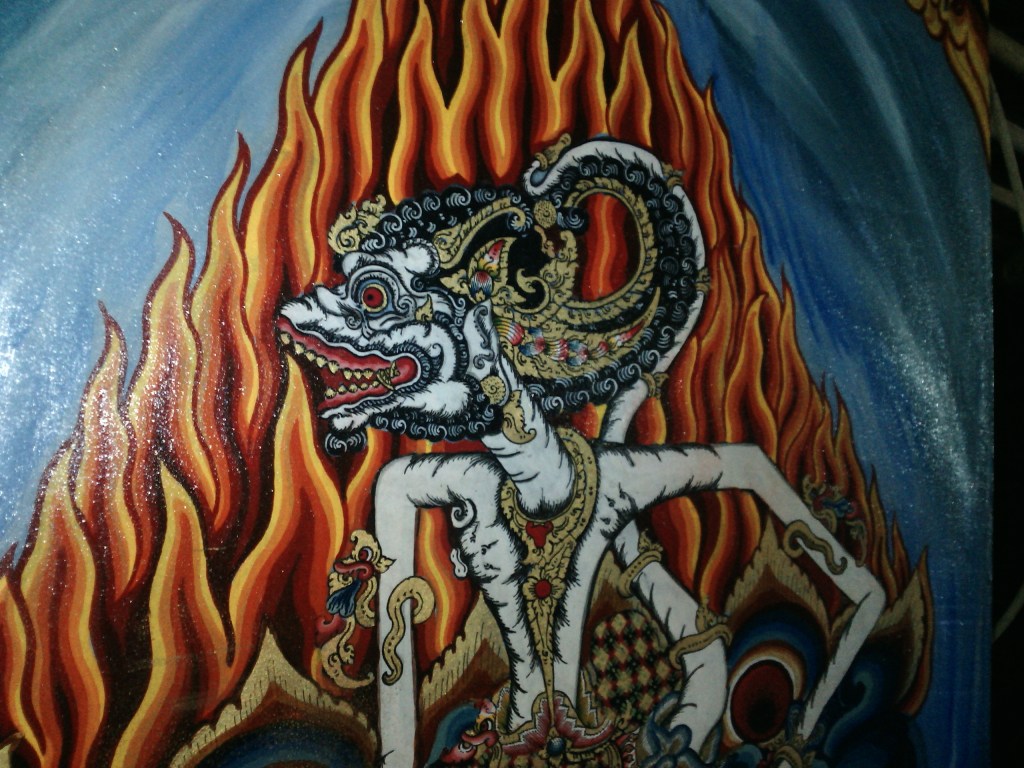
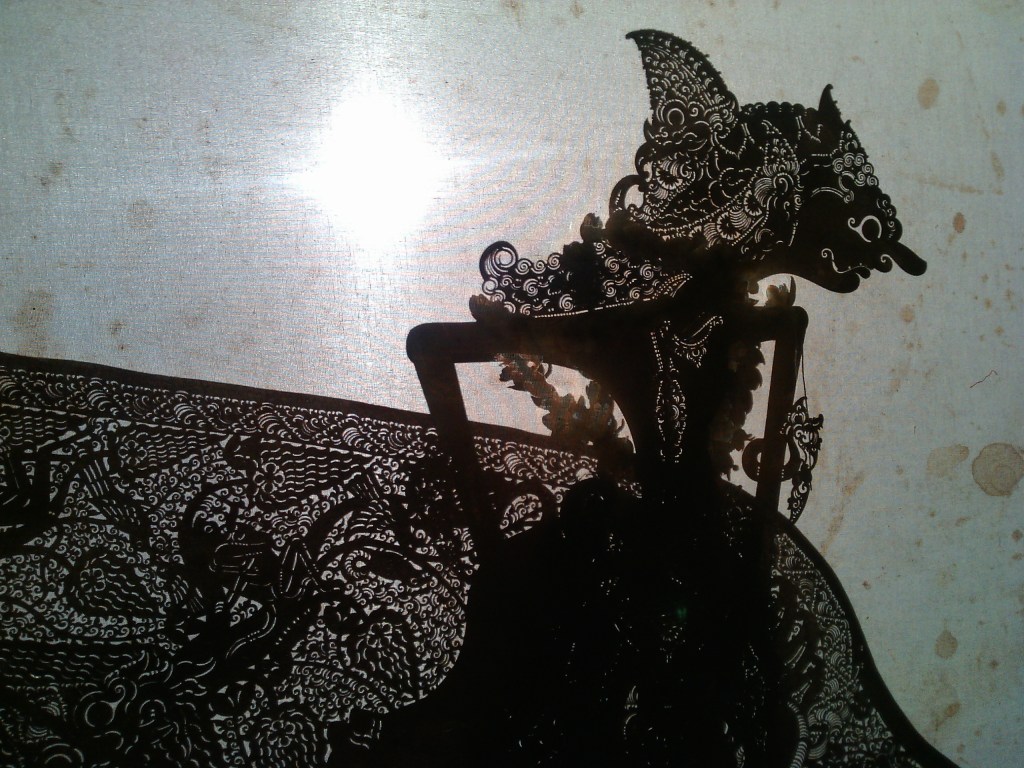
Javanese shadow puppets, Indonesia, 2014
Javanese shadow puppets, Indonesia
Javanese shadow puppets, Indonesia
Javanese shadow puppets, Indonesia
Javanese shadow puppets, Indonesia
Javanese shadow puppets, Indonesia
Javanese shadow puppets, Indonesia
Javanese shadow puppets, Indonesia
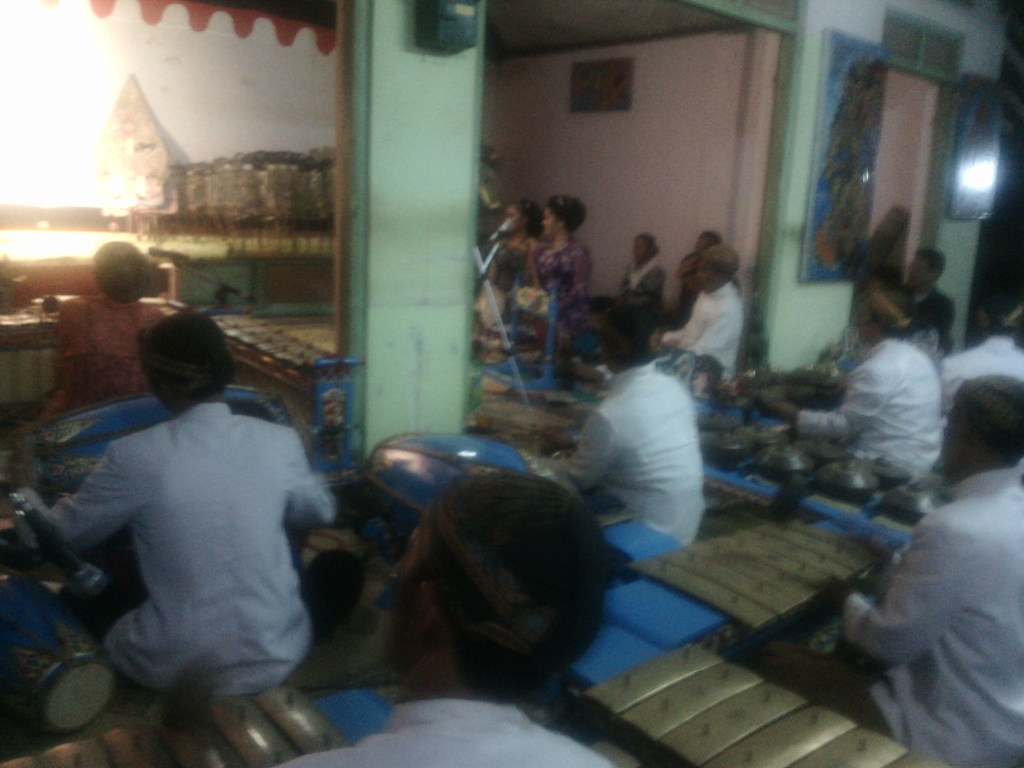
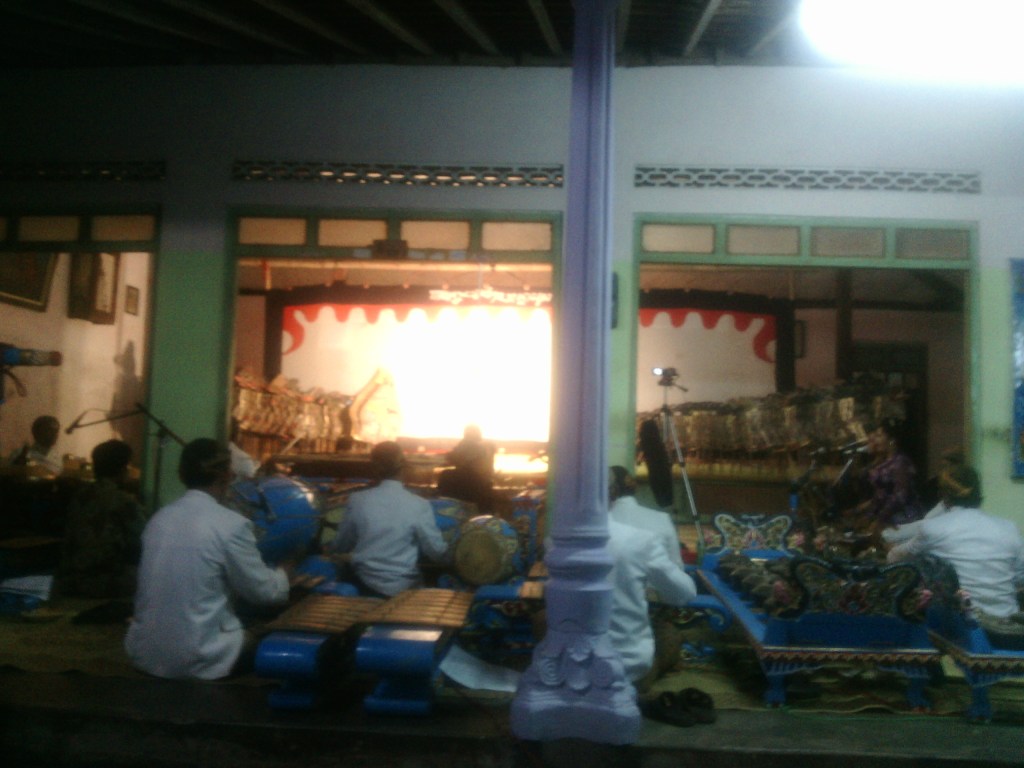
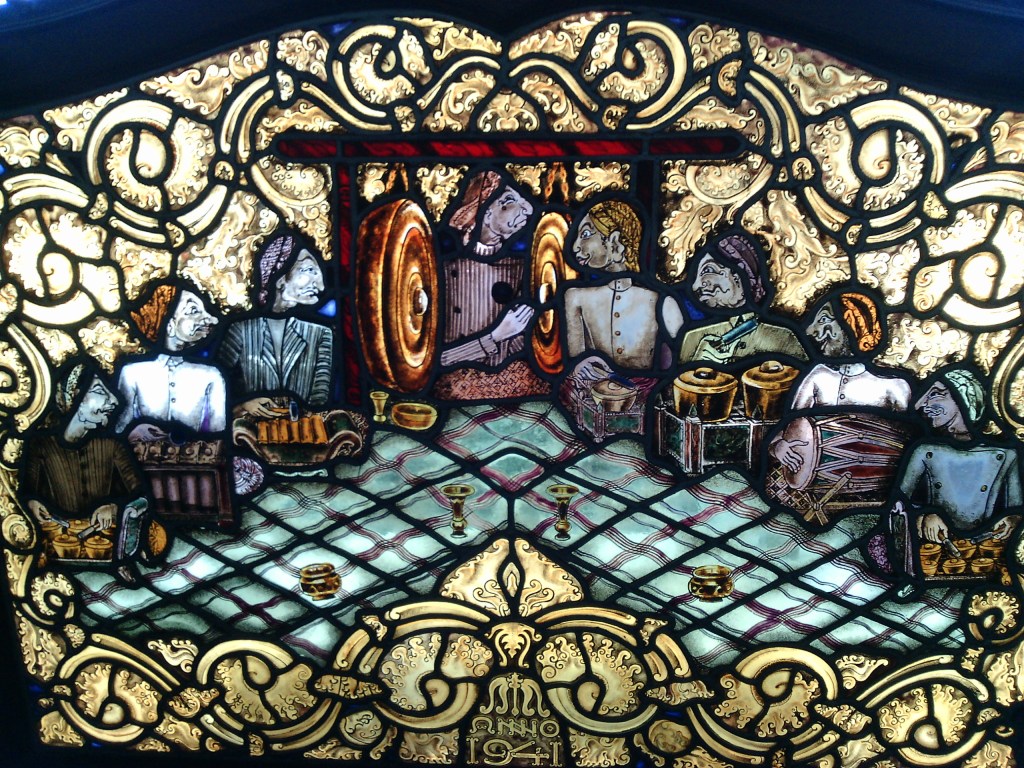
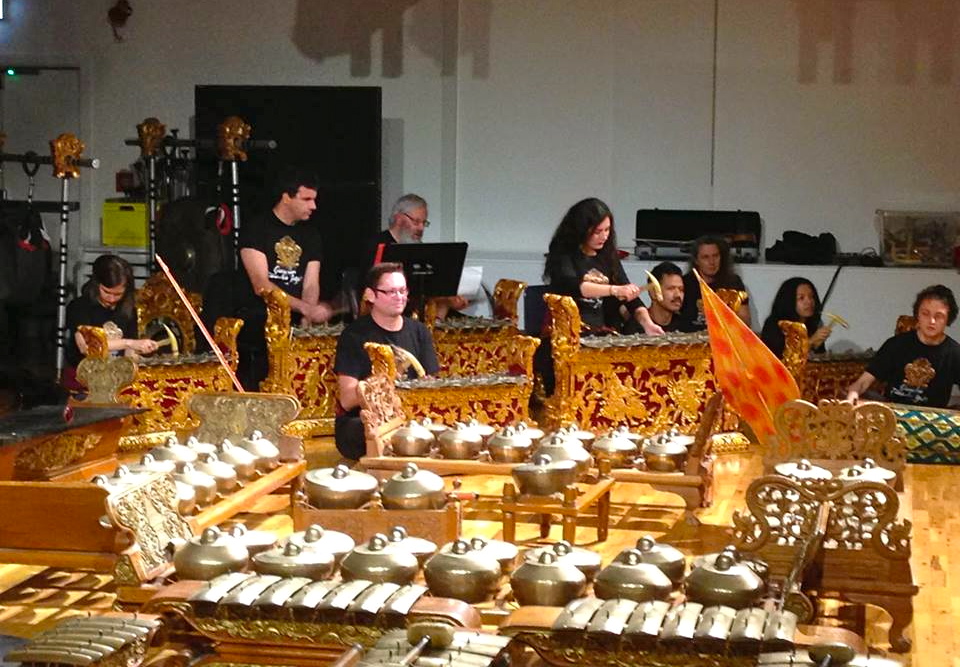
Javanese gamelan, Indonesia
Javanese gamelan, Indonesia
Javanese gamelan, Indonesia
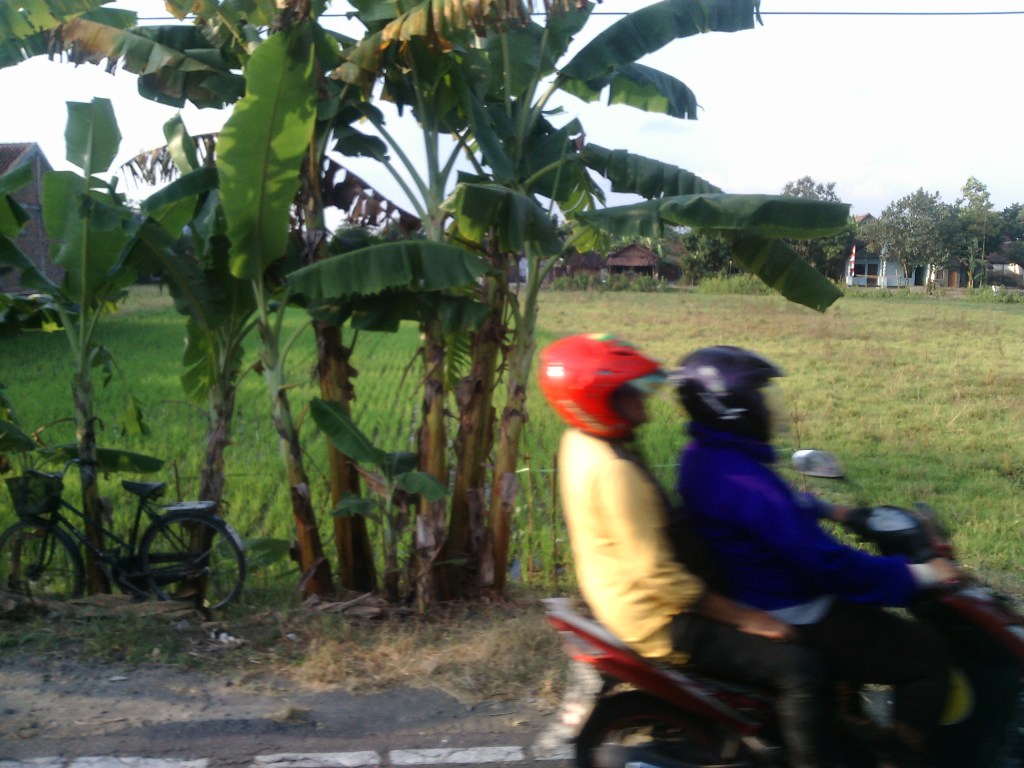
Central Java, Indonesia
Central Java, Indonesia
Javanese shadow puppets, Indonesia
Central Java, Indonesia
Central Java, Indonesia
Central Java, Indonesia
Central Java, Indonesia
Central Java, Indonesia
Central Java, Indonesia
Central Java, Indonesia
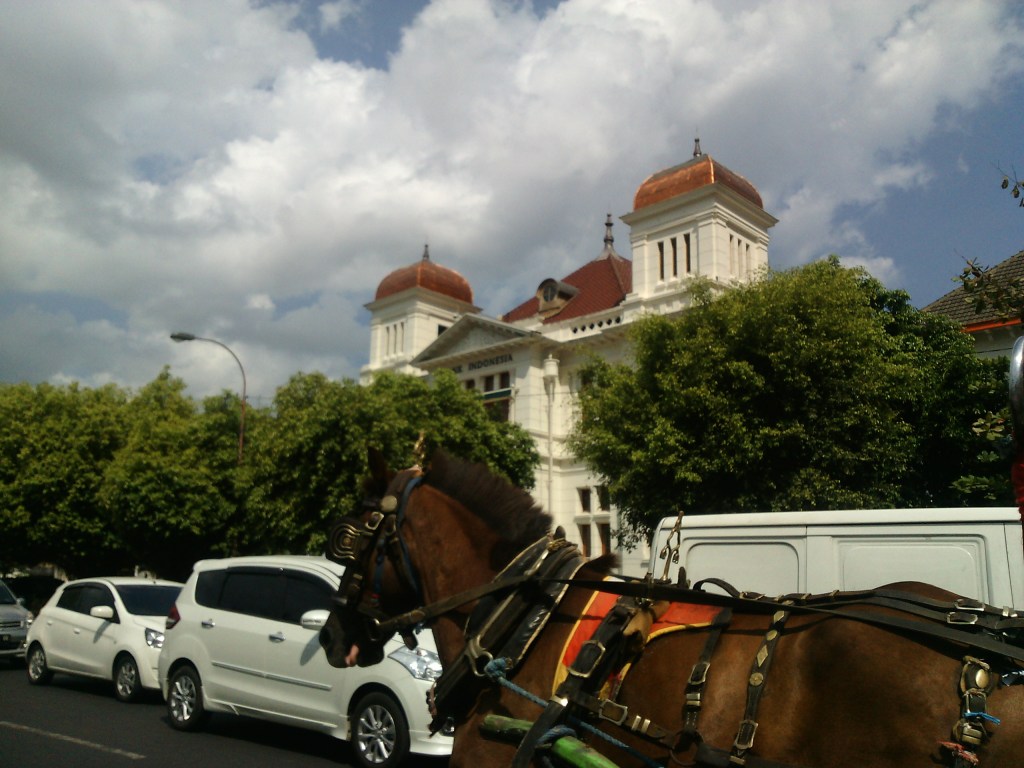
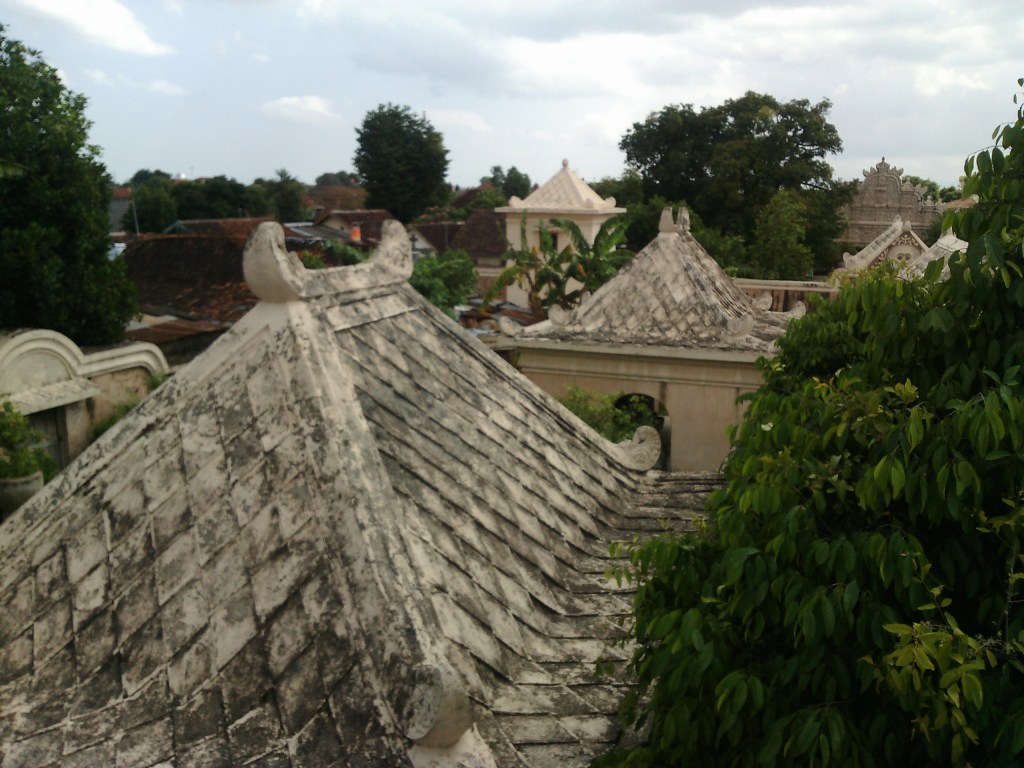
Yogyakarta, Central Java, Indonesia
Yogyakarta, Central Java, Indonesia
Yogyakarta, Central Java, Indonesia
Yogyakarta, Central Java, Indonesia
Yogyakarta, Central Java, Indonesia
Yogyakarta, Central Java, Indonesia
Central Java, Indonesia
Yogyakarta, Central Java, Indonesia
Bali and Nusa Penida
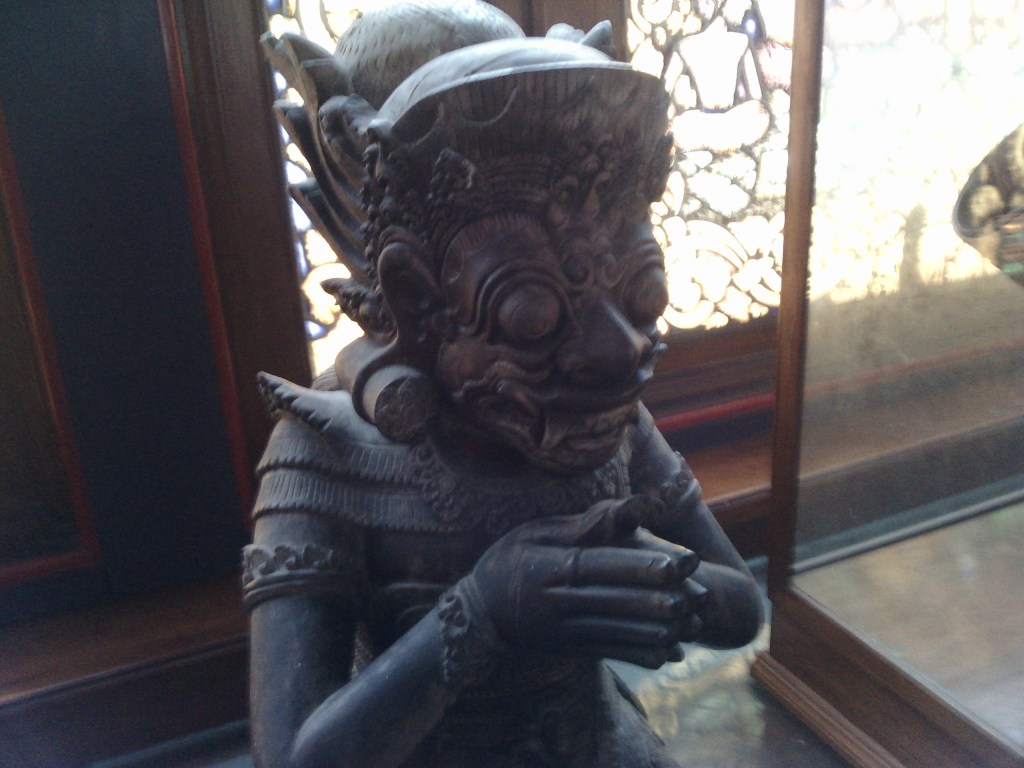
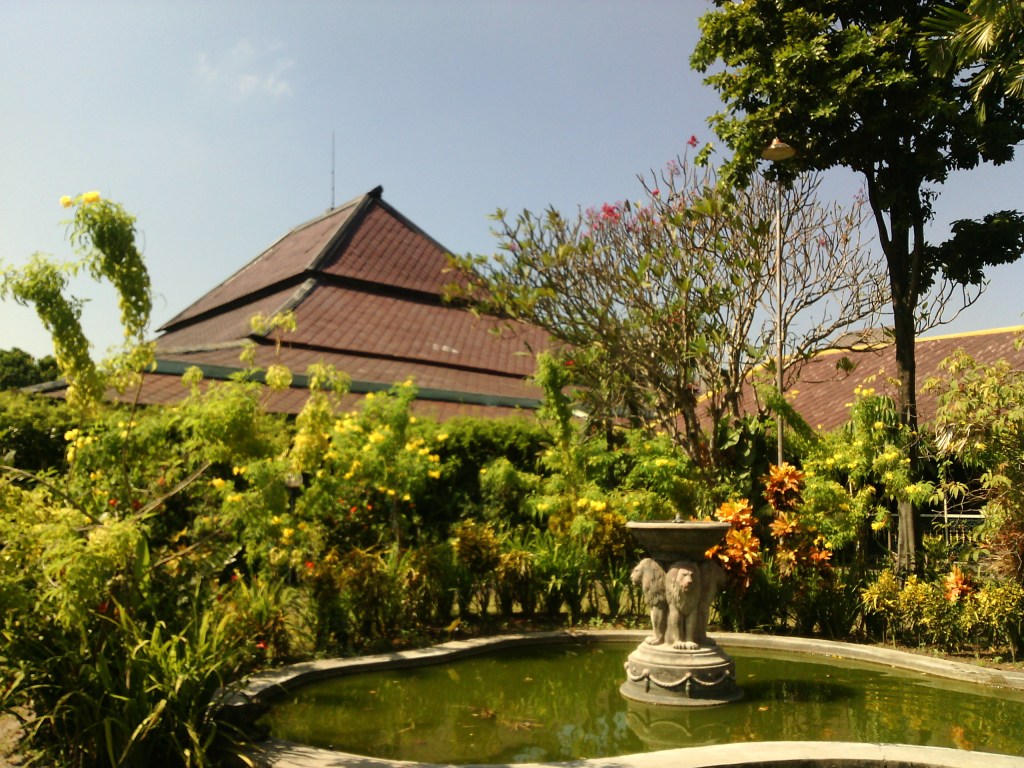
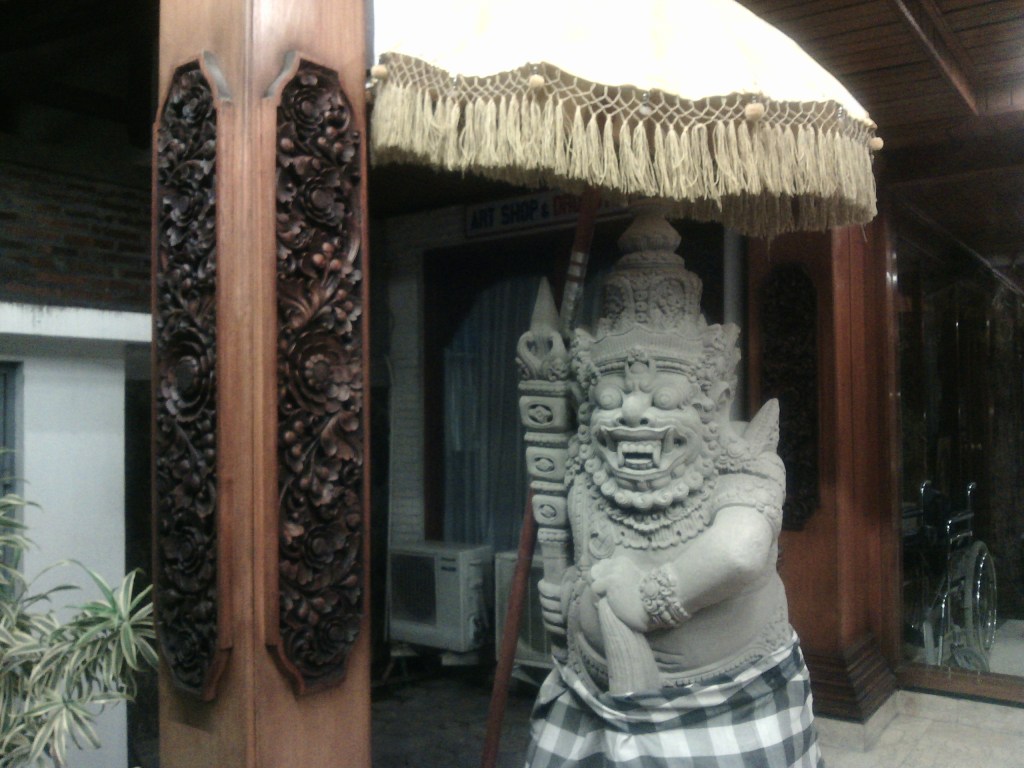
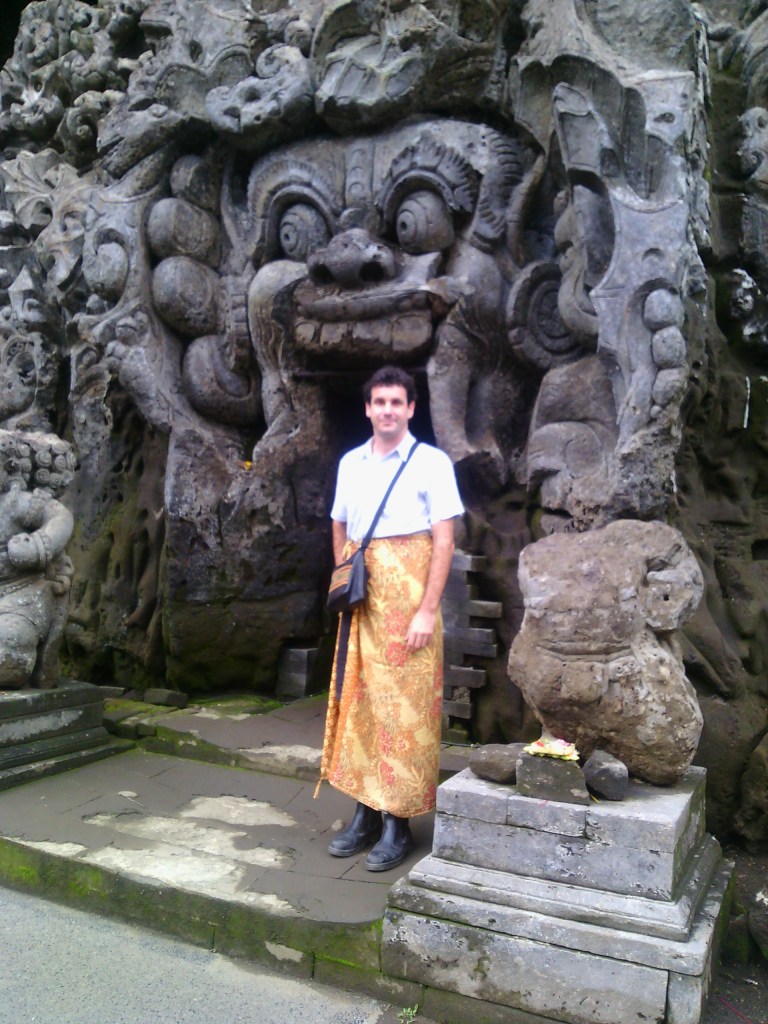
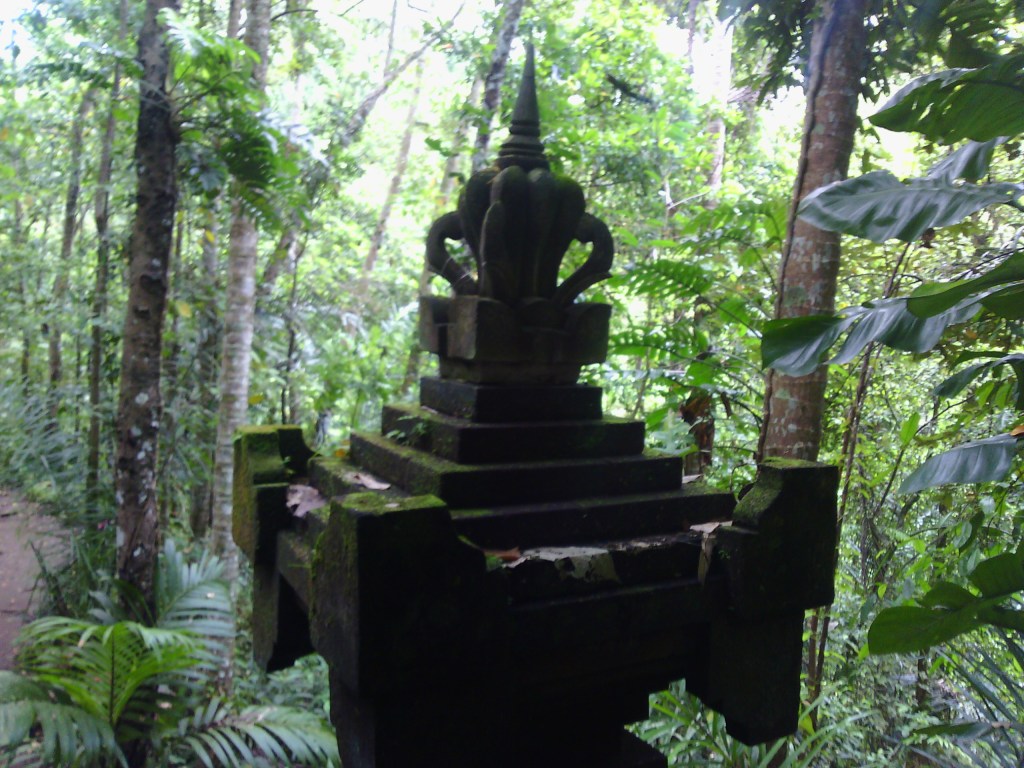
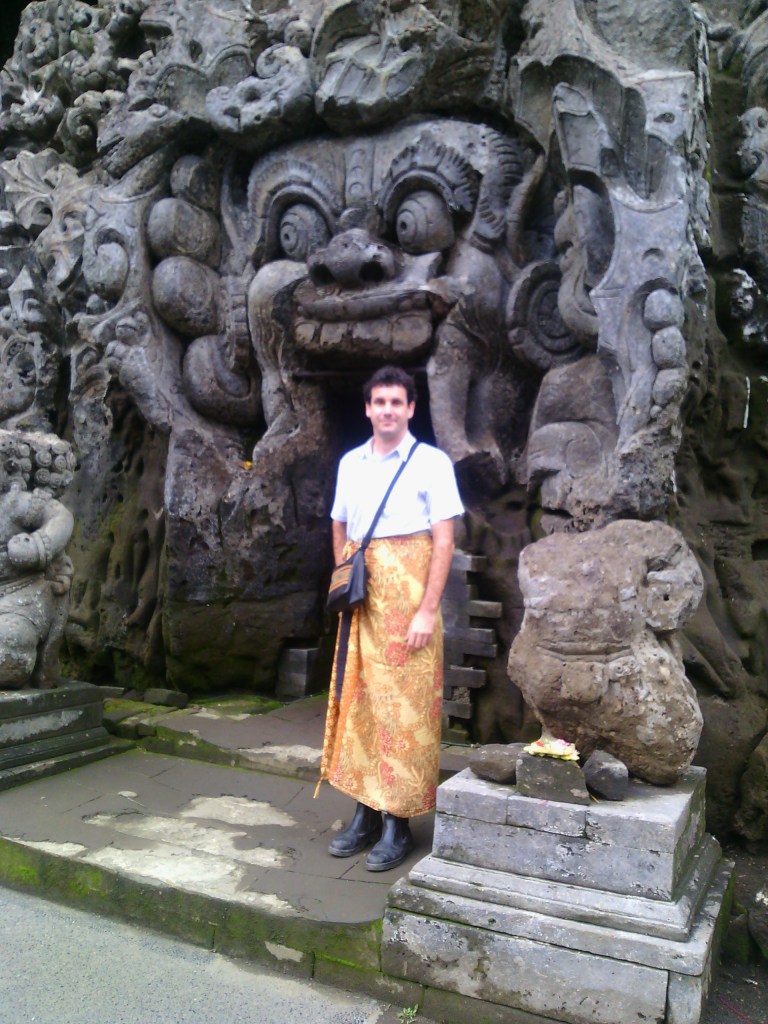
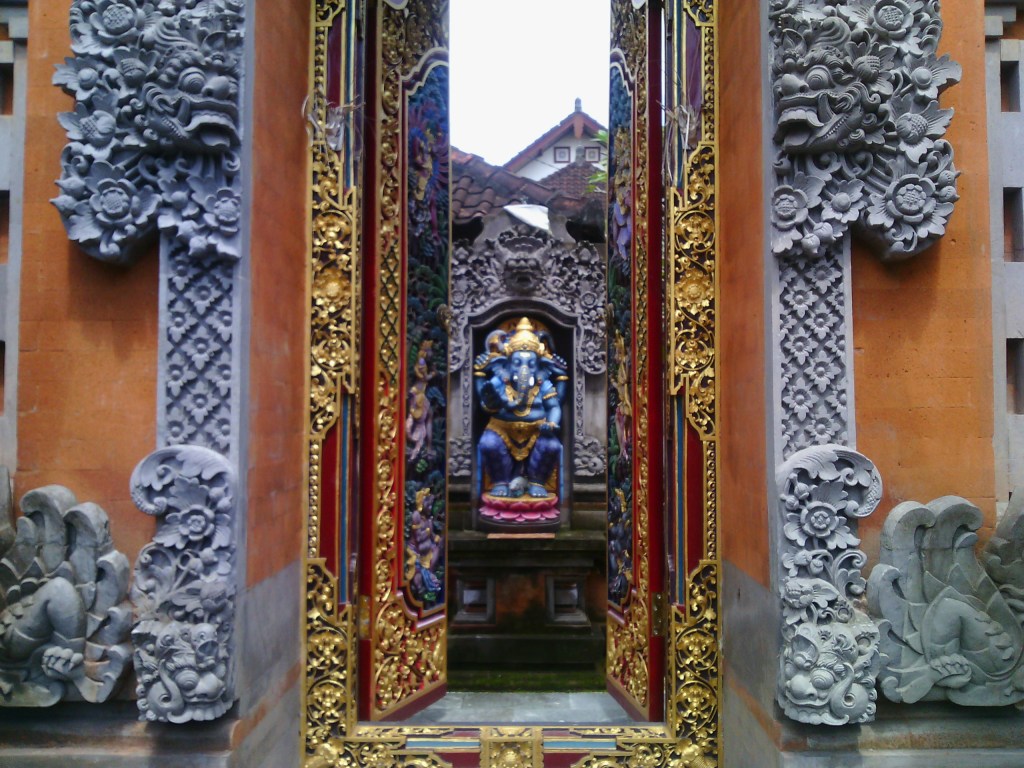
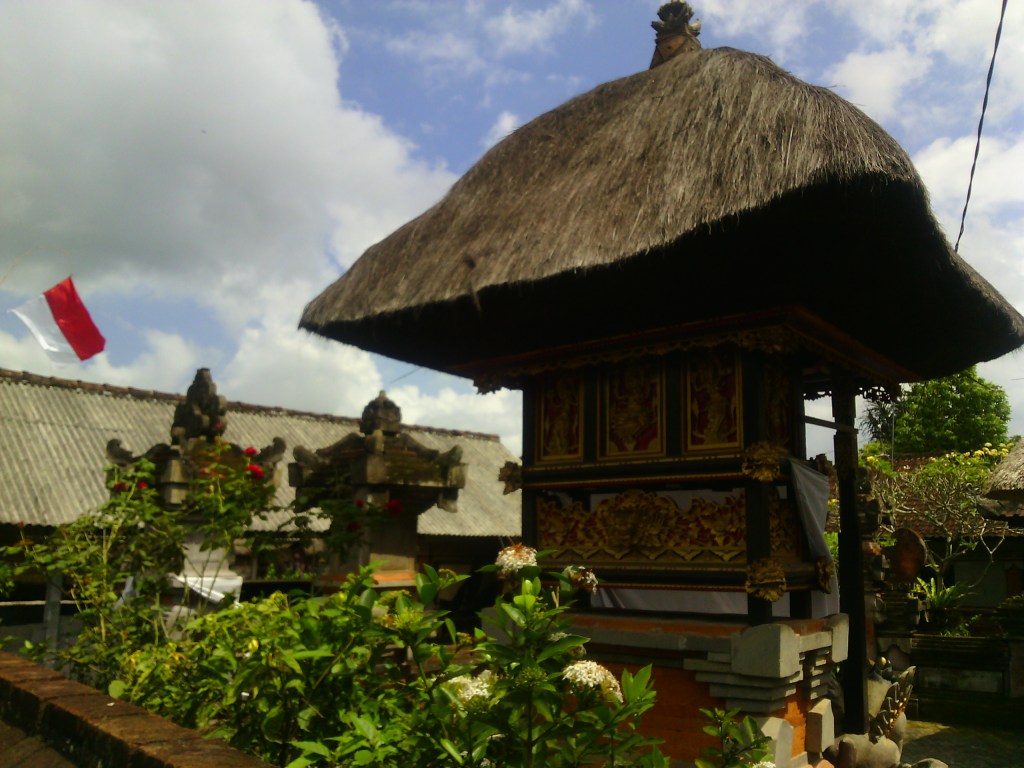
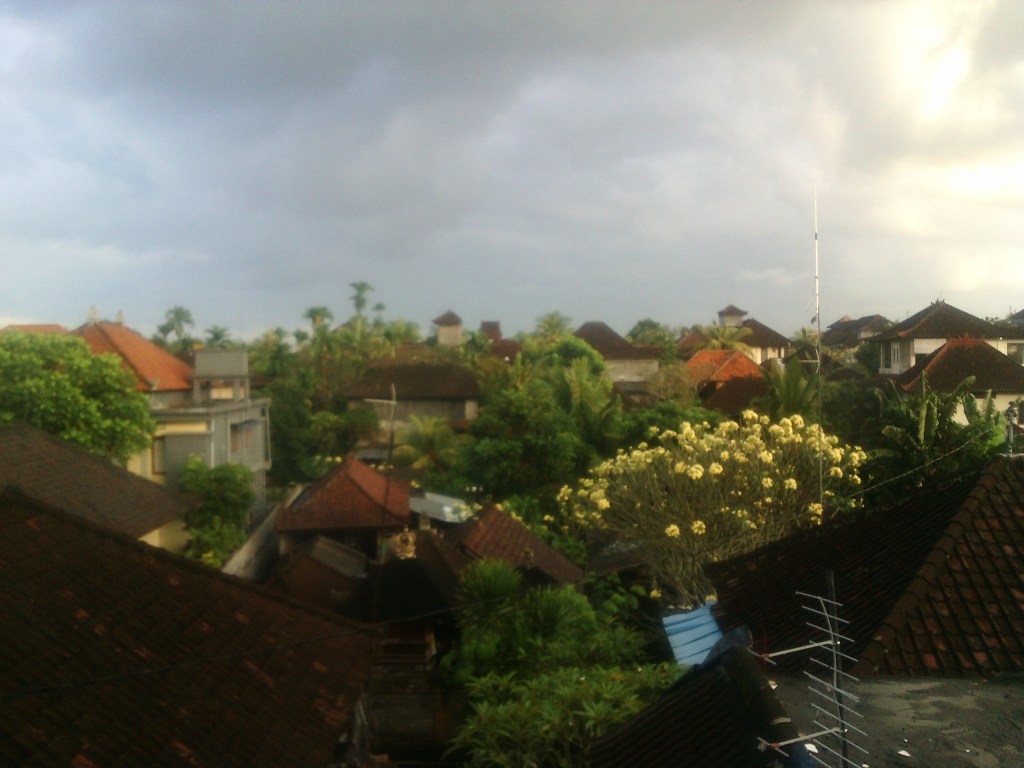
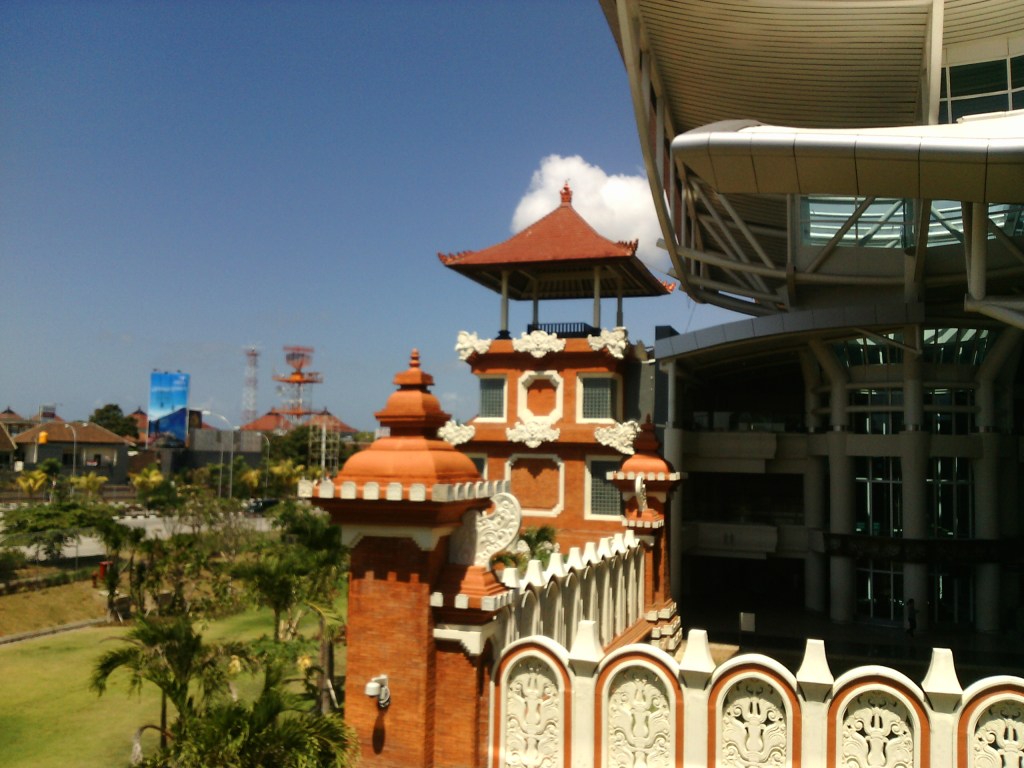
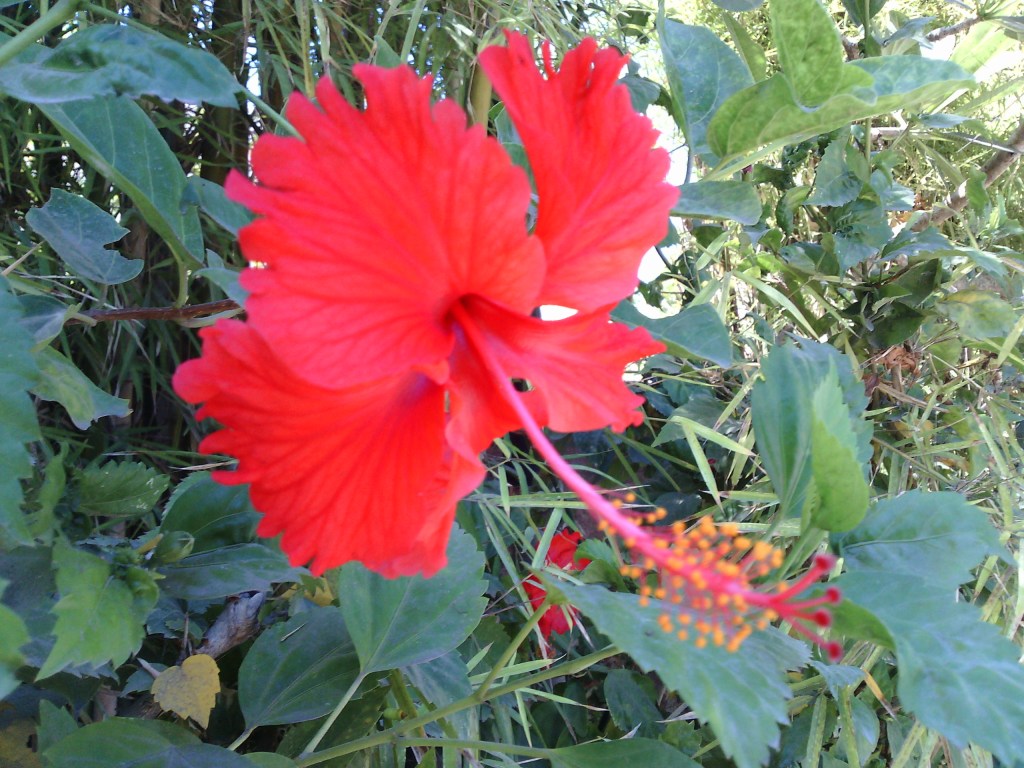
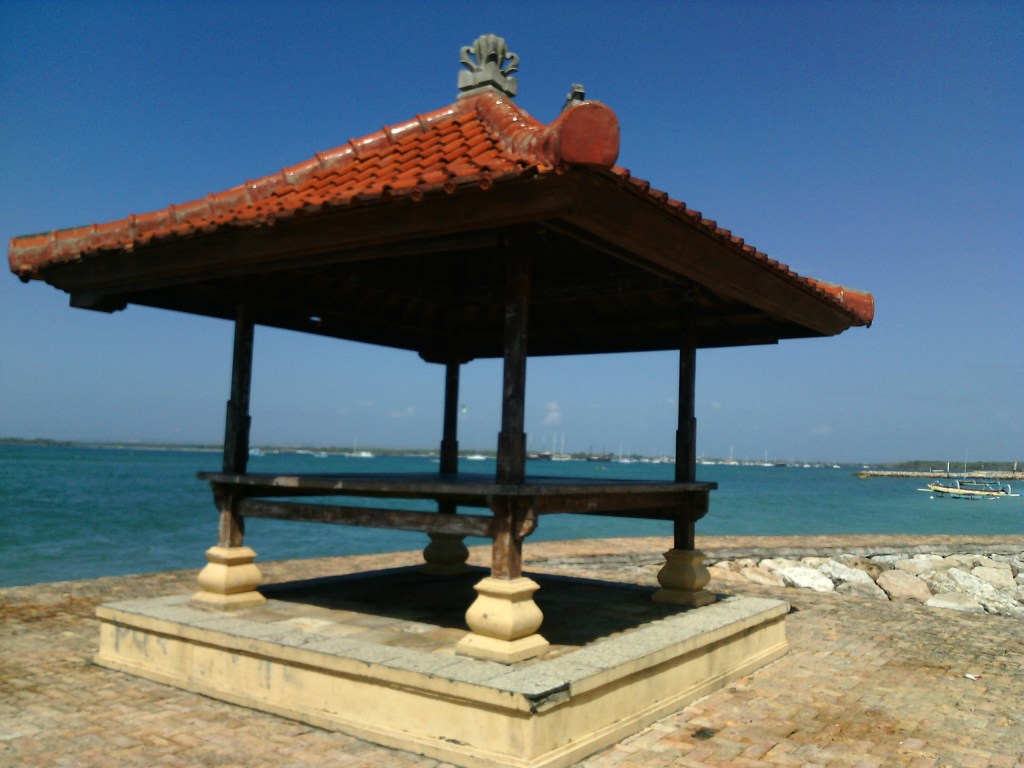
Bali, Indonesia
Bali, Indonesia
Bali, Indonesia
Bali, Indonesia
Bali, Indonesia
Bali, Indonesia
Bali, Indonesia
Bali, Indonesia
Bali, Indonesia
Bali, Indonesia
Bali, Indonesia
Central Java, Indonesia
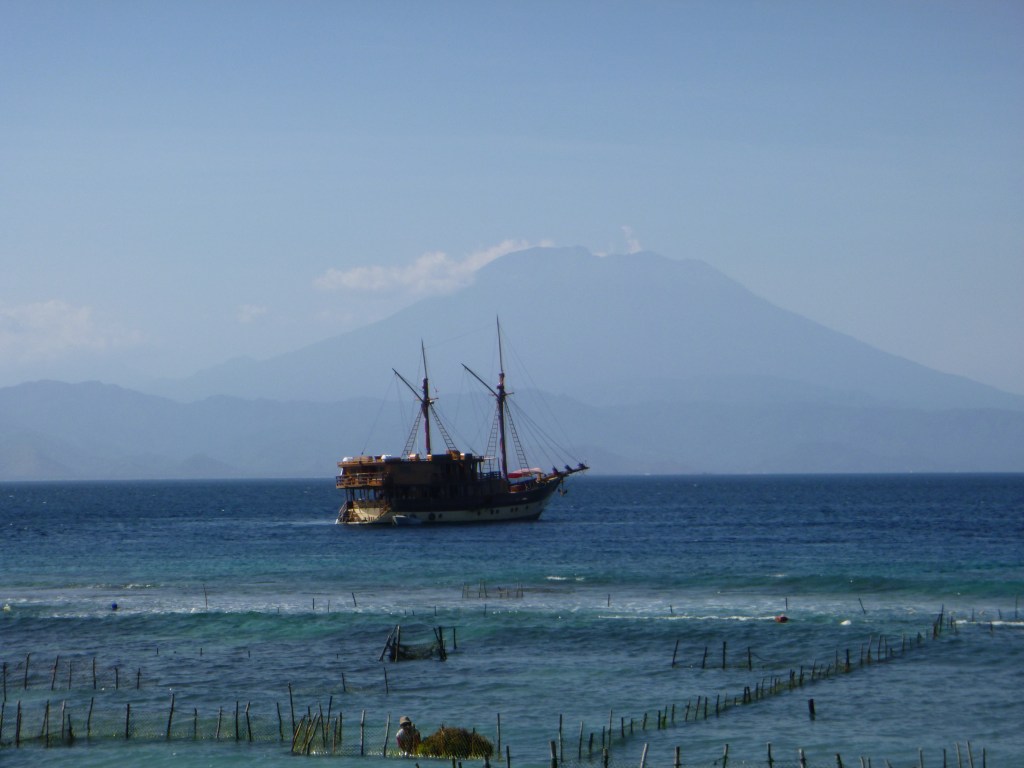
Nusa Penida, Indonesia
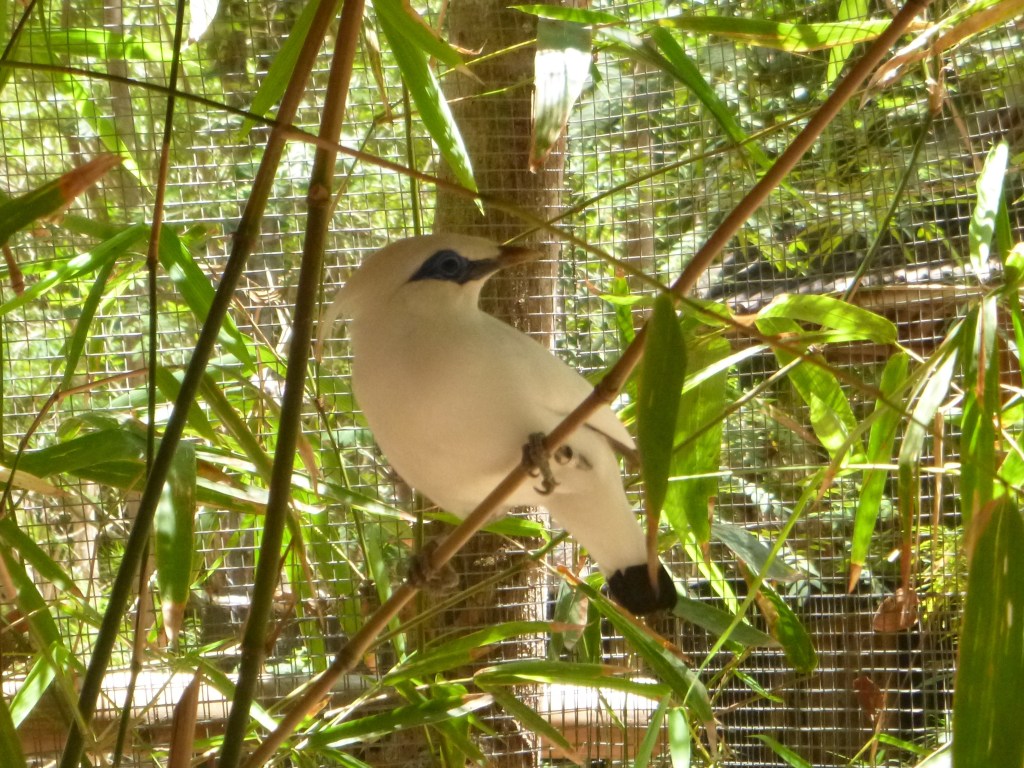
An endangered Bali Starling, Nusa Penisa, Indonesia
Bali, Indonesia
Bali, Indonesia
Bali, Indonesia
Bali, Indonesia
Bali, Indonesia
Bali, Indonesia
Bali, Indonesia
Bali, Indonesia
Bali, Indonesia
Bali, Indonesia
Nusa Penida, Indonesia
Credits
Dave Edwards – saron, jublag, jegogan, field recordings, bass, electric guitar, tenor saxophone
The field recordings are mixed alongside gamelan ensembles, recorded between 2010-2018;:
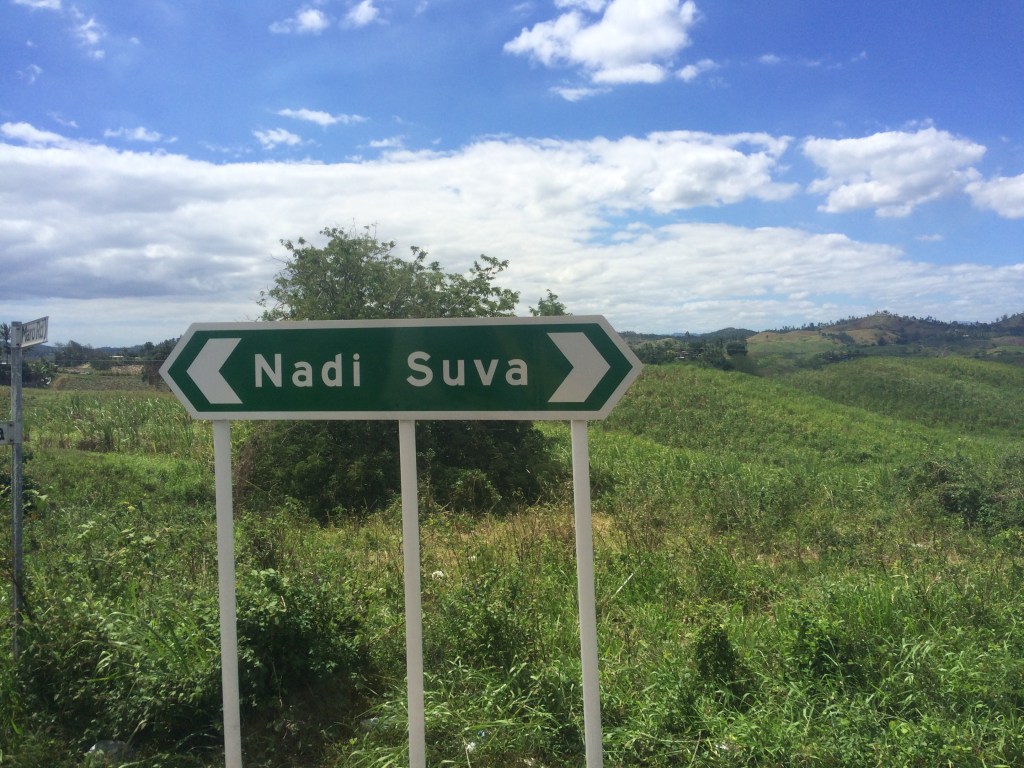
This short warmup improv is based on an Indian scale, inspired by Dr Emit Snake-Beings‘ travels to Kerala in India, and harmonium lessons in Suva.
There’s an Indian influence throughout the album, as several sections are based on drones and modal improv (rather than the chord changes)… though this is not a traditional Indian album, we’ve borrowed ideas to inform our own experiments.
This slideshow requires JavaScript.
The temple in the photo is Sri Siva Subramaniya in Nadi. It’s built in the Dravidian style from southern India, which is also found in Singapore and Malaysia.
This slideshow requires JavaScript.
In contrast to other Pacific Island countries, Fiji has a large – almost half – population of Indian descent. Indians came to Fiji in the 19th century, as indentured labourers to work the sugar cane plantations.
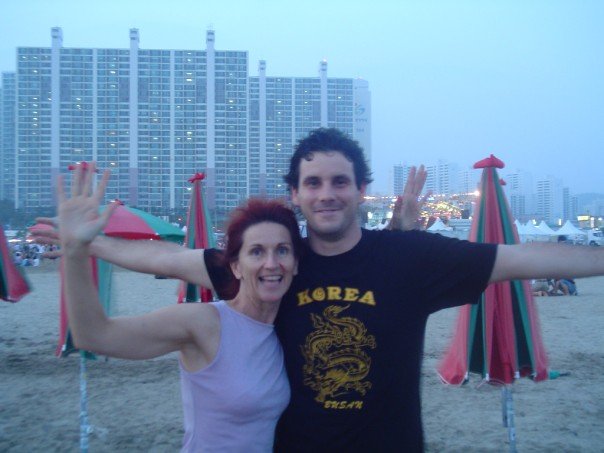
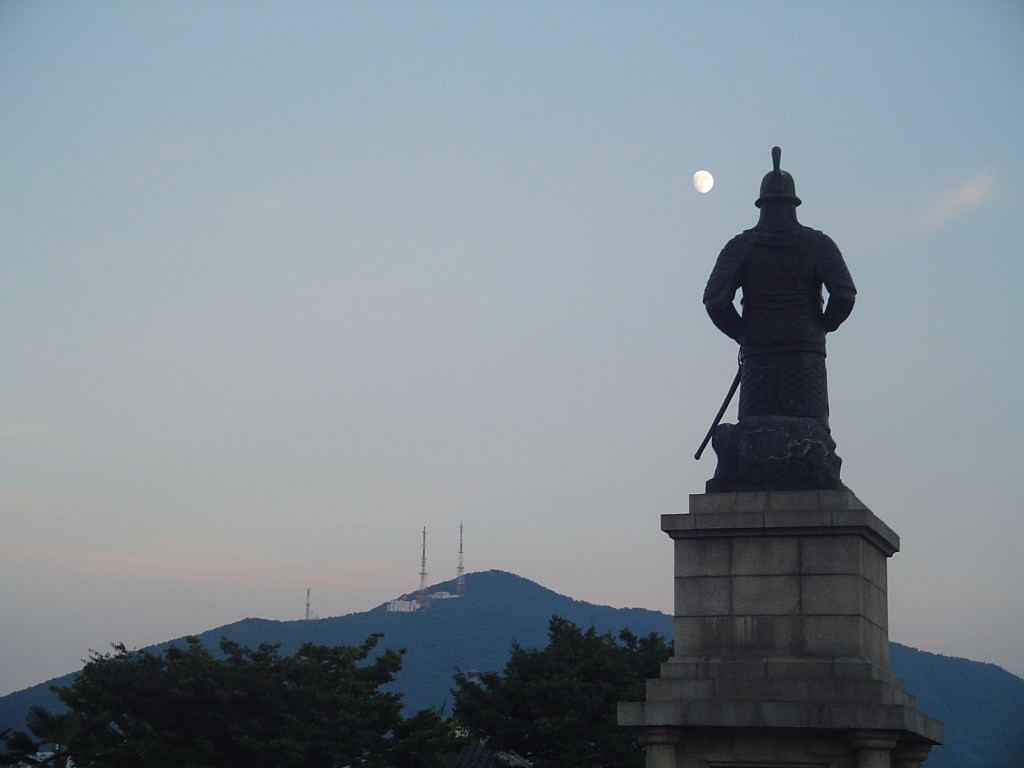
Dave and Cylvi at Dadaepo beach, Busan, South Korea
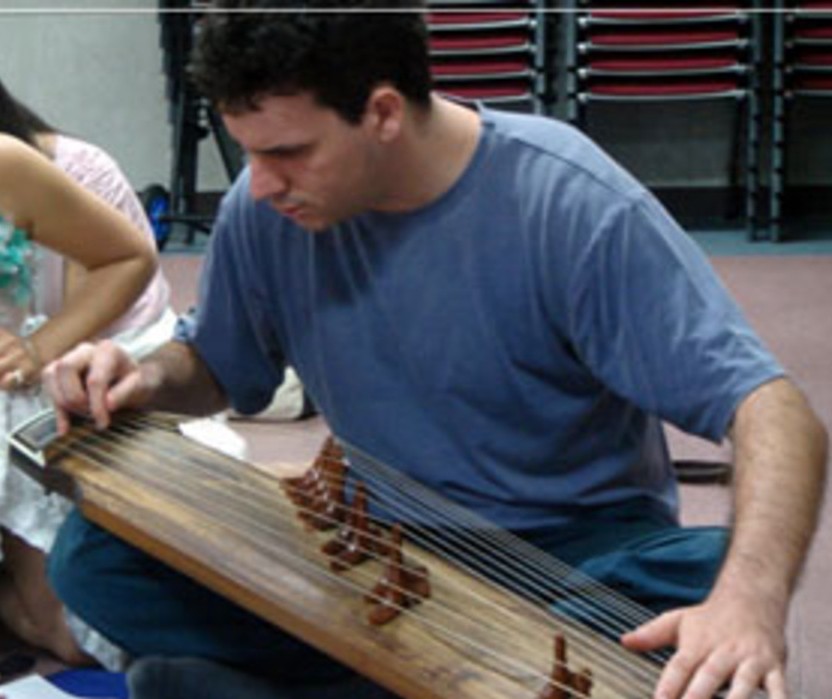
Korean gayageum, 2007
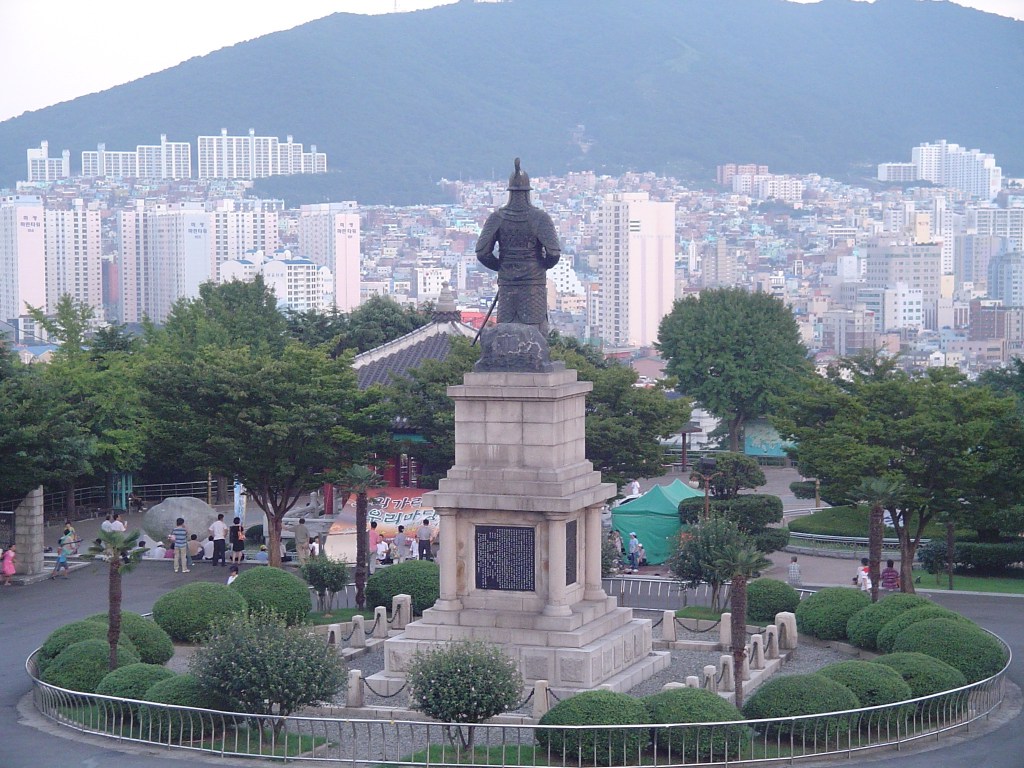
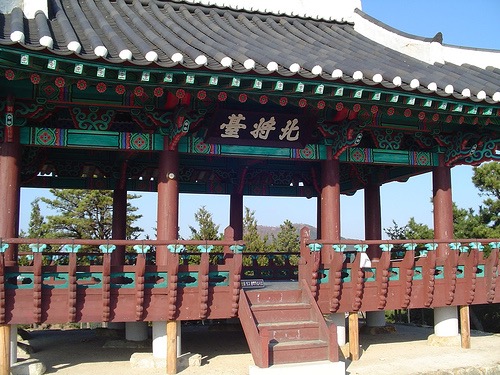
Busan, South Korea
Busan, South Korea
Geumjeong, Busan, South Korea
Busan, South Korea
Suwon, South Korea
The pieces here are made from remixed field recordings of traditional Korean musicians, and instruments such as the gayageum, taepyongso, buddhist chants and samulnori drumming, plus our live version of the folk song ‘Arirang’.
This fund-raising event was sparked by a tragedy in Cirebon, Indonesia, in April this year when a wall adjacent to the rehearsal space collapsed on top of the players, killing seven youngsters, aged between 12 –15 years, and their teacher, dhalang Mas Herman Basari.
You are invited to attend what promises to be a spirited occasion, and to contribute generously to the funds. The programme for this concert will include:
A wayang kulit (shadow puppet show), The Fall of Gathutkaca, performed by dhalang Ki Joko Susilo, accompanied by Gamelan Padhang Moncarof the New Zealand School of Music, Victoria University of Wellington.
“The 20 song album covers traditional Javanese and Balinese gamelan, Asian folk music, to free jazz, and free noise. It’s not for anyone with narrow preconceived ideas about what music is, but it is for everyone else.
“If you have an open inquiring mind and love hearing a variety of sound, this is excellent.” – Darryl Baser, muzic.net.nz
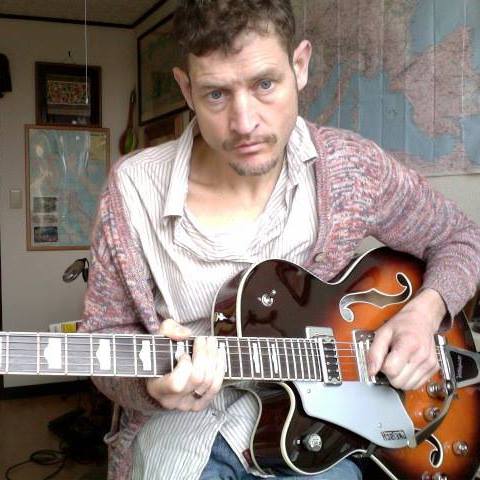
by Dave Black (acoustic & electric guitars, banjo, harmonica, laptop, bass, tenor saxophone, field recordings, piano, ukulele, sanshin, saron, jublag, demung, vocal), with