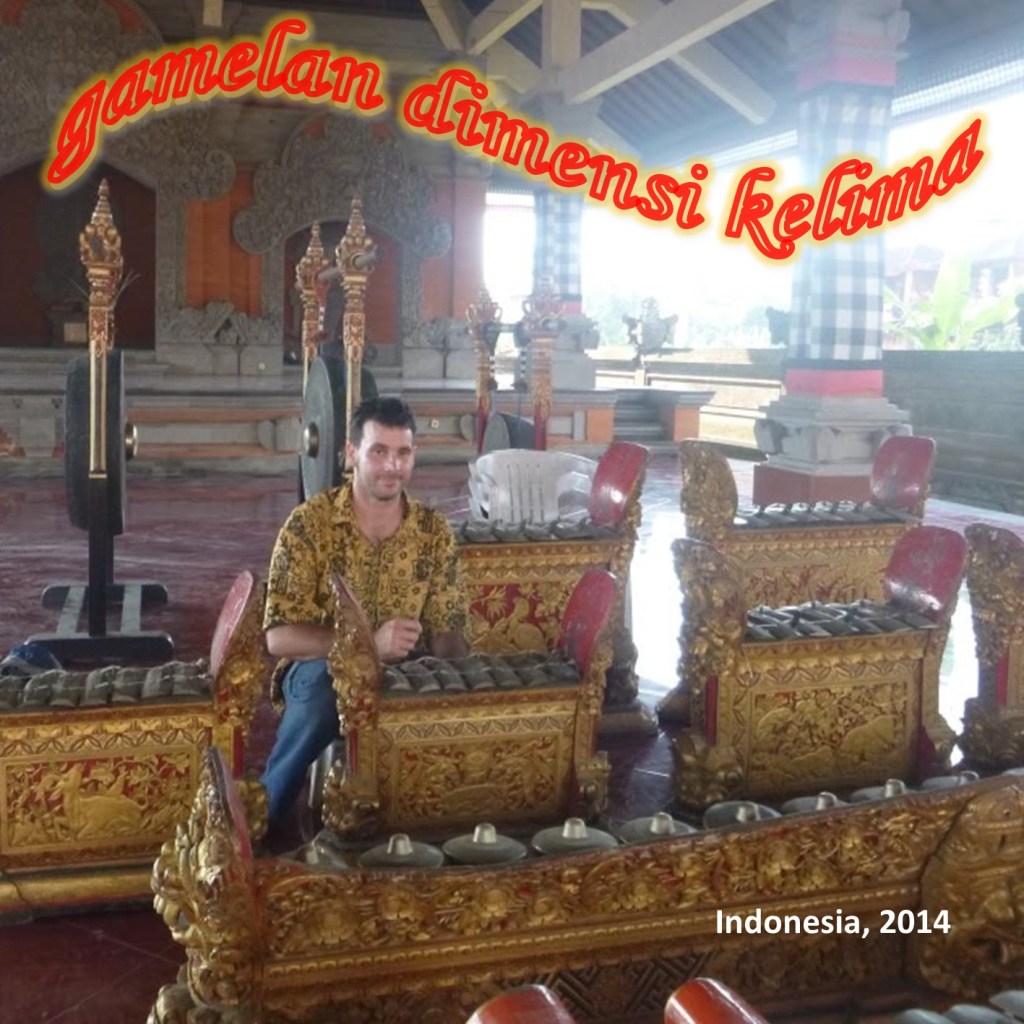
The album title translates to “Gamelan Fifth Dimension”.
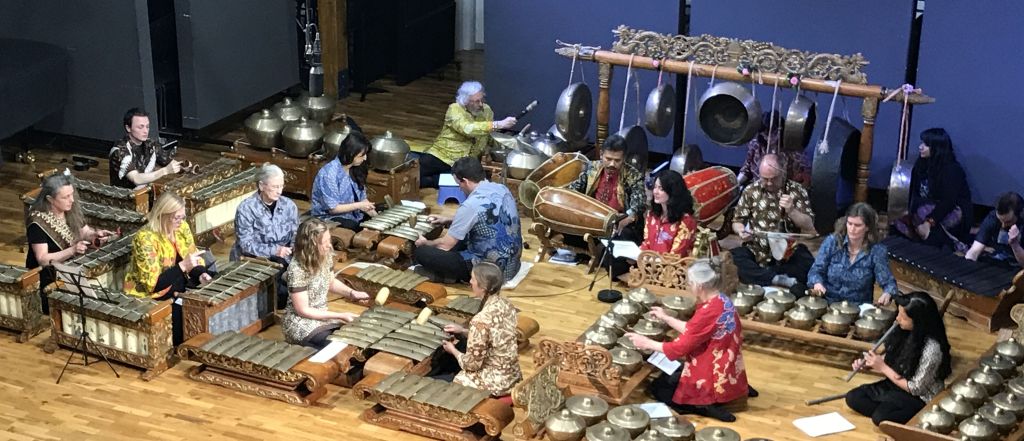
Gamelan was introduced to New Zealand in the 1970s. It has an active scene in Wellington (my birthplace, where I first encountered it in 2010 – thanks to www.gamelan.org.nz ).
From 2012-2014 I lived in Perth, Western Australia, and played in the ensemble Gamelan Sekar Puri. From there I was able to visit Indonesia (and Malaysia) relatively affordably.
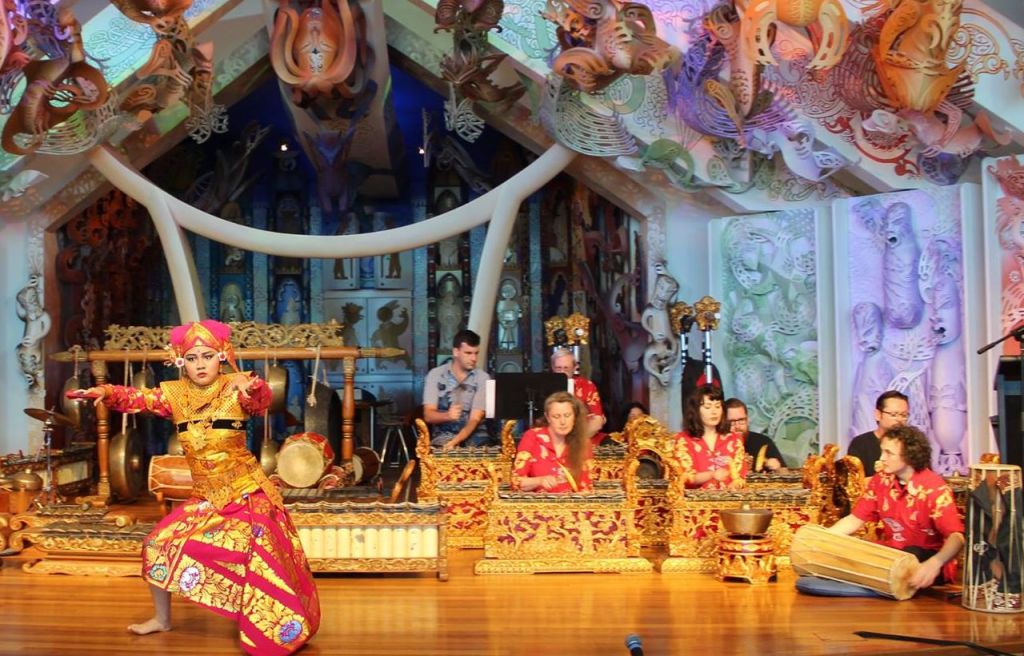
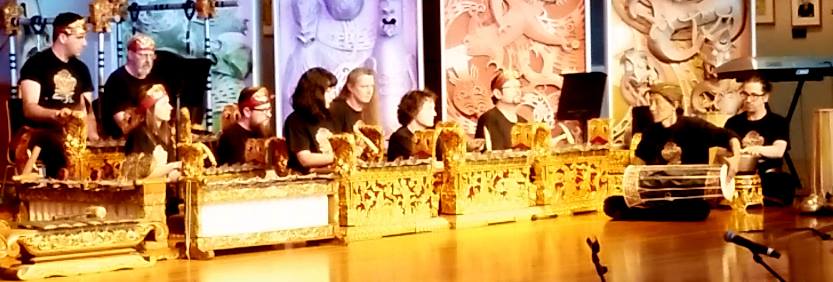
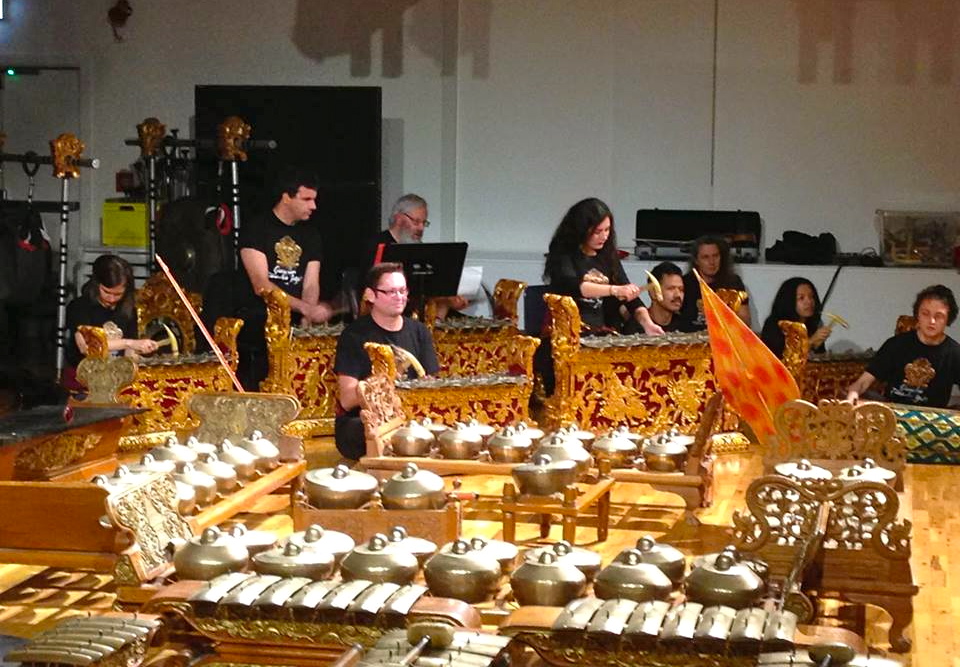
On returning home to New Zealand at the end of 2014, I spent the next few years as a member of theWellington gamelanensembles: Gamelan Taniwha Jaya (Balinese) and Gamelan Padhang Moncar (Javanese). In 2017 I moved to the Wairarapa, so travelling for regular rehearsals became impractical.
The field recordings were made in 2014 in Indonesia -in central Java, then Baliand Nusa Penida islands;
As well as very different scenery, cultures, cuisines and religion – the islands have strikingly different subgenres of gamelan. Stereotypically, the Javanese style is more hypnotic and meditative, while the Balinese style is faster and complex.
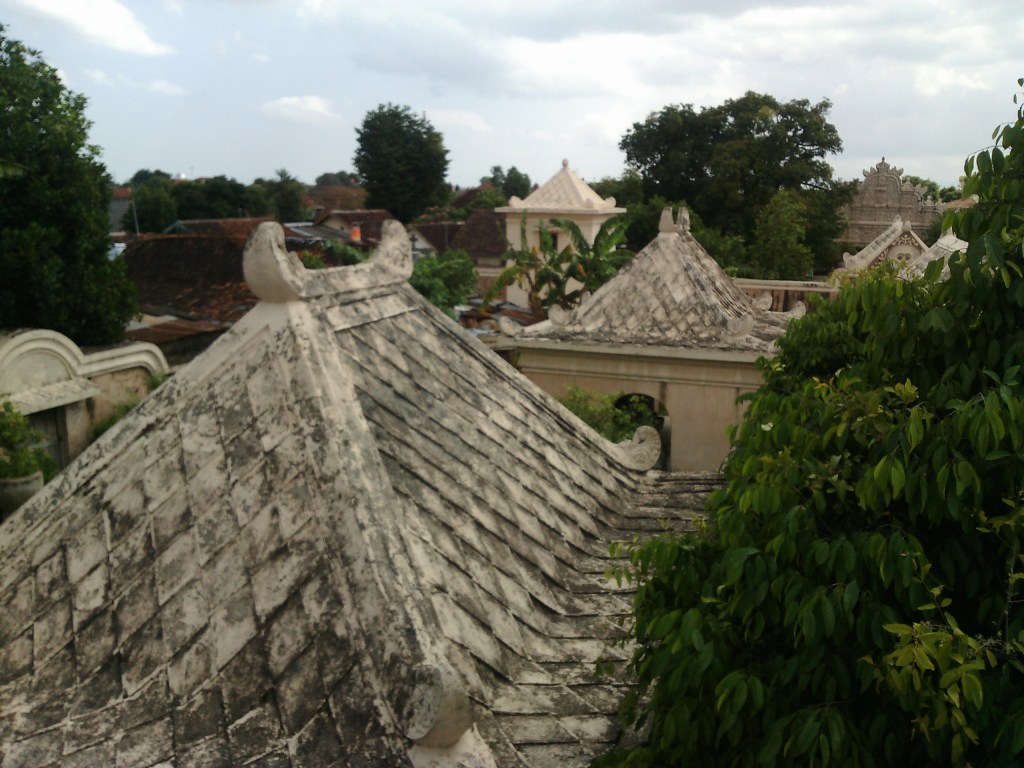
Yogyakarta and Surakarta, Central Java
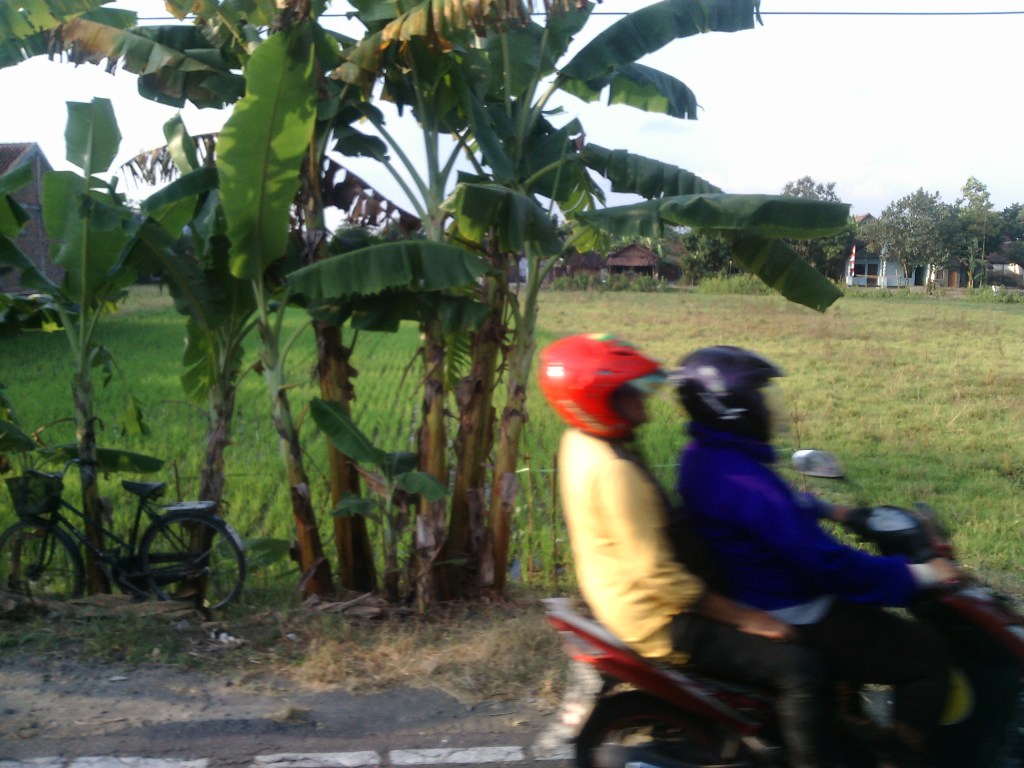
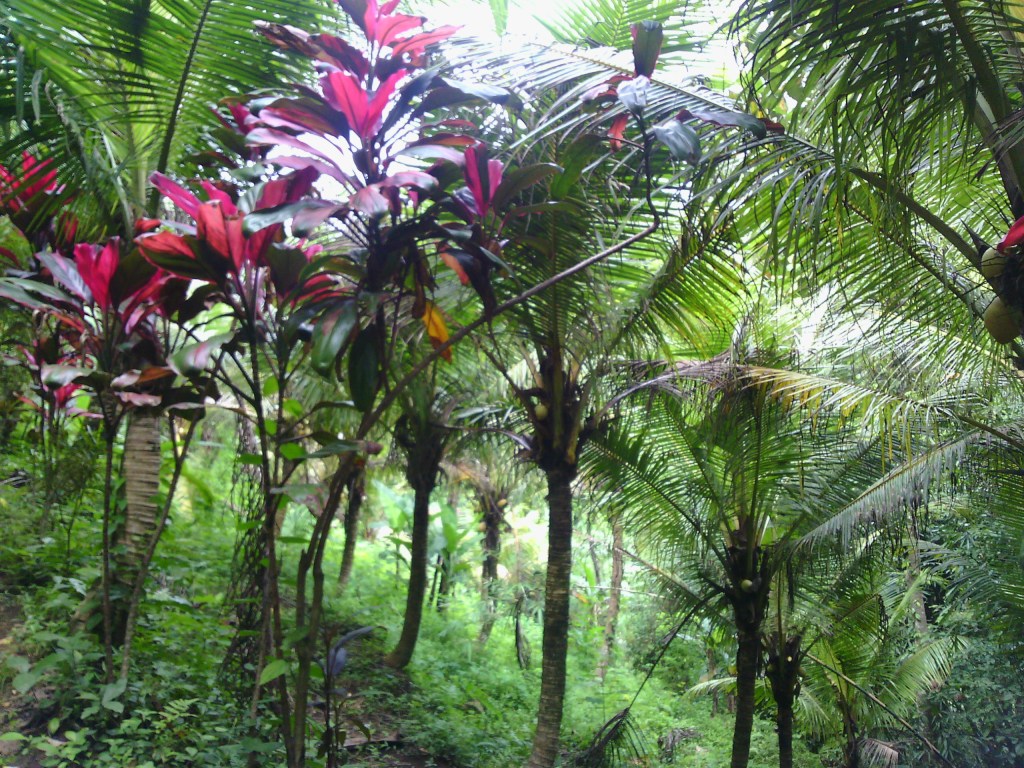
Central Java, Indonesia
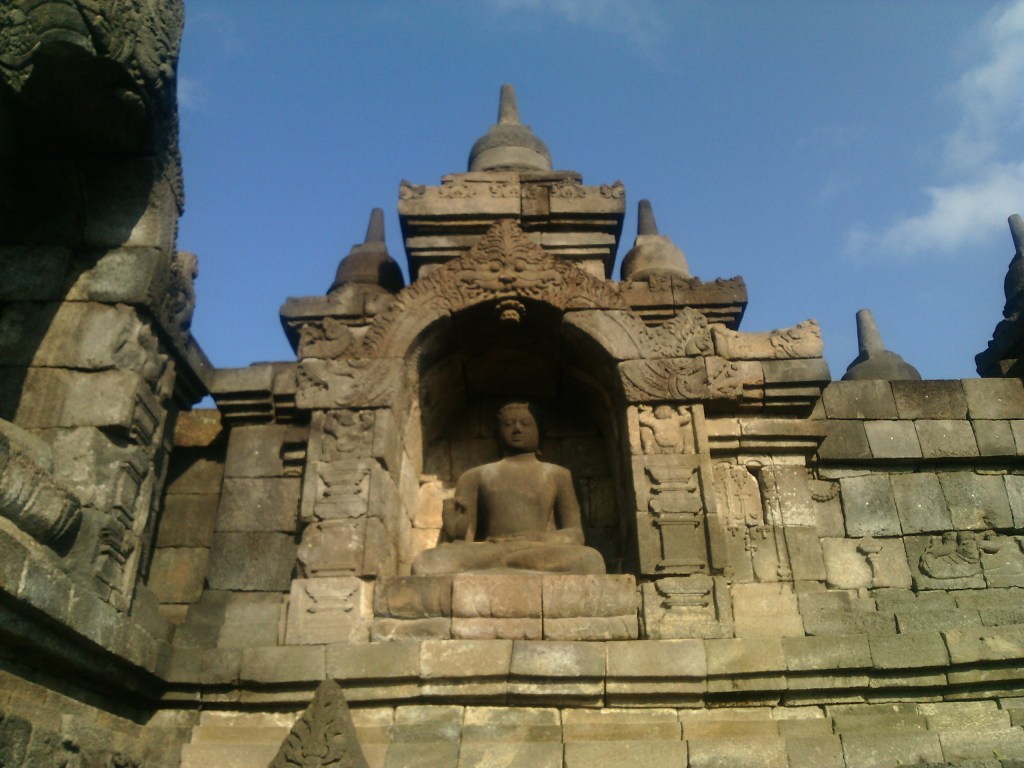
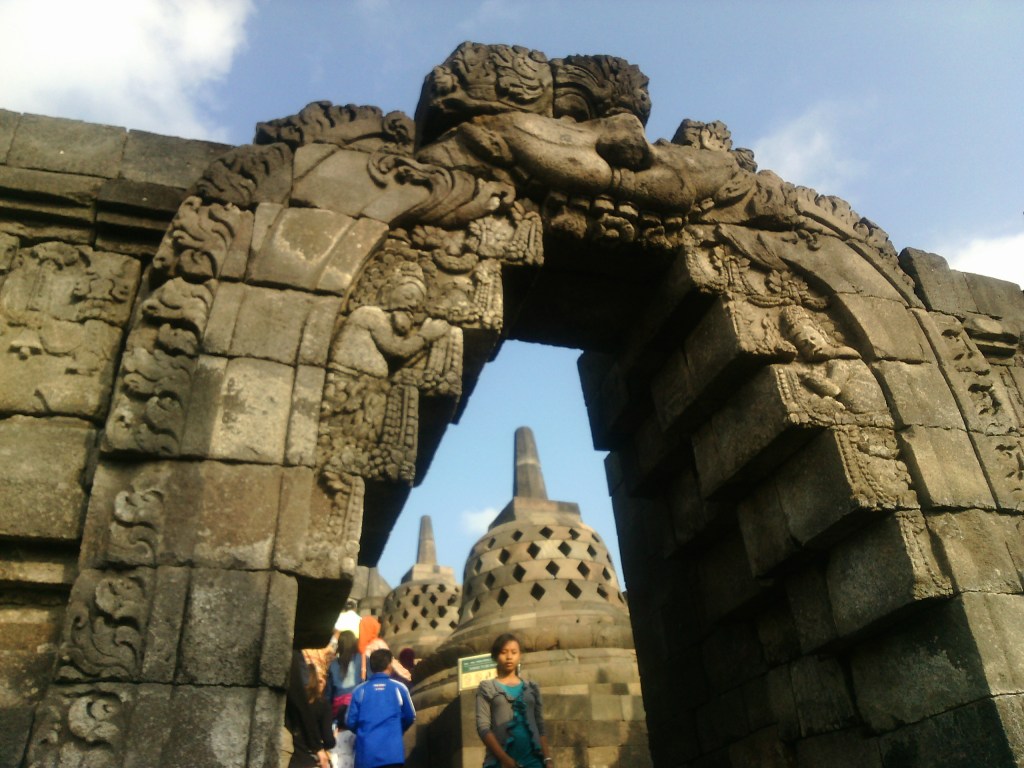
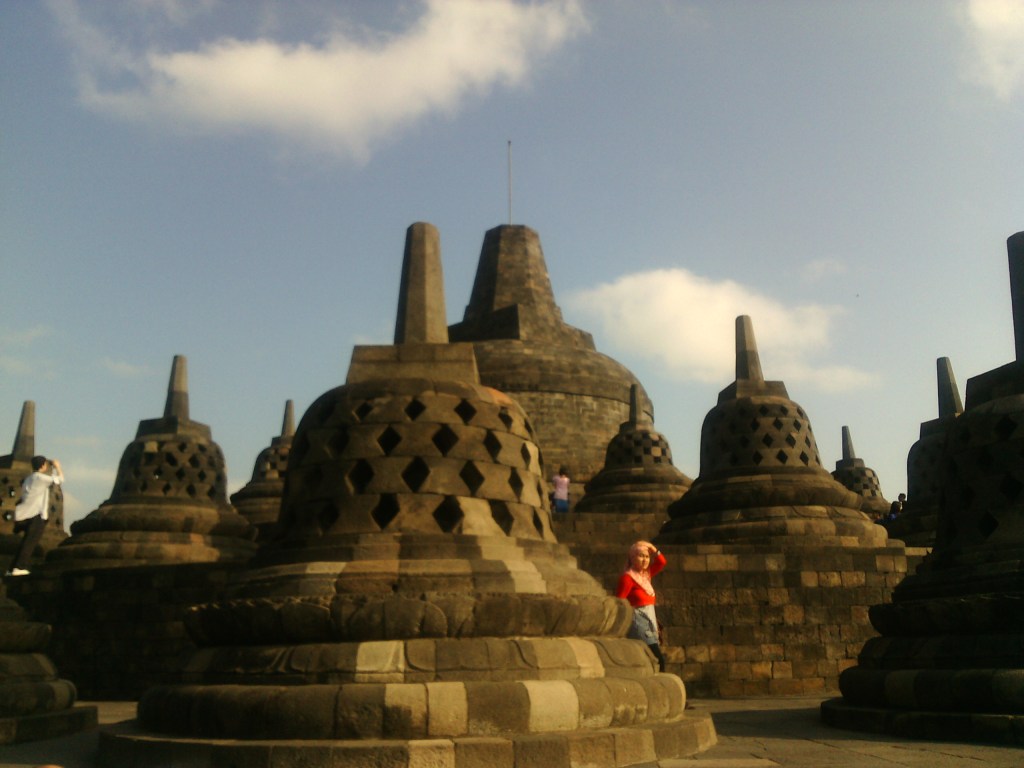
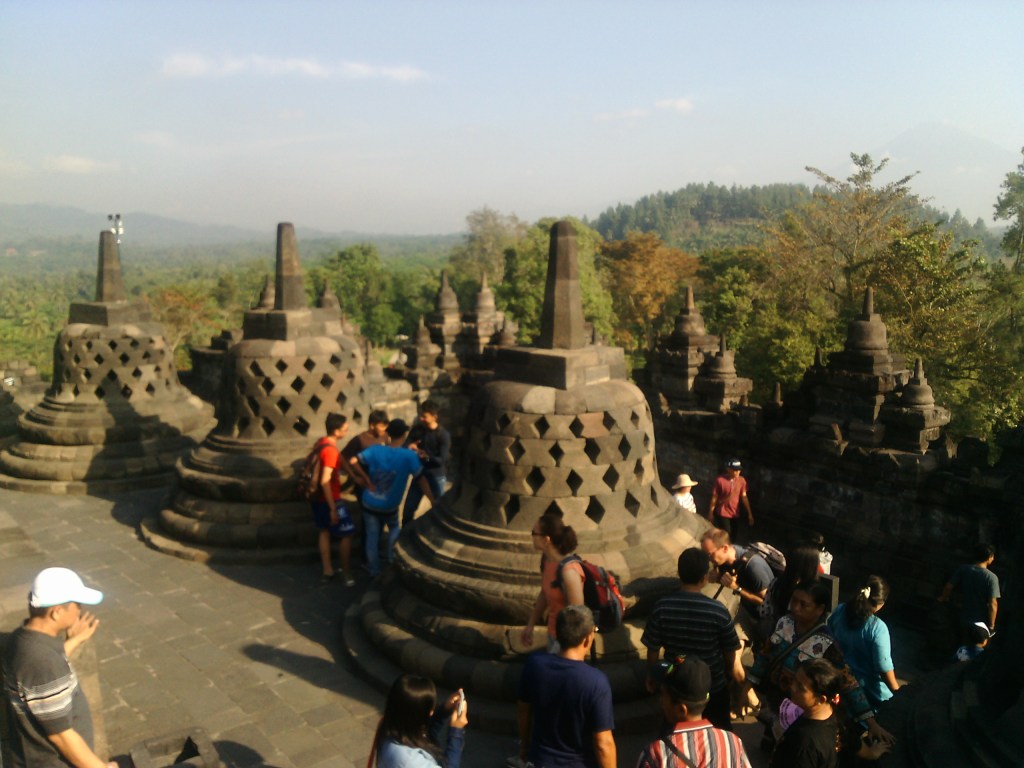
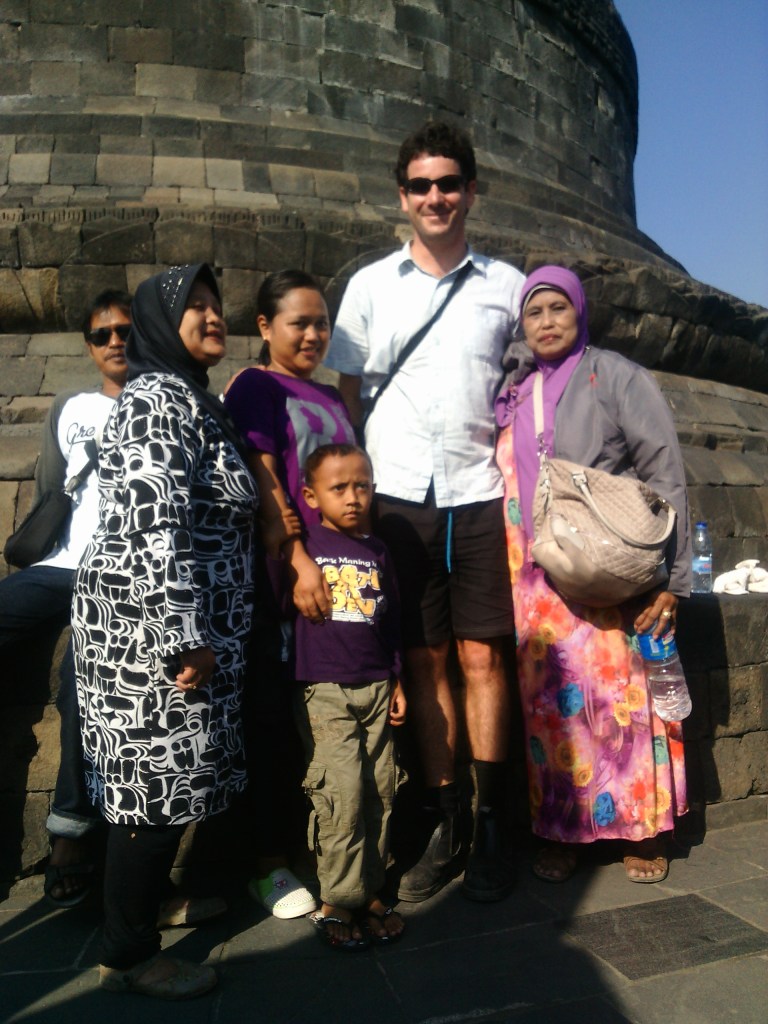
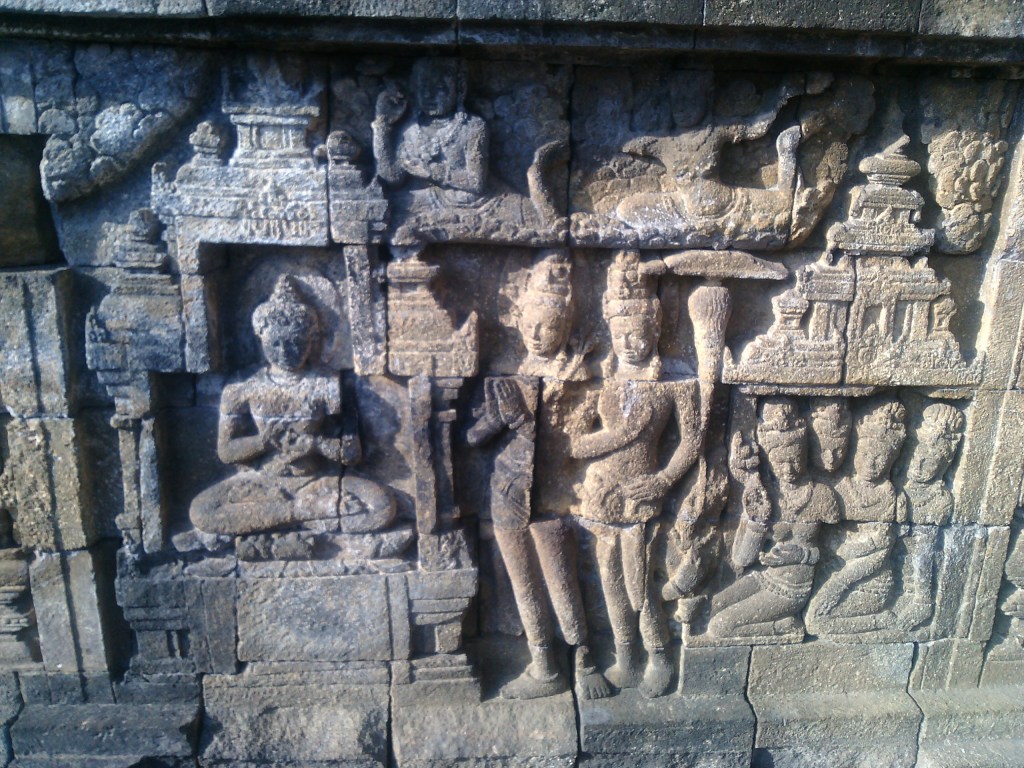
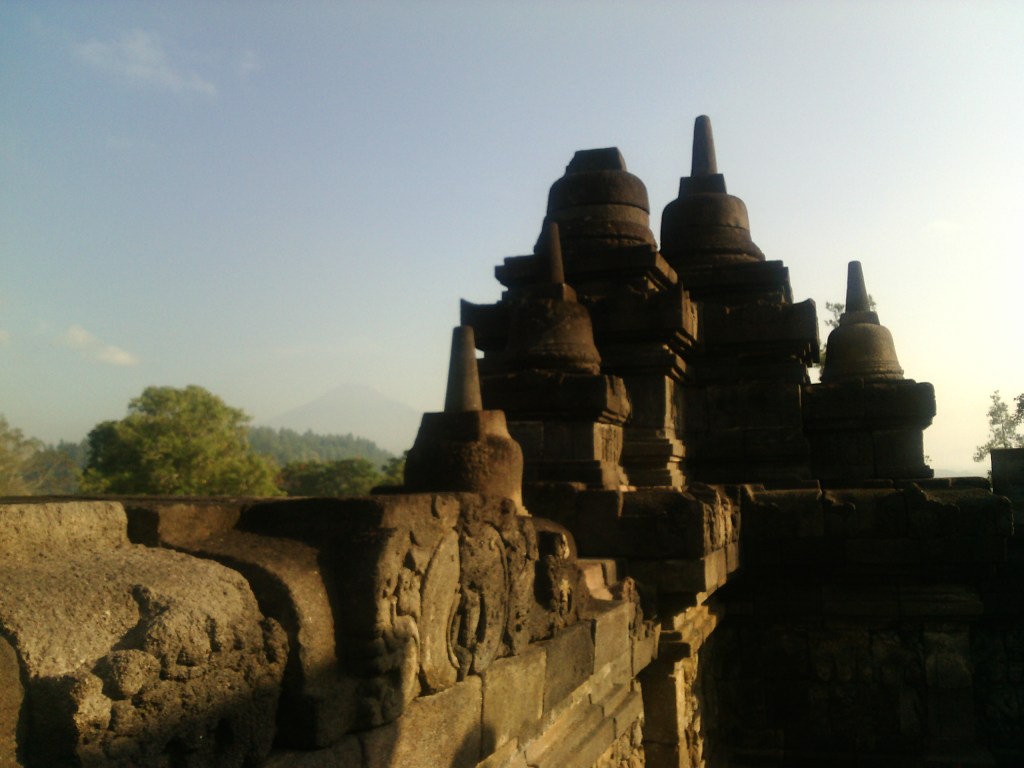
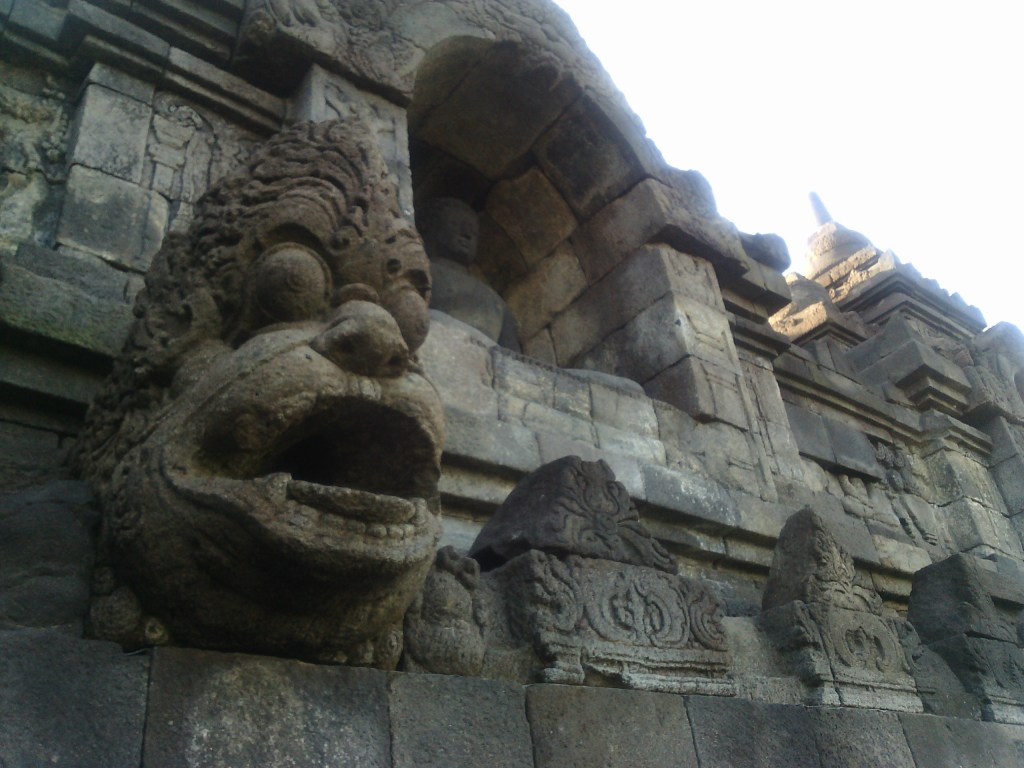
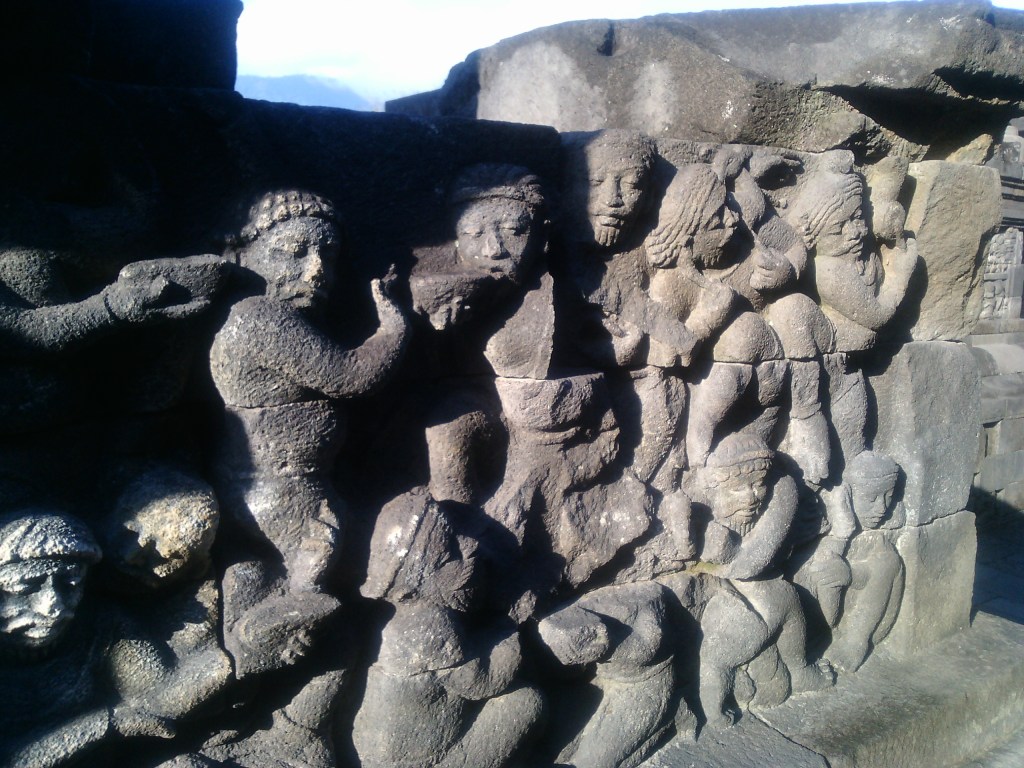
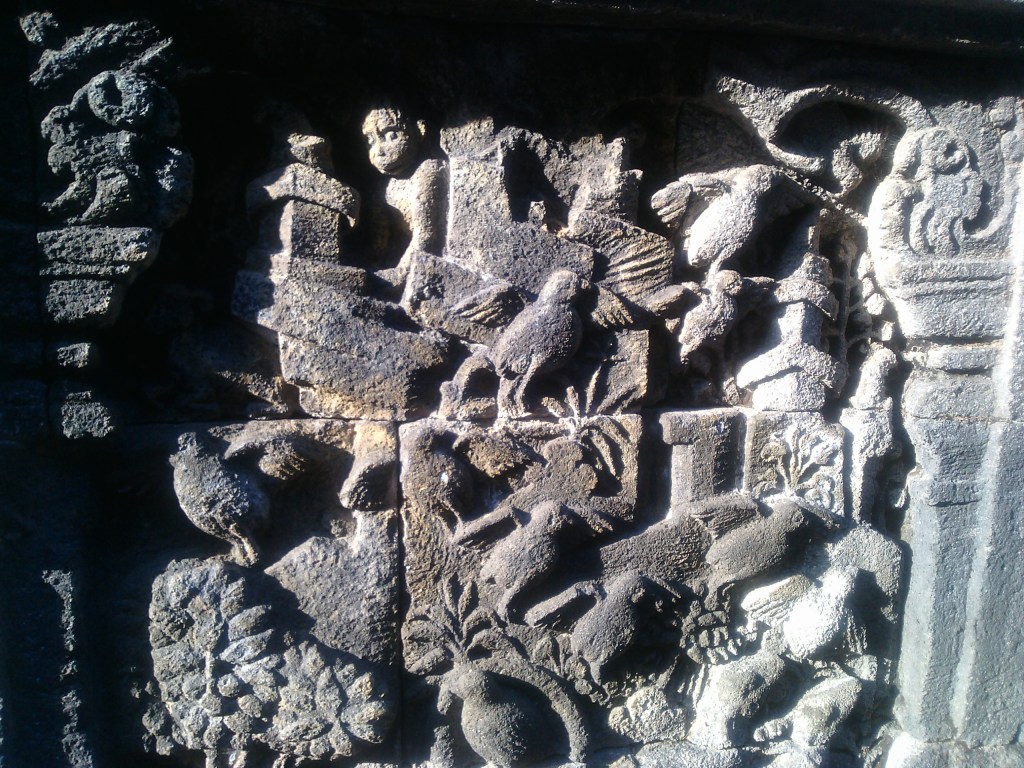
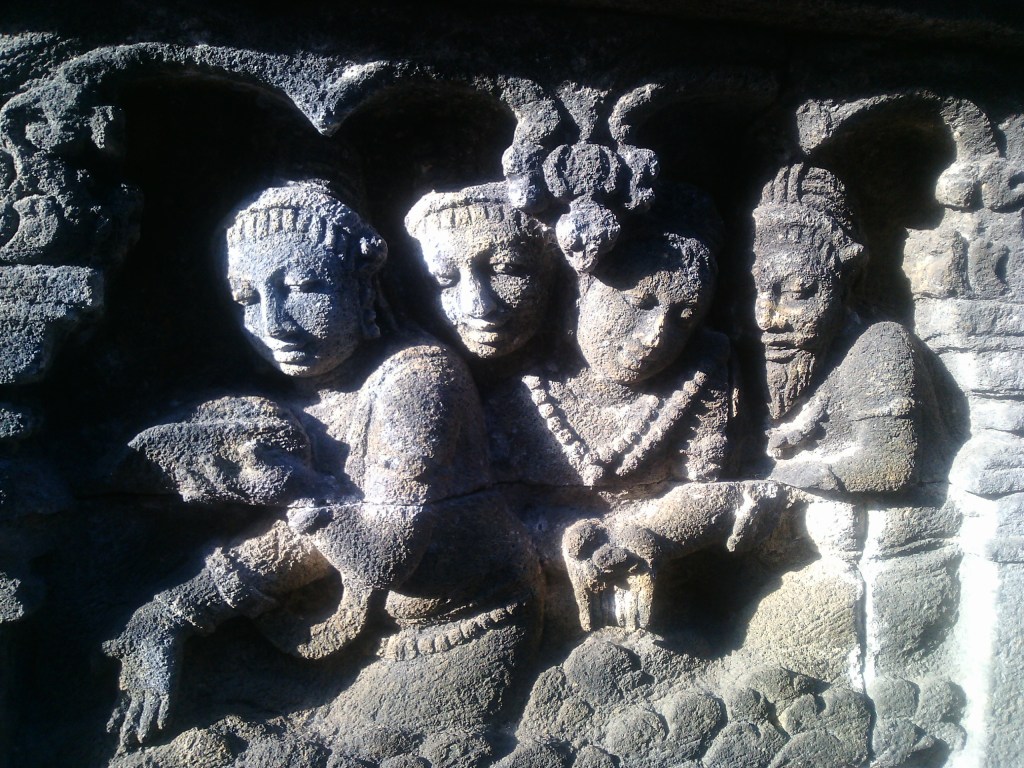
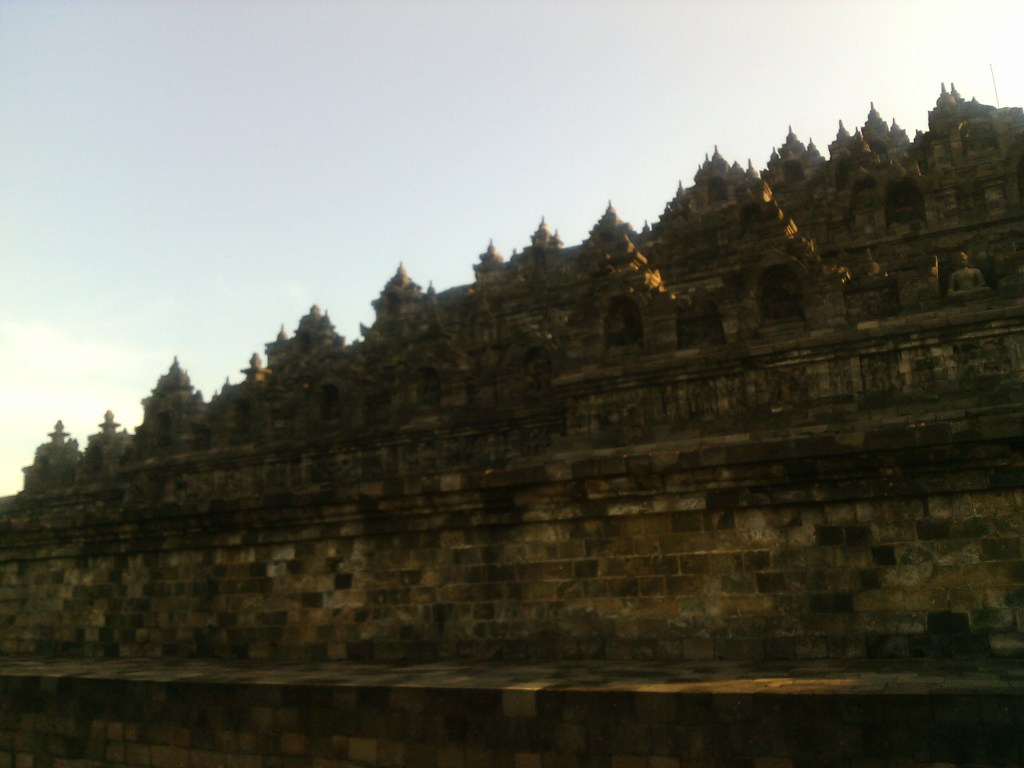
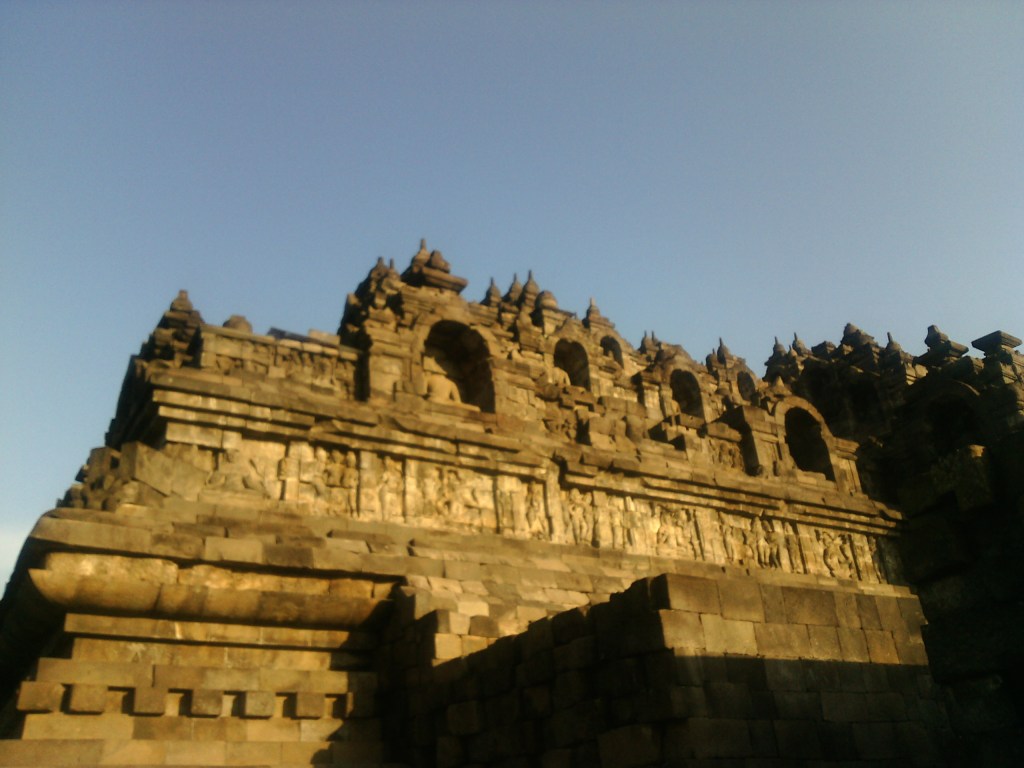
Borobudur temple, Central Java, Indonesia
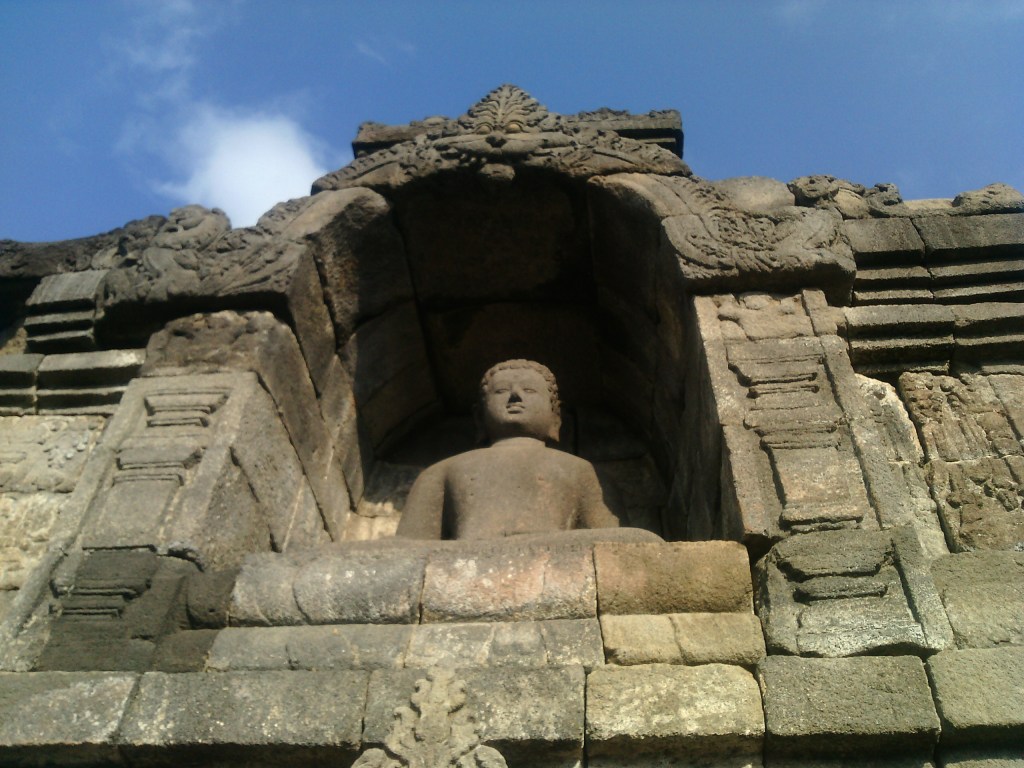
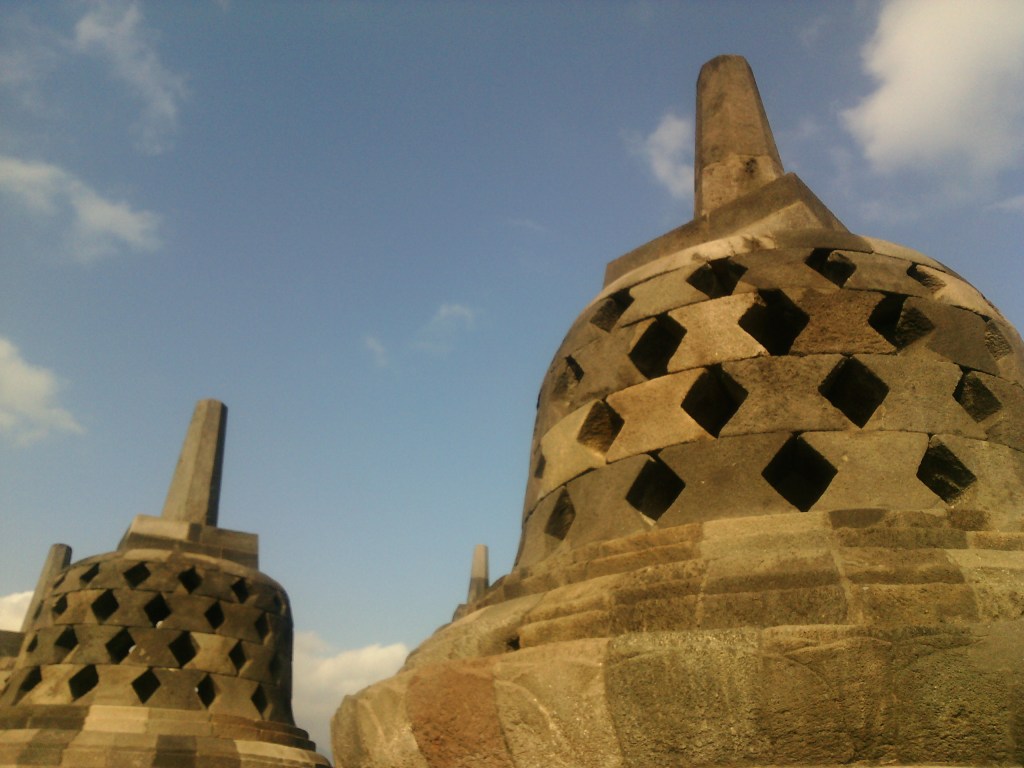
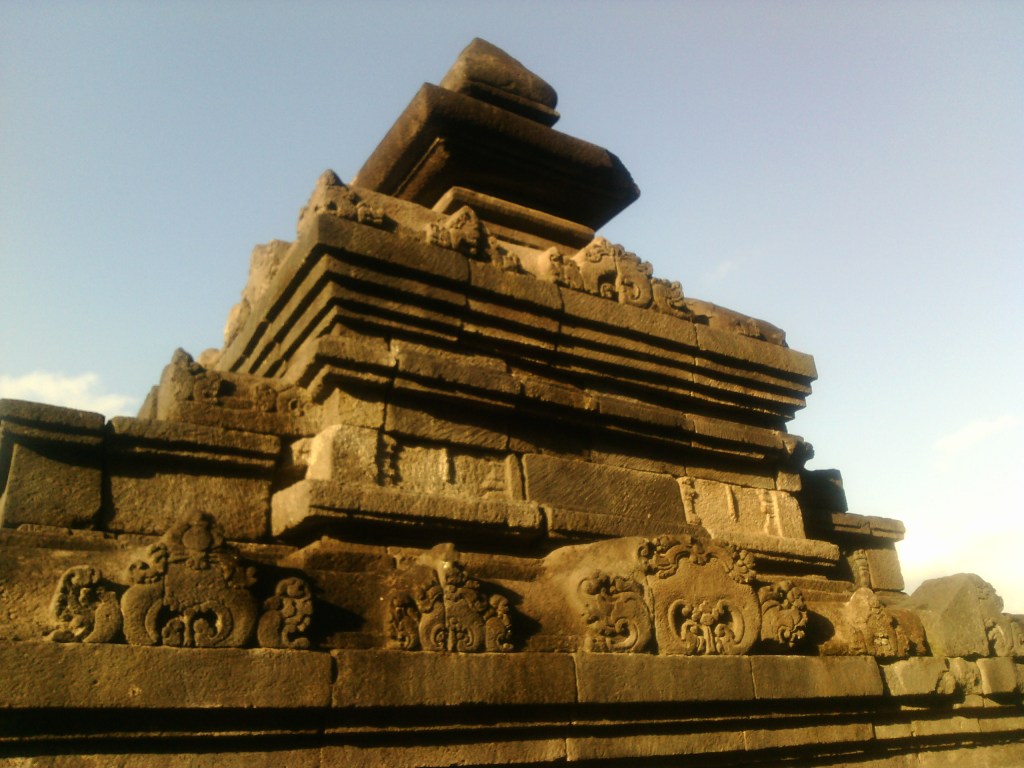
Borobudur temple, Central Java, Indonesia
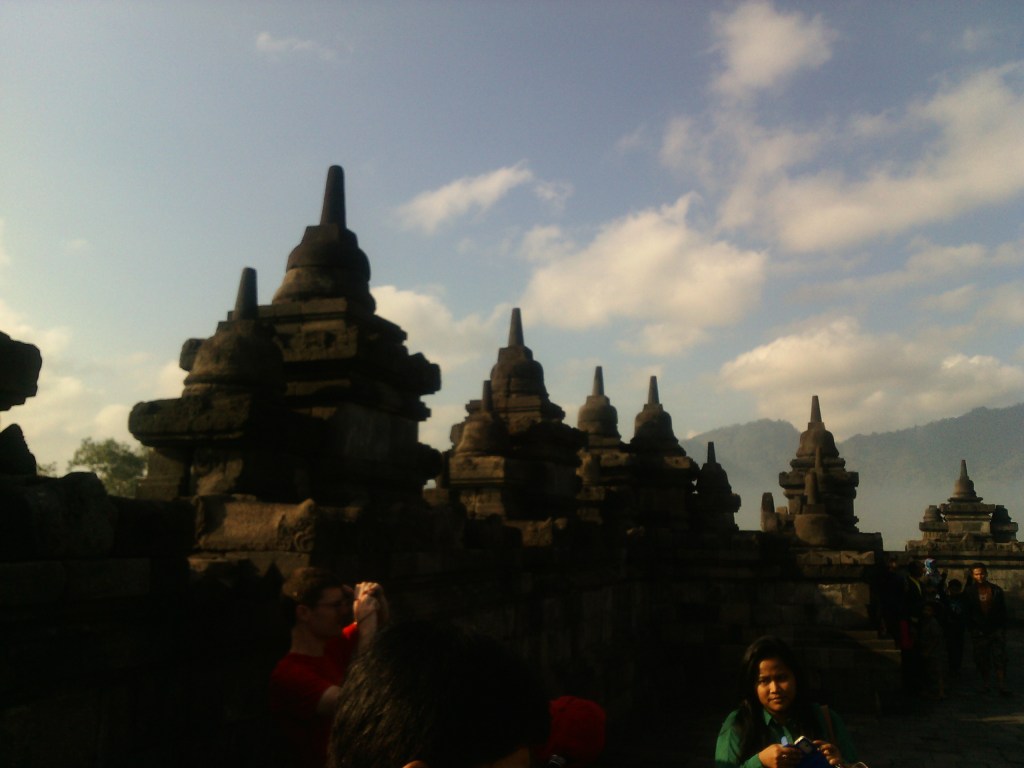
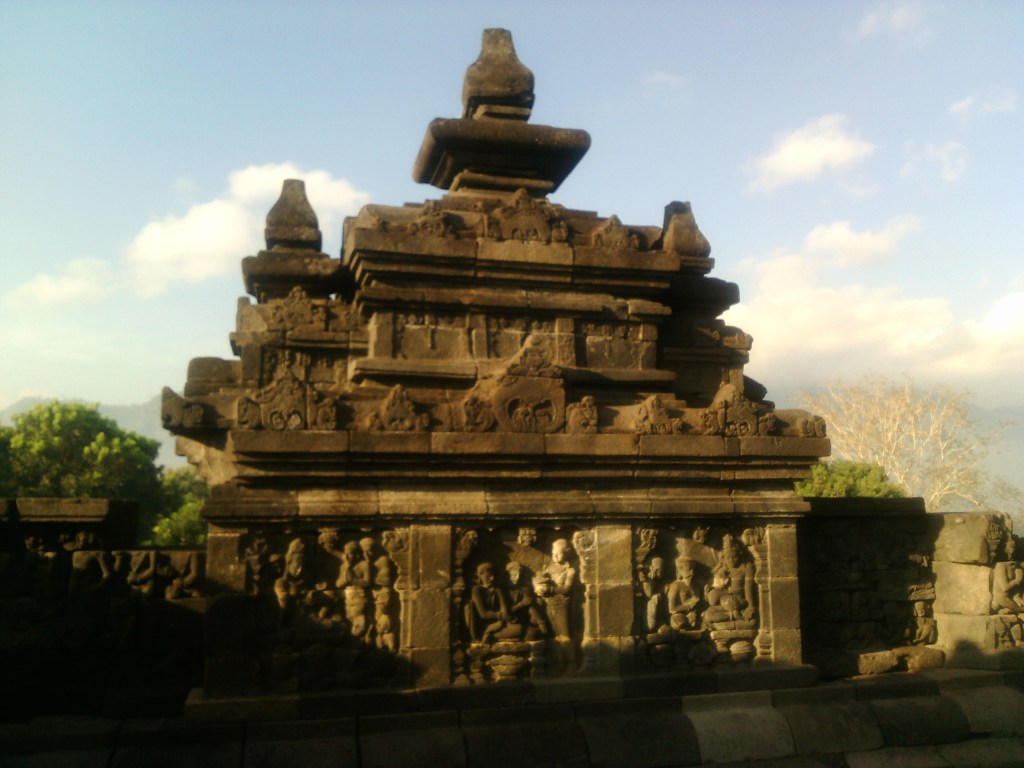
Borobudur temple, Central Java, Indonesia
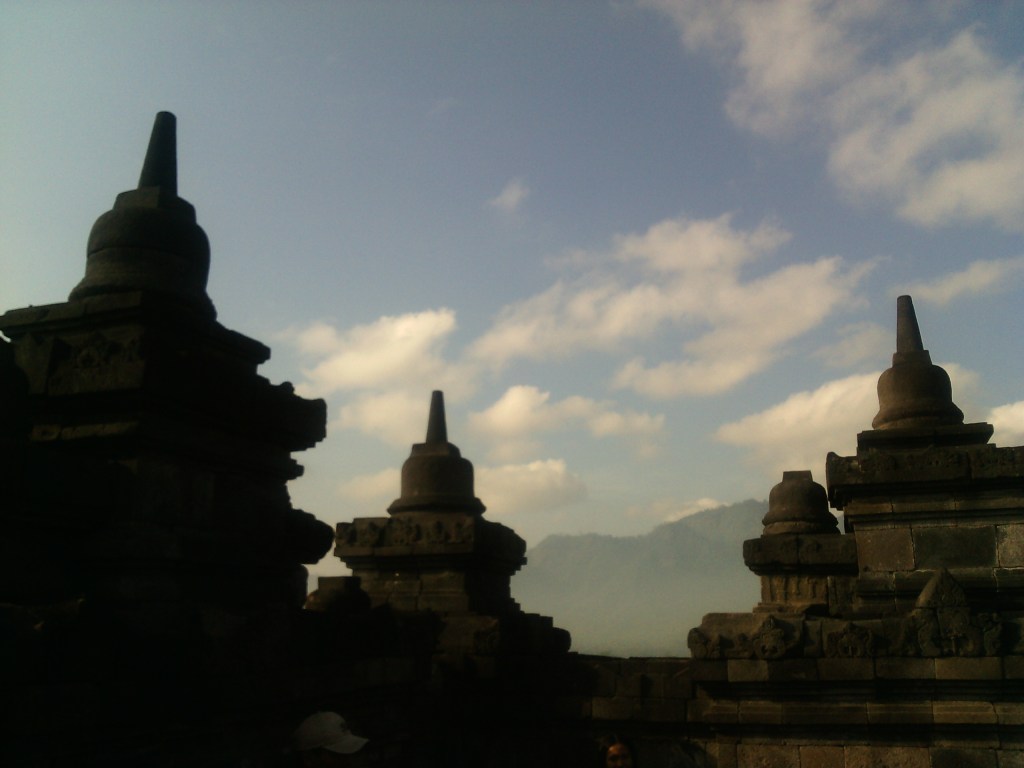
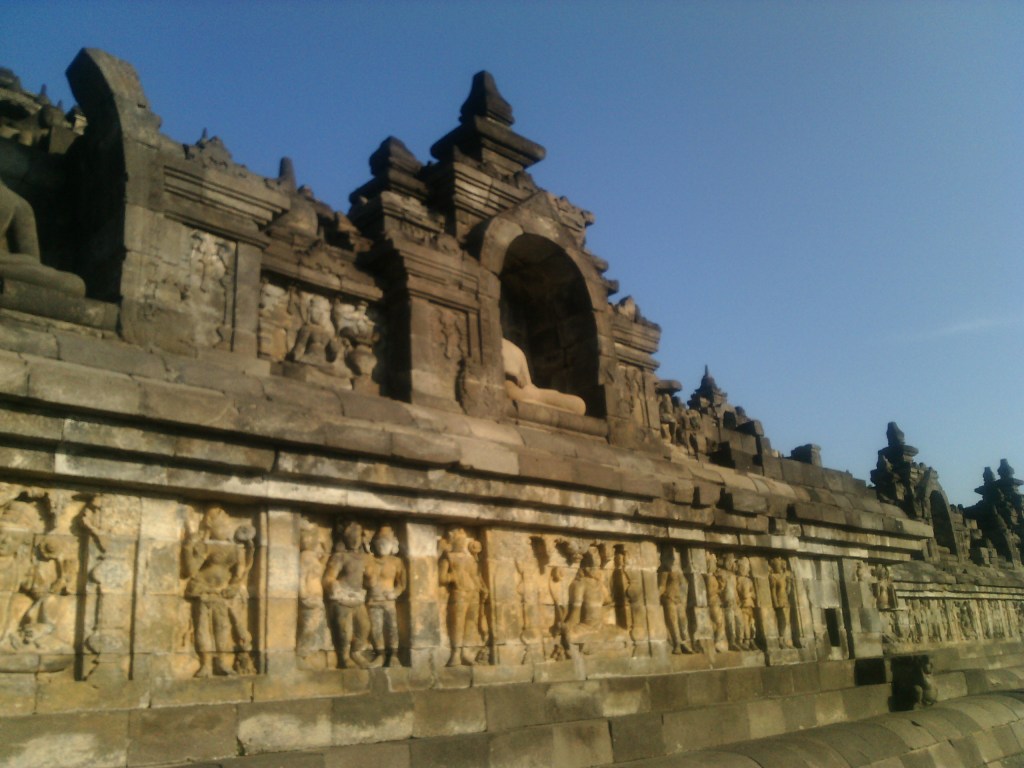
Borobudur temple, Central Java, Indonesia
Borobudur temple, Central Java, Indonesia
Borobudur temple, Central Java, Indonesia
Borobudur temple, Central Java, Indonesia
Borobudur temple, Central Java, Indonesia
Borobudur temple, Central Java, Indonesia
Borobudur temple, Central Java, Indonesia
Borobudur temple, Central Java, Indonesia
Borobudur temple, Central Java, Indonesia, 2014
Borobudur temple, Central Java, Indonesia
Borobudur temple, Central Java, Indonesia
Borobudur temple, Central Java, Indonesia
Borobudur temple, Central Java, Indonesia
Borobudur temple, Central Java, Indonesia
Borobudur temple, Central Java, Indonesia
Borobudur temple, Central Java, Indonesia
Borobudur temple, Central Java, Indonesia
Borobudur temple, Central Java, Indonesia
Borobudur temple, Central Java, Indonesia
Borobudur temple, Central Java, Indonesia
Borobudur temple, Central Java, Indonesia
Borobudur temple, Central Java, Indonesia
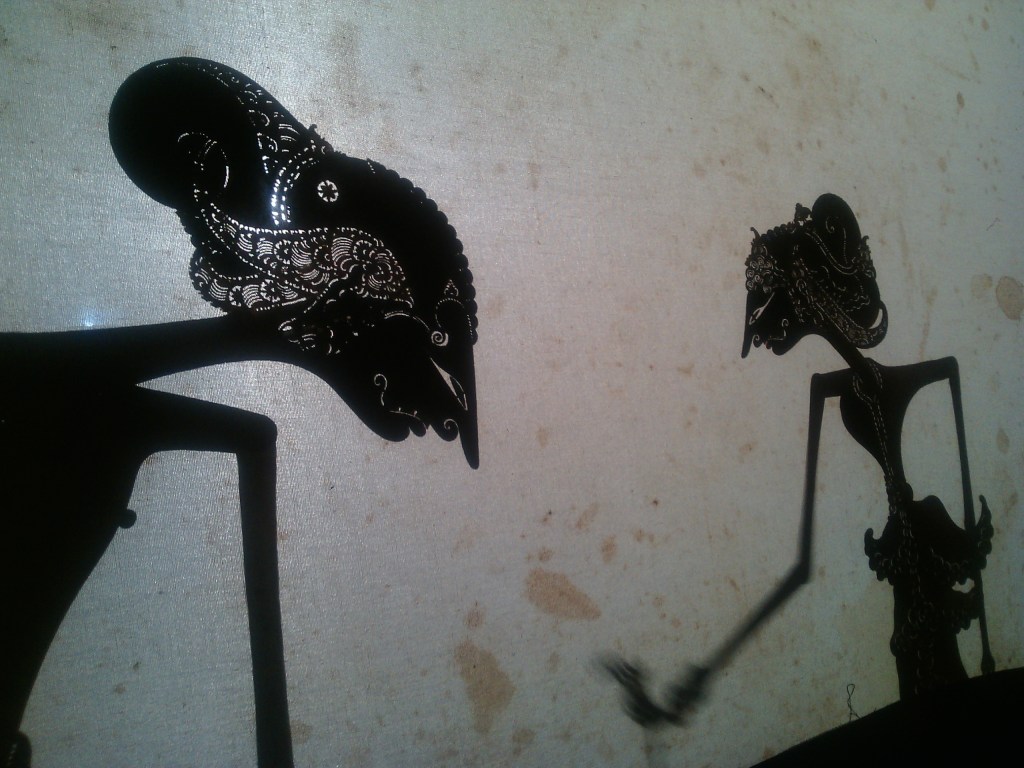
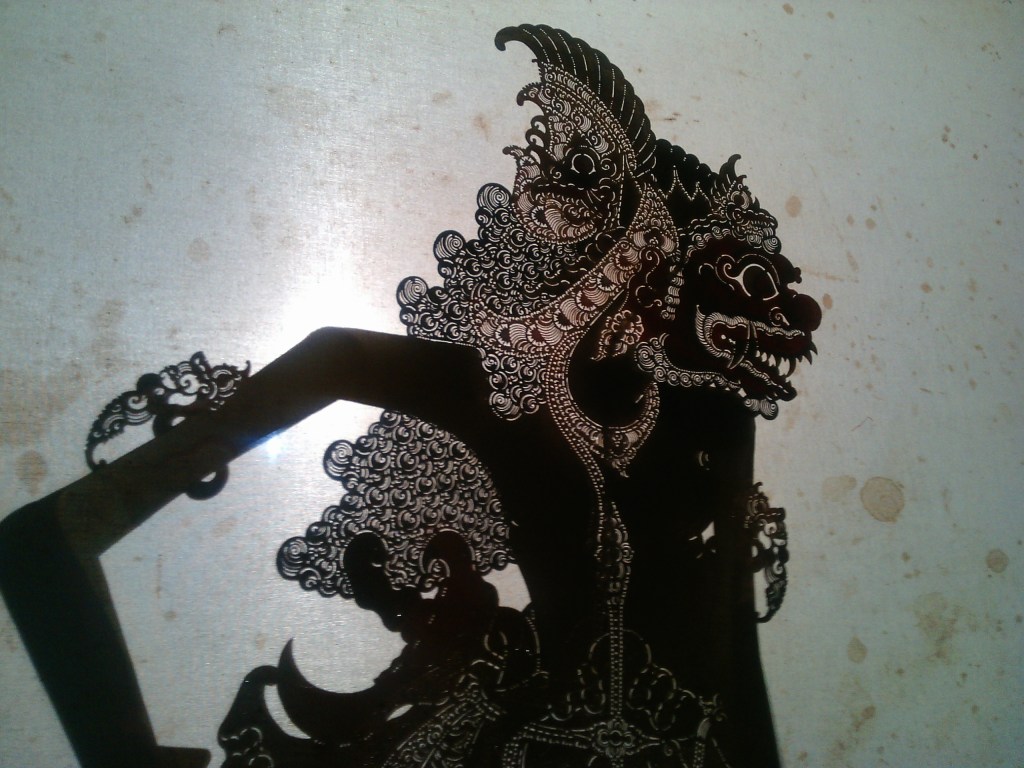
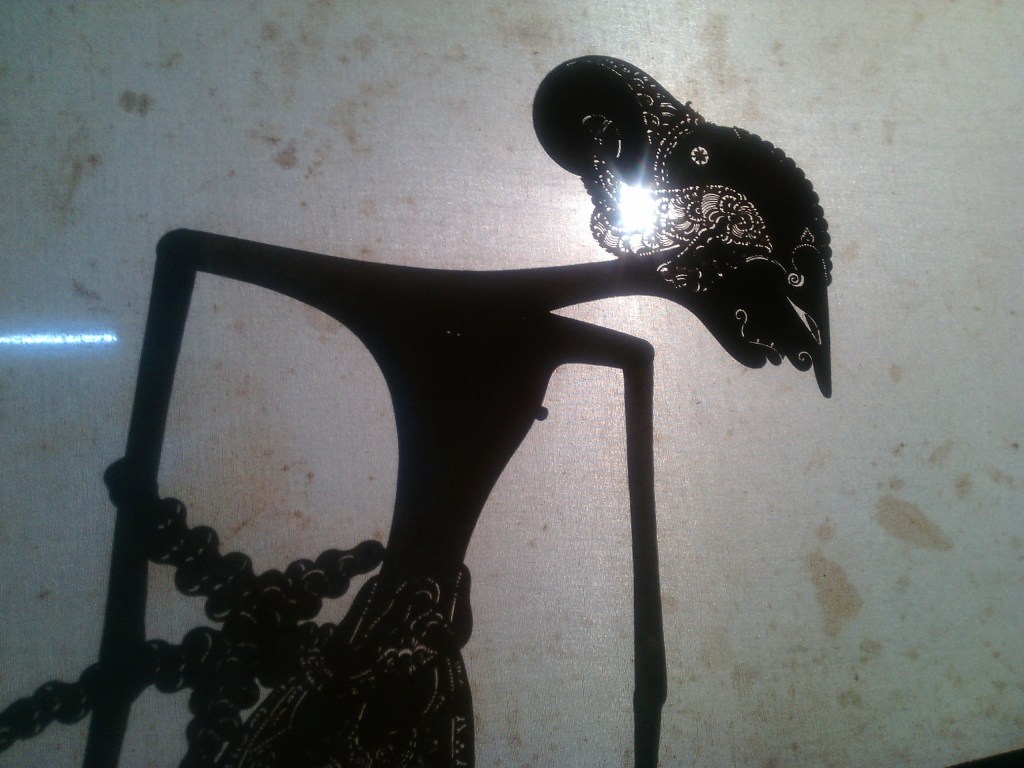
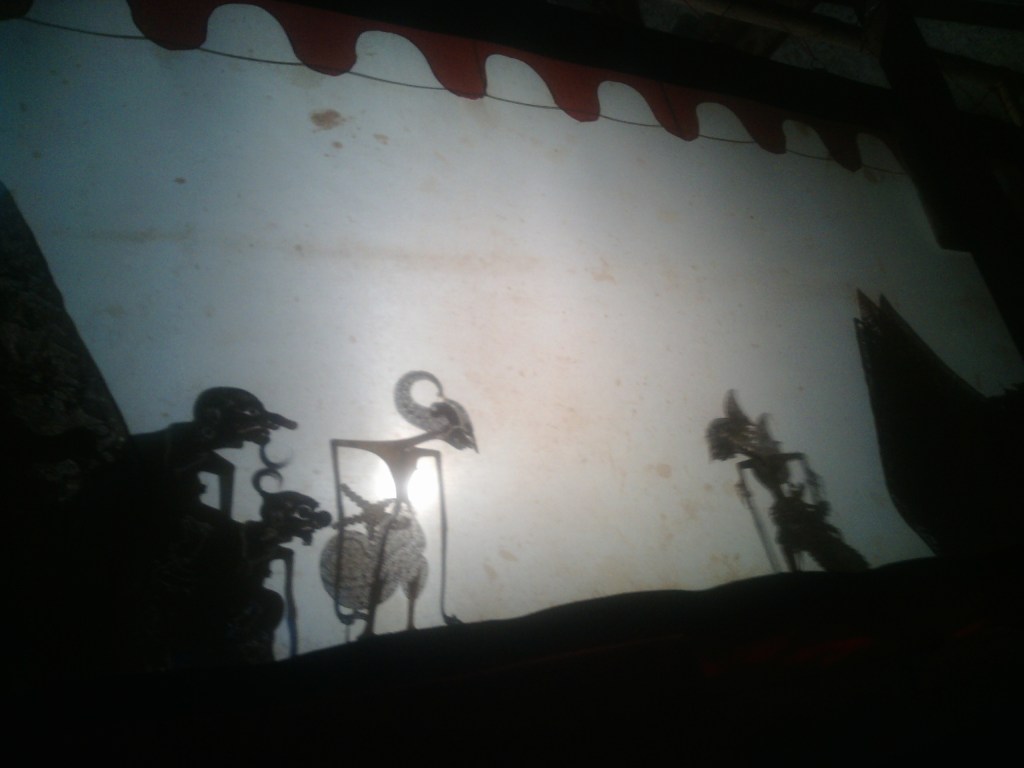
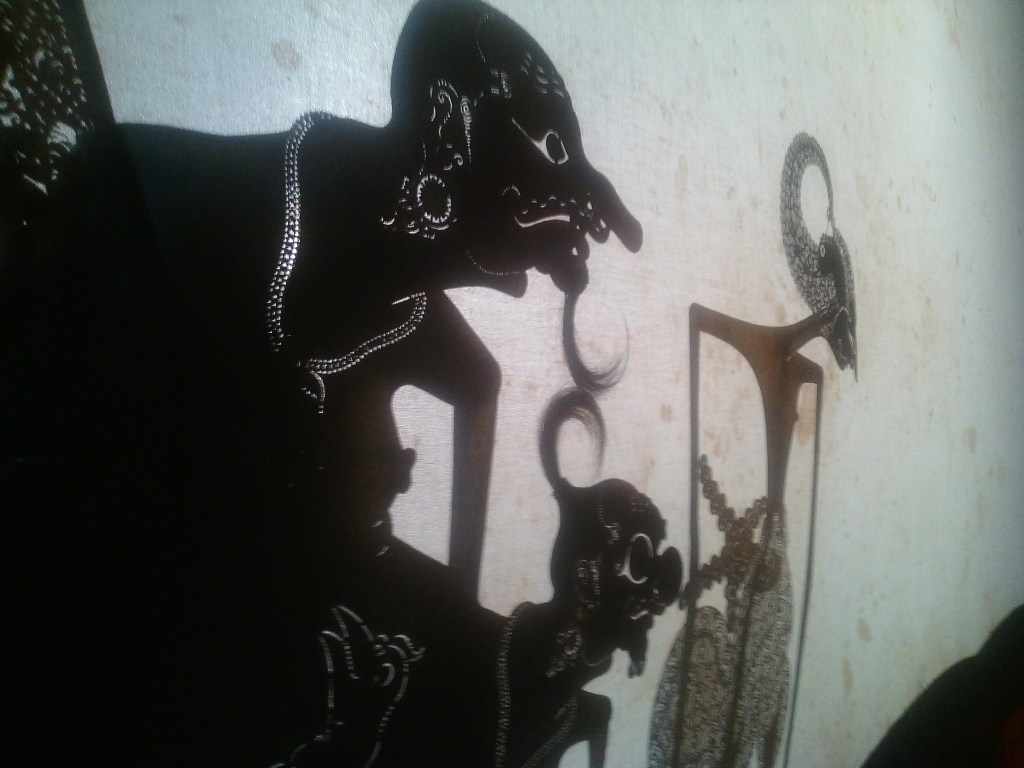
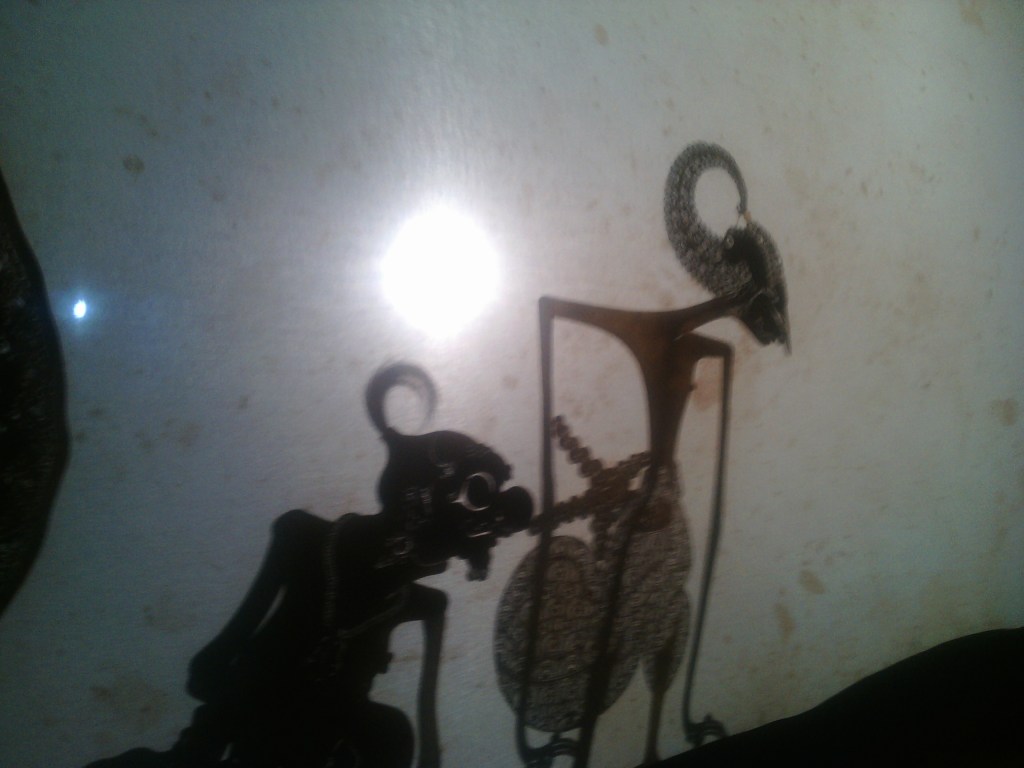
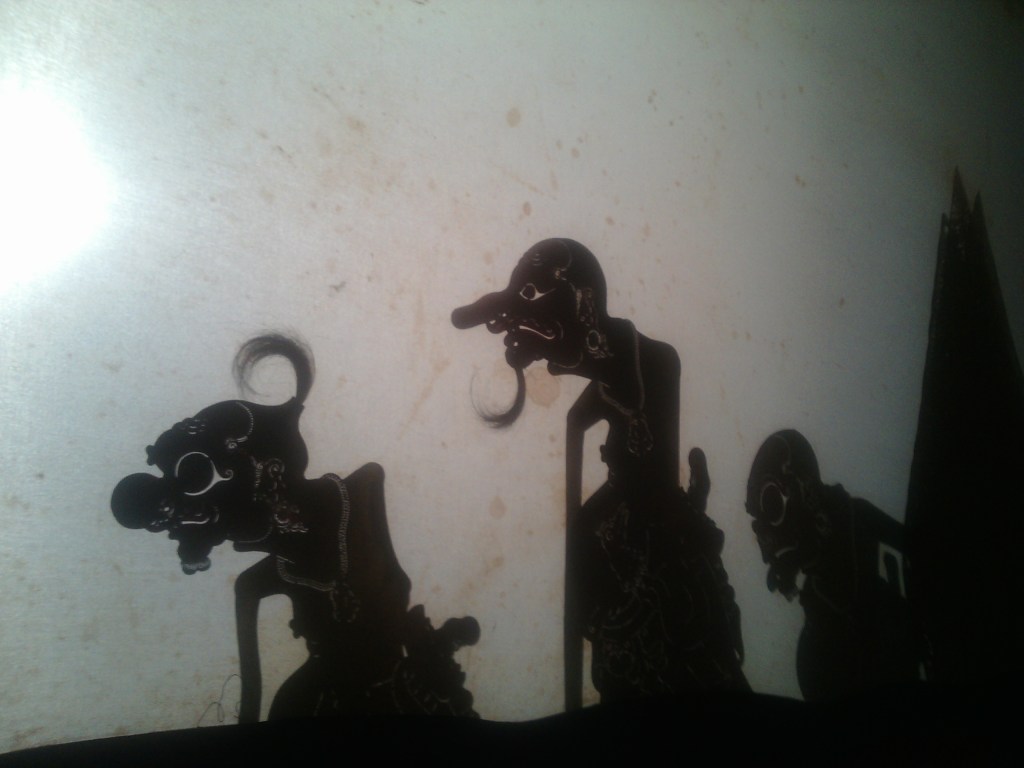
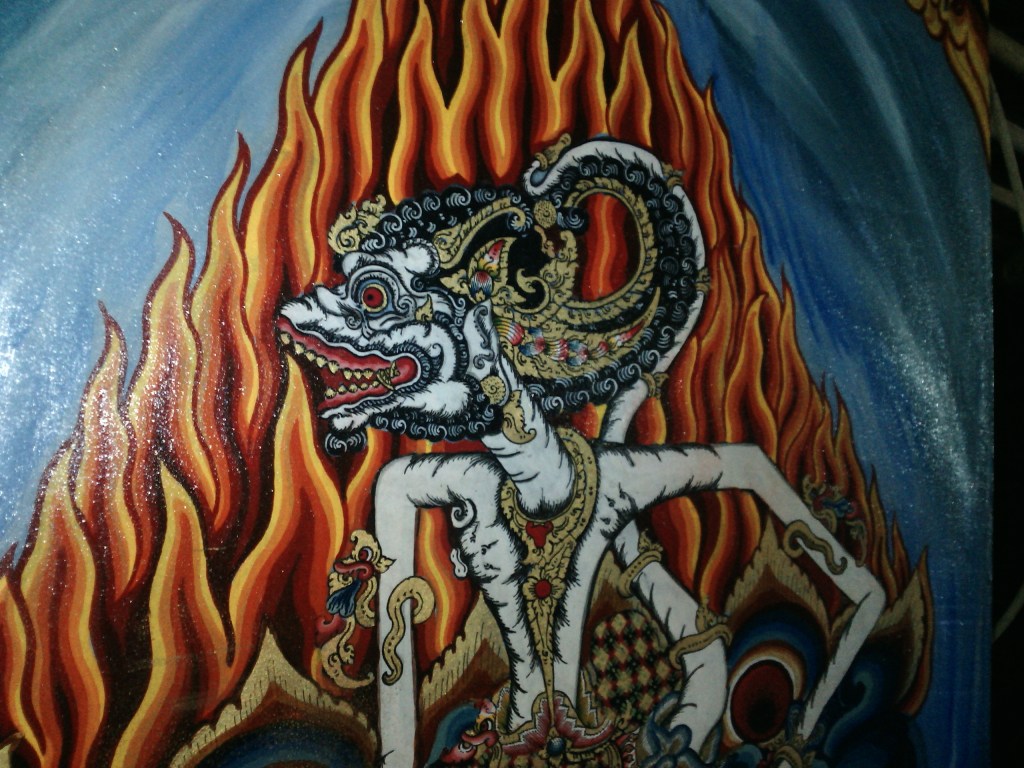
Javanese shadow puppets, Indonesia, 2014
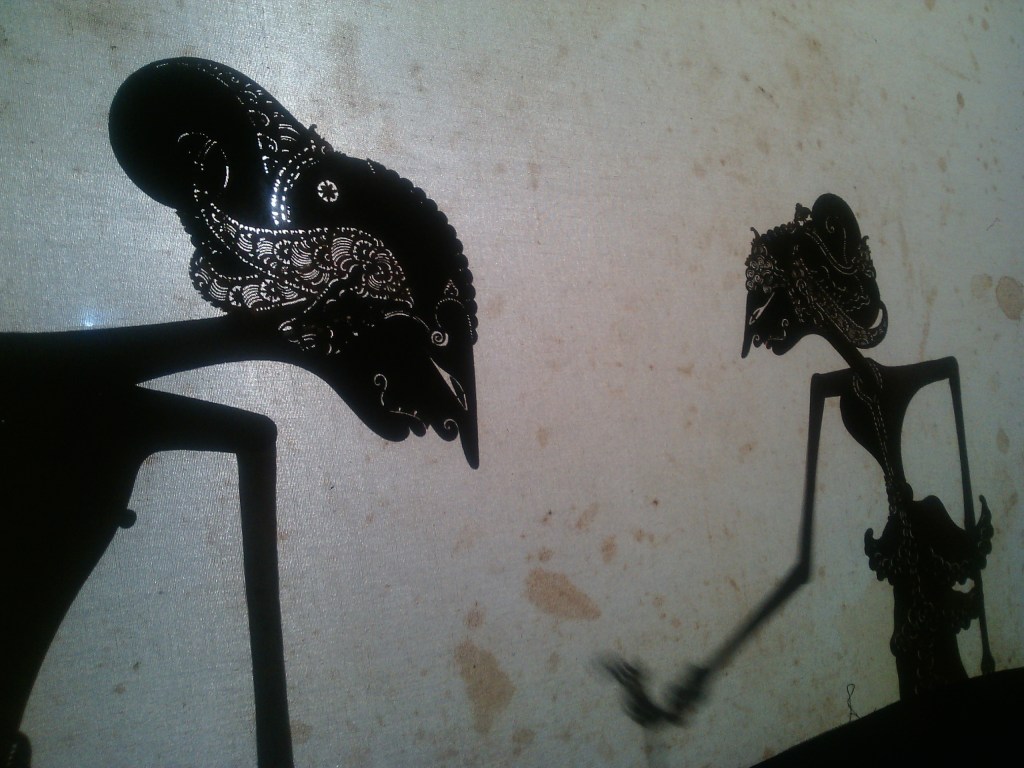
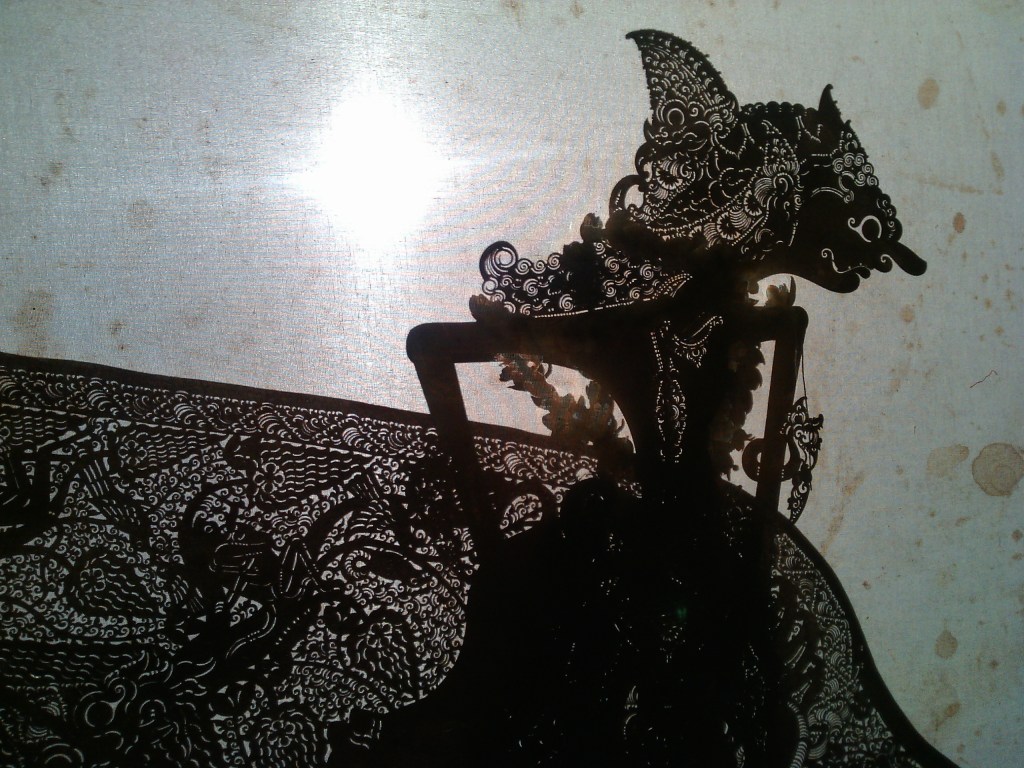
Javanese shadow puppets, Indonesia
Javanese shadow puppets, Indonesia
Javanese shadow puppets, Indonesia
Javanese shadow puppets, Indonesia
Javanese shadow puppets, Indonesia
Javanese shadow puppets, Indonesia
Javanese shadow puppets, Indonesia
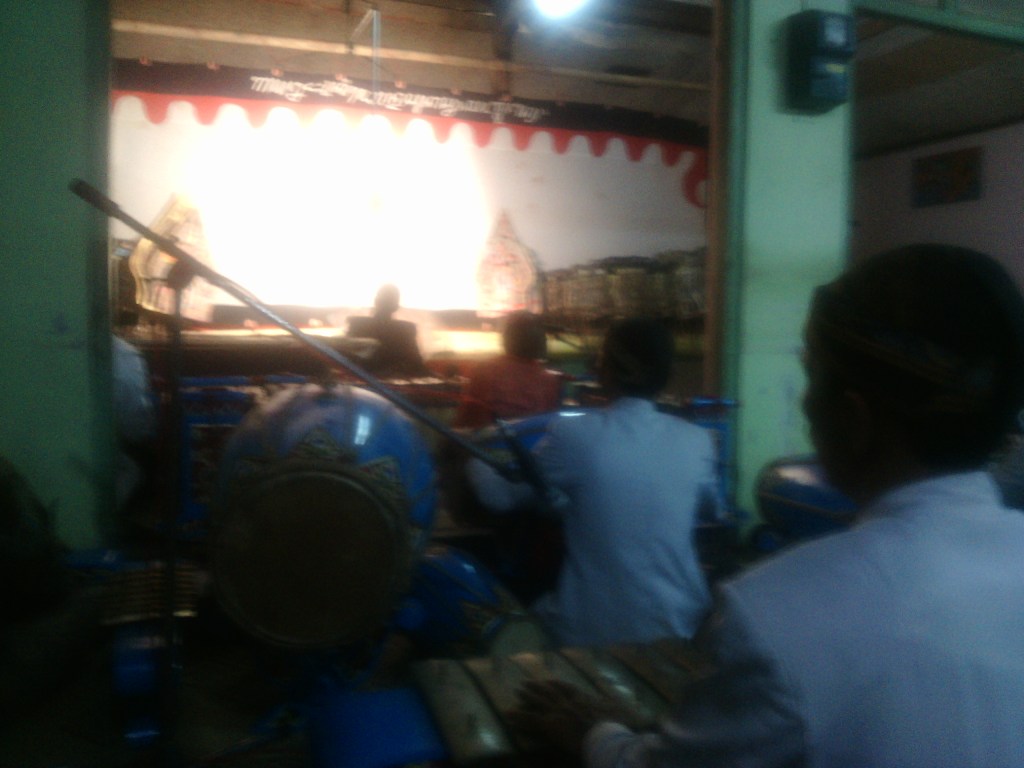
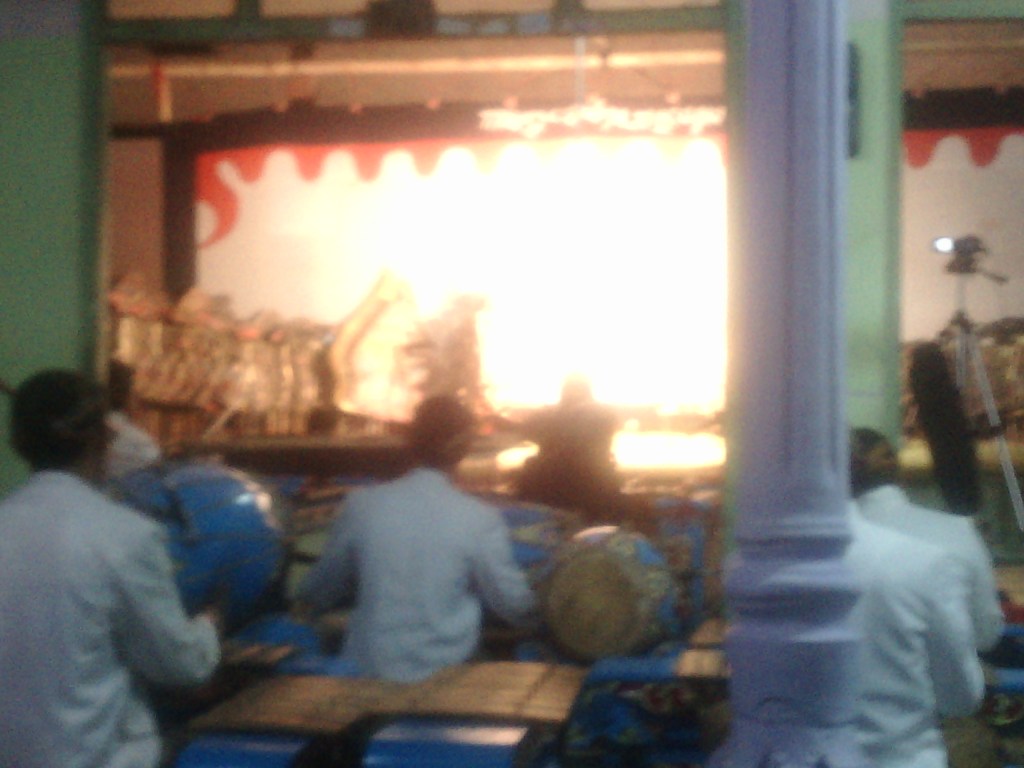
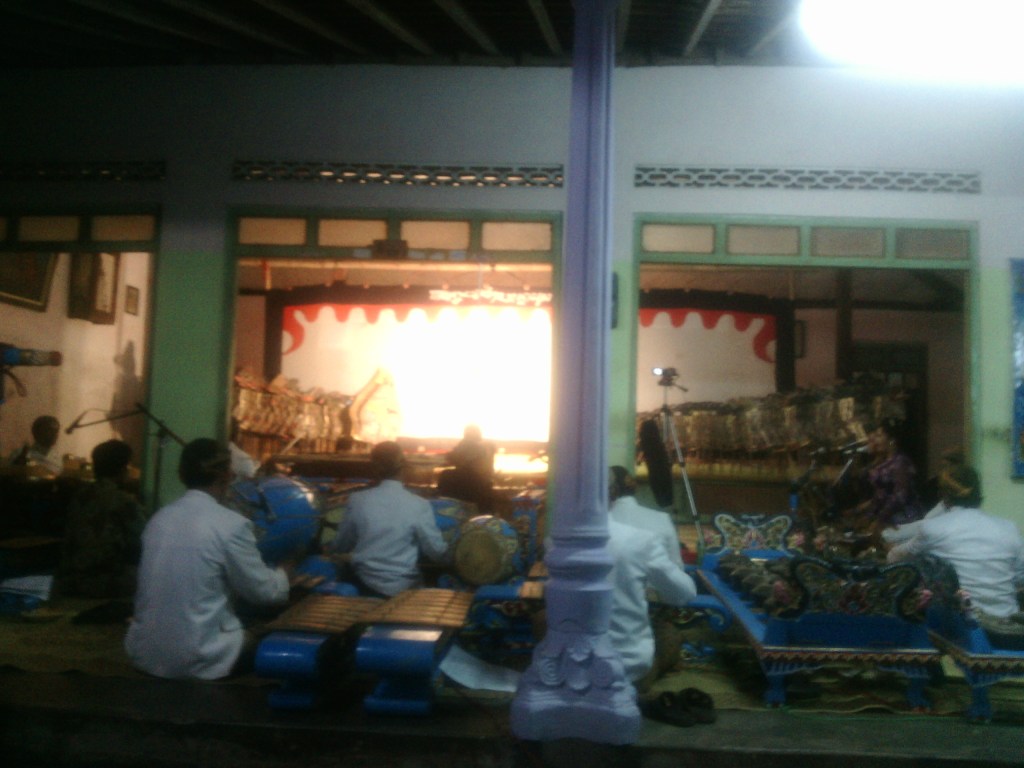
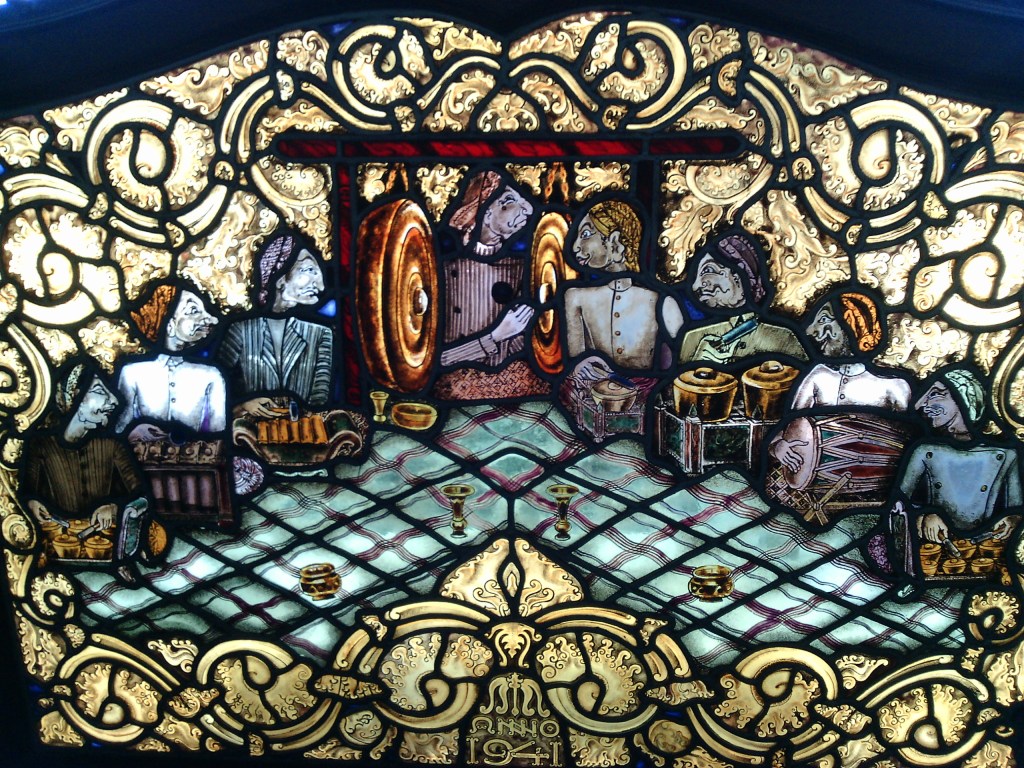
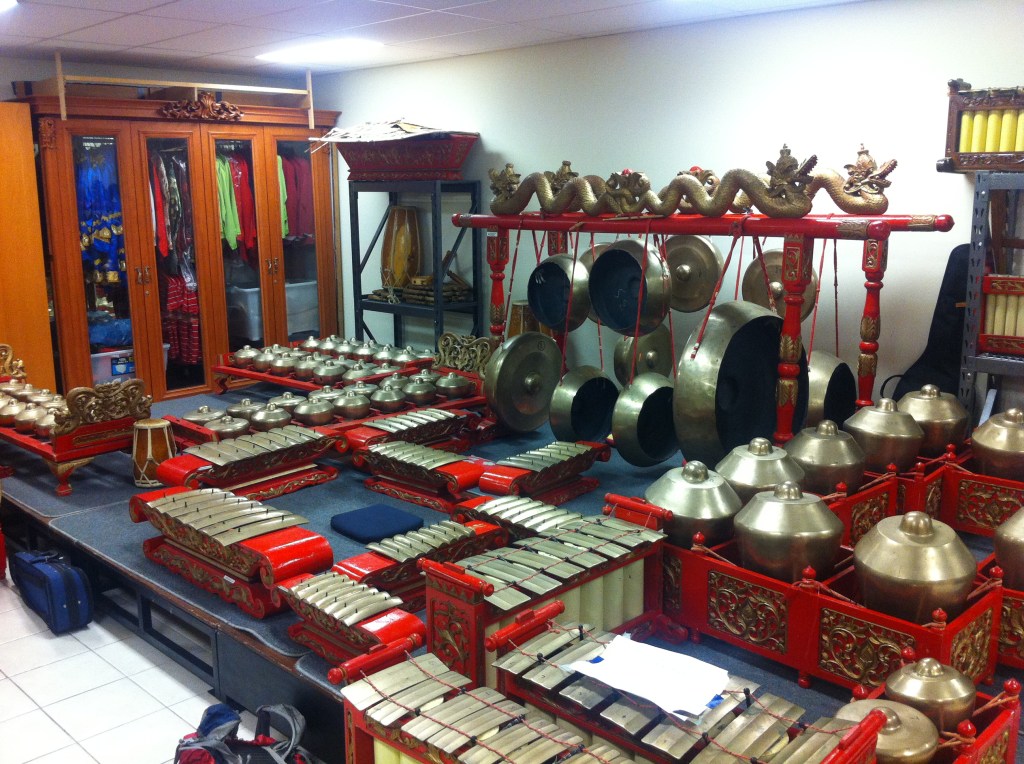
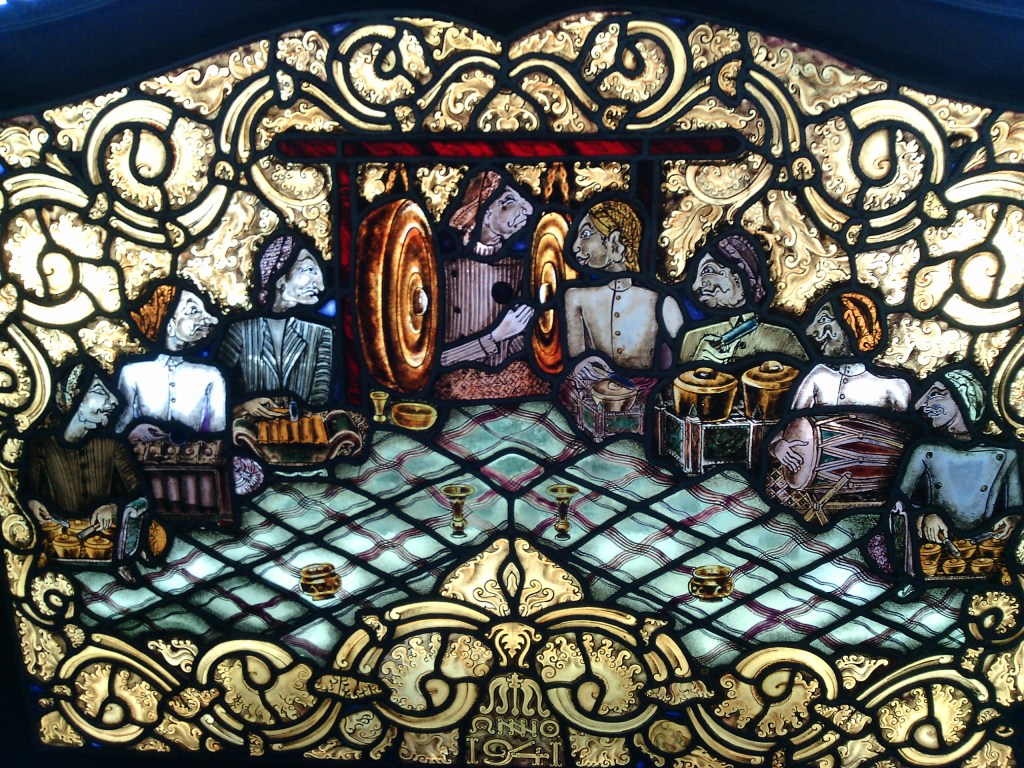
Javanese gamelan, Indonesia
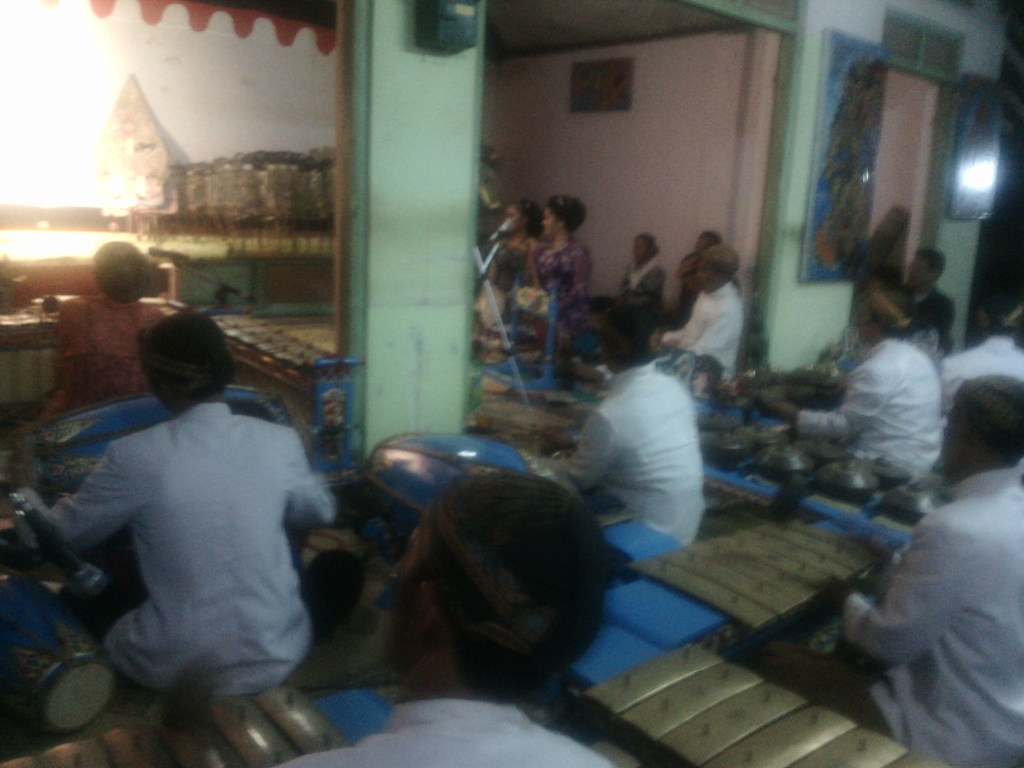
Javanese gamelan, Indonesia
Javanese gamelan, Indonesia
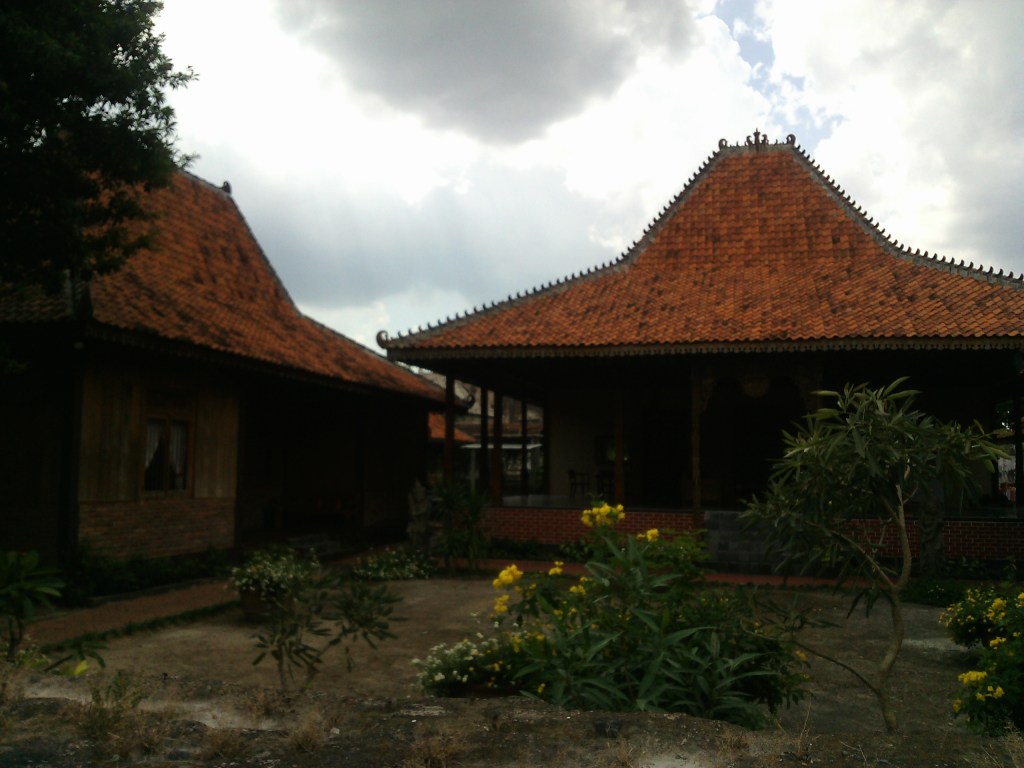
Central Java, Indonesia
Central Java, Indonesia
Javanese shadow puppets, Indonesia
Central Java, Indonesia
Central Java, Indonesia
Central Java, Indonesia
Central Java, Indonesia
Central Java, Indonesia
Central Java, Indonesia
Central Java, Indonesia
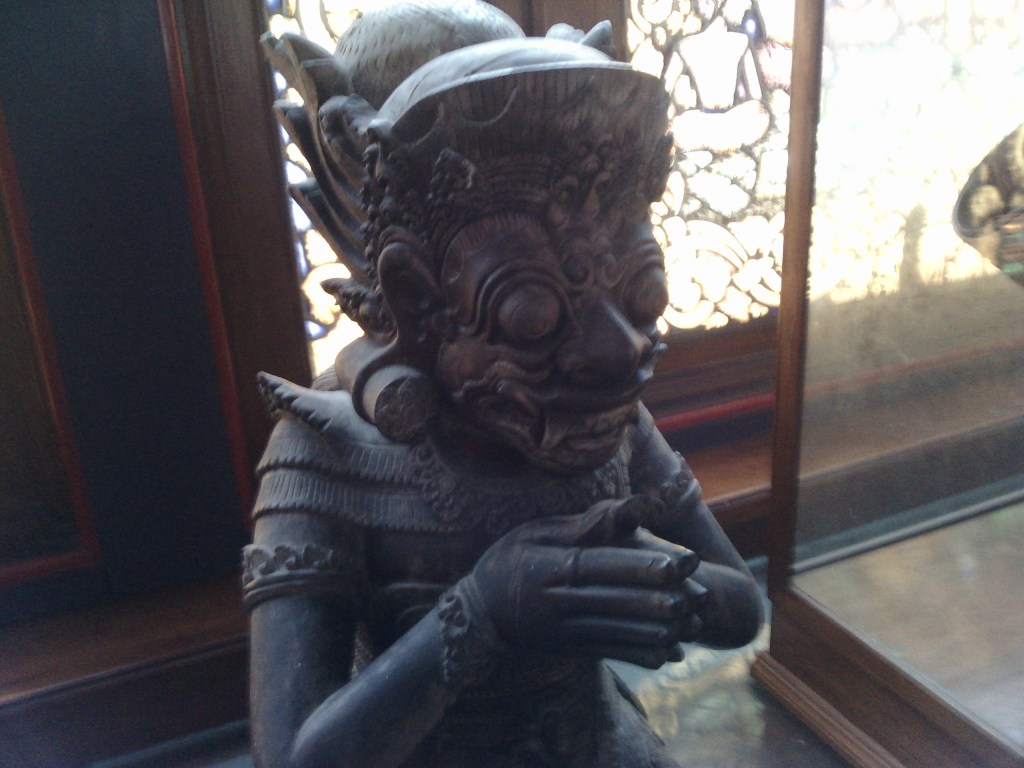
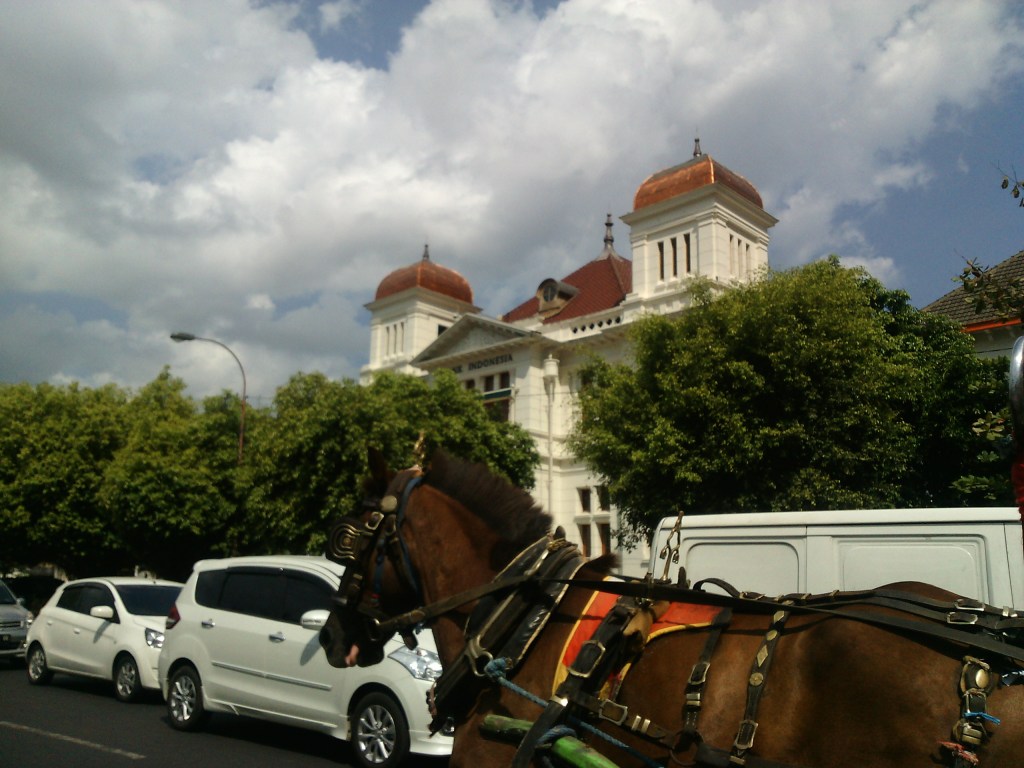
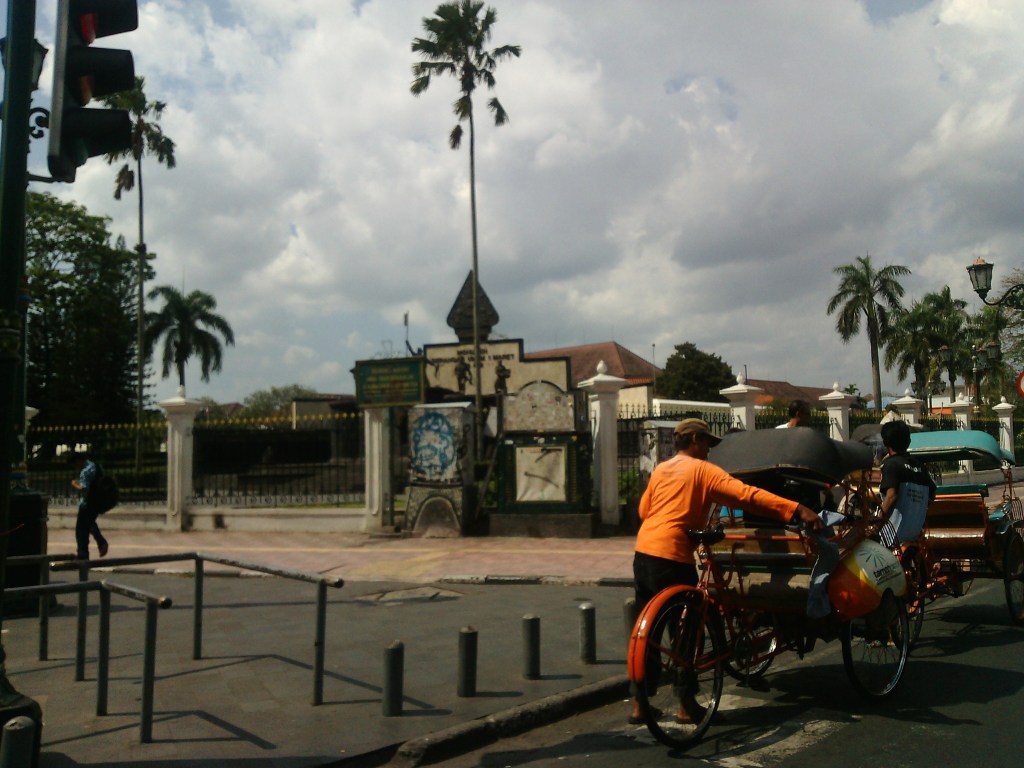
Yogyakarta, Central Java, Indonesia
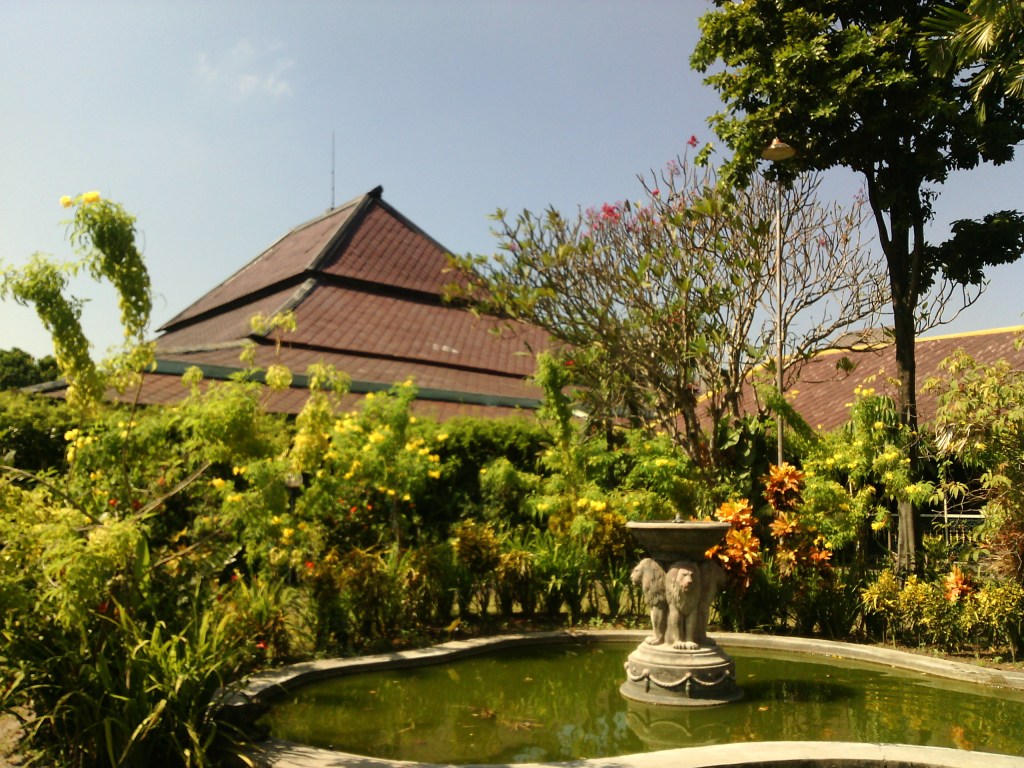
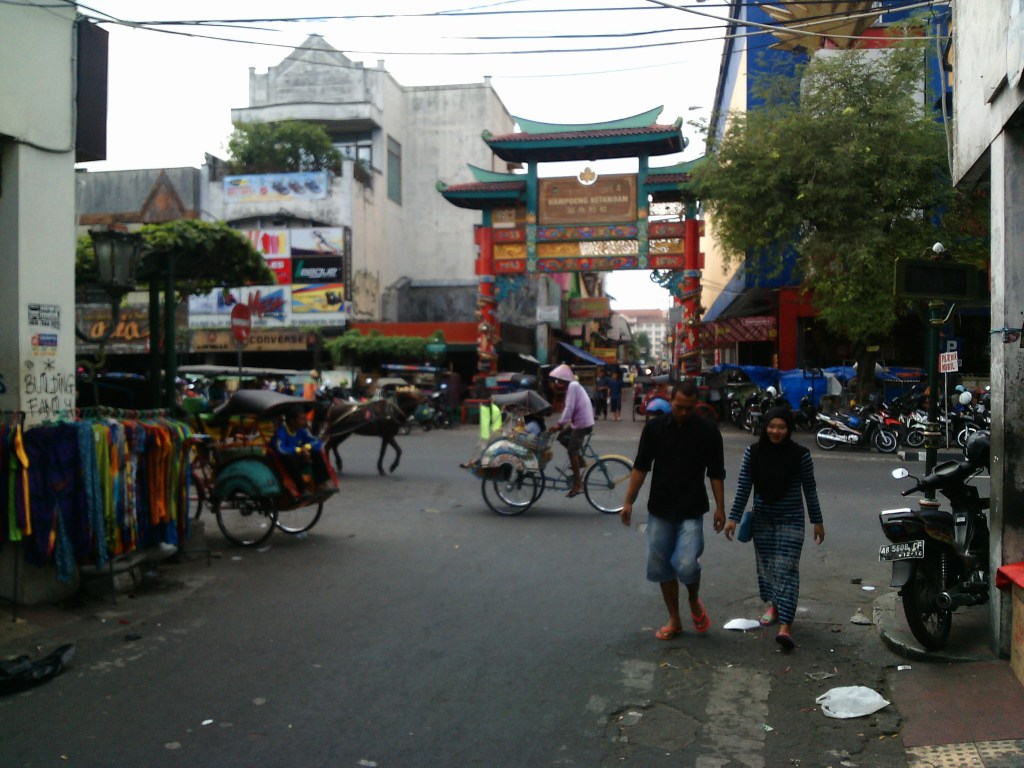
Yogyakarta, Central Java, Indonesia
Yogyakarta, Central Java, Indonesia
Yogyakarta, Central Java, Indonesia
Yogyakarta, Central Java, Indonesia
Yogyakarta, Central Java, Indonesia
Central Java, Indonesia
Yogyakarta, Central Java, Indonesia
Bali and Nusa Penida
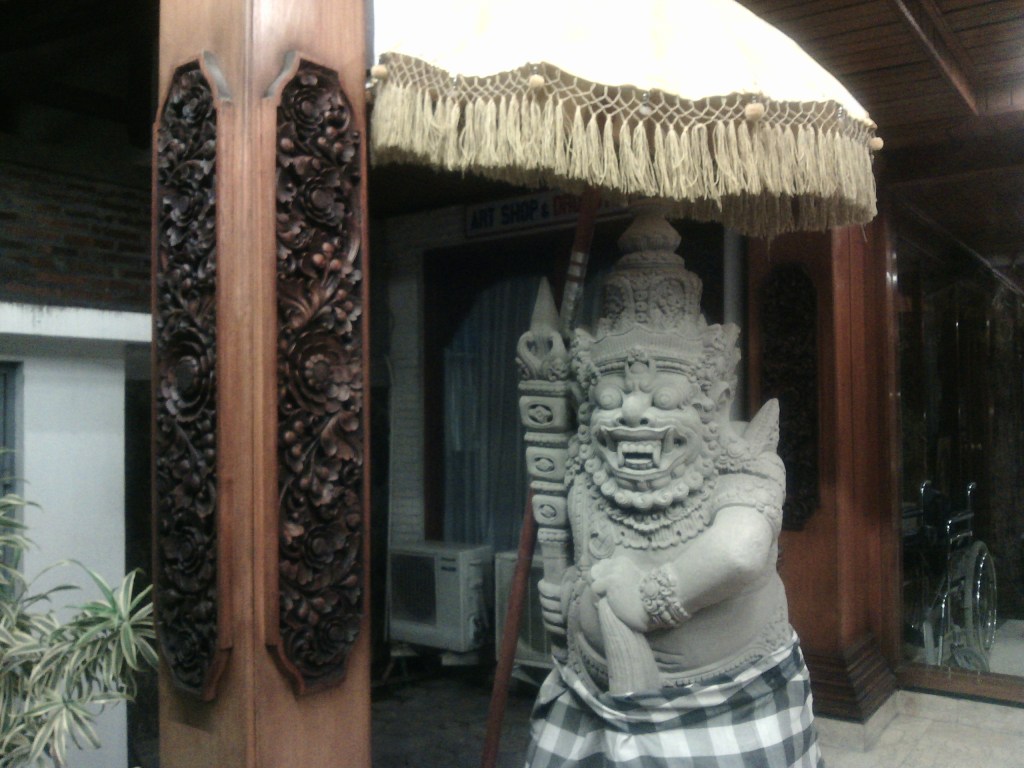
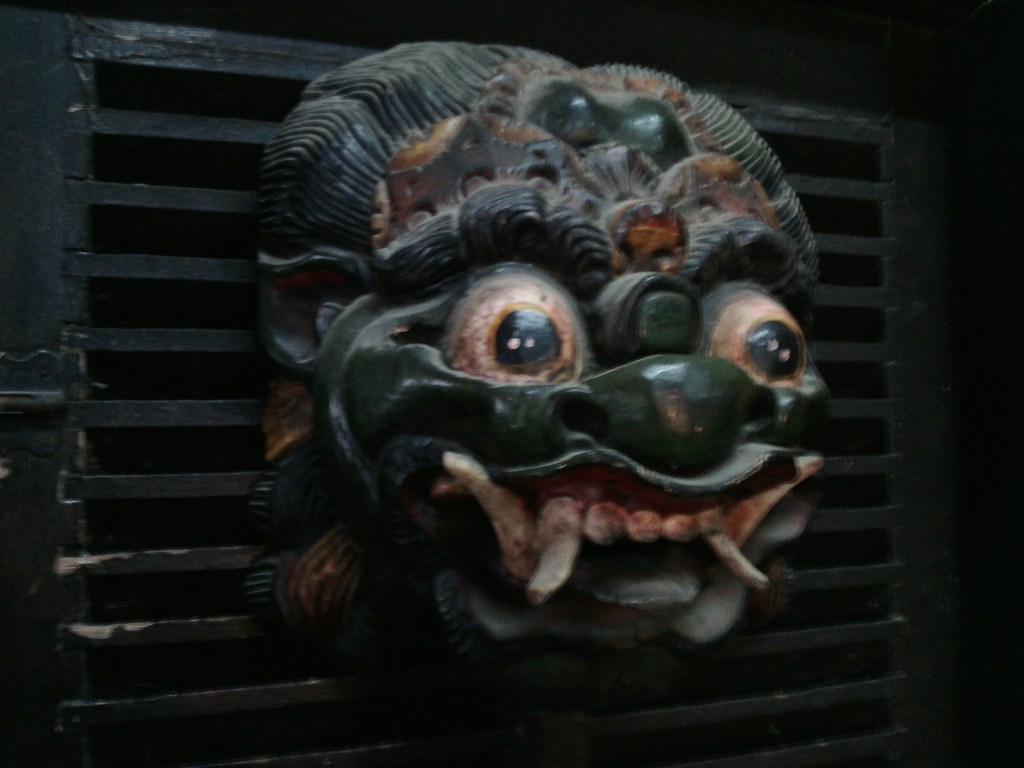
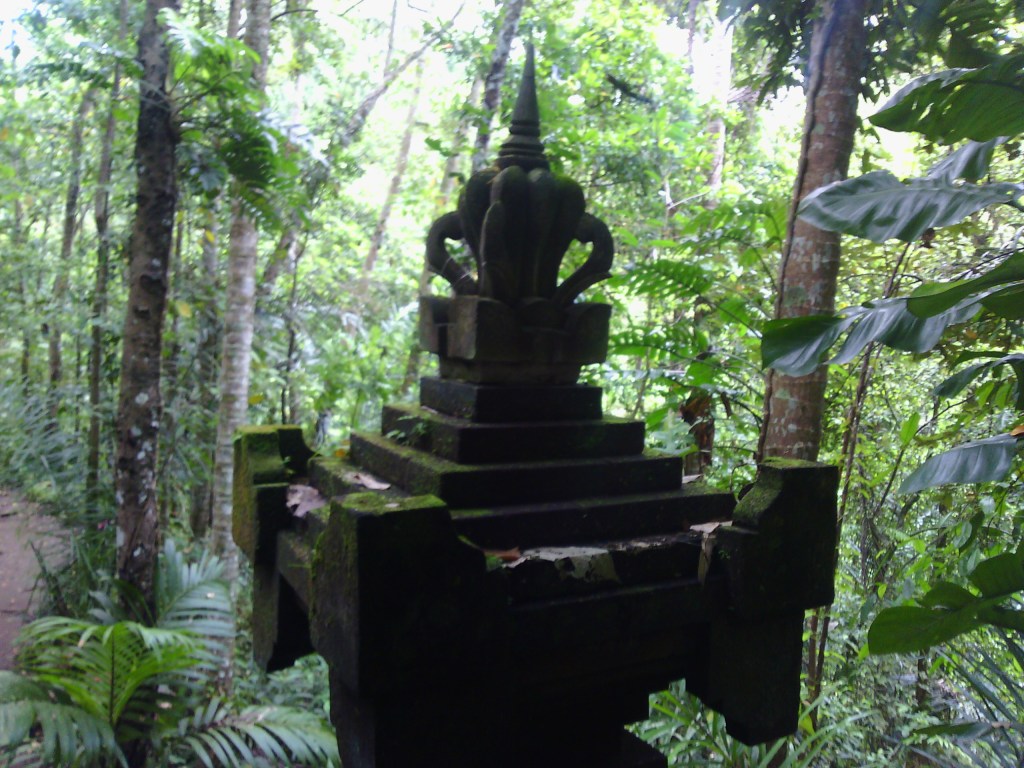
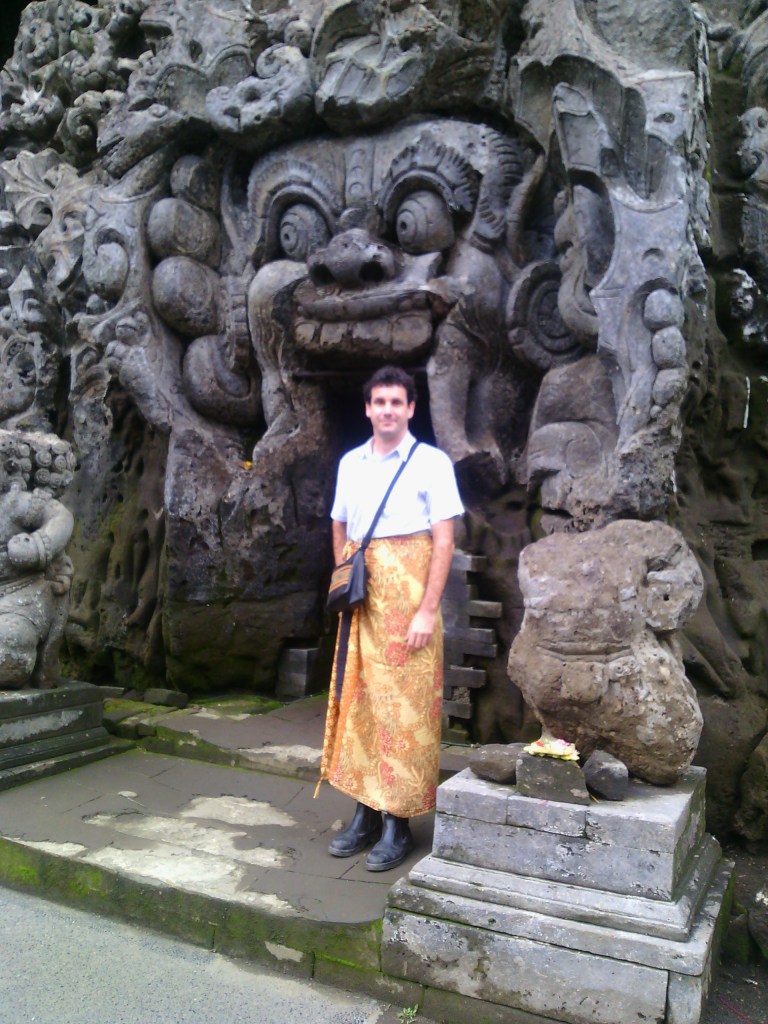
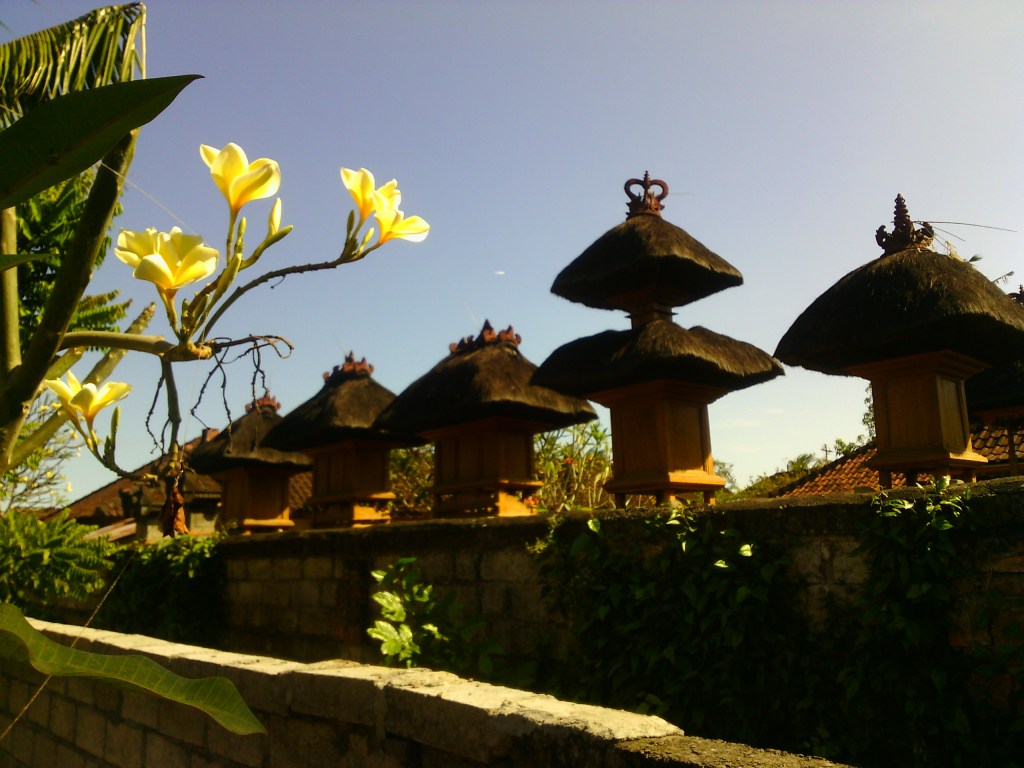
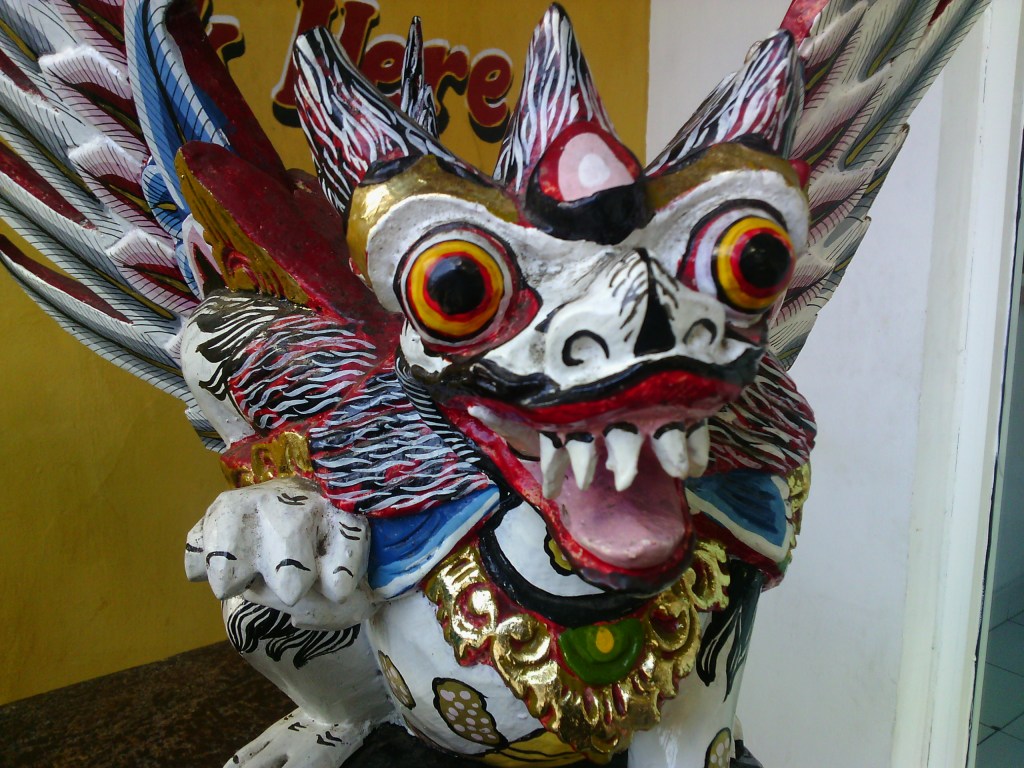
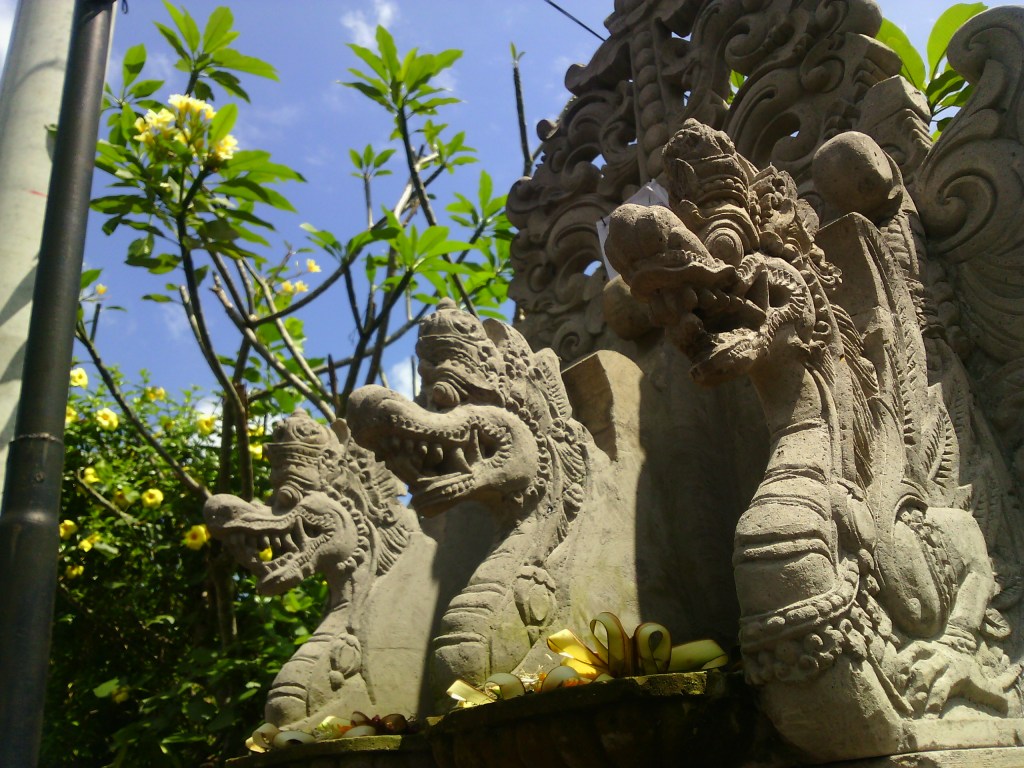
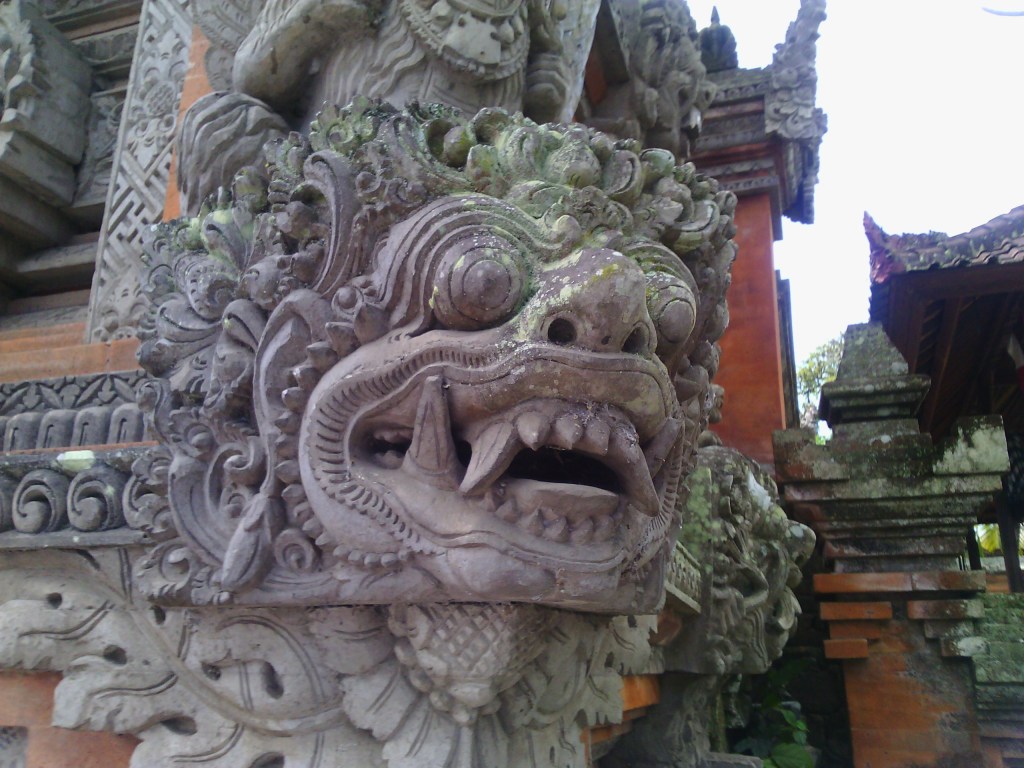
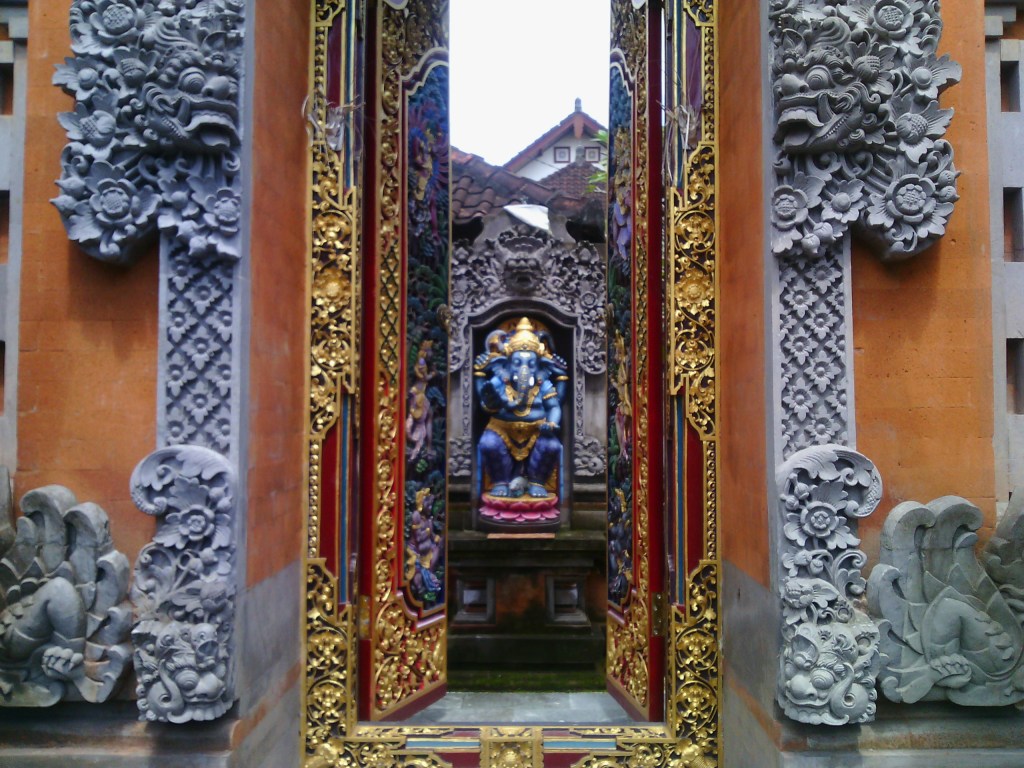
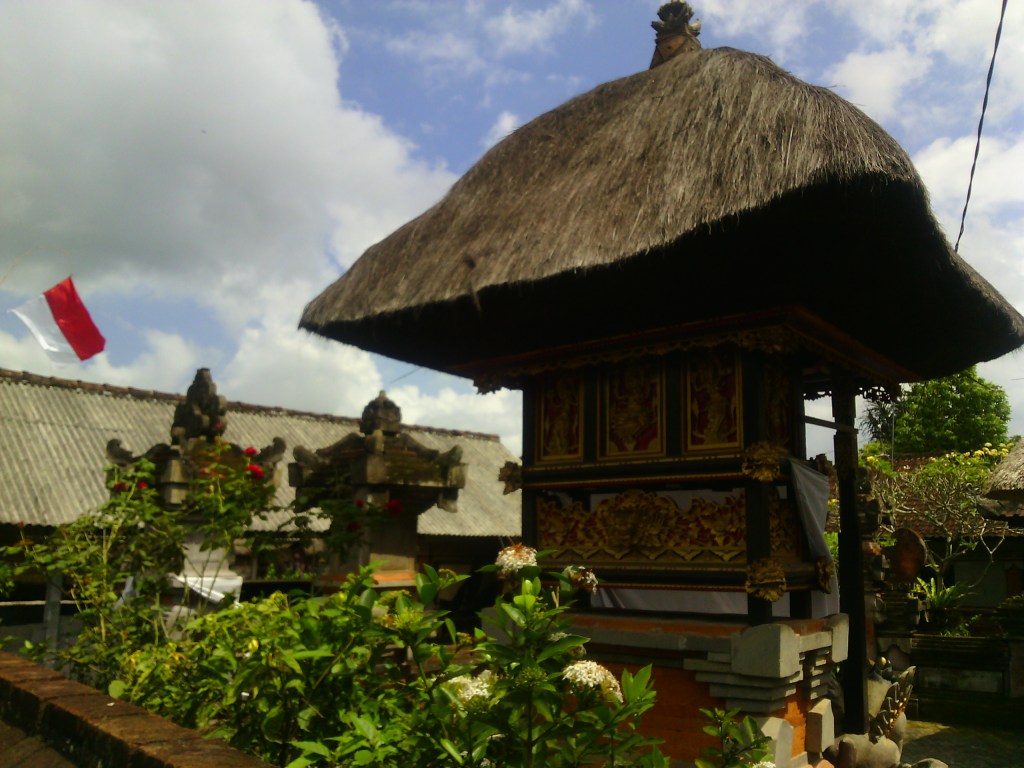
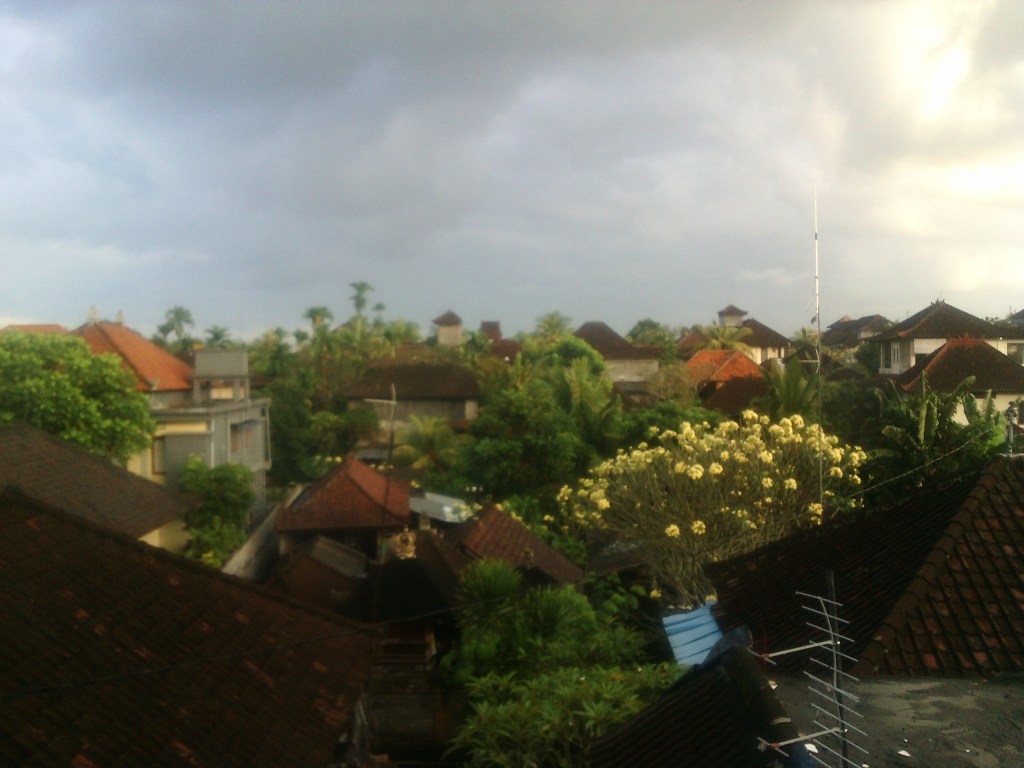
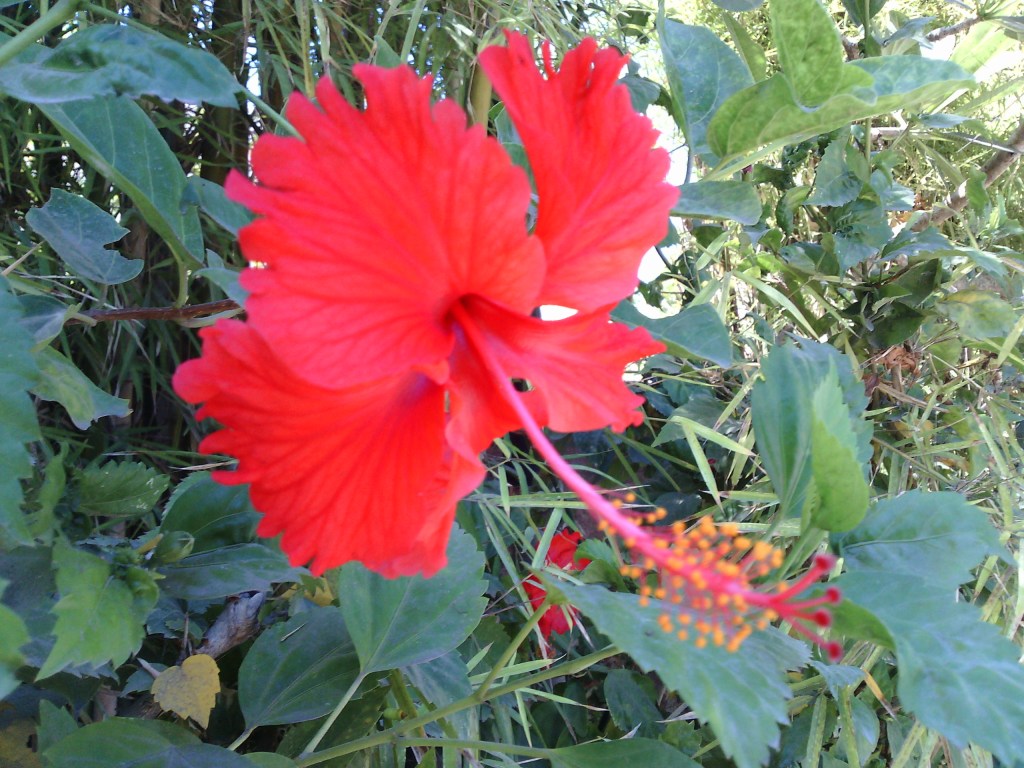
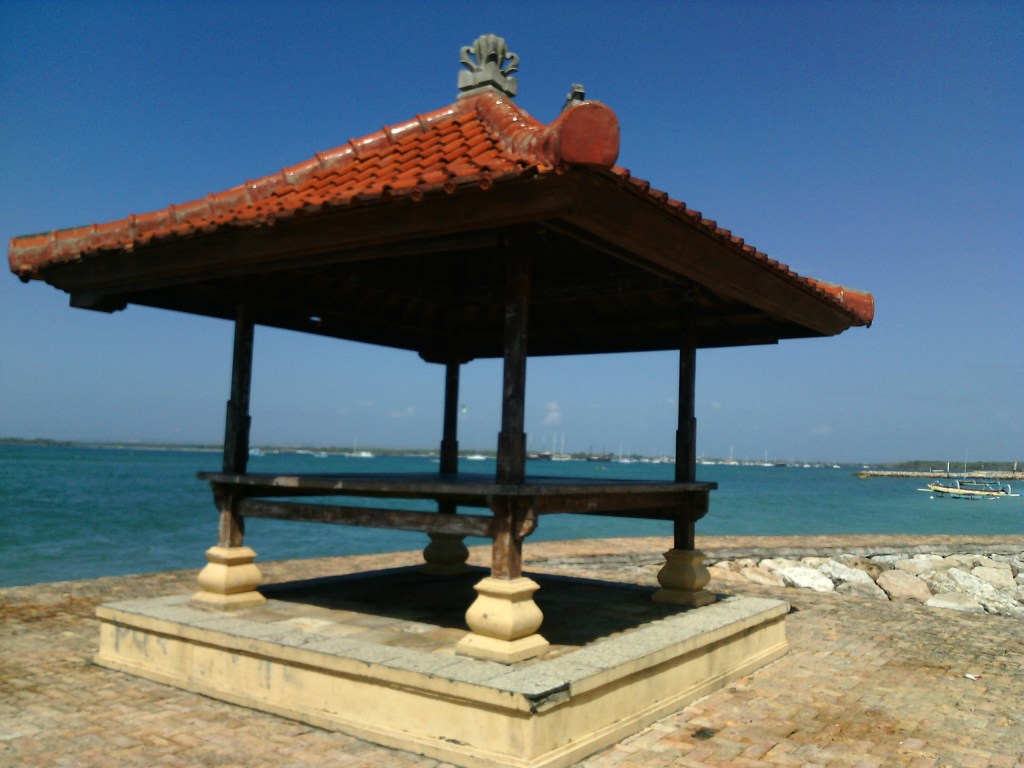
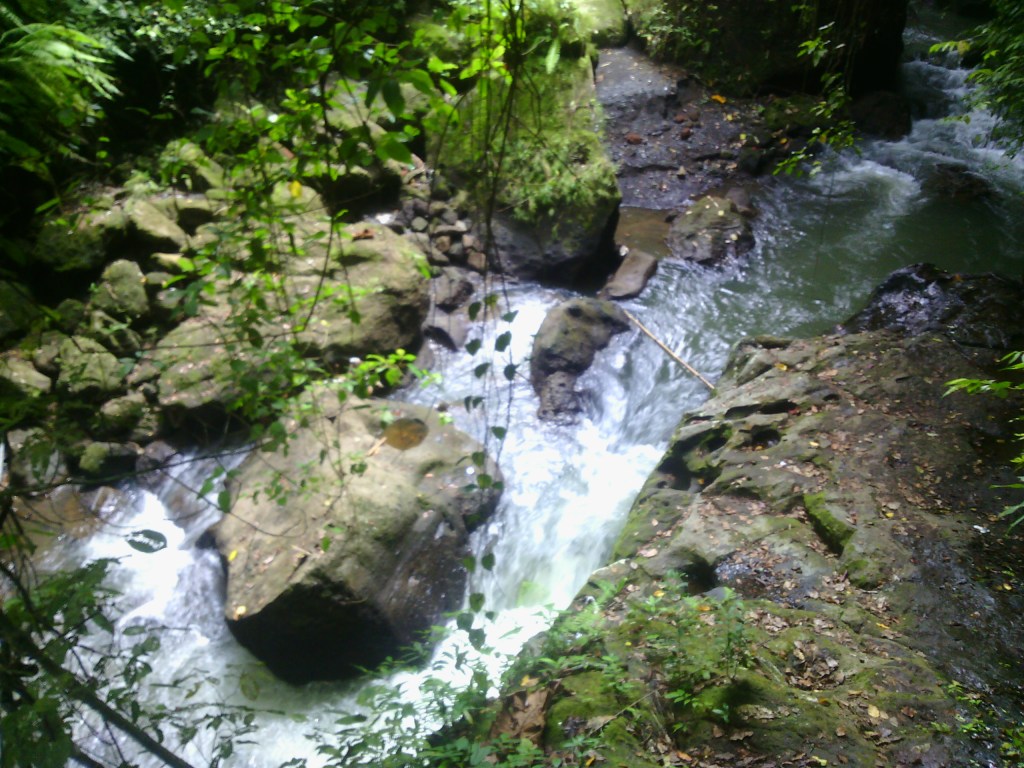
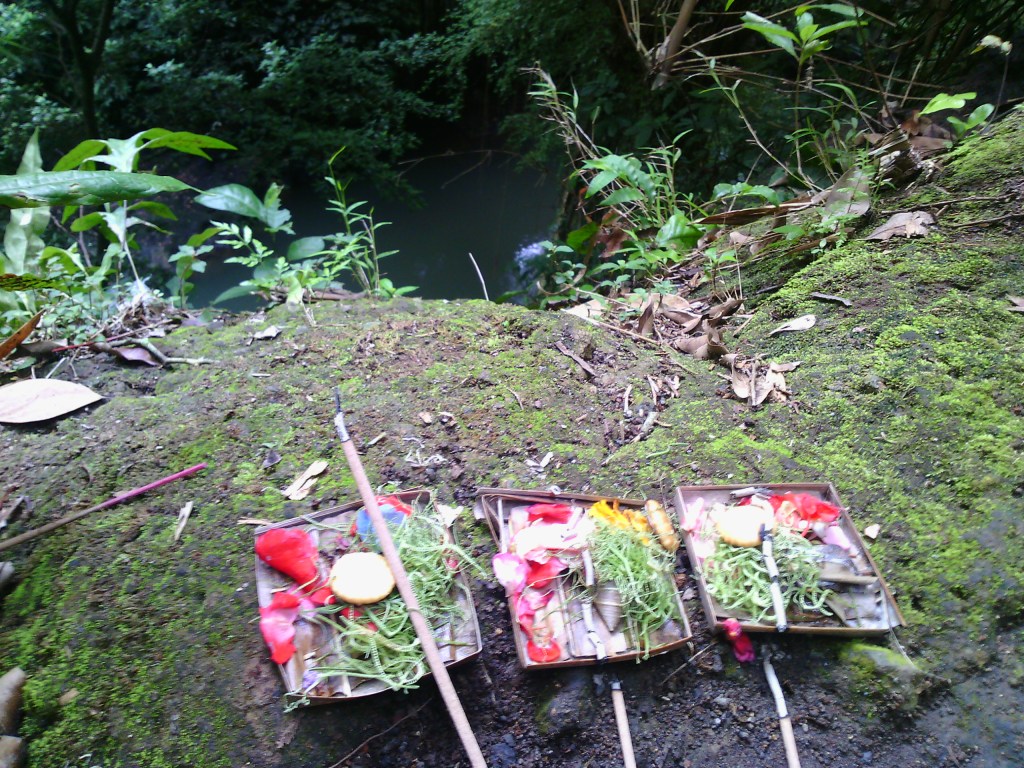
Bali, Indonesia
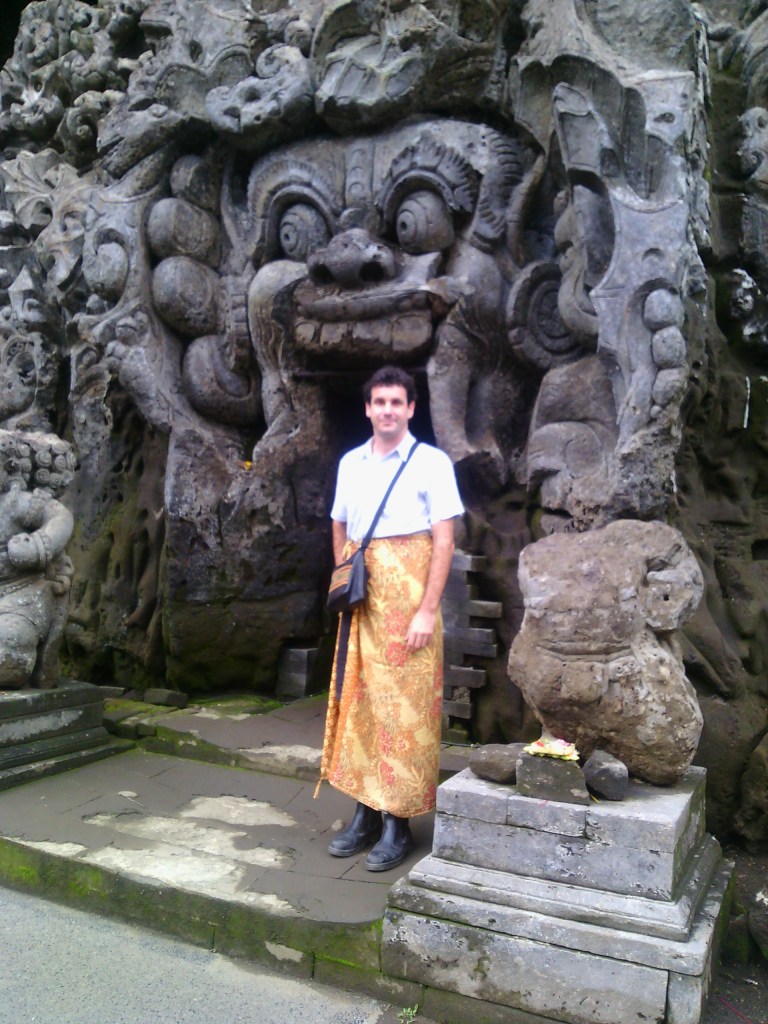
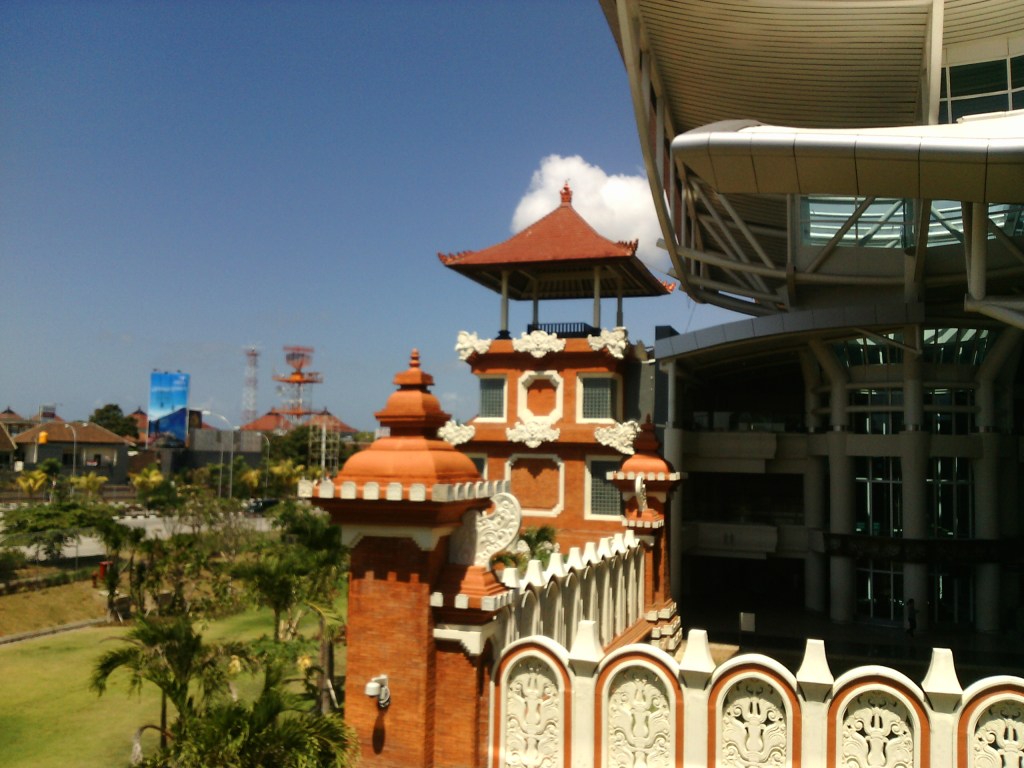
Bali, Indonesia
Bali, Indonesia
Bali, Indonesia
Bali, Indonesia
Bali, Indonesia
Bali, Indonesia
Bali, Indonesia
Bali, Indonesia
Bali, Indonesia
Bali, Indonesia
Central Java, Indonesia
Nusa Penida, Indonesia
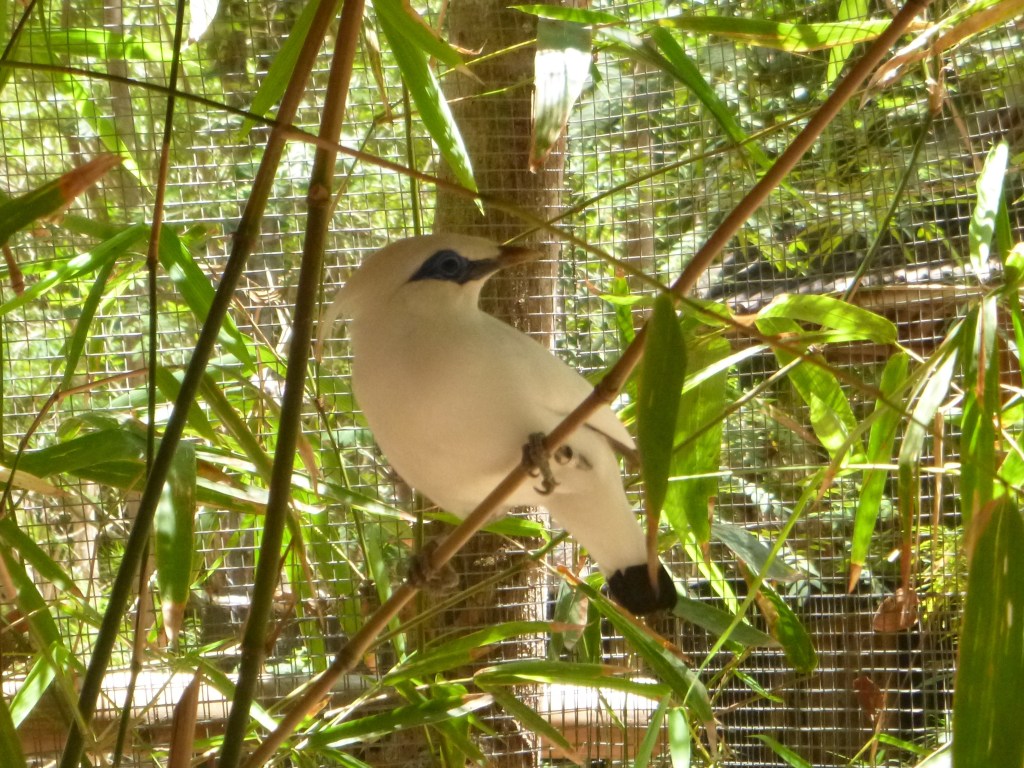
An endangered Bali Starling, Nusa Penisa, Indonesia
Bali, Indonesia
Bali, Indonesia
Bali, Indonesia
Bali, Indonesia
Bali, Indonesia
Bali, Indonesia
Bali, Indonesia
Bali, Indonesia
Bali, Indonesia
Bali, Indonesia
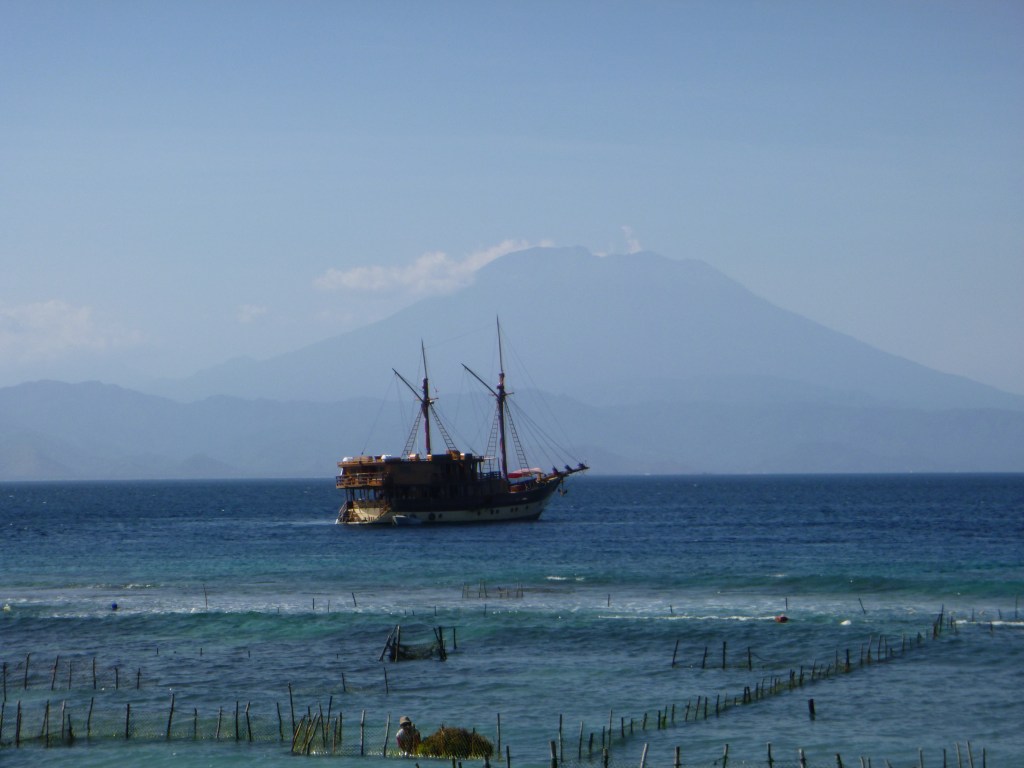
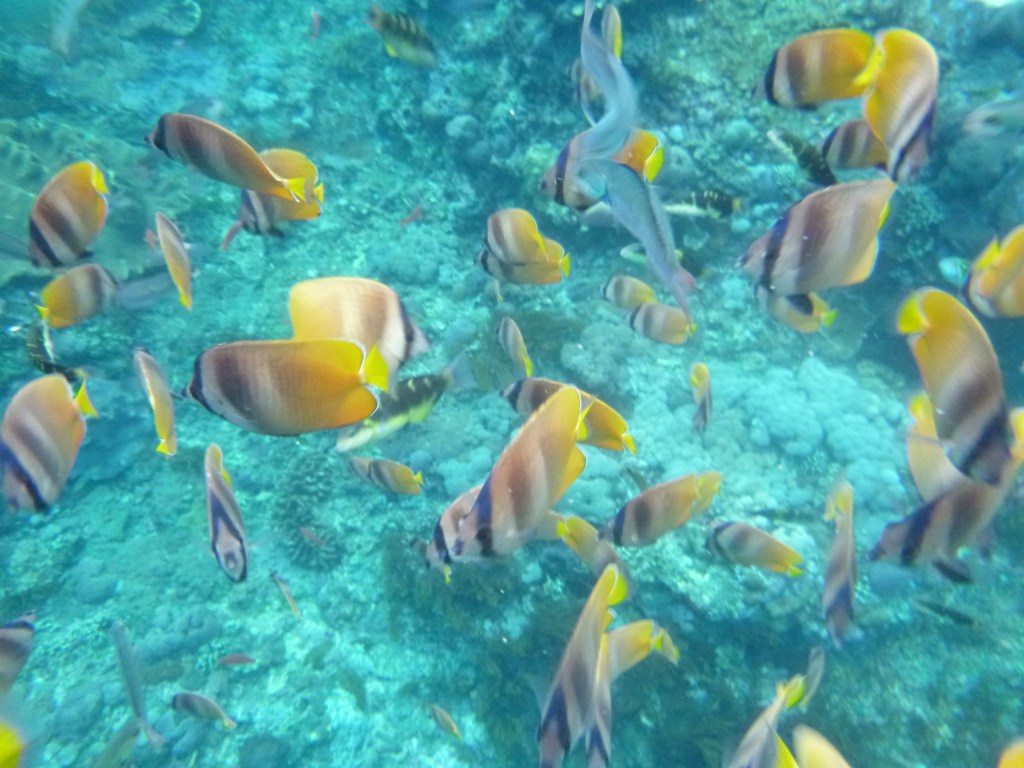
Nusa Penida, Indonesia
Credits
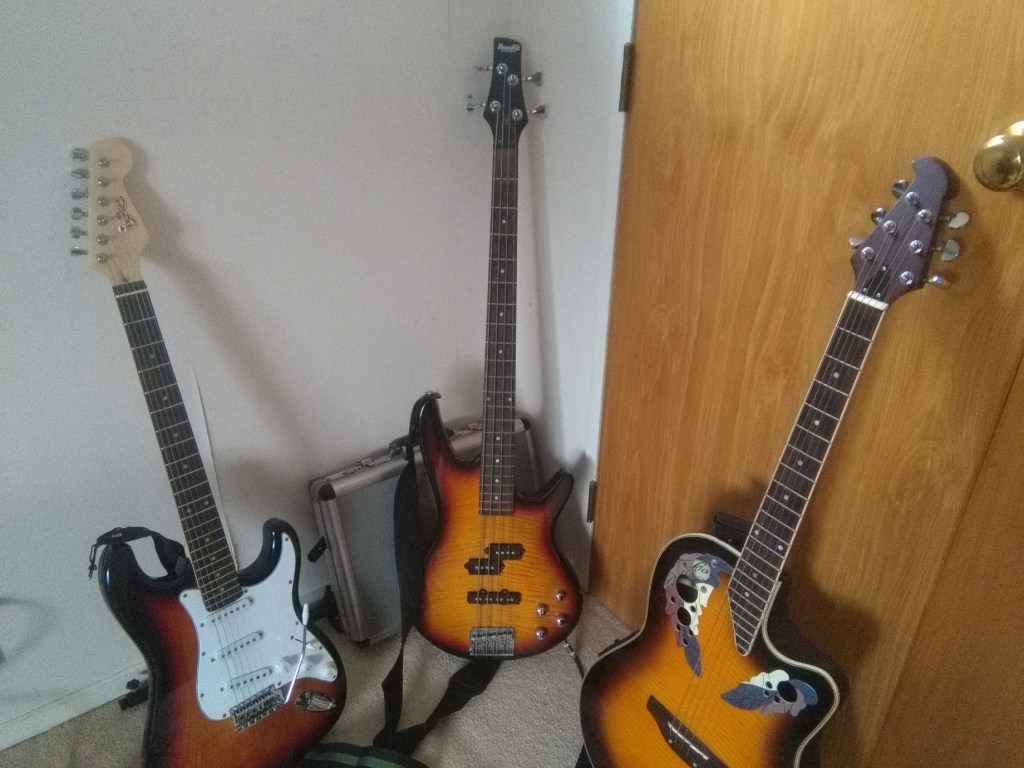
Dave Edwards – saron, jublag, jegogan, field recordings, bass, electric guitar, tenor saxophone
The field recordings are mixed alongside gamelan ensembles, recorded between 2010-2018;:
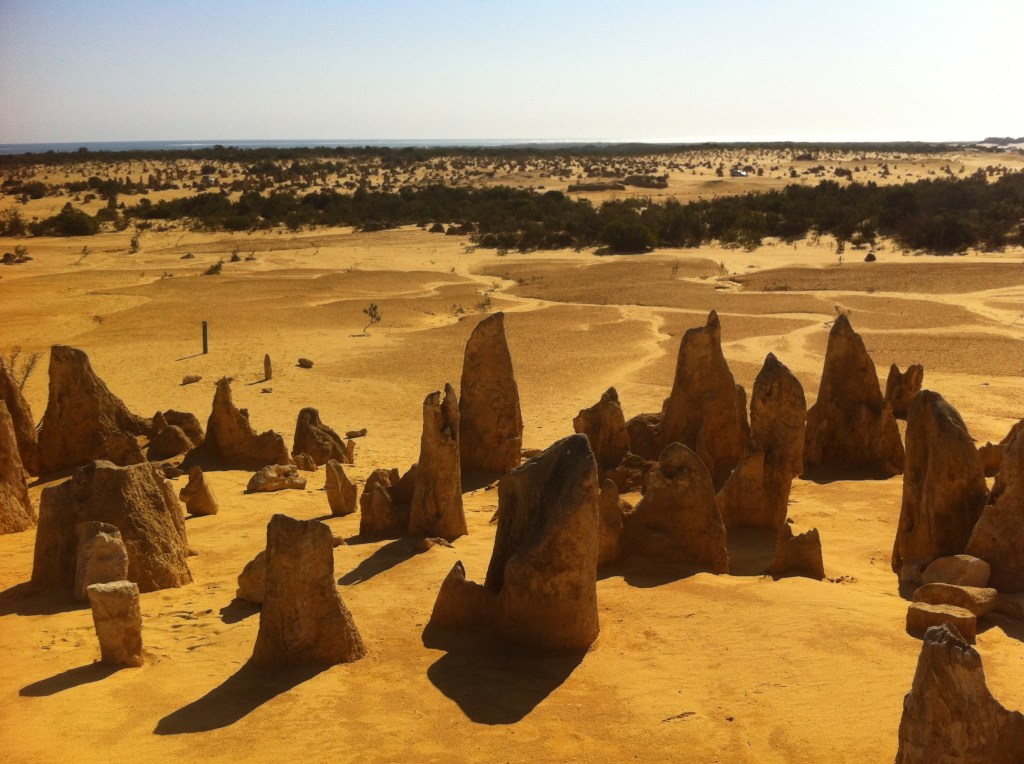
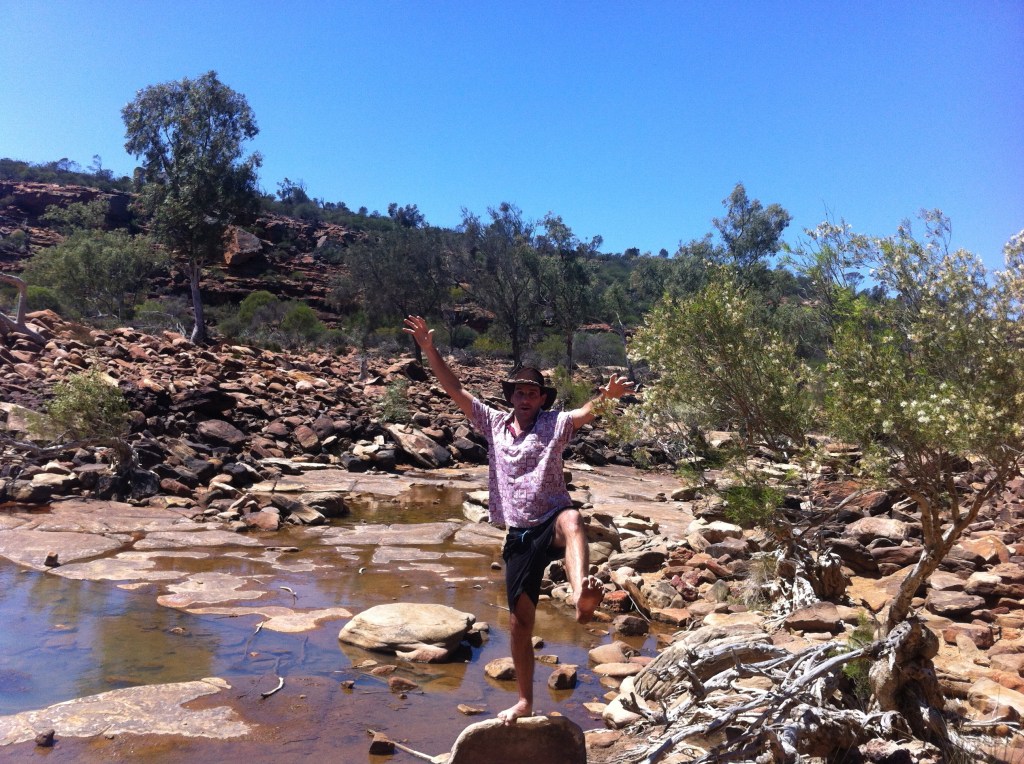
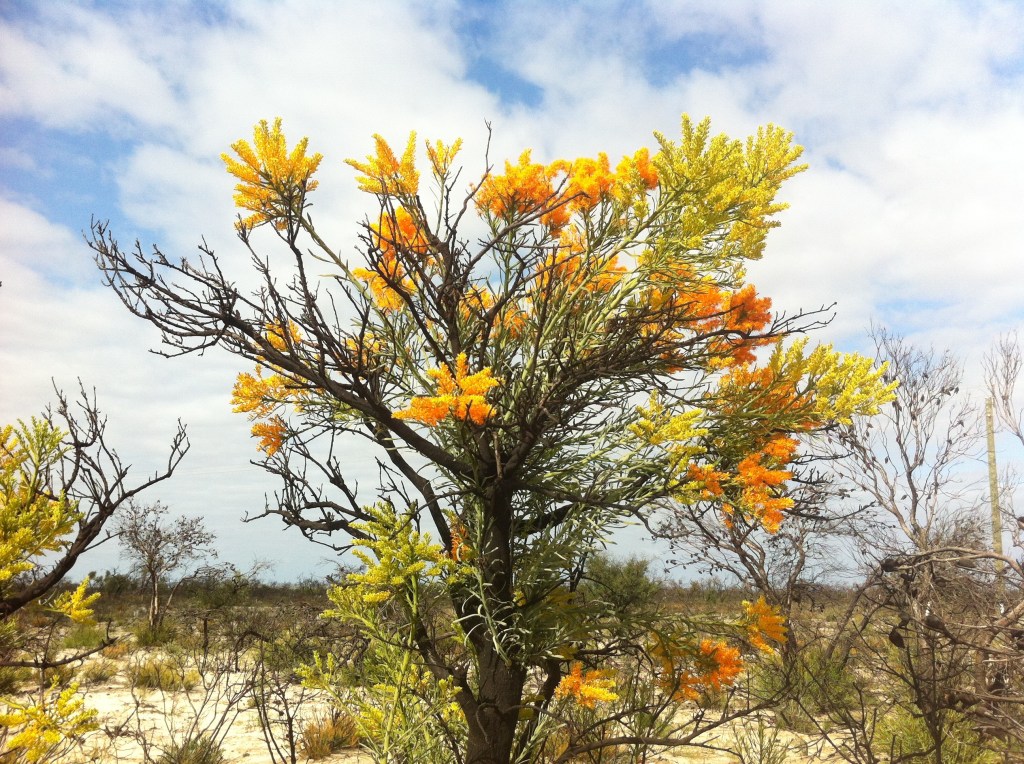
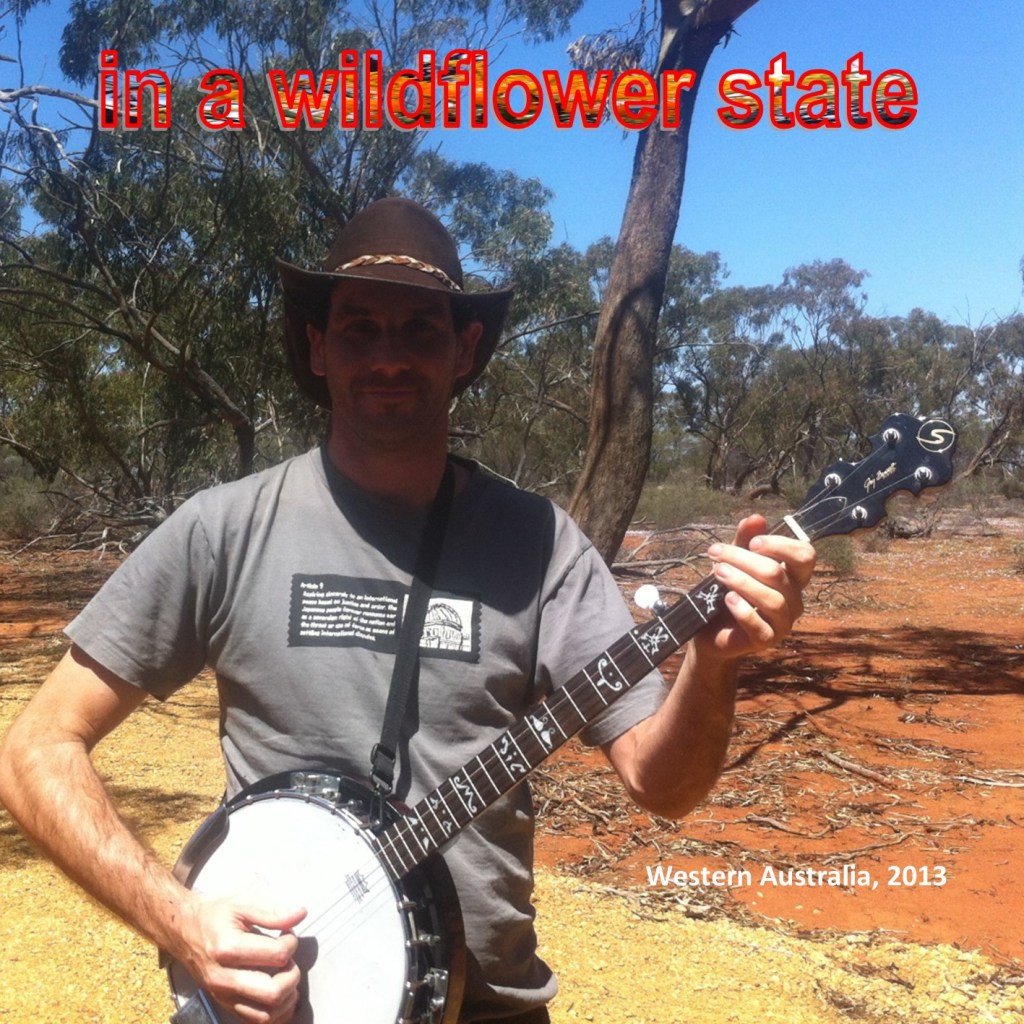
in a wildflower state is a lost album – recorded in Perth WA and surrounding regions, between 2012-2014 – unreleased at the time.
The music here is rustic, reflecting the vast ancient arid landscape, overlaid with touches of Nyoongar and bogan sounds. It includes appearances by Nat da Hatt,Cylvi M, and Renato Salvador.
Known as ‘the Wildflower State’, Western Australia covers an enormous area – the size of India, but with a population of under three million. Metaphorically, to be a ‘wildflower’ can also mean a wandering spirit or traveller (such as a kiwi expat on an OE).
A few years ago I wrote a chapter of Jazz Aotearoa, a book about New Zealand jazz music history, discussing the free improvisation and avant-garde jazz scene in Wellington at the turn of the millennium.
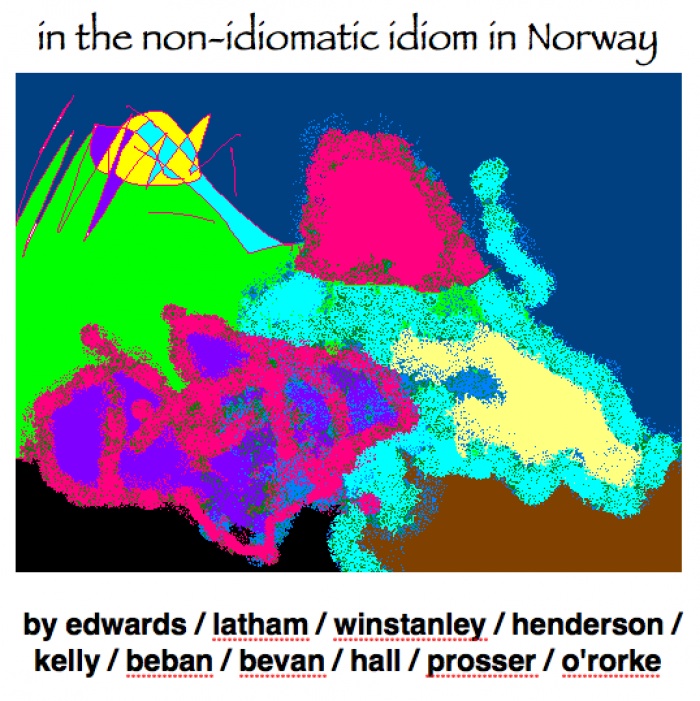
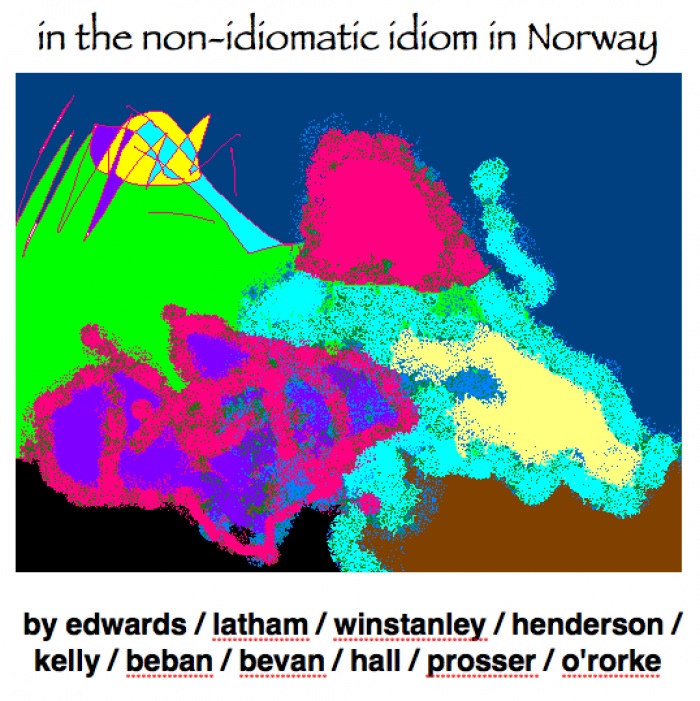
in the non-idiomatic idiom in Norway is a collection of improvised instrumental music with some of the musicians in that scene, from the point of view of my own attempts as an untrained outsider to fit in with these advanced jazz players.
The title is a reference to Simon’s house on Norway Street, where the recordings took place. The ‘non idiomatic idiom’ suggests the paradox that improvising non-idiomatically (eg in an original personal style without reference to any genre – playing neither jazz, nor rock, blues, reggae, classical etc) is an idiom in itself.
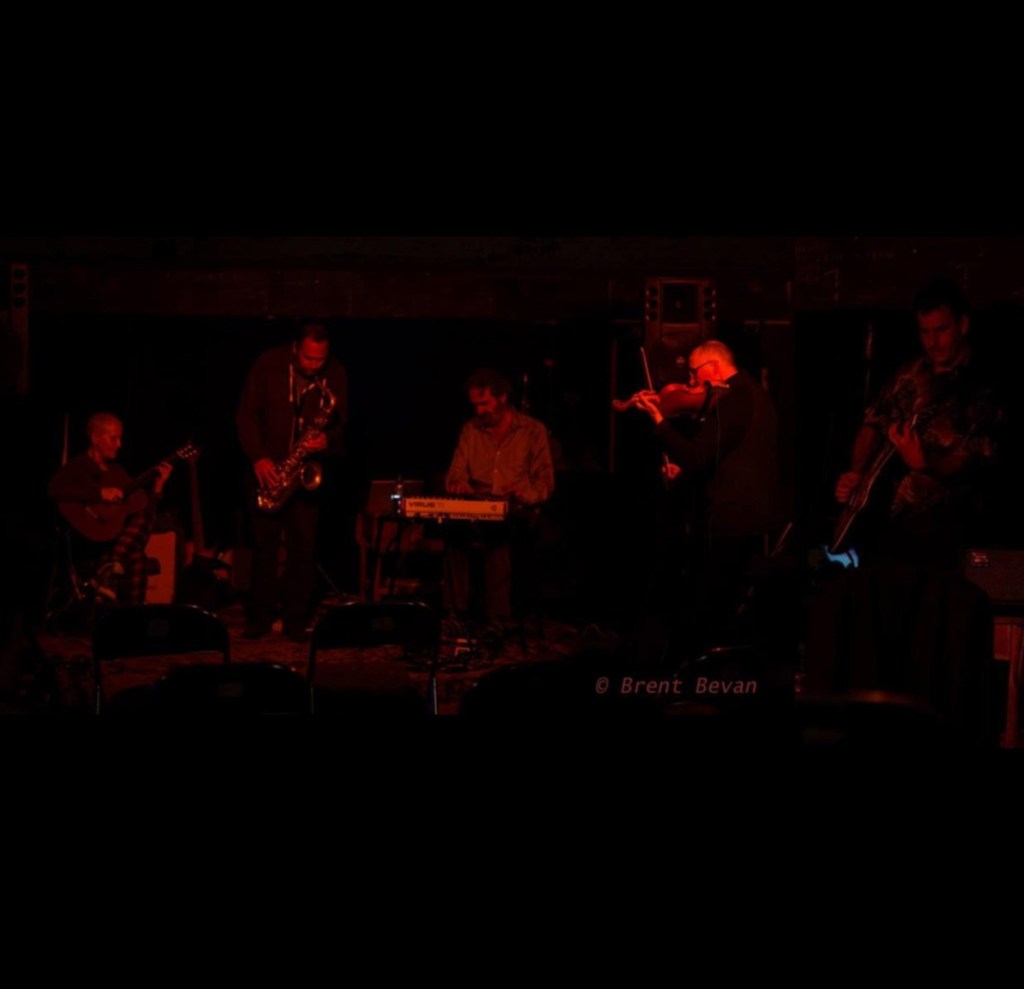
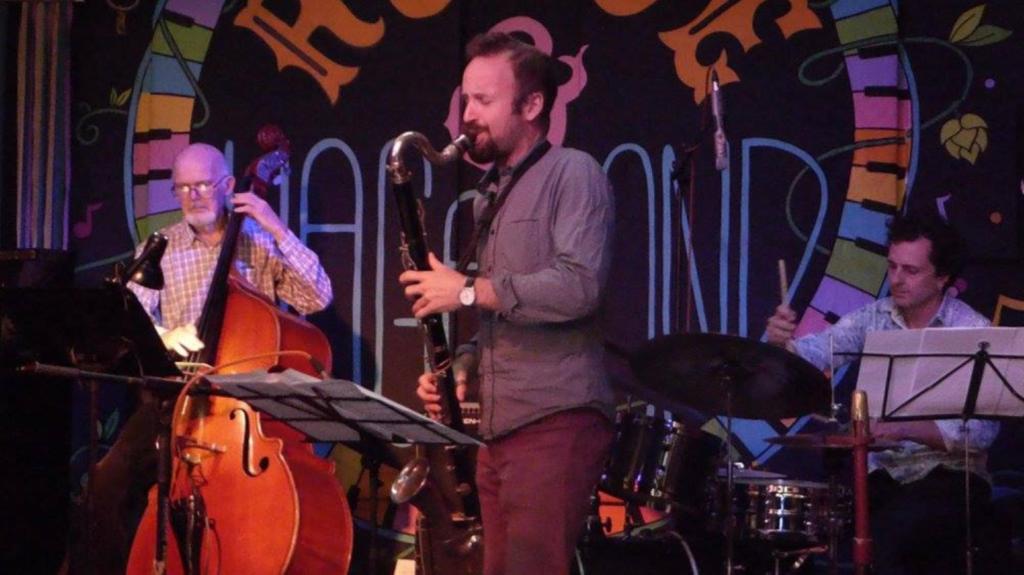
Confluence Quintet: (l-r) Julie Bevan, Michael Hall, Simon O’Rorke, Chris Prosser, Dave Edwards
“The 20 song album covers traditional Javanese and Balinese gamelan, Asian folk music, to free jazz, and free noise. It’s not for anyone with narrow preconceived ideas about what music is, but it is for everyone else.
“If you have an open inquiring mind and love hearing a variety of sound, this is excellent.” – Darryl Baser, muzic.net.nz
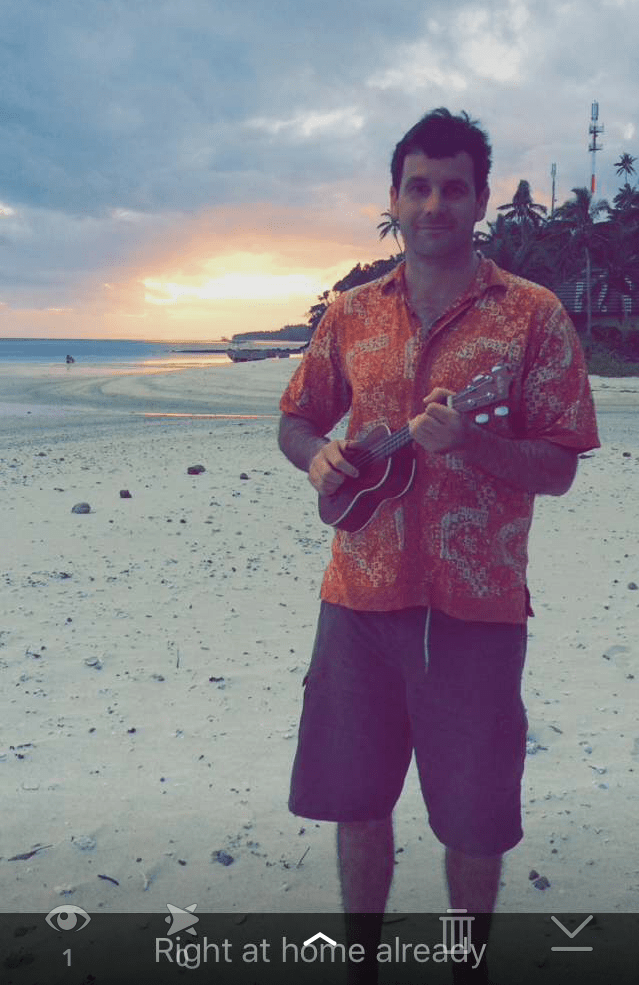
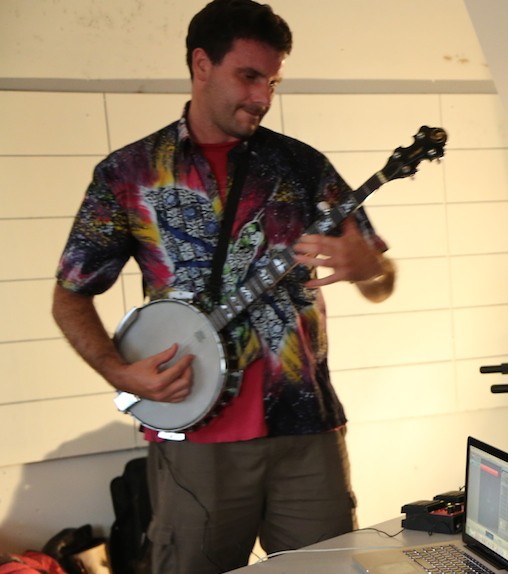
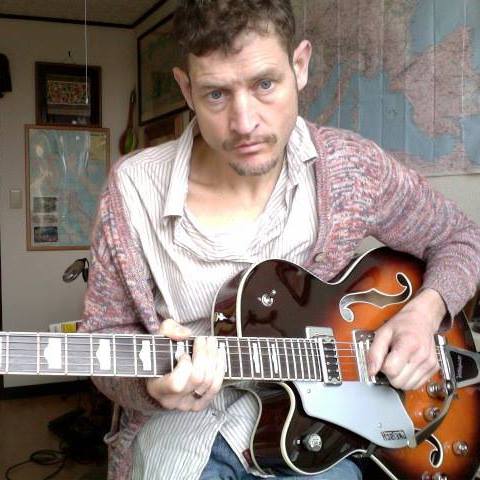
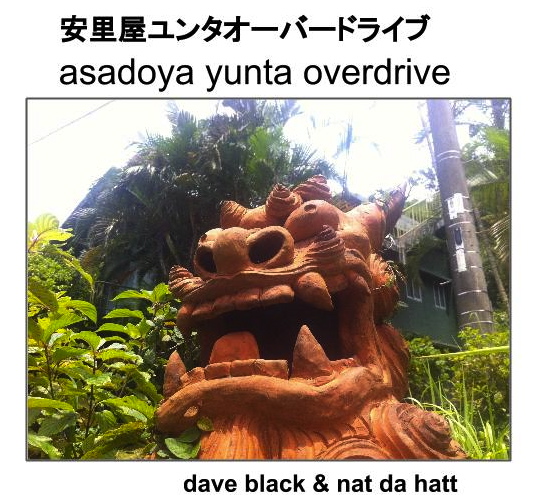
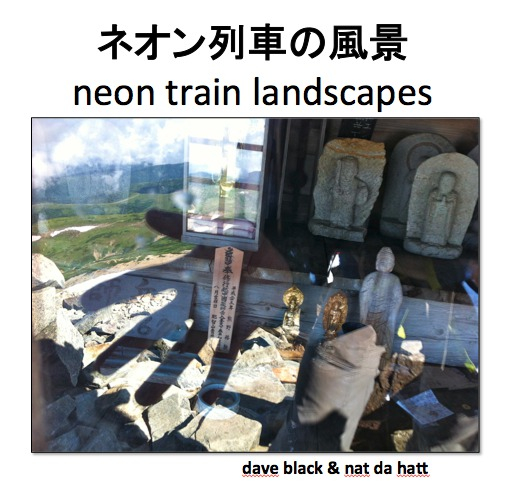
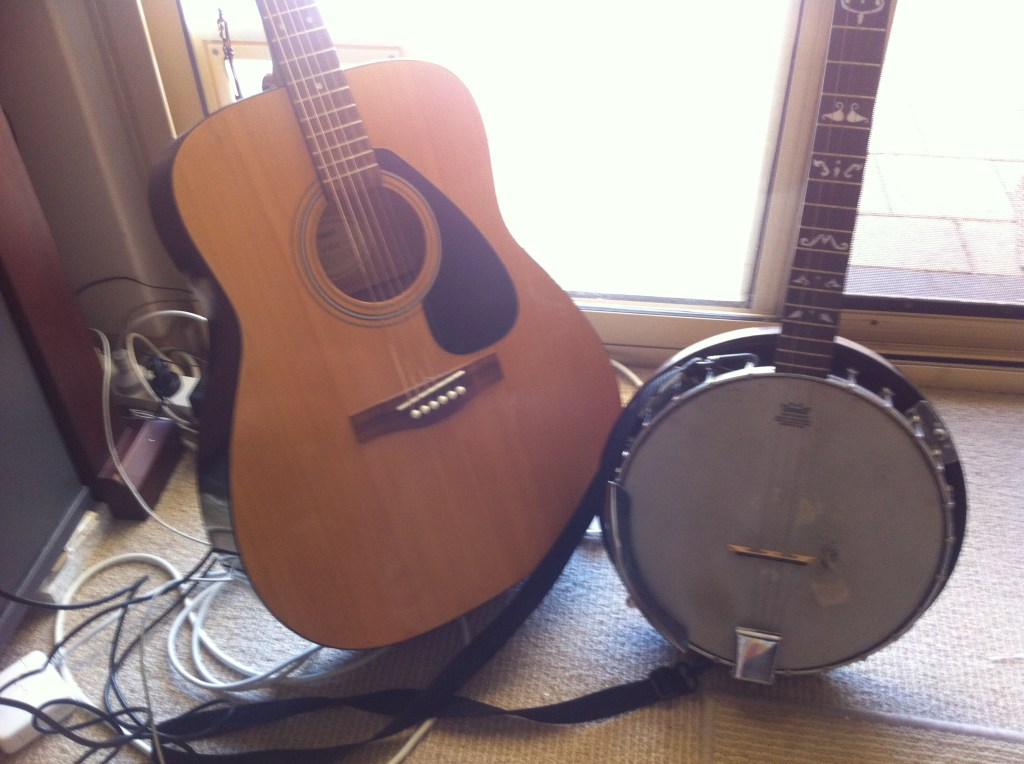
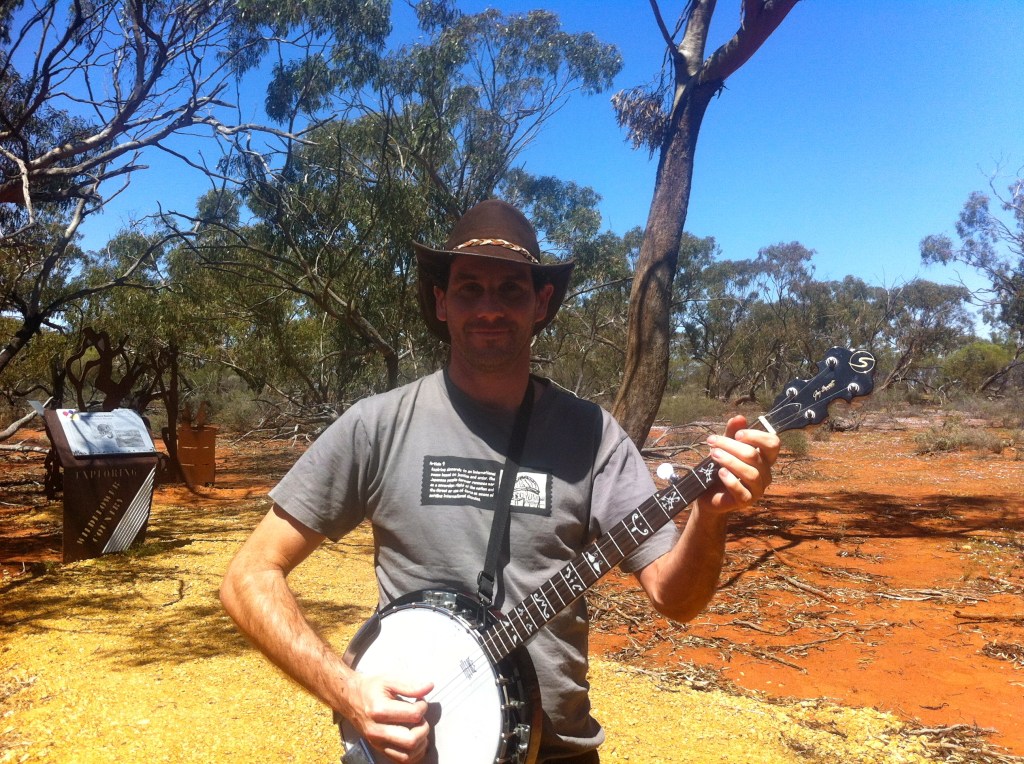
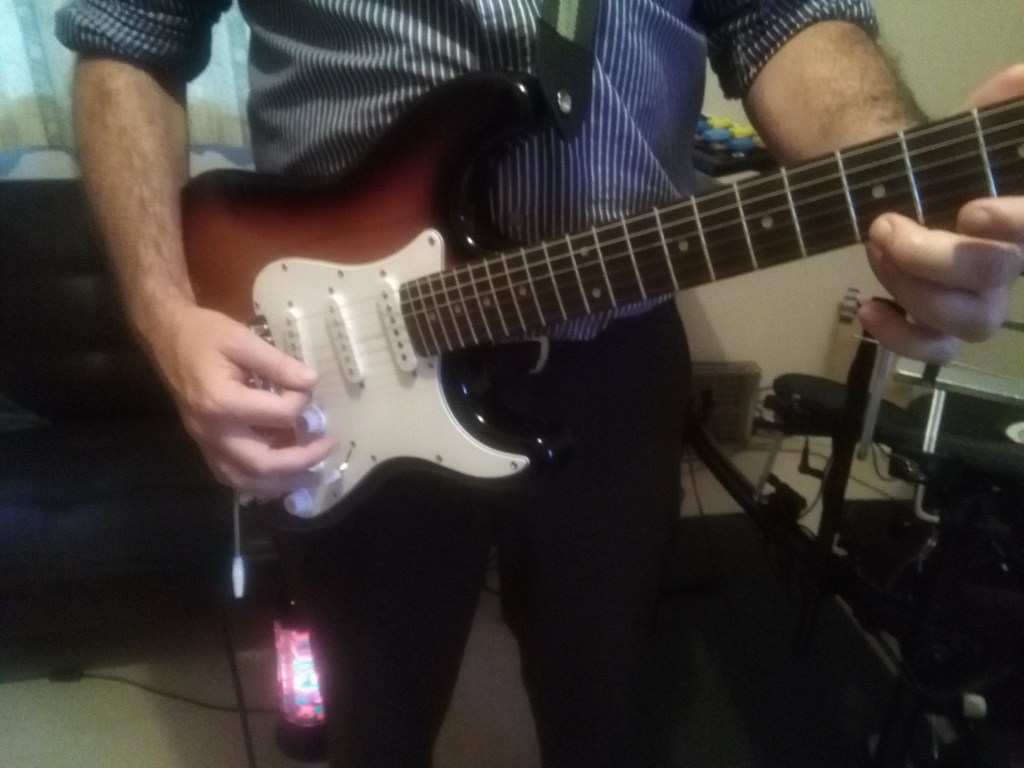
by Dave Black (acoustic & electric guitars, banjo, harmonica, laptop, bass, tenor saxophone, field recordings, piano, ukulele, sanshin, saron, jublag, demung, vocal), with
Here’s video from my two visits to Indonesia in 2014 – a fascinating new country that I’m only just beginning to explore, and can continue to do so through gamelan (like Indonesia itself it gets more complex & interesting the more you look).
Partly because I’ve visited several countries in East Asia now, and lived in two (Japan and South Korea), Indonesia seems like something else entirely. It’s less Chinese-influenced and has a style of its own.
[Diary from September] This trip was just enough for an introductory sampler. I decided to focus on the arts this time rather than the mountains, ocean and jungle which would require more time, money and preparation.
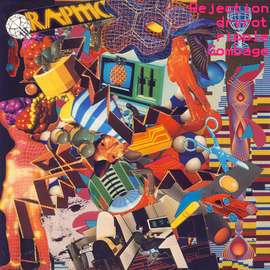
Each contributor created two mins of raw sound – a single track recorded live with no post-processing. After each set of four tracks arrived, they were blindly put together to create each track – as & when they arrived in Corporal Tofulung’s inbox.
The title of the album was created by writing the 40 contributed words on individual pieces of paper & drawing them randomly out of a bucket. Continue reading “Dada Songwriting: Rejection dryrot ripple Gombage”→
A major highlight of 2014 for me was visiting some new parts of Southeast Asia. I enjoyed the Tamil Indian culture in Singapore and Malaysia, which has sated my curiosity for India itself for the moment.
The sensory overload of the Hindu temples was an intriguing contrast from the elegant minimalism of the Japanese approach, and the mix of Indian, Chinese and Malay cultures is like having three different Asian countries in one.






























 and
and