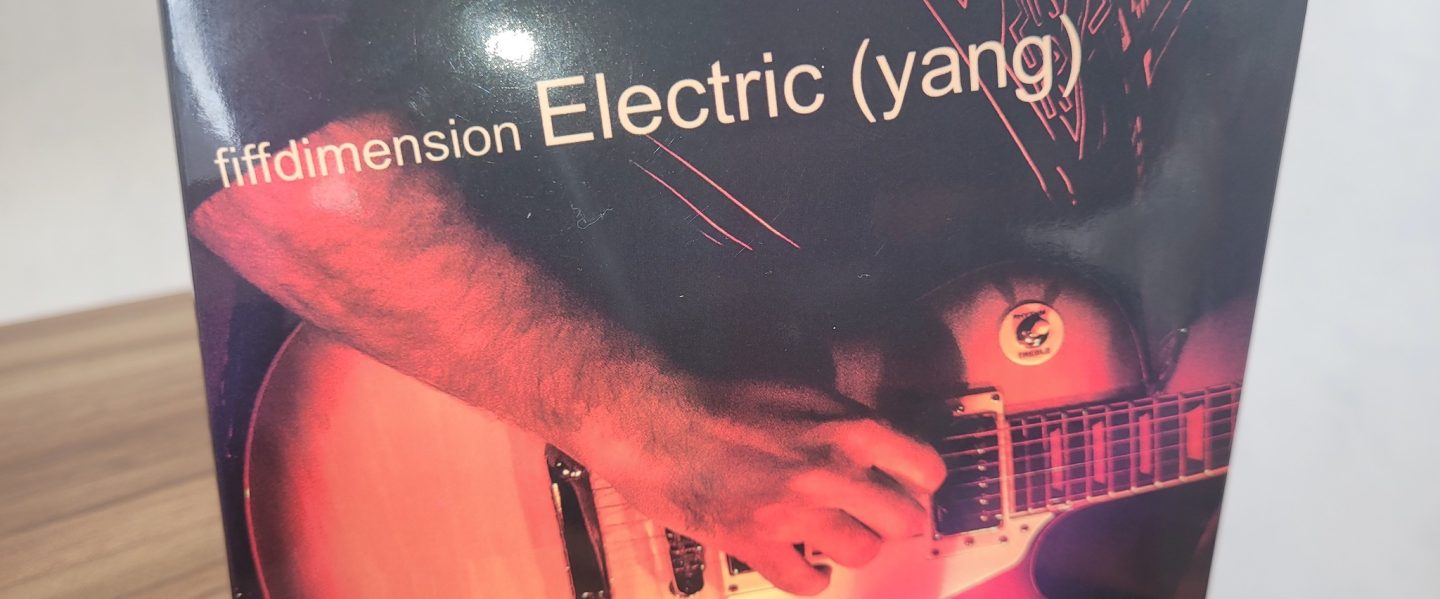
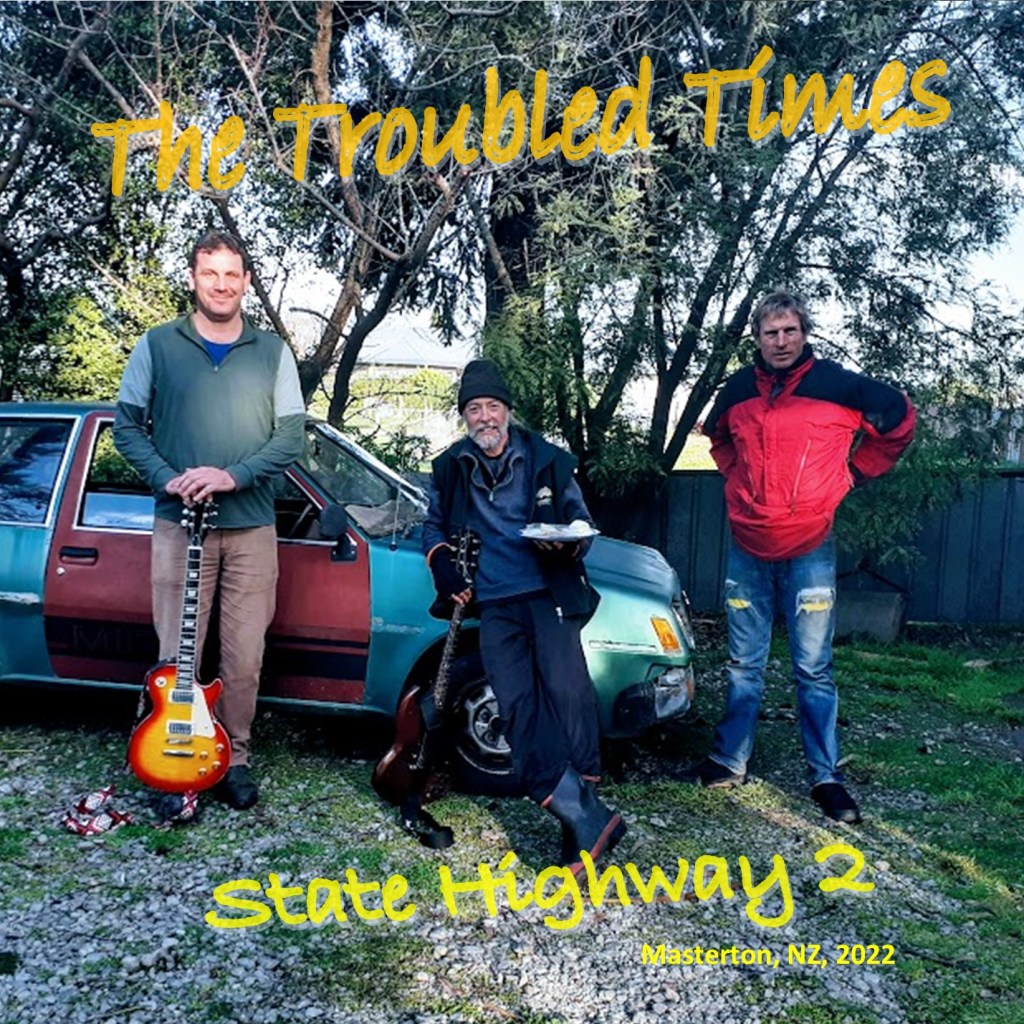
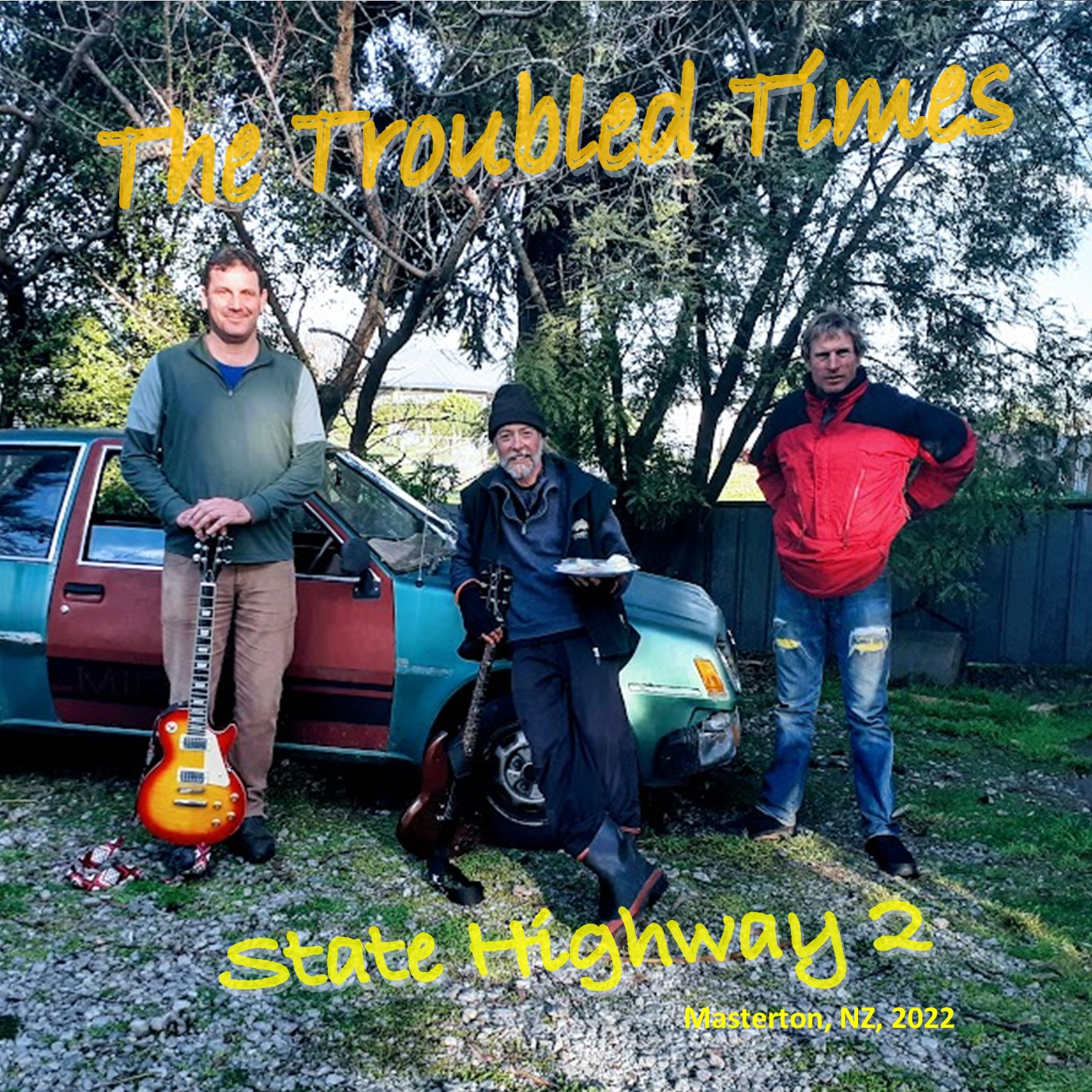
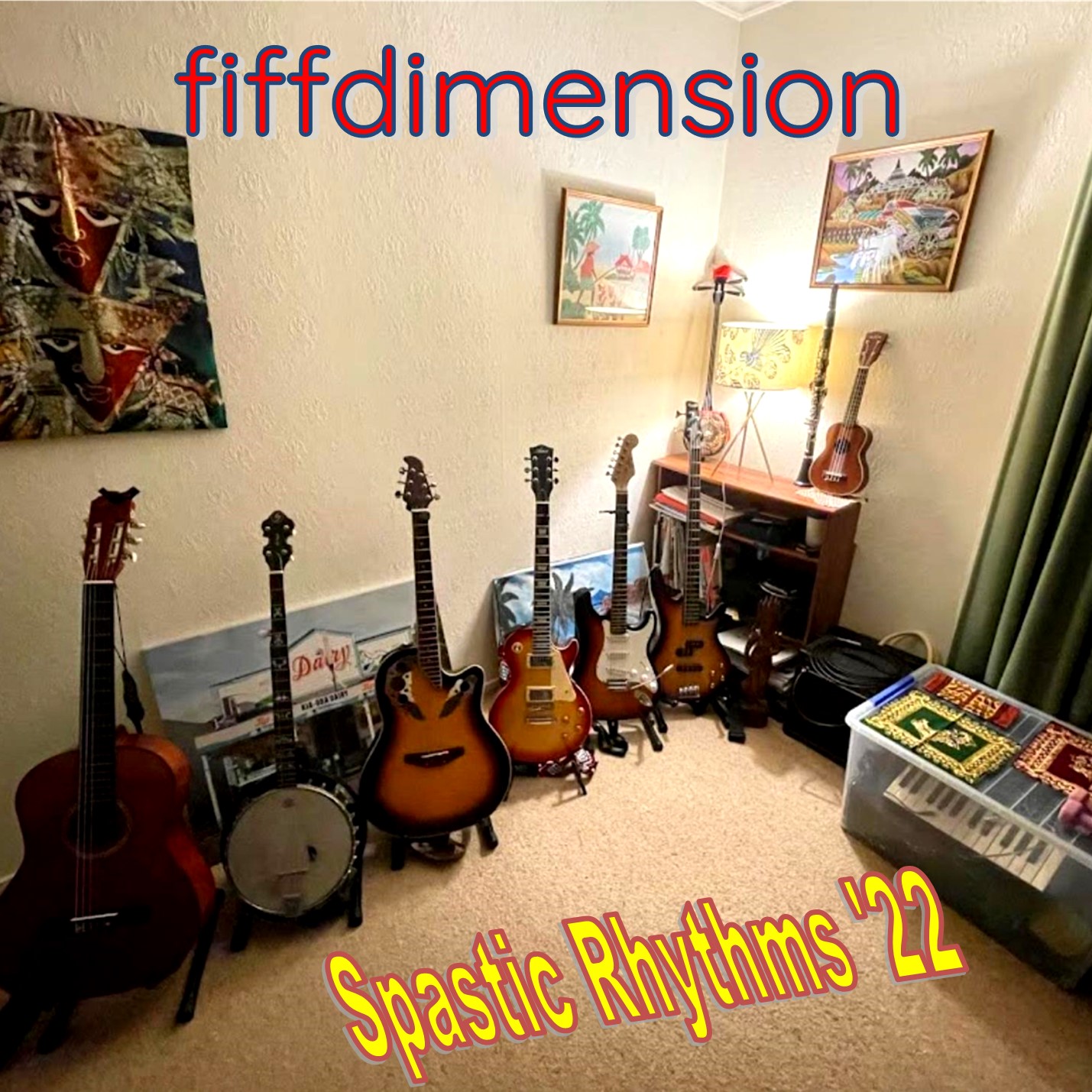
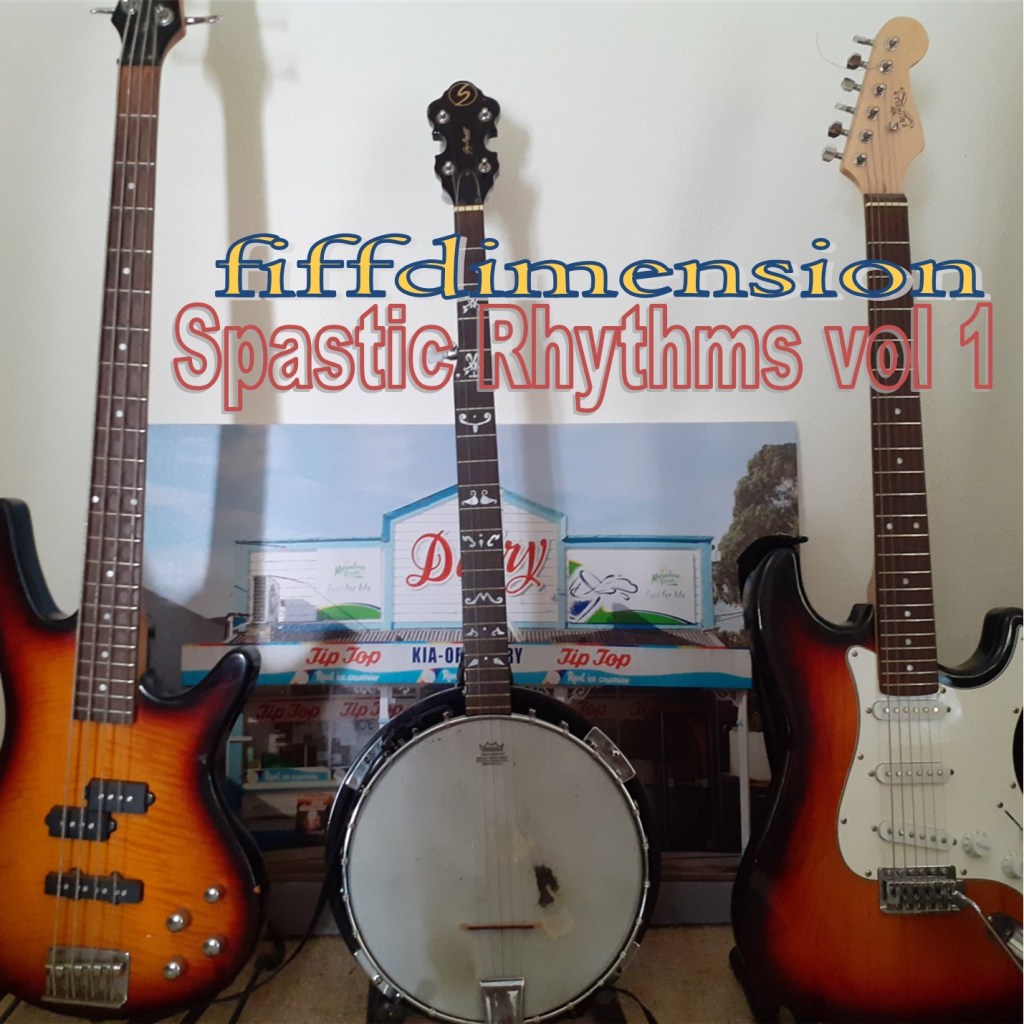
“Double disc collection of more than two decades’ worth of live and studio-recorded tunes by Dave Edwards, who you may have heard recently as part of The Troubled Times with Antony Milton. It’s quite a diverse listen!
“You get some concise and catchy pop songs, some full-on rockers, banjo excursions, improv freak-out, poetry, acoustic blues, folk songs, scrambled noise… there’s something here for everybody. A good intro to Dave’s dauntingly deep discography.”
2CD double album. 35 tracks spanning 25 years. Comes in gatefold card case with full colour photography by Jechtography and James Gilberd. Includes download of the digital album.
“Electric (Yang)/Acoustic (Yin)boasts some wildly different tracks; short instrumentals (the guitar and percussion ofKing Street Boogie, the piano and birdsong of Tui and Grey Sky, the guitar, rain, and bucket- possibly oboe too- of Classical Rain Bucket), song-length instrumentals (the gorgeous and floaty Kalbarri Coastline, the spaced-out psychedelia of Shuffling The Tarot, October Ring‘ssweet little guitar melody being countered by its evil twin sowing dissent and discord), spoken word over free-forming instruments (After The Filmshootdescribing either a spiritual experience or very good drugs… or both, @Bomb The Space sounding like a guitar being attacked, Ornery Return Cravings spoken over sheer instrumental chaos), and occasionally, songs too (the stripped-back post-punk glory of Tony Was Here, the slithery, smoky, speakeasy feel of Cafes In Conversation, Inverno creeping in like a fever-dream of The Cramps, and the beautiful, emotionally-charged Paetumokai (Pua pua i te Koanga)). Dave Edwards is a thoughtful and talented writer, composer, and performer. This double album ably demonstrates that, from the soft, delightful guitar ramblings on Stromatolites, to Wealth And Riches that sounds for all the world like a battle to the death between a drumkit and a horde of toy robots.
“He doesn’t seem to so much want to push boundaries, as to act like he’s never heard of boundaries in the first place. At times soft and beautiful, at others dark and jarring, it makes for fascinating listening.” – Peter Malthus, muzic.nz
The album title translates to “Gamelan Fifth Dimension”.
Gamelan was introduced to New Zealand in the 1970s. It has an active scene in Wellington (my birthplace, where I first encountered it in 2010 – thanks to www.gamelan.org.nz ).
From 2012-2014 I lived in Perth, Western Australia, and played in the ensemble Gamelan Sekar Puri. From there I was able to visit Indonesia (and Malaysia) relatively affordably.
On returning home to New Zealand at the end of 2014, I spent the next few years as a member of theWellington gamelanensembles: Gamelan Taniwha Jaya (Balinese) and Gamelan Padhang Moncar (Javanese). In 2017 I moved to the Wairarapa, so travelling for regular rehearsals became impractical.
The field recordings were made in 2014 in Indonesia -in central Java, then Baliand Nusa Penida islands;
As well as very different scenery, cultures, cuisines and religion – the islands have strikingly different subgenres of gamelan. Stereotypically, the Javanese style is more hypnotic and meditative, while the Balinese style is faster and complex.
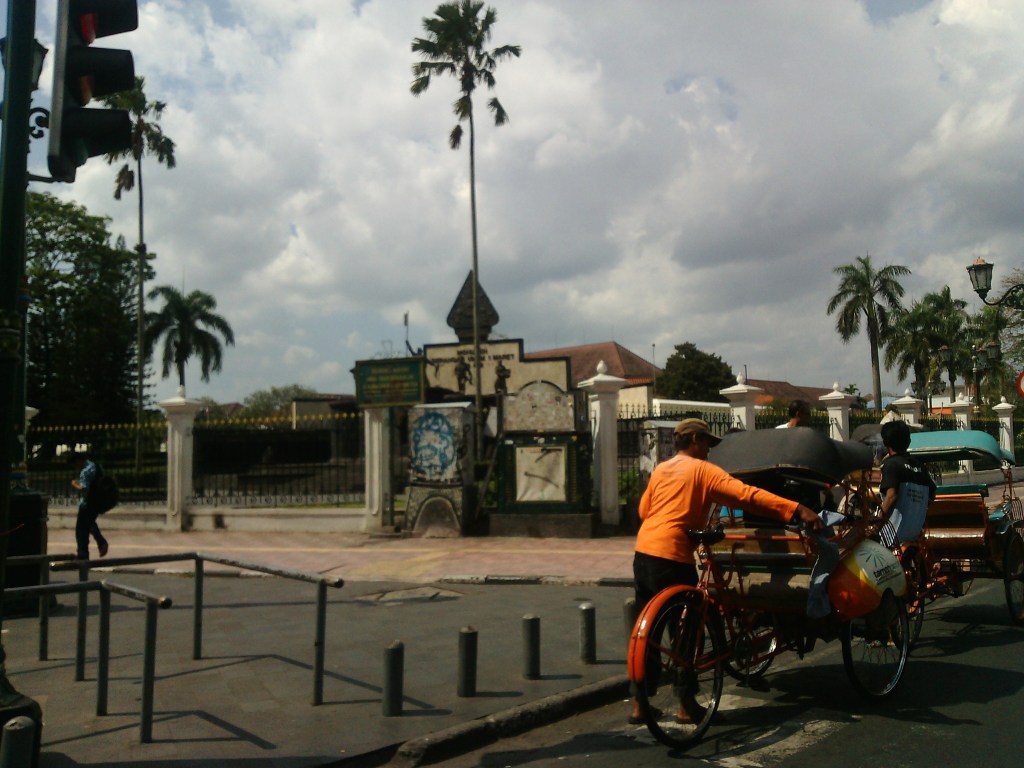
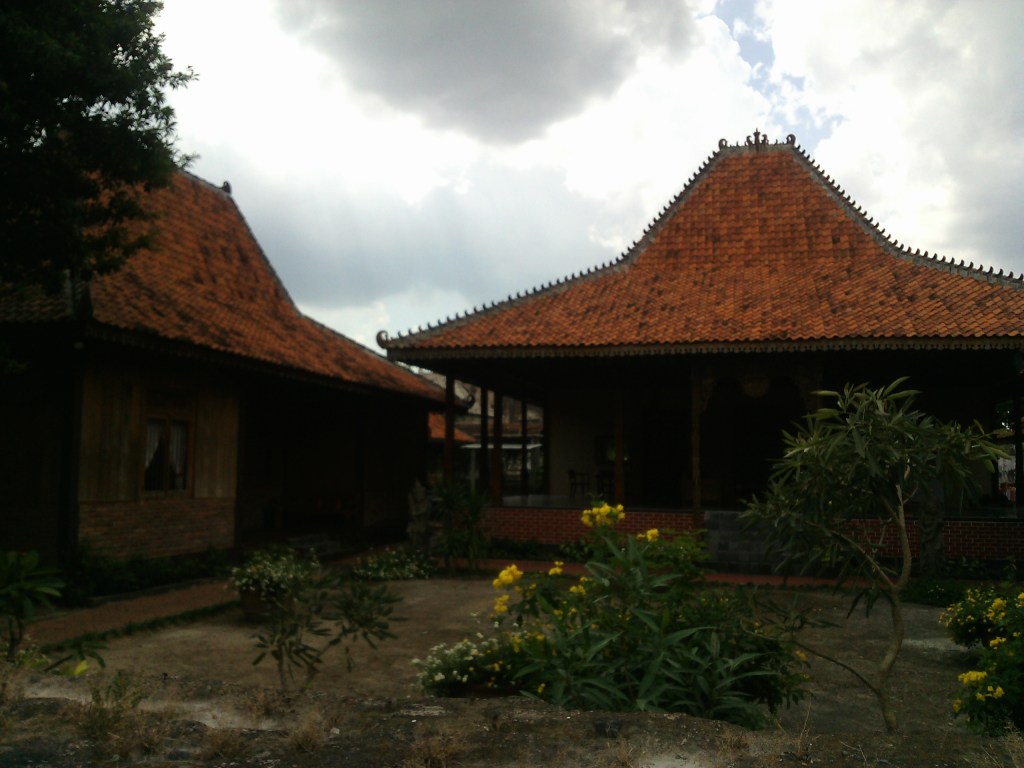
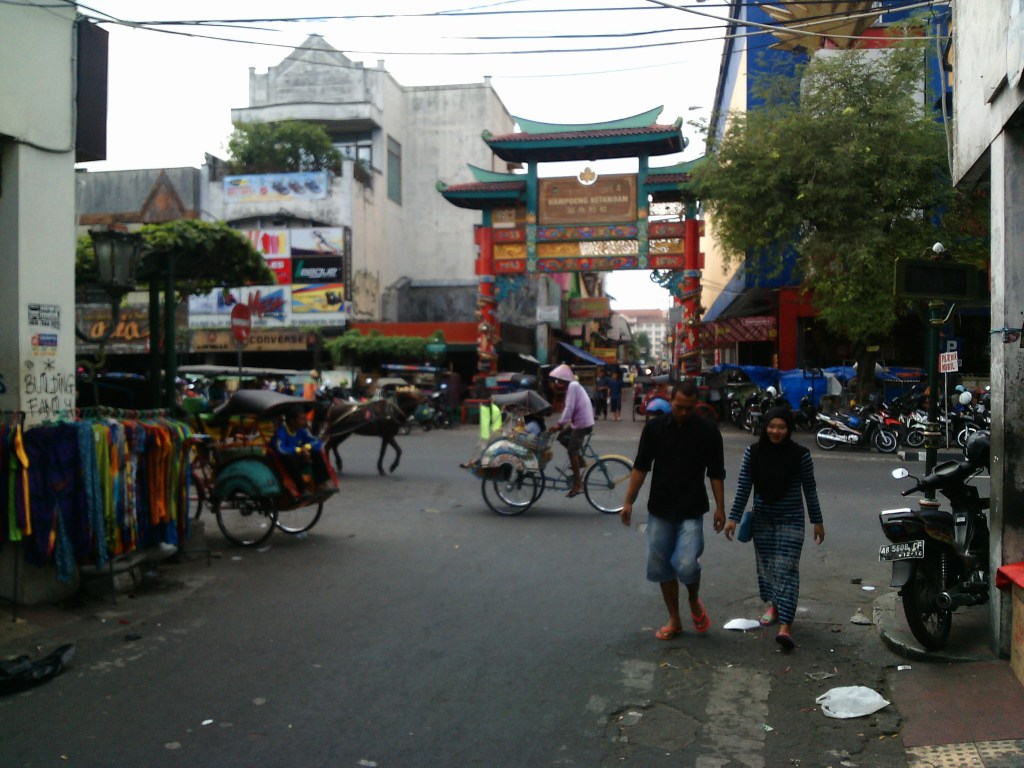
Yogyakarta and Surakarta, Central Java
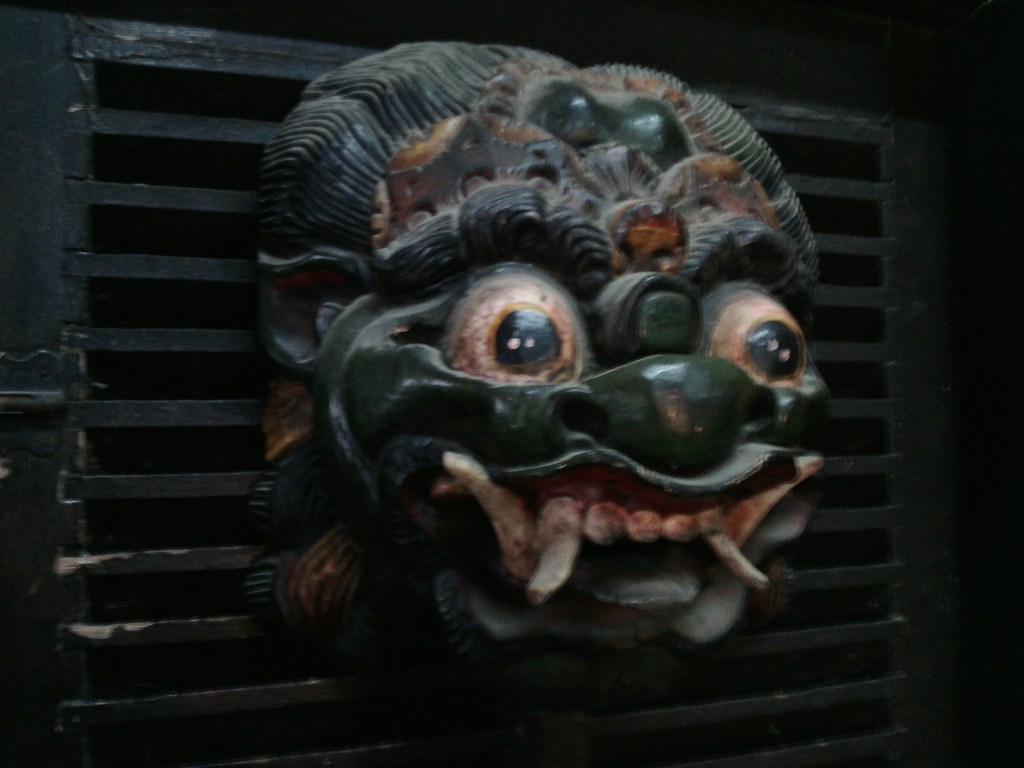
Central Java, Indonesia
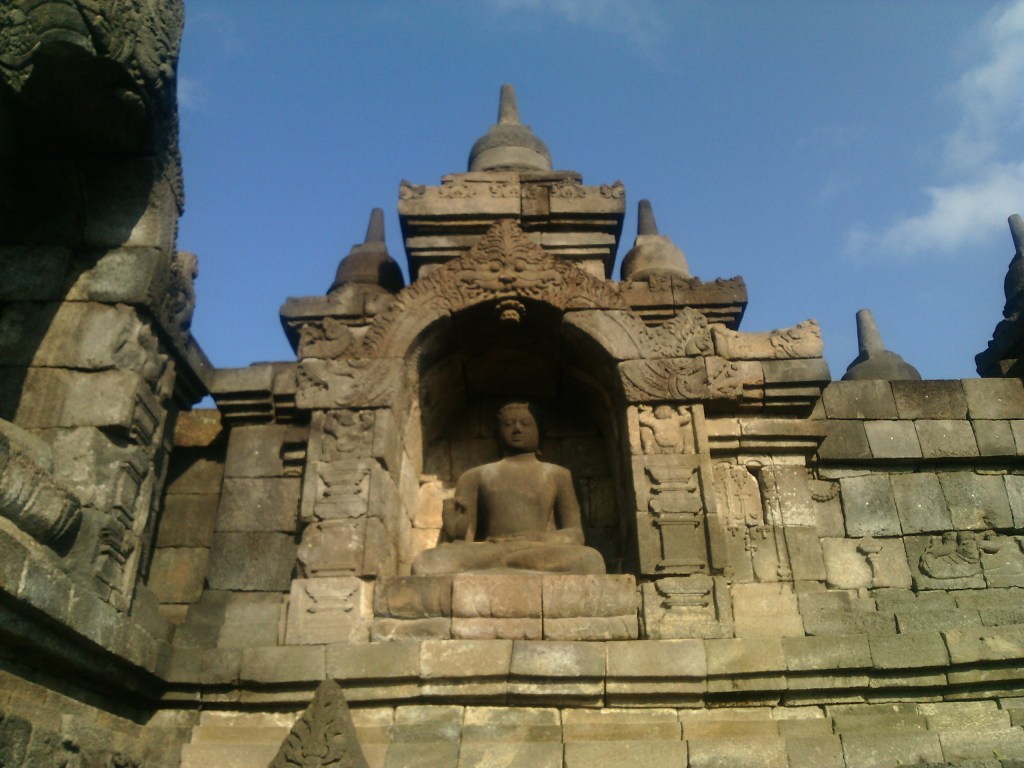
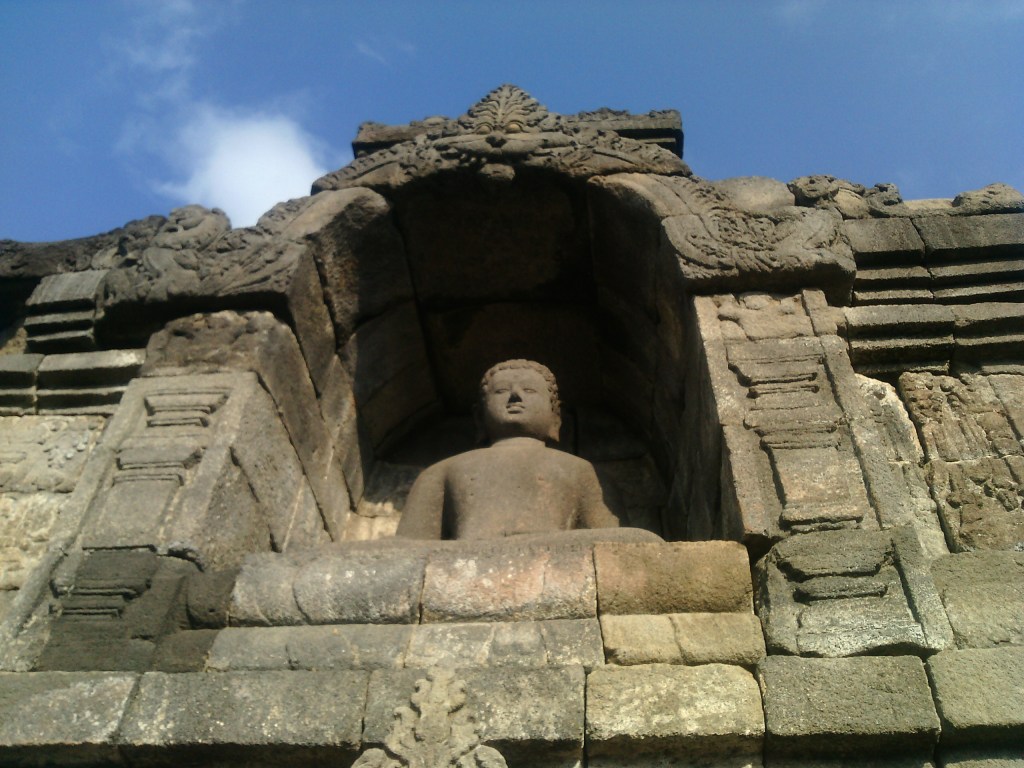
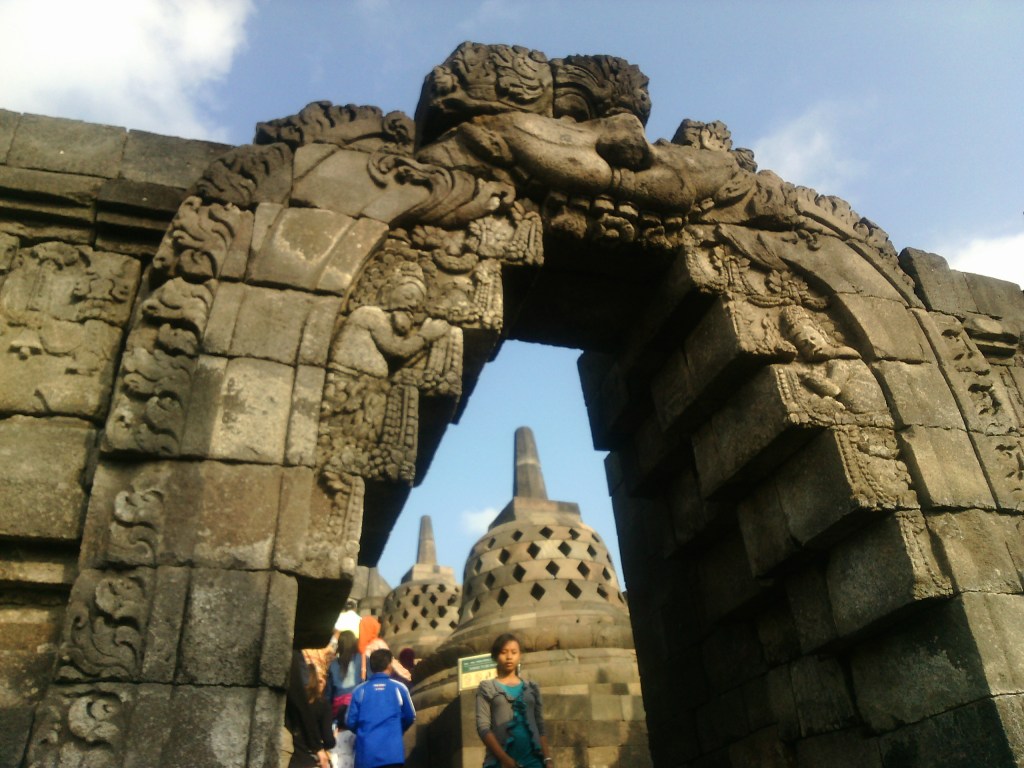
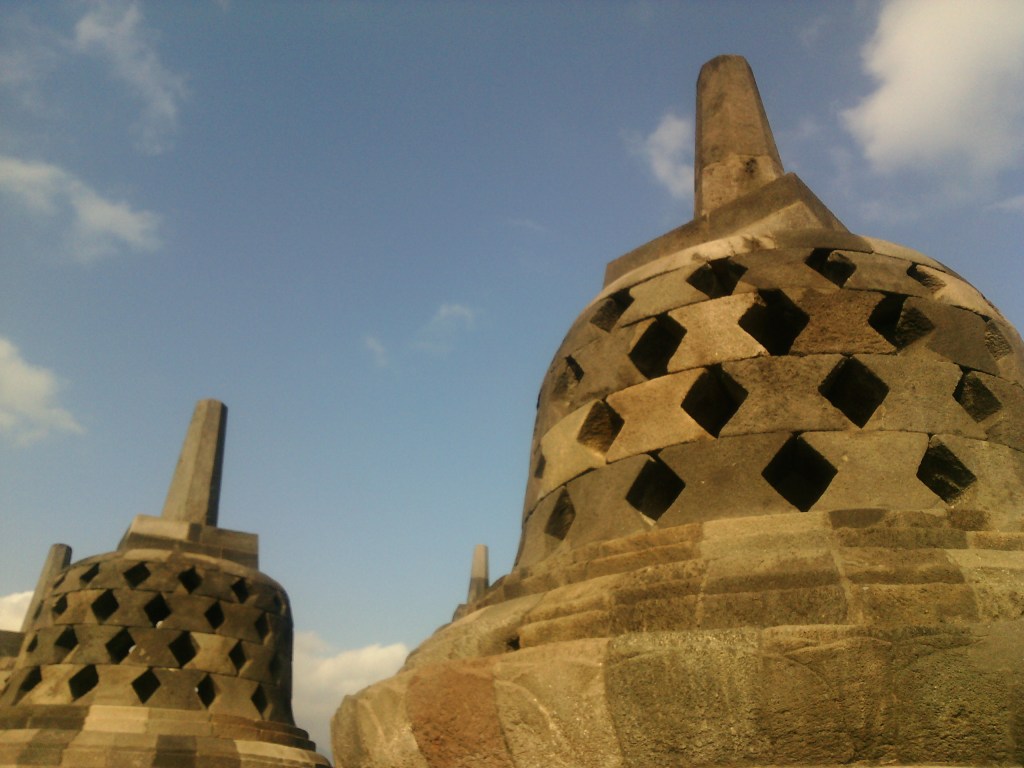
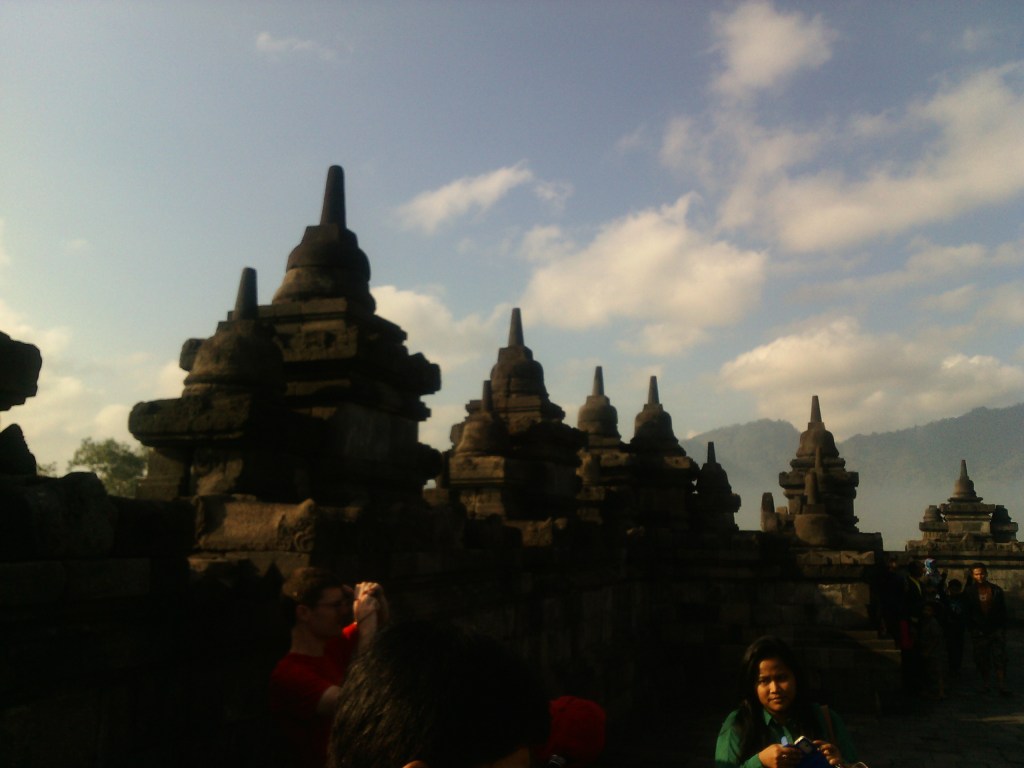
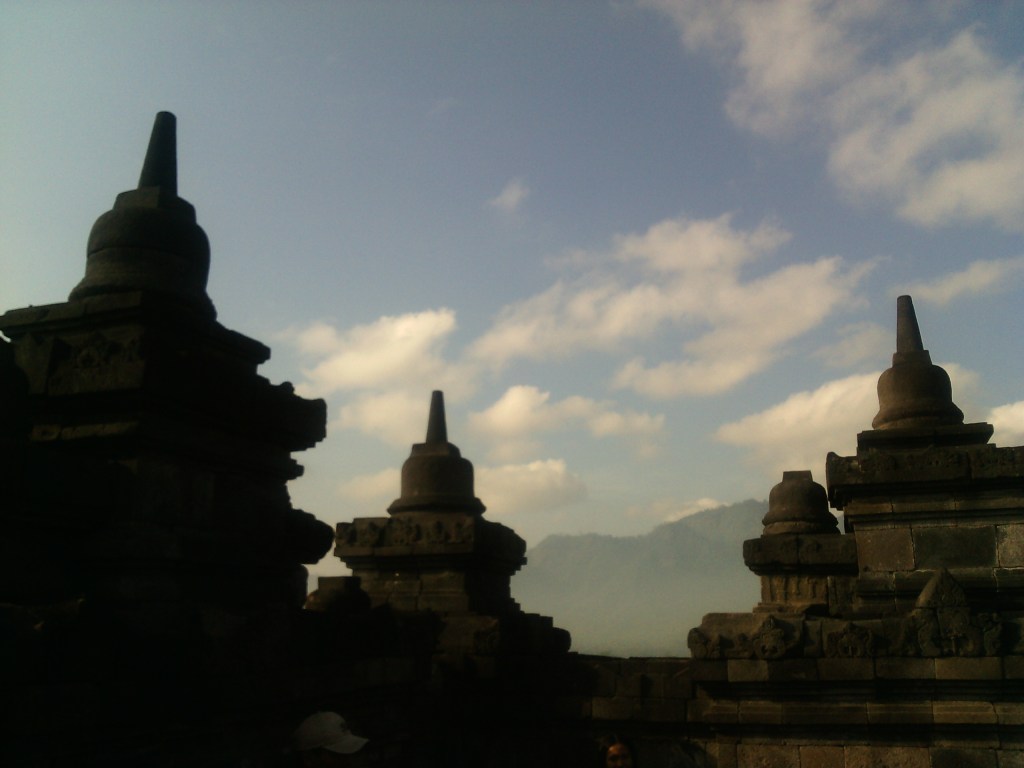
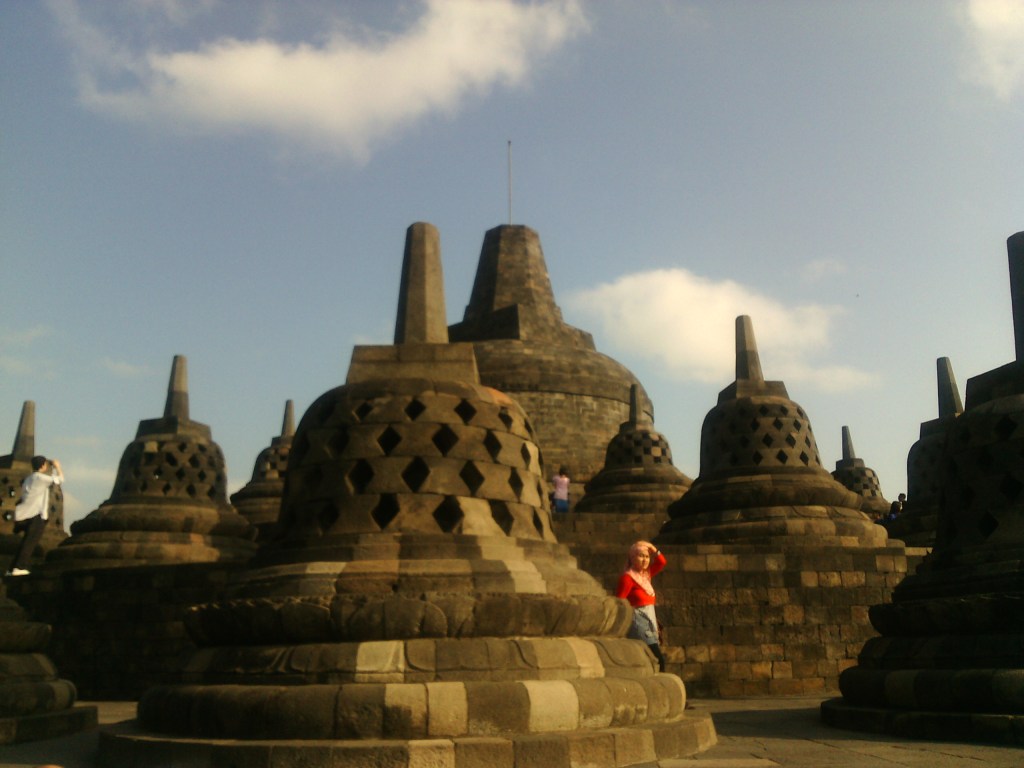
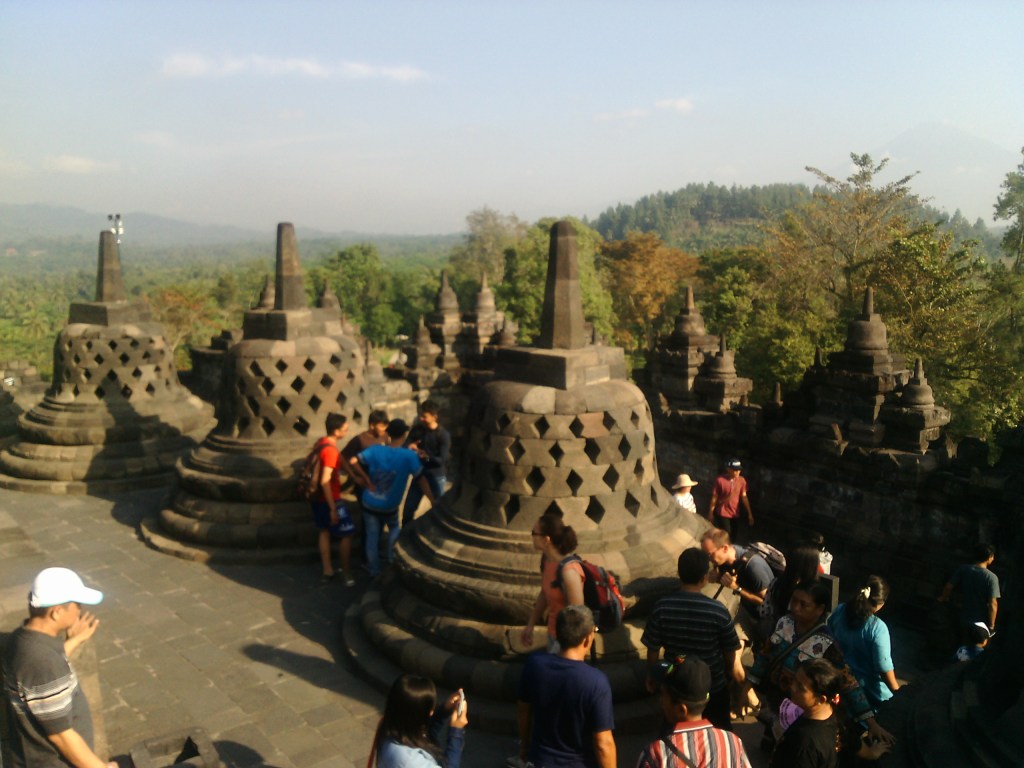
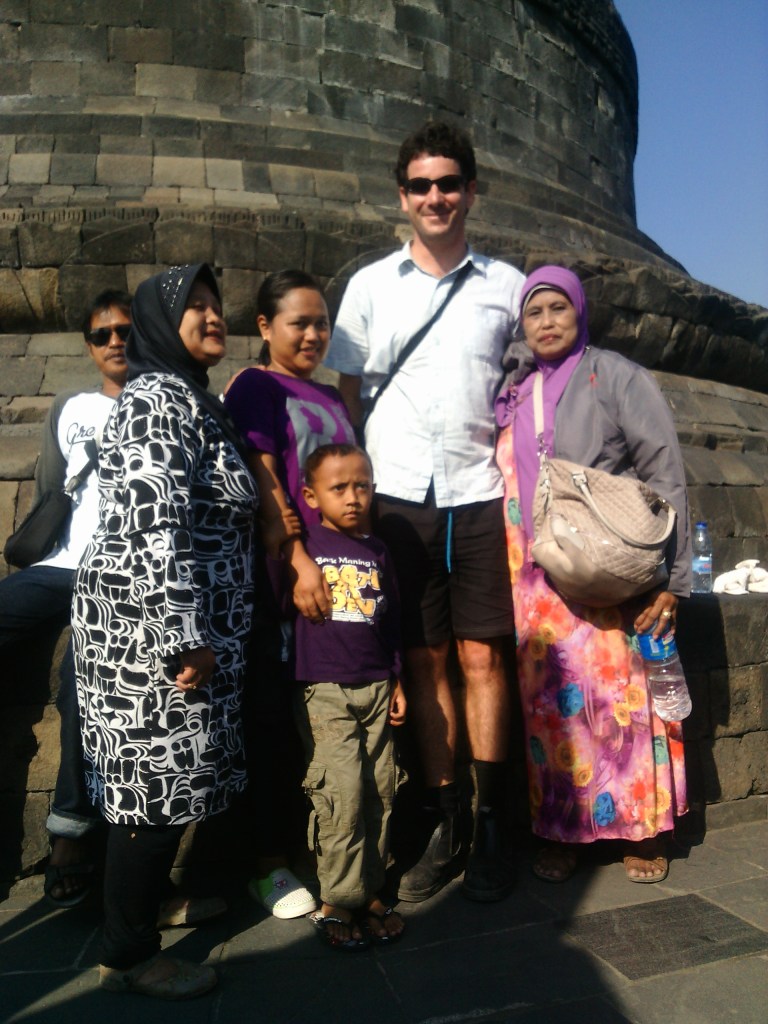
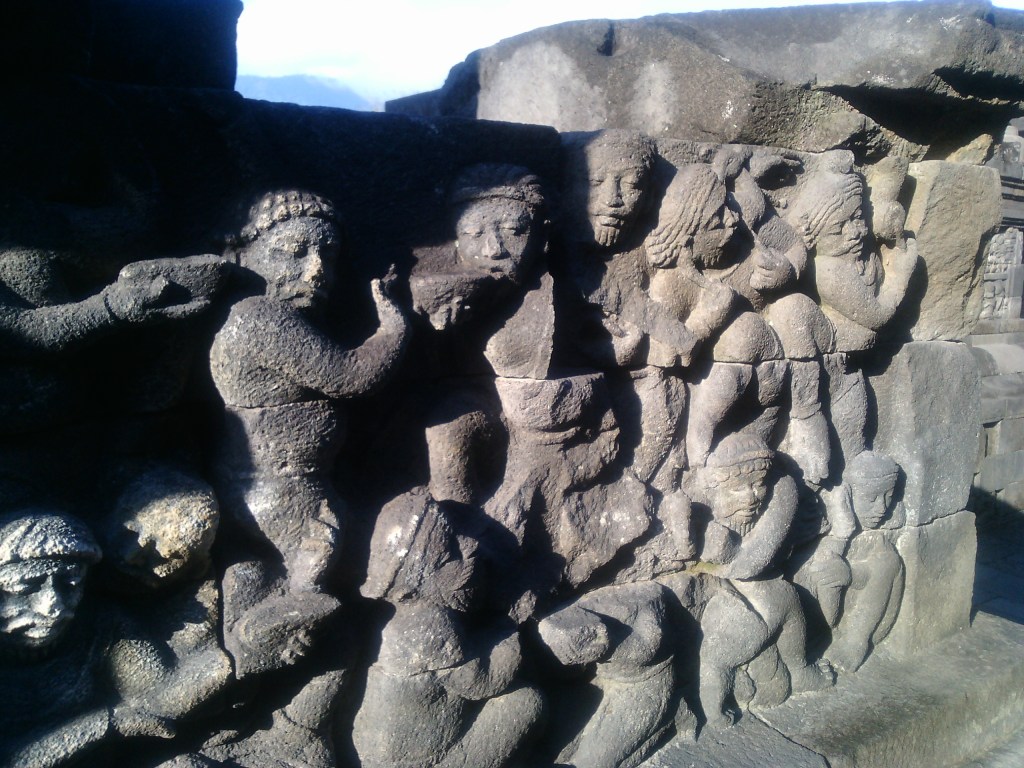
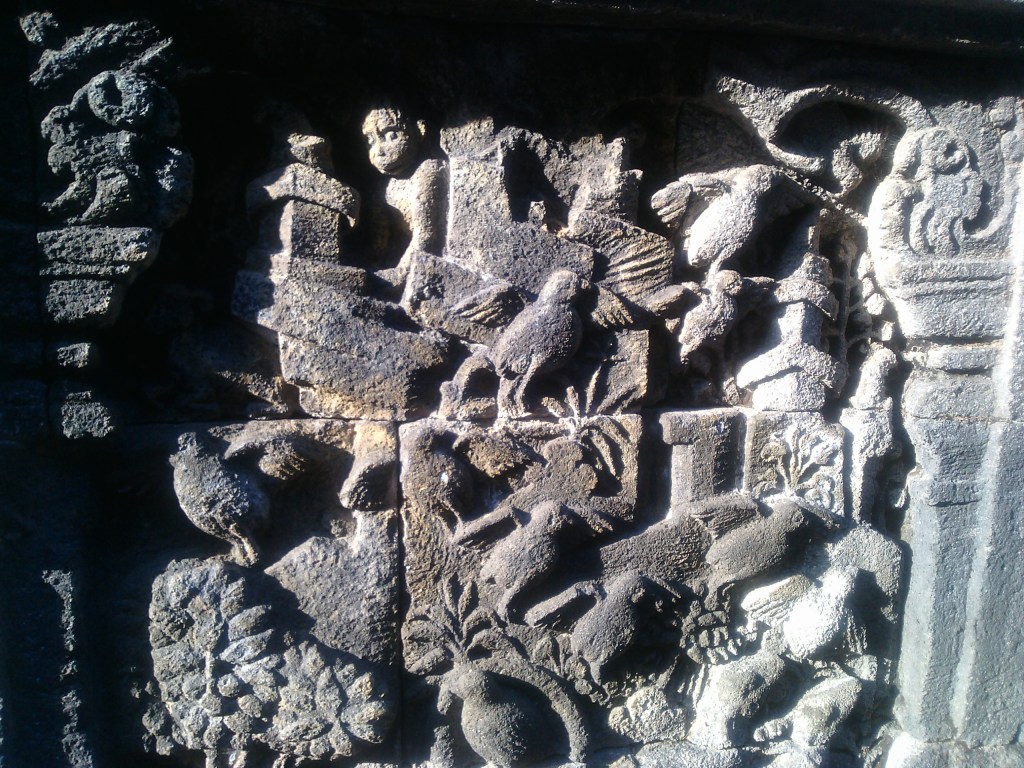
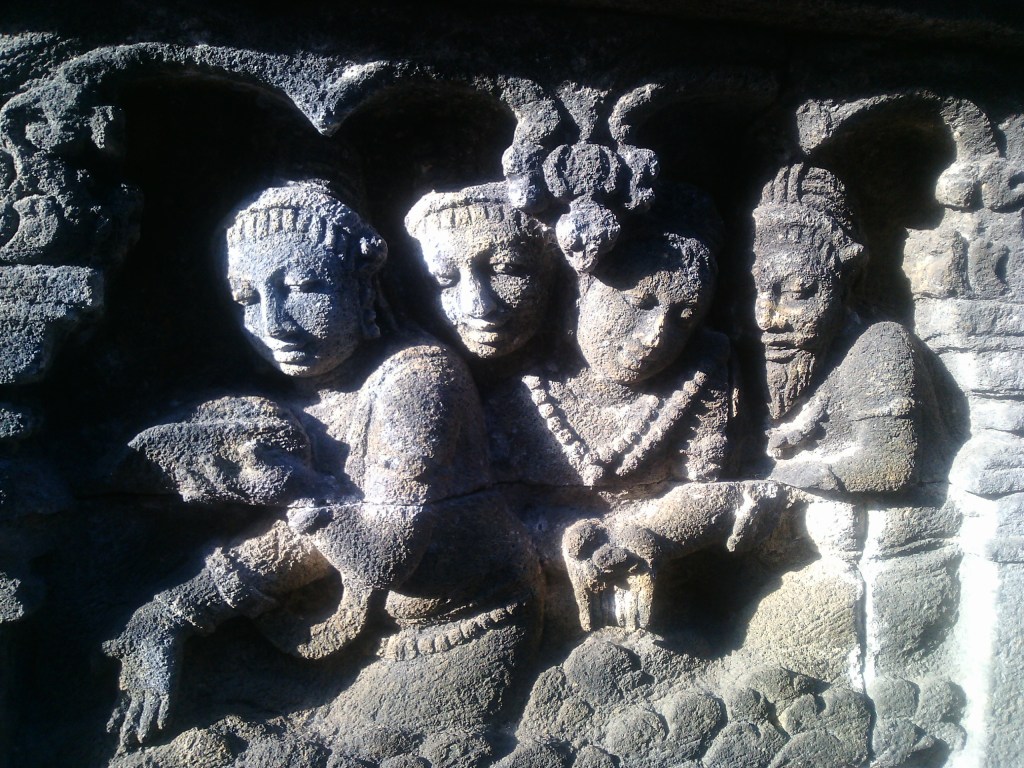
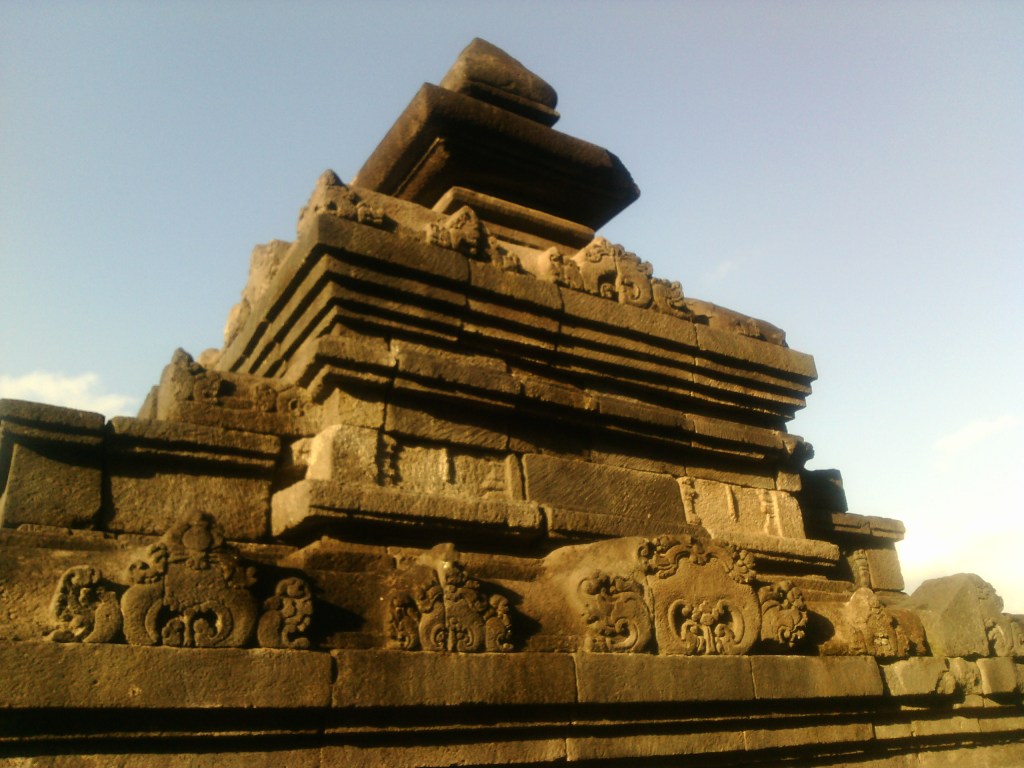
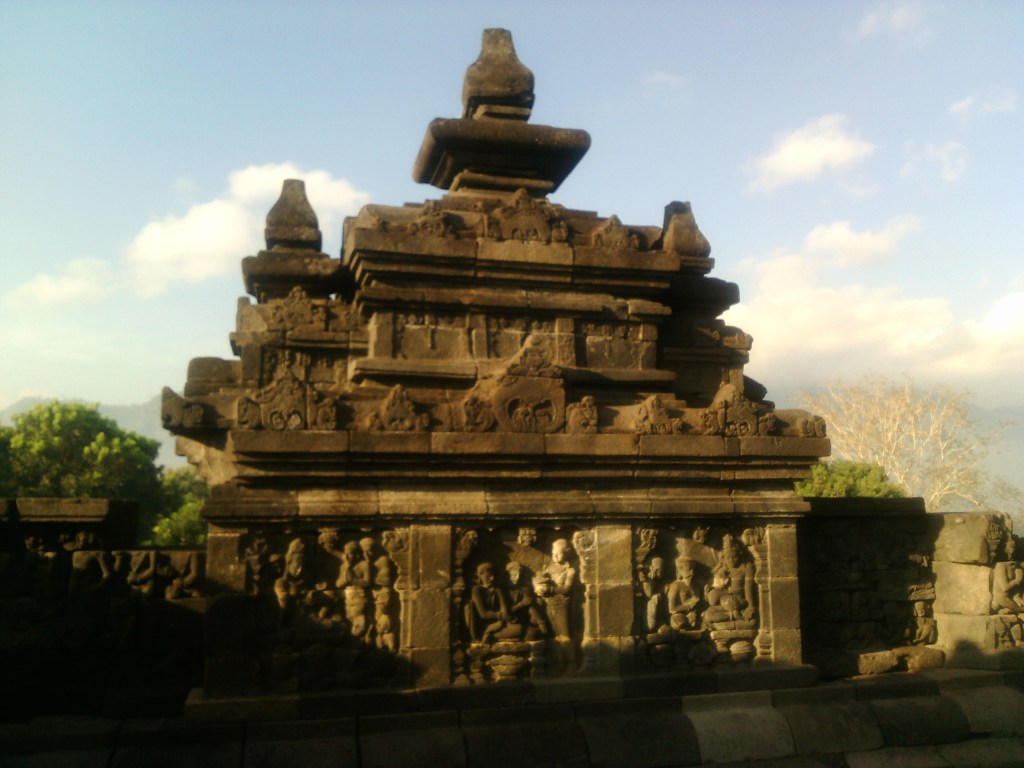
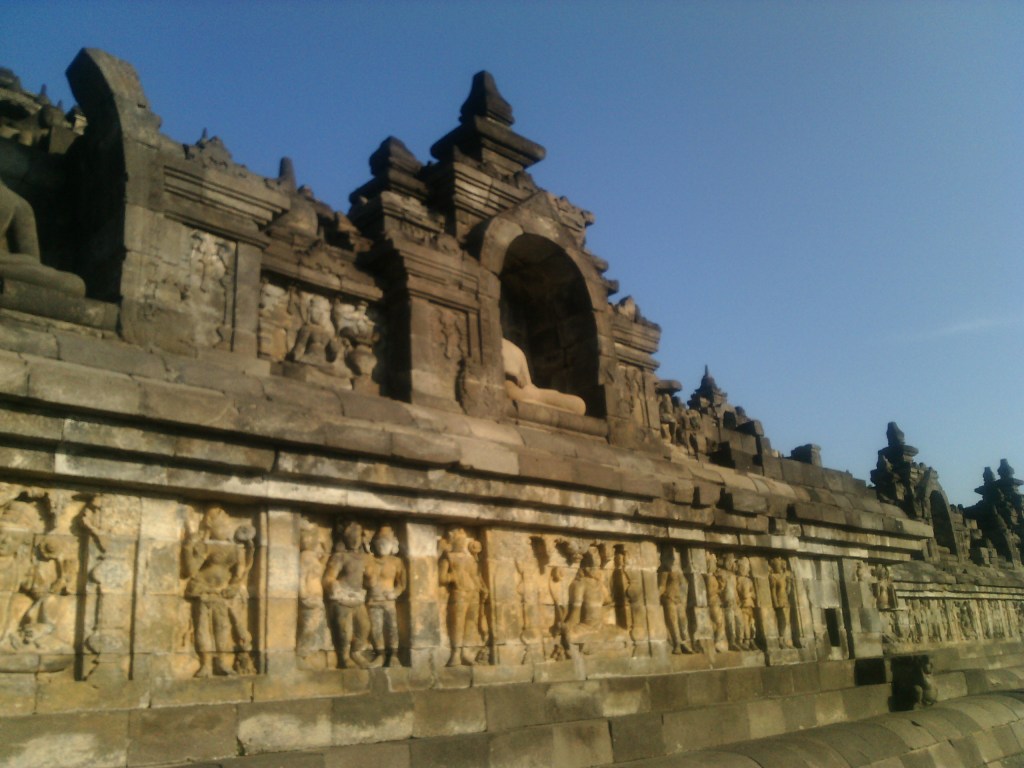
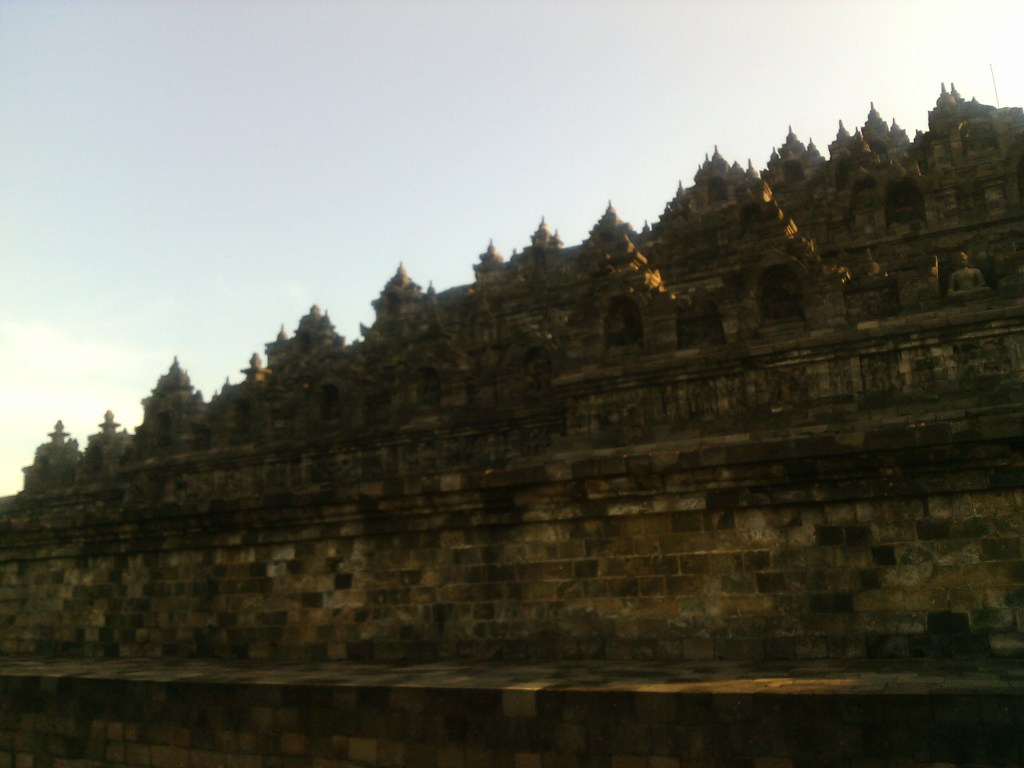
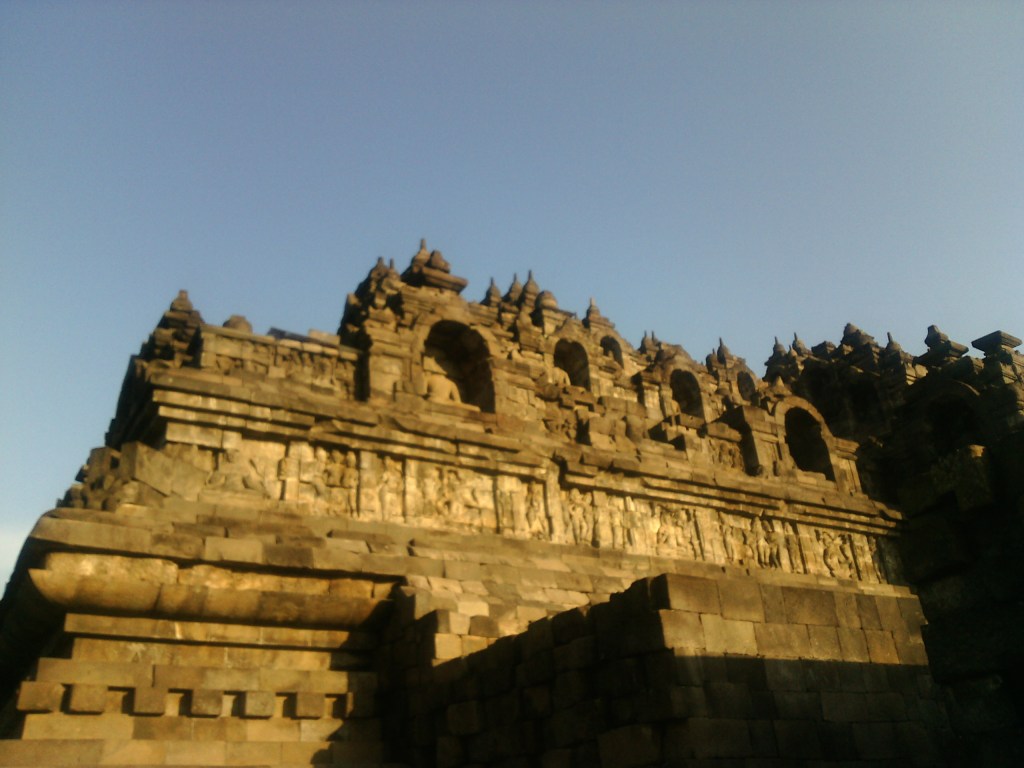
Borobudur temple, Central Java, Indonesia
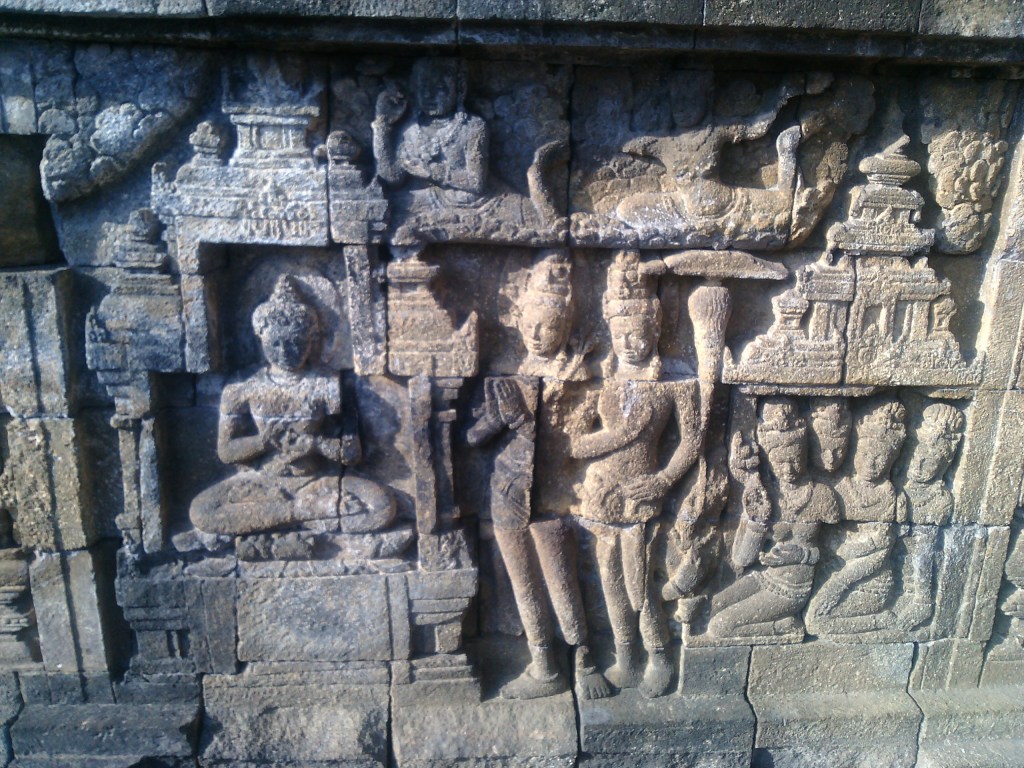
Borobudur temple, Central Java, Indonesia
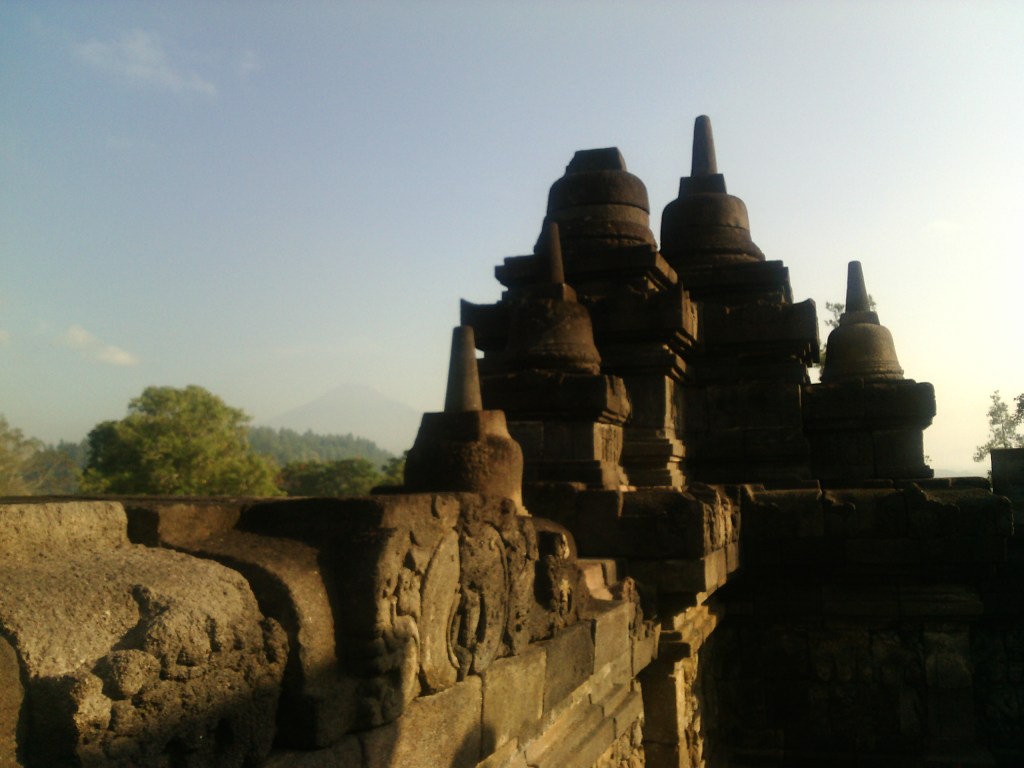
Borobudur temple, Central Java, Indonesia
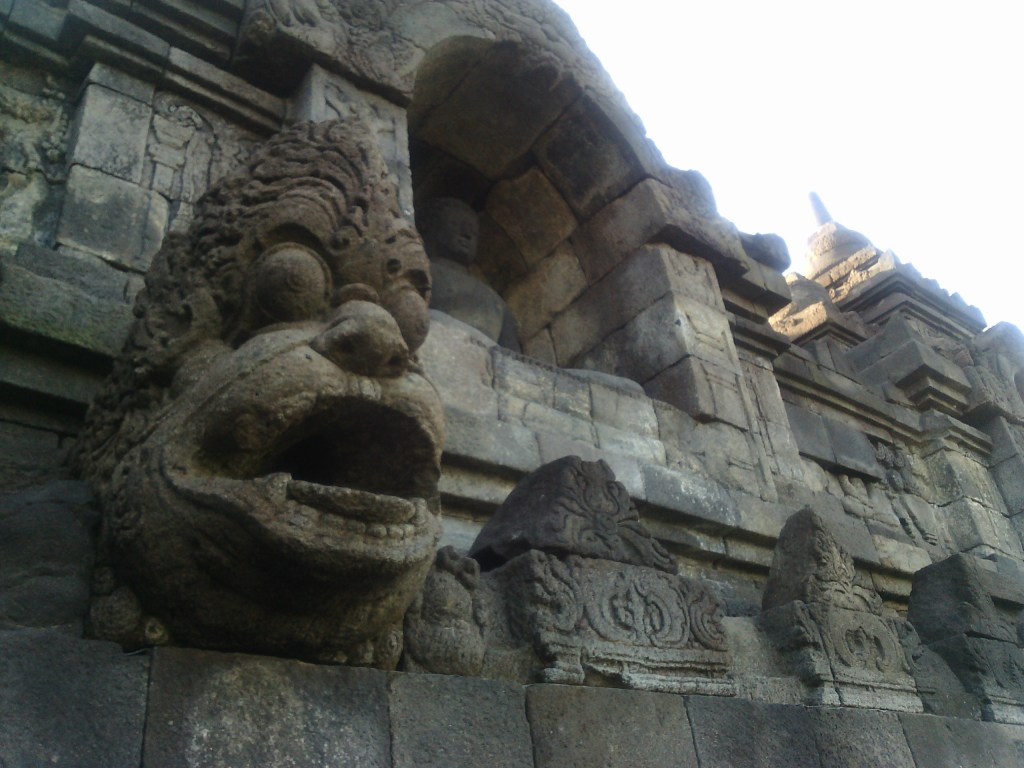
Borobudur temple, Central Java, Indonesia
Borobudur temple, Central Java, Indonesia
Borobudur temple, Central Java, Indonesia
Borobudur temple, Central Java, Indonesia
Borobudur temple, Central Java, Indonesia
Borobudur temple, Central Java, Indonesia
Borobudur temple, Central Java, Indonesia
Borobudur temple, Central Java, Indonesia
Borobudur temple, Central Java, Indonesia, 2014
Borobudur temple, Central Java, Indonesia
Borobudur temple, Central Java, Indonesia
Borobudur temple, Central Java, Indonesia
Borobudur temple, Central Java, Indonesia
Borobudur temple, Central Java, Indonesia
Borobudur temple, Central Java, Indonesia
Borobudur temple, Central Java, Indonesia
Borobudur temple, Central Java, Indonesia
Borobudur temple, Central Java, Indonesia
Borobudur temple, Central Java, Indonesia
Borobudur temple, Central Java, Indonesia
Borobudur temple, Central Java, Indonesia
Borobudur temple, Central Java, Indonesia
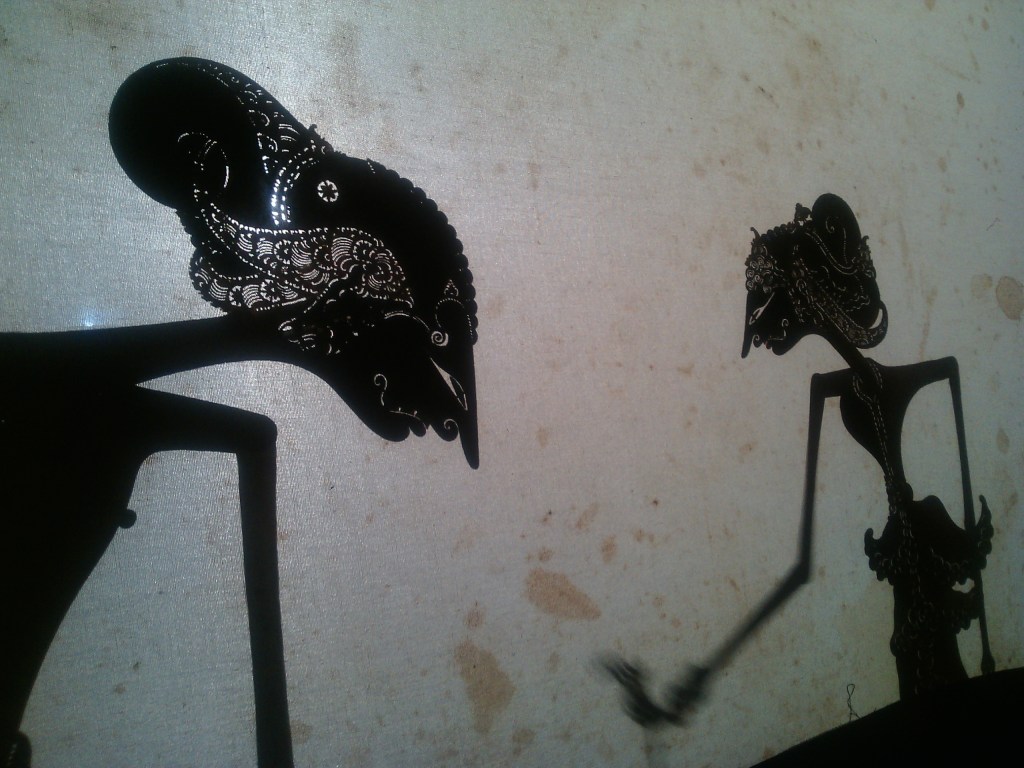
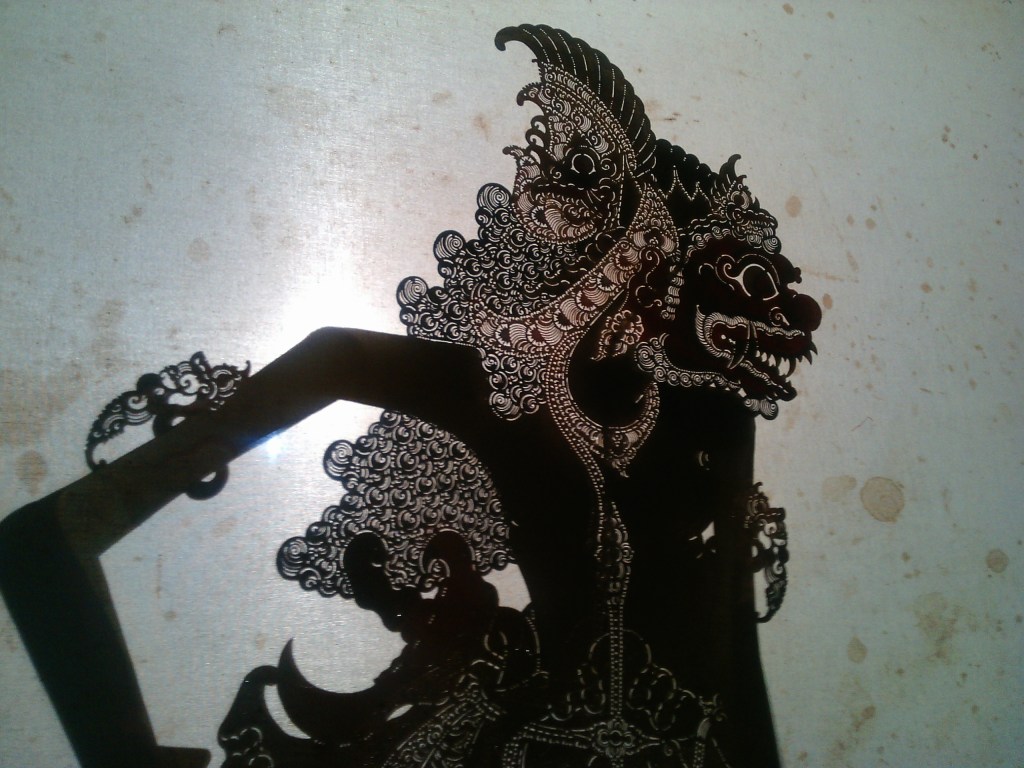
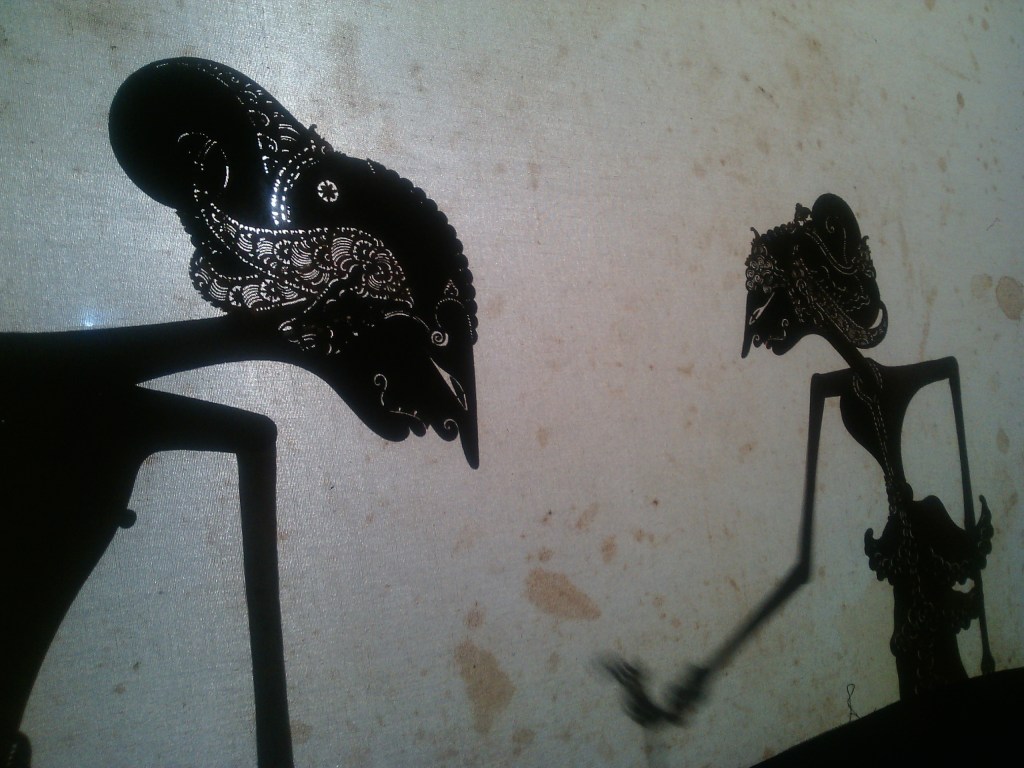
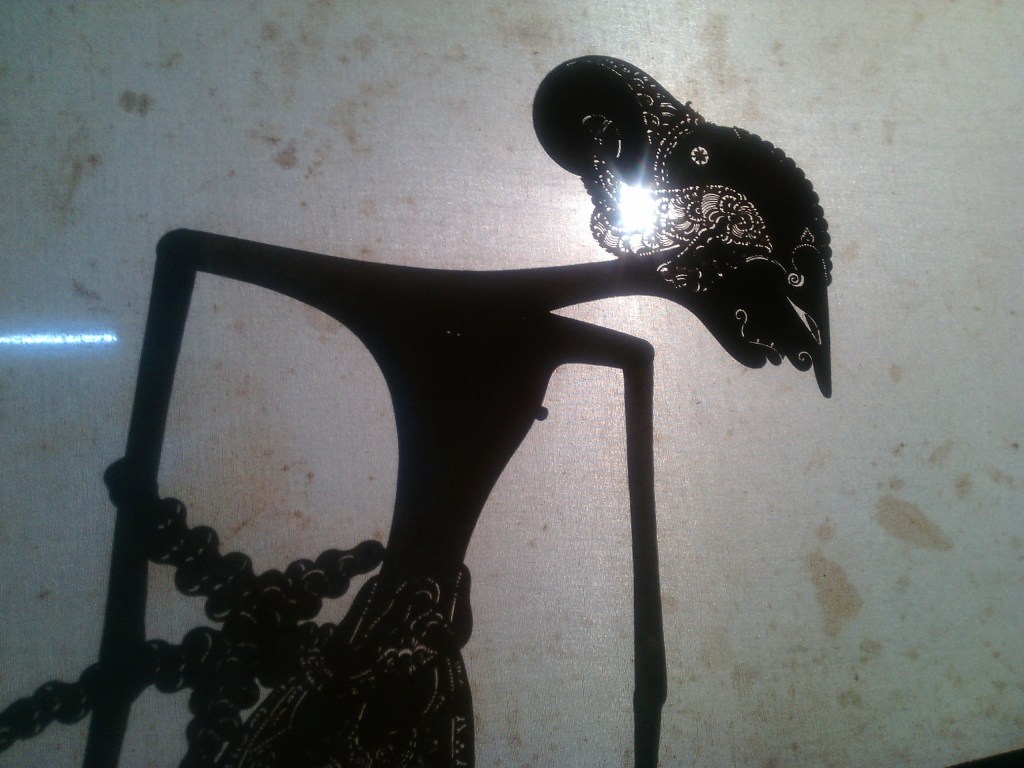
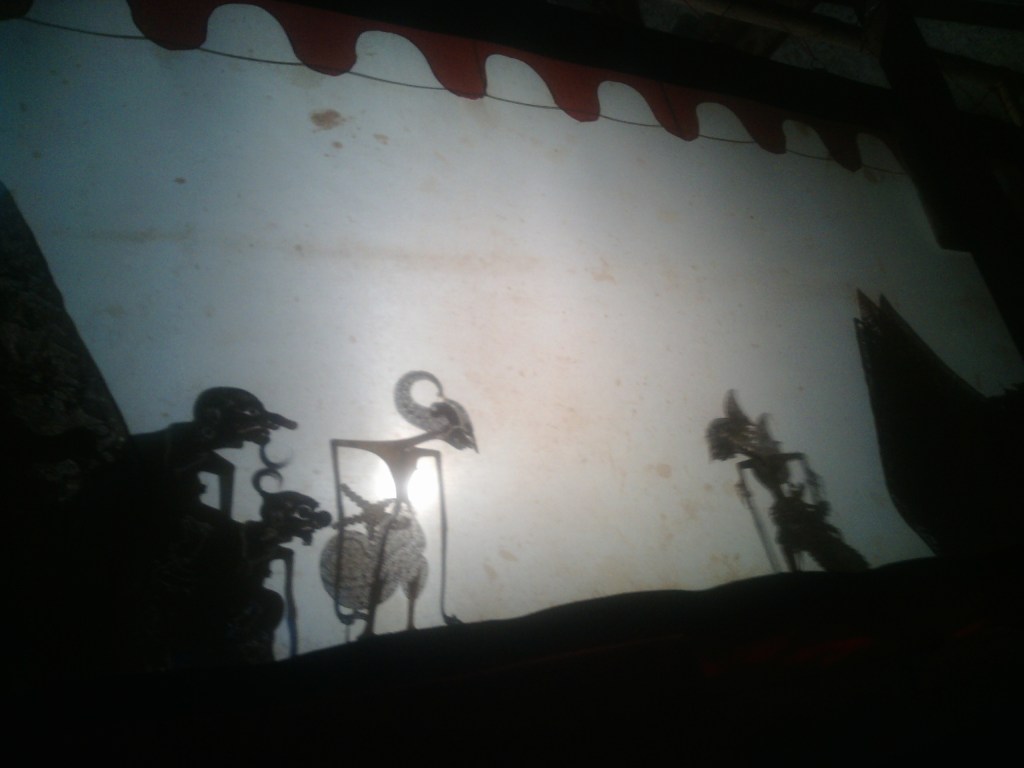
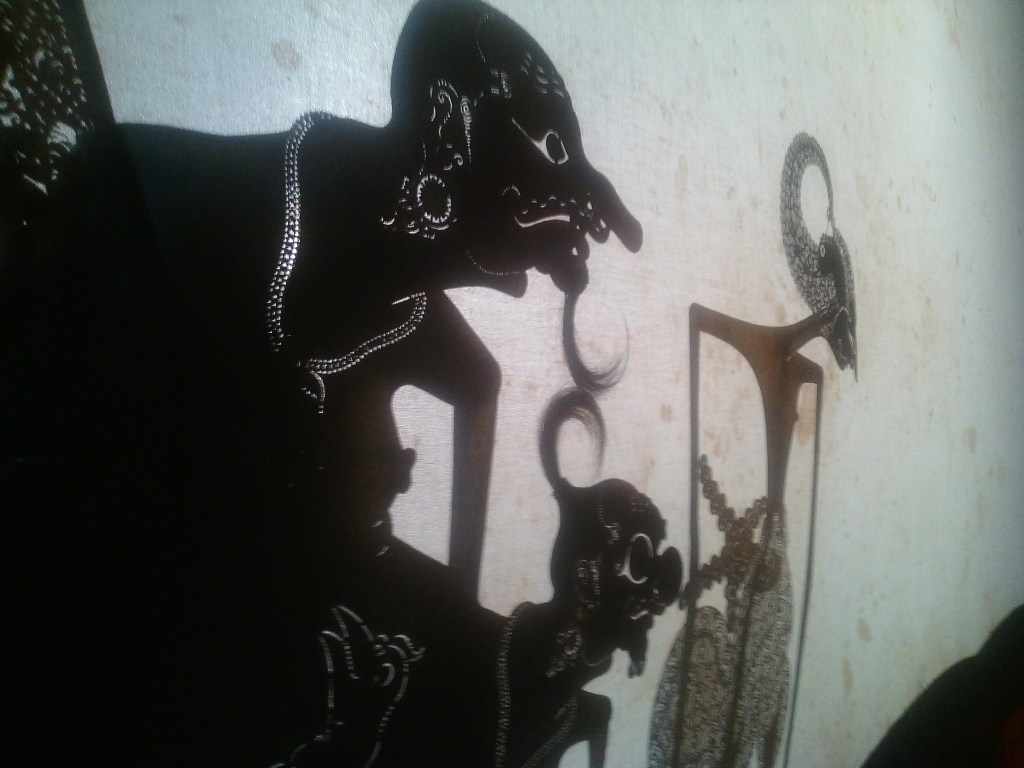
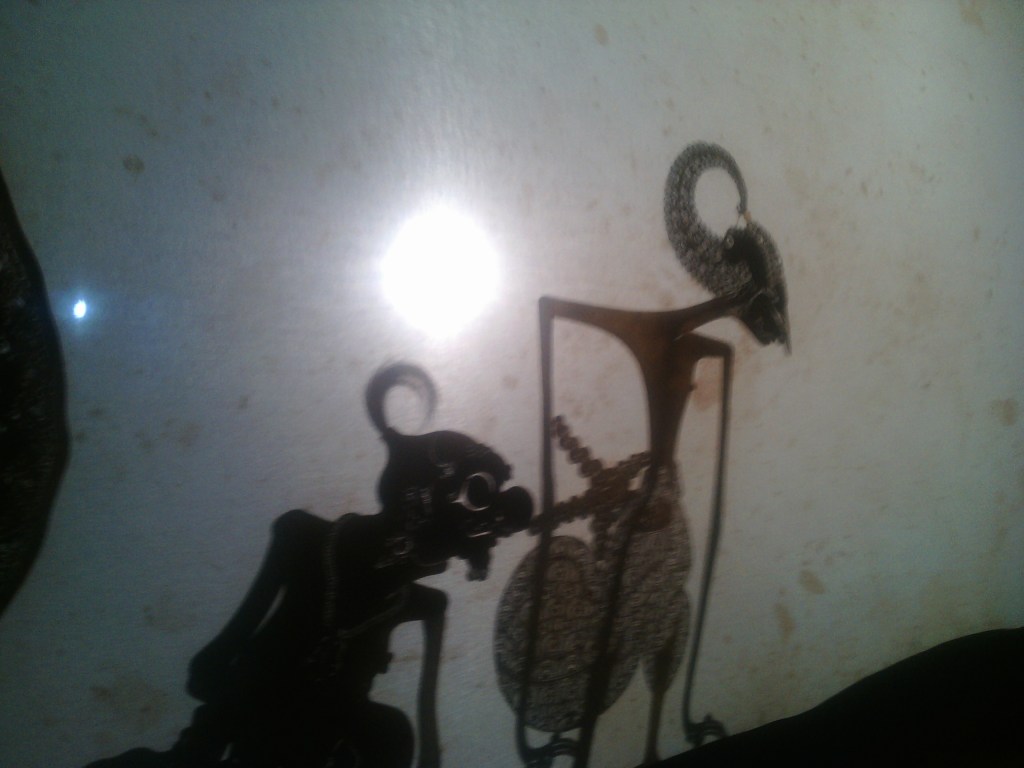
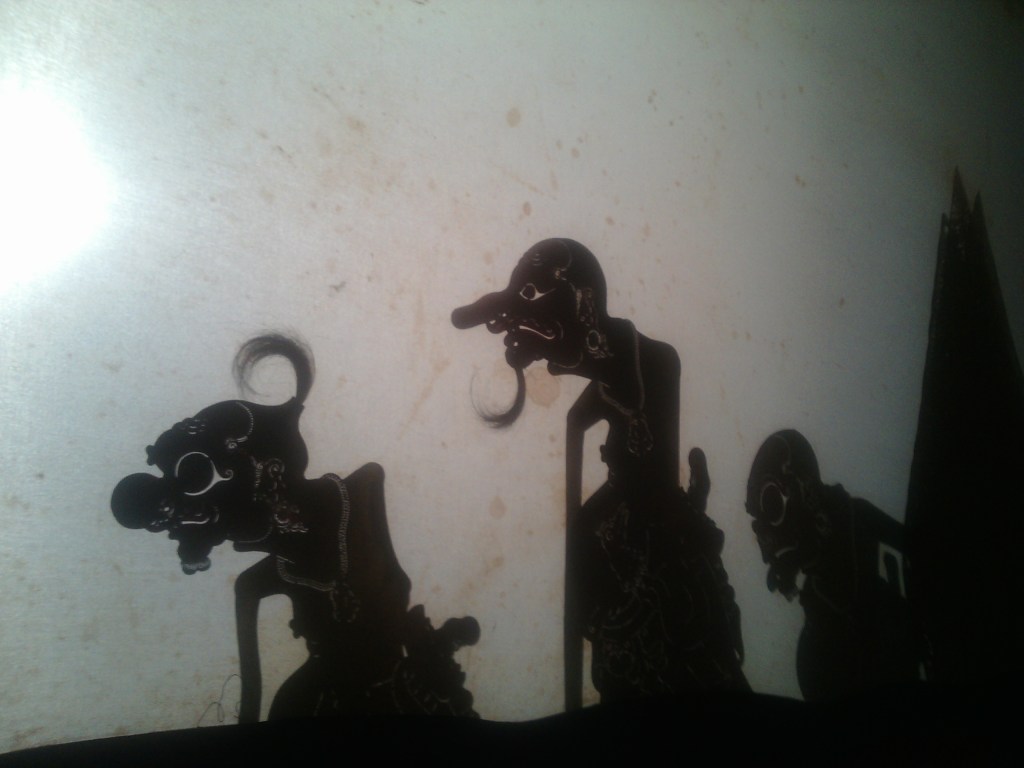
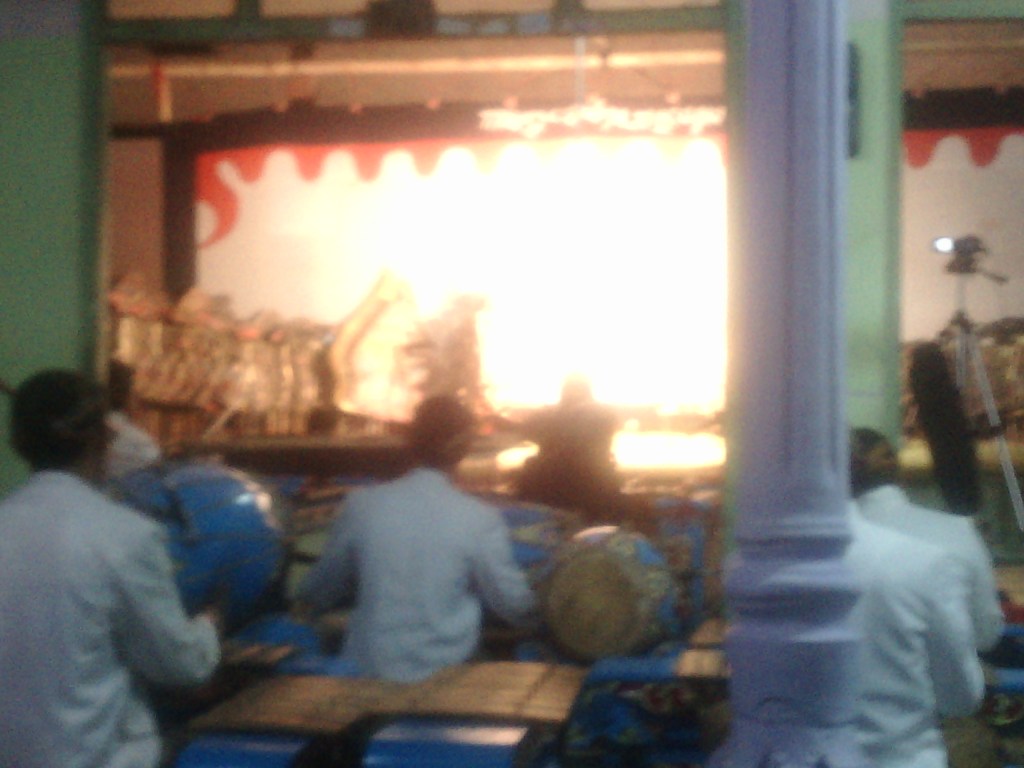
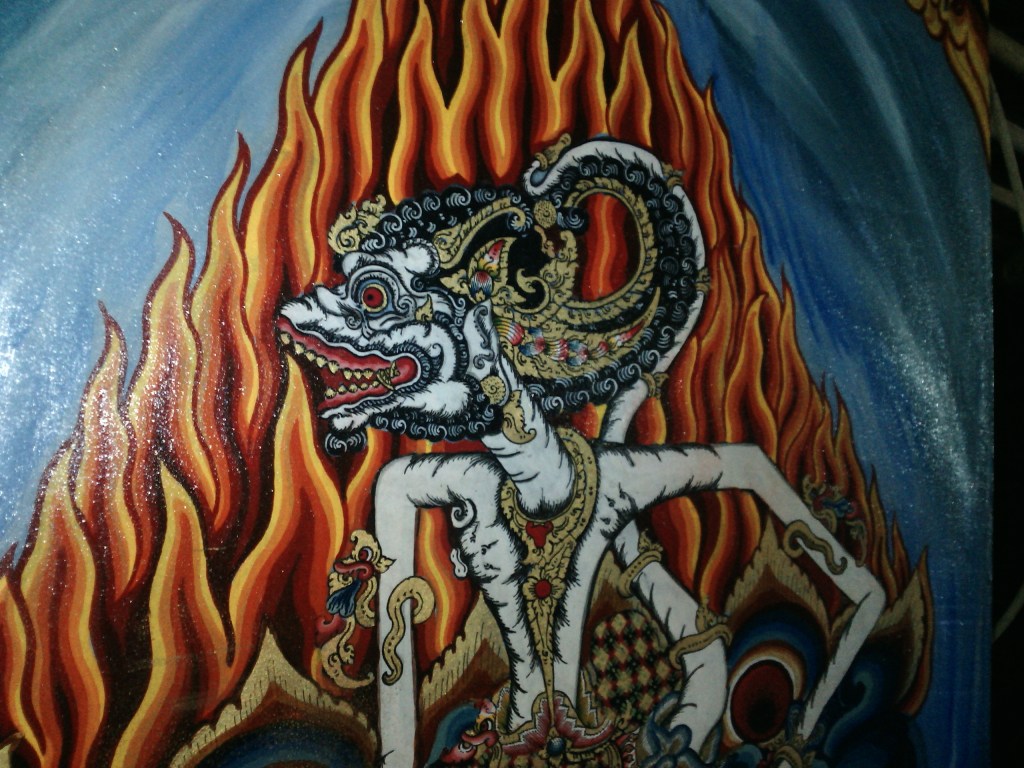
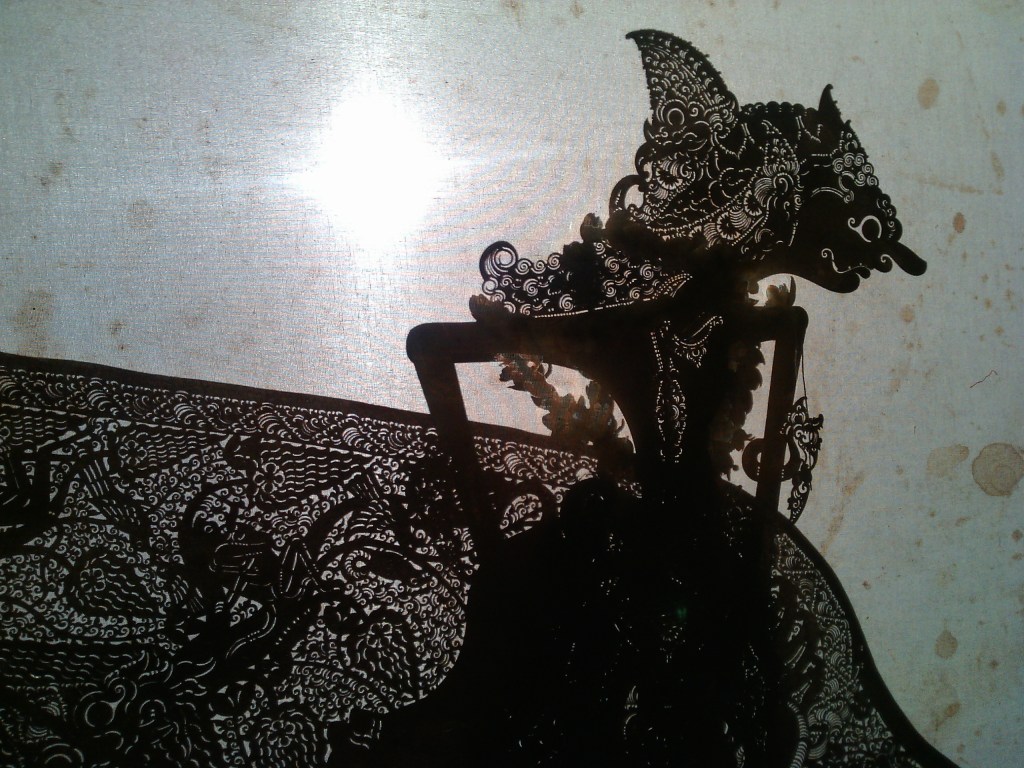
Javanese shadow puppets, Indonesia, 2014
Javanese shadow puppets, Indonesia
Javanese shadow puppets, Indonesia
Javanese shadow puppets, Indonesia
Javanese shadow puppets, Indonesia
Javanese shadow puppets, Indonesia
Javanese shadow puppets, Indonesia
Javanese shadow puppets, Indonesia
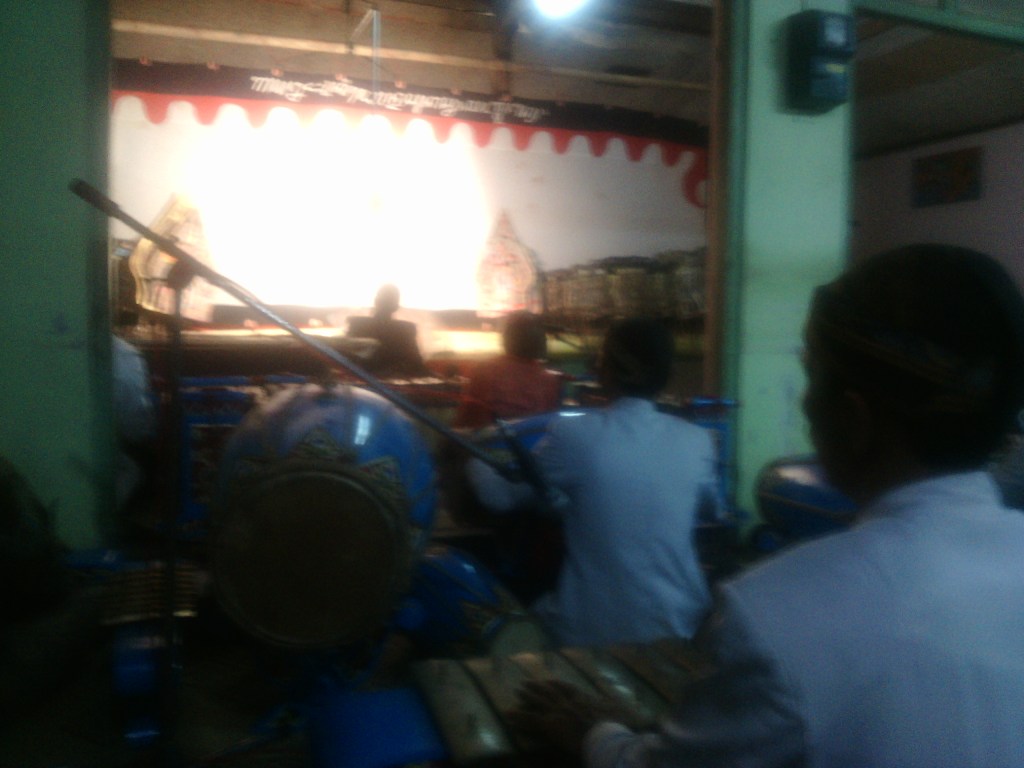
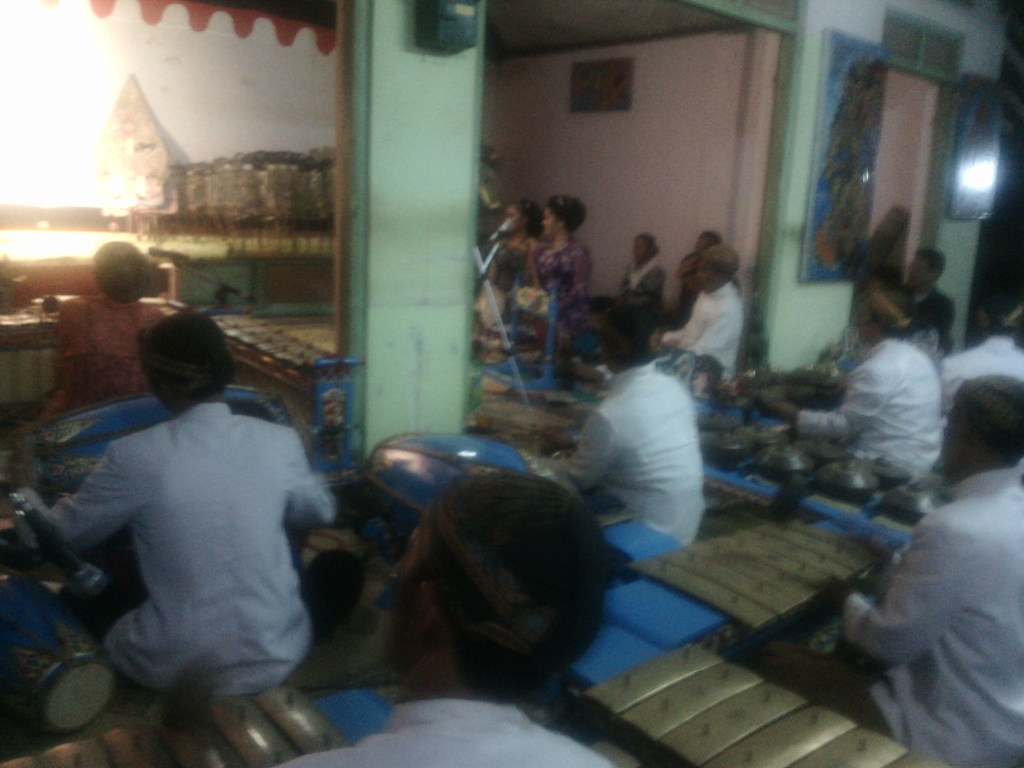
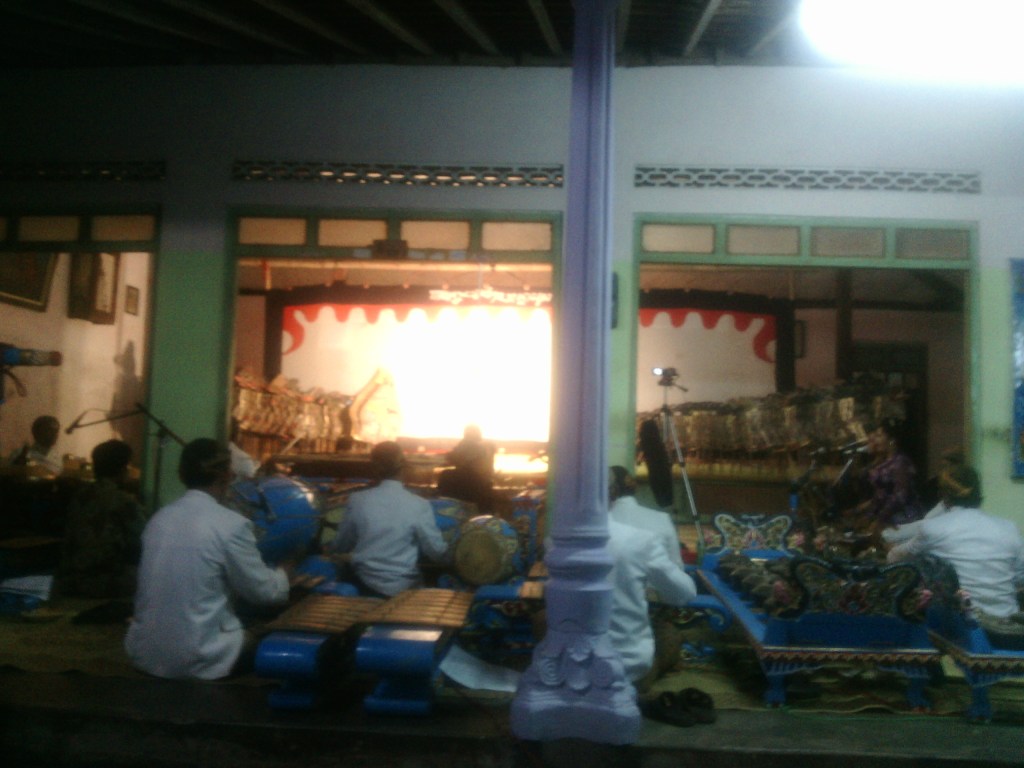
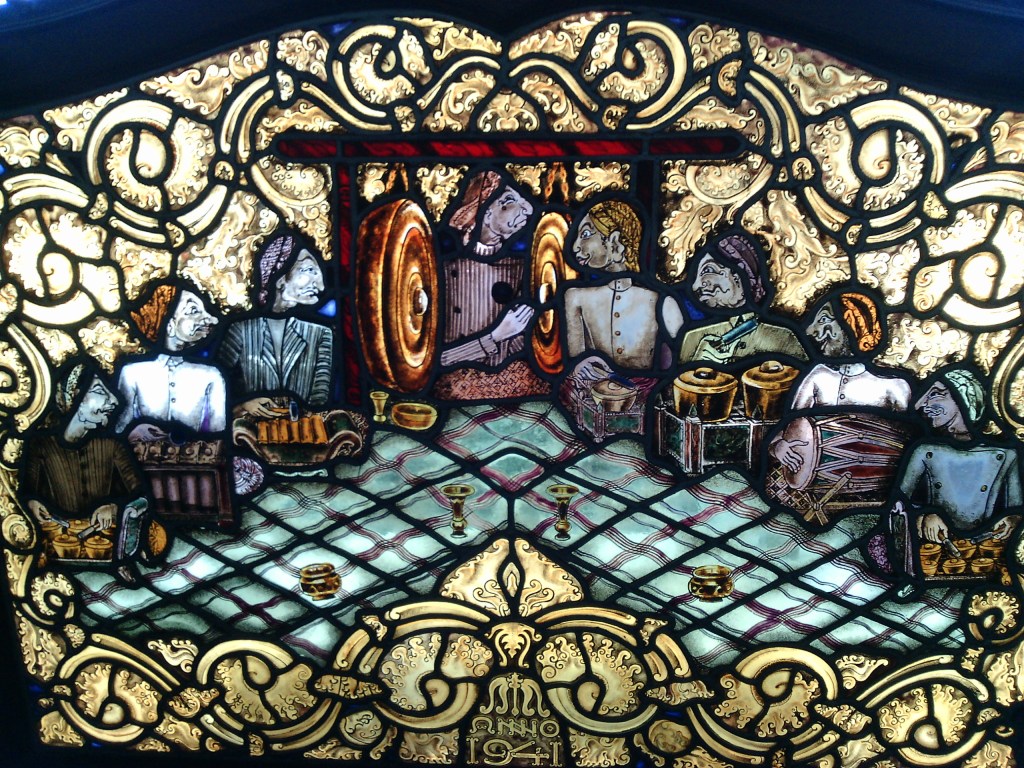
Javanese gamelan, Indonesia
Javanese gamelan, Indonesia
Javanese gamelan, Indonesia
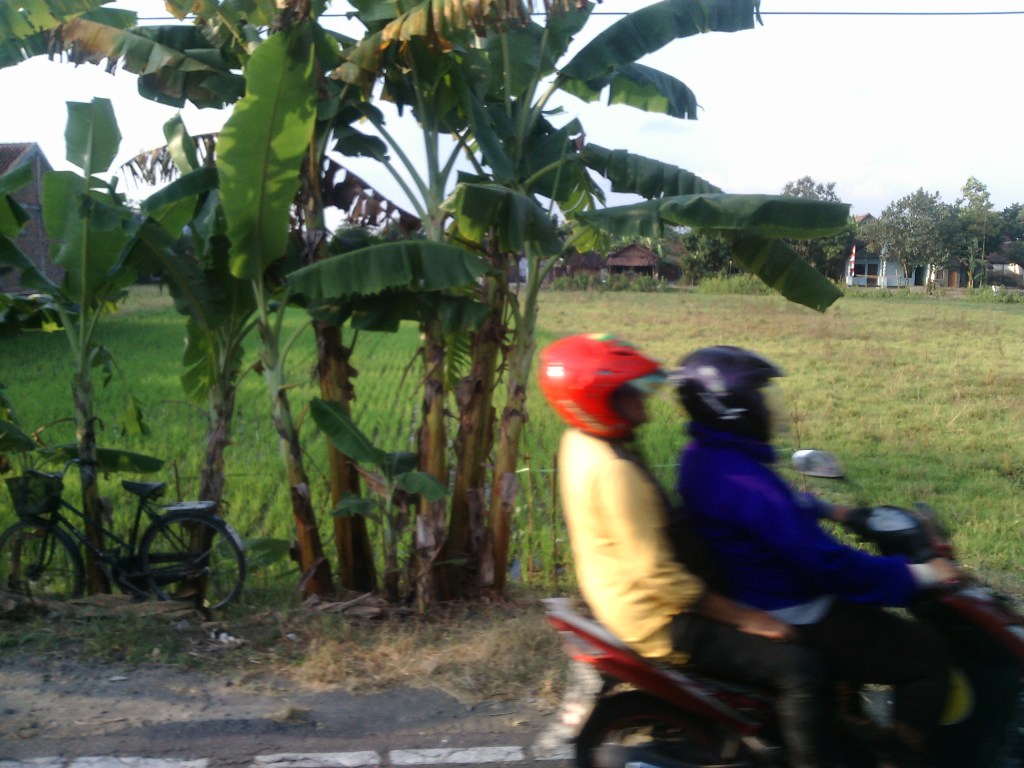
Central Java, Indonesia
Central Java, Indonesia
Javanese shadow puppets, Indonesia
Central Java, Indonesia
Central Java, Indonesia
Central Java, Indonesia
Central Java, Indonesia
Central Java, Indonesia
Central Java, Indonesia
Central Java, Indonesia
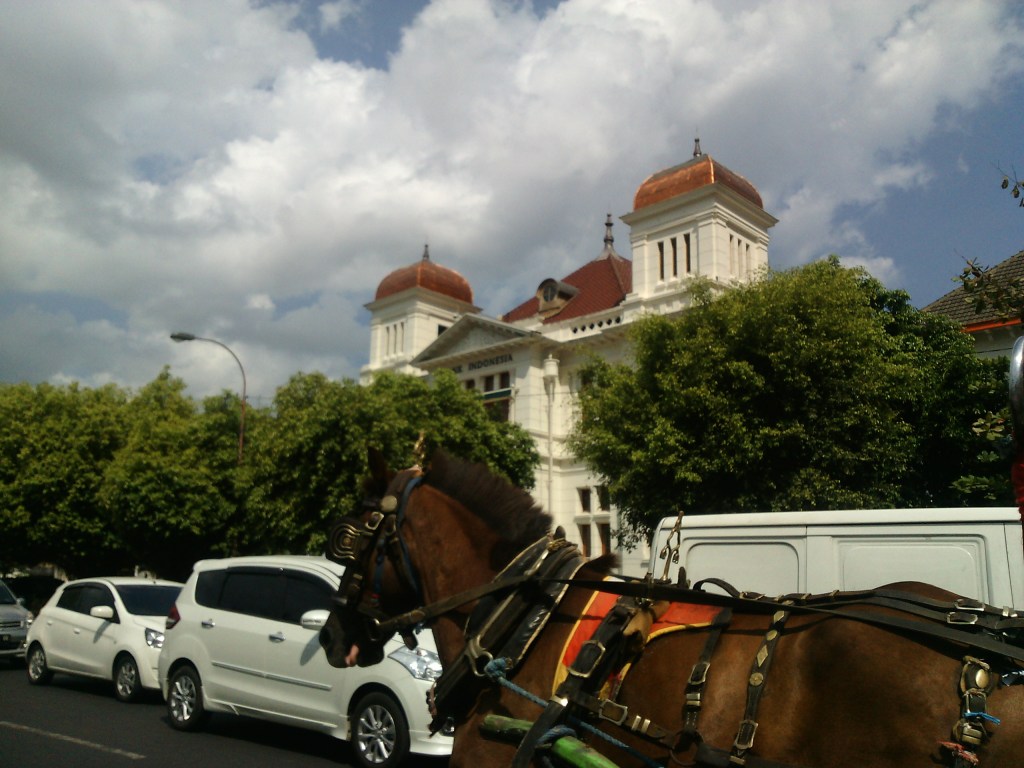
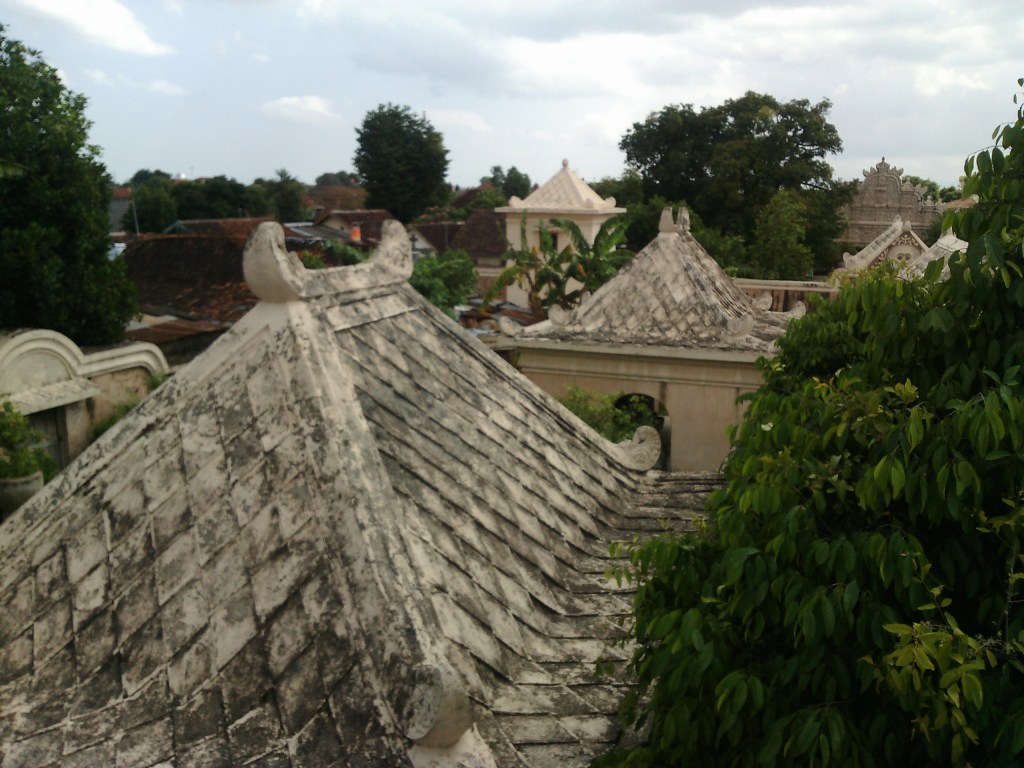
Yogyakarta, Central Java, Indonesia
Yogyakarta, Central Java, Indonesia
Yogyakarta, Central Java, Indonesia
Yogyakarta, Central Java, Indonesia
Yogyakarta, Central Java, Indonesia
Yogyakarta, Central Java, Indonesia
Central Java, Indonesia
Yogyakarta, Central Java, Indonesia
Bali and Nusa Penida
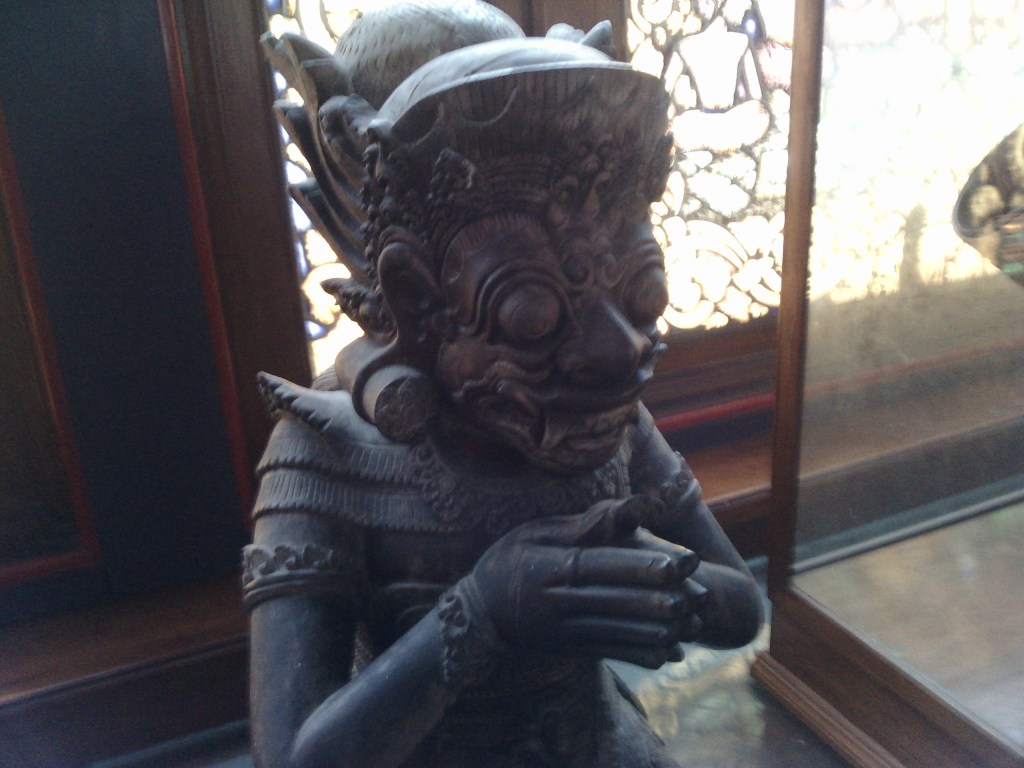
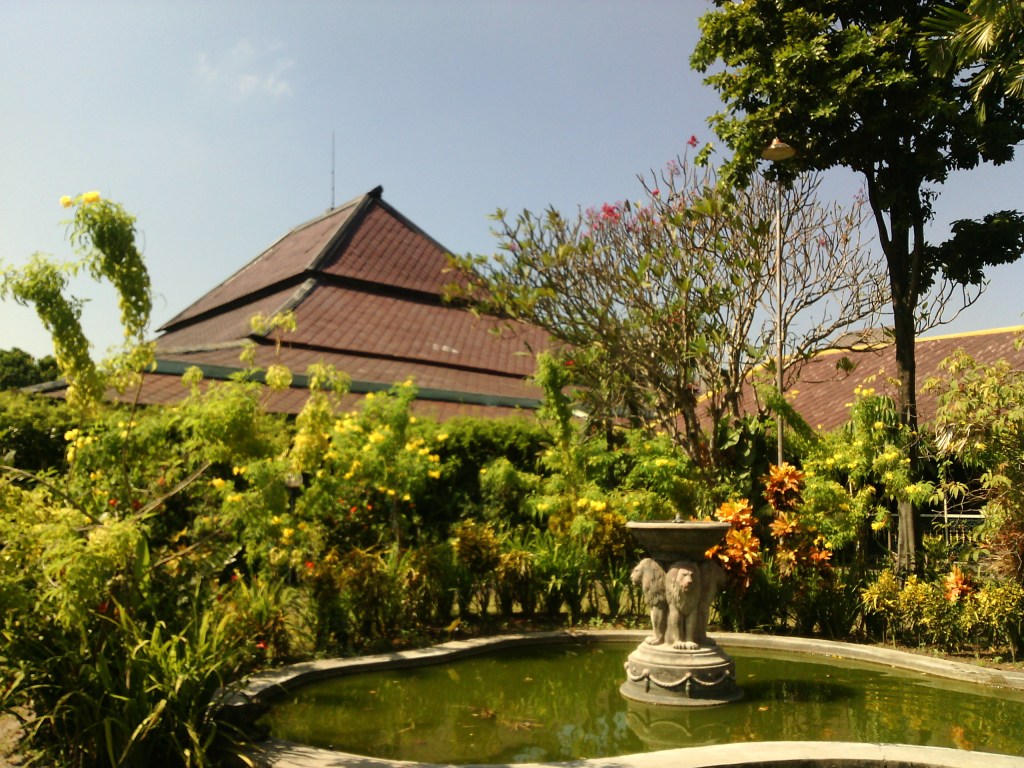
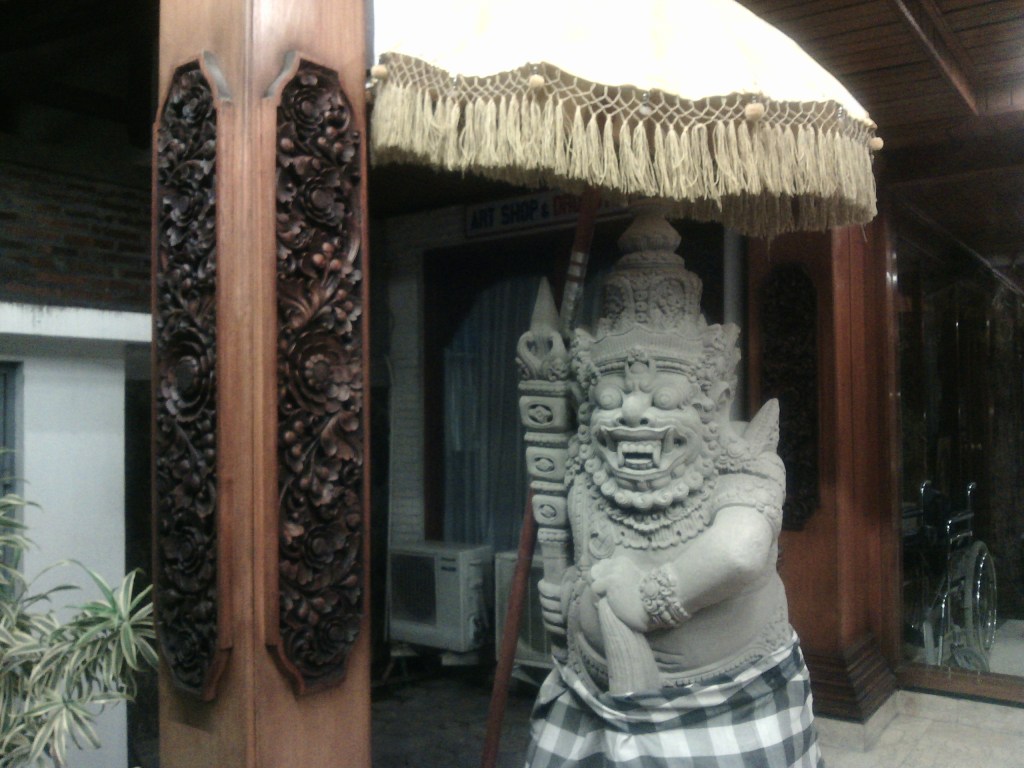
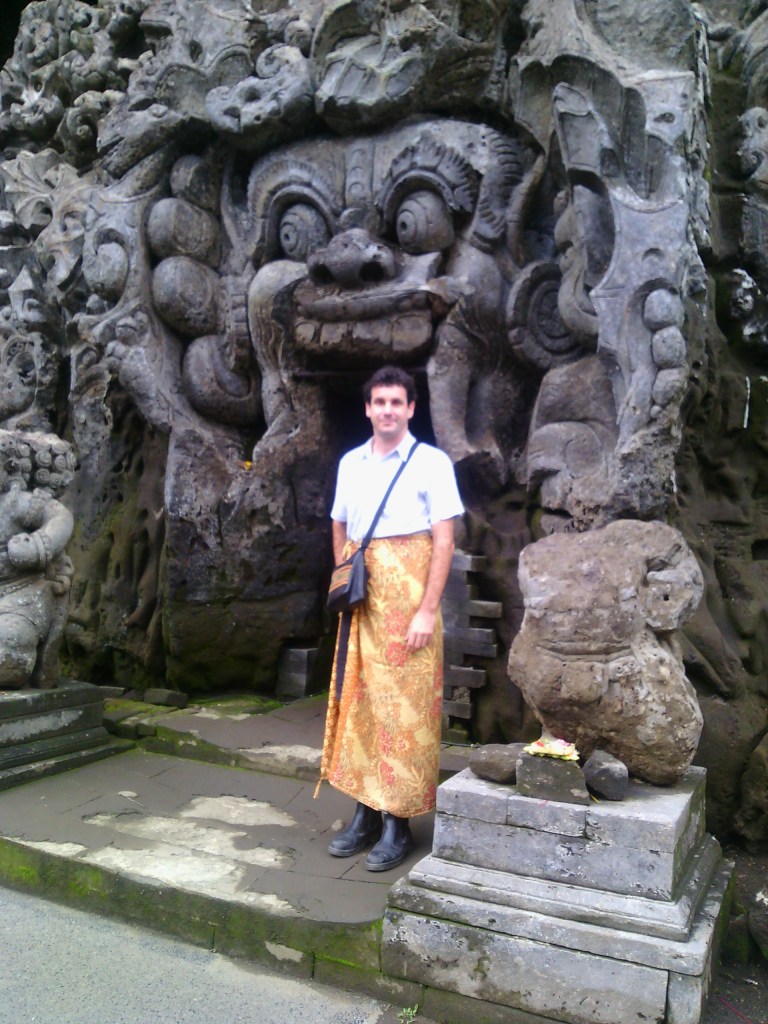
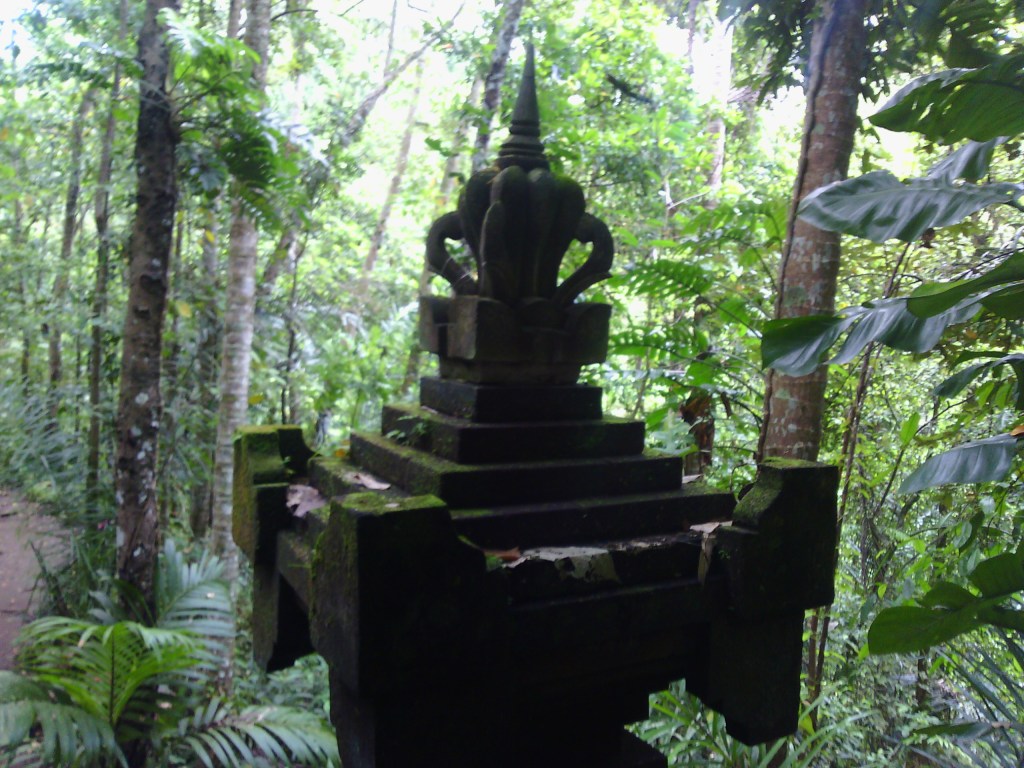
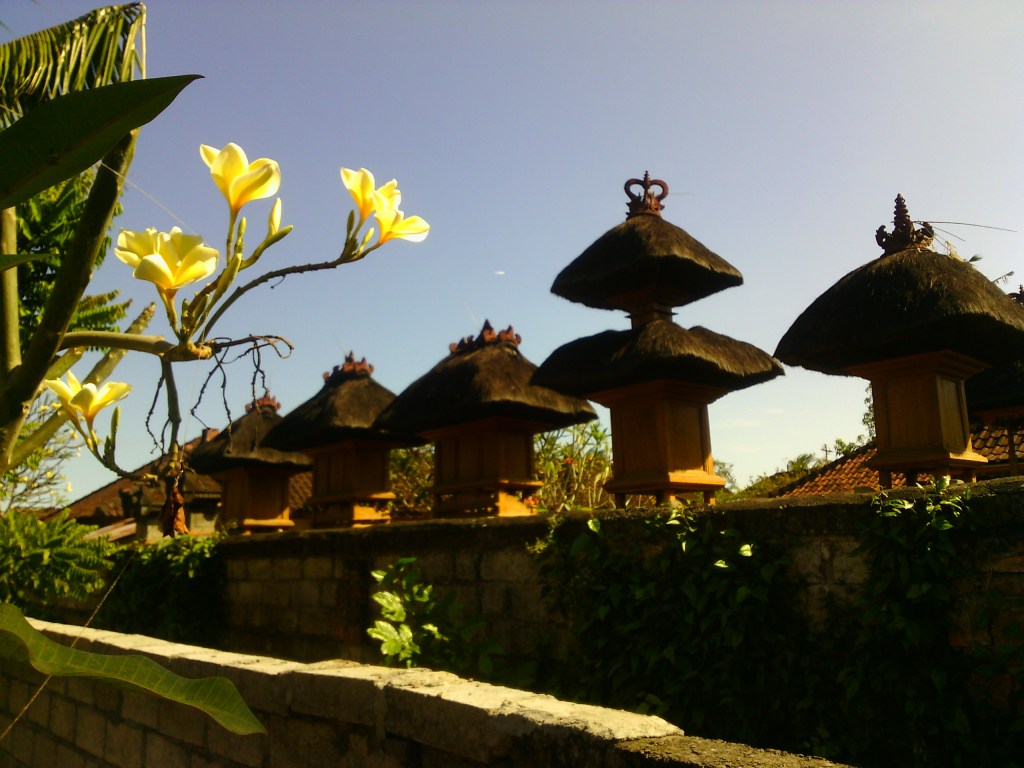
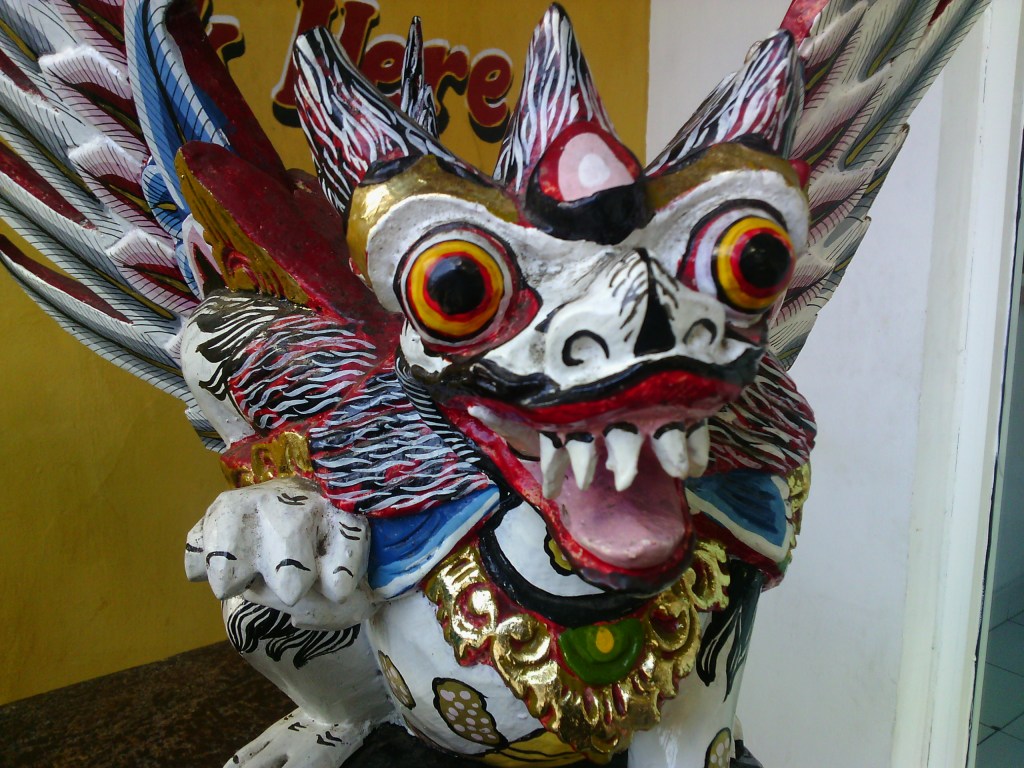
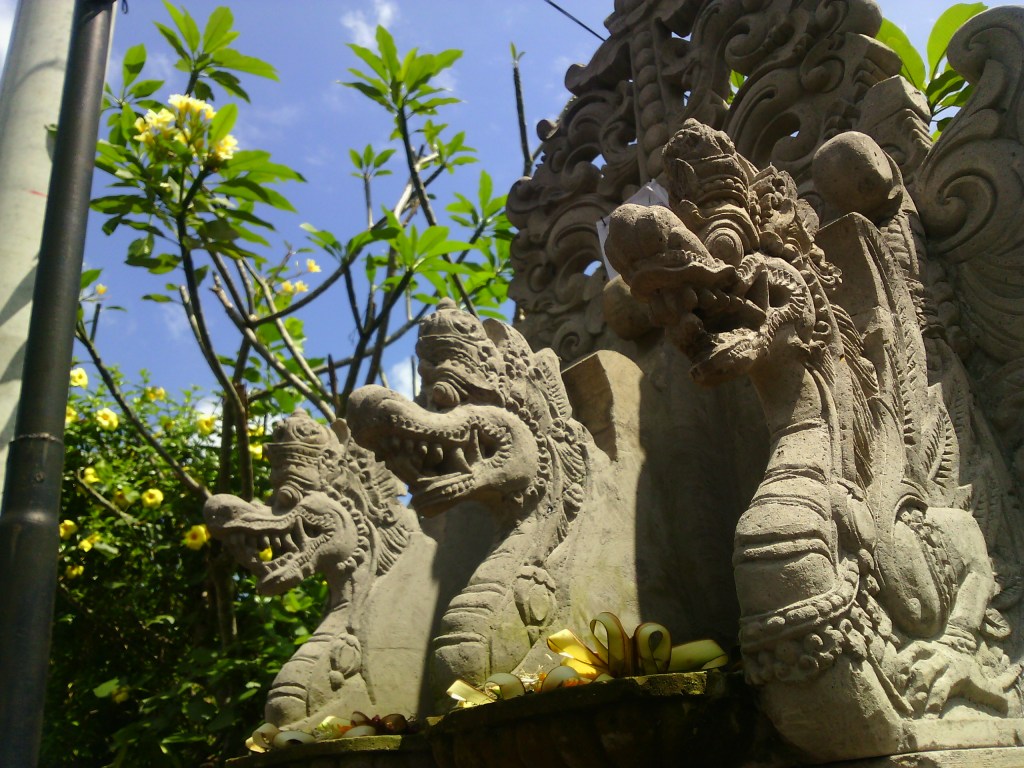
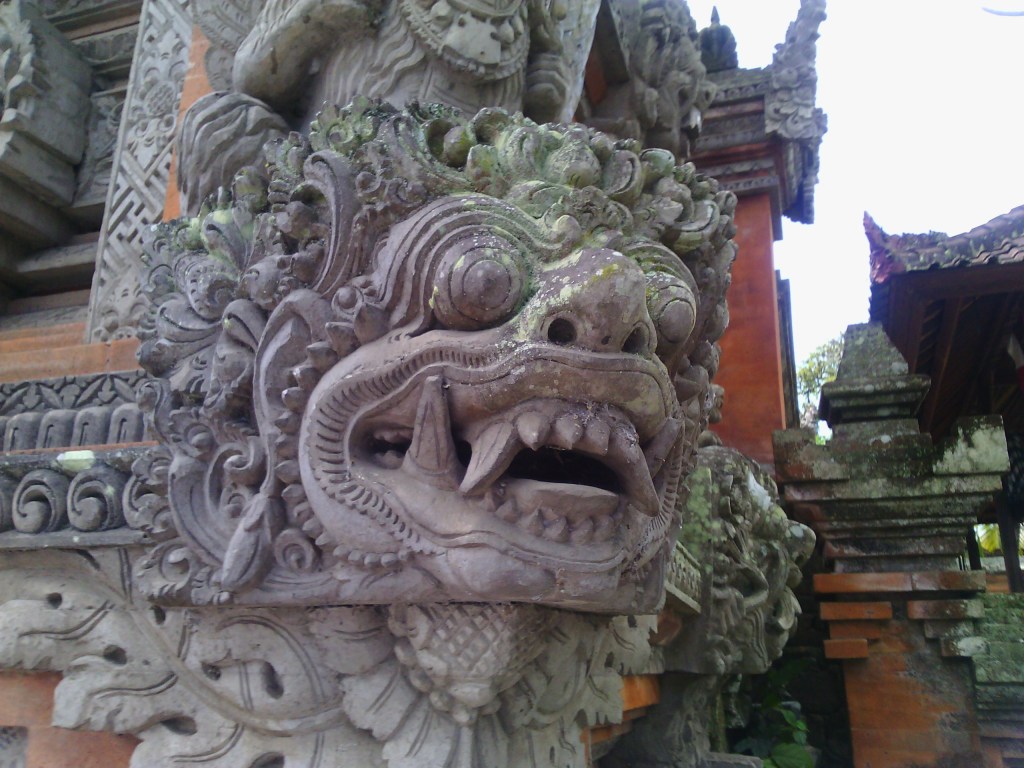
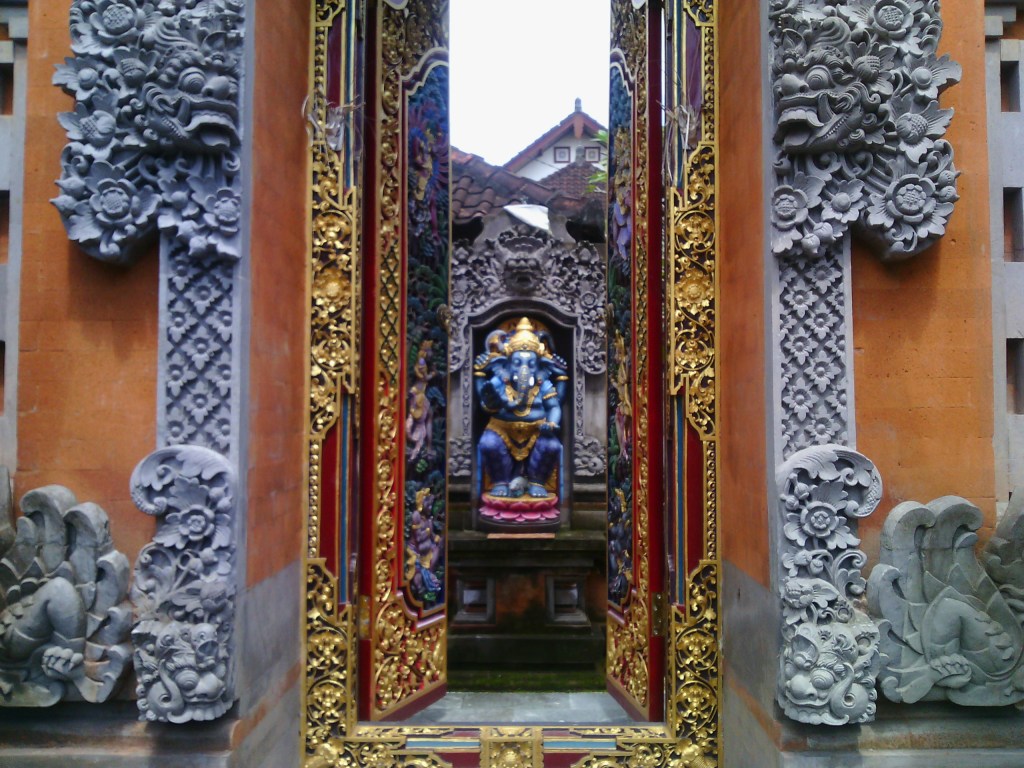
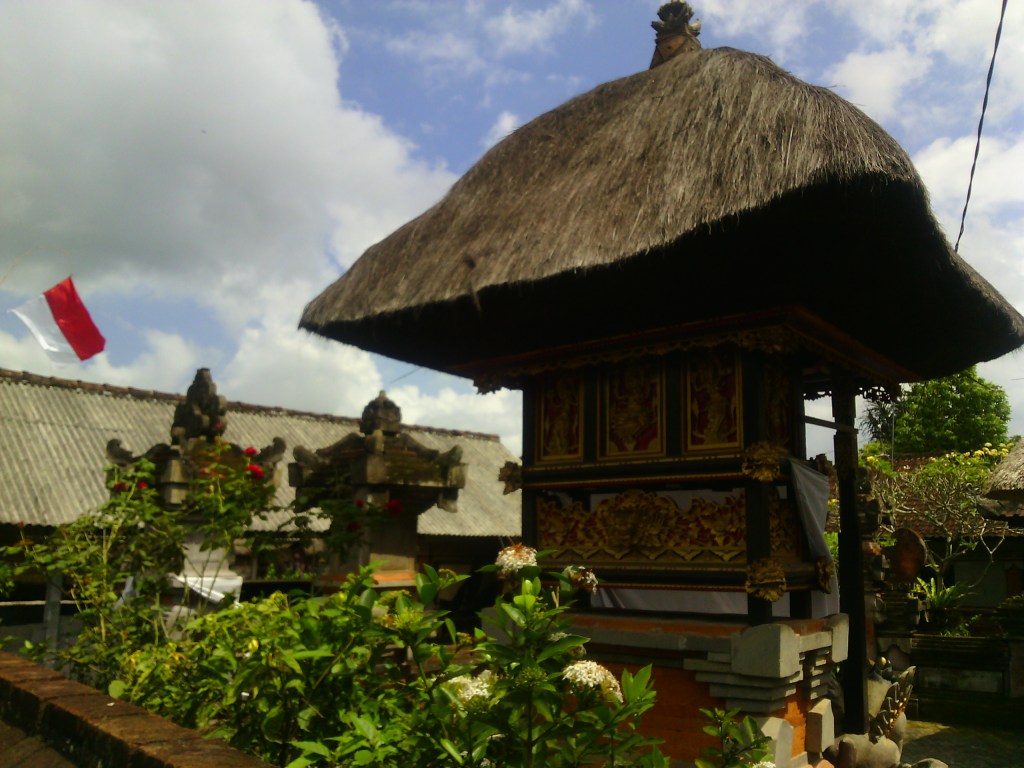
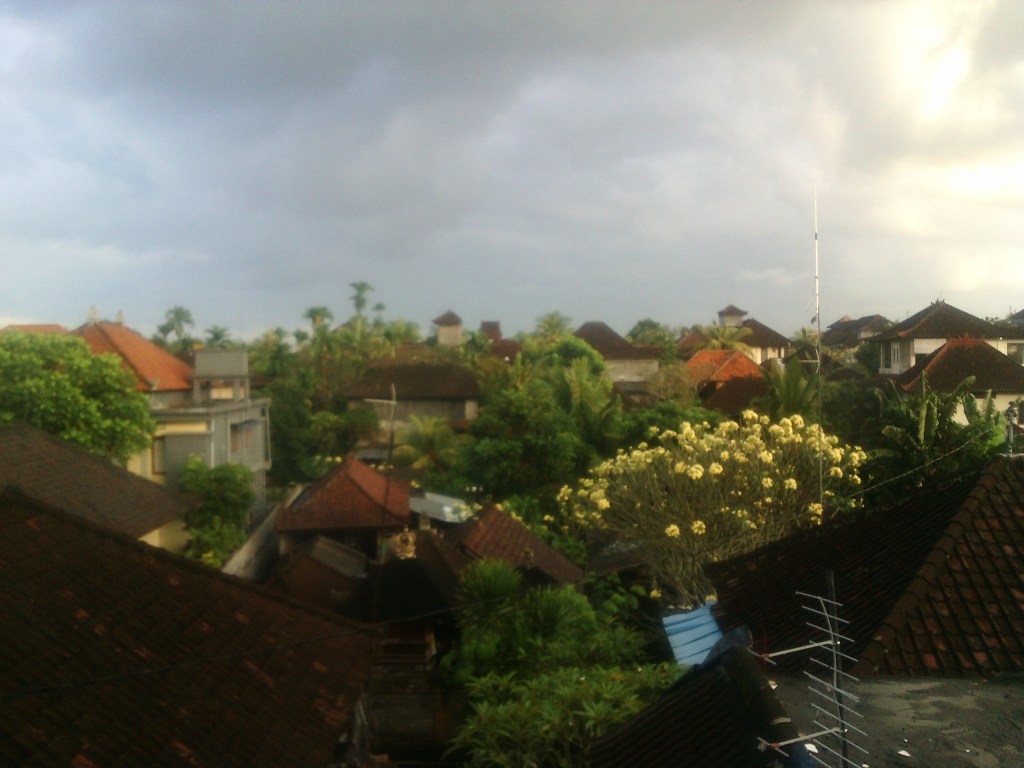
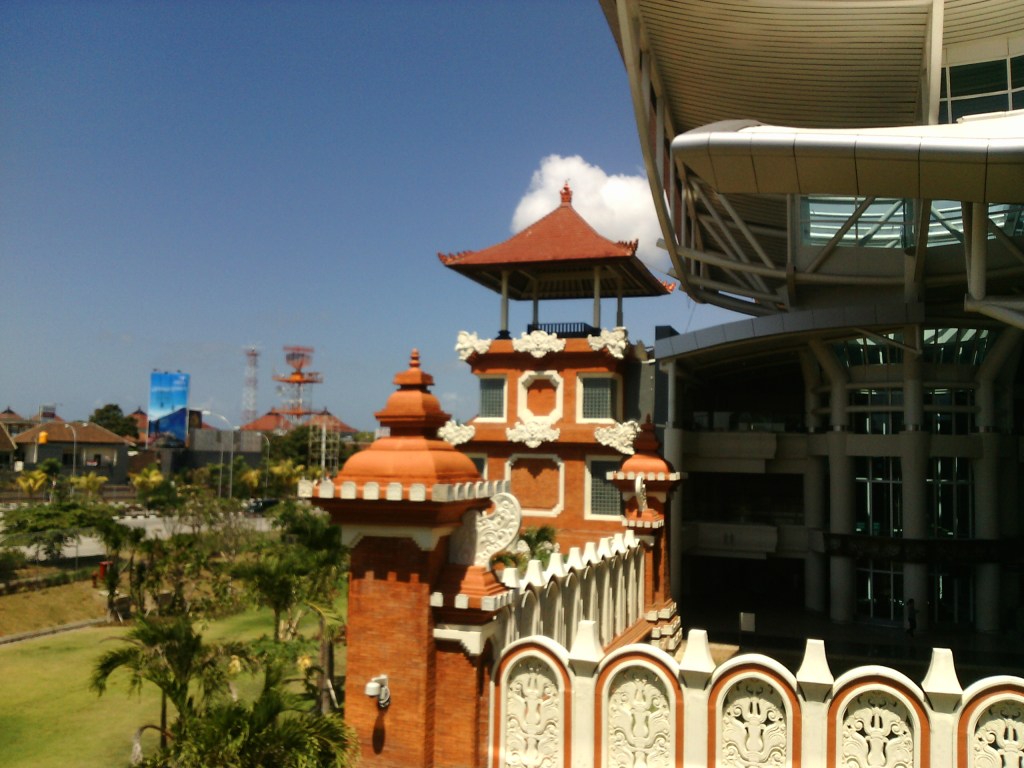
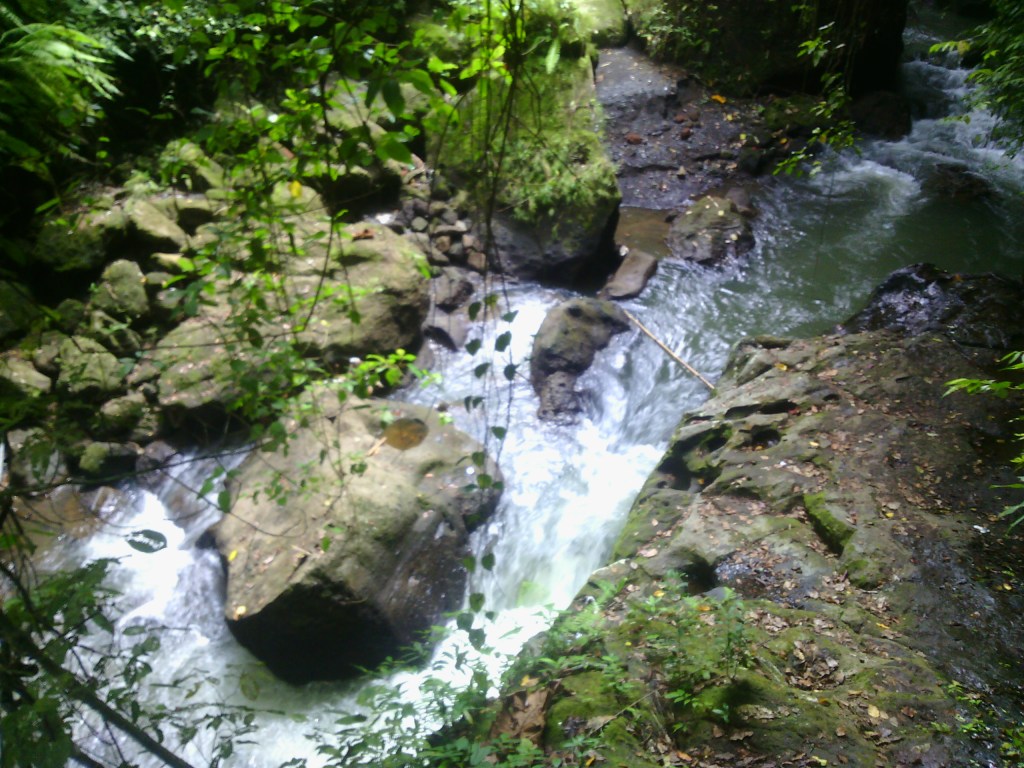
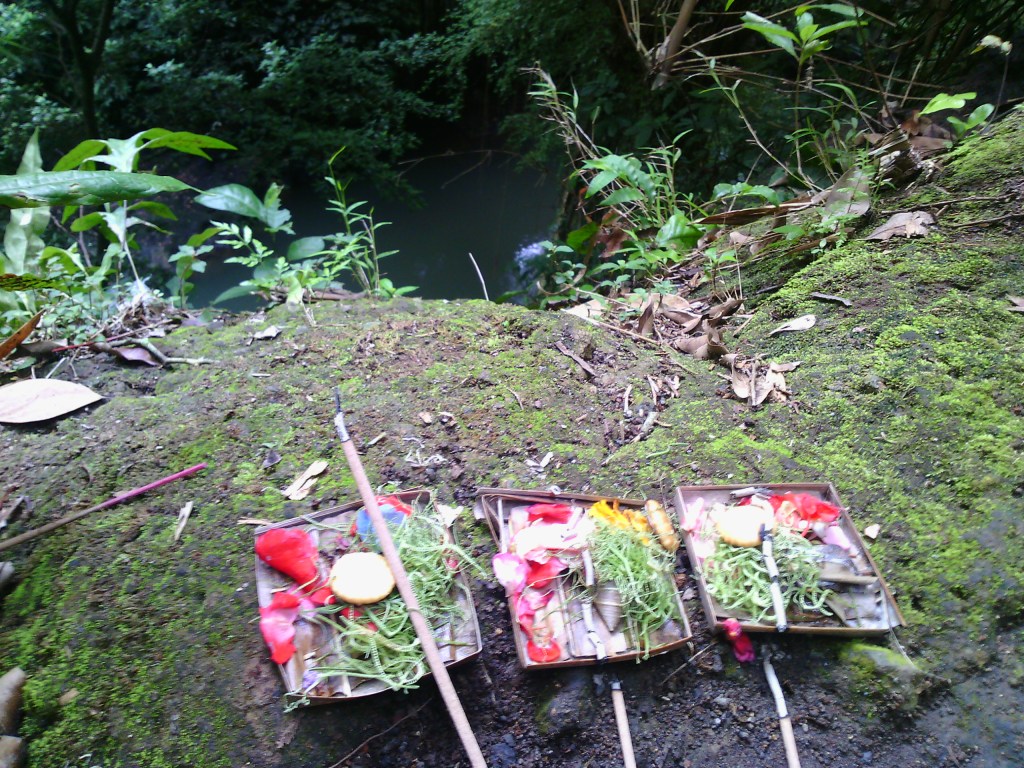
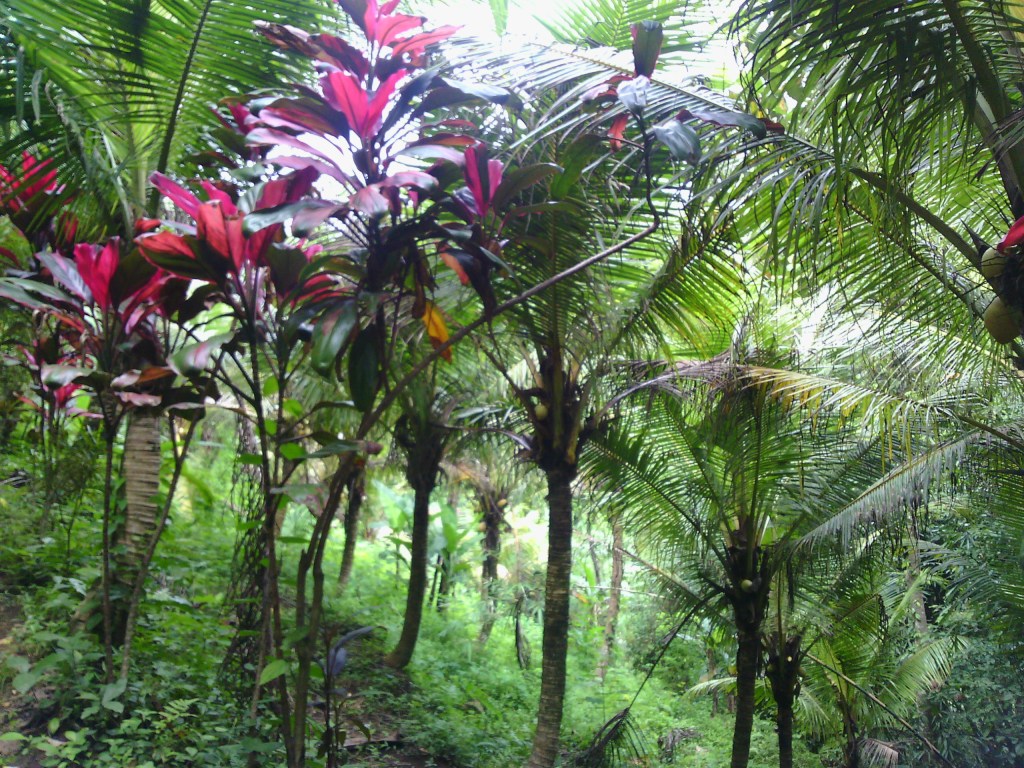
Bali, Indonesia
Bali, Indonesia
Bali, Indonesia
Bali, Indonesia
Bali, Indonesia
Bali, Indonesia
Bali, Indonesia
Bali, Indonesia
Bali, Indonesia
Bali, Indonesia
Bali, Indonesia
Central Java, Indonesia
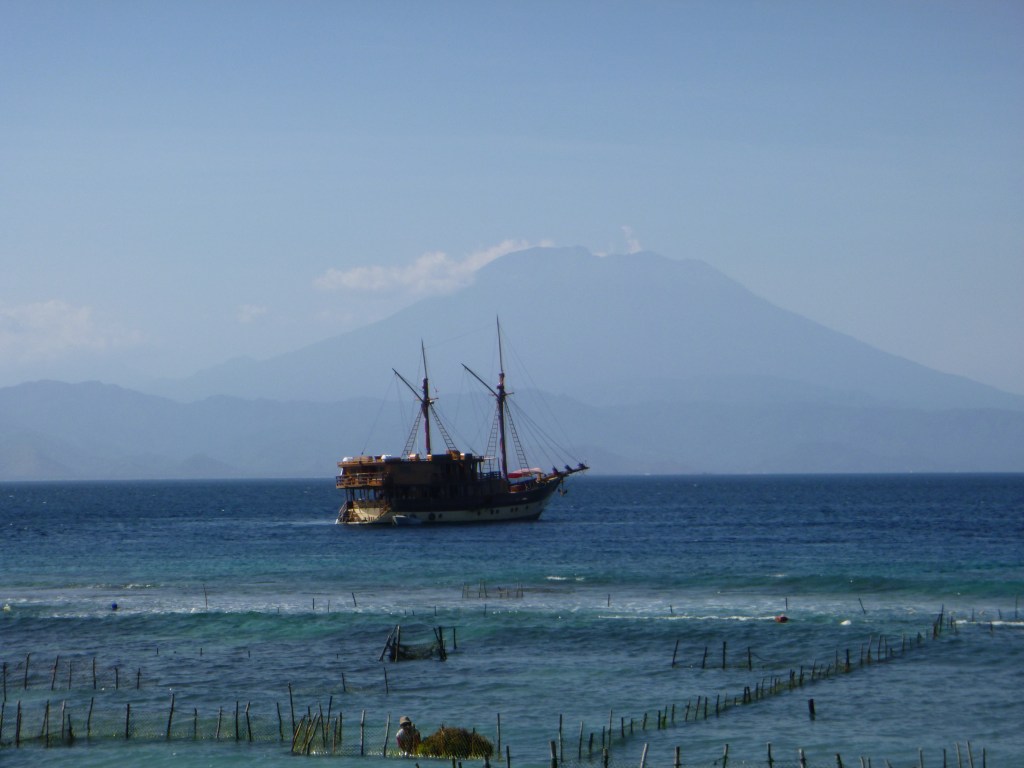
Nusa Penida, Indonesia
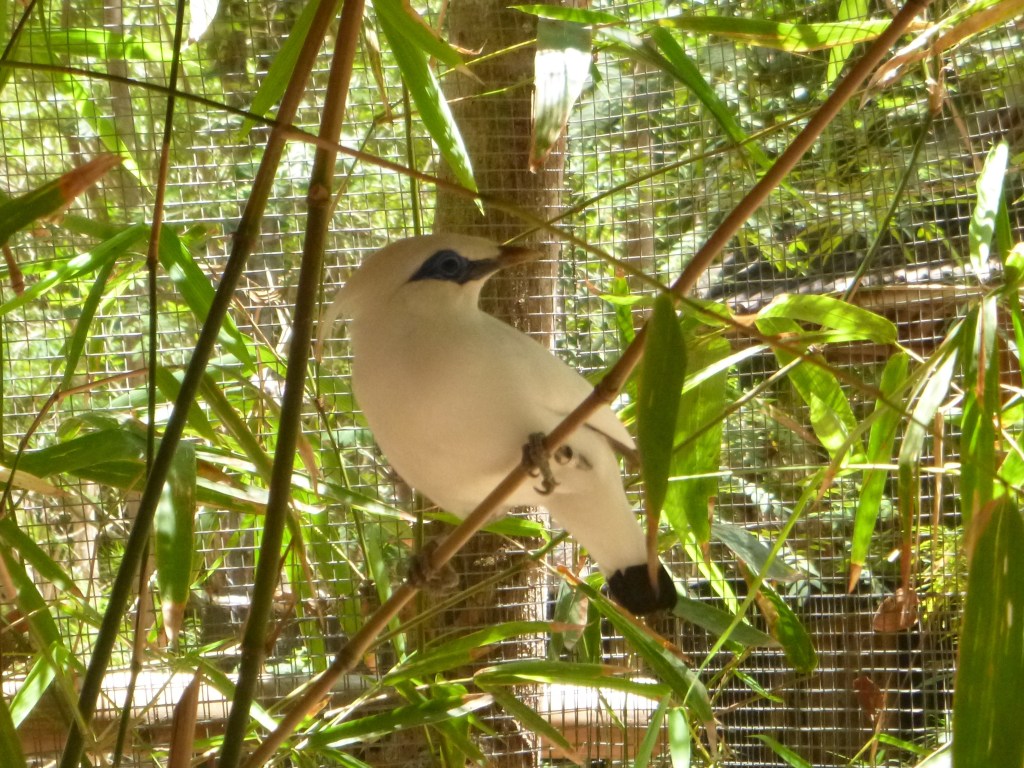
An endangered Bali Starling, Nusa Penisa, Indonesia
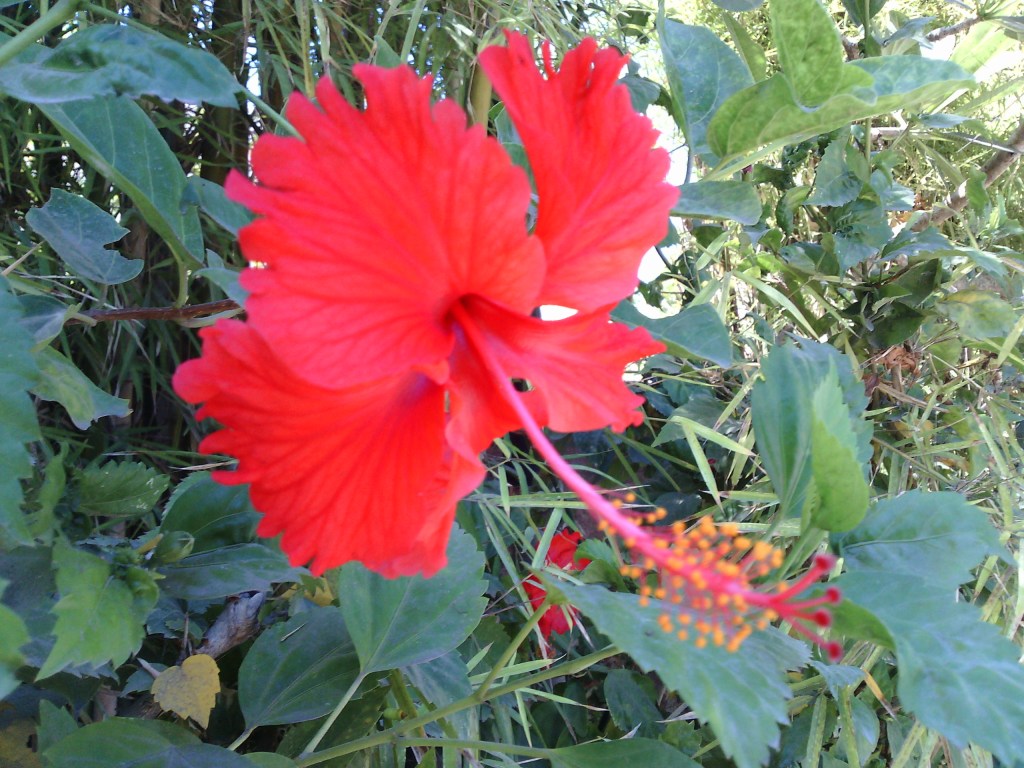
Bali, Indonesia
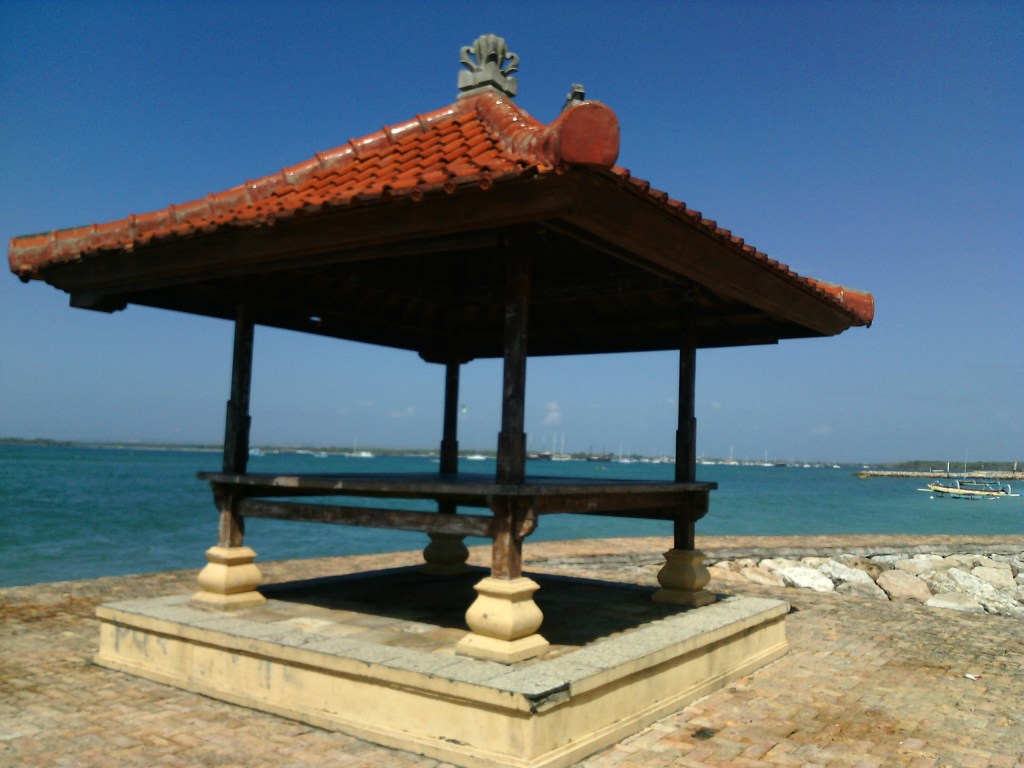
Bali, Indonesia
Bali, Indonesia
Bali, Indonesia
Bali, Indonesia
Bali, Indonesia
Bali, Indonesia
Bali, Indonesia
Bali, Indonesia
Bali, Indonesia
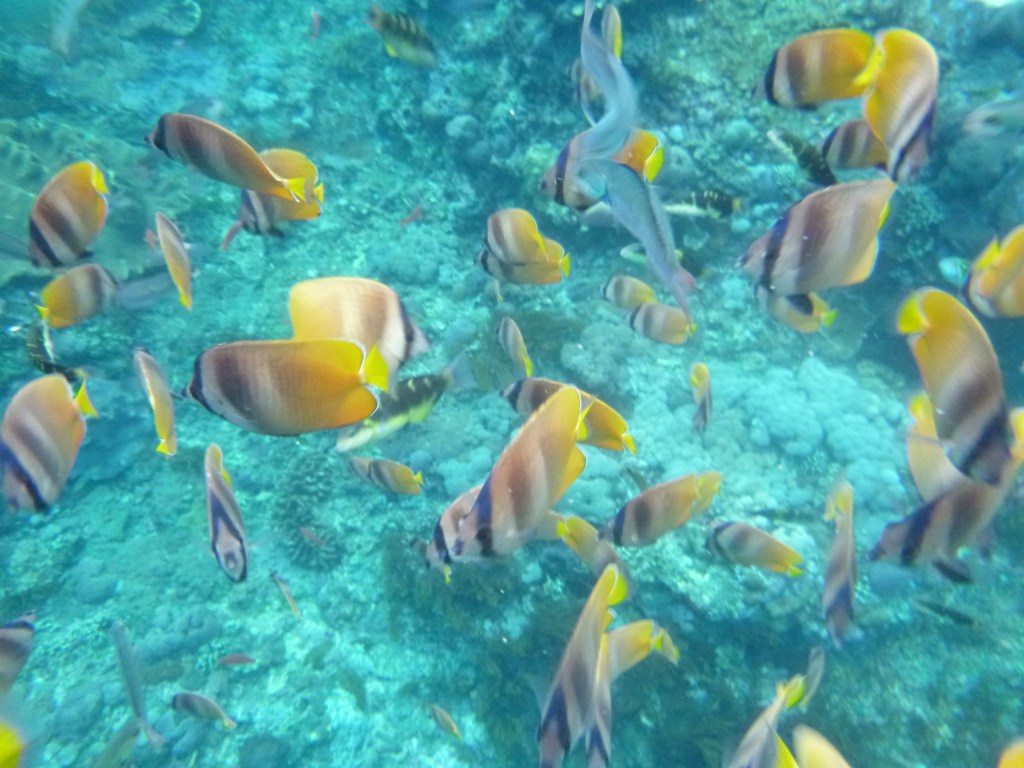
Nusa Penida, Indonesia
Credits
Dave Edwards – saron, jublag, jegogan, field recordings, bass, electric guitar, tenor saxophone
The field recordings are mixed alongside gamelan ensembles, recorded between 2010-2018;:
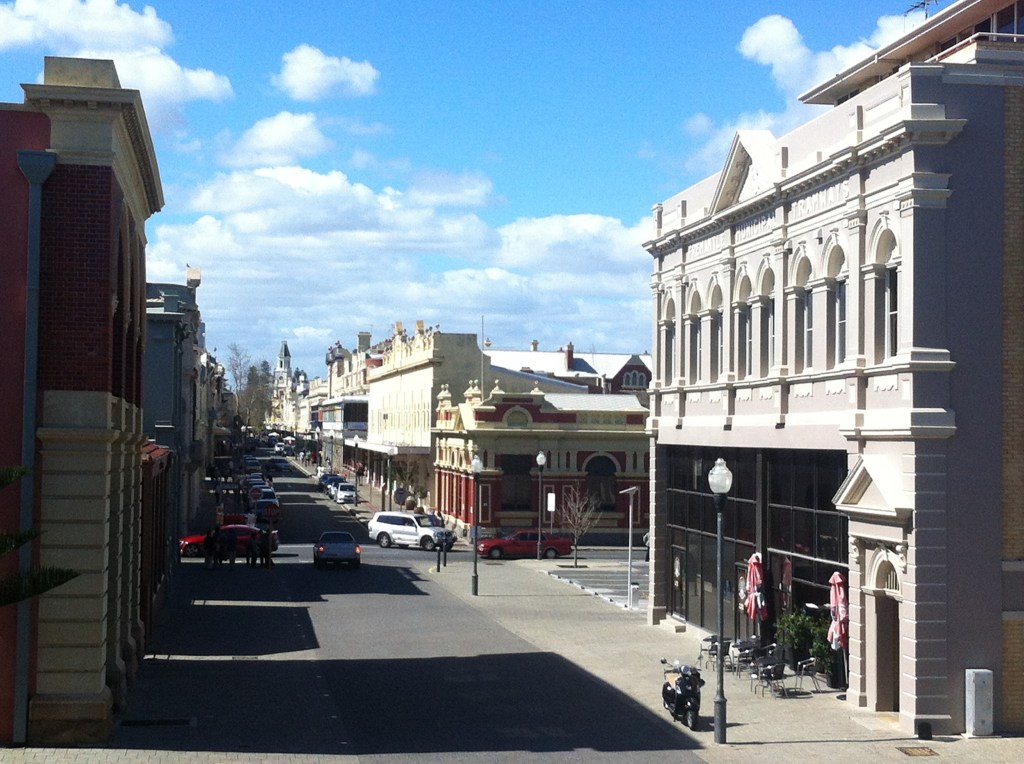
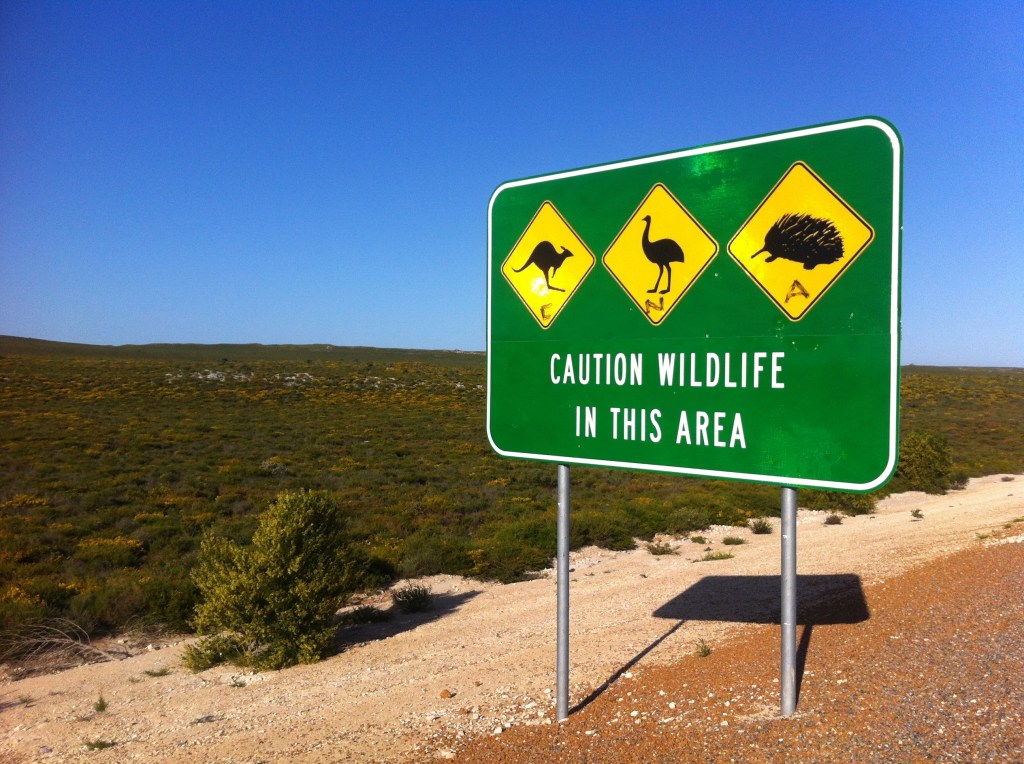
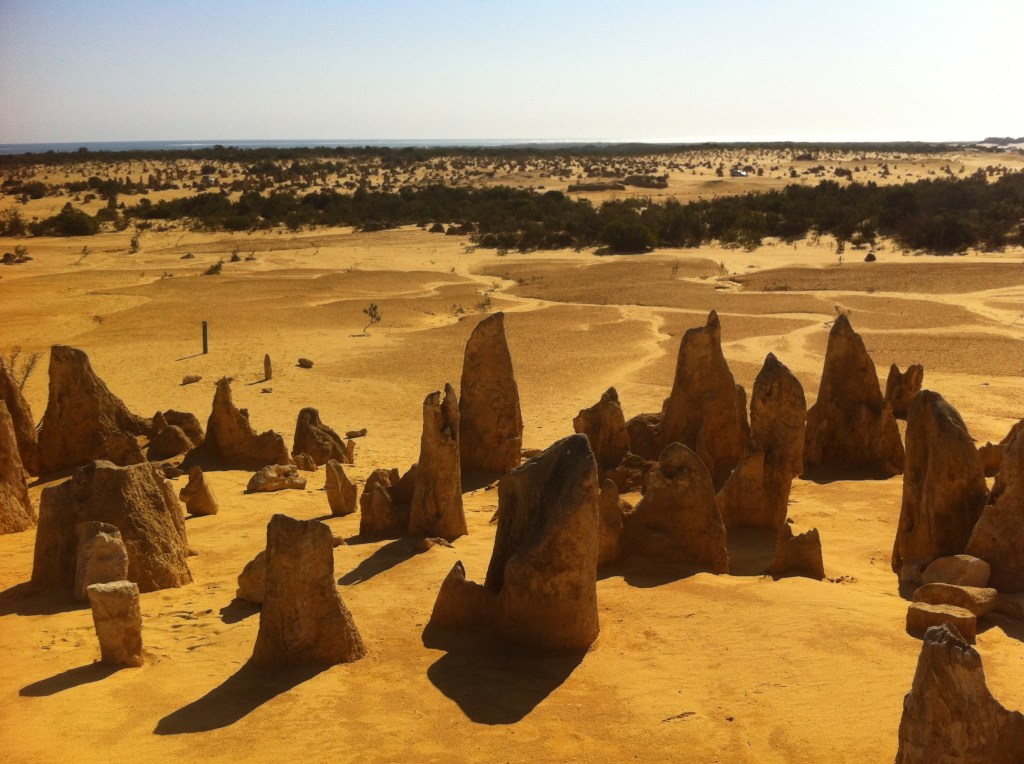
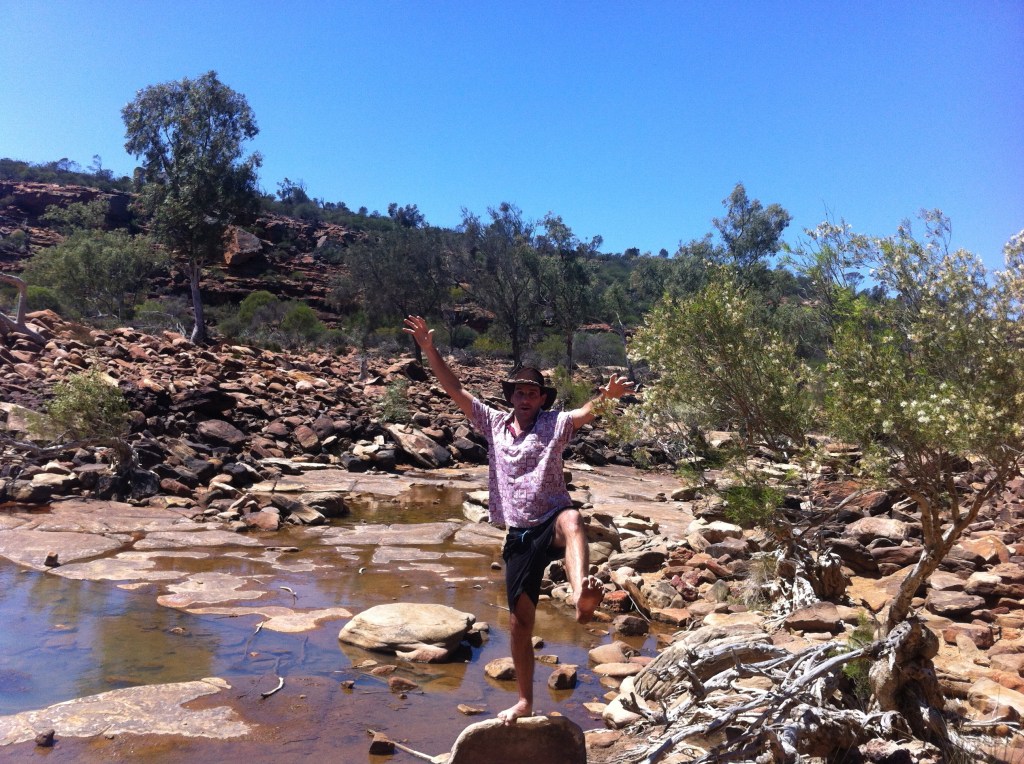
in a wildflower state is a lost album – recorded in Perth WA and surrounding regions, between 2012-2014 – unreleased at the time.
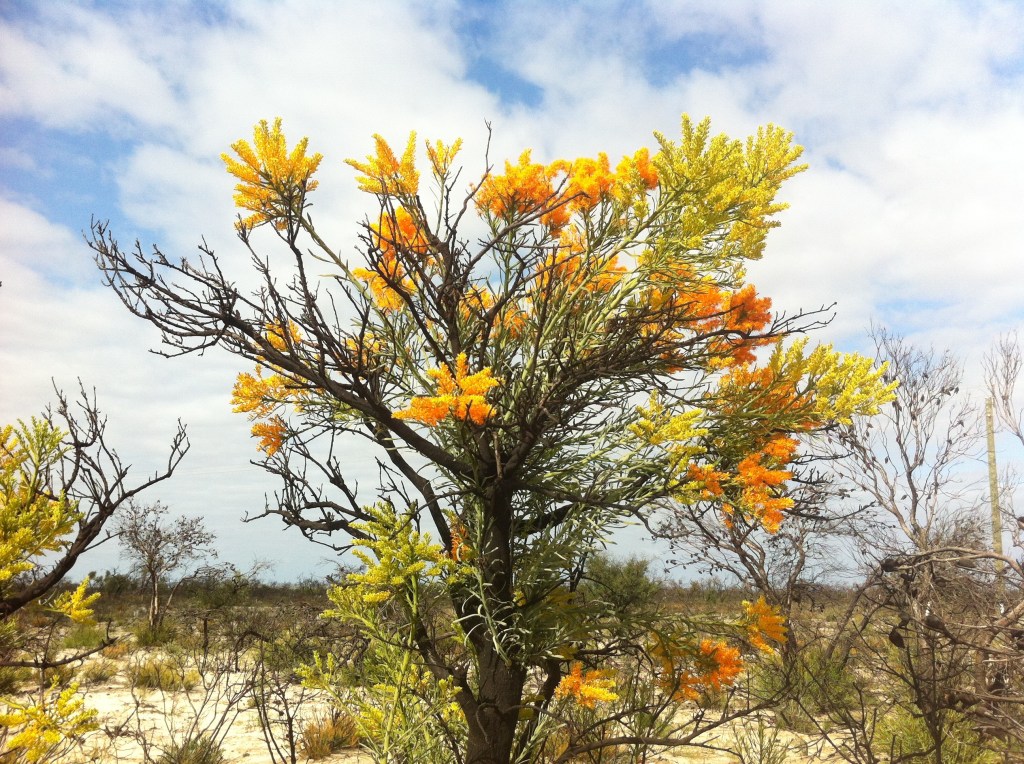
The music here is rustic, reflecting the vast ancient arid landscape, overlaid with touches of Nyoongar and bogan sounds. It includes appearances by Nat da Hatt,Cylvi M, and Renato Salvador.
Known as ‘the Wildflower State’, Western Australia covers an enormous area – the size of India, but with a population of under three million. Metaphorically, to be a ‘wildflower’ can also mean a wandering spirit or traveller (such as a kiwi expat on an OE).
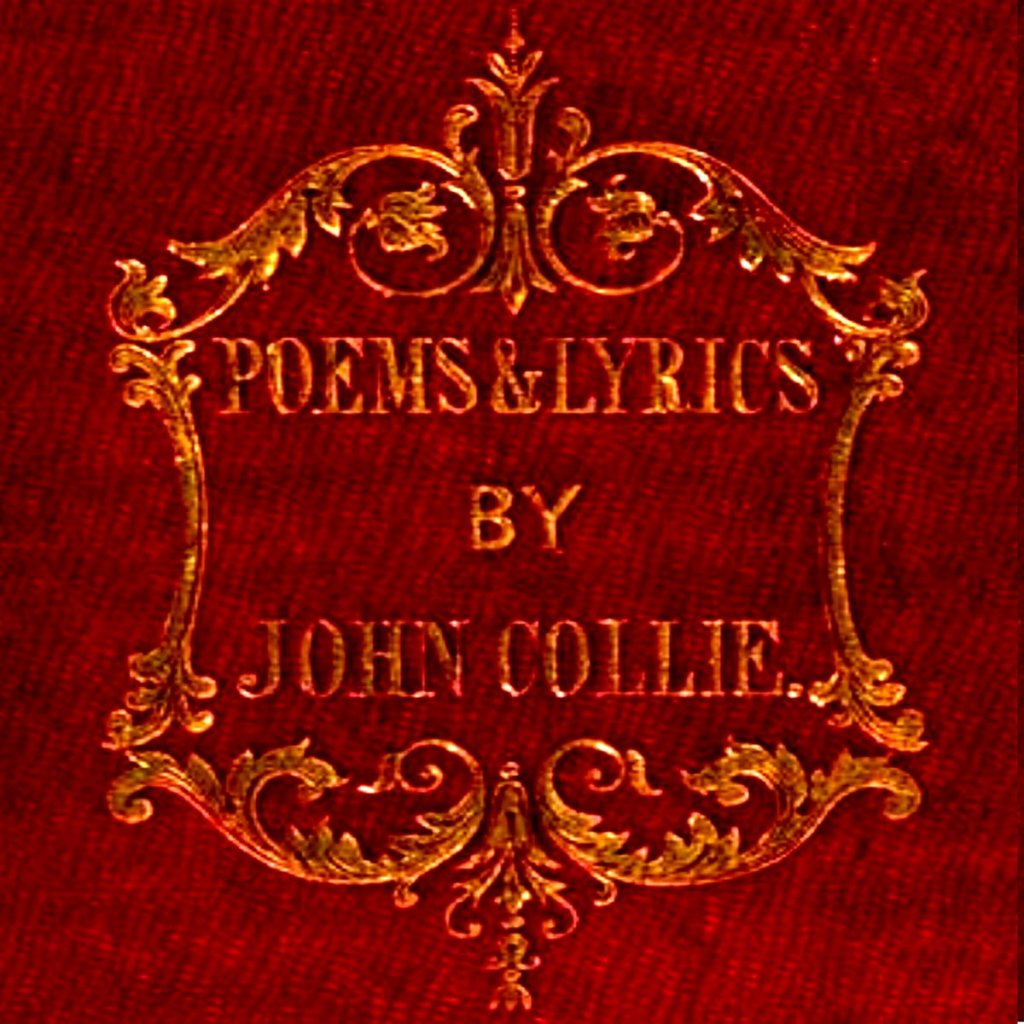
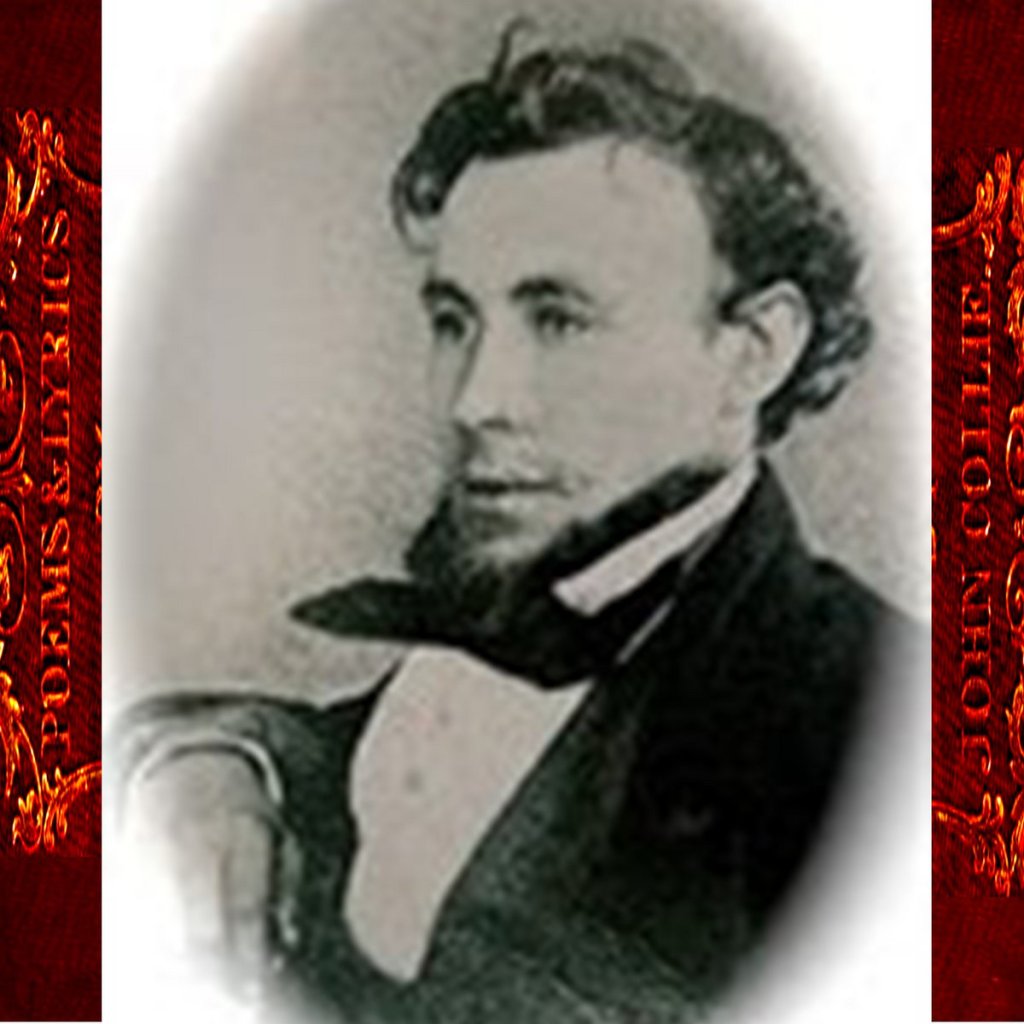
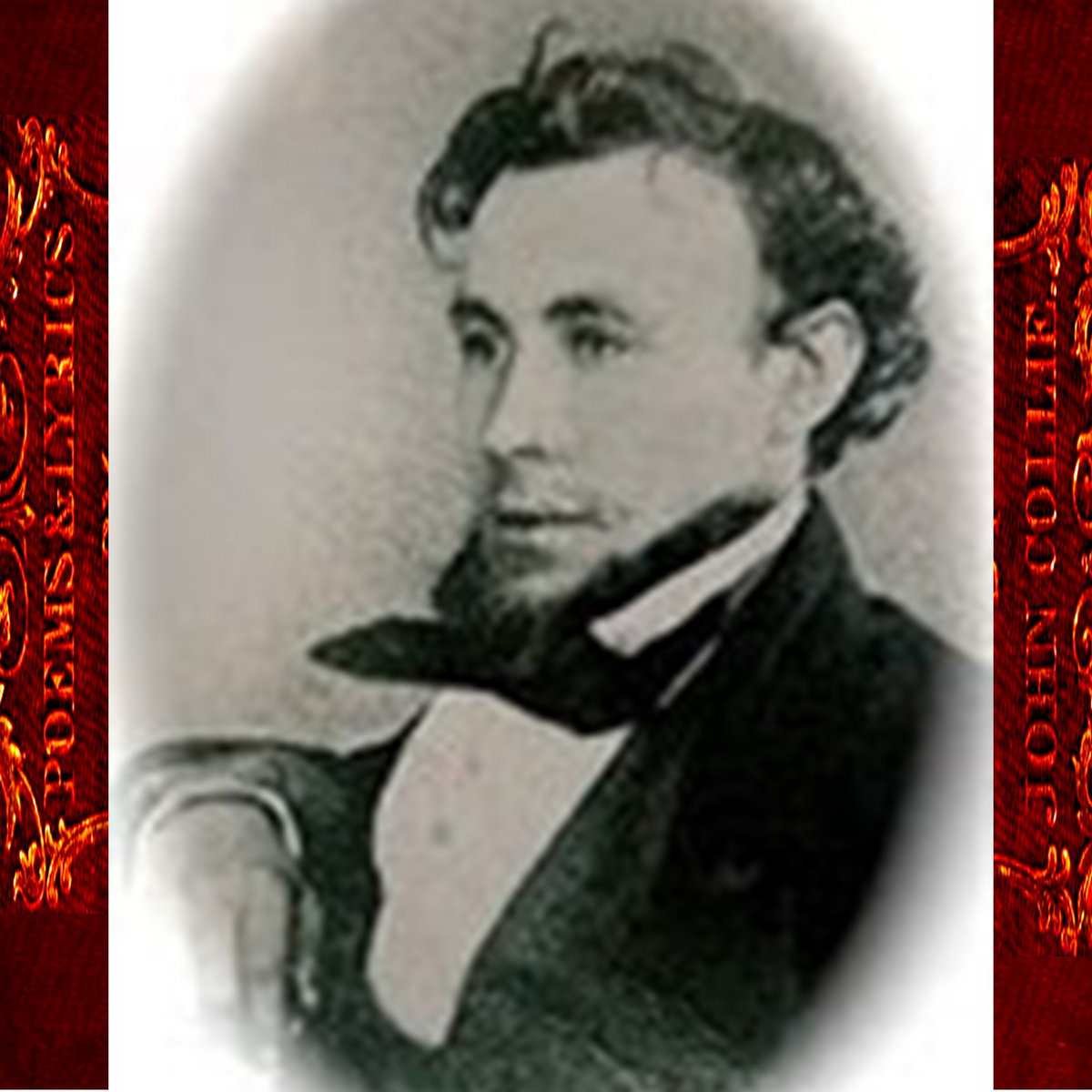
“We go from bossa nova rhythms to folk to RIO to indie to, what is interesting listening if nothing else, a dog howling along to a banjo (Oscar’s Blues) […] and songs taken from Poems & Lyrics (in the Scotch dialect) (1856), where Dave paid tribute to his ancestor John Collie who wrote a book of poems more than 150 years ago.
“It is unusual to find someone playing so confidently in such diverse areas, and anyone into independent music will certainly find something on here to enjoy – Kev Rowland, muzic.nz
águas brilhantes (or ‘glistening waters’ in English) is the Portuguese translation of Wairarapa, the Māori name of the region where I’ve lived the last few years.
Portugal is the westernmost country in Europe, with its back to it geographically and culturally. It was the edge of the known world for Europeans until the Age of Discovery. The Azores islands are even further west.
As a teenager, Manuel Bernard stowed away on a passing American whaling ship.
From a remote island in the Atlantic ocean, he ended up on an equally remote island in the Pacific – on the opposite side of the world, in Wellington, New Zealand.
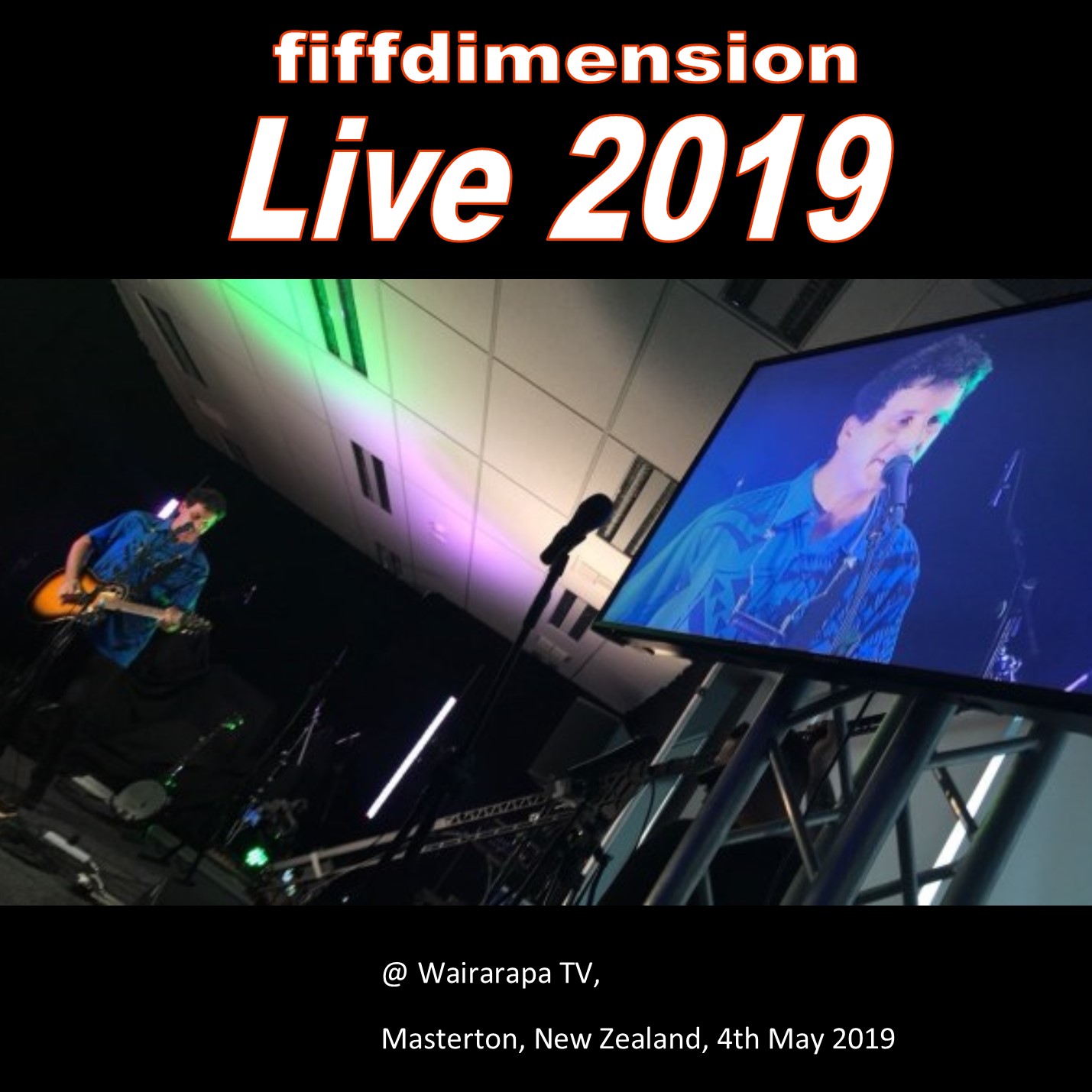
The set, at Wairarapa TV in Masterton, New Zealand, was streamed live on the internet on 4th of May 2019.
For the past couple of years I’ve been living in a small town and don’t get to as many gigs as I used to… so here was an opportunity to use 21st century technology to play ‘virtually’ everywhere.
On the other hand musically this was closer to a traditional folk/singer-songwriter set than I’d done for quite a while. I eschewed dissonant improv, multitracking, live backing musicians, field recordings, or electronic trickery this time, and used just acoustic guitar, banjo, and harmonica (and a few seconds of wah pedal on ‘Eastern’).
I also released a companion album to Live 2019 – its stroppier lo-fi postpunk ‘official bootleg’ predecesor Live 1999. This was recorded on cassette 20 years (or half my lifetime) ago, when I opened for Chris Knox at Bar Bodega in Wellington NZ last millennium:
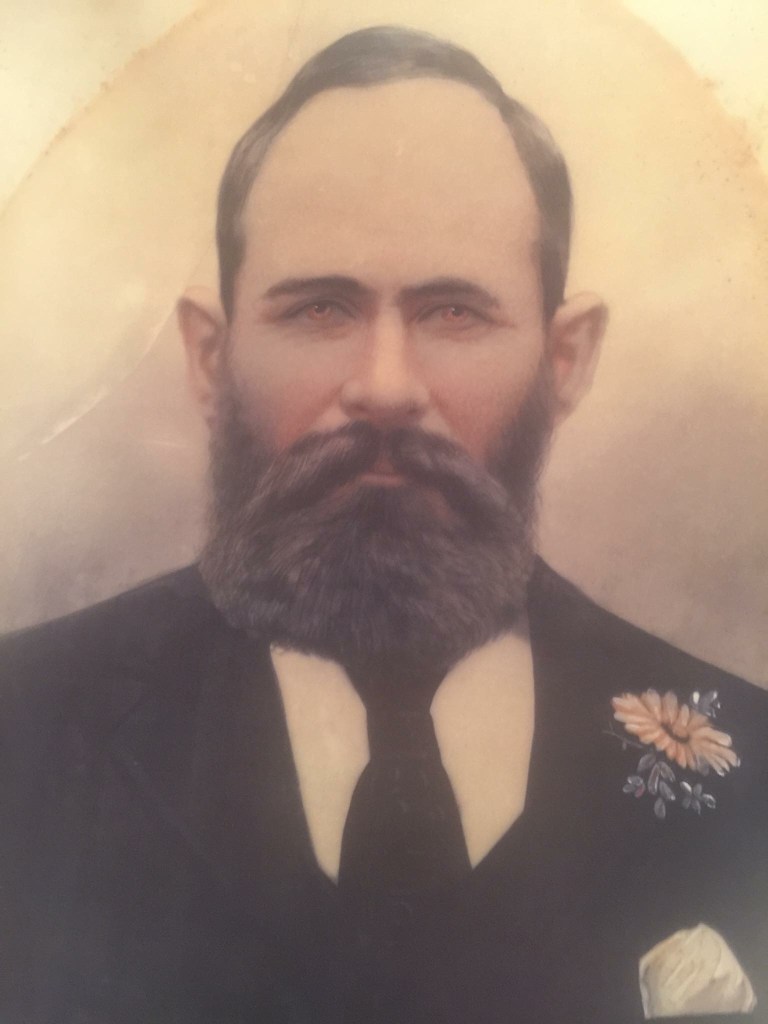
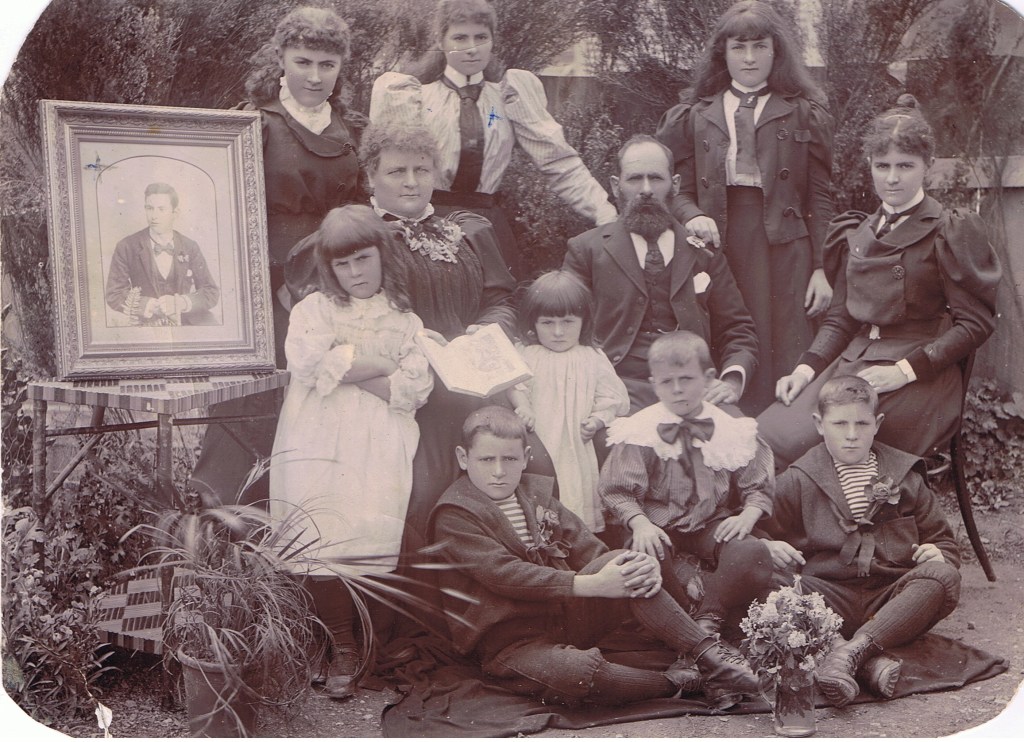
* and I continued to adapt the 19th century book ‘Poems & Lyrics by John Collie’, which I’d learned was written by my Scottish great-great-grandfather in 1856 before he came to NZ. Three of his poems featured on Live 2019, with more in the pipeline.
Animated visuals, with electric guitar loops, one-stringed bass, and drums – the opening track from the ‘Ngumbang‘ album (get the free download) – w/ Emit Snake-beings & Nat da Hatt