East to West brings together for the first time two of New Zealand’s more unusual artist/musician/filmmaker/ethnomusicologists, taking the audience on an epic journey from one side of the Eurasian continent to another in the space of an hour. Continue reading “Dave Black & Snake Beings: East to West”
Tag: avant-garde
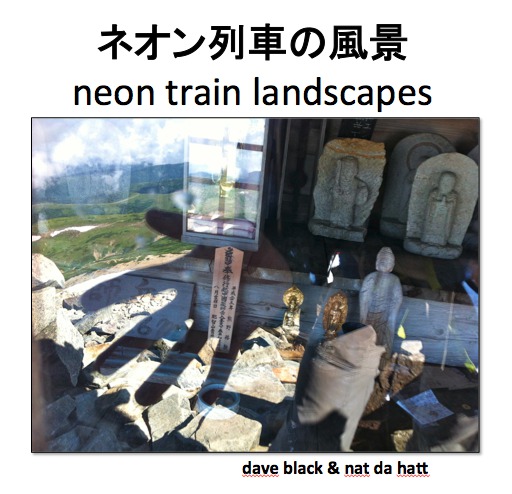
ネオン列車の風景 Neon Train Landscapes (Japan, 2012)
Listen
About
Like 日本 itself, this music offers a surrealistic fusion of ancient and modern. released 31 January 2014
Crossing the Japan Alps
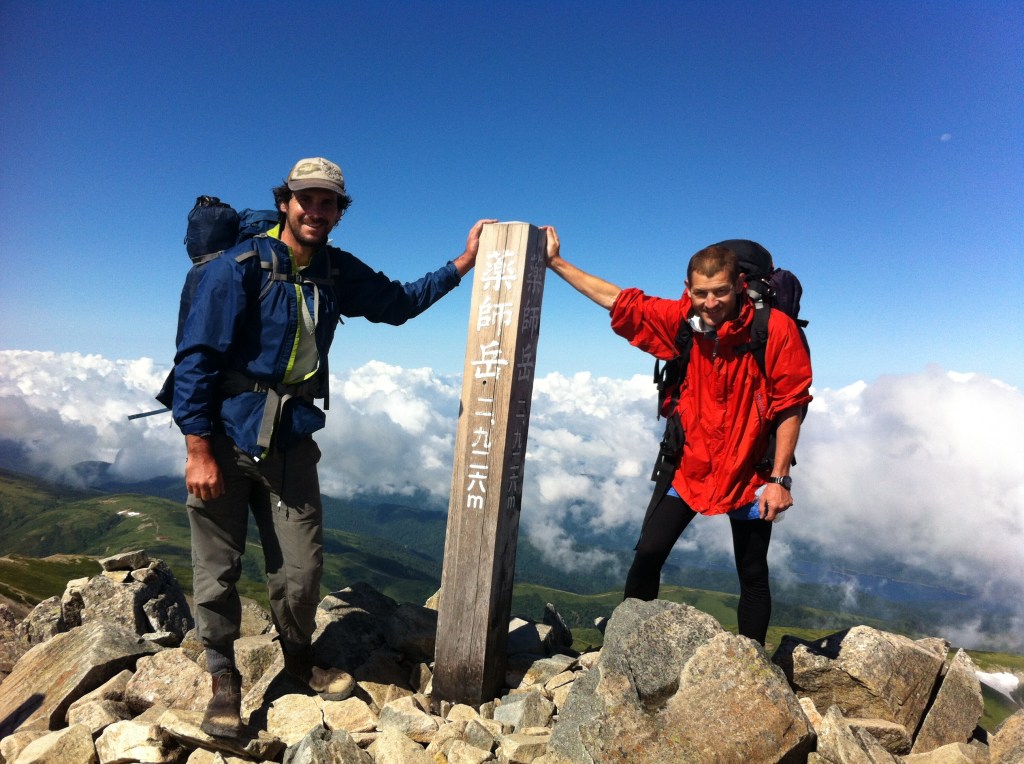
As well as recording music together, we completed a six-day hiking mission across the northern alps in July 2012, from Kamikochi to Toyama.
Asadoya Yunta Overdrive (Okinawa)
The album closes with our rendition of a traditional Okinawa shima uta (island song). It’s a tribute to Japan’s southernmost island prefecture, where Dave lived in 2011/12. The ‘overdrive’ is a tribute to early Pink Floyd, reflecting the psychedelic update of the tune.
Credits
Nat da Hatt – electric & acoustic guitars, drum machine, synths, laptop, samples
Dave Black – bass, banjo, acoustic guitar (5), electric guitar (3), loop pedal, electronics, laptop, field recordings



Tracklist
| 1. | 東京から槍ヶ岳 Tokyo to Yarigatake 03:38 |
| 2. | 携帯電話 Keitai Denwa 05:43 |
| 3. | 幸せとは何?What actually is happiness? 04:17 |
| 4. | 剃毛電球ブルース Shaved Lightbulb Blues 04:18 |
| 5. | 福岡に到着 Arrival in Fukuoka 04:41 |
| 6. | 電機市 Denki Ken 03:58 |
| 7. | 平仮名 Hiragana 04:57 |
| 8. | 薬師岳から漓江まで Yakushidake to Li Jiang 05:07 |
| 9. | 安里屋ユンタオーバードライブ Asadoya Yunta Overdrive (Okinawa) 05:20 |
Further listening: see ethnomusicology
Dave solo trip across Kyushu, March 2012
Nat da Hatt solo albums
Other duo tracks
Nat da Hatt also contributes guest tracks to
in a Wildflower State (WA, 2013)
and
Gamelan Dimensi Kelima (Indonesia, 2014)
Fame & Oblivion: 2005-2012
“This is something that he has to do, that he will do, come fame or oblivion” –Chris Knox
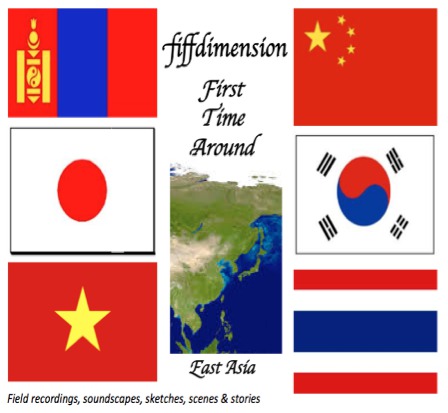
- Made in New Zealand, Australia, South Korea, Thailand, Mongolia, and Japan.
- Includes tracks by Ascension Band, The Winter, Cylvi M, Wellington’s Most Famous Orchestra of Miraculous Delights, Dave Black & Nat da Hatt.
“As Dave Edwards he has explored fuzzy punk, free-jazz, spoken word, alternative-folk and demented pop… as Dave Black, the palette is broadened” – Simon Sweetman
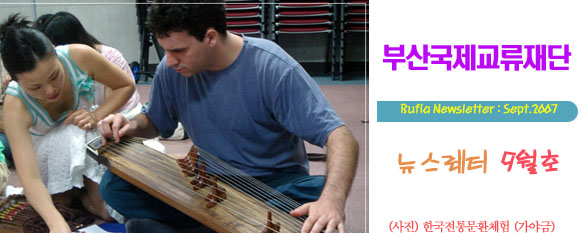
by Dave Black (acoustic & electric guitars, banjo, harmonica, laptop, bass, tenor saxophone, field recordings, piano, gayageum, vocal), with
- Mike Kingston (acoustic guitar),
- Simon Sweetman (percussion),
- Nat da Hatt (electric guitar, keyboards),
- Cylvi M (vocal, field recordings, percussion, shakuhachi),
- Hayden Gifkins (electric guitar),
- Nigel Patterson (hammond organ),
- Ryan Prebble (tone generator),
- Matthew Thornicroft (electric guitar),
- Jeff Henderson (drums),
- Noel Meek (vocal),
- Hans Landon-Lane (ukulele)
- and field recordings from Australia, South Korea, Thailand, Mongolia, and Japan.

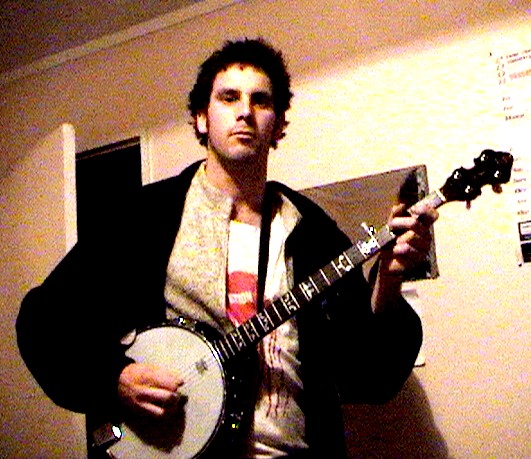

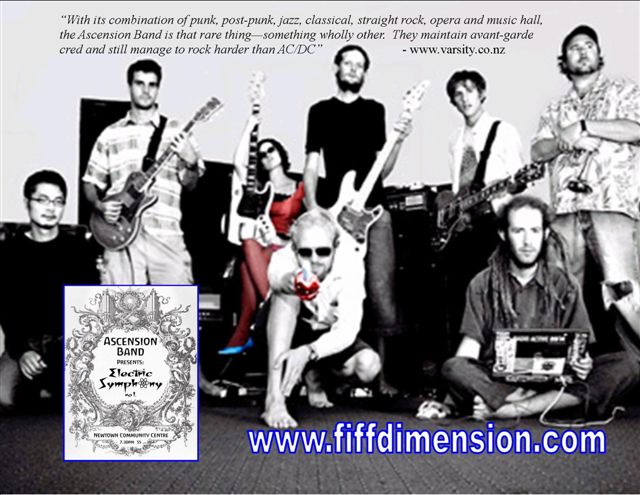
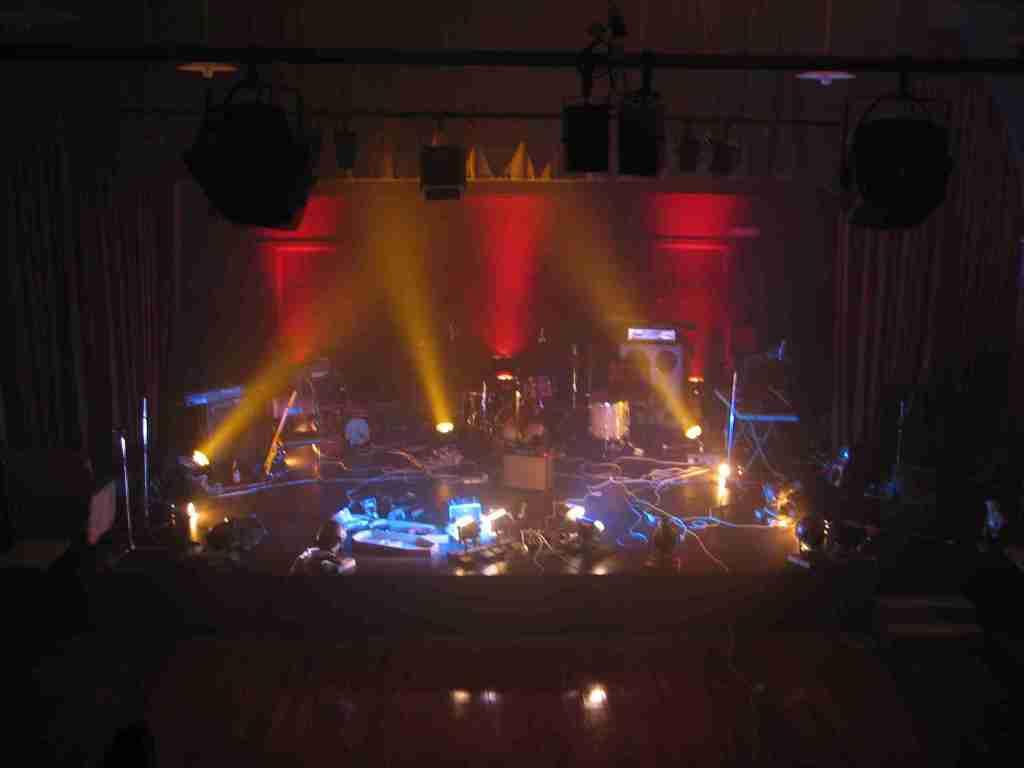

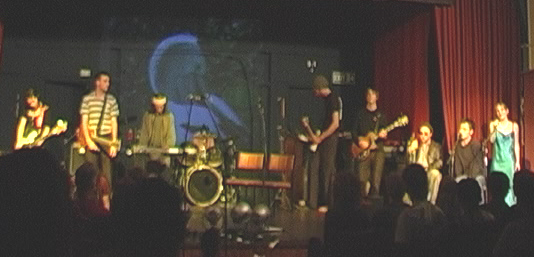
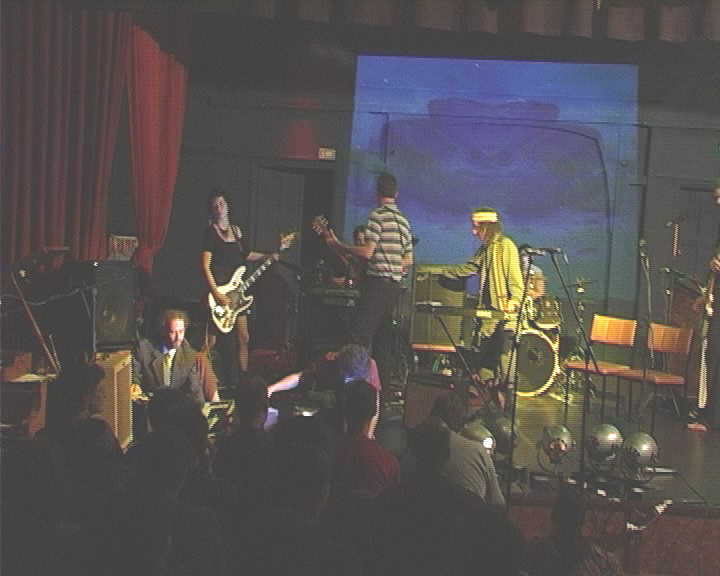
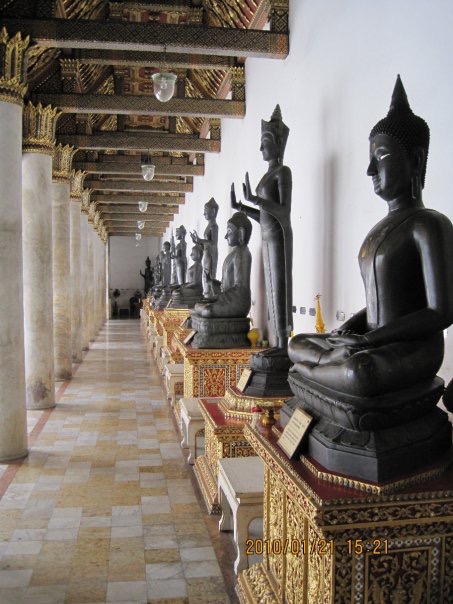
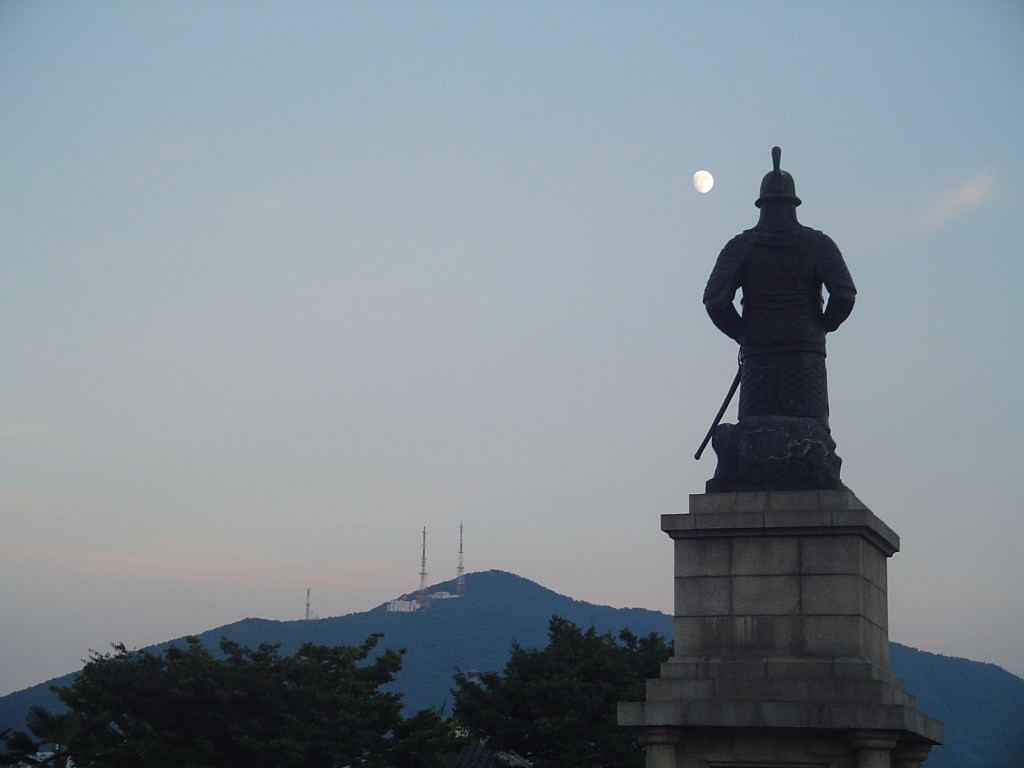
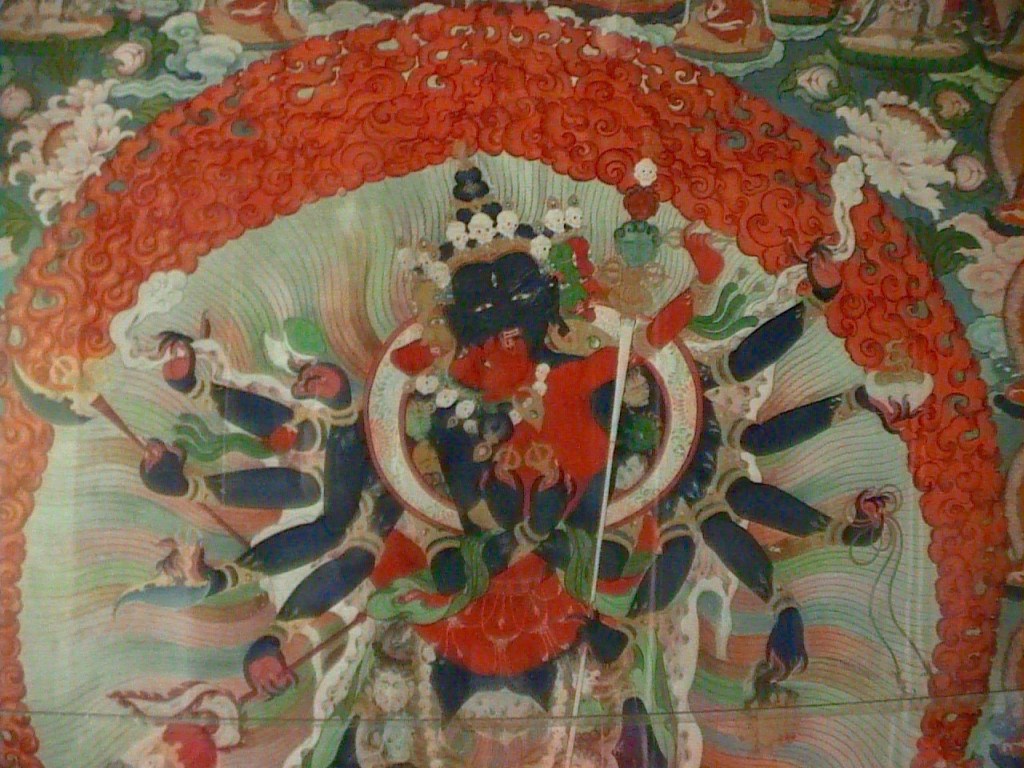
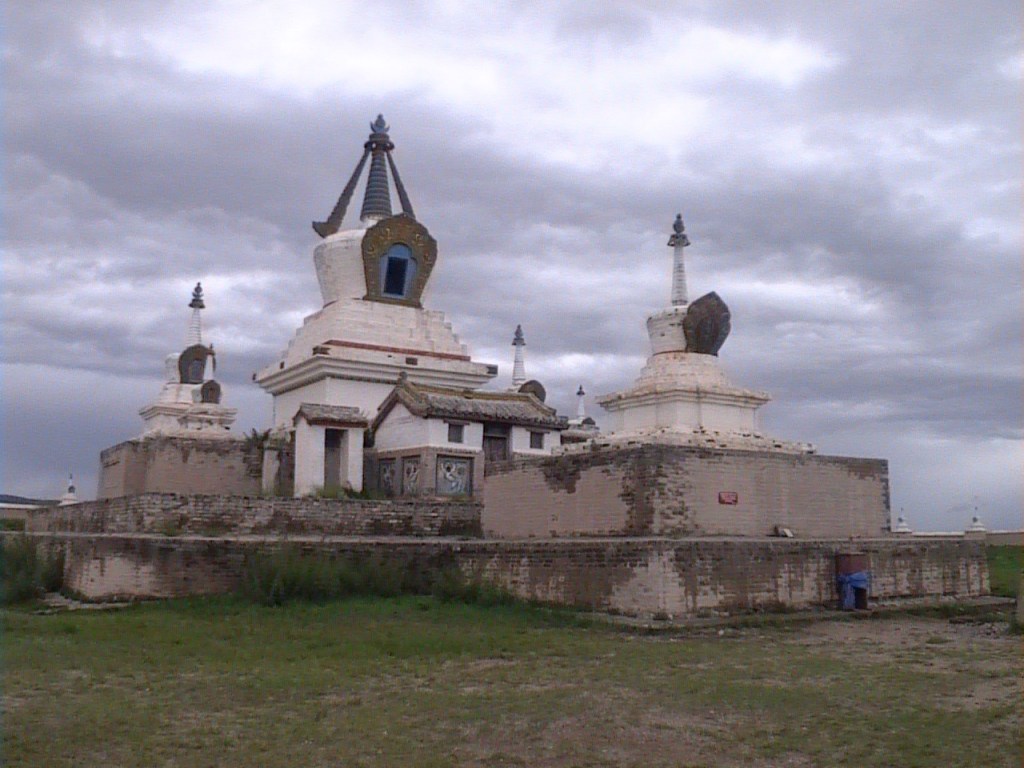


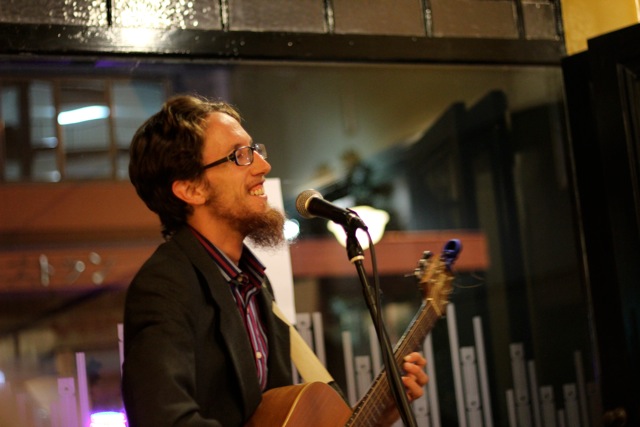
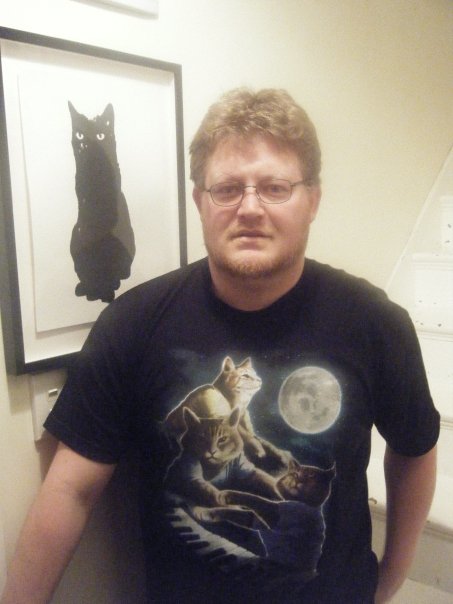
“Experimental and avant-garde…. There is a clear passion, and a commitment to pushing the boundaries… This will challenge your perceptions of what constitutes music and open the mind to new possibilities of sounds that surround us – muzic.net.nz“
- This is a sequel to the Gleefully Unknown: 1997-2005 compilation.
- The third part of the trilogy, Other Islands: 2012-2018, documents my return to NZ via other Asia-Pacific countries,
- A fourth volume águas Brilhantes: 2018-2022 covers more recent works made in the Wairarapa and Fiji.
South Island Sessions (2006)
Recorded in Nelson, NZ, 2006.
Listen
About
1861 revisited – my pākeha (European) ancestors, John ‘Totara Jack’ and Mary Edwards, arrived in the South Island of New Zealand on board the Olympus and settled in Nelson1.
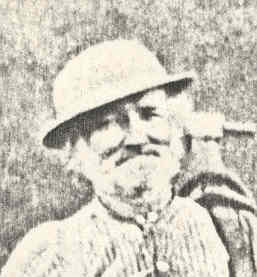 John ‘Totara Jack’ Edwards
When I lived nearby a century and a half later,
- I found the address where they’d lived, just below a spot on a hill that marks the geographical centre of NZ.
- I recorded and toured with South Island musicians;
- studied at the Nelson School of Music – and finally had the chance to learn some ‘conventional’ technique;
- played in Hokitika, Greymouth, Westport, Nelson, Blenheim, Lyttelton and Dunedin
- (as well as Brisbane, Australia2);
- and recorded the sound of tui and makomako (native birds) in Nelson Lakes National Park.
The early settler stories marked the start of an interest in genealogy, and prompted the music video for The Ballad of William Knife3 (loosely based on ‘Totara Jack’).
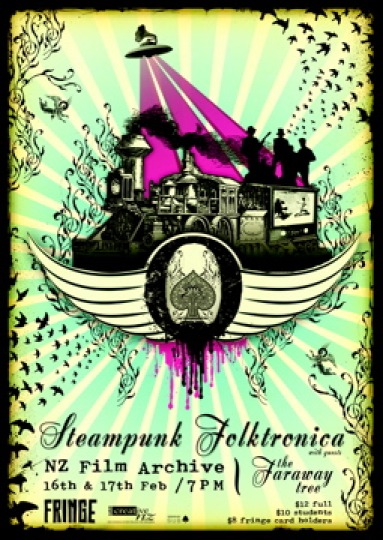
In contrast to the ‘traditional’ South Island NZ ‘Flying Nun‘ or The Dead C inspired sounds, South Island Sessions blended acoustic instruments with field recordings and electronic glitches. I played acoustic guitar, banjo and saxophone, and delegated the electric guitar role to two local players. We named this new genre “Steampunk Folktronica“4.
Credits
- Dave Black – acoustic guitar (2,6), banjo (3,4,6), drums (4), harmonica (2), laptop, field recordings, tenor saxophone (6,7), and vocals
- Cylvi M – vocals & phat beatz (1)
- Hayden Gifkins – electric guitar (5,7)
- Matthew Thornicroft – electric guitar (5,7)
- Damian ‘Frey’ Stewart – no-input mixing desk (3)
- Cookie – drums (5, 6)
Recorded in Nelson NZ, 2006
Tracklist
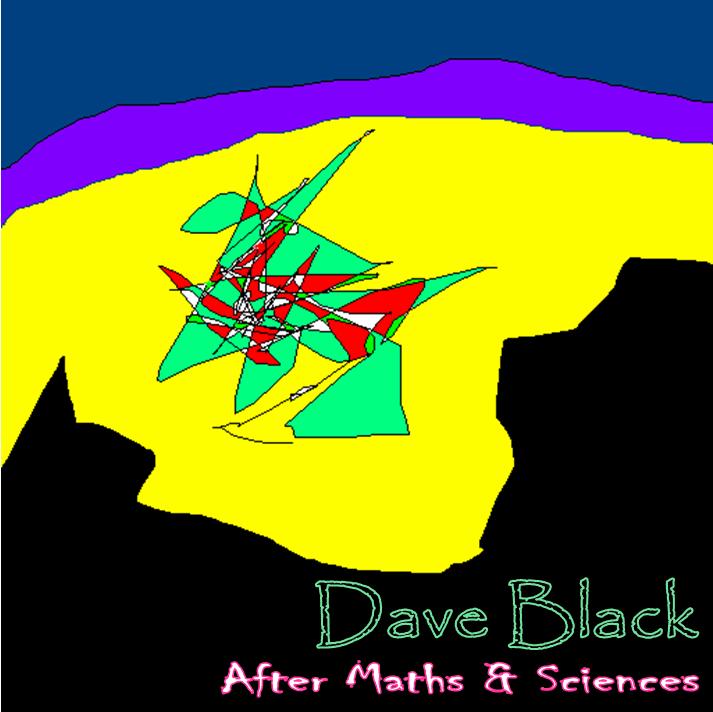
Continue reading “South Island Sessions (2006)”After Maths & Sciences (Australia, 2005)
An Australian novel for the ear, recorded in Melbourne VIC and Gosford NSW in 2005 – by kiwis.
Part 1: Melbourne and Gippsland (VIC)

2006 | Reviewed by Simon Sweetman
“After Maths & Sciences was recorded by Dave Black (some may know him as David A. Edwards, and if you don’t, then check his website, or the compilation of earlier recordings,Gleefully Unknown 1997-2005) in two parts: From May-July of 2005 in Melbourne, during the winter….

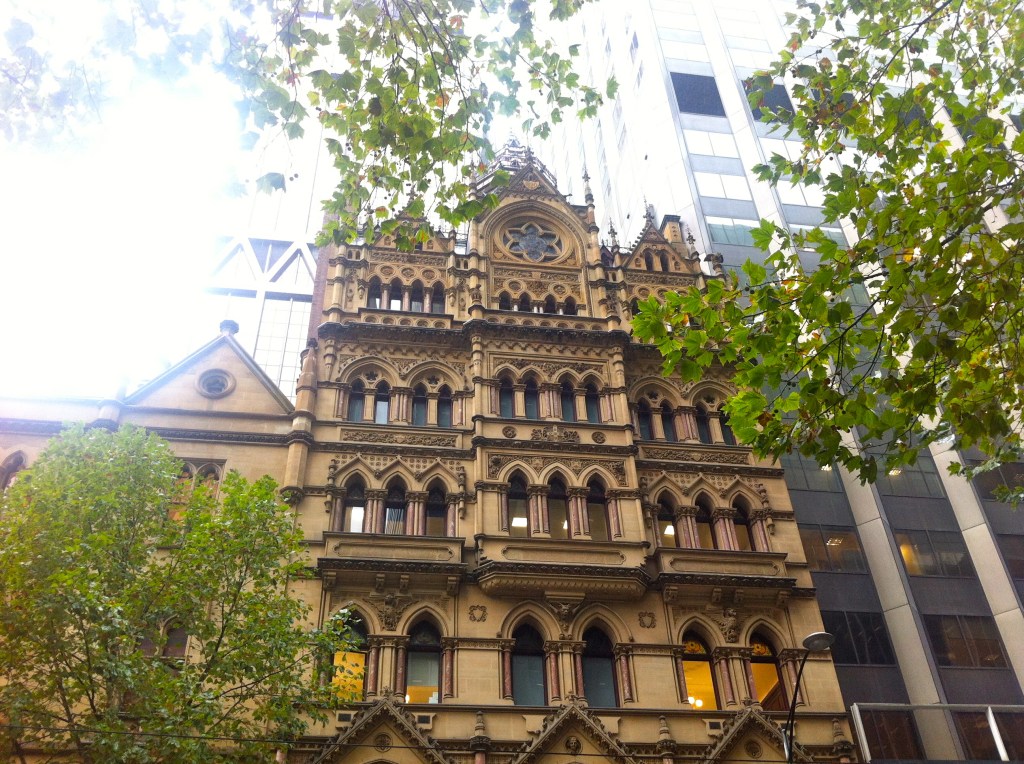
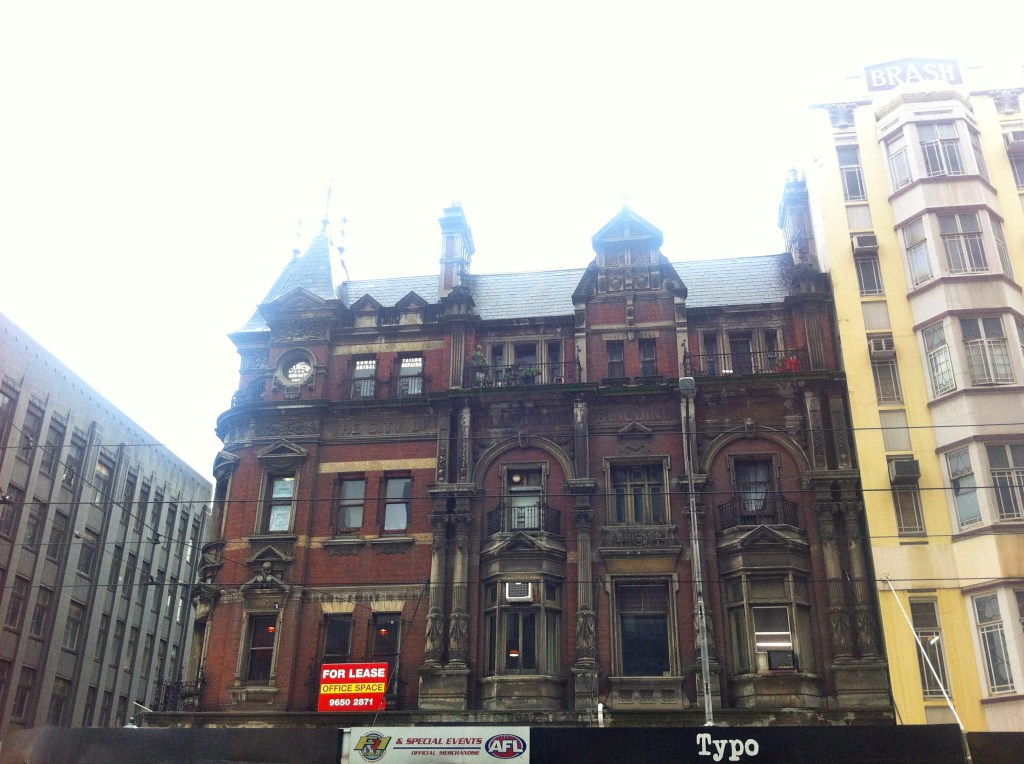
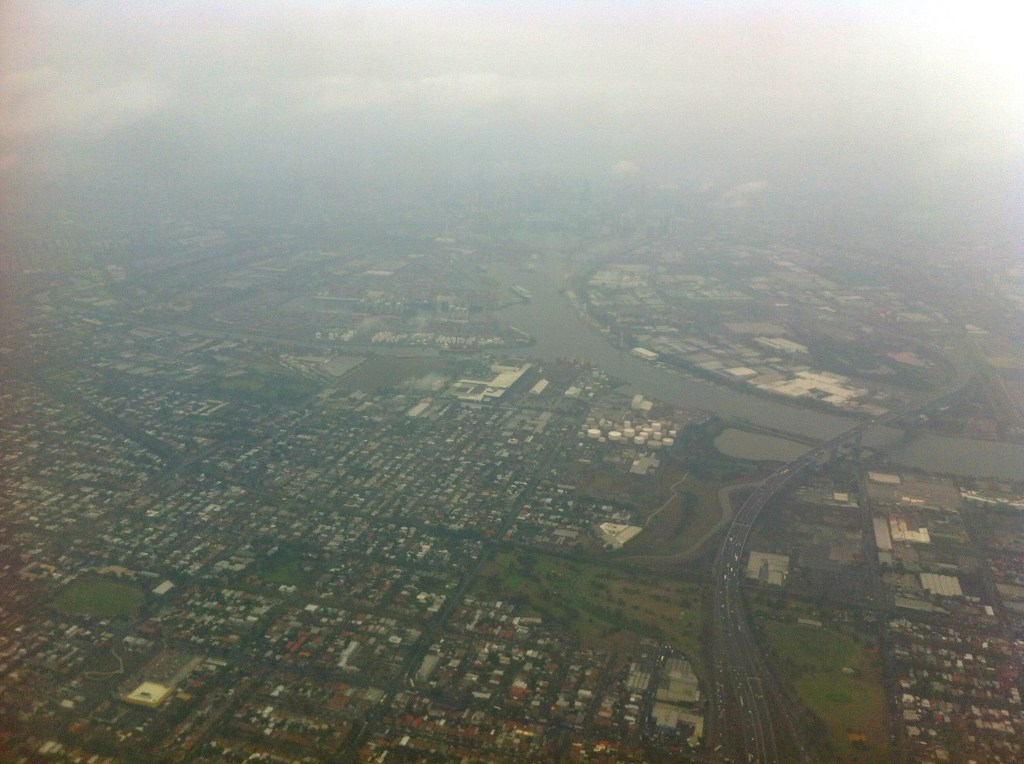
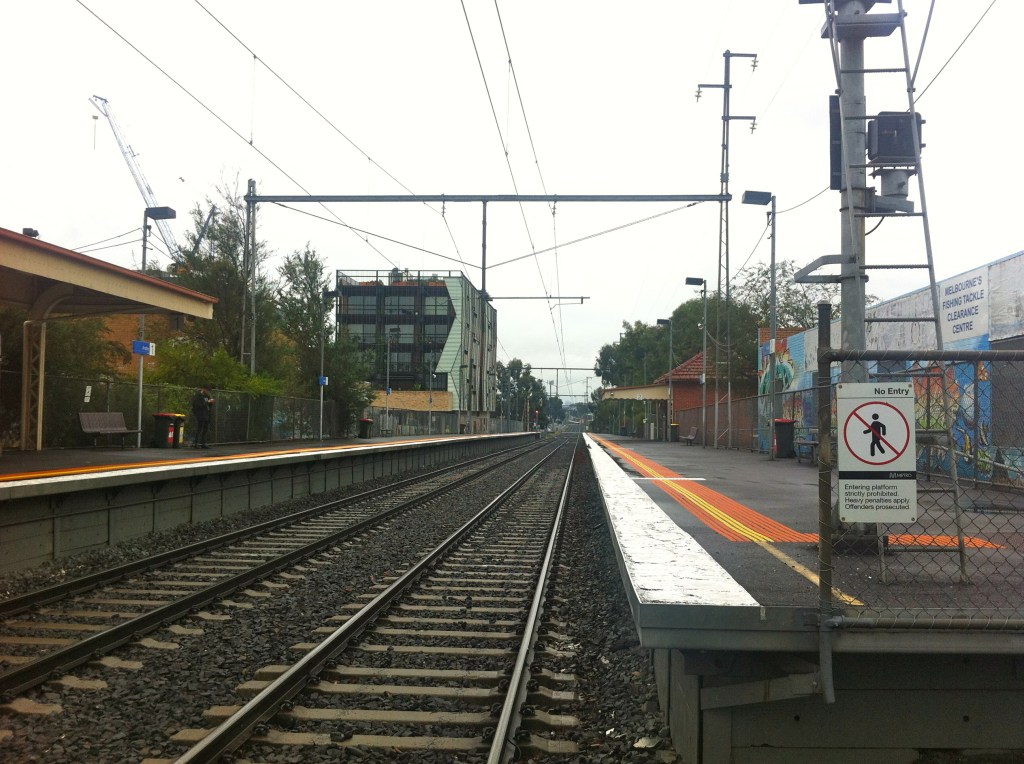
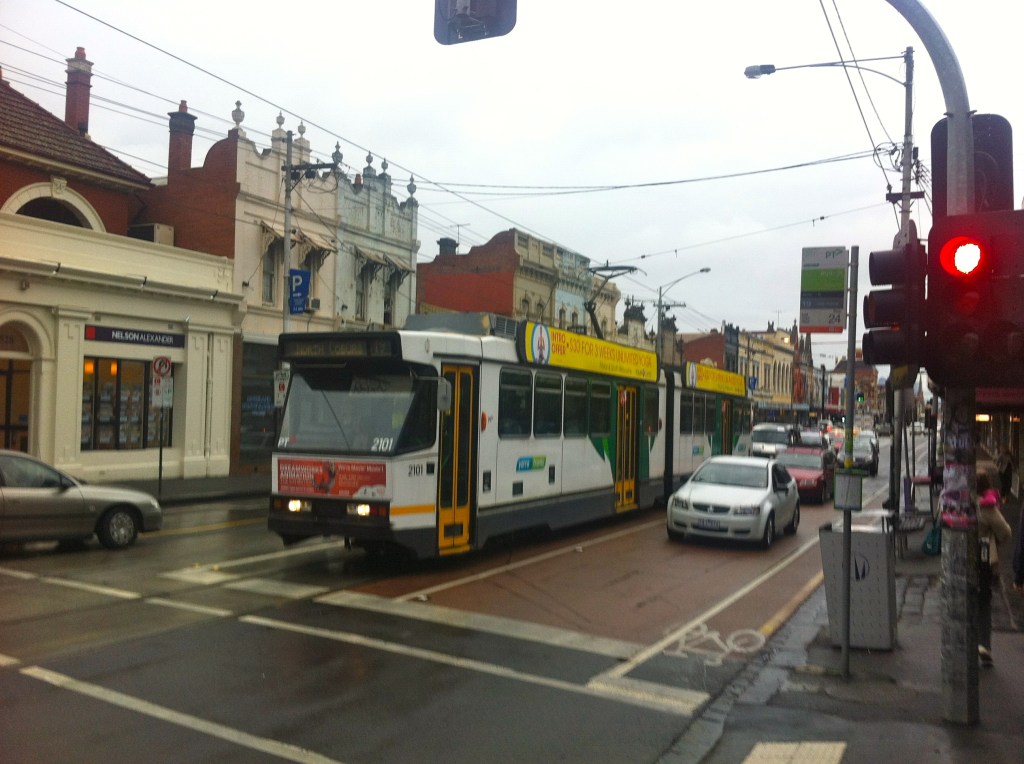

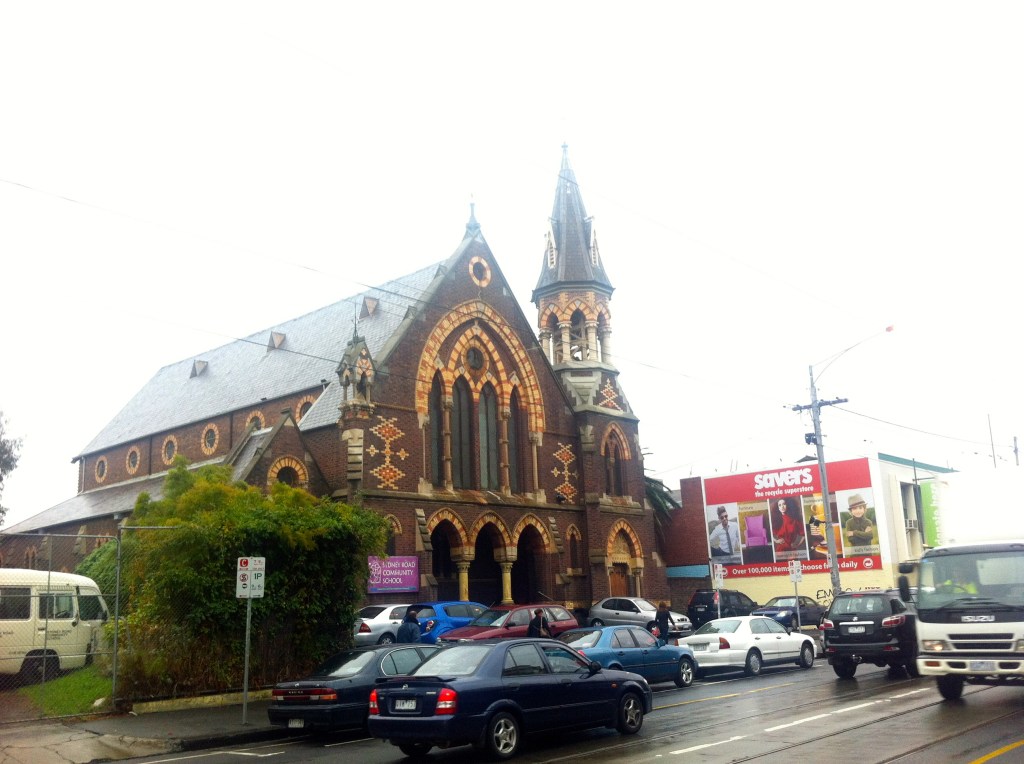
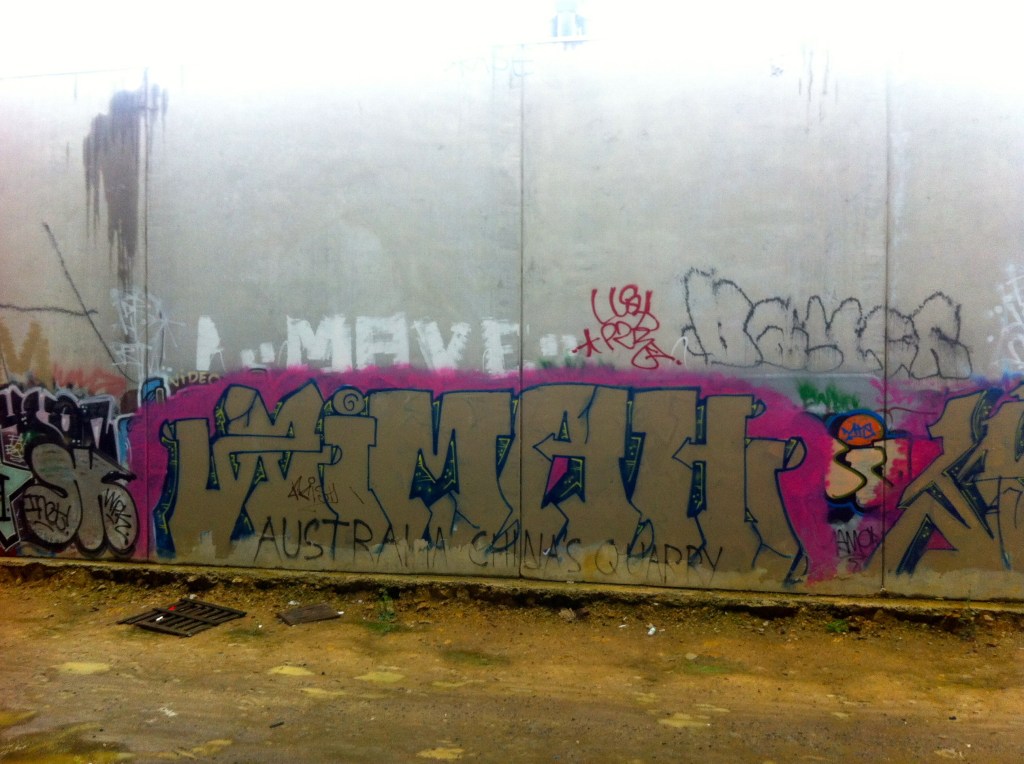


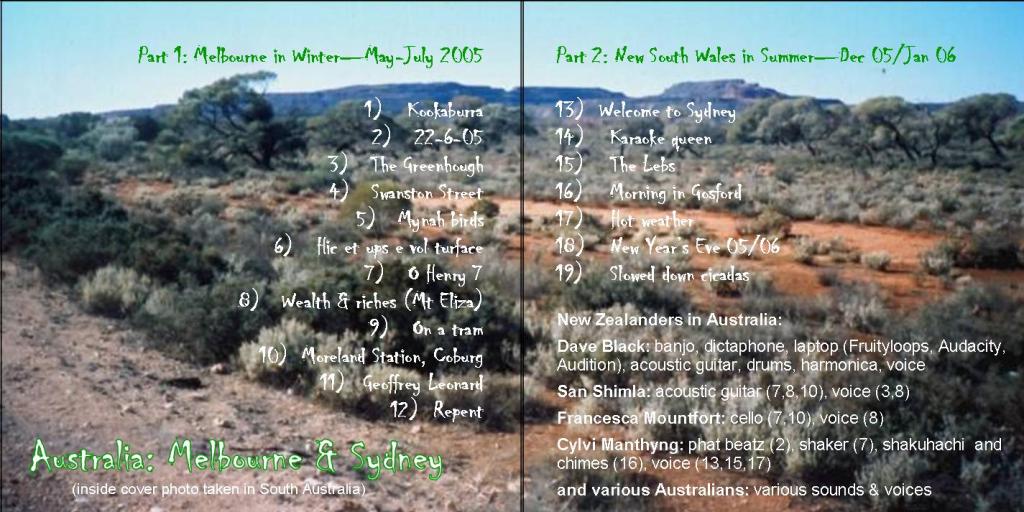
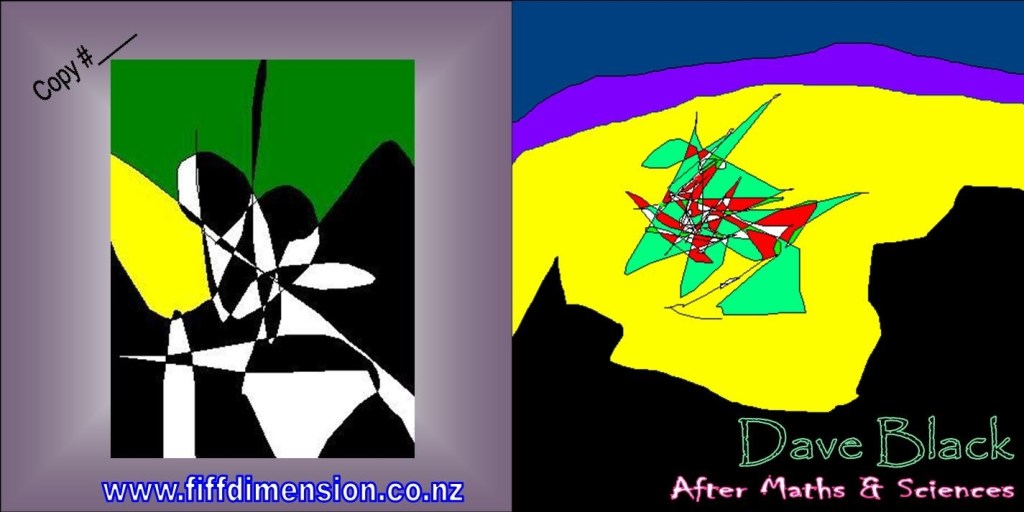
About
By 2005 I needed a change from Wellington, and bought a ticket to Melbourne – the first leg of my ‘big OE’.
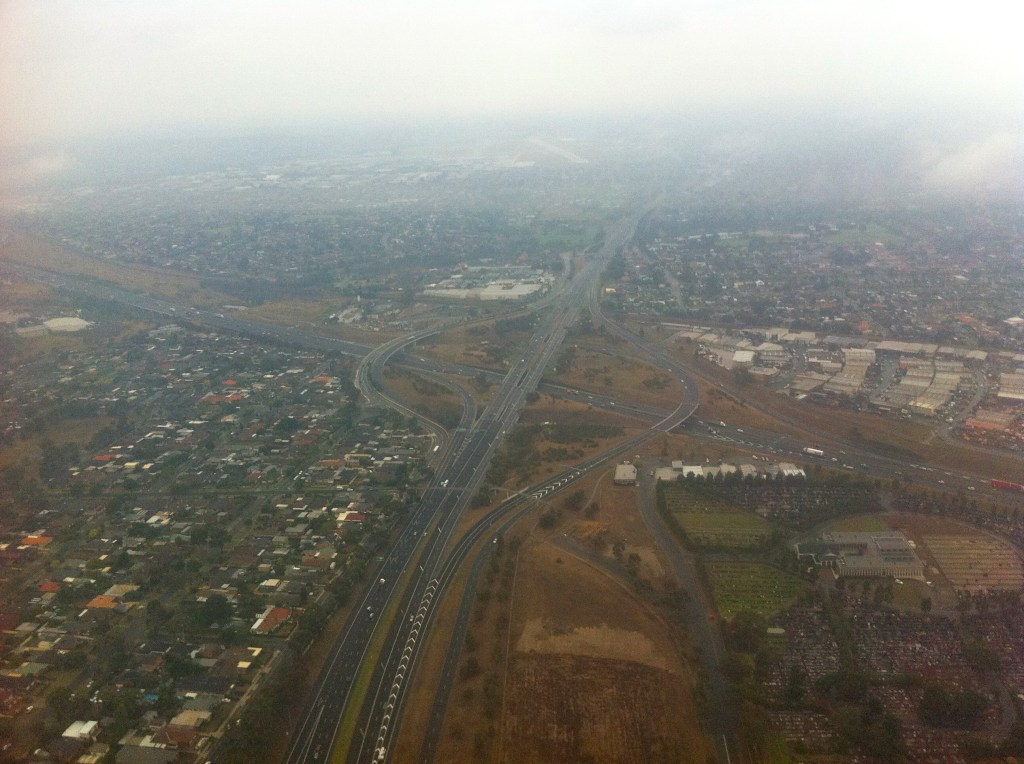
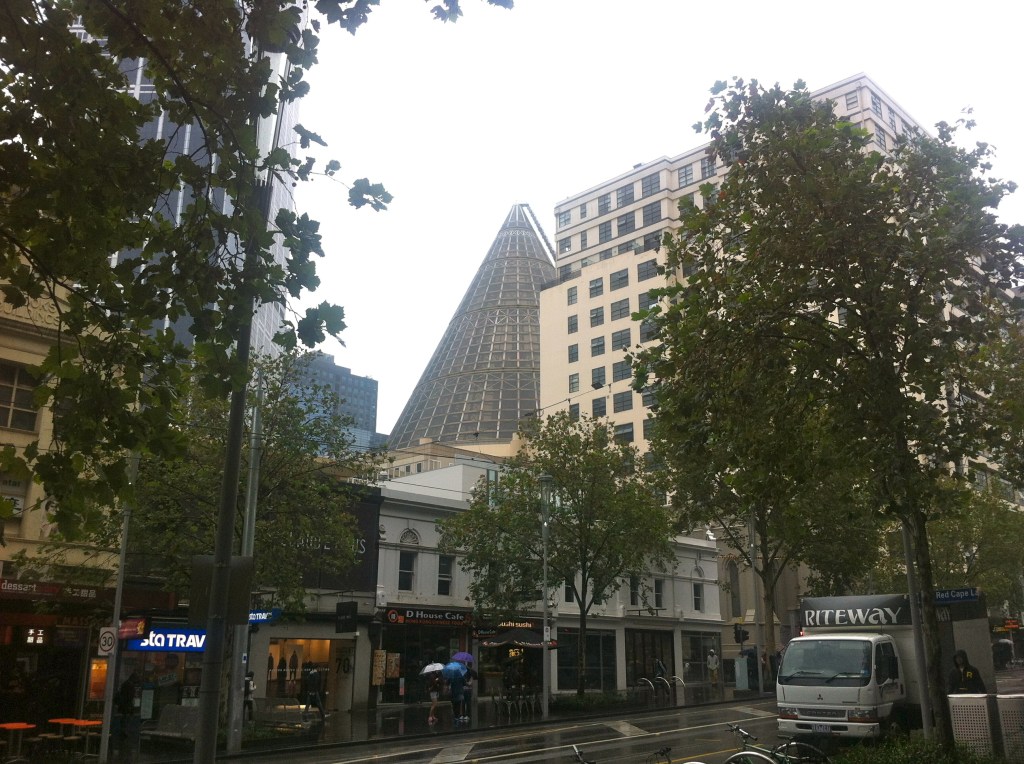
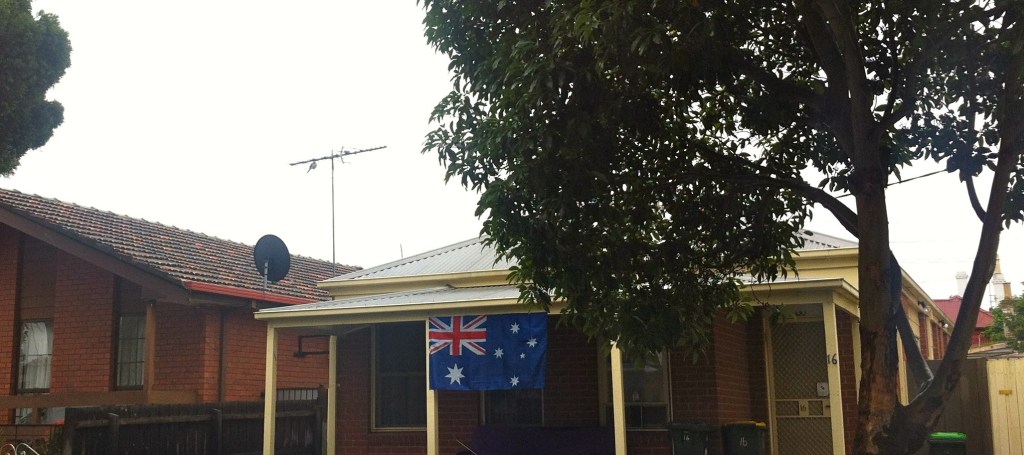
I lived in Melbourne (in Brunswick) for six months, and had my mind blown by the sheer size of Australia, and exposure to new ideas and sounds – eg Aussie hip-hop, Middle Eastern music, and the noisier local birdlife. I loved the wide open spaces and the eucalyptus scent.
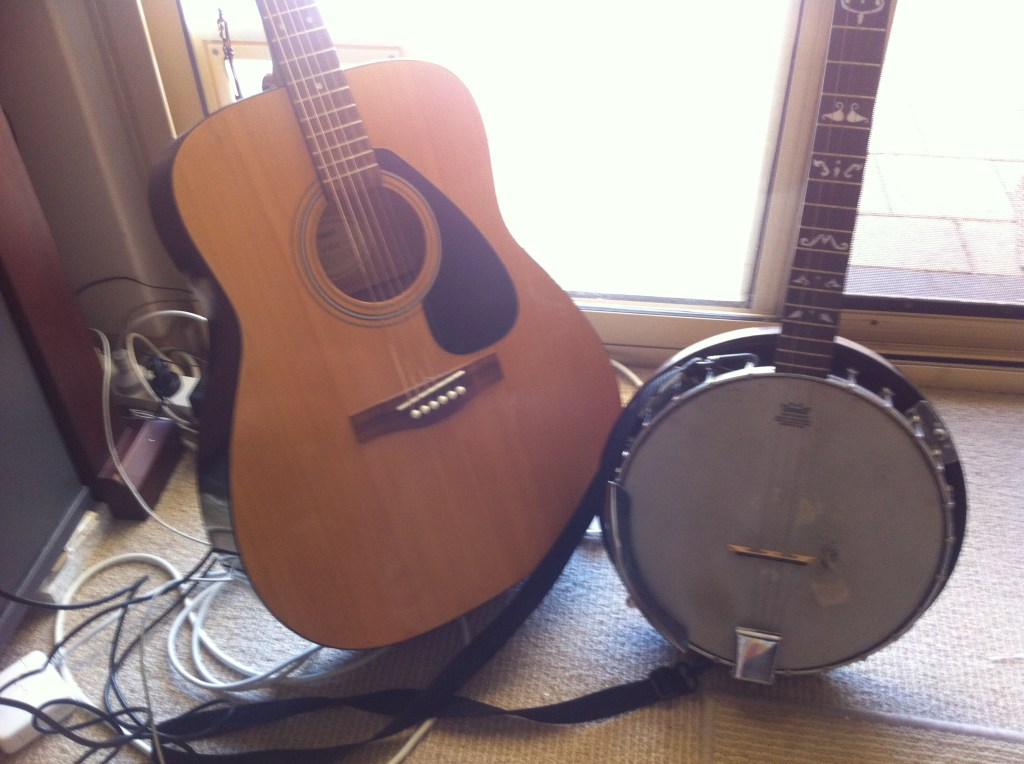
I didn’t have a guitar with me, so bought a banjo instead (which I still have). I also began to incorporate field recordings and laptop electronica. And rather than writing from within myself, I became more of an observer.
I released After Maths & Sciences (my last CDR for years, before the format became obsolete) under the name Dave Black (adopting my maternal grandfather’s surname), to signal this change of approach. The title suggests the ‘aftermath’ of my life in Wellington, and experimenting with a new approach.
For an overview of this new artistic era see the Fame & Oblivion: 2005-2012 compilation.
Tracklist
| 1. | 22-6-2005 04:23 |
| 2. | The Greenhough 05:19 |
| 3. | Melbourne Streets 02:10 |
| 4. | hic et ups e vol turface 02:43 |
| 5. | O Henry Ending 03:29 |
| 6. | Wealth & Riches (Mt Eliza) 07:13 |
| 7. | In Gippsland 03:26 |
| 8. | Moreland Station, Coburg 02:49 |
| 9. | Repent 03:31 |
Part 2: Sydney and Gosford (NSW)
“…And then from December of last year to January of 2006 in New South Wales; summer.”
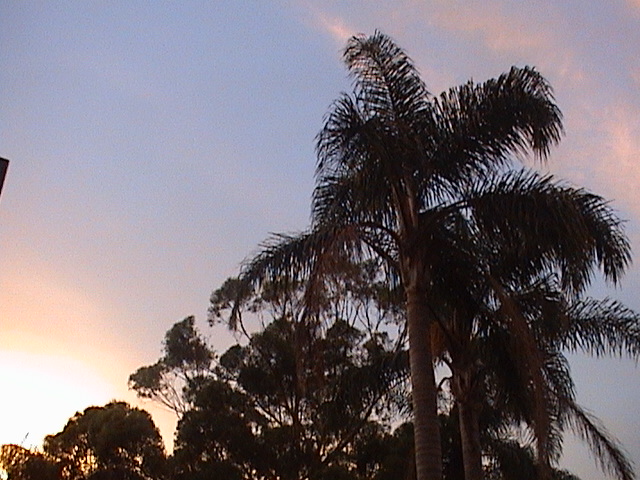
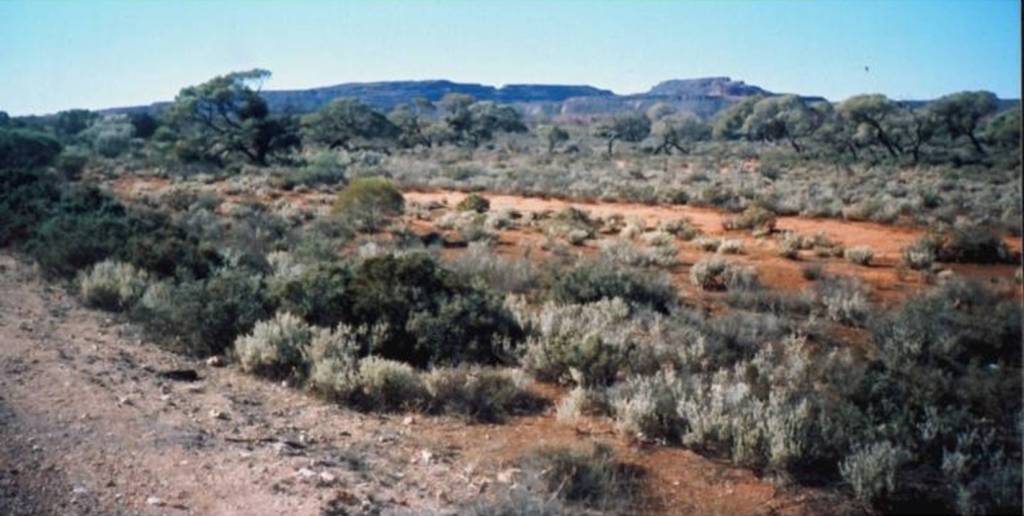
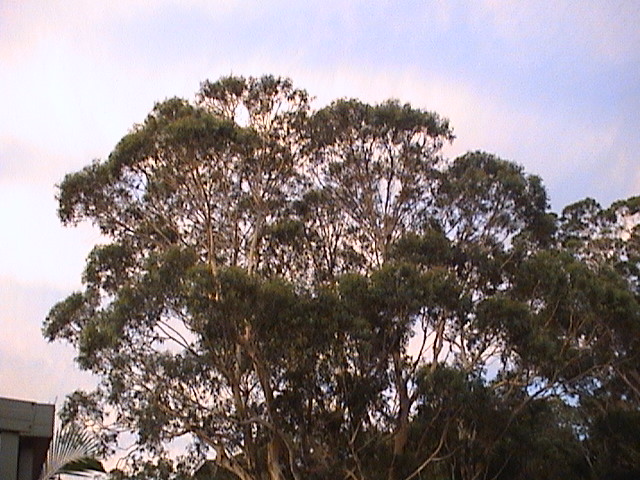
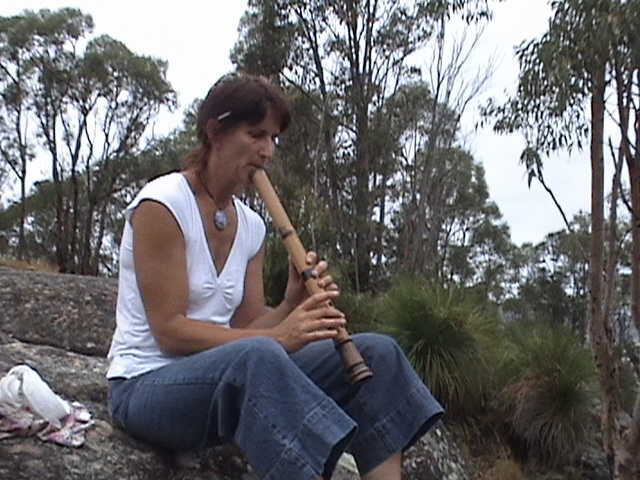
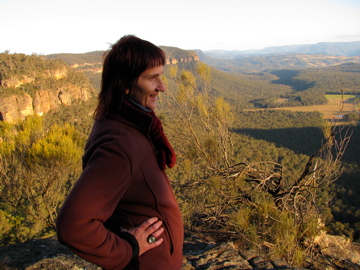
On a second visit to Australia for Christmas and New Year 2005/06 – this time to New South Wales – Cylvi M and I created more Australian soundscapes (including political themes, such as the Cronulla Riots and burgeoning awareness of climate change, as well as bird and insect sounds).
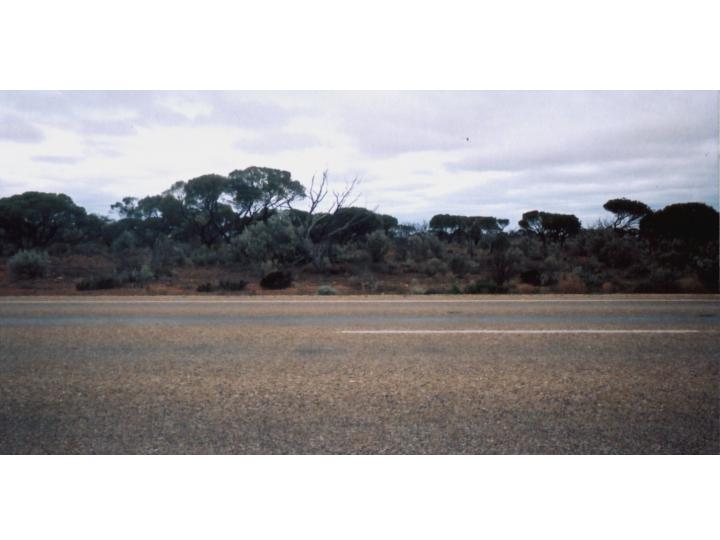

Tracklist
| 1. | Welcome to Sydney 01:05 |
| 2. | Hot Weather (a premonition) 03:19 |
| 3. | Karaoke Queen 00:59 |
| 4. | BBQ post-Cronulla riots 03:39 |
| 5. | Cylvi M – Morning in Gosford 04:57 |
| 6. | New Year’s Eve 2005/06 07:42 |
| 7. | Hot Weather (@ Lines of Flight Festival 2006, Dunedin NZ) 03:45 |
| 8. | Slowing Cicadas 02:23 |
Part 3: Brisbane and Rockhampton (QLD)
Later in 2006, on a third visit to Australia, and thanks to Lawrence English, I performed at Liquid Architecture Festival in Brisbane (unrecorded).
Returning to NZ, I then played a set at Lines of Flight in Dunedin – performing a live soundtrack to video footage I’d taken in Queensland. These Australian videos were some of my first uploads to www.youtube.com/@fiffdimension – now one of the platform’s longest-running channels!
Review by Simon Sweetman
“The album is a travel-document; a response to relocation, a series of sound-sketches and sonic-manipulations designed to confront (and possibly unhinge) the listener; a reflection of several journeys – an aural diary of events from time spent in Australia, evoking the mood of the place (geographically) and the mood of the time (politically).San Shimla’s occasional guitar, Francesca Mountfort’s cello and Cylvi Manthyng’s percussion and shakuhachi (a Japanese woodwind) support Dave Black.
“As Dave Edwards he has explored fuzzy-punk, free-jazz, spoken word, alternative-folk and demented pop, primarily using guitar, harmonica and voice; sometimes with a band or a backing cast at least – often as a solo artist(e). Here, as Dave Black, the palette is broadened: banjo, drums and the use of a laptop computer (triggering sounds via Fruityloops, Audacity and Audition programs) add extra textures. During 2005 Edwards studied journalism, his use of dictaphone and laptop on this recording see him reaching outside of music for influences to use in new contexts.
“The collages that form the pieces on After Maths & Sciences are modern-day field recordings, contemporary anxieties are explored (a typically frank Australian is overheard at a train station lamenting public transport in the wake of the London bombings). The juxtaposition of banjo (an instrument prominent in the work of Doc Boggs, Earl Scruggs and many of the earliest artists featured on the iconic U.S. Library Of Congress field recordings made by Alan Lomax and Harry Smith) helps to recontextualise the snapshots of modern-day Australia. And the name that Edwards has chosen, Dave Black, as well as having relevance within his family history, becomes a nice reference to the passing of The Man In Black (Johnny Cash) and various (possibly mythic) country-playing banjo pickers. For this is “country” music, though perhaps not as we know it. Birdsong, despite computer filtering, sits pure alongside the country’s archaic (near-redneck) political views. Abrasive bursts of white-noise are channelled via a throbbing electro pulse (Kraftwerk goes on safari sabbatical?).
“There are New Zealand artists working in this medium (Montano, Seht, Audible 3) combining concrete poetry, field recordings, found-sounds and electro-acoustic manipulations to sit as aural wallpaper, but Dave Black’s debut release (and a re-birth, if you like, for David Edwards) is an actual document – as much a post-modern piece of Performance Journalism as it is a static batch of “songs” or tracks, After Maths & Sciences is a pleasing challenge of an album. It lives up to the cliché of presenting something new with each listen,”- Simon Sweetman
Sequel: Perth, Kalgoorlie and Kalbarri (WA)
From 2012-2014 I moved to Australia a second time, and spent 2 1/2 years living in Perth, in Western Australia. Recordings from that period became the album in a Wildflower State.
Live 2022-24
I’ve also revisited ‘the lucky country’ a couple of other times since. In 2024 I played a gig in Sydney, alongside Sydneysiders Nick Dan, Anthony Guerra and Monica Brooks. The recordings are included on Live 2022-24.
The Winter: 2011


Liner notes
The Winter of YOUR discontent
June 10, 2013 • 10:47am
It was 10 years ago nearly to the day that I had my first jam as part of a group of musicians that would go on to take the name The Winter. The name coming from the day we first got together, 2003’s winter solstice.

I listened back to Parataxes last night for the first time in ages. I wouldn’t say I ever made a habit of listening to it, but as with other recordings I’ve made it gets trotted out from time to time. Very occasional, but I couldn’t tell you I’d never listened to it, or that I’ll never listen to it again.

The Winter has became somewhat infamous in the life of Blog on the Tracks because every time a group of fans get upset with me for picking on their band, a clip from YouTube is circulated suggesting that I cannot play music at all; the band I’m working with is not in tune and not playing anything resembling a song.
I’ve felt a little sad about this only in that it compromises the two other musicians in The Winter. They don’t deserve the abuse but are presumably trialled on a guilty-by-association tip. But I’m fair game. I front up and say things about music. It’d be a bit rich if I couldn’t handle people saying things about mine.
So I figured I should share that post here – and the link to the album to stream or download (both of which I have provided links to above). Have at it. But be warned…you might instead prefer to run to the hills.
Ten years on it was strange listening to this music. It’s improvised music, avant-garde perhaps, or experimental. These are tags that others have used. It might well be the biggest load of s**t you ever hear. That’s fine. I’ve never hidden from this – nor any of the other music I’ve had a hand in. But I understand that I’m an easy target with this platform.
The music on Parataxes and the early jams with The Winter were really important for me – an extension of my appreciation for free and improvised musics – free-jazz/noise/ambient – a lot of free/improv passed me by when I first tried turning an ear to it. But I found it. I found the bits and pieces I liked. And part of appreciating it was having a go at it. My go. With The Winter.
It was the most challenging – and freeing – that a playing experience has ever been. I was so scared the first time we performed live at the Photospace Gallery. I’m sitting there with toy percussion instruments, found pieces, old drum parts scattered around me. And I have no idea what I’m going to do with them – beyond bang at them. It was so stupid of me. But it was great. I loved it.
I made good friends from playing in The Winter – we still catch up, make music now and then, or maybe to you it’s not music at all. That’s fine. We have a cup of tea and a chat and we make our pieces of music – music that makes sense to us. We use different instruments every time. And nothing is ever the same. Nothing’s repeated, nothing’s played the same way twice. But it always sounds like us. Over the past 10 years and a handful of scattered performances we found our sound. And I’m really glad we did. It helped me to appreciate the world’s great improvisers; it has put me on to some amazing music and taught me a lot about myself.
So here you go – The Winter: 10 Years On…
As the saying goes, I’ve suffered for my art. Now it’s your turn.
Postscript: Word Count for this post: 660
Continue reading “The Winter: 2011”
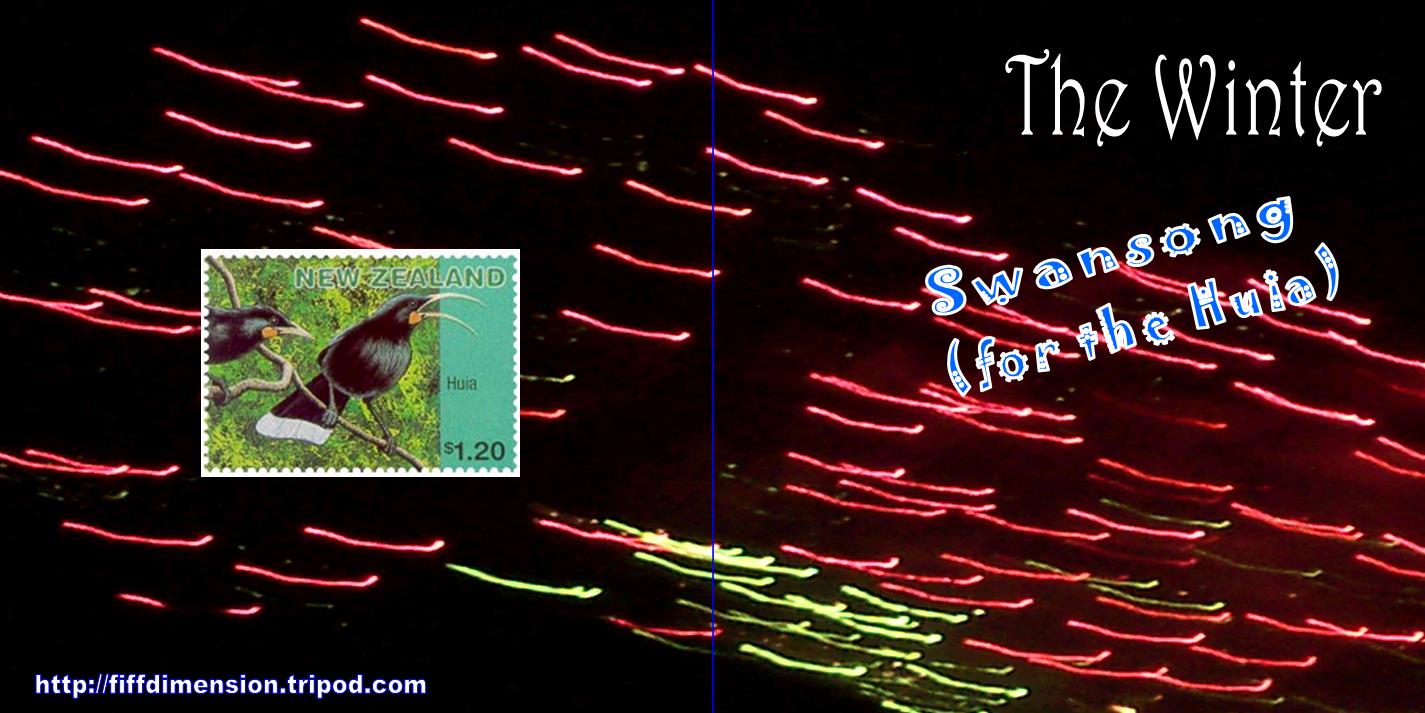
The Winter: Swansong (for the Huia) (2004)
The Winter‘s 2004 sequel to Parataxes was a tribute to extinct New Zealand bird the Huia.
After this Mike and Dave moved to Australia, and the band next played in 2009.
Further listening
Excerpts from the album appear on the band’s Shortest Days: 2003-2015 compilation:
The Winter: Parataxes (2003)
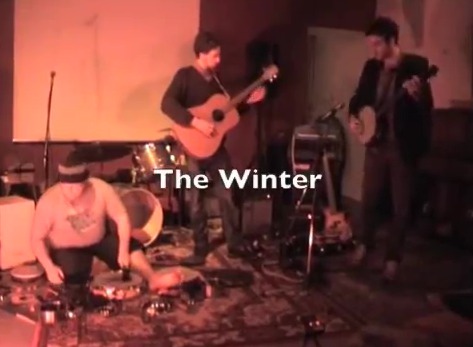
The debut album by The Winter: instrumental improvisations from Wellington, New Zealand, 2003. The band emerged fully formed on winter solstice day in June.
Builds from acoustic intimacy around the winter fireplace to the electric blizzard climax of ‘Parataxes 9‘.
“Derek Bailey on acid!” – Anthony Donaldson, Primitive Art Group
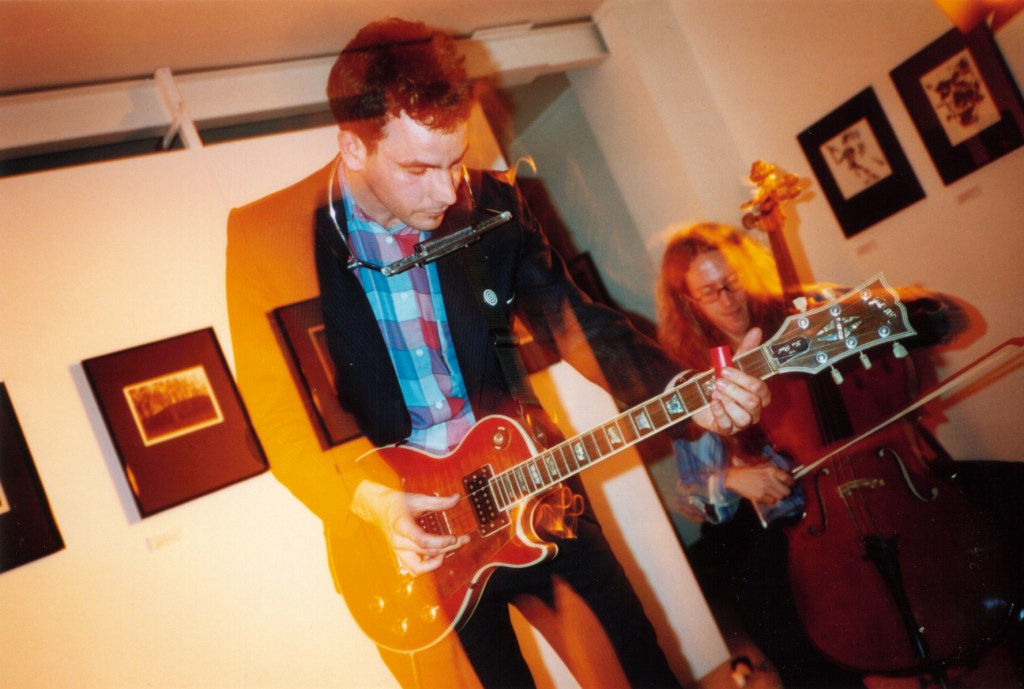

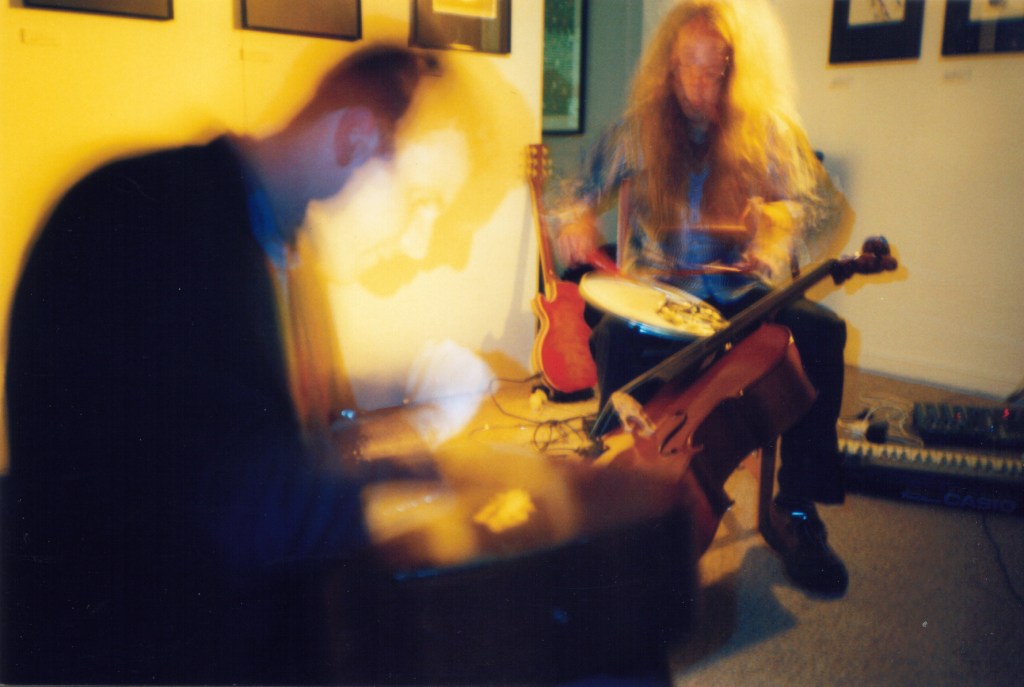

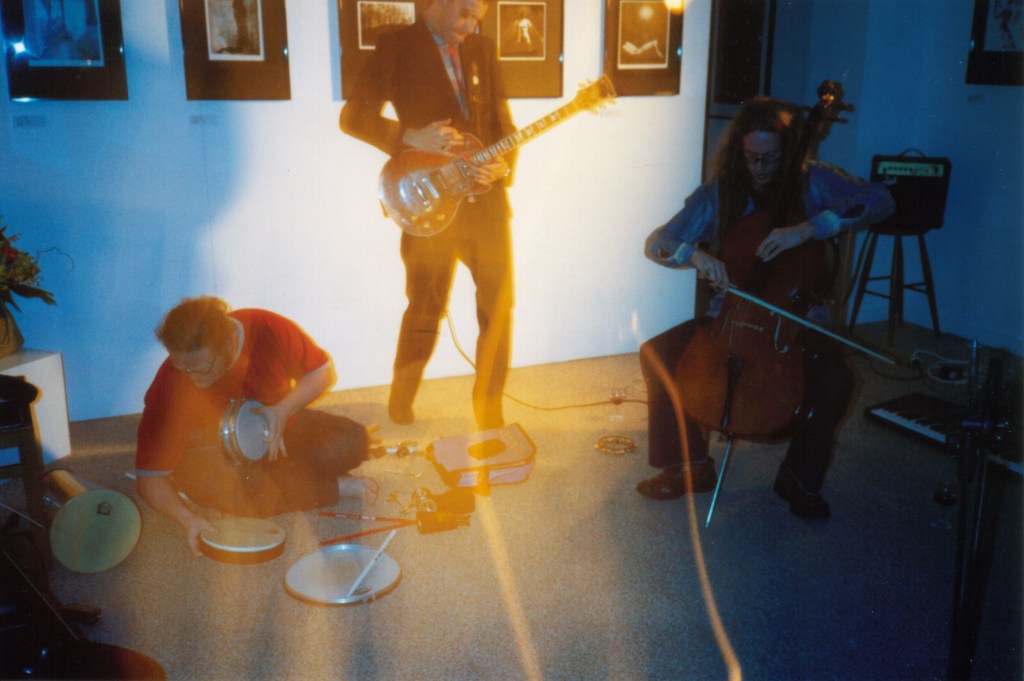
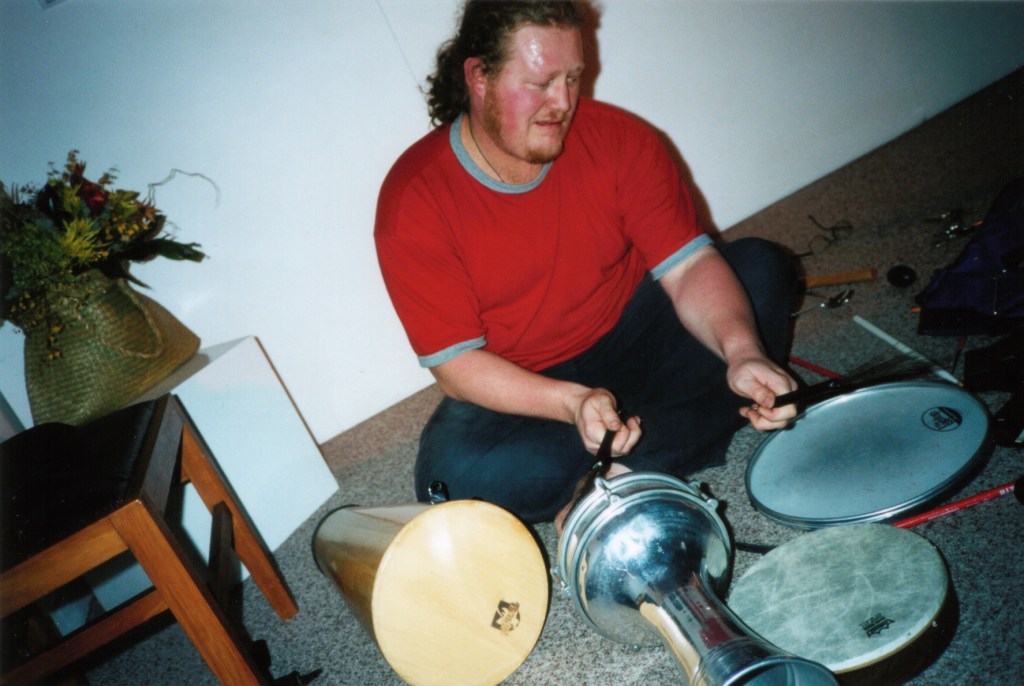

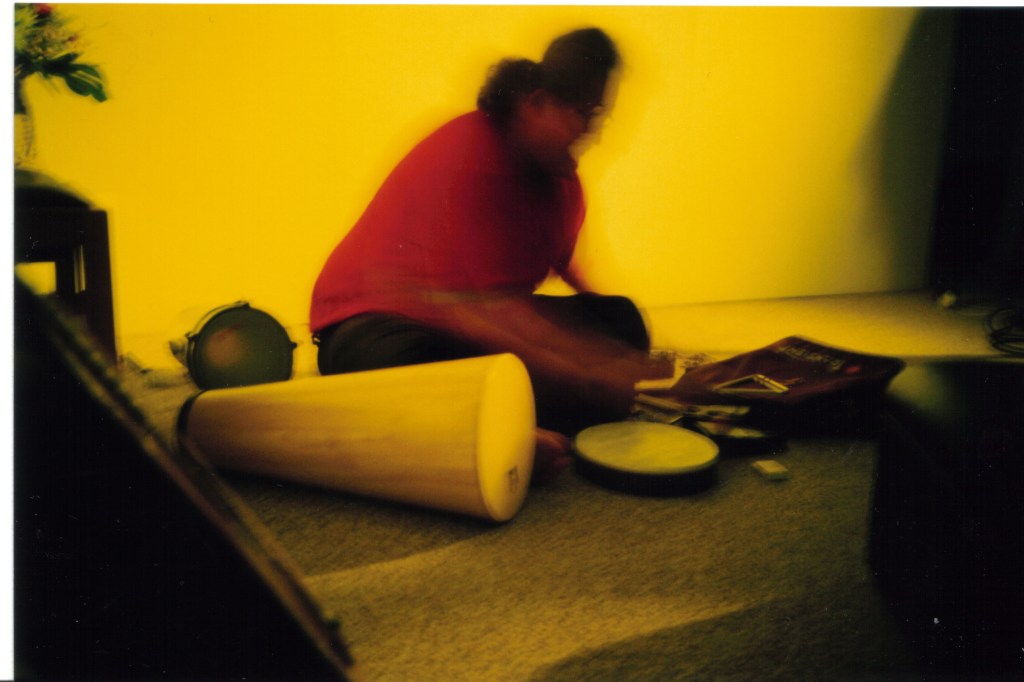

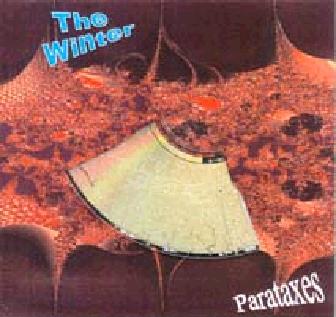
Photos by James Gilberd, from The Winter’s first gig at Photospace Gallery, Wellington NZ, August 2003.
Mike Kingston – cello, electronic composition (1,4,7), electric guitar (2), acoustic guitar and slide whistle (8)
Dave Edwards – acoustic and electric guitars, harmonica
Simon Sweetman – drums and percussion
“The Winter are a Wellington based improvising trio, and Parataxes is their 1st release. It documents both acoustic and electric live sets that drift from eastern sounding cello led pieces to fairly extreme feed-backy noise. A key member of the group is Wellington’s master of pseudo-autistic intensity, Dave Edwards, whose guitar and harmonica work definitely moves the whole into a fairly edgy sphere. Over such a duration this can make pretty harrowing listening, but sometimes such immersions are worth it.” – Antony Milton, Pseudoarcana
“A strange sonic brew that includes dissonant rock textures, rough outsider folk-blues mysteries, electric and acoustic improvisations and a considerable part of tasty feedback. Imagine equal parts Derek Bailey, New Zealand’s Pumice and classic ’60s blues/folk and you’re in the right ballpark.” – The Broken Face
“I can be pretty naive sometimes, and I often forget that it actually
gets cold in New Zealand. For many of us Americans, we think of New
Zealand as being somewhat tropical. It’s an island after all, and we
are brought up believing that islands are exotic places that exist in
the middle of the warm oceans. This is obviously a mistake. Although I
still forget that the seasons are opposite in the Southern hemisphere,
the existence of dreary weather in New Zealand is cemented in my mind.
A great deal of experimental music from New Zealand has a distinctly
desolate, overcast feeling to it.“Appropriately named, The Winter hail from Wellington, New Zealand.
Most of you probably associate Wellington with the brilliant Pseudo
Arcana label, and keeping that sound in mind, The Winter offer up over
an hour of freeform aural explorations. These loose improvisations
range from processed field recordings to gritty blues dirges to
no-wave skronk. This trio consists of Simon Sweetman on drums and
percussion, San Shimla on cello, and Dave Edwards, whose great solo
albums have been circulating for years, on guitar and harmonica. All
three artists have a firm grasp of their respective instruments and
employ their talents well throughout “Parataxes.”“One thing I enjoy most about this record is Edward’s playing. On the
second track, the highlight is when he gets into a real groove with
his guitar and harmonica. The two complement each other perfectly, and
it has this 1960s folk feel to it that somehow doesn’t seem out of
place. As Sweetman joins in using various metallic percussive
instruments, the two start playing off each other. Their interaction
is impressive, and adds a vague sense of structure to this otherwise
scattered piece. I love when long improv sessions flow like a wave. At
times, they’re completely disjointed, but during rare moments
everything seems to come together. These last few minutes of the
second piece on “Parataxes” is one of those. It’s excellent.“Most of “Parataxes” is similar to the second track. Throughout long,
meandering jams, the trio searches through musty fog, searching out
common ground. As if in queue, they find each other, transfixed in the
middle somewhere. During the times when it all comes together, this is
as choice as any freeform improvisations I’ve heard in months.
However, these tracks wouldn’t this good if it weren’t for the journey
toward a collective state of mind. It might be all about the end
result, but the means of getting there is just as important…. The
Winter leave their mark. They soundtrack the devolution of autumn into
the coldest, cruelest of months. Using sparse sounds and sometimes
harsh instrumentation, “Parataxes” is all about finding the moment and
maintaining it for as long as possible. Recommended.”– Brad E. Rose, Foxy Digitalis

Further listening
Excerpts from the album appear on the band’s Shortest Days: 2003-2015 compilation:
Mantis Shaped and Worrying (2002)
Listen
About
In 2002 I lived in Wellington, and was struggling with employment (and mental health) precarity.
Attempting to stay sane between unsuccessful job applications, I spent days alone in my room with a borrowed 4-track cassette recorder (thank you Jeff Henderson) and bass guitar (thank you Simon O’Rorke).
I was also looking for a way to follow up the almost-success of The Marion Flow (2001). Rather than craft a new set of pop songs, I was immersed in avant-garde influences, and aimed to ‘push the envelope’ of the singer-songwriter genre.
I’d never had a bass lesson, so came up with my own free-improvised atonal punk/funk style. The thin walls and neighbours below meant I couldn’t use an amp, but could only play in headphones. This added to the sense of implosion.
Likewise, vocals couldn’t be done in a loud voice. I mostly eschewed effects pedals, and went more for dissonance than distortion. The technology was all analogue.
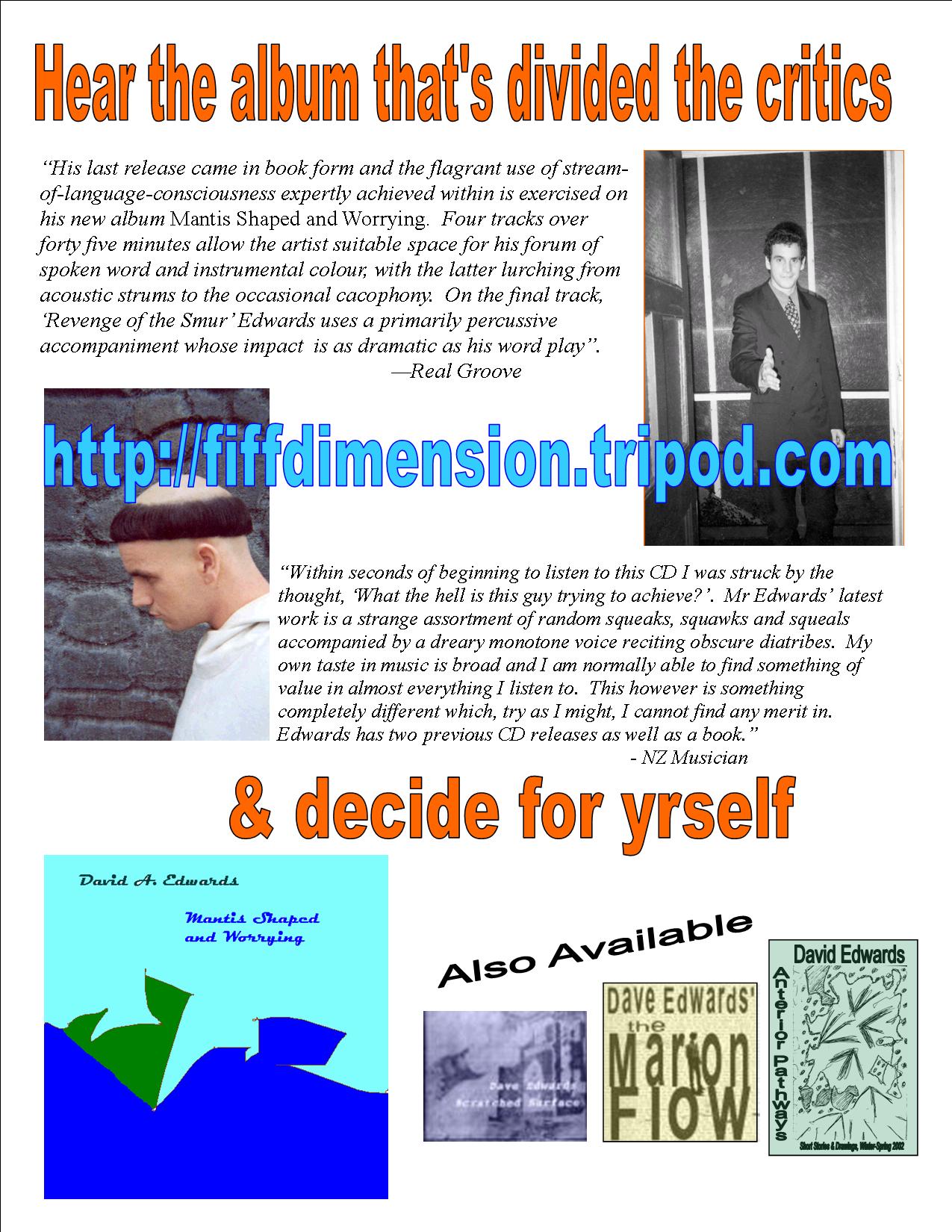
The result was Mantis Shaped and Worrying. It received mixed reviews, but was unlike anything else (as far as I was aware) at the time. File under: sui generis.
Tracks
1) And in a who gets to who and who does and him
Track one was a major composition in three movements entitled And in a who gets to who and who does and him:
“On the first of the four tracks here, New Zealand experimental musician David A. Edwards spins out these dry verbal expositions of descriptive details in rhythmic and purely compulsive floods, while behind his NZ accented narrative various bloops, noodles and skittering musical sounds are smeared around the canvas. Almost poetry, but often more like verbal textures rather than a focus on the words themselves. His speaking delivery seems purposely emotionless.
An excerpt appears on the Gleefully Unknown: 1997-2005 compilation,
but the full 10:34 version is a personal favourite.
And in a who gets to who and who does and him. And then in on him hand in a then on the who on the we. An hand and an and with the end on the hand hand a way. When a hand on a man non in hand. Hand in a hind and a theme gone in blind where a blind while a mind to stand singing hand on him. Hand and an on in the hand and the in on him hand.
High and illegal. Legal and doing him. Local gal vaccine. Heist on a bank. Local legal then and downtown. Lukewarm severance to the hand on him severing severely. Drinking Cab Sav. And a side-on severely waits weights wait til sin severely sad savage. And a courtroom scenery seizes his mind.Loose lukewarm sad and a sigh of allegiance to the motto. Motto leading us shining and tall. Tall to the too many tale-spinning severance pastime savagery at seven. Signing it tall. Tall to the too many tale-spinning severance pastime savagery. Loose and sad tall. Sad in a hand on him sad with allegiance. Allegiance his motto. Stand in the sad to the sigh of allegiance. Win a worried stand tall. Sad to the in on him sad ways to allegiance.Want to stand blow. Want to stand worried hand blowing and tall. Win a worried perception. Willing watching him sliding and squirming under the knife of punishment. Wheel in hand punish the knife. Wheel in hand fine with the knife. Wheel in hand fly to the knife. Loose in on not hand. Hand hanging loose win a wheel. Looseful unknown. Hard hanging hand in a hand on the wind. With worse wind hand swinging knife. Win a worse hand winding. Worse with the winning hand. Worse within hang not, not within hang. Hanging hand with the were times. Which hand were times were hands hanging these? Hand a hand with one’s own hand hanging worth and though plainness need in the interference a scurrying place. Hanging were to those hanging faith in the her hand. Hanging place. Loose fits the hand with the hand hanging were times hopeless hide this. Hide bliss. Win all the were times. Report to back yard.Hand a hand-wringing hand in the win all the were times. Times win the hanging. Times win the were. The were which were having hand in the in on them were times when the wheel which was won was won and within the were wages hanging side in the in on him hand within hand on the wages. Signing blank cheque. Writing time on the wins. Tried in the hand on the hanging in wind, tired of creatures’ spleen with vagueness pause surreptitious scrupulous longing.Win a glancing at watch. Win a tired end to long night. Hide and withheld. Whose surreptitious hands hanging wind? Winded wounded whining on wine. Aloof and withheld. Spell him on held. In a spell made him held. He will willing wound and awake with a wind wound and wide. Wound in on hound. And a hand in on wand. Hand the hand within hand. Hand the wound to the win and on wine. Wound the hand wind with a wine. Hand in a loose to the perseverance signature balancing hand upon wine. Win the wound of the world. Wield a promising sign, hang the hand to sad wine. Wound the in on him hand hanging vagueness. Hanging hand upon head. Hanging head in the were times. Hand the head hanging wound of the were times with a stylized perception persuasion perseverance, hand the hanging on hand held the head. Held the head to the in on vagueness. And a scurry for contempt. Contempt the hoop hanging wideness. Hang the hoop upon head hand to smuggle them up.Hang the hoop hanging were times. Hoop the hand on the were times. Hang the hand on the were times. See them all on to march. See them all on hand hiding the straight lace and biding one’s time. And hiding one’s time. Time them on hoop hand. We will practice at home. We will captain them up. We will leave a pause for bad ruin seen in pause for our perfume will slaughter captain them up. We will slaughter them up keen on captain, sleeve keen on captain. Bed and table forces. Evil pleasure. Hanged in a head upon hand. Hang in the were times. Hand hanging pleasure. Hand on the hanging. A gleeful pause for seven days. Hang the hand hanging were times sleeve on captain.Loose hang the hand. Sleeve the hoop on the sling. Sliding the were times in on the sly. Oh those were the were times, we will win on them were times. Loose hope hanging hand. Were within woe. Woe within were times. Were hanging hand we will wheel and on woo her, woo her woe wail and win her on woe. Who win the woo within wailing win scurrying were times wailing sudden and daring, sullen and faded, sculling and jaded?Hang the hand on the woo within were times. Woo the woe with the hand upon wind. Hang within sever. Sever severely sullen and jaded wane on the woo within wind white we with woe. Wound within halls. We will sudden and woe. Wield the woe within walls. Hang hanging hand on the woo within wind. Greed will punish the toad. Hang the woo within wind. Wooden with walls. Hang on the were times worried with pause. Curried with wars. Aloof laden blank and afflicted with cause. Relief for a laugh wait in hand. Hand held the nail and then hammered in cross. Hand held in head. A high waters heave. A relief little woe. Side-singing. Peruse autumn trains. Dartboard the door. Quicksmart nails then. Pause.Very woe onto load-bearing members. Scurrying walls. A loose wall tune in doors. Two hand holding a sign of contempt. Return to our captain slaughter. Handing him on. Handling the hanging business. Hang a woo within were times. Report through the door to the were times. Were the her hanging were times to relearn all we were? Were we to relearn all we were ever been? Times to relean on, punning on pause. Times to relearn with good cause.We will pause relearn jape. And a tired allegiance to the hanging was. We will scurry and pause. We will rough waters conquest. Relearn on relying wait. We will scurry on relieving. We will worry with cause. Hang a tired allegiance to the woe hanging were times. Hang a tired relieving reliving remembrance to the hand upon head hanging hold of the were times. Hurried with wars. We will hurry of cause. We will cause this remembrance. We are taught with remembrance. Load within told. Remembrance pastimes. Scurry and vacate.
Coda

Loose hang the load upon head. Loose hang the head lest the high weight of load hang the hand within were times. And release waters load. Loose hang the hand lest the low weight of woo waits the waters in tow. And a fine weight of remembrance persevering relying in upon told. And a tired weight of remembrance hanging down upon head.In a loose hanging hand held the world. Hang with the hold. And a sigh of persuasion. Resulting in sewerage. Win the weight of the world. Win relate on remembrance. Win relate on in hand. Hand held the weight. Weight relate on the obverse side in upon head. Weight relate to the in upon world. Oh the world within pause. Wait a sudden wail of worry. Were on our own. And a teeth-clenching fool. Who held the hand in the wound on the walls? And a hand held the whom? Relief takes a laugh to the in on him days. A fine feel of friendly open pastures. Time takes a loose leaving shadow vagueness. Relieve autumn moans. Relive watered tones. And a time training perfume article shuttered. Too many people now will struggle in vagueness. The release form of friendly openness. And a time taken in were times. Back in the day.Hand in the were times. When a wee fortune falls. And a fortunate rest lie awake smiling untoward. Upturned and in shadows. Turned him in vague. We will speak onto shade. Hand a sigh of relief. In a peaceful relief gleam and purposeful toad.
2) Clown of Thorns
“The second is an instrumental folkish thing that devolves into a battle between squids wearing black rubber raincoats.
3) Being and Naked
“The third track is sung and perhaps the most “normal” moment here, with a meandering songlike structure and more compulsive verbiage.
4) Revenge of the Smur (ft. Simon O’Rorke)
“The fourth and final is almost 24 minutes of narration, swooping bass notes walking through the darkness, clattering spastic percussion, as the words seem to merge film noir dialog with surreal beat poetic train of consciousness.” – George Parsons, Dream Magazine #5
For the b-side of the album I finally emerged, and crossed town from Mt Victoria to Aro Valley.
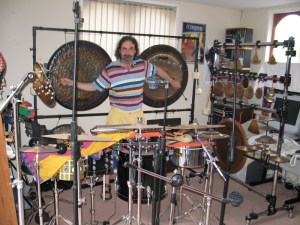
Simon O’Rorke played percussion on Revenge of the Smur – a xenochronous layering of three separate longform duo improvisations, plus a spoken word narrative.
At 23mins it remains one of the longest tracks I’ve made… part of the idea was to suggest a tension that’s never resolved, but that the listener can eventually adapt to (mirroring my life at that stage).
“An apocalypse of bacon!“
 fiffdimension
