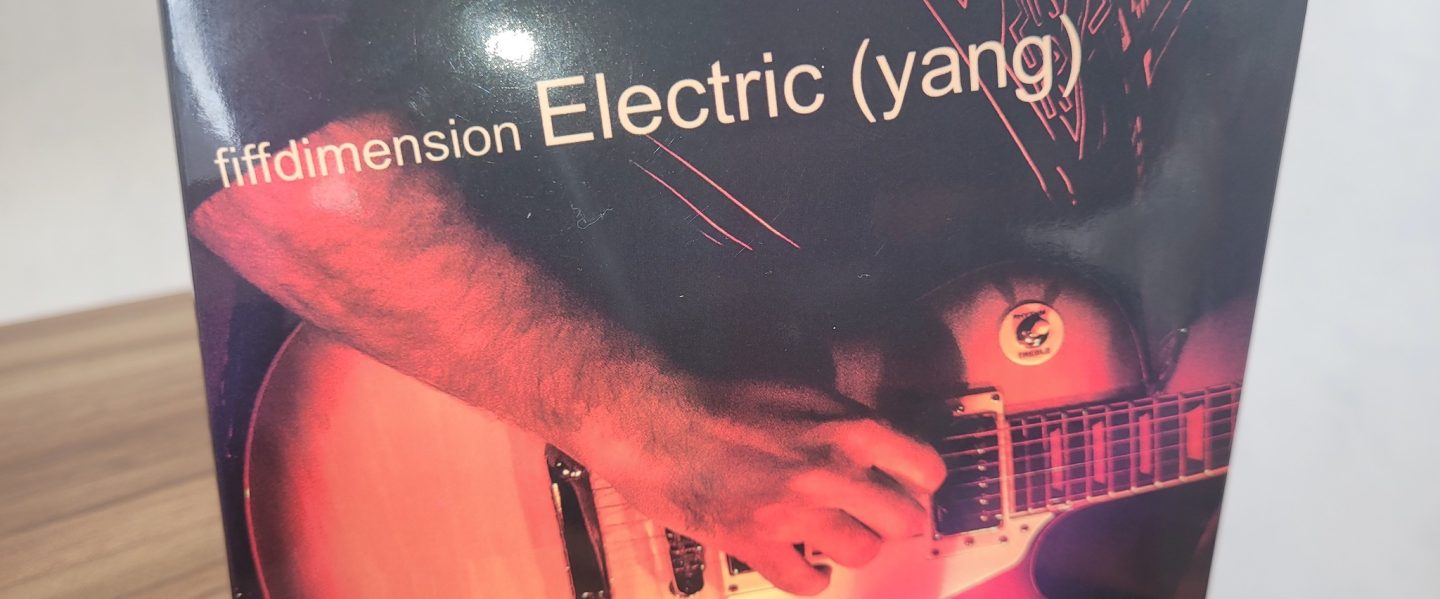
Field recordings and gamelan from my visits to Indonesia in 2014.
As well as the tracks recorded in Indonesia, the album includes gamelan ensembles in Western Australia, and NZ between 2010-2018.
Listen
About
The album title translates to “Gamelan Fifth Dimension”.
Gamelan was introduced to New Zealand in the 1970s. It has an active scene in Wellington (my birthplace, where I first encountered it in 2010 – thanks to www.gamelan.org.nz ).
From 2012-2014 I lived in Perth, Western Australia, and played in the ensemble Gamelan Sekar Puri. From there I was able to visit Indonesia (and Malaysia) relatively affordably.
On returning home to New Zealand at the end of 2014, I spent the next few years as a member of the Wellington gamelan ensembles: Gamelan Taniwha Jaya (Balinese) and Gamelan Padhang Moncar (Javanese). In 2017 I moved to the Wairarapa, so travelling for regular rehearsals became impractical.
The field recordings were made in 2014 in Indonesia -in central Java, then Bali and Nusa Penida islands;
As well as very different scenery, cultures, cuisines and religion – the islands have strikingly different subgenres of gamelan. Stereotypically, the Javanese style is more hypnotic and meditative, while the Balinese style is faster and complex.
Yogyakarta and Surakarta, Central Java
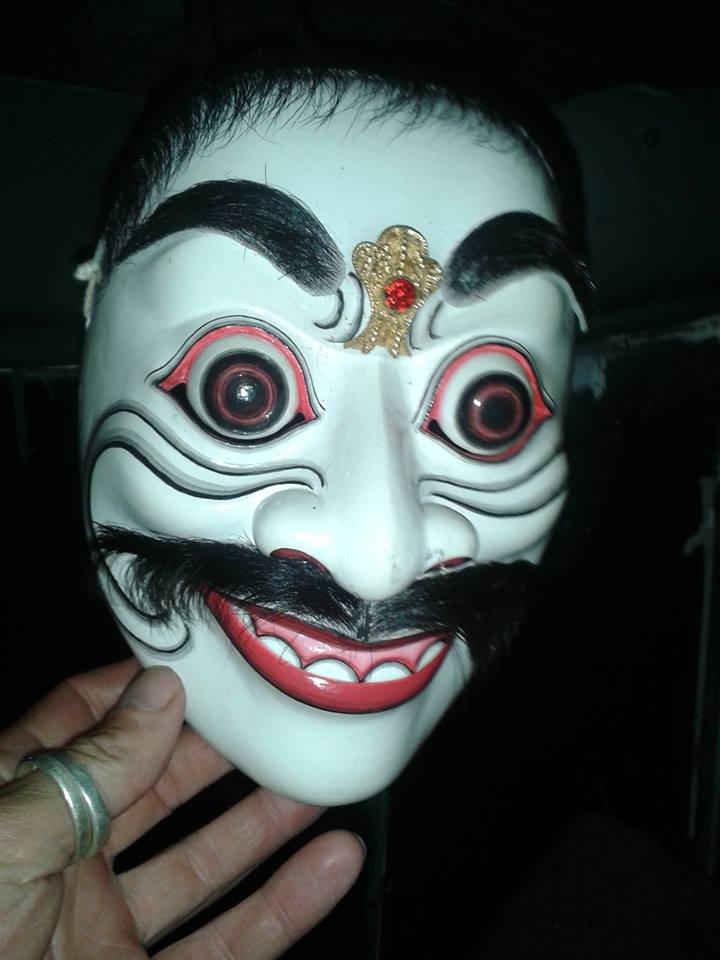

Central Java, Indonesia 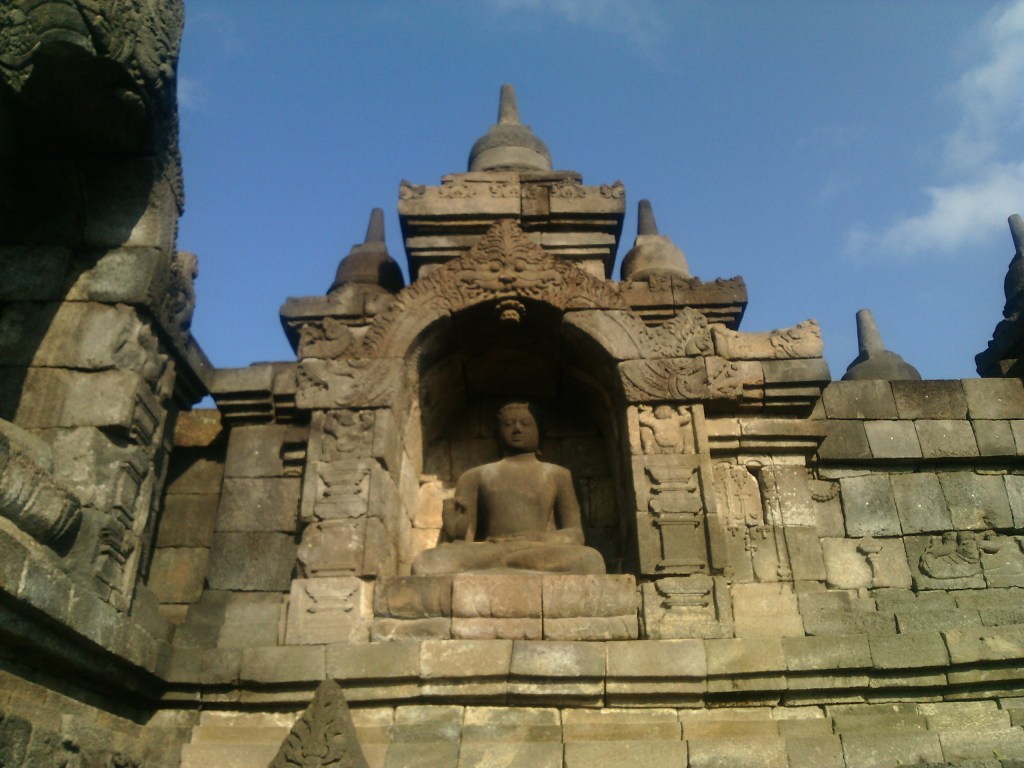
Borobudur temple, Central Java, Indonesia 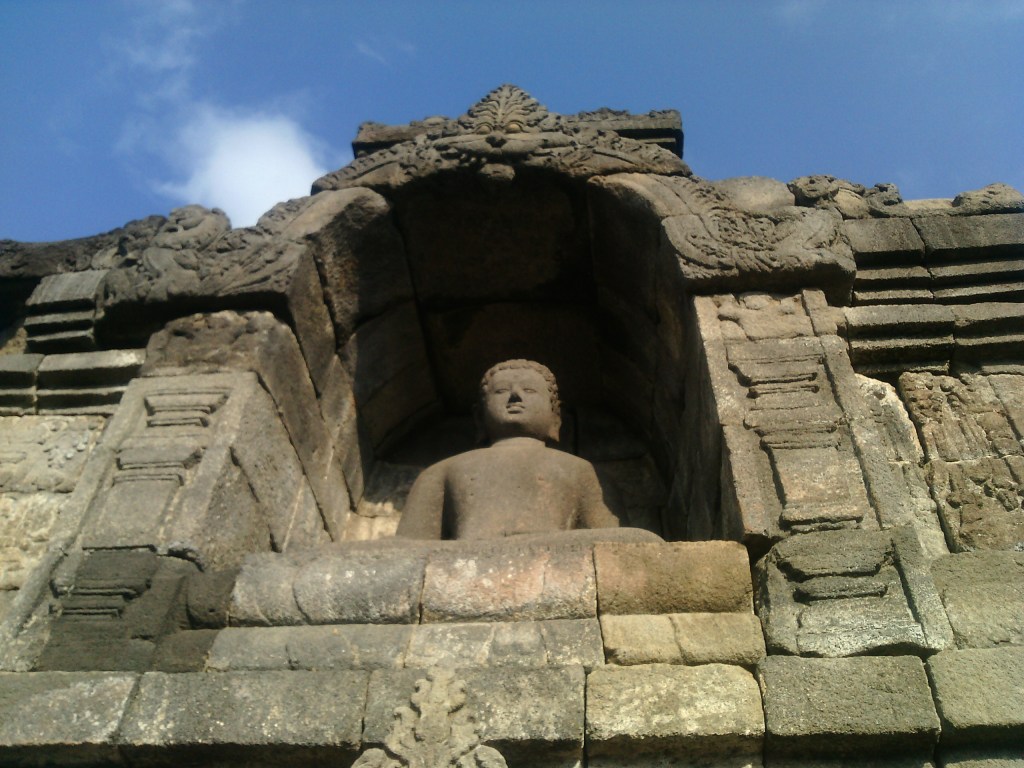
Borobudur temple, Central Java, Indonesia 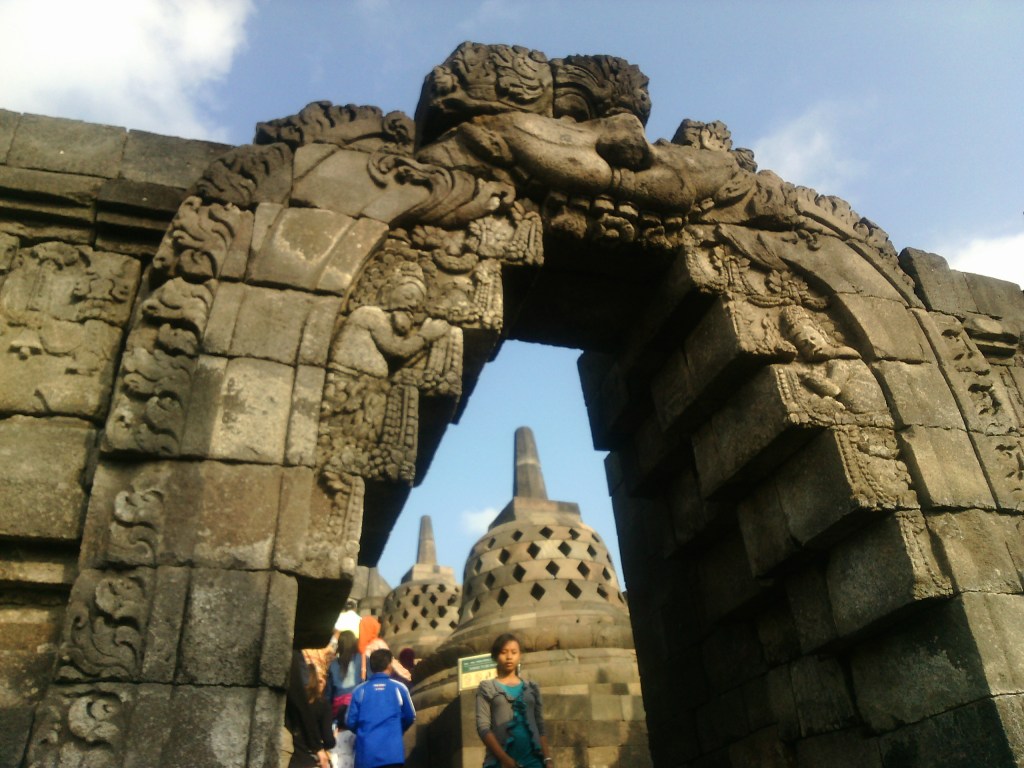
Borobudur temple, Central Java, Indonesia 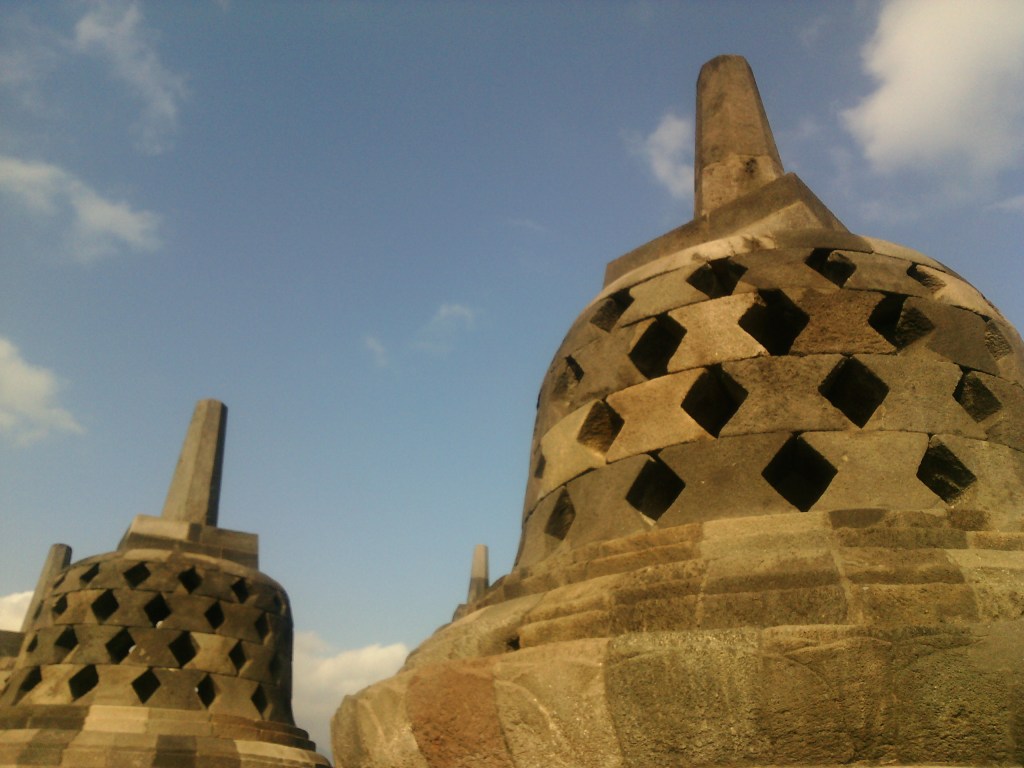
Borobudur temple, Central Java, Indonesia 
Borobudur temple, Central Java, Indonesia 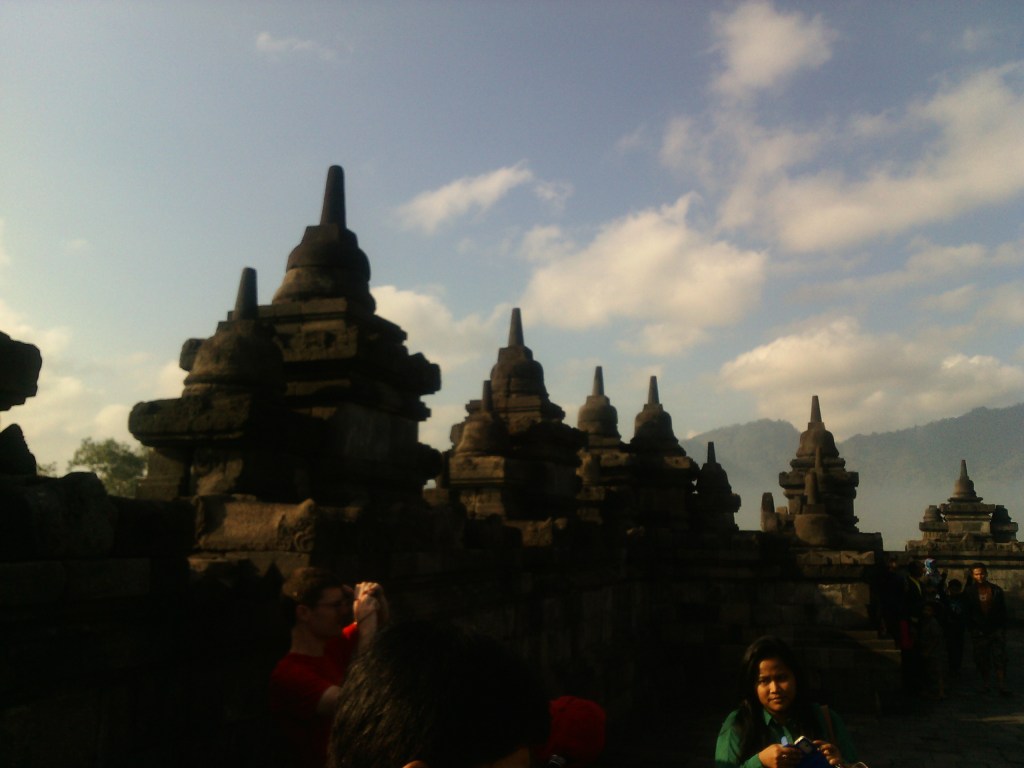
Borobudur temple, Central Java, Indonesia 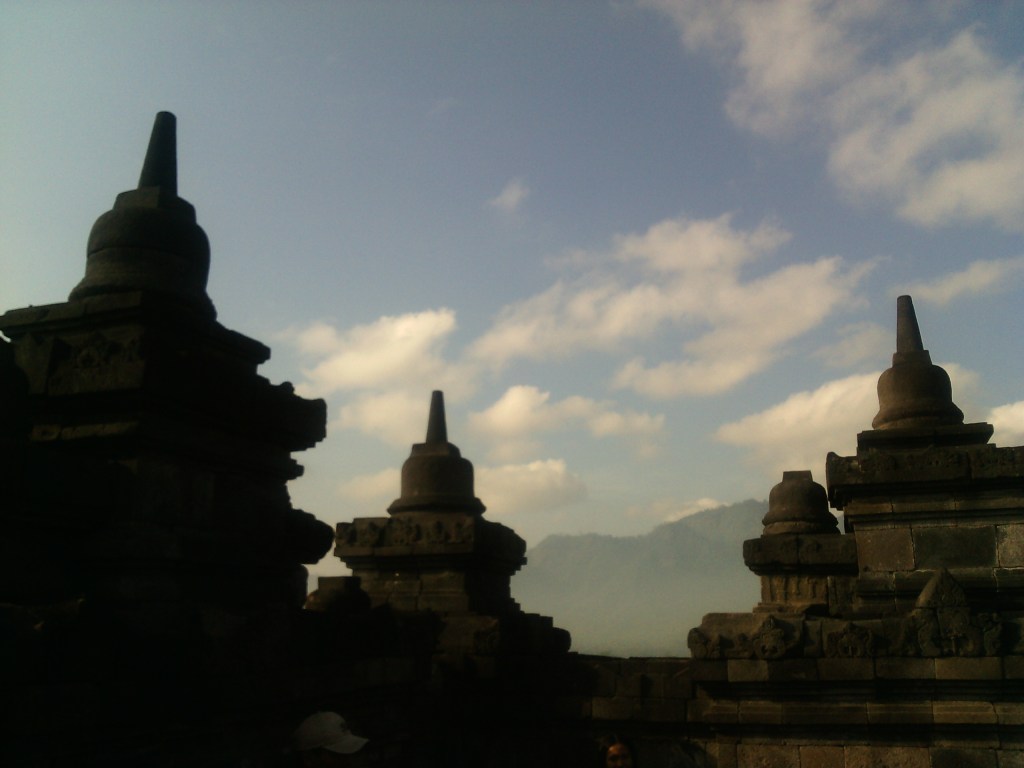
Borobudur temple, Central Java, Indonesia 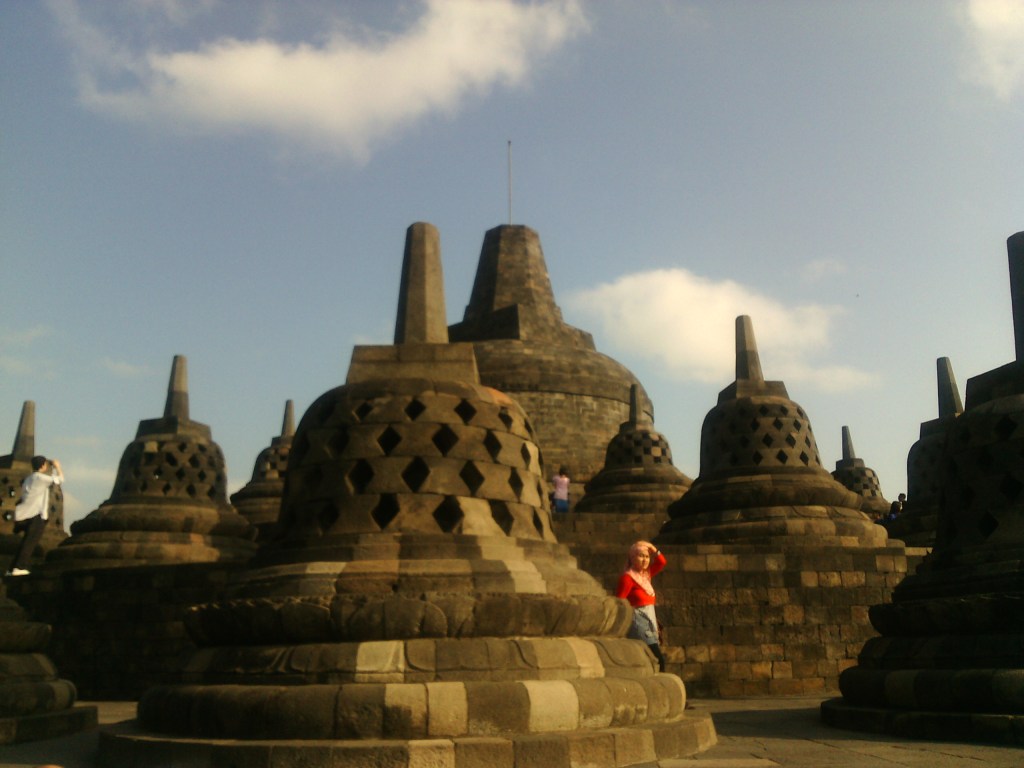
Borobudur temple, Central Java, Indonesia 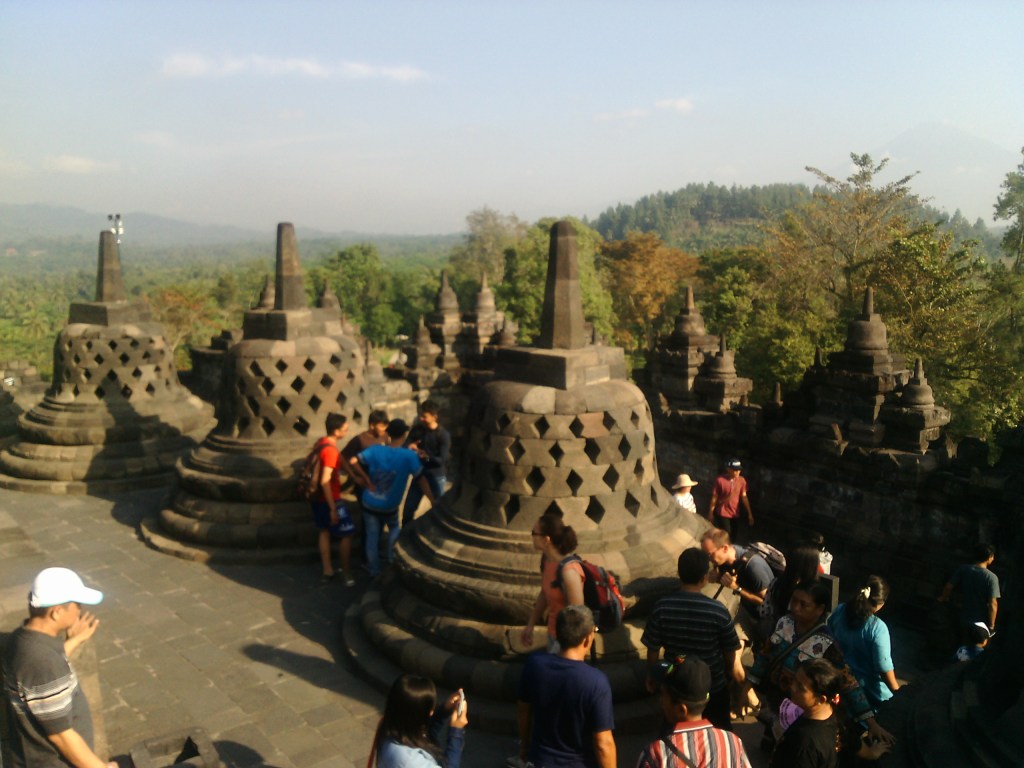
Borobudur temple, Central Java, Indonesia 
Borobudur temple, Central Java, Indonesia 
Borobudur temple, Central Java, Indonesia 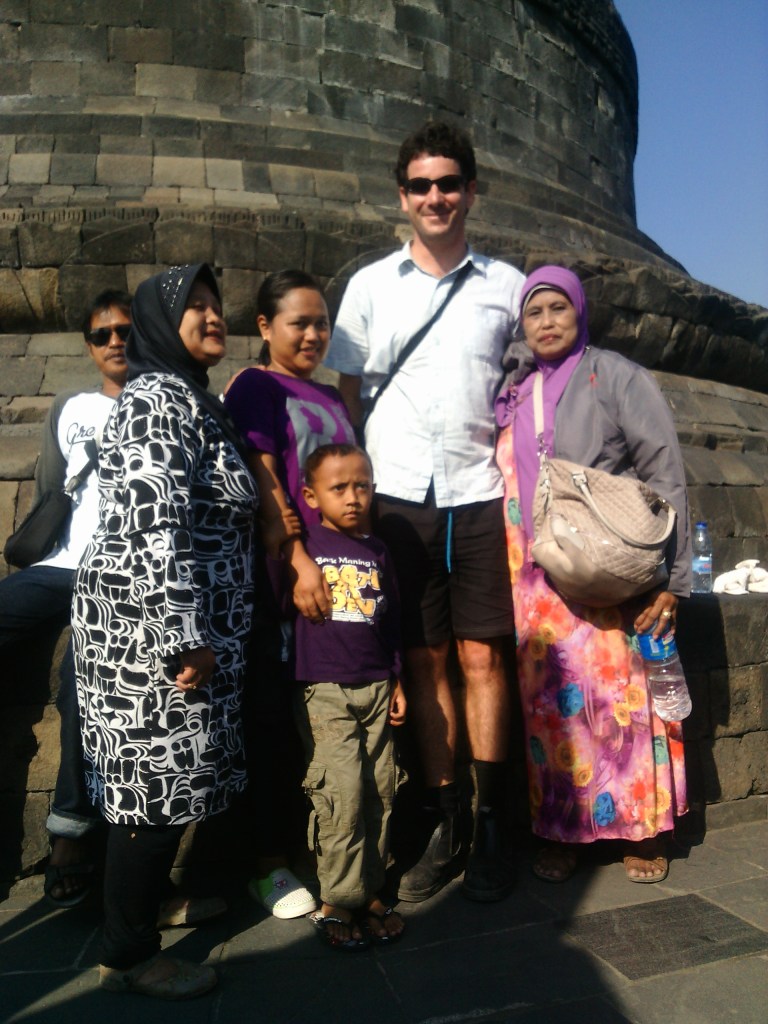
Borobudur temple, Central Java, Indonesia, 2014 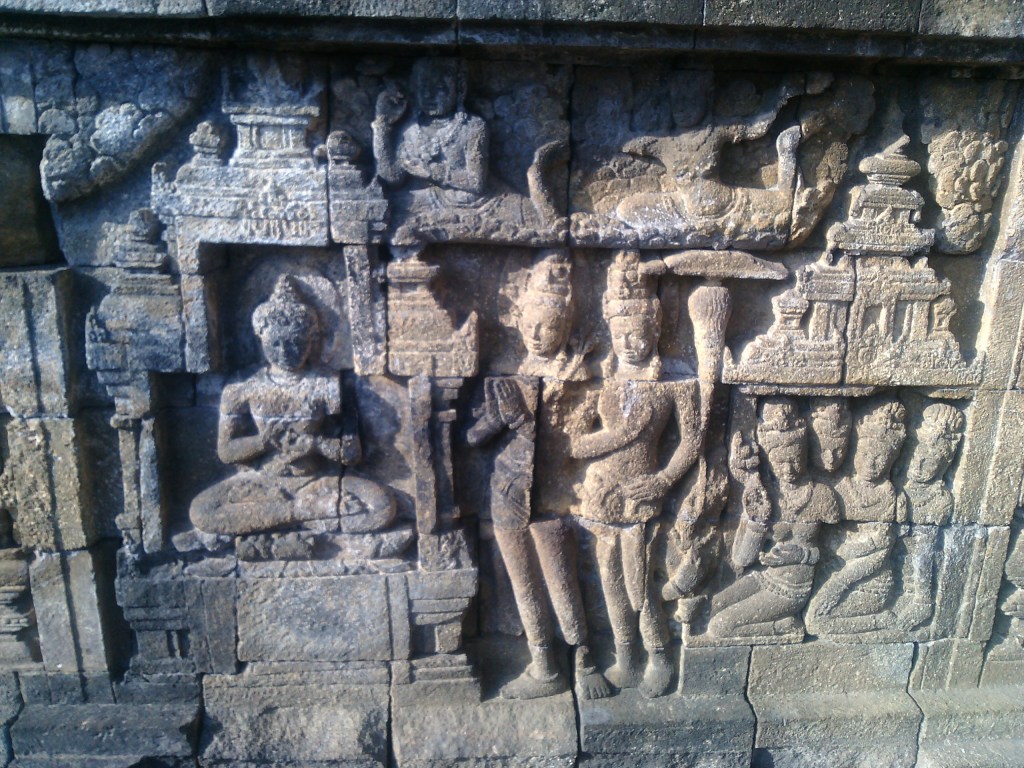
Borobudur temple, Central Java, Indonesia 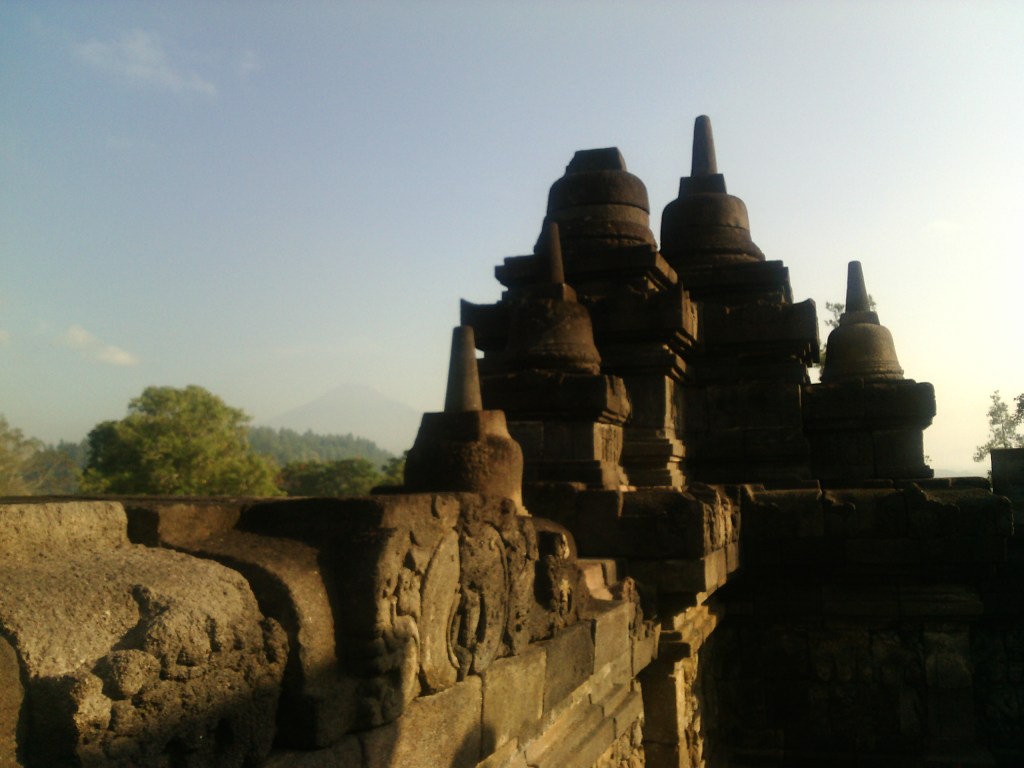
Borobudur temple, Central Java, Indonesia 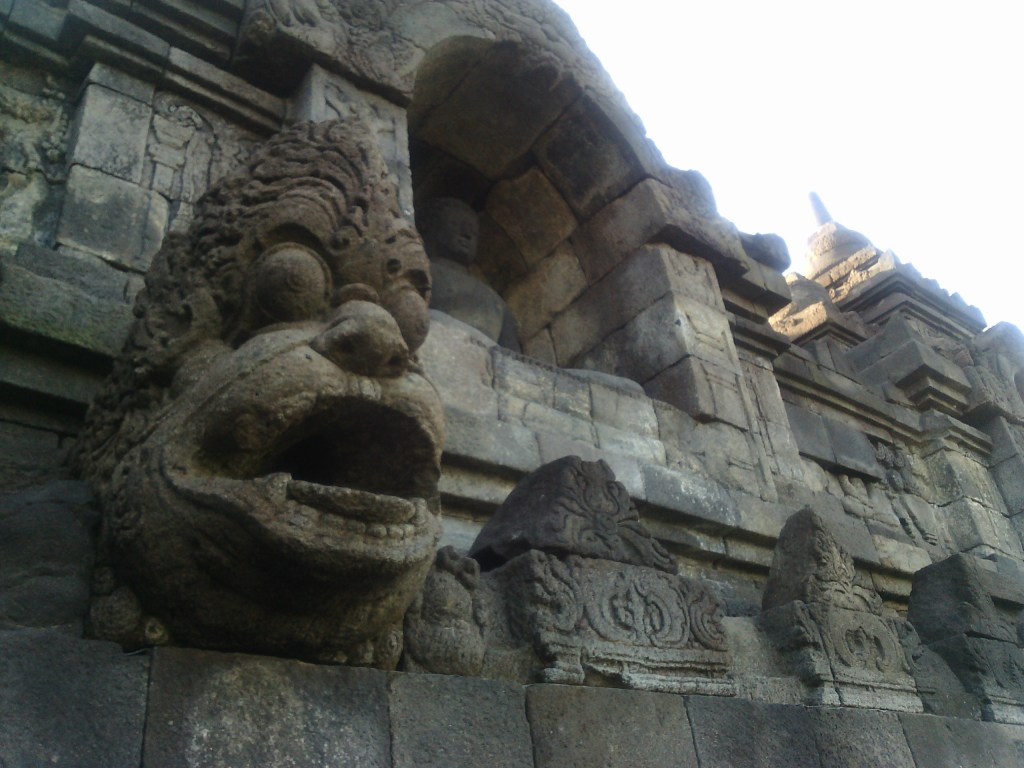
Borobudur temple, Central Java, Indonesia 
Borobudur temple, Central Java, Indonesia 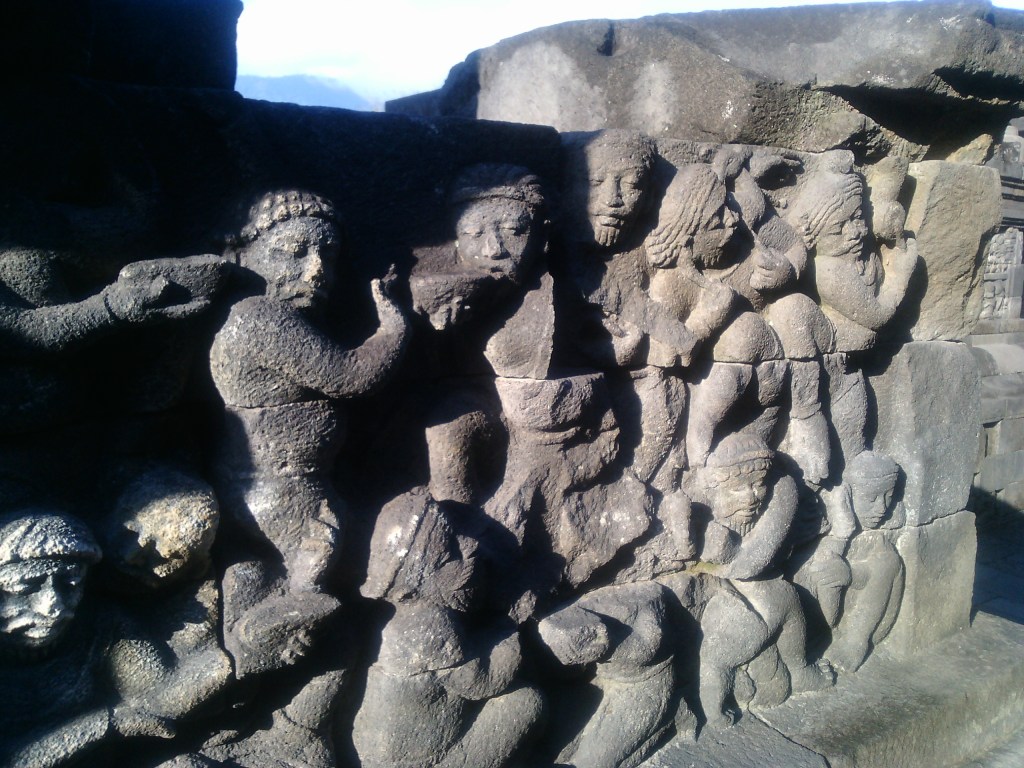
Borobudur temple, Central Java, Indonesia 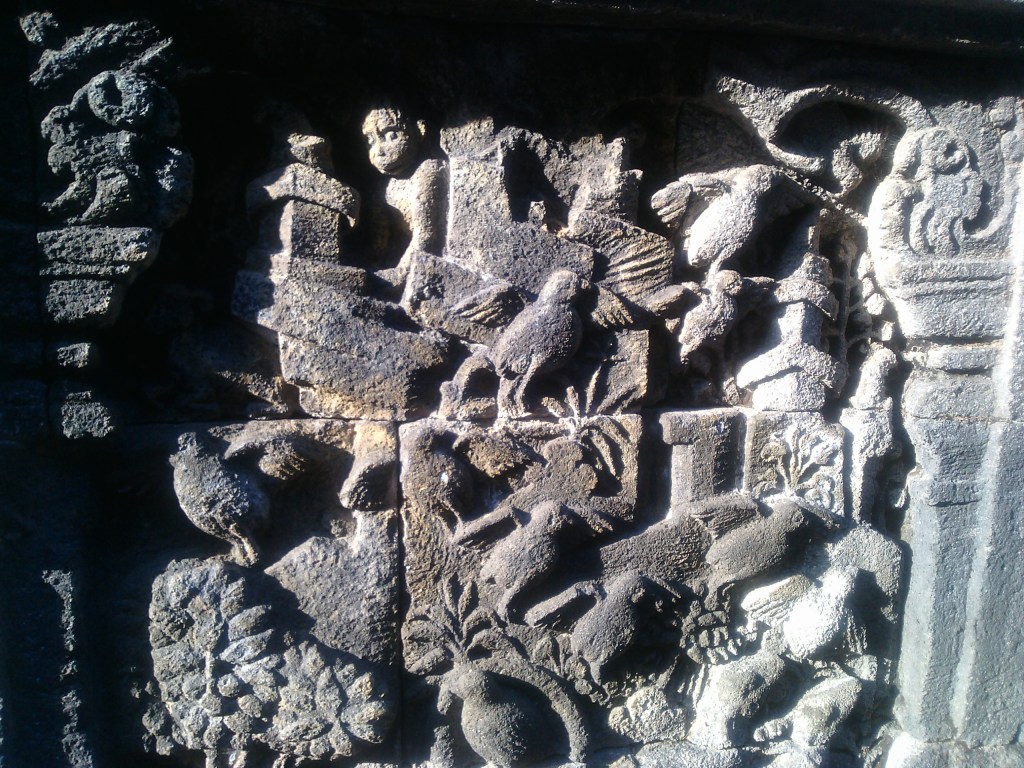
Borobudur temple, Central Java, Indonesia 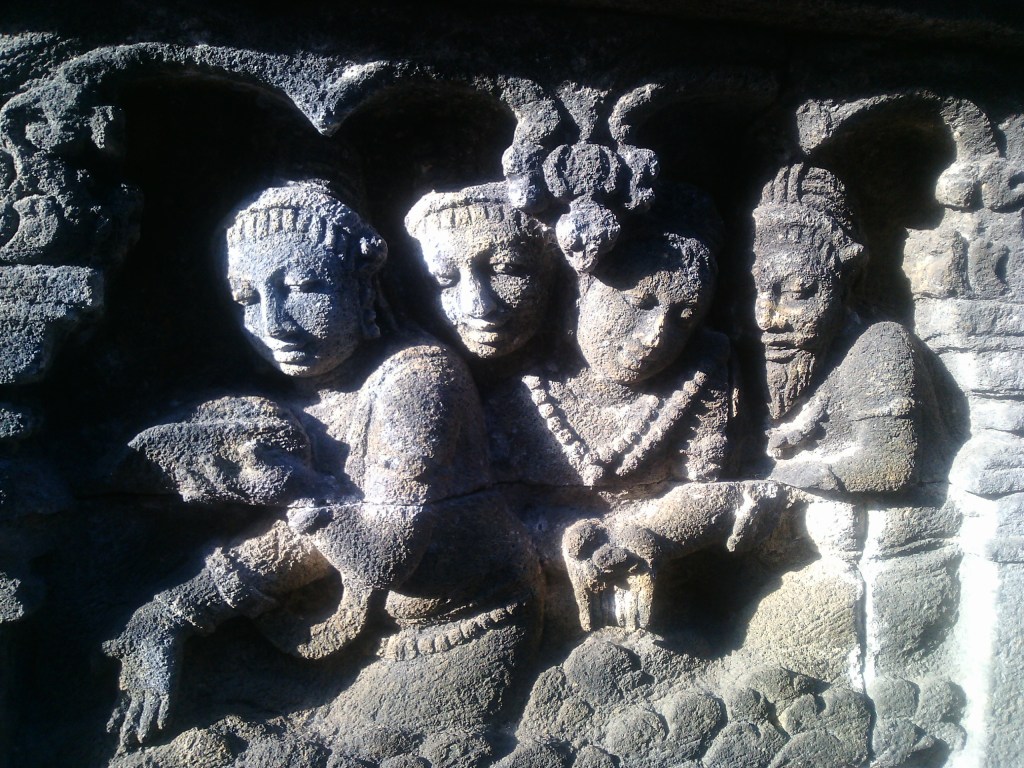
Borobudur temple, Central Java, Indonesia 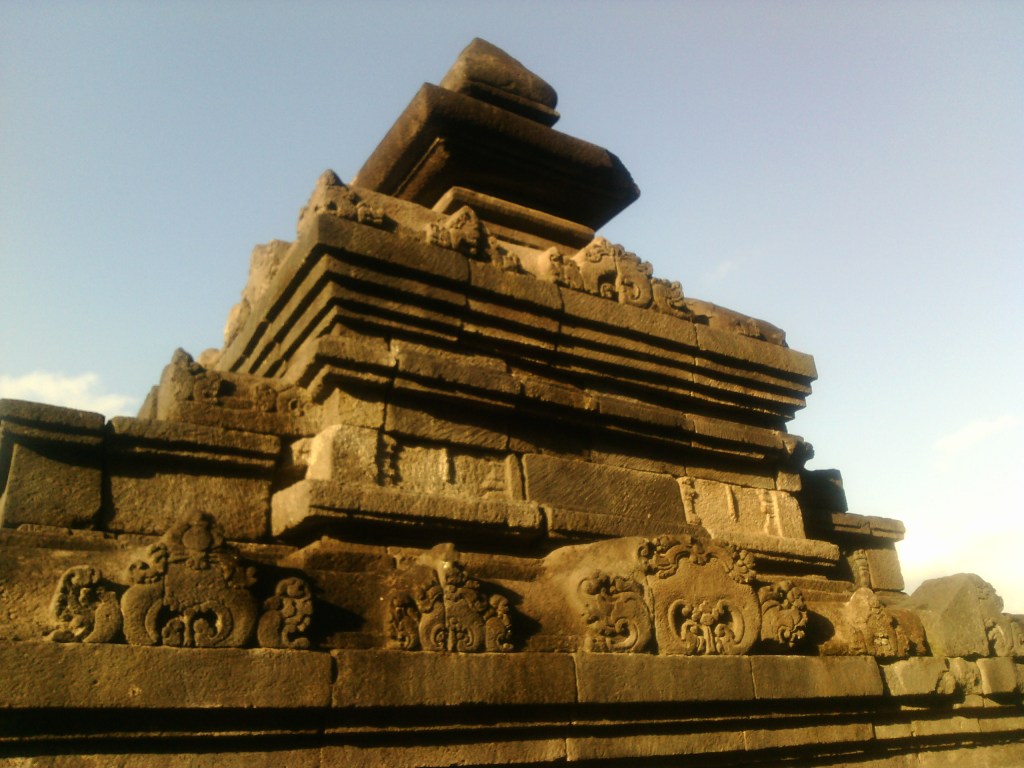
Borobudur temple, Central Java, Indonesia 
Borobudur temple, Central Java, Indonesia 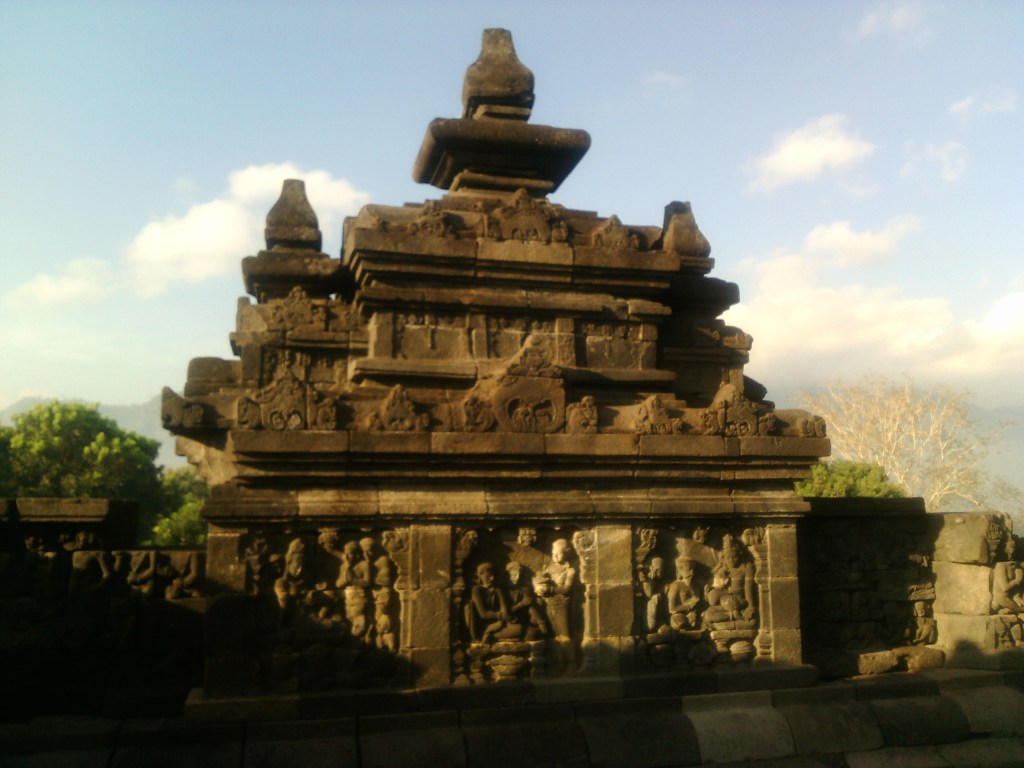
Borobudur temple, Central Java, Indonesia 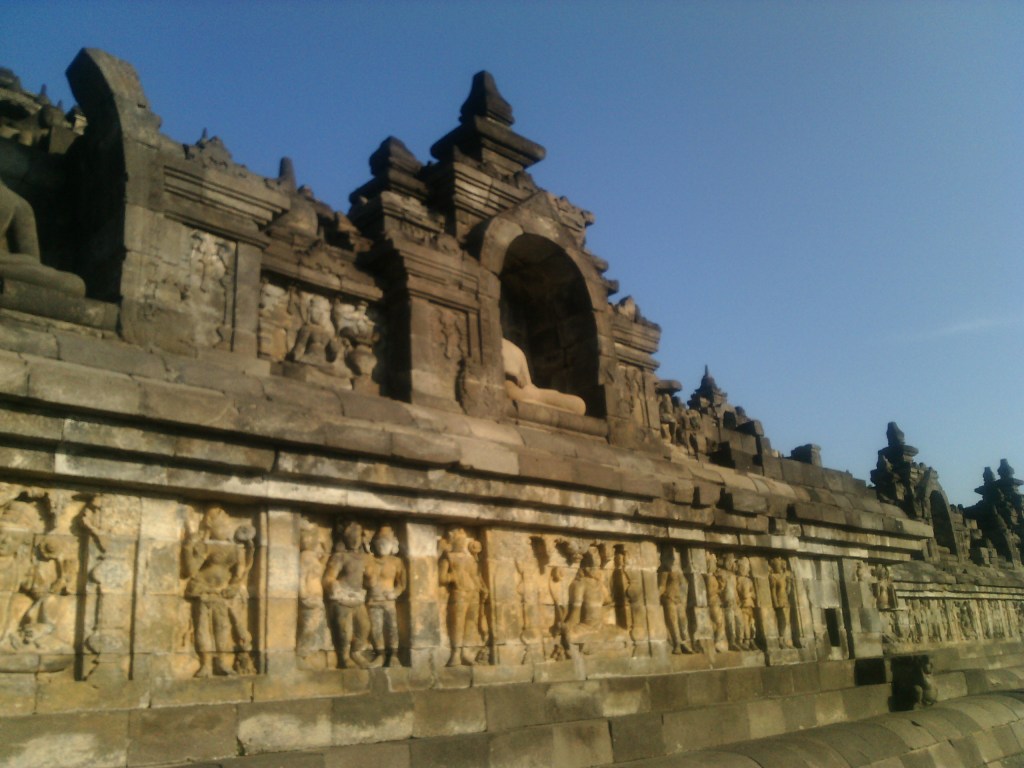
Borobudur temple, Central Java, Indonesia 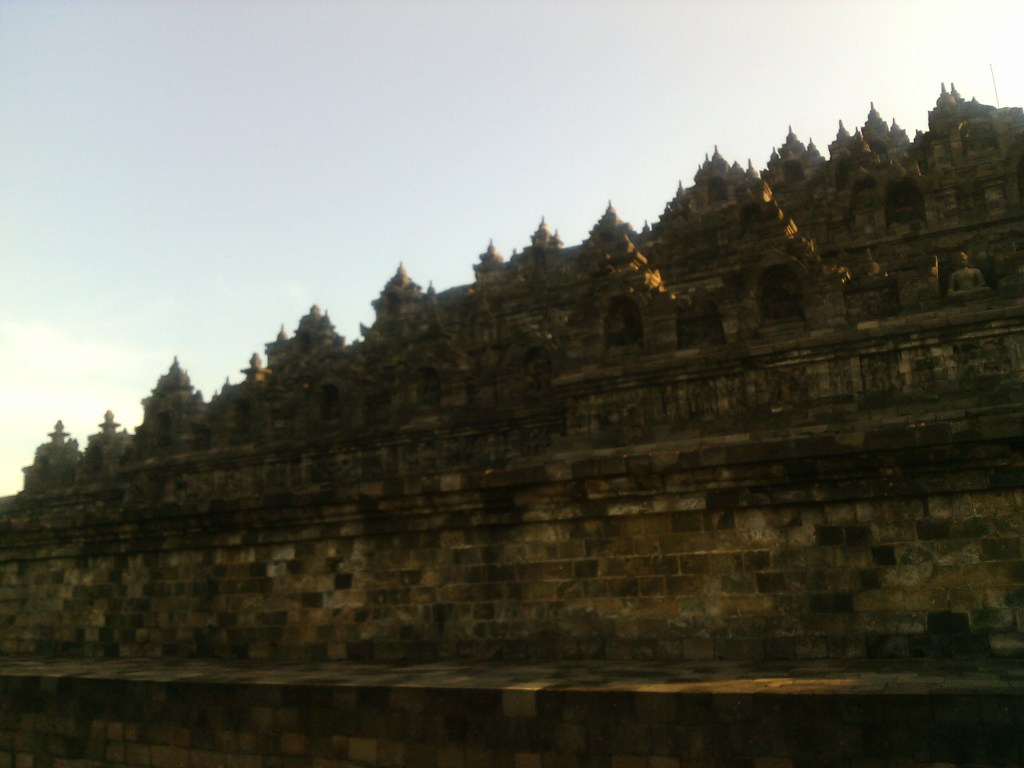
Borobudur temple, Central Java, Indonesia 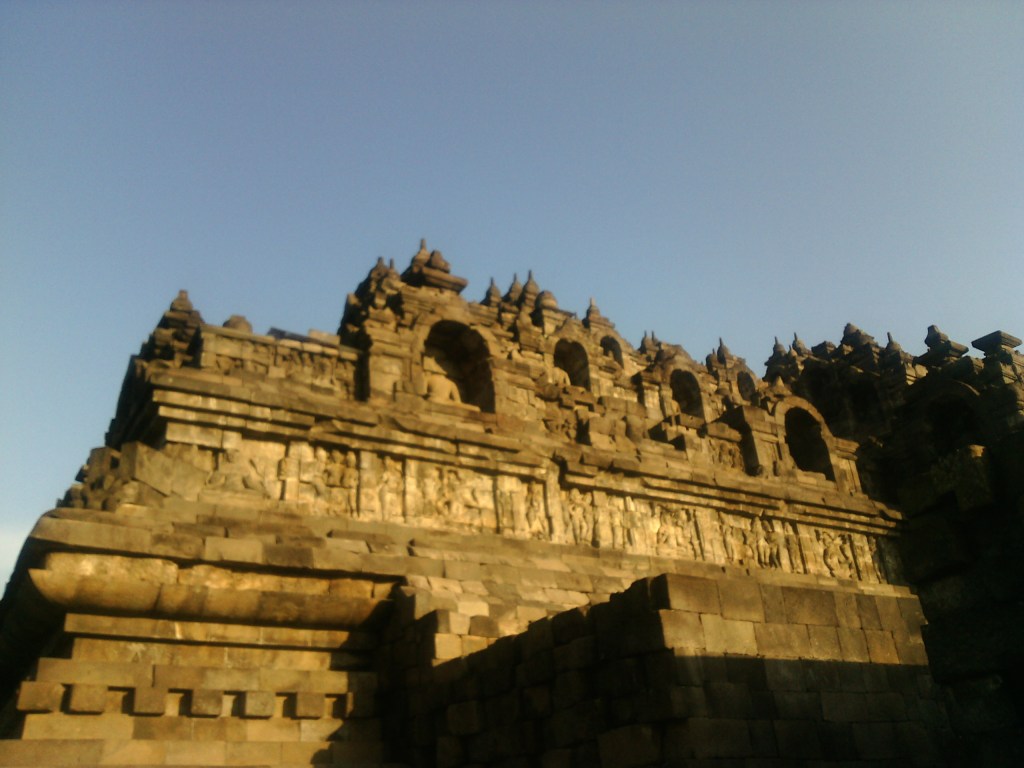
Borobudur temple, Central Java, Indonesia 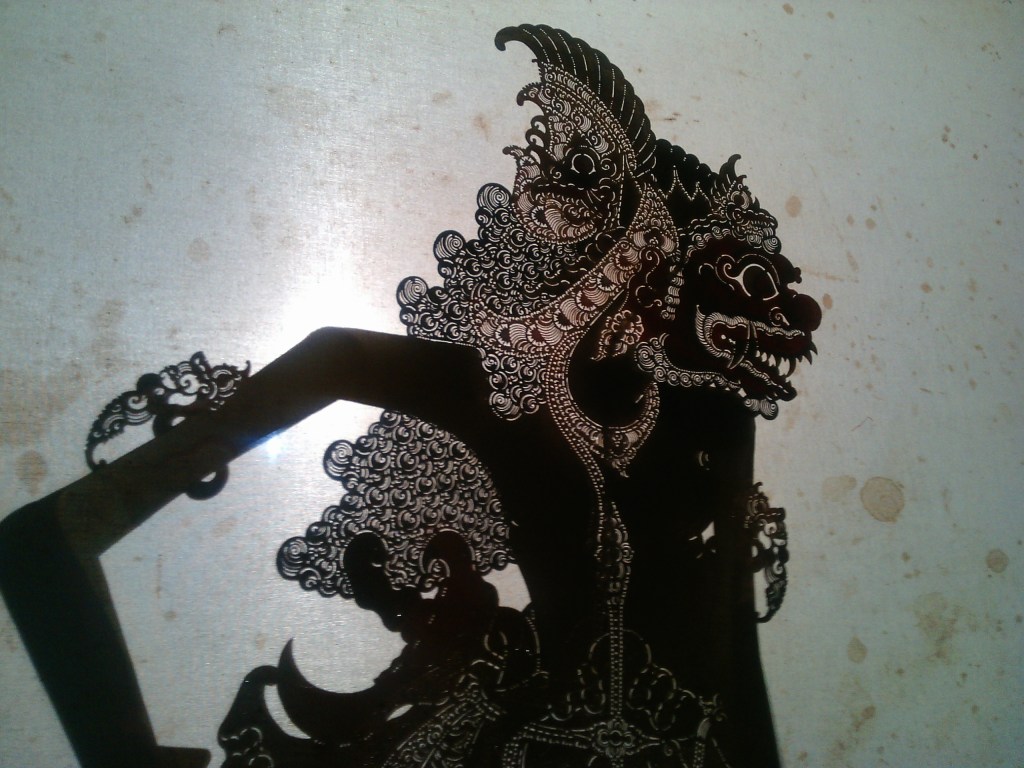
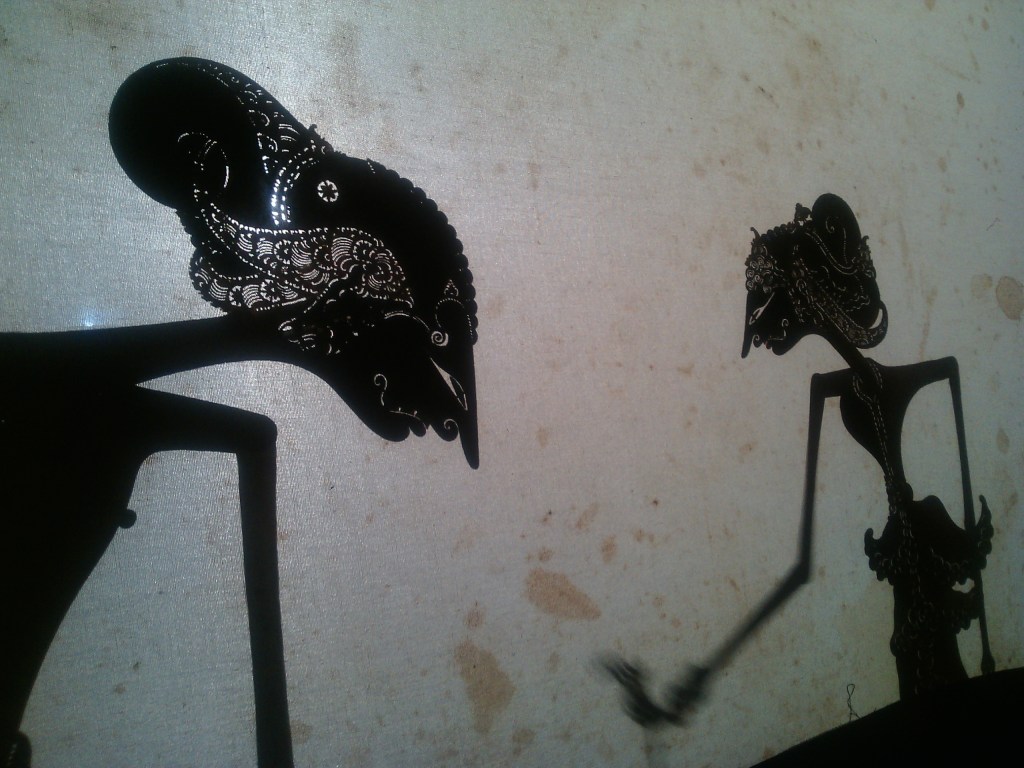
Javanese shadow puppets, Indonesia, 2014 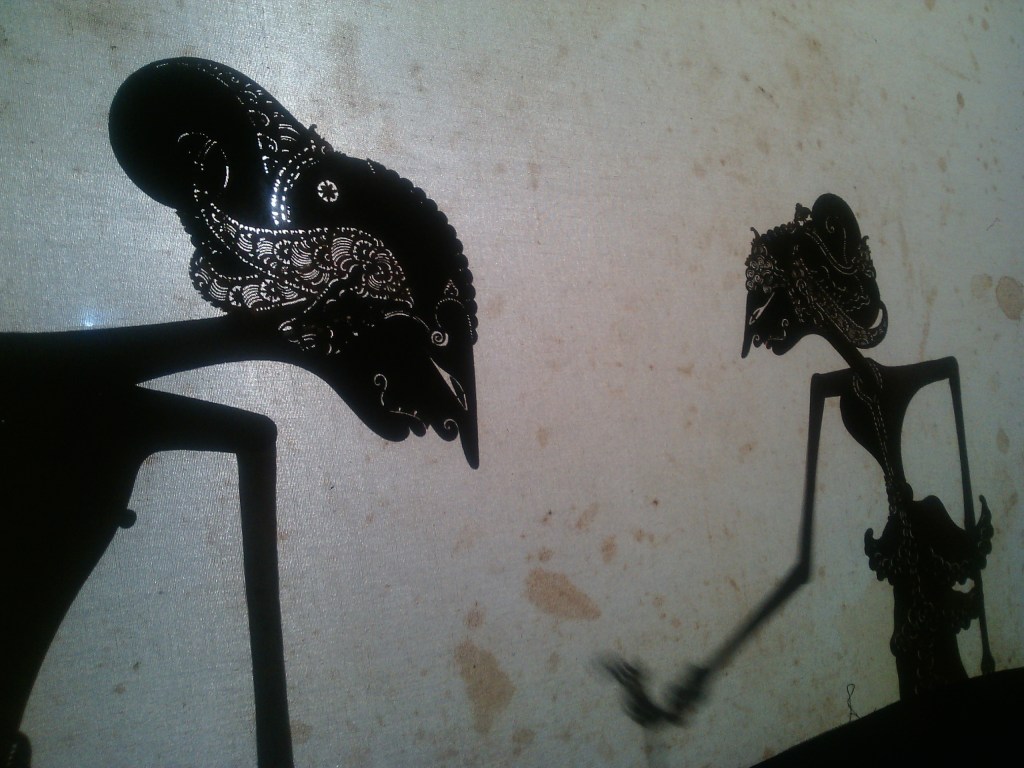
Javanese shadow puppets, Indonesia 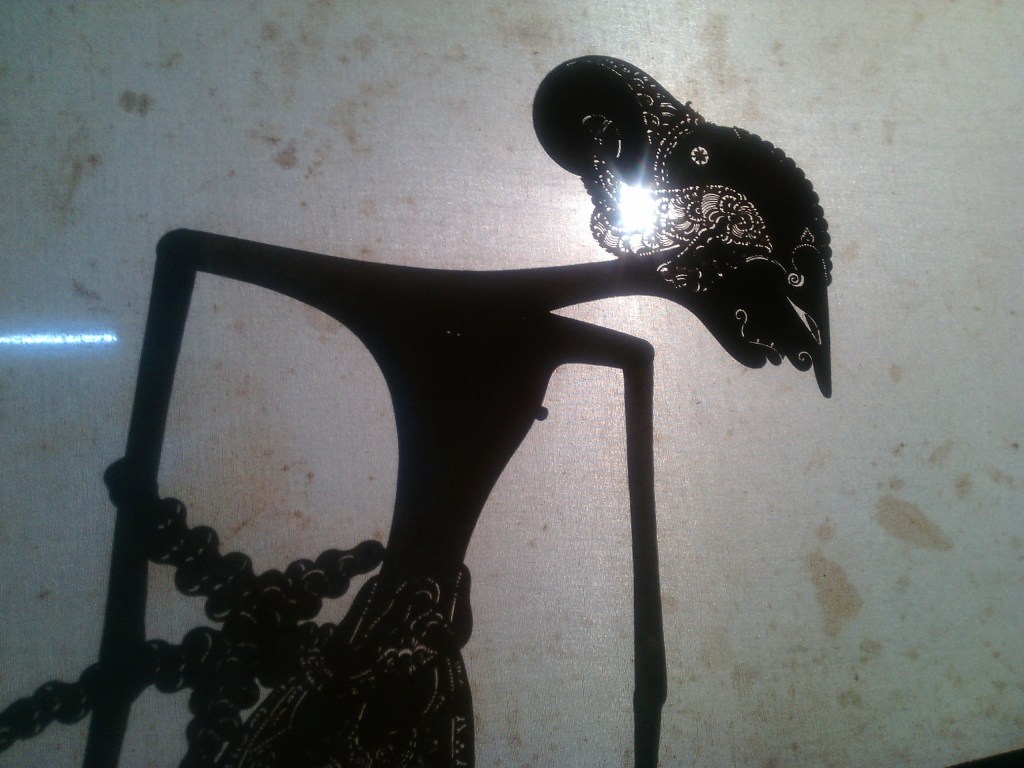
Javanese shadow puppets, Indonesia 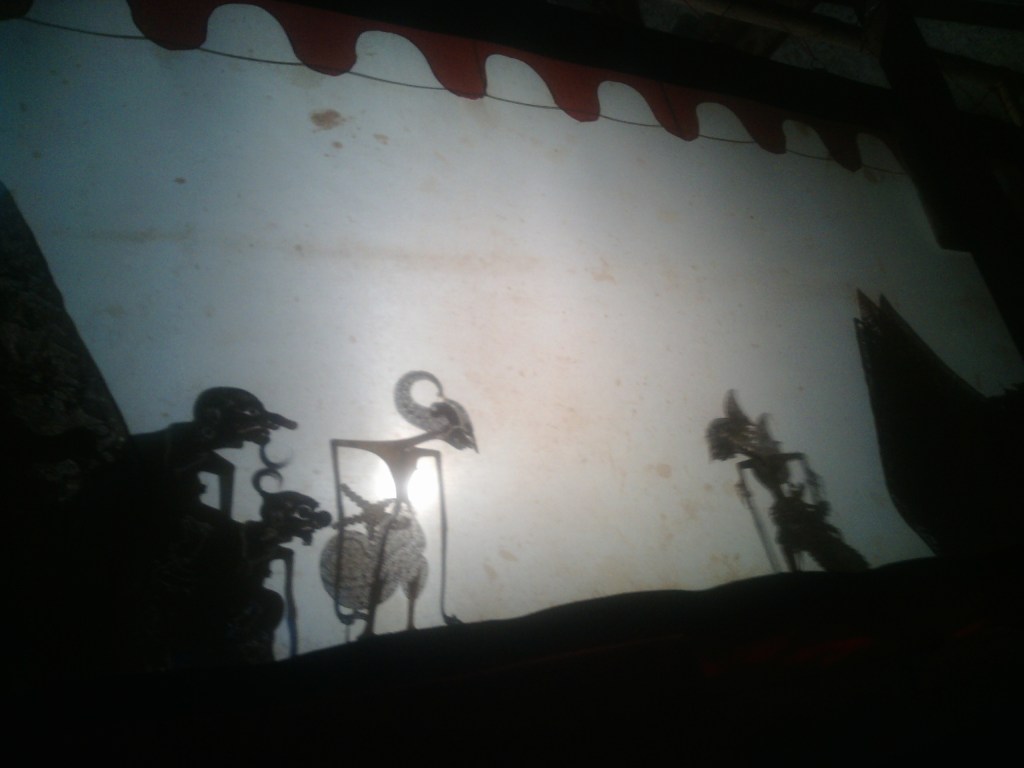
Javanese shadow puppets, Indonesia 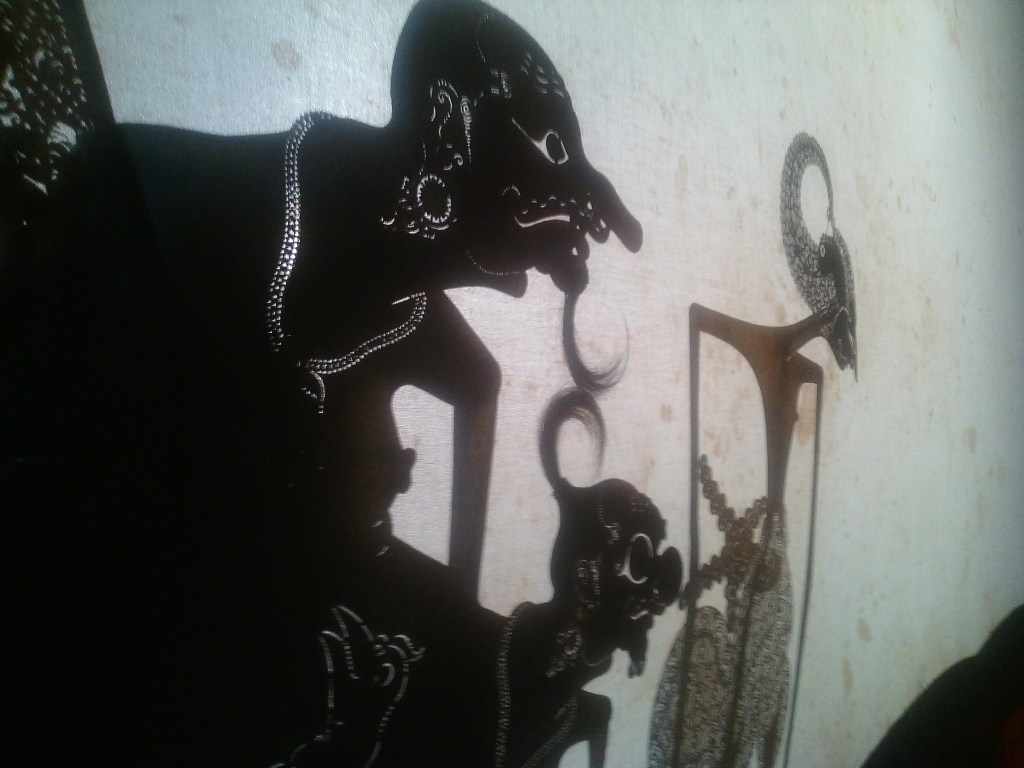
Javanese shadow puppets, Indonesia 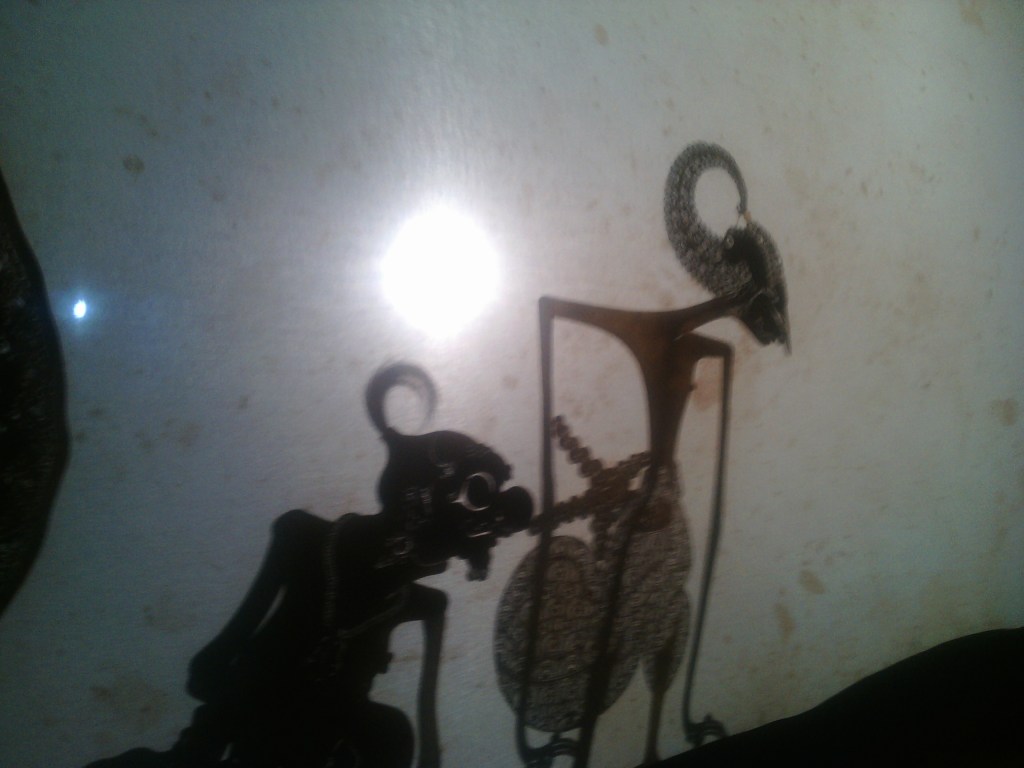
Javanese shadow puppets, Indonesia 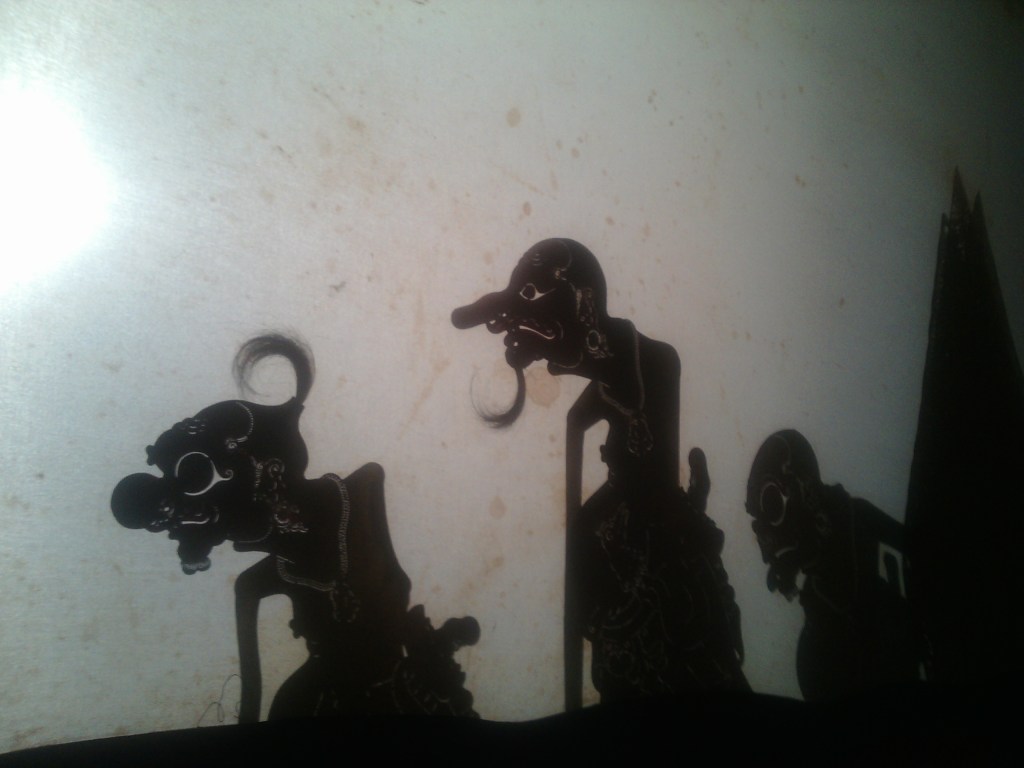
Javanese shadow puppets, Indonesia 
Javanese shadow puppets, Indonesia 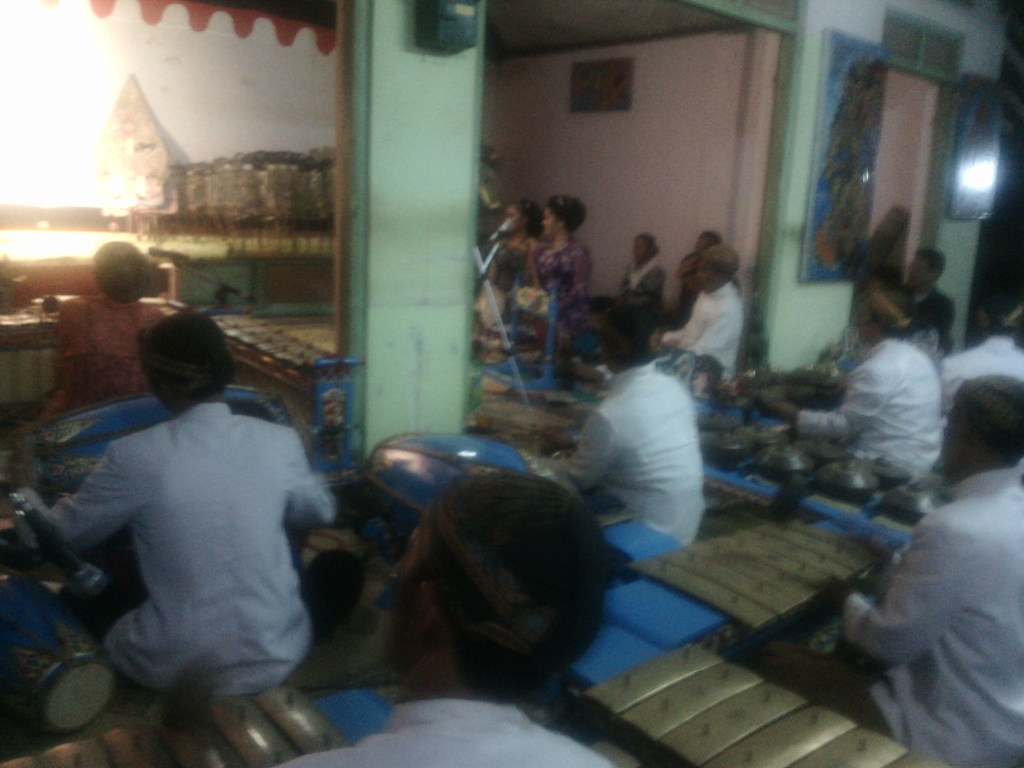
Javanese gamelan, Indonesia 
Javanese gamelan, Indonesia 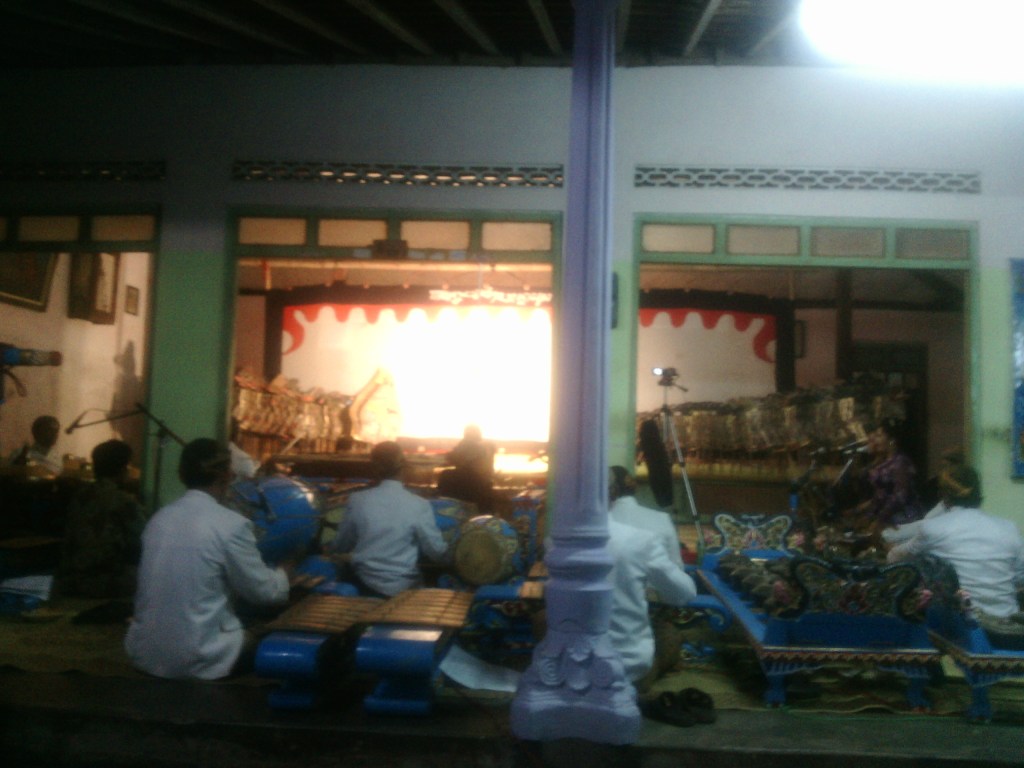
Javanese gamelan, Indonesia 
Central Java, Indonesia 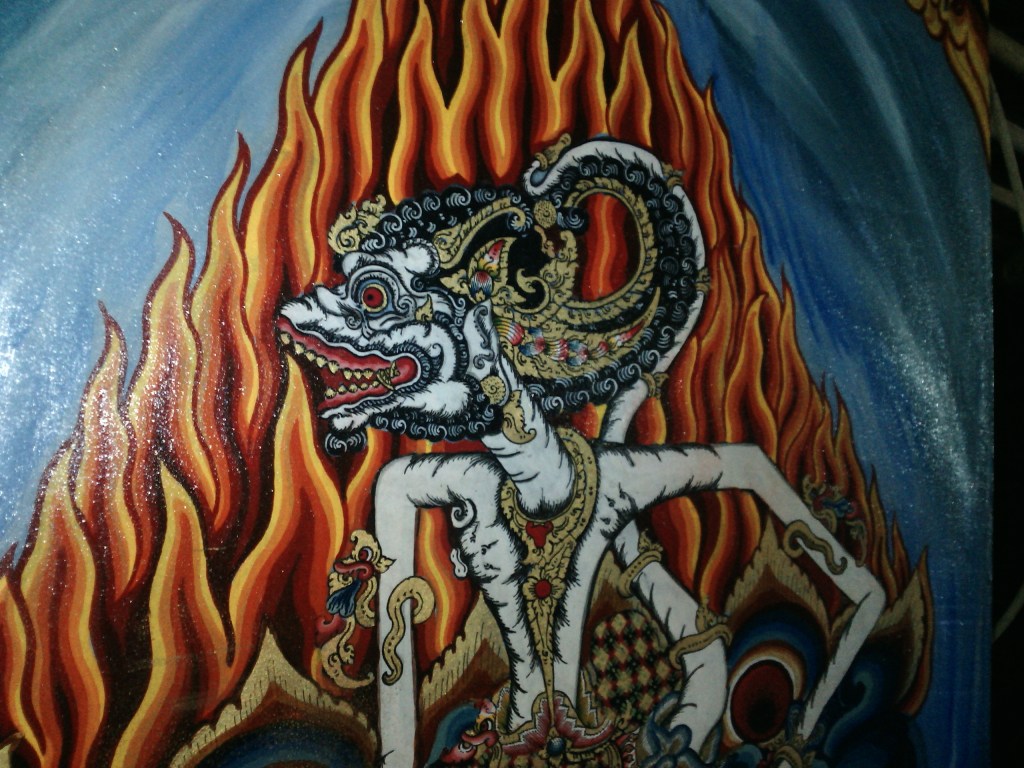
Central Java, Indonesia 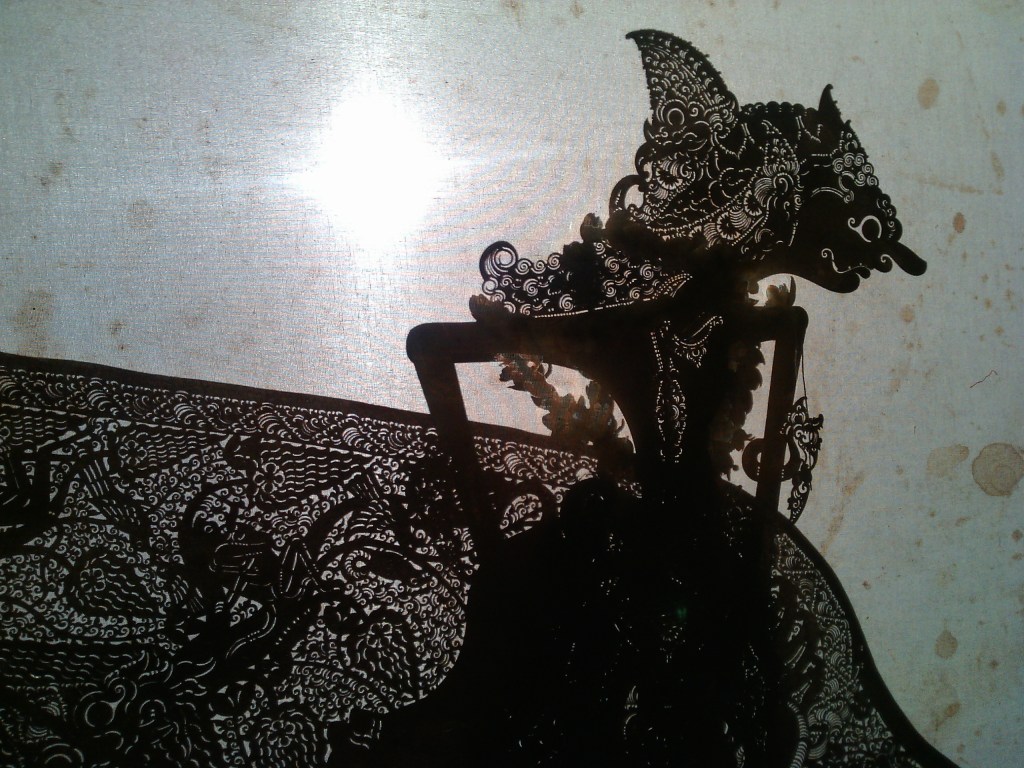
Javanese shadow puppets, Indonesia 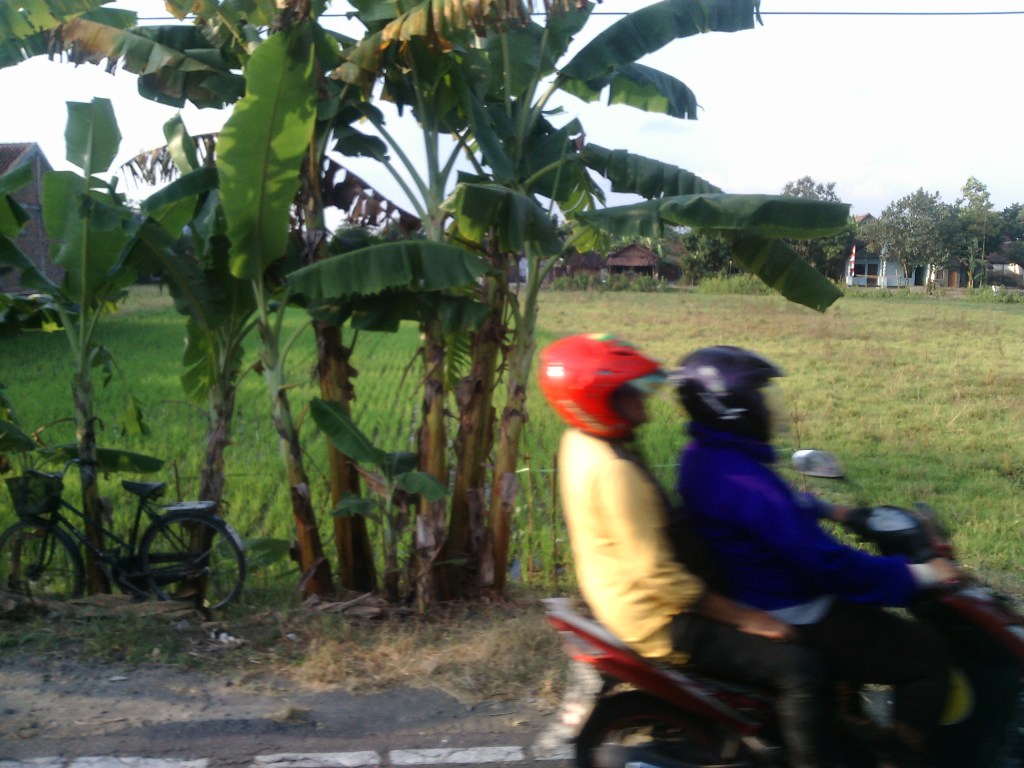
Central Java, Indonesia 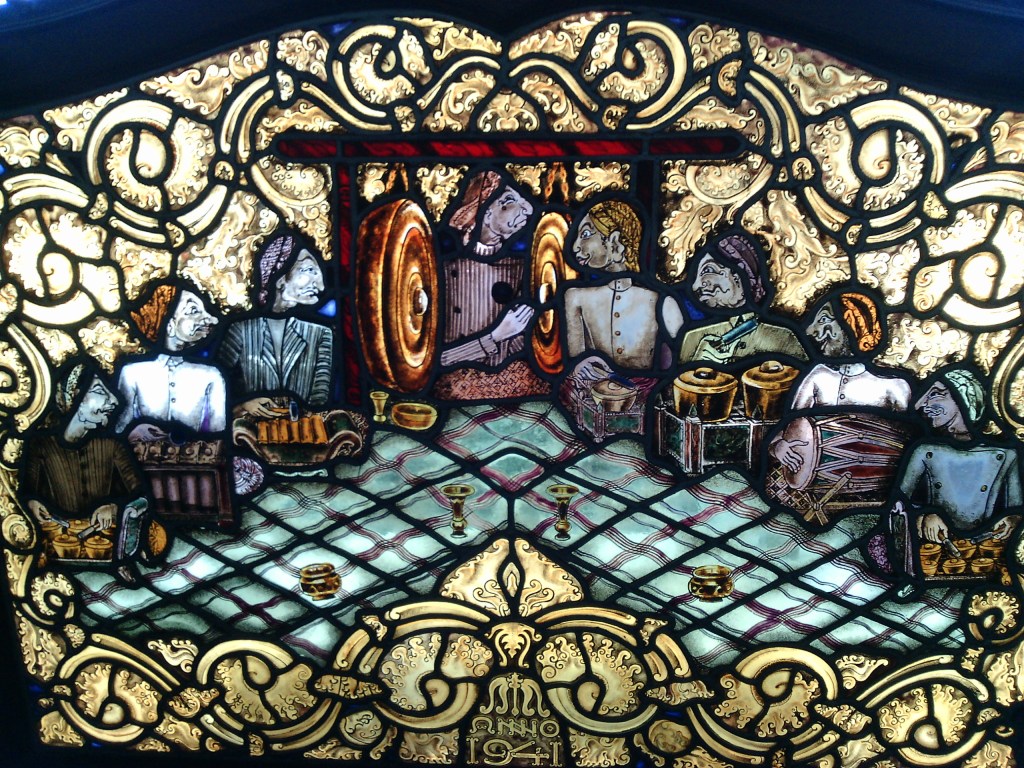
Central Java, Indonesia 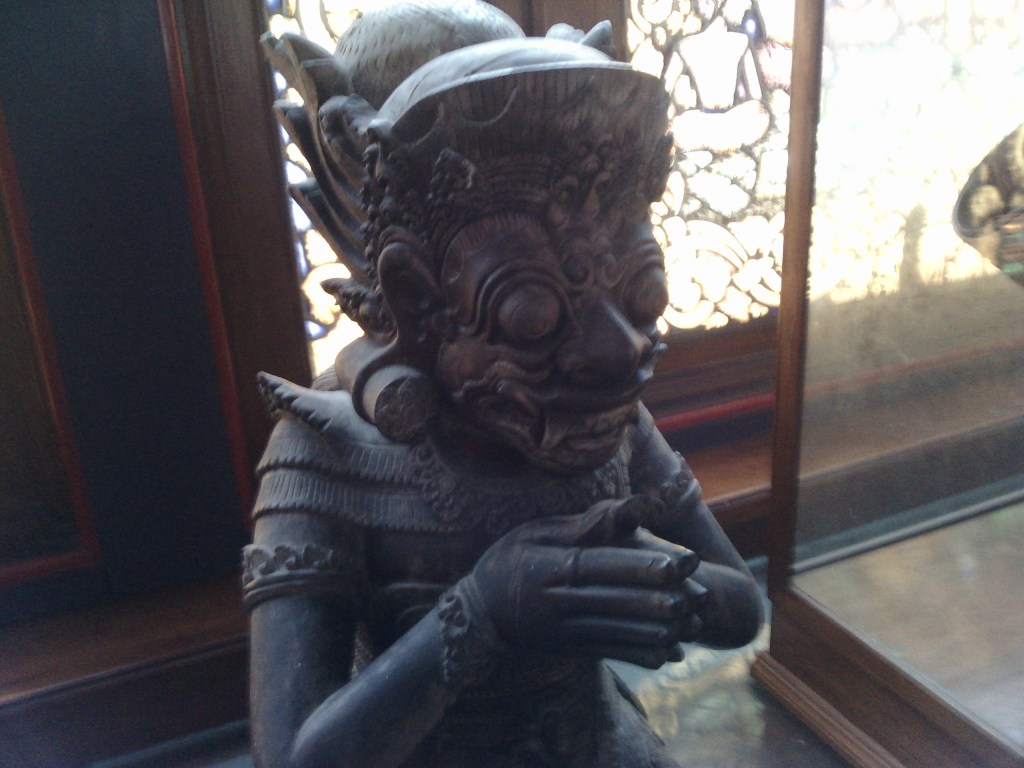
Central Java, Indonesia 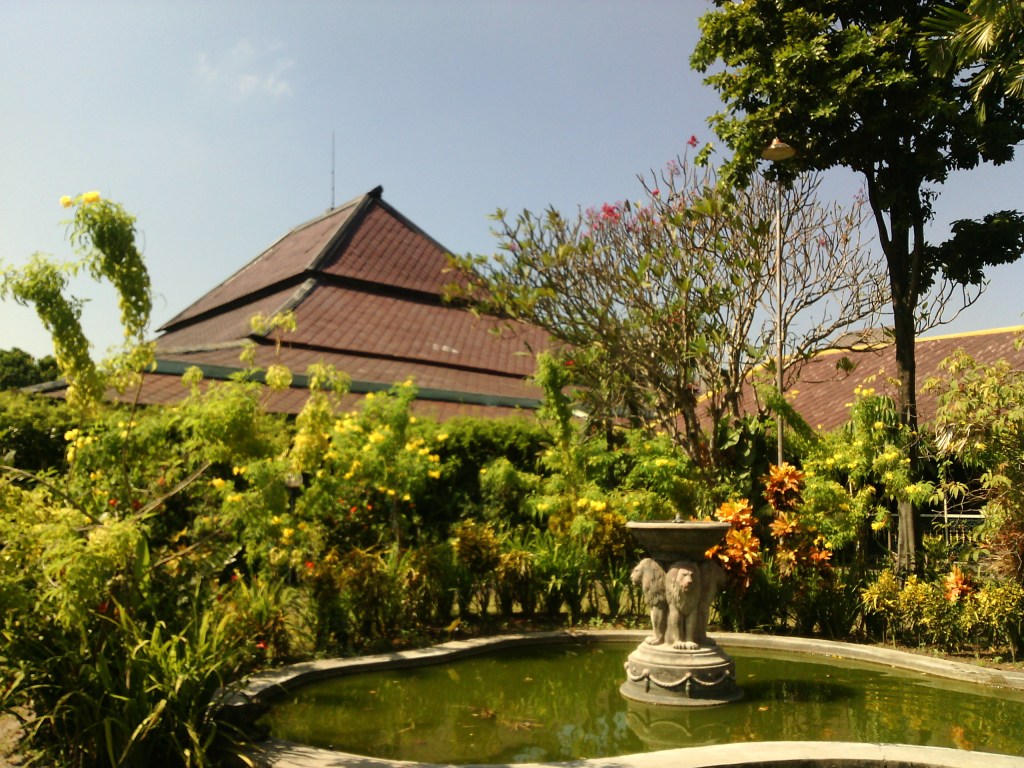
Central Java, Indonesia 
Central Java, Indonesia 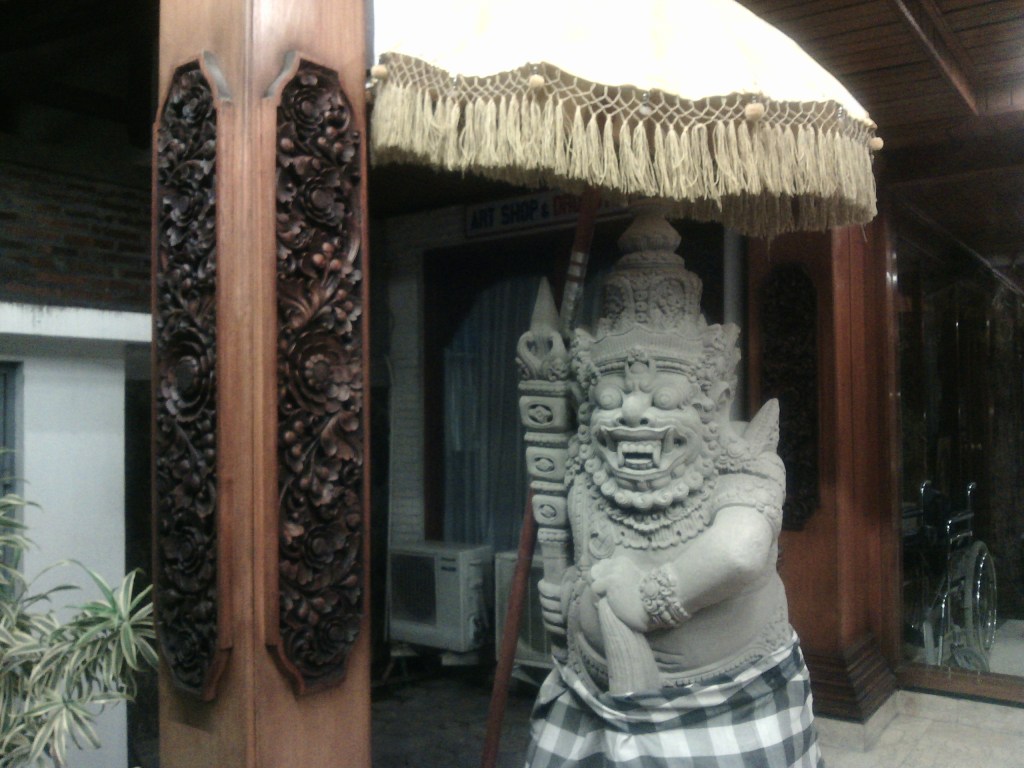
Central Java, Indonesia 
Central Java, Indonesia 
Yogyakarta, Central Java, Indonesia 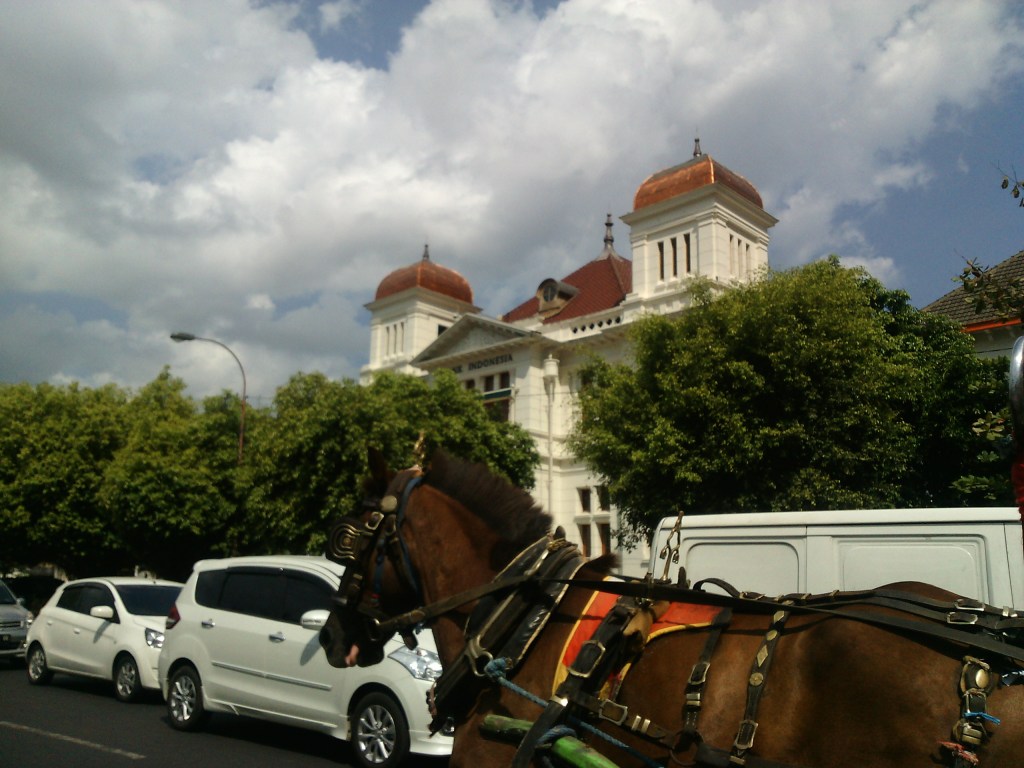
Yogyakarta, Central Java, Indonesia 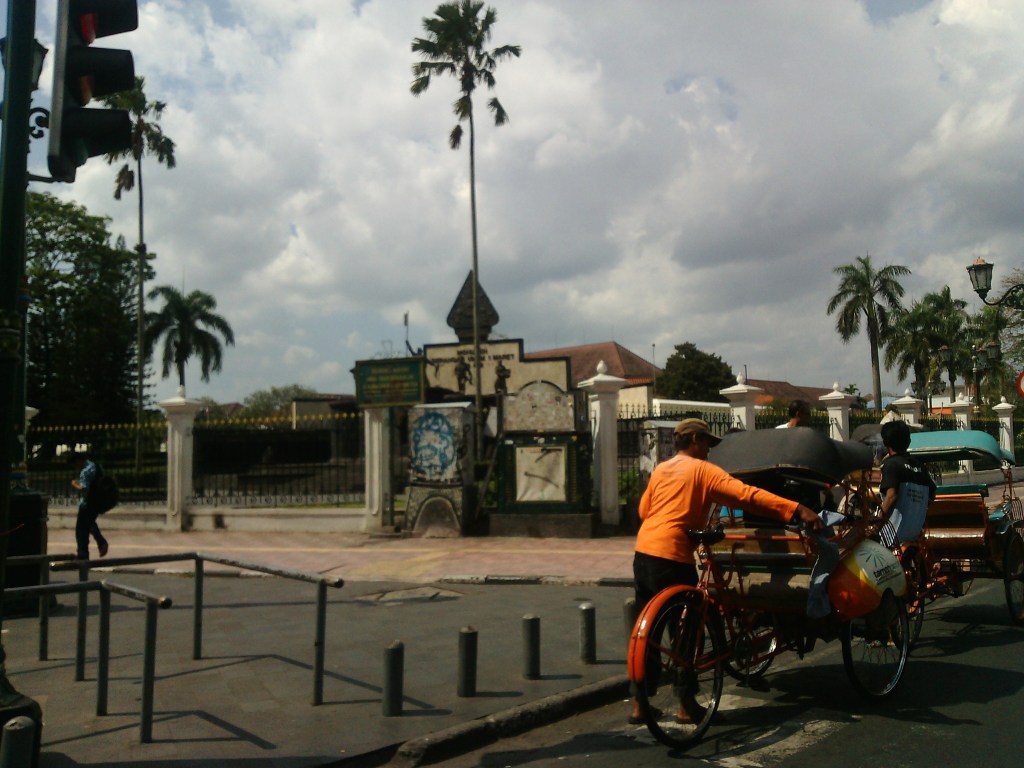
Yogyakarta, Central Java, Indonesia 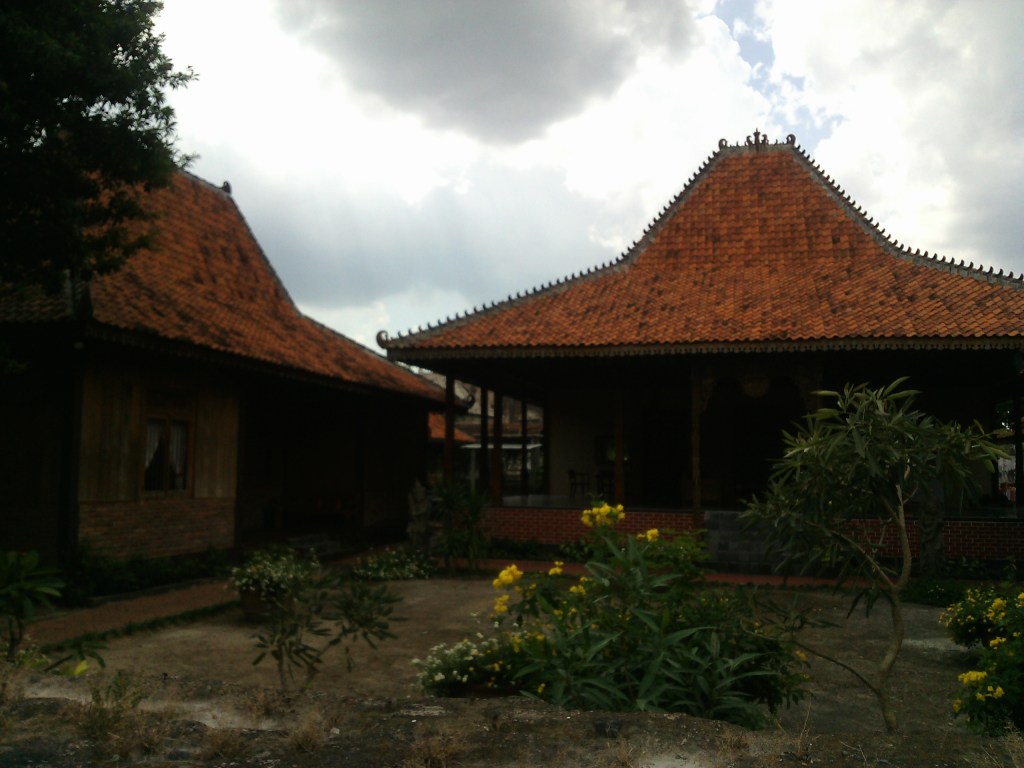
Yogyakarta, Central Java, Indonesia 
Yogyakarta, Central Java, Indonesia 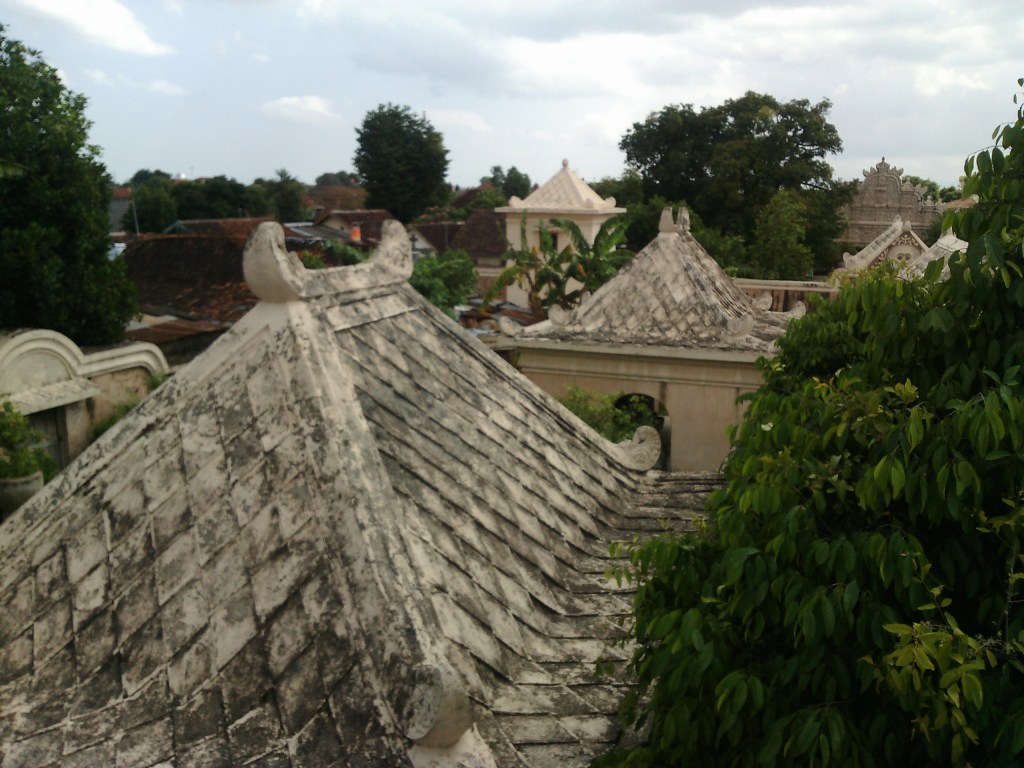
Yogyakarta, Central Java, Indonesia 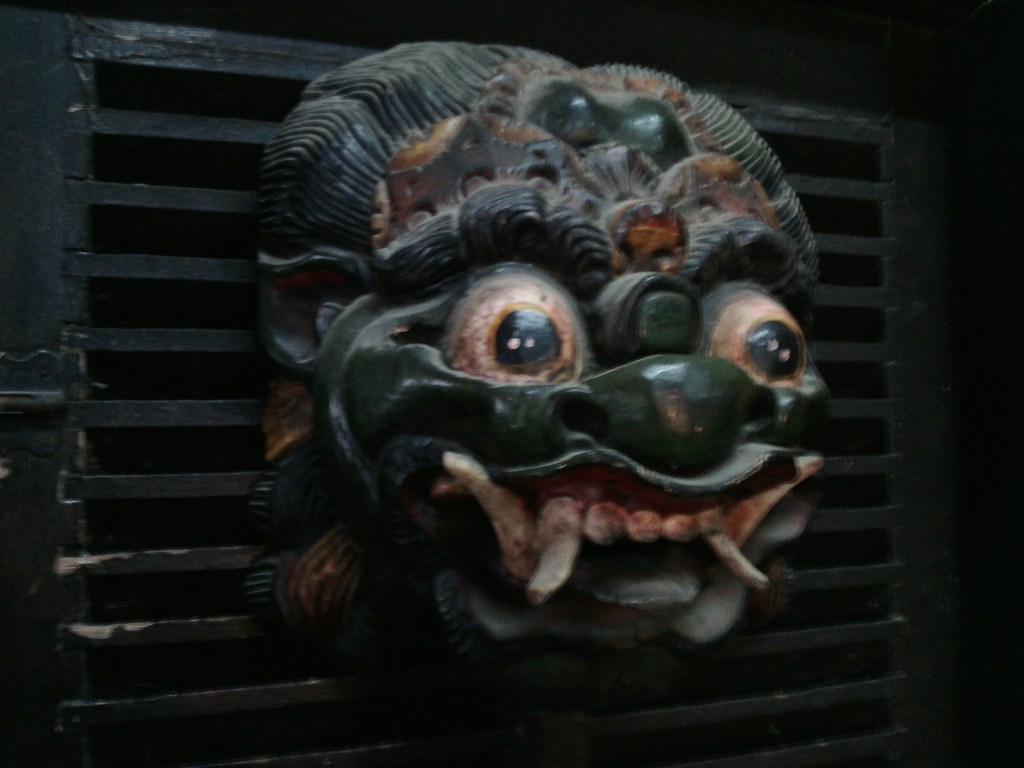
Central Java, Indonesia 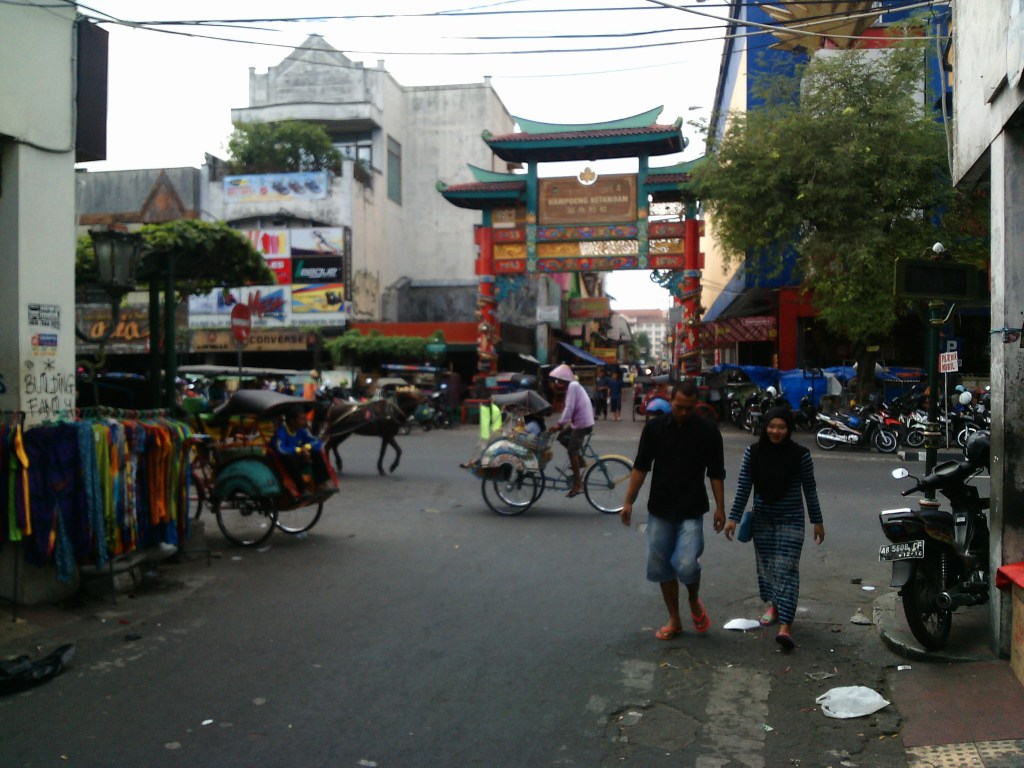
Yogyakarta, Central Java, Indonesia
Bali and Nusa Penida
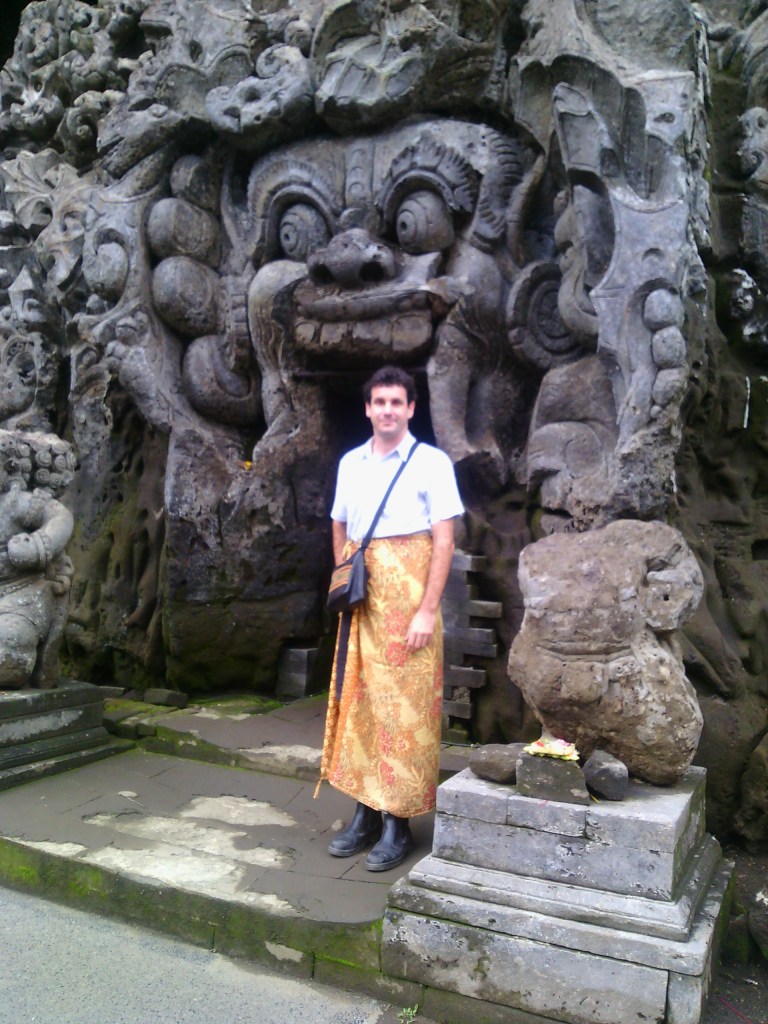
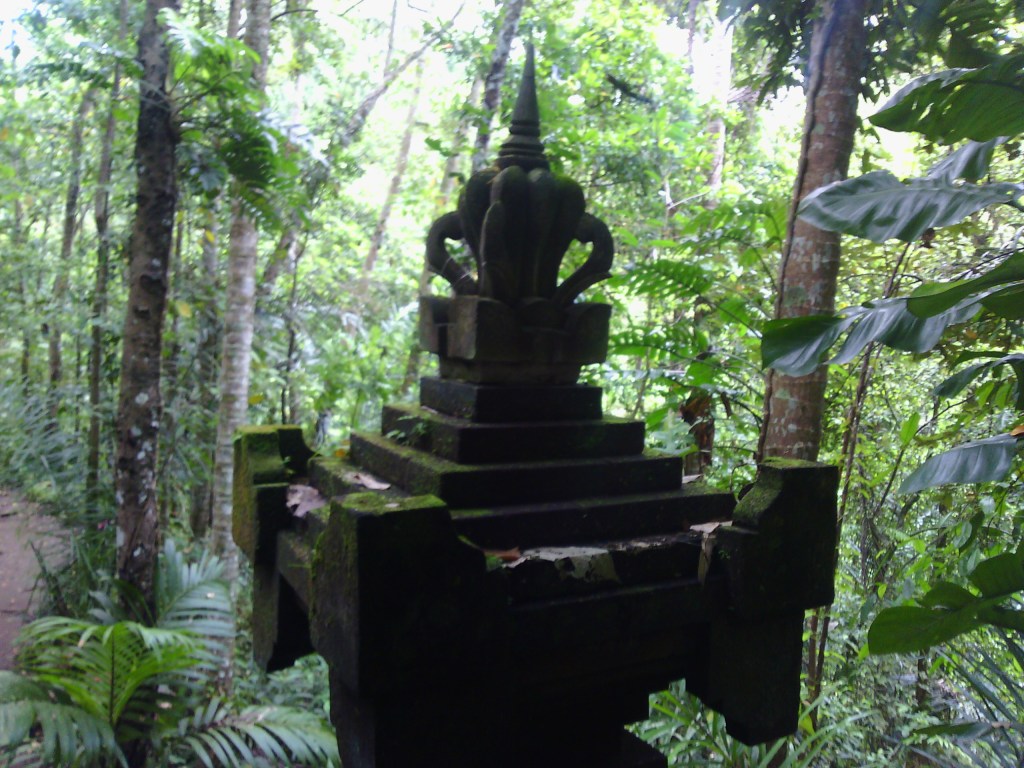
Bali, Indonesia 
Bali, Indonesia 
Bali, Indonesia 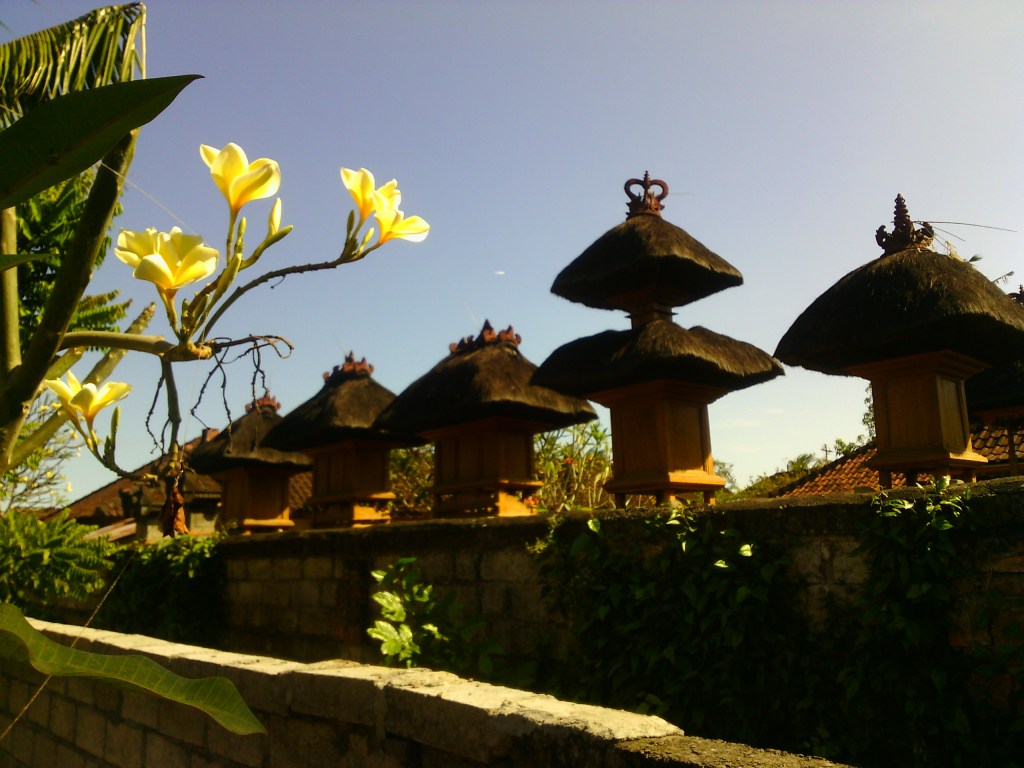
Bali, Indonesia 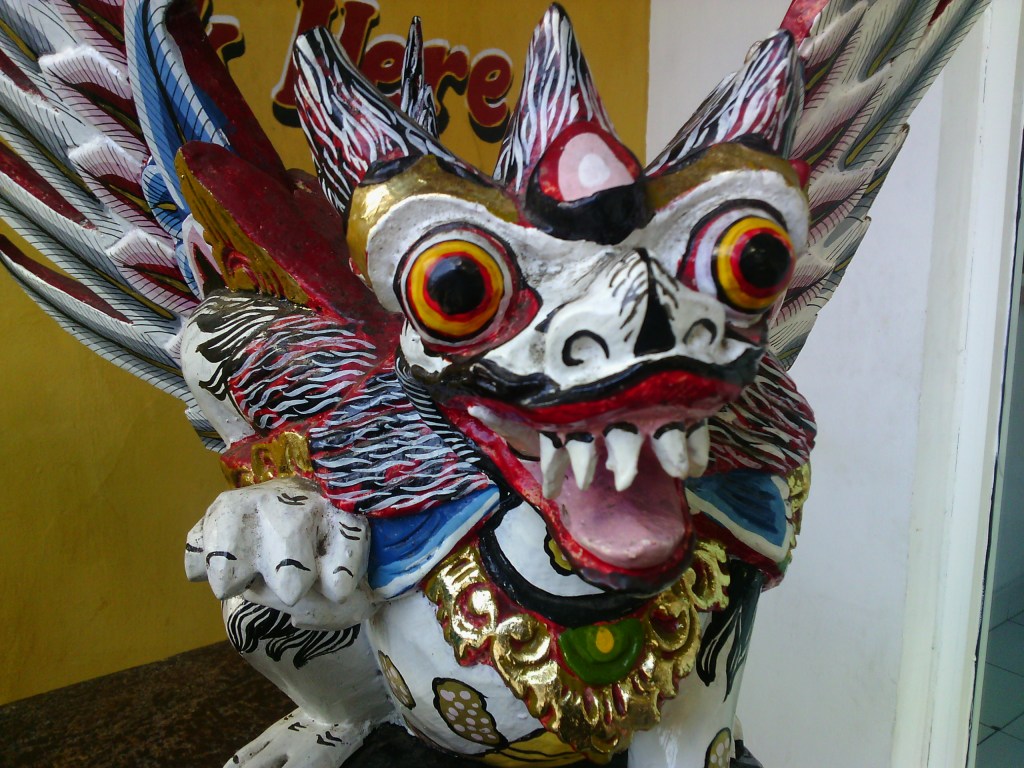
Bali, Indonesia 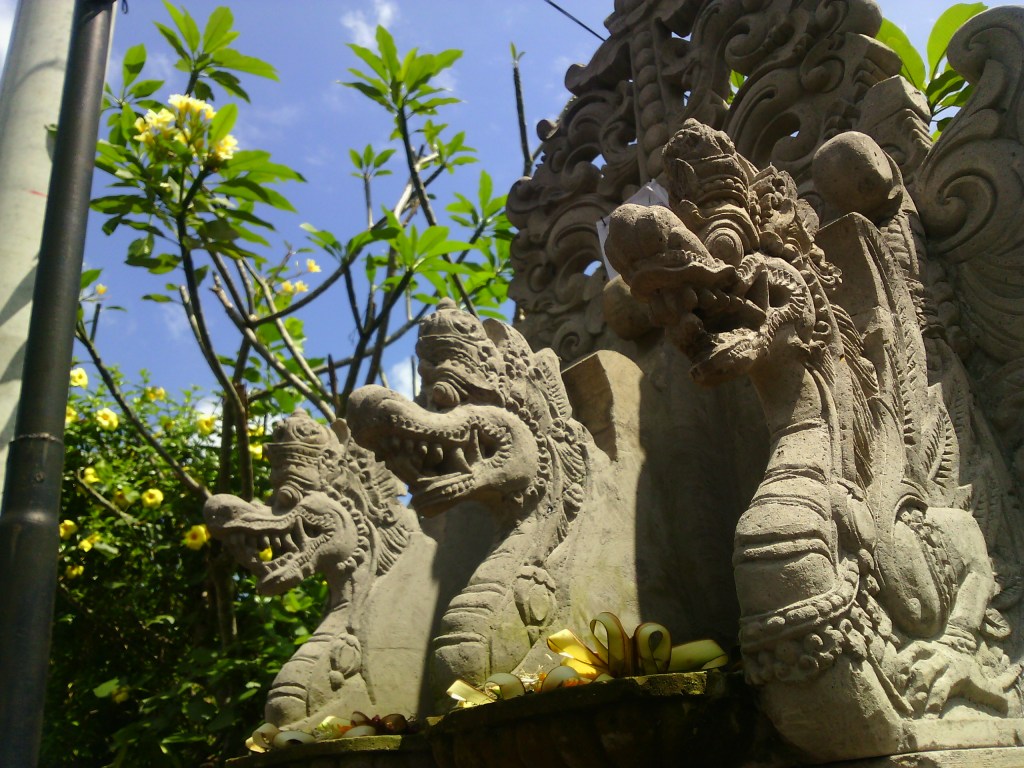
Bali, Indonesia 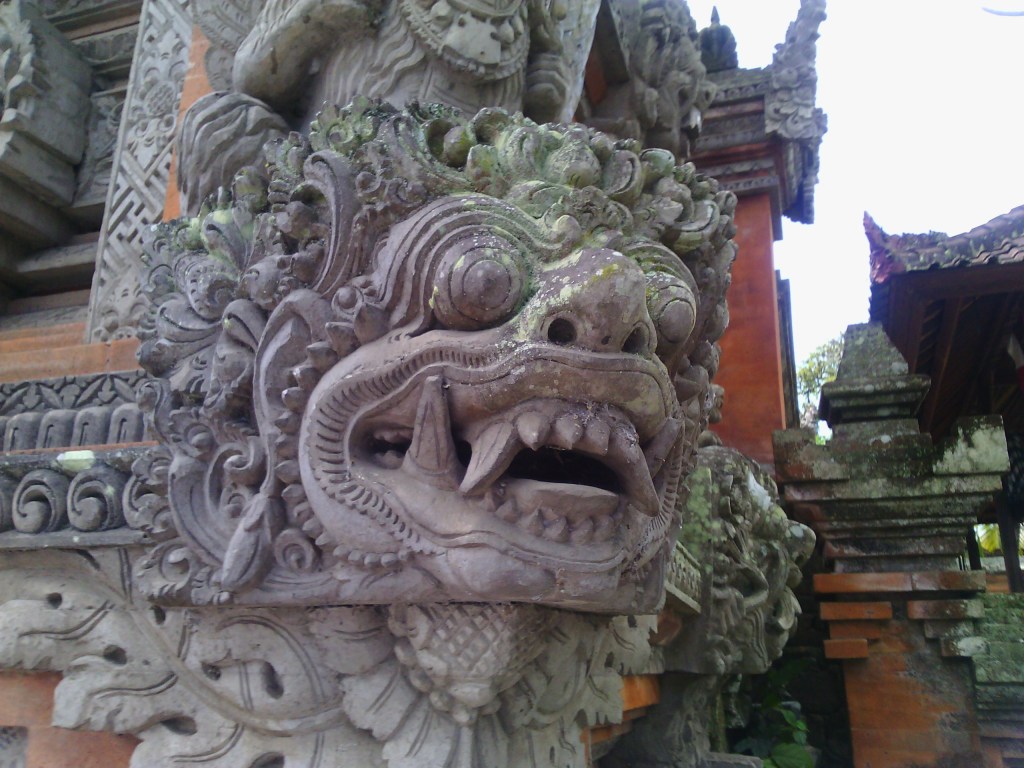
Bali, Indonesia 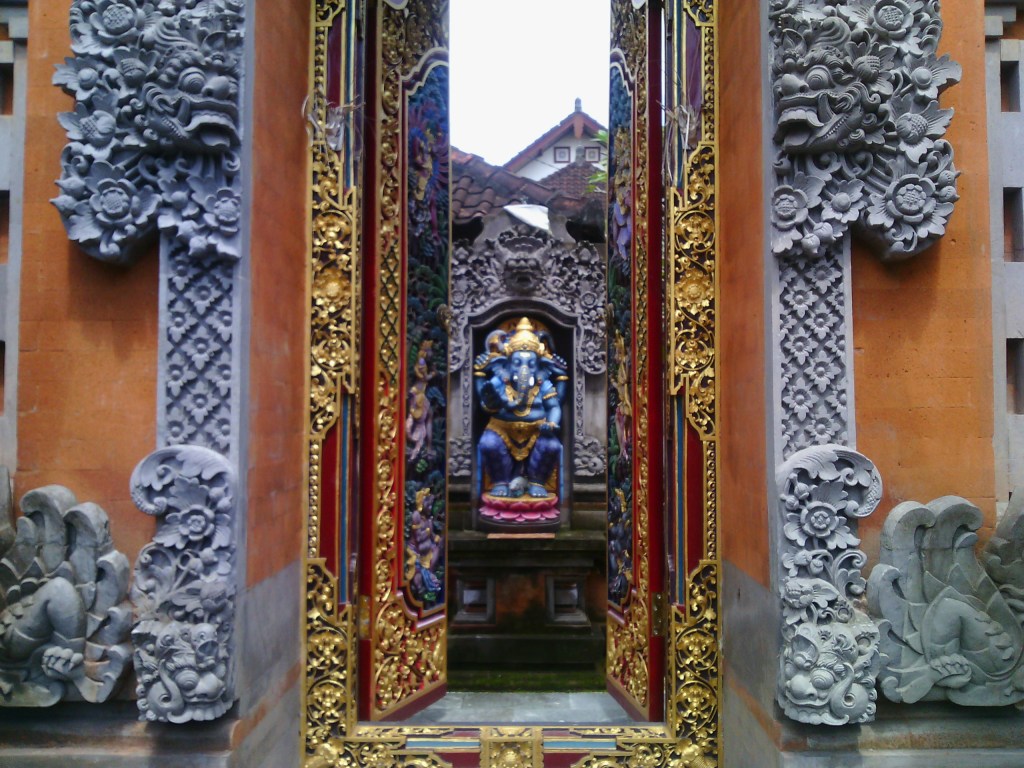
Bali, Indonesia 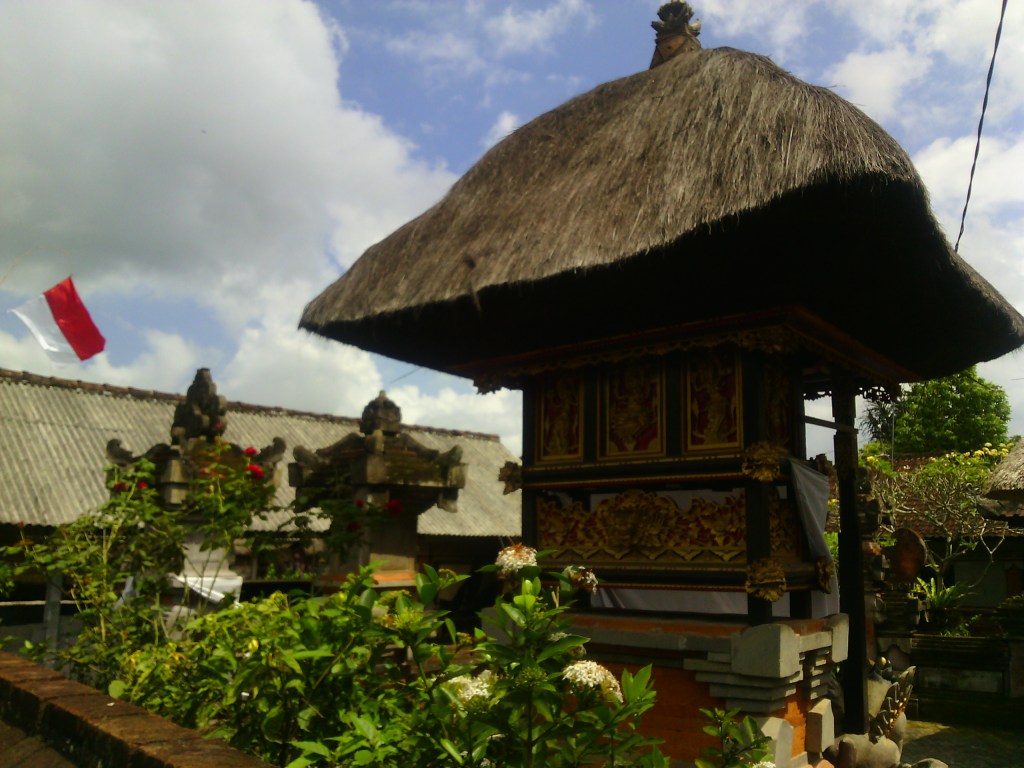
Bali, Indonesia 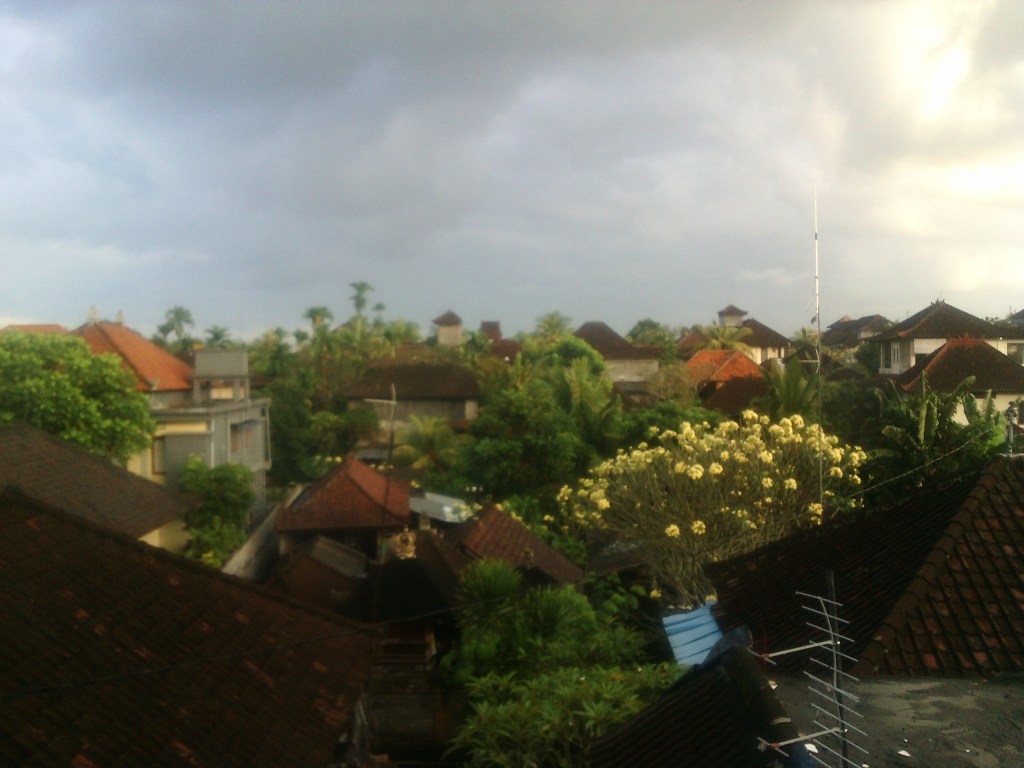
Bali, Indonesia 
Bali, Indonesia Central Java, Indonesia 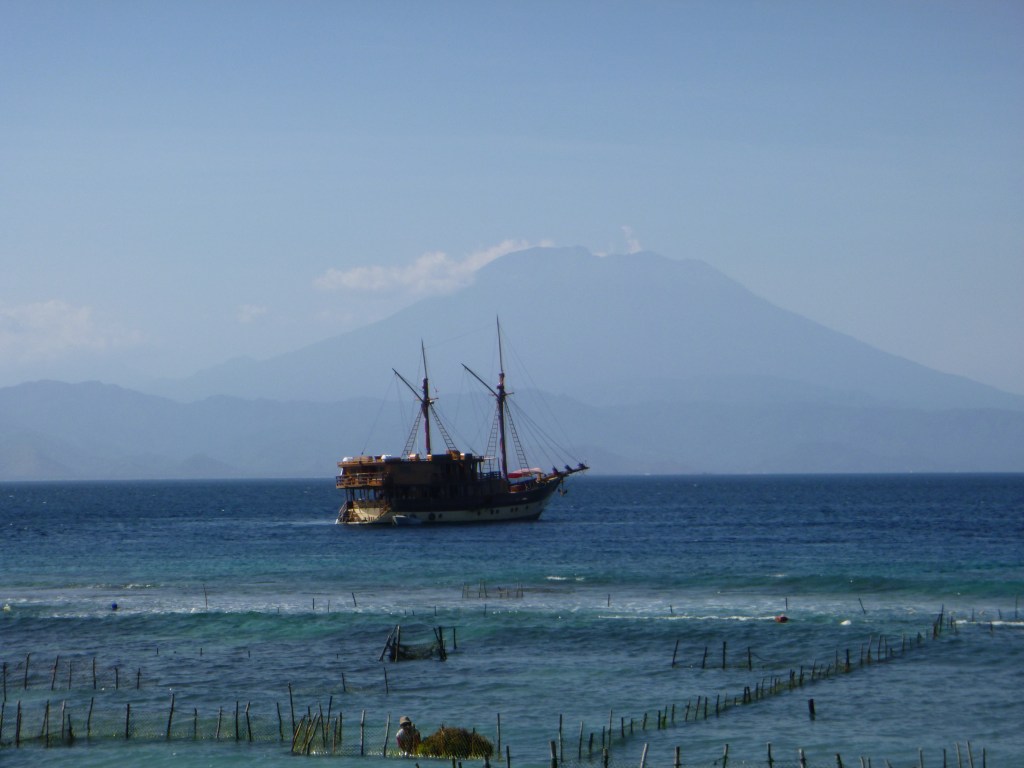
Nusa Penida, Indonesia 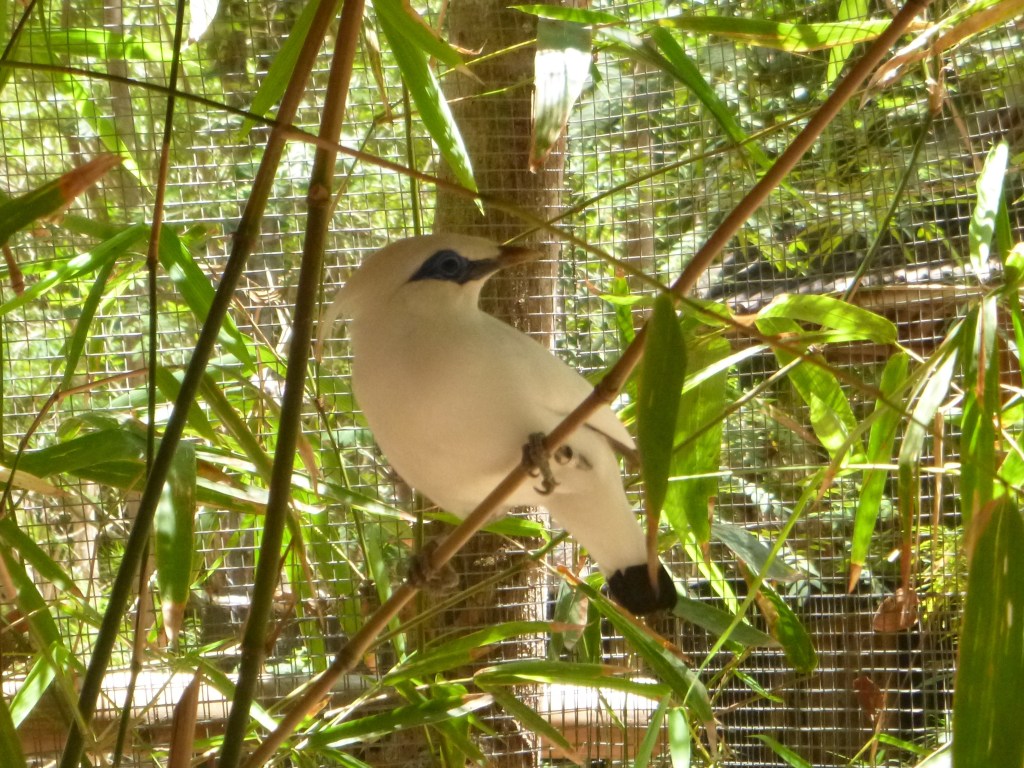
An endangered Bali Starling, Nusa Penisa, Indonesia 
Bali, Indonesia 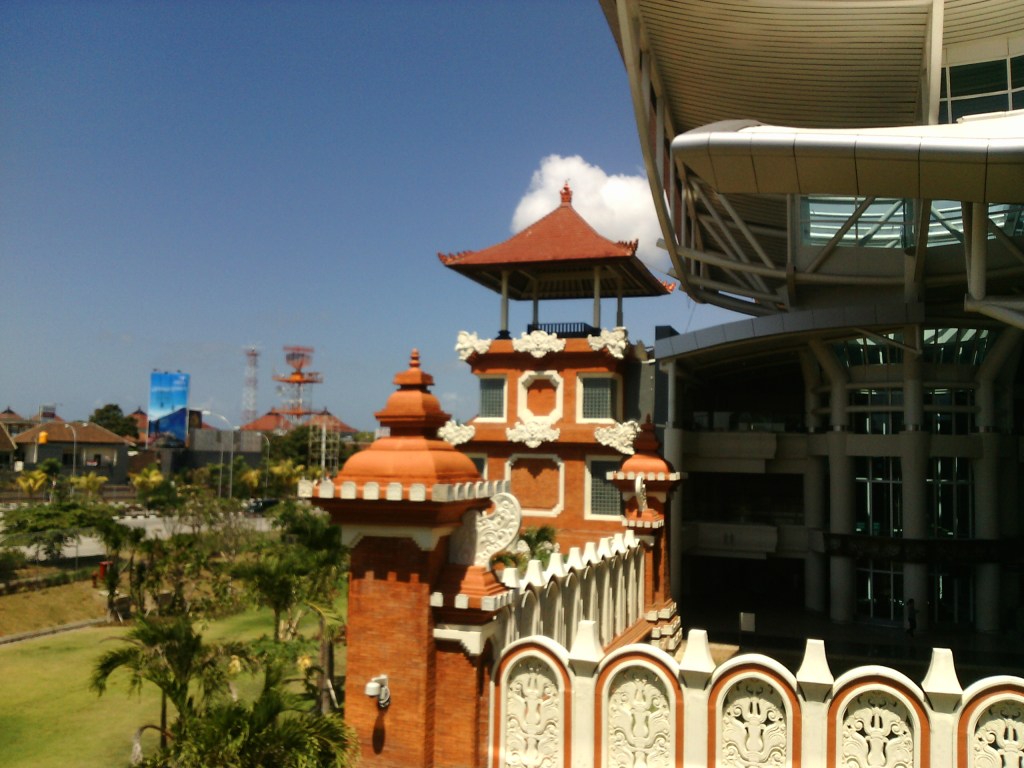
Bali, Indonesia 
Bali, Indonesia 
Bali, Indonesia 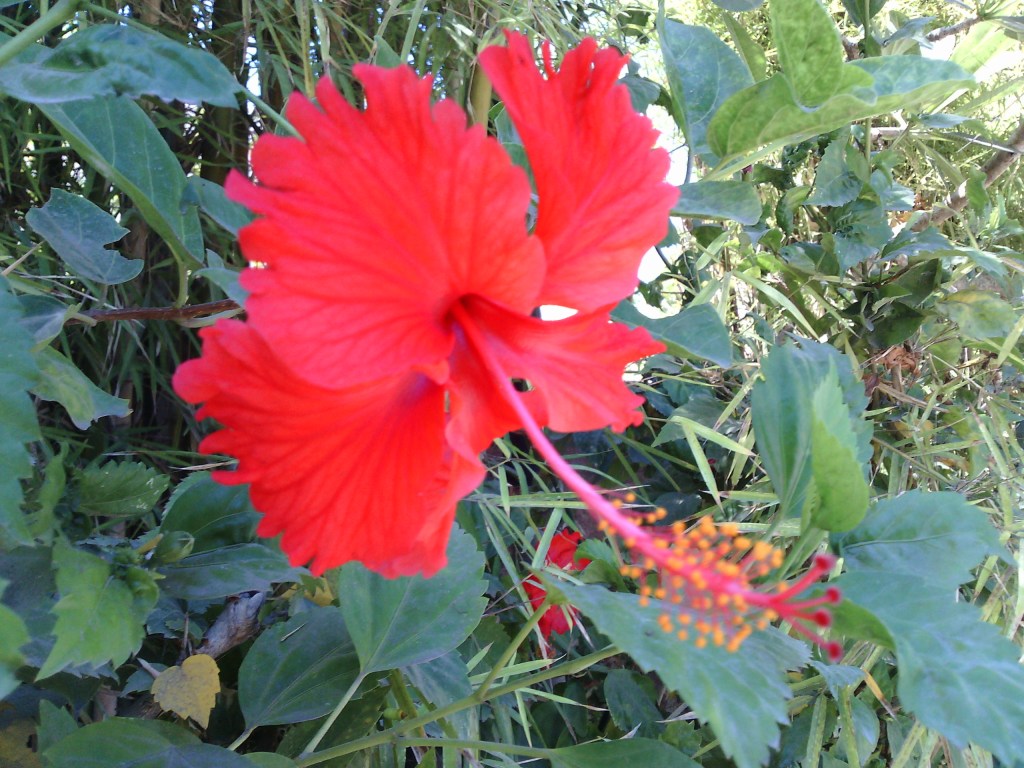
Bali, Indonesia 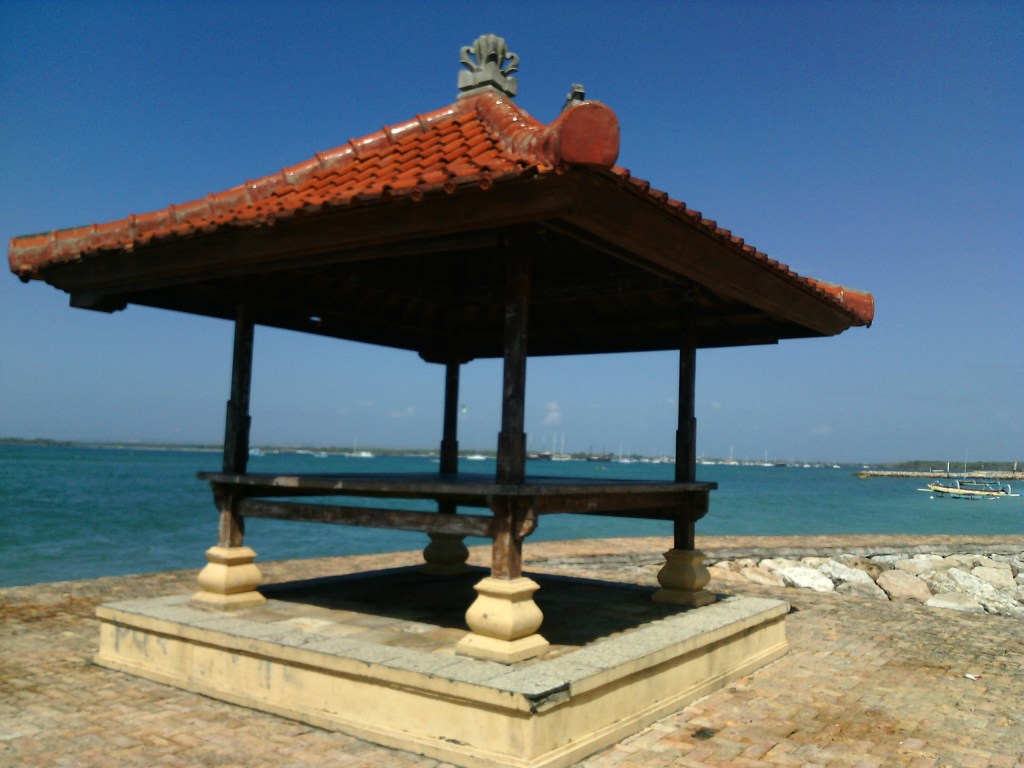
Bali, Indonesia 
Bali, Indonesia 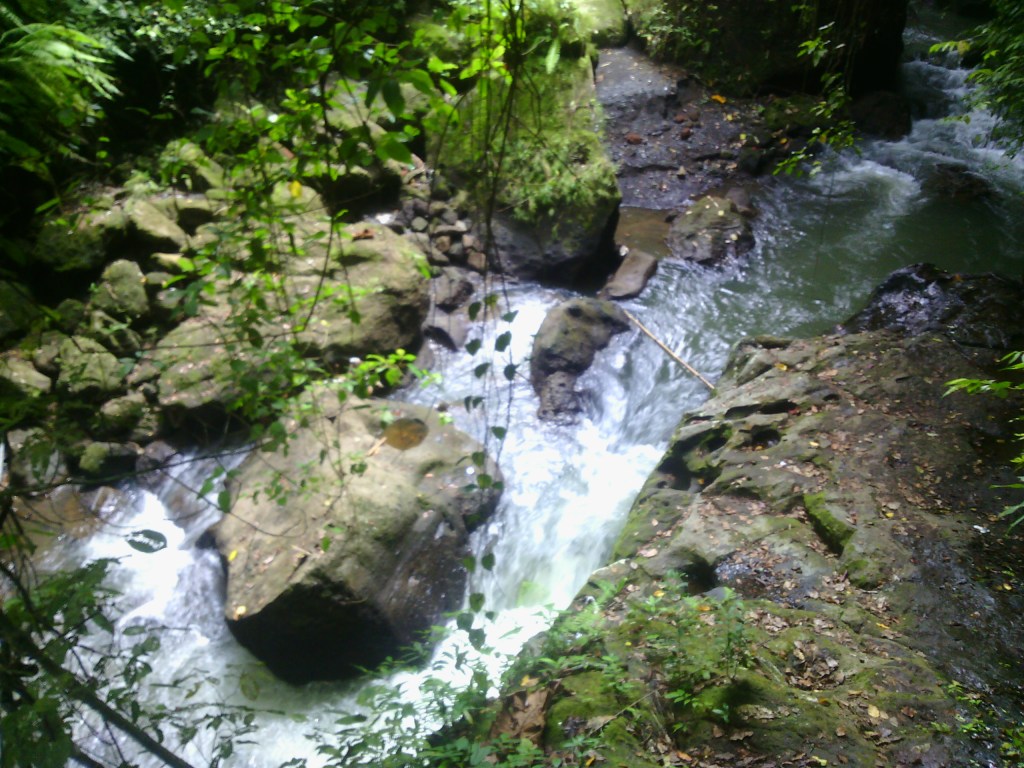
Bali, Indonesia 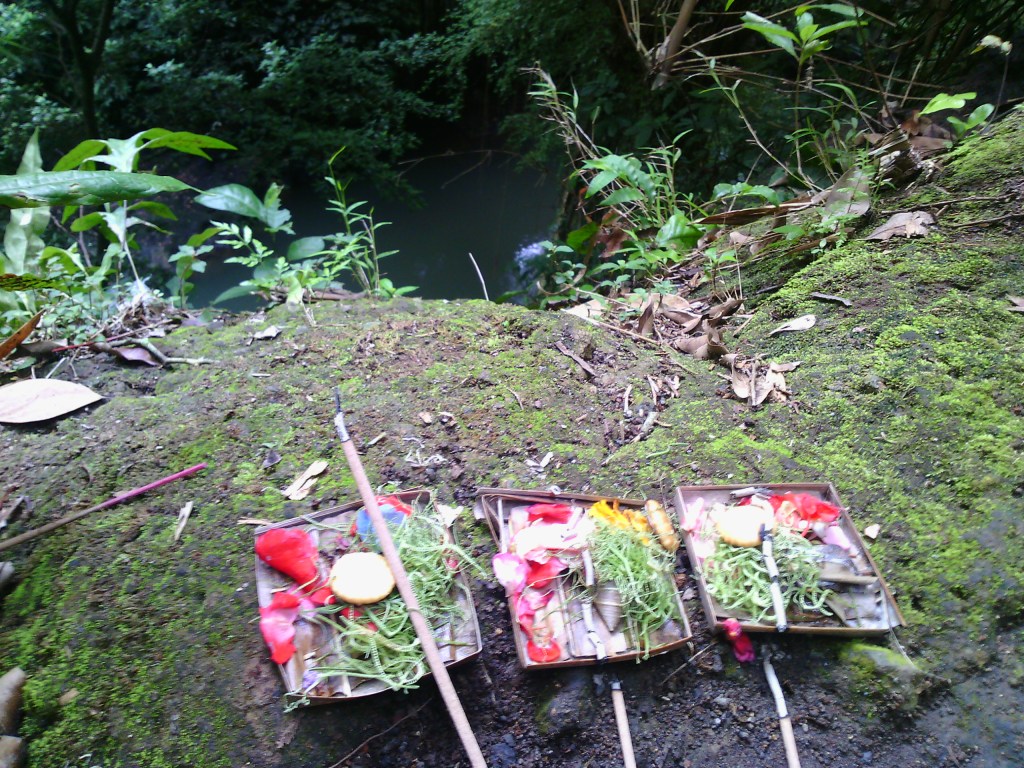
Bali, Indonesia 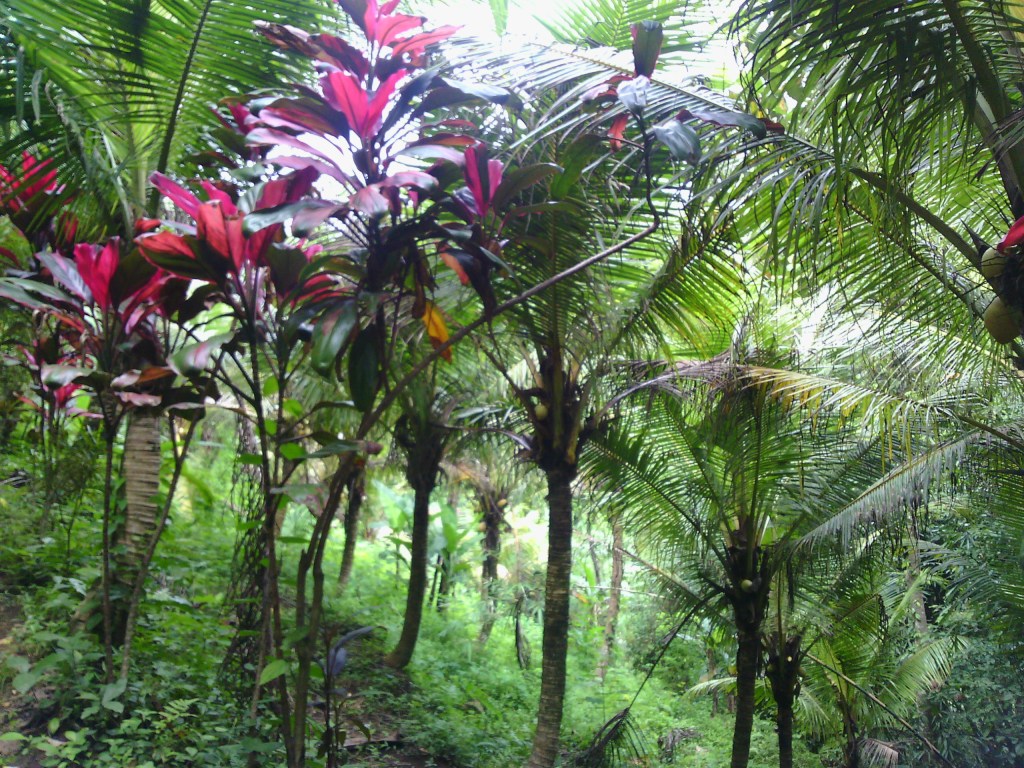
Bali, Indonesia 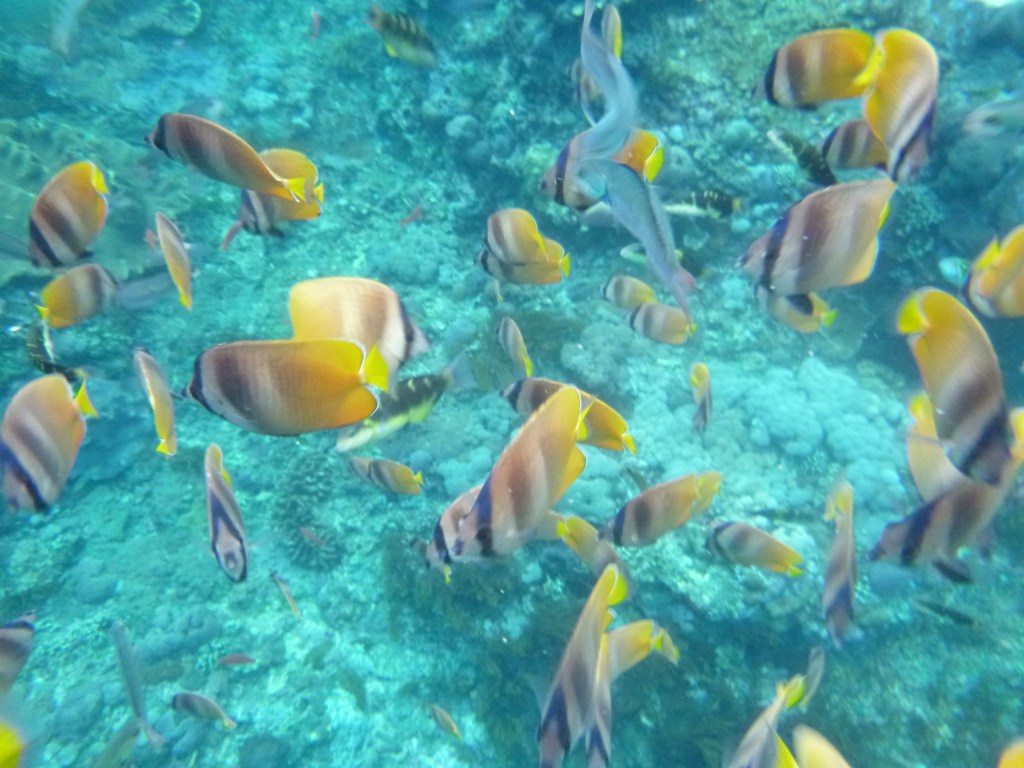
Nusa Penida, Indonesia
Credits
- Dave Edwards – saron, jublag, jegogan, field recordings, bass, electric guitar, tenor saxophone
The field recordings are mixed alongside gamelan ensembles, recorded between 2010-2018;:
- Gamelan Taniwha Jaya
– Wellington NZ, – led by Gareth Farr - Gamelan Sekar Puri
– Perth, Western Australia – led by Sofari Hidayat - Gamelan Pura Mangkunegaran
– Surakarta, Indonesia - Gamelan Padhang Moncar
– Wellington NZ – led by Budi Putra
Other collaborators
The album also includes other, more experimental Indonesia-inspired 2010s collaborations with fellow postpunk expat ethnomusicologists:
- Emit Snake-Beings– field recordings, harmonium, percussion (5,9,10)
- Nat da Hatt – electric guitar & beats (8)
- Cylvi M – jegogan (1), saron (3), shakuhachi sample (9)