‘Articulation Incommunicate‘ includes an abrasive electric guitar, dictaphone and electric razor performance at the Bomb the Space Festival 2004. This is my earliest extant gig footage, and one of my very few music videos to have over a thousand views. Go figure!
Credits
Dave Edwards – acoustic guitar, harmonica, dictaphone, electronics, electric guitar (11-12), violin (13), vocal & lyrics
Perhaps the most lo-fi fiffdimension album of all. These tracks were primitively recorded on a cassette dictaphone; based on words scribbled in notebooks; unmelodic; unheard by anyone else at all (until their release in 2020); and seemed like unfinished demos at the time…
… but in hindsight may represent the culmination of my early period (a lo-fi postpunk fusion of songs, spoken word and free improv – www.fiffdimension.com/1997-2005).
“Emptying out of yr nautical caveman comfort / programming lines in size laden torridness hill upon plains / dense foreclosure and venomous worry / salute me and line / burrow tunnel and moth / soon I taste the next pavement / I invent to cause home”
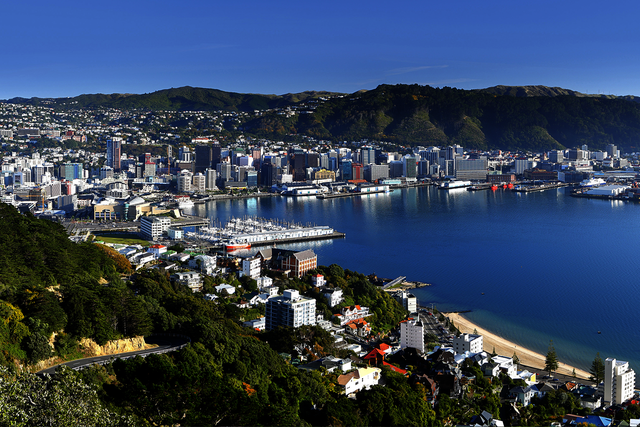
“Wellington, NZ composer DaveEdwards with some able assistance from duo or trio theWinter...Guitars, violin, cello, and percussion all stack up… He’s got a persona that’s all his own.” – George Parsons, Dream Magazine #5
All acoustic, no overdubs, and complete with a string section! Recorded and mixed on analogue equipment, and originally released on cassette in 2003 – new 2020 remaster.
“Edwards‘ art is always an interactive experience, and the spontaneous nature of his audio output encourages descriptions such as abrasive, discordant, sombre and atmospheric. Such adjectives contribute but never tell the whole tale.” – Real Groove
The album is structured as a progression from summer. The cover image shows a NZ pohutukawa tree in flower. It continues through autumn, a time of harvest, preparation, shortening daylight, and the shedding of old dead layers.
It finishes with an extended live version of ‘O Henry Ending‘, recorded at the Winter’s first gig.
“O Henry falling leaves & branches, talk a worried sad refrain
Your eyes half tilt, your brain half mast
To tie the fond anonymous bond beyond yr aching shelter lying walls
That fall to fall, & raise the days, museum haze …”
Credits
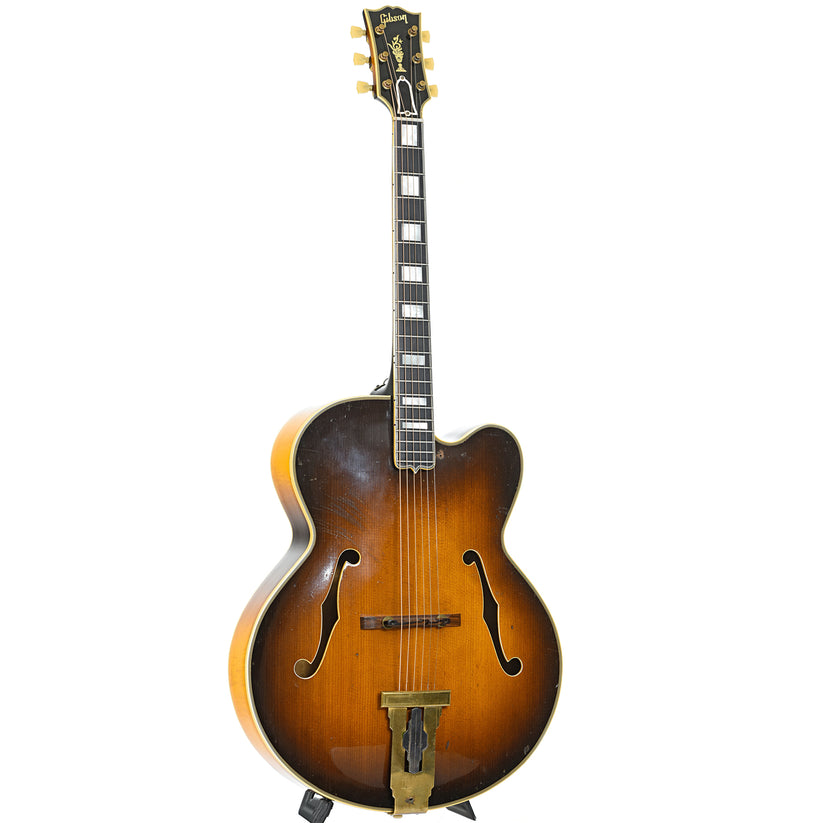
Dave Edwards (archtop acoustic guitar, harmonica, vocal, lyrics)
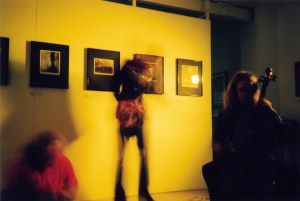
The Winter live at Photospace Gallery, July 2003 (photo by James Gilberd)
“A strange sonic brew that includes dissonant rock textures, rough outsider folk-blues mysteries, electric and acoustic improvisations and a considerable part of tasty feedback. Imagine equal parts Derek Bailey, New Zealand’s Pumice and classic ’60s blues/folk and you’re in the right ballpark.” – The Broken Face
The original C60 cassette release of Loose Autumn Moans included solo interludes recorded the previous year, in 2002. These have since been reissued as a separate album.
By shortening to just the 2003 ensemble sessions, Loose Autumn Moans becomes concise. It emphasises the lyrics, and the jazzy acoustic instrumental interplay.
A different take of ‘O Henry Ending‘ was recorded in Melbourne, Australiain 2005. I had just bought a banjo (which I still have), Mike Kingston played acoustic guitar this time, and Francesca Mountfort took the cello role, along with Cylvi M on percussion.
While much of the album was in a new style, incorporating electronica and field recordings, ‘O Henry Ending’ and the presence of fellow expat kiwis provided a thematic bridge from the Wellington days.
To illustrate how a song can be interpreted in multiple ways, the fiffdimension 25th anniversary 2CD features Mouth of the Caveman – and both the 2005 Melbourne version and a new (2022) a live electric arrangement ofO Henry Ending
Adapting John Collie’s words to music is a current major work-in-progress, that .allows a new ‘mature’ version of my acoustic style, and shows the early works, like Loose Autumn Moans, in a new light!
These solo recordings were originally released as interludes, between the acoustic ensemble pieces in the Loose Autumn Moans (2003) album. But they’re now re-presented separately as a standalone short album (with a different running order and some light remastering).
I wrote the words to the title track in a notebook during the wrap party for a short film I’d worked on – a surrealist description of the evening, based on deliberate mishearings of the conversations around me:
“Taking notes throughout the performance. Humans become worms, with a sameness that is frightening. Politics is bad: we knew this already, but now it’s confirmed. Collapse into laughter.
A cigarette chair from which comes a dictator; everyone in thrall to his conversation. A plastic wooden horse to capture the city – incongruous? Indeed. Expelled all the virtues? You to decide.”
I made the soundscape with electric guitar and a 4-track tape recorder.
The other tracks on the album expanded on this wordy fusion of postpunk singer/songwriter and free improvisation. Radio stations wouldn’t touch it with a bargepole.
‘Working Like a Fountain in the Slender Morning Chill’, live 2010 version
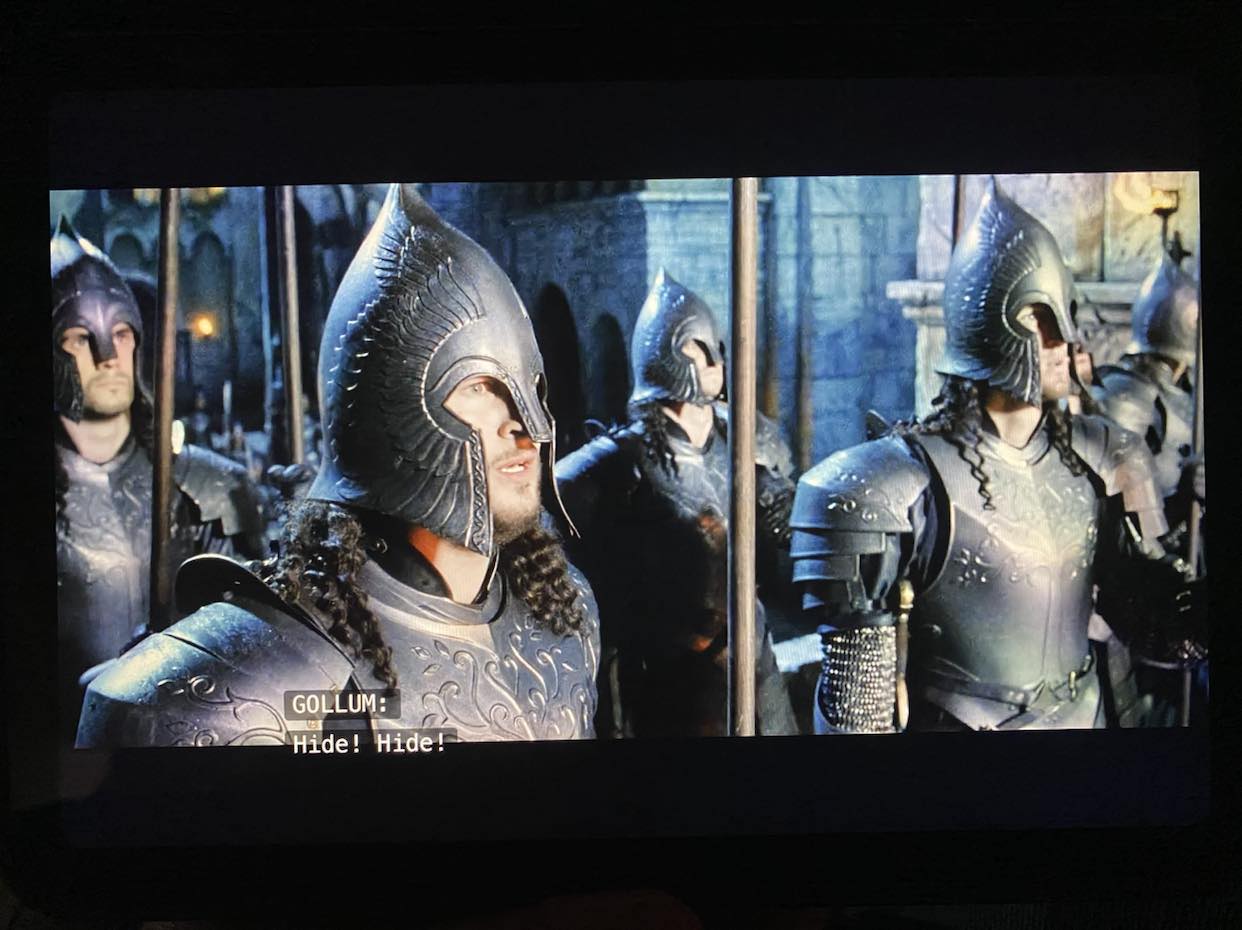
I was an underemployed arts graduate, living in a scody flat doing casual work as a film extra (blink and you’ll miss me in Lord of the Rings) or builder’s labourer, and (trying &) failing to write a novel. Partly due to lack of money, I made my own entertainment.
Although the internet existed in early form, this was before social media – so instead of selfies, oversharing took a more oblique form, filtered through art.
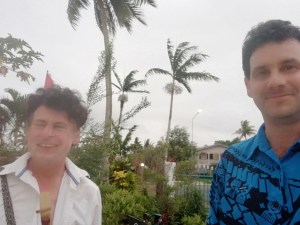
This short warmup improv is based on an Indian scale, inspired by Dr Emit Snake-Beings‘ travels to Kerala in India, and harmonium lessons in Suva.
There’s an Indian influence throughout the album, as several sections are based on drones and modal improv (rather than the chord changes)… though this is not a traditional Indian album, we’ve borrowed ideas to inform our own experiments.
This slideshow requires JavaScript.
The temple in the photo is Sri Siva Subramaniya in Nadi. It’s built in the Dravidian style from southern India, which is also found in Singapore and Malaysia.
This slideshow requires JavaScript.
In contrast to other Pacific Island countries, Fiji has a large – almost half – population of Indian descent. Indians came to Fiji in the 19th century, as indentured labourers to work the sugar cane plantations.
‘Solitude‘ appears on this compilation of 2020 lockdown sounds from around the world, curated by Campbell Kneale …
“Something about this global pandemic is inspiring people to create and/or curate art on a massive scale…. and this compilation, being offered for free/name-yr-price, is indeed M A S S I V E.” – Howard Stelzer
Psi-solation has 119 tracks, you can pay what you want, and it’s the 2020 album of the year by default!
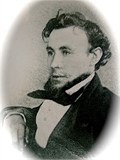
Recorded by John Collie’s great-great-grandson, during pandemic lockdown, March 2020.
‘SOLITUDE’
by John Collie, 1856
OH give me near some swelling stream to stray, 0r tread the windings of some pathless wood, For I am wearied of the bustling day, And long to meet thee, gloomy Solitude: That I with thee may climb those shelfy steeps, Which frown majestic o’er the boiling deeps. Continue reading “Solitude”→
Film footage by my father, Alastair Edwards (1936-2010), in Nadi and around Viti Levu in 1976.
It’s from my parents’ honeymoon, a couple of years before I was born.
There was no sound, so I’ve added a soundtrack from Ruasagavulu, which Dr Emit Snake-Beings and I recorded in Suva decades later.
My Dad’s interest in film (then video) and photography was one of the key influences on my own travel and videomaking. He was doing this long before youtube or instagram!



 fiffdimension