Portugal is the westernmost country in Europe, with its back to it geographically and culturally. It was the edge of the known world for Europeans until the Age of Discovery. The Azores islands are even further west.
As a teenager, Manuel Bernard stowed away on a passing American whaling ship.
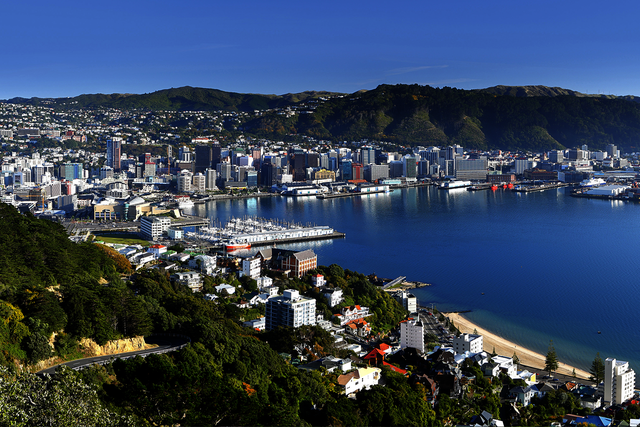
From a remote island in the Atlantic ocean, he ended up on an equally remote island in the Pacific – on the opposite side of the world, in Wellington, New Zealand.
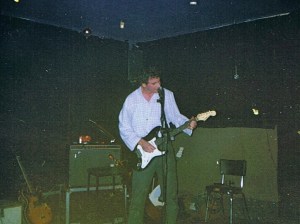
‘Articulation Incommunicate‘ includes an abrasive electric guitar, dictaphone and electric razor performance at the Bomb the Space Festival 2004. This is my earliest extant gig footage, and one of my very few music videos to have over a thousand views. Go figure!
Credits
Dave Edwards – acoustic guitar, harmonica, dictaphone, electronics, electric guitar (11-12), violin (13), vocal & lyrics
Perhaps the most lo-fi fiffdimension album of all. These tracks were primitively recorded on a cassette dictaphone; based on words scribbled in notebooks; unmelodic; unheard by anyone else at all (until their release in 2020); and seemed like unfinished demos at the time…
… but in hindsight may represent the culmination of my early period (a lo-fi postpunk fusion of songs, spoken word and free improv – www.fiffdimension.com/1997-2005).
“Emptying out of yr nautical caveman comfort / programming lines in size laden torridness hill upon plains / dense foreclosure and venomous worry / salute me and line / burrow tunnel and moth / soon I taste the next pavement / I invent to cause home”
“Wellington, NZ composer DaveEdwards with some able assistance from duo or trio theWinter...Guitars, violin, cello, and percussion all stack up… He’s got a persona that’s all his own.” – George Parsons, Dream Magazine #5
All acoustic, no overdubs, and complete with a string section! Recorded and mixed on analogue equipment, and originally released on cassette in 2003 – new 2020 remaster.
“Edwards‘ art is always an interactive experience, and the spontaneous nature of his audio output encourages descriptions such as abrasive, discordant, sombre and atmospheric. Such adjectives contribute but never tell the whole tale.” – Real Groove
The album is structured as a progression from summer. The cover image shows a NZ pohutukawa tree in flower. It continues through autumn, a time of harvest, preparation, shortening daylight, and the shedding of old dead layers.
It finishes with an extended live version of ‘O Henry Ending‘, recorded at the Winter’s first gig.
“O Henry falling leaves & branches, talk a worried sad refrain
Your eyes half tilt, your brain half mast
To tie the fond anonymous bond beyond yr aching shelter lying walls
That fall to fall, & raise the days, museum haze …”
Credits
Dave Edwards (archtop acoustic guitar, harmonica, vocal, lyrics)
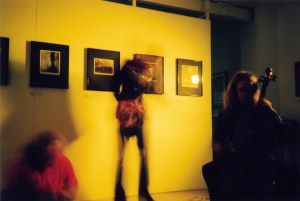
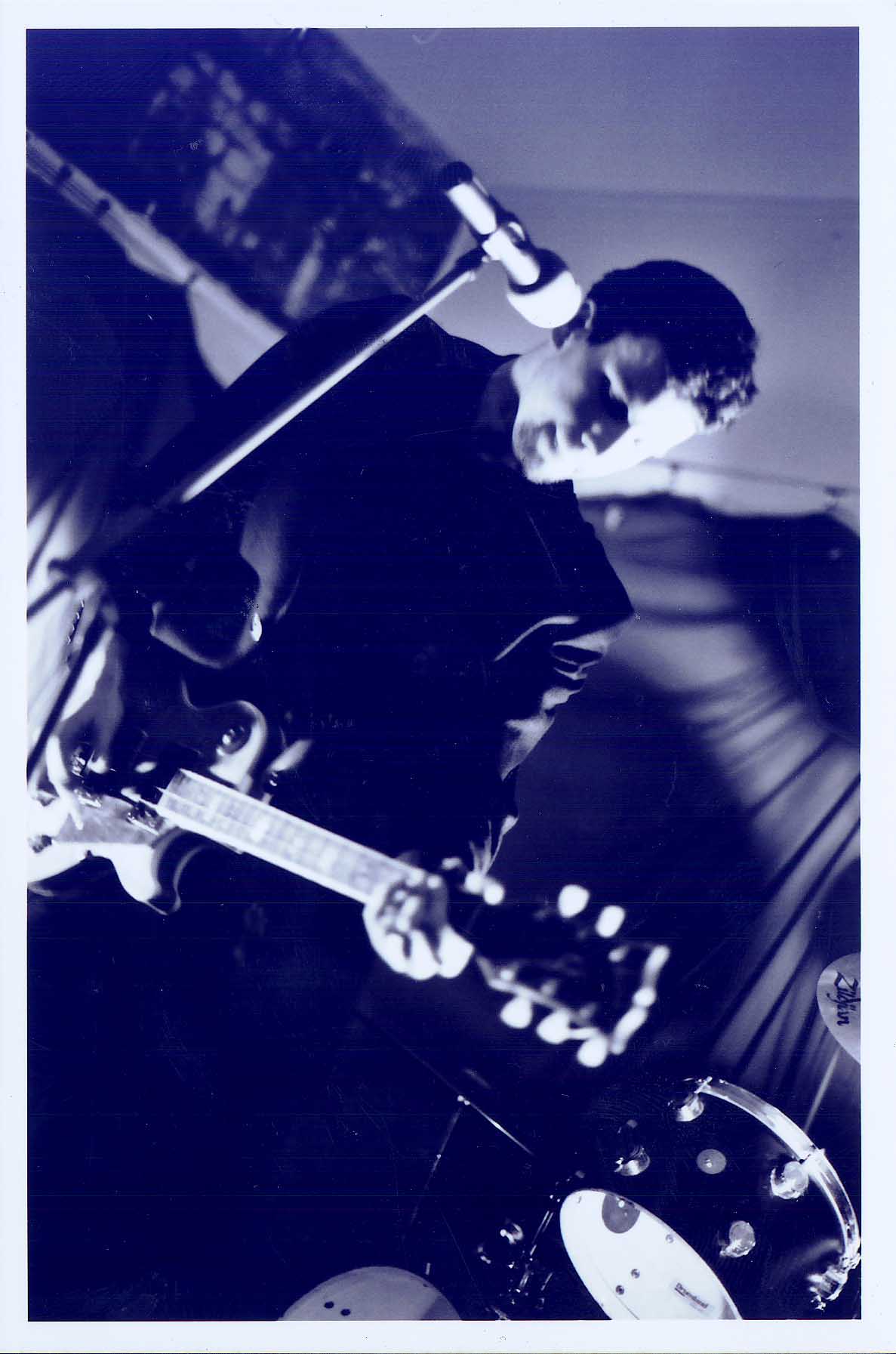
The Winter live at Photospace Gallery, July 2003 (photo by James Gilberd)
“A strange sonic brew that includes dissonant rock textures, rough outsider folk-blues mysteries, electric and acoustic improvisations and a considerable part of tasty feedback. Imagine equal parts Derek Bailey, New Zealand’s Pumice and classic ’60s blues/folk and you’re in the right ballpark.” – The Broken Face
The original C60 cassette release of Loose Autumn Moans included solo interludes recorded the previous year, in 2002. These have since been reissued as a separate album.
By shortening to just the 2003 ensemble sessions, Loose Autumn Moans becomes concise. It emphasises the lyrics, and the jazzy acoustic instrumental interplay.
A different take of ‘O Henry Ending‘ was recorded in Melbourne, Australiain 2005. I had just bought a banjo (which I still have), Mike Kingston played acoustic guitar this time, and Francesca Mountfort took the cello role, along with Cylvi M on percussion.
While much of the album was in a new style, incorporating electronica and field recordings, ‘O Henry Ending’ and the presence of fellow expat kiwis provided a thematic bridge from the Wellington days.
To illustrate how a song can be interpreted in multiple ways, the fiffdimension 25th anniversary 2CD features Mouth of the Caveman – and both the 2005 Melbourne version and a new (2022) a live electric arrangement ofO Henry Ending
Adapting John Collie’s words to music is a current major work-in-progress, that .allows a new ‘mature’ version of my acoustic style, and shows the early works, like Loose Autumn Moans, in a new light!
These solo recordings were originally released as interludes, between the acoustic ensemble pieces in the Loose Autumn Moans (2003) album. But they’re now re-presented separately as a standalone short album (with a different running order and some light remastering).
I wrote the words to the title track in a notebook during the wrap party for a short film I’d worked on – a surrealist description of the evening, based on deliberate mishearings of the conversations around me:
“Taking notes throughout the performance. Humans become worms, with a sameness that is frightening. Politics is bad: we knew this already, but now it’s confirmed. Collapse into laughter.
A cigarette chair from which comes a dictator; everyone in thrall to his conversation. A plastic wooden horse to capture the city – incongruous? Indeed. Expelled all the virtues? You to decide.”
I made the soundscape with electric guitar and a 4-track tape recorder.
The other tracks on the album expanded on this wordy fusion of postpunk singer/songwriter and free improvisation. Radio stations wouldn’t touch it with a bargepole.
‘Working Like a Fountain in the Slender Morning Chill’, live 2010 version
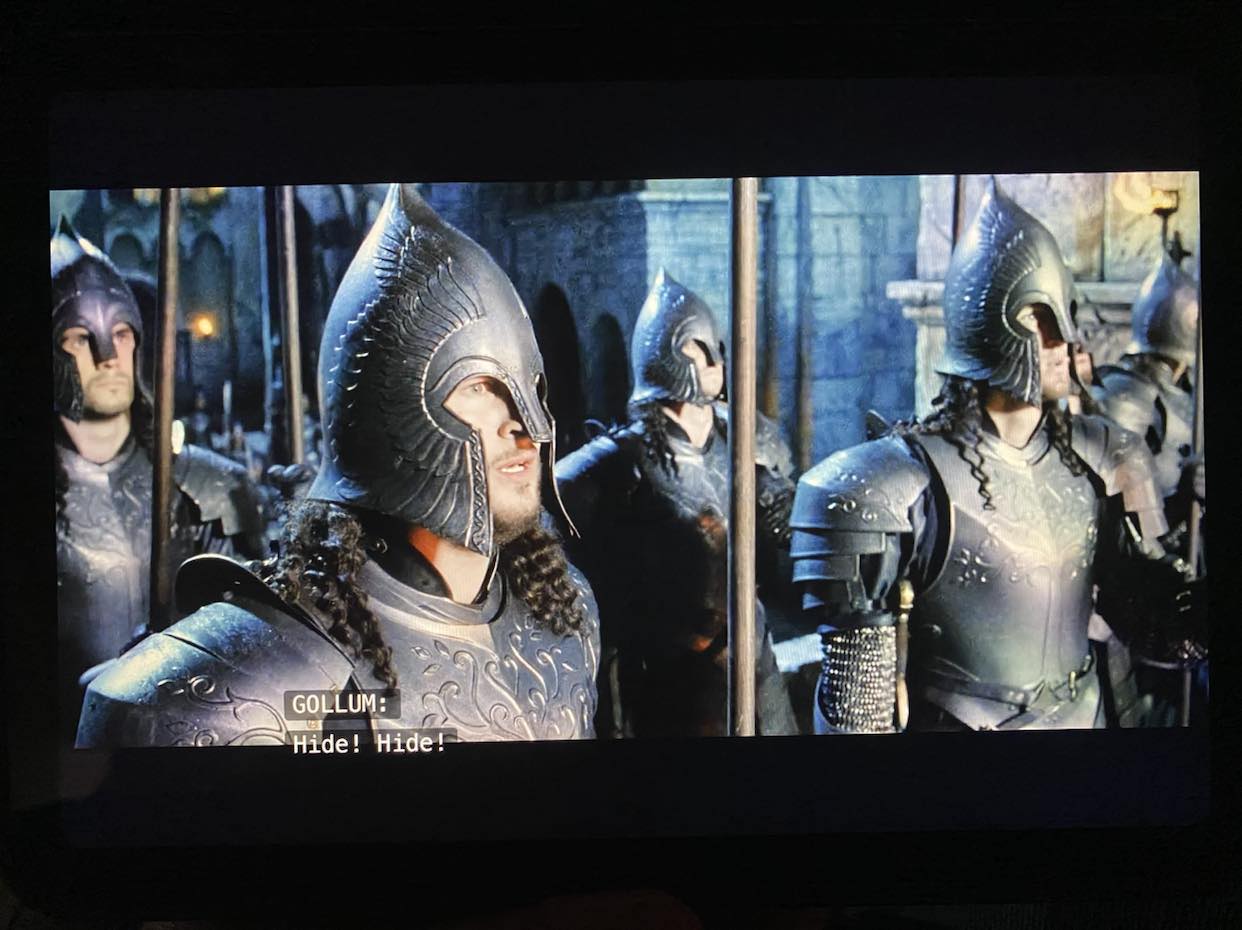
I was an underemployed arts graduate, living in a scody flat doing casual work as a film extra (blink and you’ll miss me in Lord of the Rings) or builder’s labourer, and (trying &) failing to write a novel. Partly due to lack of money, I made my own entertainment.
Although the internet existed in early form, this was before social media – so instead of selfies, oversharing took a more oblique form, filtered through art.
“It’s lo-fi, organic and about as eclectic as one could manage. Kind of reminds me of Nick Cave if he had grown up in Timaru. No pretentious American accents or catch phrase choruses, just a bunch of people making music. A little beauty!” – NZ Musician, August/September 2002
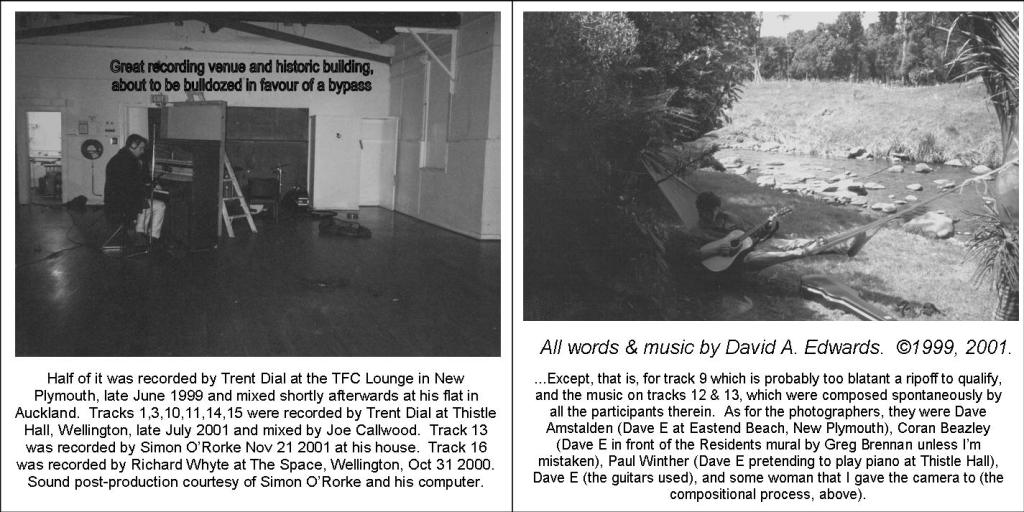
The Marion Flow was originally a longer album which spanned recordings from New Plymouth in 1999 and Wellington in 2001.
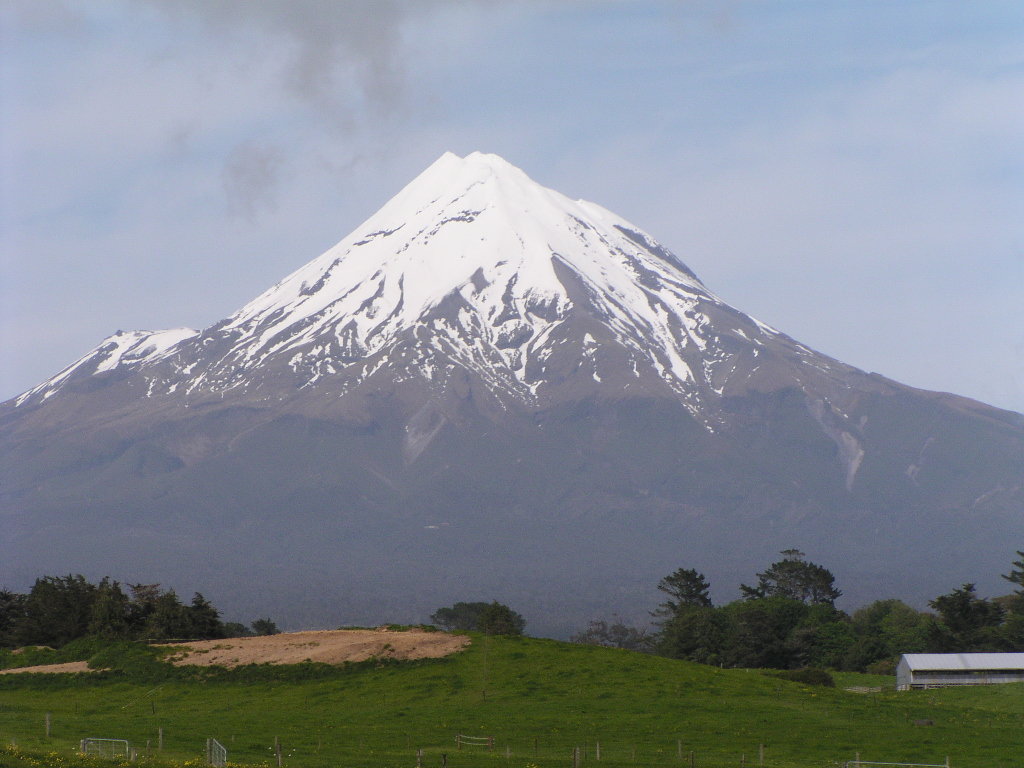
In 1999, aged 20, I’d left New Plymouth, a large rural town, where I grew up, and moved to Wellington, New Zealand’s capital city, where I’d been born and where my early pakeha settler ancestors had lived in the 19th century. The Marion Flow reflects this journey, geographically, sonically and spiritually.
By the time the opportunity arose to finish recording the Marion Flow I’d been thoroughly immersed in the Wellington free jazz and avant-garde music scene, and was very fortunate to have help from some of the top players there. I’d never studied music at school or been in a conventional band, and was out of my depth technically… so working around my limitations became a spark to creativity.
I’ve now reissued the two halves of the album separately – to emphasise the sense of time and place, and stylistic evolution, and to re-present them more concisely for the short-attention-span 21st century.
“Edwards’ music is often a sculpture rather than a melodic composition. Within this chosen form, amongst all the writings rantings & poetry there’s much difficult pleasure to be had for the musically adventurous.” – Brent Cardy, Real Groove, July 2002
Tracklist
1.
Seafriends 03:07 Dave Edwards – acoustic guitar, vocal Paul Winstanley – fretless bass Chris Palmer – electric guitars Chris O’Connor – drums
2.
A Wedding 03:48 Dave Edwards – electric guitar, piano innards, canvas sheet, vocal
3.
A Visit to the Beehive 00:45 Dave Edwards – acoustic guitar, vocal Simon O’Rorke – drums
4.
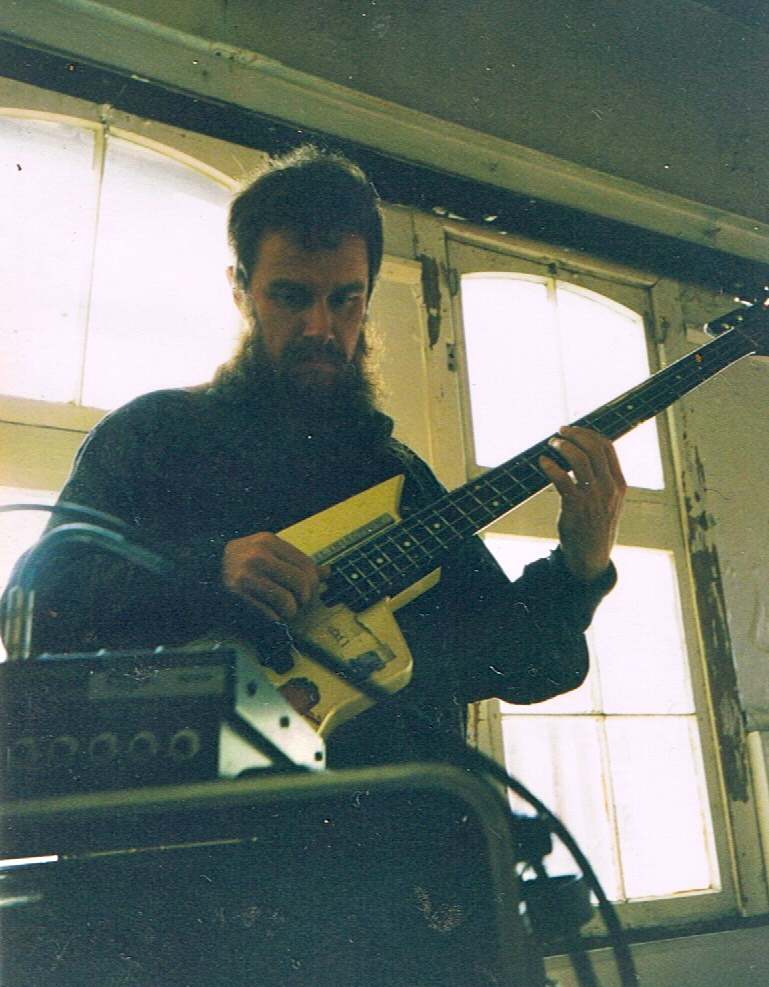
Monkeys with Typewriters 03:30 Dave Edwards – electric guitar Chris Palmer – electric guitar Simon O’Rorke – percussion
Seafriends (instrumental mix) 04:05 Dave Edwards – acoustic guitar Paul Winstanley – fretless bass Chris Palmer – electric guitars Chris O’Connor – drums
“It’s lo-fi, organic and about as eclectic as one could manage. Kind of reminds me of Nick Cave if he had grown up in Timaru. No pretentious American accents or catch phrase choruses, just a bunch of people making music. A little beauty!” – NZ Musician, August/September 2002
The “hit single” Banana Wizard was released on a compilation of Taranaki music and had some student radio airplay around the country… about the extent of my commercial success to date.
I was also opening my ears and mind to more experimental sounds, and moving beyond conventional pop song structures.
At the same sessions we recorded free improvisations, which Paul later overdubbed and rearranged into
Taranakiimprovisedrock/noise deconstruction with sputtering synth, air-sucking turntables, didgeridoo and sundry toys providing layers of surreal abstraction (1999)
“after recording tracks for The Marion Flow at Wafer HQ in New Plymouth, an ad hoc group of associated locals assembled to record… the only rock references here come from the guitars… throw in some spoken word and a special guest appearance by N.P. record mogul Brian Wafer on vacuum cleaner and the dAdApApA nova had blazed and fizzled in the blink of an eye” – Eden Gully
& then I got to the capital city, and was suddenly a small fish in a bigger pond…
Part 2, Wellington
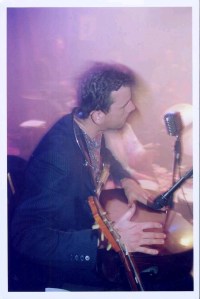
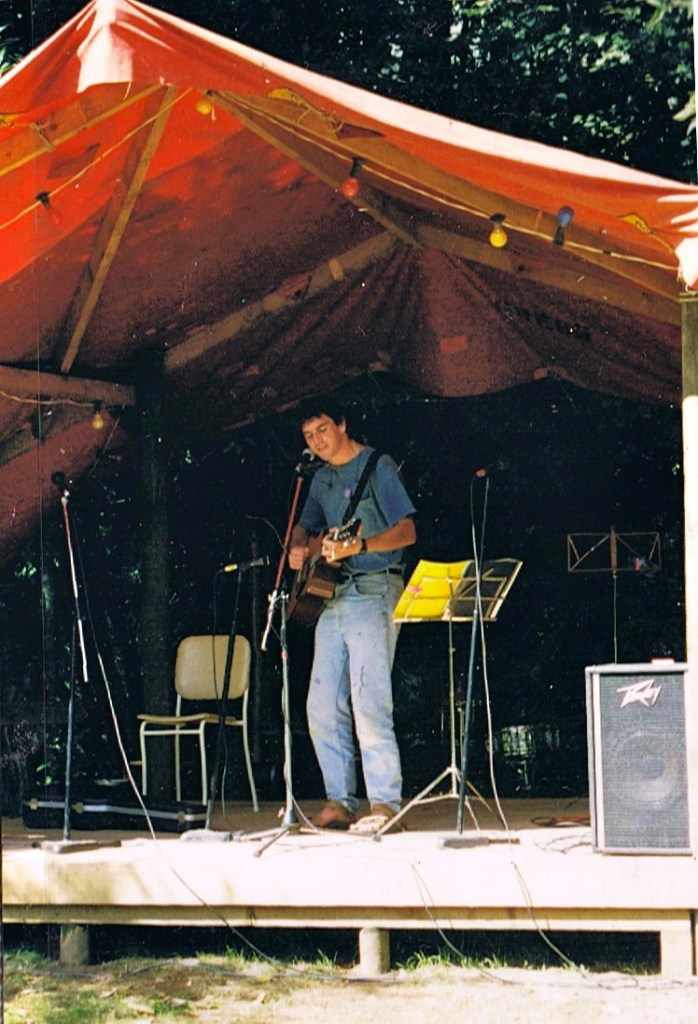
Dave Edwards, at Bar Bodega, Wellington NZ, 1999
Here’s what I sounded like around the time I arrived in Wellington – this solo postpunk set at Bar Bodega, opening for Chris Knox, was preserved (in lo-fi, a 90s aesthetic):
But apart from songs I also fell under the influence of the burgeoning avant garde and free improv scene in Wellington.
This was centred around a venue called the Space (later Fred’s and then the Pyramid Club)… the dissonant flipside of the more popular smooth Pasifika/jazz sound the city became known for (Fat Freddy’s Drop et al).
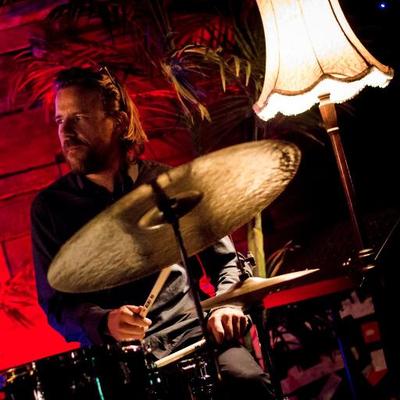
Although way out of my depth technically, I met up with improvising percussionist Simon O’Rorke, and jazz-trained players including Blair Latham and Jeff Henderson to make
A few years ago I wrote a chapter of Jazz Aotearoa, a book about New Zealand jazz music history, discussing the free improvisation and avant-garde jazz scene in Wellington at the turn of the millennium.
in the non-idiomatic idiom in Norway is a collection of improvised instrumental music with some of the musicians in that scene, from the point of view of my own attempts as an untrained outsider to fit in with these advanced jazz players.
The title is a reference to Simon’s house on Norway Street, where the recordings took place. The ‘non idiomatic idiom’ suggests the paradox that improvising non-idiomatically (eg in an original personal style without reference to any genre – playing neither jazz, nor rock, blues, reggae, classical etc) is an idiom in itself.
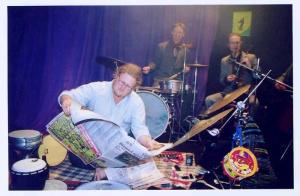
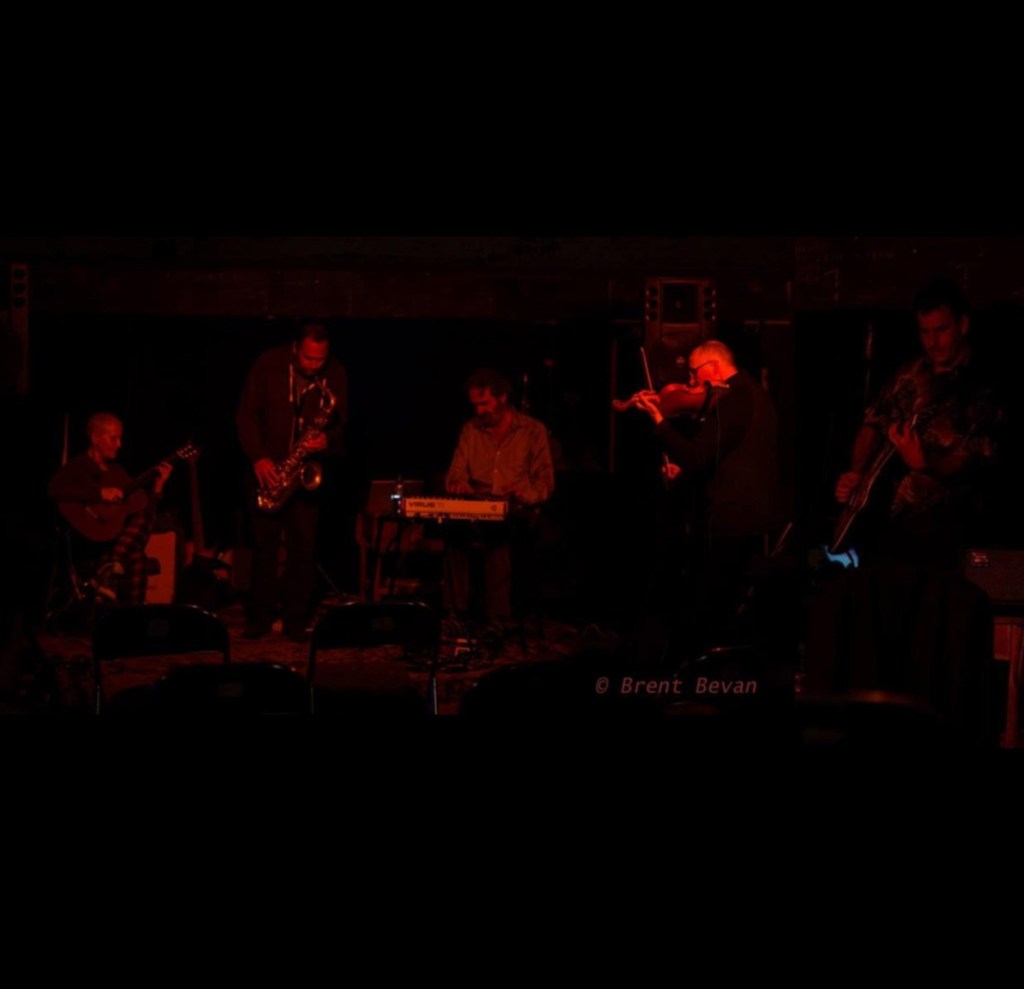
Confluence Quintet: (l-r) Julie Bevan, Michael Hall, Simon O’Rorke, Chris Prosser, Dave Edwards
“It’s lo-fi, organic and about as eclectic as one could manage. Kind of reminds me of Nick Cave if he had grown up in Timaru. No pretentious American accents or catch phrase choruses, just a bunch of people making music. A little beauty!” – NZ Musician, August/September 2002
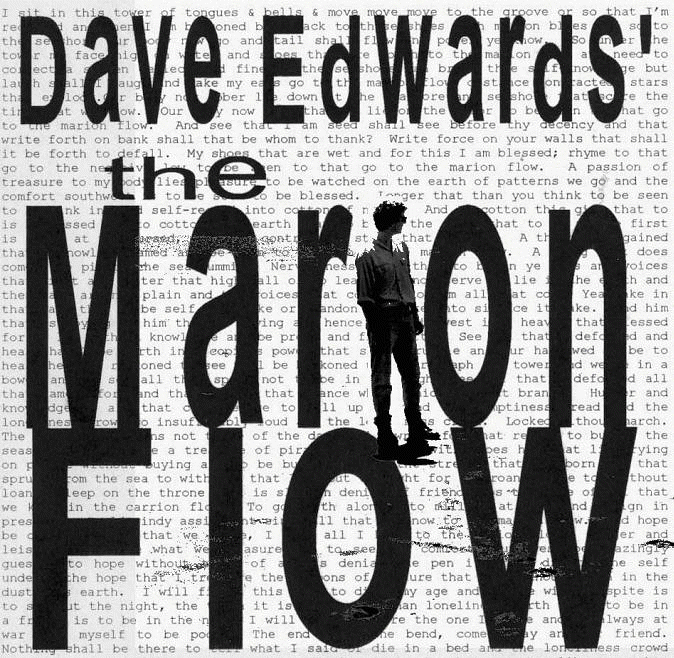
As the sophomore fiffdimension release (following 1998’s Scratched Surface), The Marion Flow began to mix more experimental elements alongside the songwriting. It shows an evolution in ambition and production values, and a more complex & impressionistic lyrical style.
“I sit in this tower of tongues & bells, & move to the groove
Or so that I’m reckoned, & then I am beckoned
Back to these shoes, nigh marion blues
And so to the seashore our body now go, & tale shall flow & power ye know…” – The Marion Flow
In 1999, aged 20, I left New Plymouth, a large rural town, where I grew up, and moved to Wellington, New Zealand’s capital city, where I was born. The Marion Flow reflects this journey, geographically, sonically and spiritually.
The Marion Flow was originally a longer album spanning recordings from New Plymouth in 1999 and Wellington in 2001. I’ve now reissued the two halves separately – to emphasise the sense of time and place, and stylistic evolution, and to re-present each more concisely (for the short-attention-span 21st century).
“Edwards’ music is often a sculpture rather than a melodic composition. Within this chosen form, amongst all the writings rantings & poetry there’s much difficult pleasure to be had for the musically adventurous.” – Brent Cardy, Real Groove, July 2002







 fiffdimension