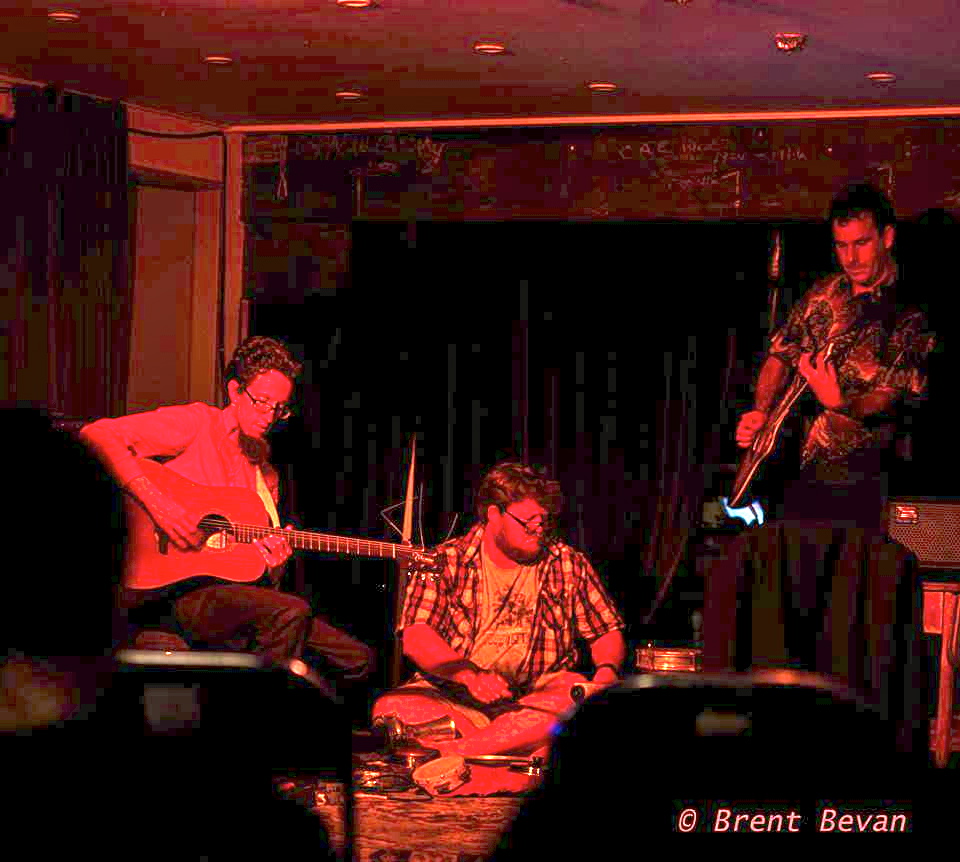
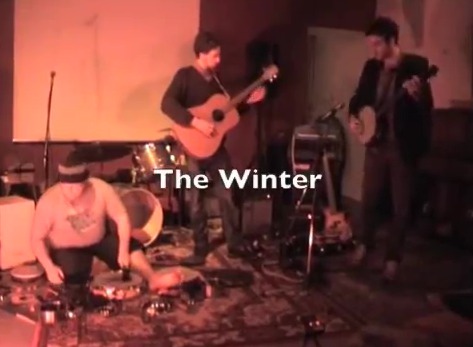
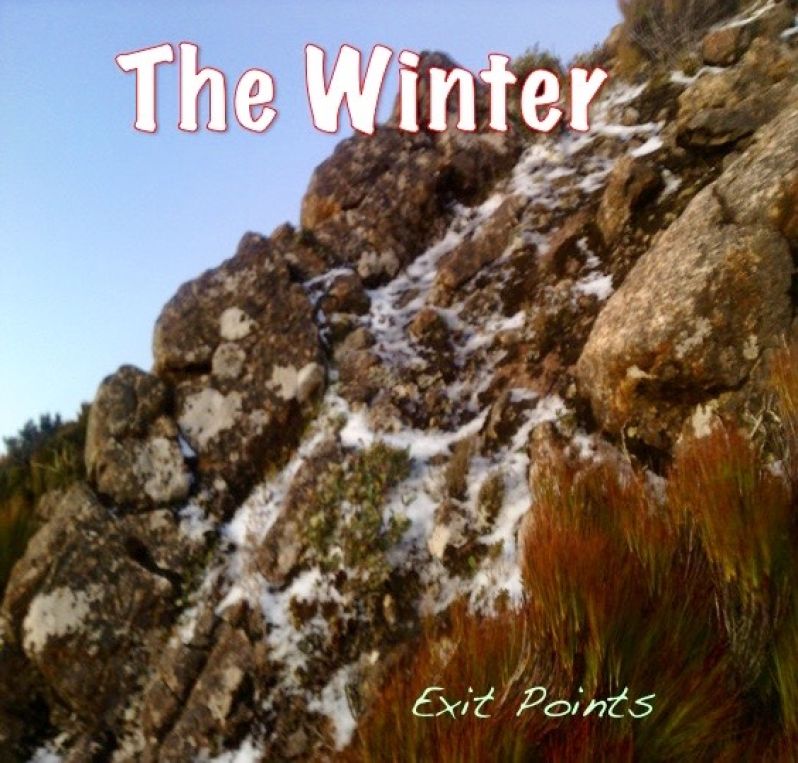
Today is the last day of winter in the southern hemisphere – so to celebrate, here’s the fifth album from The Winter – a New Zealand free improvisation trio of Mike Kingston, Simon Sweetman and Dave Edwards… with a sound that swerves from acoustic folk/blues with hints of Asian, Celtic, and Balkan influences, to electroacoustic soundscapes, abstract dissonance, and pots & pans percussion.
Mike Kingston: guitar, bass, clarinet, electronics Dave Edwards: guitar, bass, banjo, harmonica, ukulele, sanshin, electronics Simon Sweetman: drums and percussion, electronics
Ngumbang is the first collaborative album by two of New Zealand’s more unusual artist/musician/filmmaker/ethnomusicologists.
Performed on guitars, bass, banjo, percussion, saxophones, clarinets, harmonicas, synthesisers, Okinawan sanshin, ukulele, violin, loop pedal, piano, drums and spoken word.
The title ‘Ngumbang’ is an Indonesian word that refers to the slight difference in tuning between a pair of gamelan instruments, which gives gamelan music its shimmering quality.
The album name reflects a shared interest in ethnomusicology and experimentation, and the almost-but-not-quite-equivalent approaches of these two artists.
Dave Black & Snake Beings
The album was recorded in and near Auckland, New Zealand in 2014–2015 and includes live performances at Vitamin S and the Audio Foundation.
who over several decades has travelled intensively in Spain, Holland, the Middle East, Mexico, America and Japan, is a New Zealand / British experimental filmmaker and musician who has produced over 40 independently released film soundtrack CDs and made a number of short experimental and narrative films in Spain, U.K. and New Zealand. www.snakebeings.co.nz
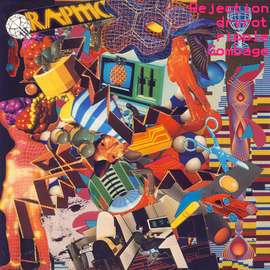
Each contributor created two mins of raw sound – a single track recorded live with no post-processing. After each set of four tracks arrived, they were blindly put together to create each track – as & when they arrived in Corporal Tofulung’s inbox.
The title of the album was created by writing the 40 contributed words on individual pieces of paper & drawing them randomly out of a bucket. Continue reading “Dada Songwriting: Rejection dryrot ripple Gombage”→
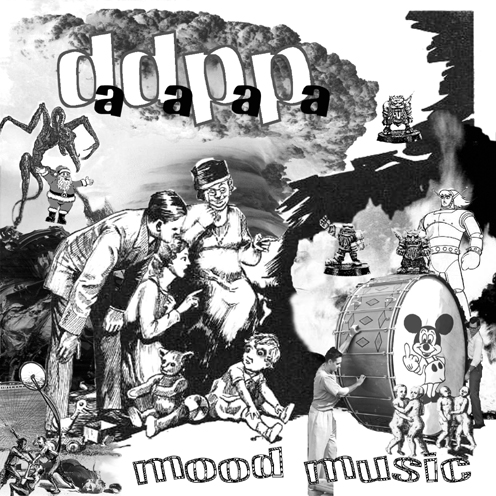
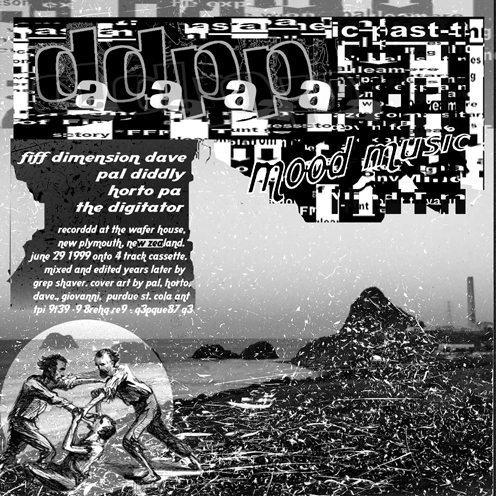
A companion to The Marion Flow, recorded in 1999 by the same lineup who provided that album’s longest (and least conventionally song-based track, pointing the way towards the increasingly radio-unfriendly Mantis Shaped and Worrying), “Lucifer Directing Traffic (at 3AM)”
Recording engineer Paul Winstanley, head of the excellent, now San Francisco-based avant-garde music label Eden Gully recalls it thus:
“after recording tracks for The Marion Flow at Wafer HQ in New Plymouth an ad hoc group of associated locals assembled to record for several sessions of improvised rock/noise deconstruction. really, the only rock references here come from the guitars, with the sputtering synth, air-sucking turntables, didgeridoo and sundry toys providing layers of surreal abstraction. throw in some spoken word and a special guest appearance by N.P. record mogul Brian Wafer on vacuum cleaner – and the dAdApApA nova had blazed and fizzled in the blink of an eye.
“it wasn’t until several years later after the master mixes had been lost, partially recovered and then rediscovered intact again that “Waiting for the Drummer’ was given a final mastering and released as a CDR on EdenGully. it’s been a long strange journey…..”
Fiff Dimension Dave – guitars, spoken word and furbie / Speed Cook – turntables and recording / Pal Diddly – synth and pithy observations / The Digitator – guitar, didgeridoo / BWafer – vacuum cleaner and coffees
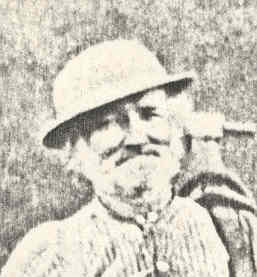
1861 revisited – my pākeha (European) ancestors, John ‘Totara Jack’ and Mary Edwards, arrived in the South Island of New Zealand on board the Olympusand settled in Nelson1.
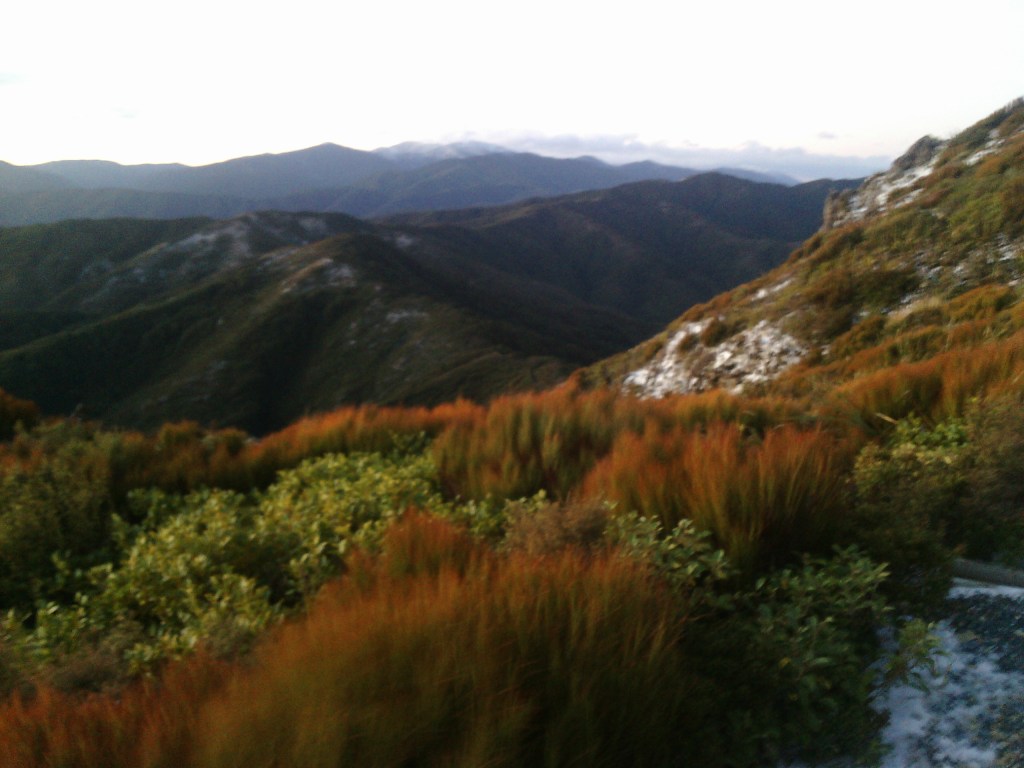
and recorded the sound of tui and makomako (native birds) in Nelson Lakes National Park.
The early settler stories marked the start of an interest in genealogy, and prompted the music video for The Ballad of William Knife3 (loosely based on ‘Totara Jack’).
In contrast to the ‘traditional’ South Island NZ ‘Flying Nun‘ or The Dead C inspired sounds, South Island Sessions blended acoustic instruments with field recordings and electronic glitches. I played acoustic guitar, banjo and saxophone, and delegated the electric guitar role to two local players. We named this new genre “Steampunk Folktronica“4.
Credits
Dave Black – acoustic guitar (2,6), banjo (3,4,6), drums (4), harmonica (2), laptop, field recordings, tenor saxophone (6,7), and vocals





 fiffdimension