A pleasant surprise this week to get a small (single figure) royalty payment from APRA for radio airplay for the shortest track from The Marion Flow, recorded back in 2001!
That goes some way towards recovering the $600 or so I spent recording the album (a lot of money for a broke student back then). I can’t claim it’s a prescient political satire that predicted this week’s news events, but maybe like the album as a whole it’s just timeless…
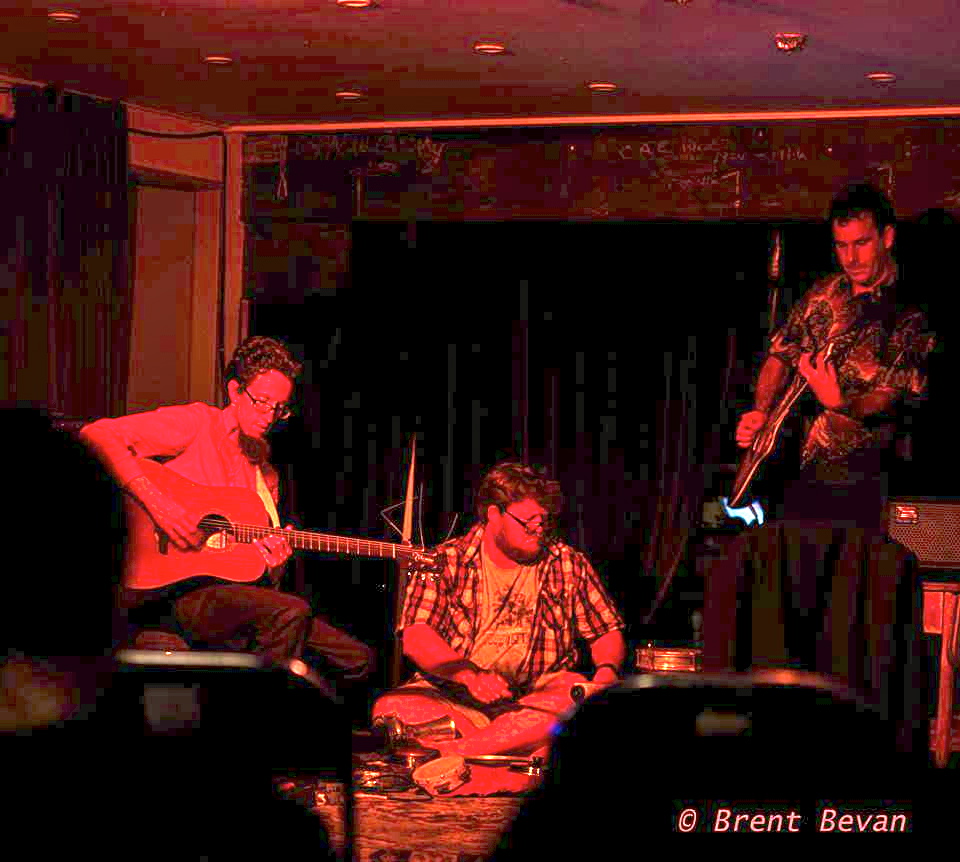
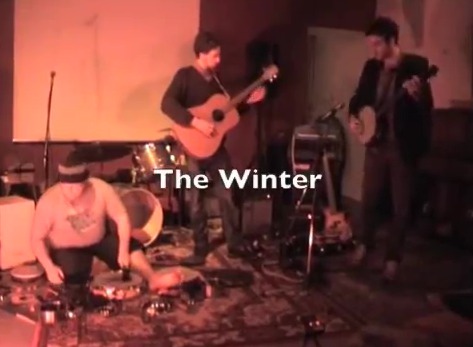
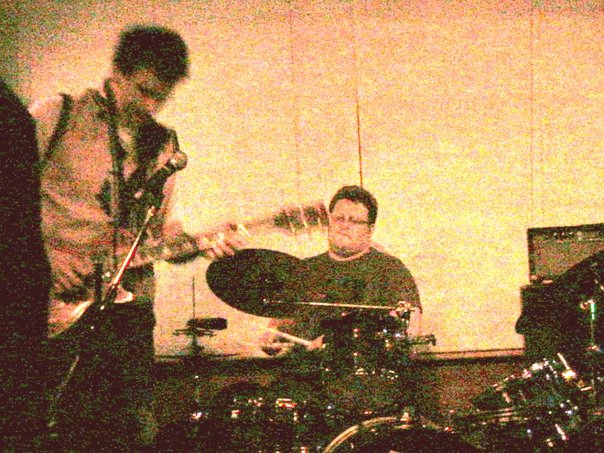
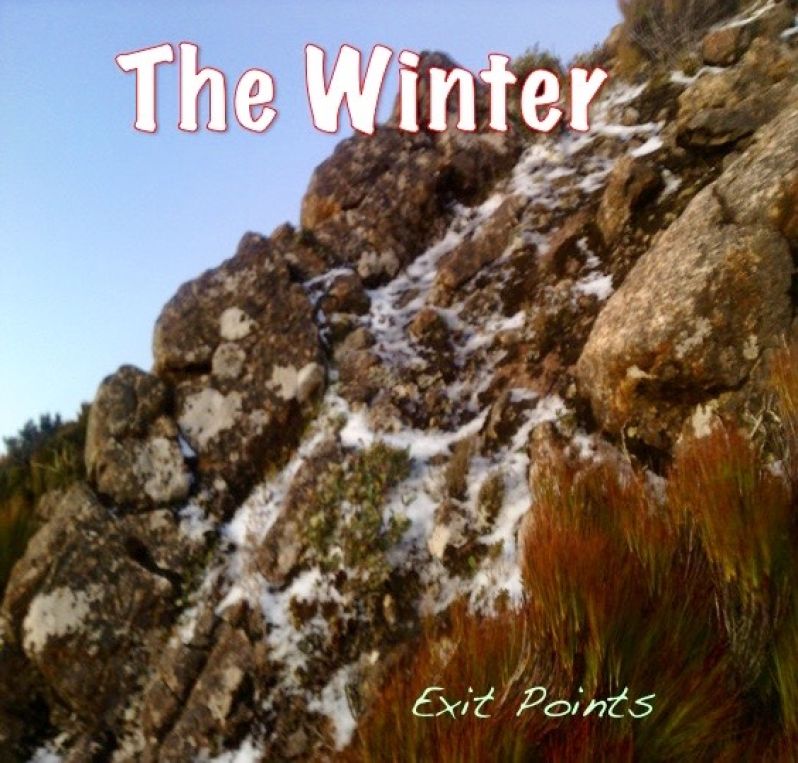
Today is the last day of winter in the southern hemisphere – so to celebrate, here’s the fifth album from The Winter – a New Zealand free improvisation trio of Mike Kingston, Simon Sweetman and Dave Edwards… with a sound that swerves from acoustic folk/blues with hints of Asian, Celtic, and Balkan influences, to electroacoustic soundscapes, abstract dissonance, and pots & pans percussion.
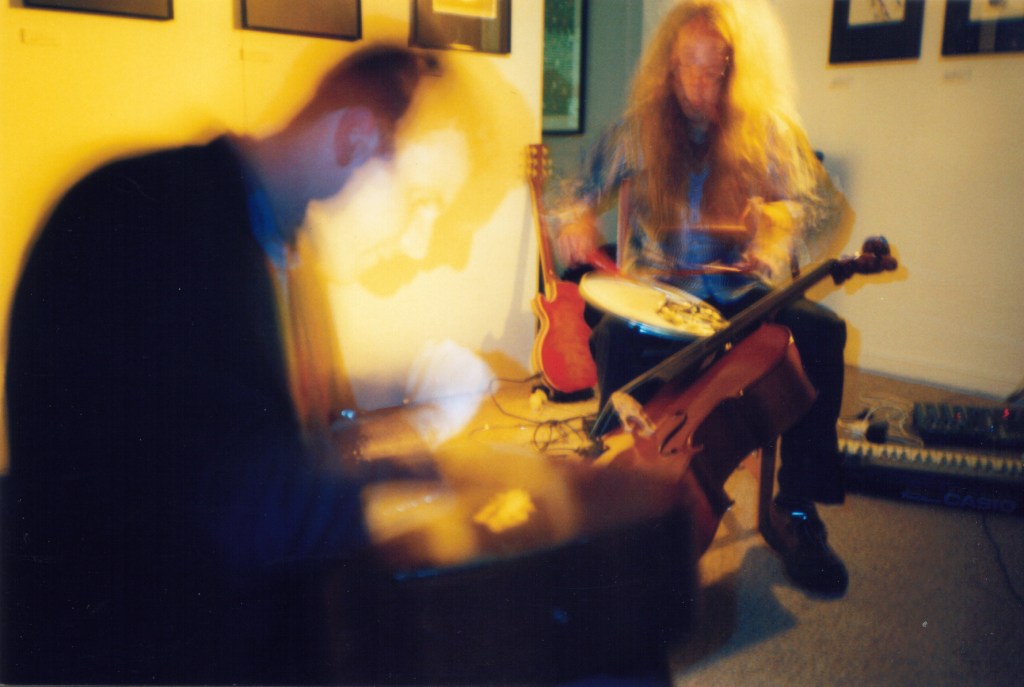
Mike Kingston: guitar, bass, clarinet, electronics Dave Edwards: guitar, bass, banjo, harmonica, ukulele, sanshin, electronics Simon Sweetman: drums and percussion, electronics
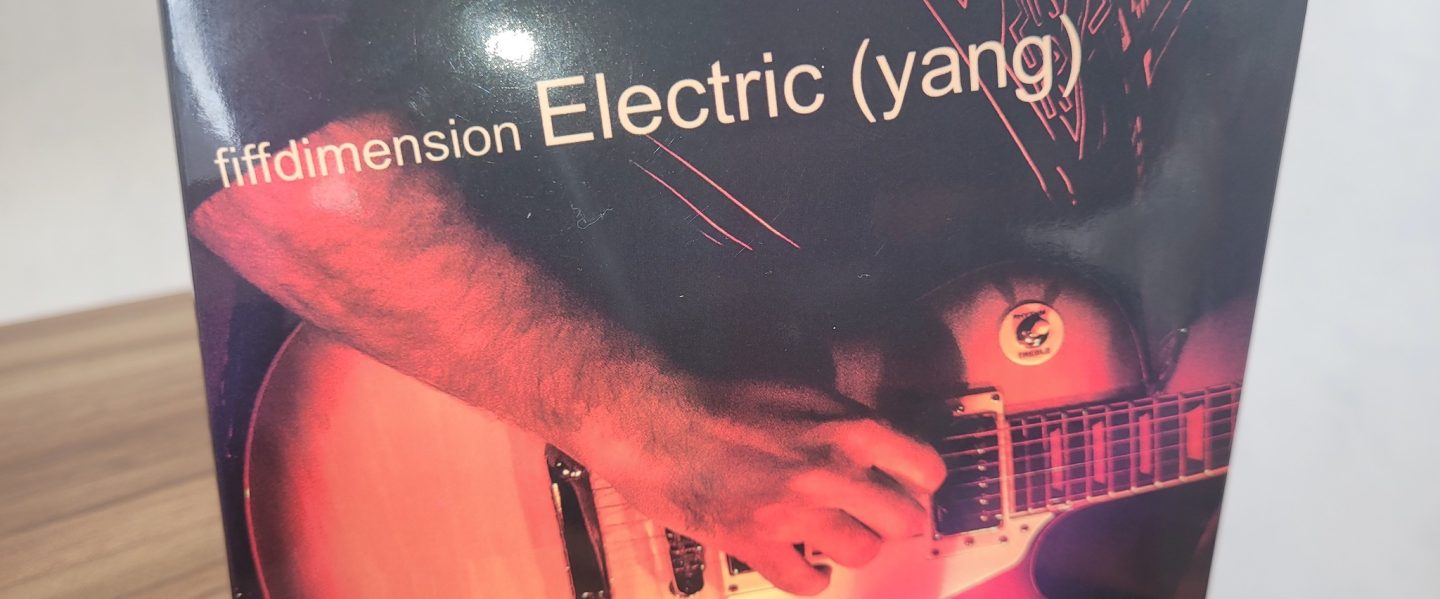
Mike contributed cello, electric guitar, slide whistle, and electronic interludes. The album builds from intimate acoustic pieces towards the electric climax of “Parataxes 9”.
dedicated to the extinct NZ bird. It was the band’s last session until 2009, while Dave and Mike each went overseas. The 19-minute last track was an epic finale and a (temporary) farewell to Wellington.
In 2005, Mike and Dave both relocated across the Tasman. After Maths & Sciencesis an Australian double album recorded in Melbourne, 2005 and Sydney and Gosford in 2006.
It’s a very different record fromLoose Autumn Moans or Parataxes – part field recordings, part improvised music, part electronic experiment and part documentary. Mike played acoustic guitar on the Melbourne half.
Another thread connects the records, as two different versions of “O Henry Ending” were recorded:
on-and-off over the next twelve years (when all three were in Wellington). Mike played guitar, bass, clarinet, and charango. For highlights from their later recordings, see the
The recordings above are Mike’s contribution to the fiffdimension catalogue to date. He added jazz-trained harmonic and rhythmic sophistication, multi-instrumental capability, and a wealth of ideas to Dave’s untutored conceptual approach.
Other projects
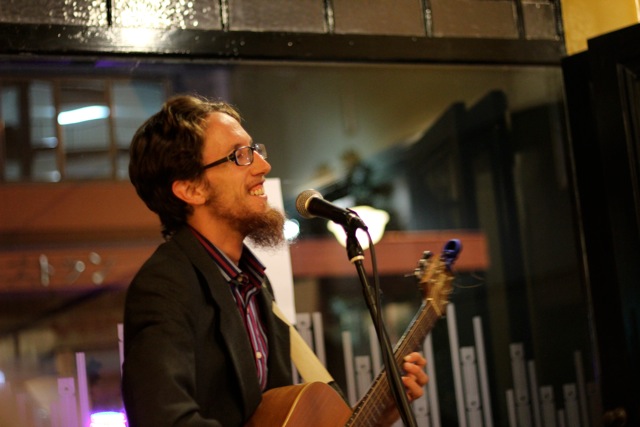
Mike Kingston is a multi-instrumentalist front-man and composer in bands including Cumbia Blazera, ‘Bella Cajon‘ , ‘The Wagtails‘, and Phantasticus. He continues to perform regularly throughout Wellington and New Zealand, and has toured Australia and Colombia.
“Worth searching out coz this lo-fi singer/songwriter oddball has a unique take on the genre. He’s pissed off, a tad fucked up (as usual), but not full of lugubrious self-pity (as unusual) and is happy to get raucous & obnoxious in just the right kinda way.” – Chris Knox
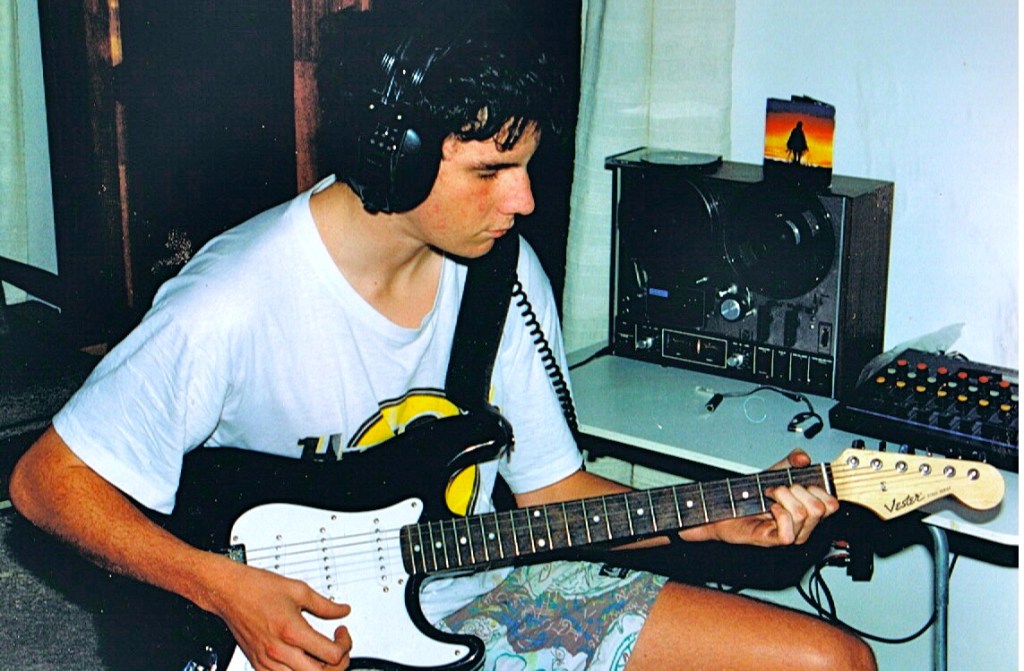
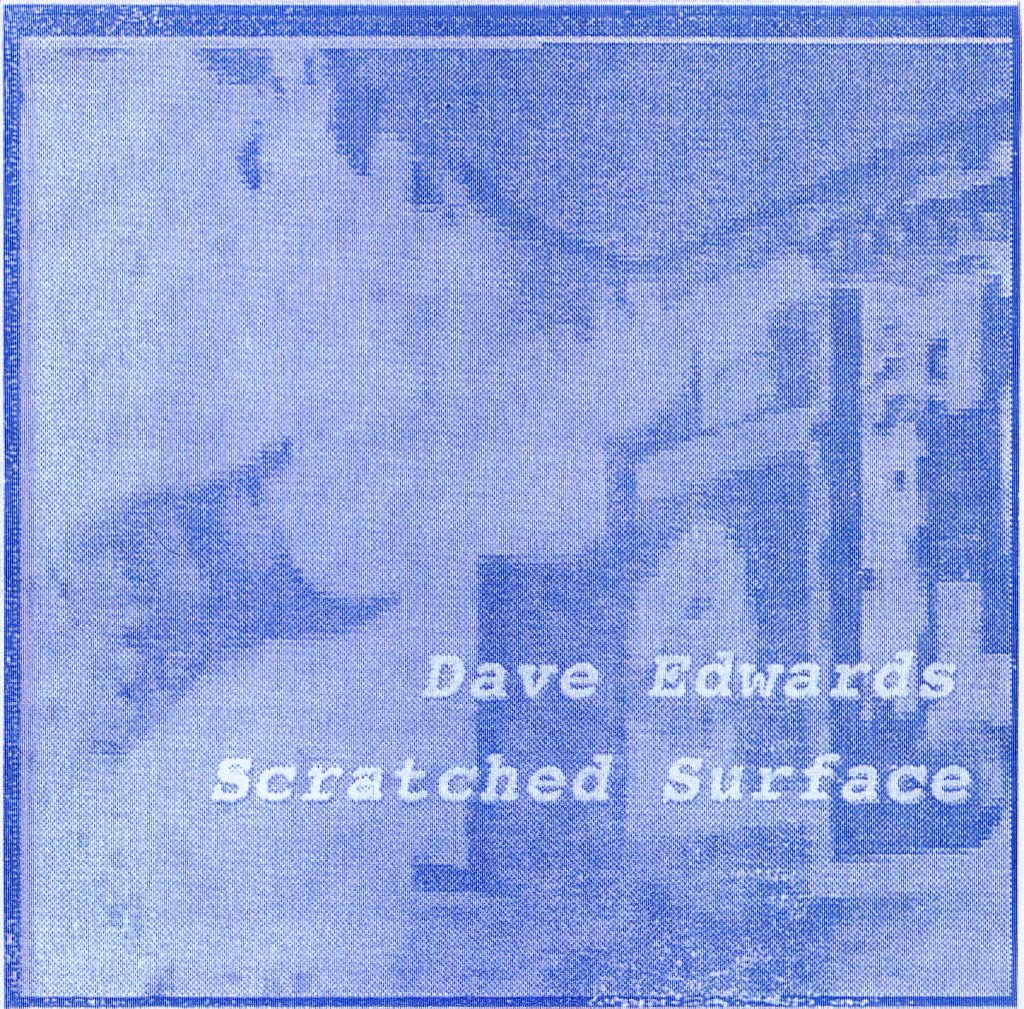
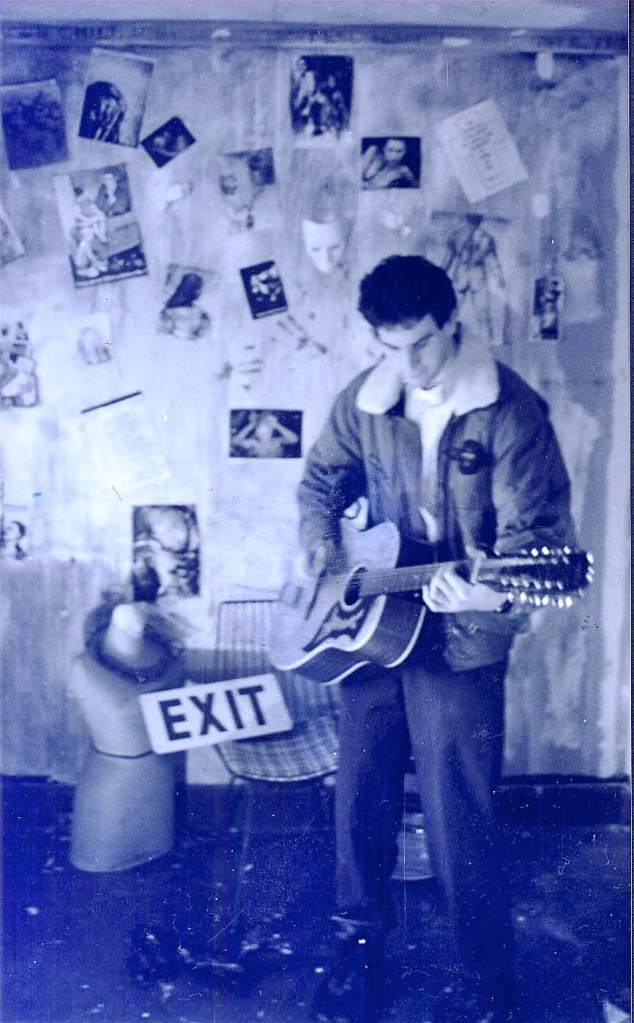
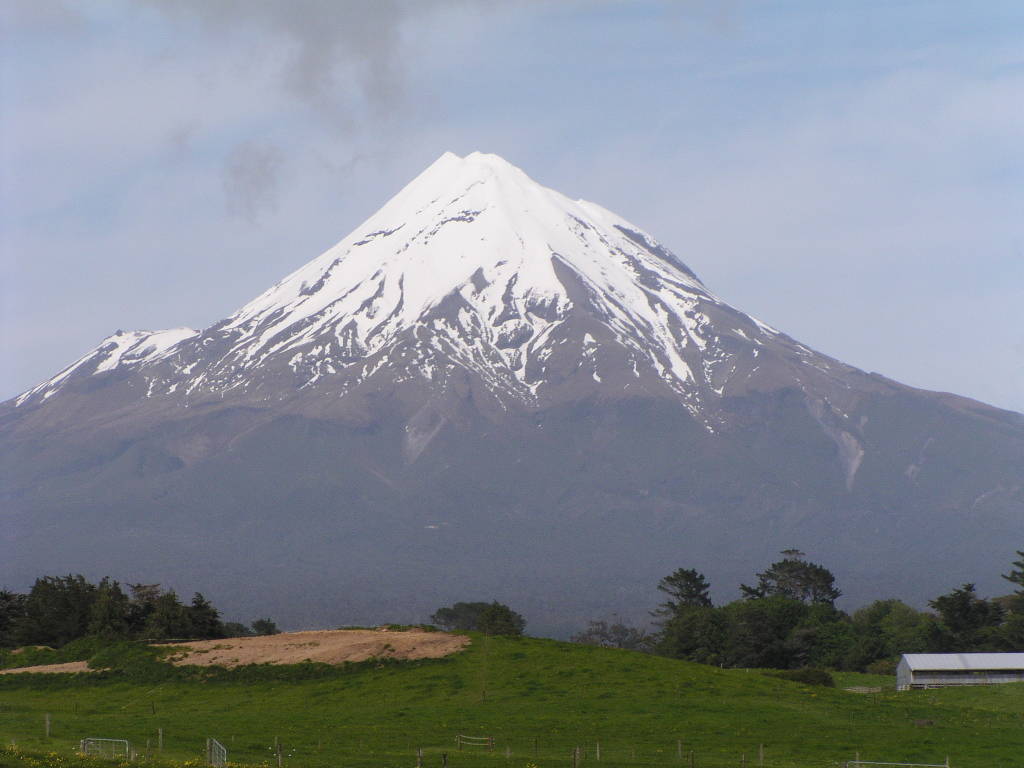
Scratched Surface is a genuine 1990s teenage no-budget lo-fi post-punk singer-songwriter artifact from the Taranaki, New Zealand underground. It includes both electric and acoustic tracks1.
The title alludes to its status as a first effort from fiffdimension2, with muchmore to come (‘scratching the surface’). It also suggests scratches on a disc, reflecting the lo-fi production values and a slightly ‘damaged’ pre-millennial teenager outlook.
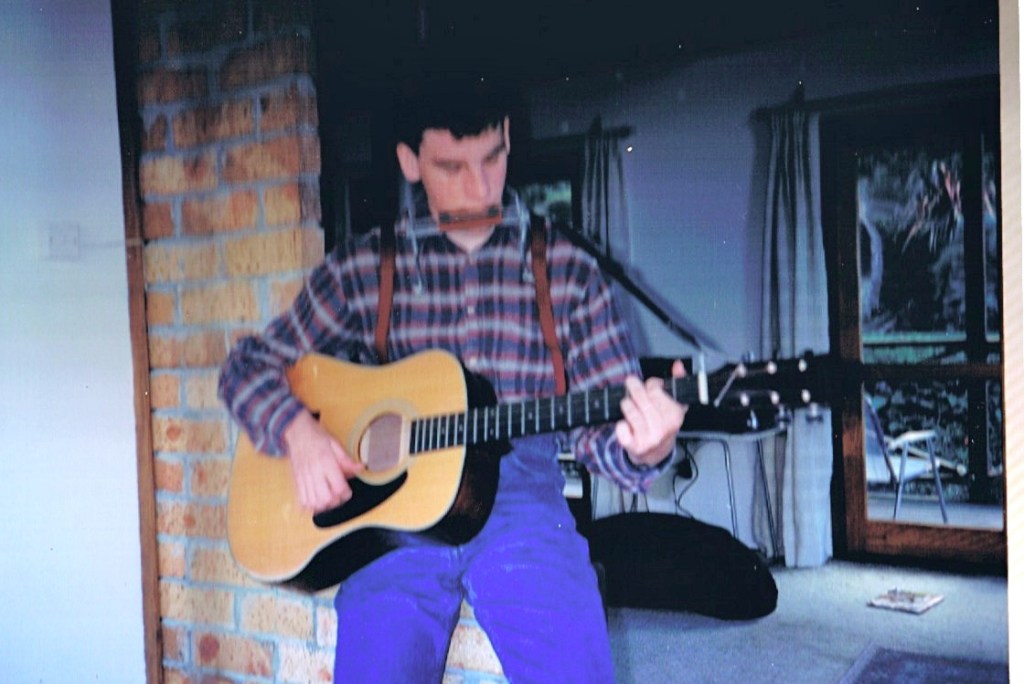
I didn’t come from a conventional musical background. Instead of learning to play cover songs first, I skipped straight to writing my own3. The musicianship is rudimentary, and the lyrics are full of youthful angst – but also self-aware humour and ironic detachment.
“One day I’m gonna be a star, but I can’t be bothered to practice my guitar.
I’m not gonna sing you a cover song, ’cause I’d only make it sound all wrong.
I got the ‘can’t play for shit and my voice is shot to hell’ blues”
It was recorded on analogue reel-to-reel and cassette tapes, and self-released on CD-R. The online reissue includes download-only bonus tracks and previously unreleased material.
Credits
Dave Edwards – acoustic and electric guitar, harmonica, vocal, lyrics
Tim McVicar – bass (2, 12, 14), percussion (3), electric guitar (12, 13)
Brett, Ross, Tammy, Dawn et al – percussion and vocals (15-16)
Ngumbang is the first collaborative album by two of New Zealand’s more unusual artist/musician/filmmaker/ethnomusicologists.
Performed on guitars, bass, banjo, percussion, saxophones, clarinets, harmonicas, synthesisers, Okinawan sanshin, ukulele, violin, loop pedal, piano, drums and spoken word.
The title ‘Ngumbang’ is an Indonesian word that refers to the slight difference in tuning between a pair of gamelan instruments, which gives gamelan music its shimmering quality.
The album name reflects a shared interest in ethnomusicology and experimentation, and the almost-but-not-quite-equivalent approaches of these two artists.
Dave Black & Snake Beings
The album was recorded in and near Auckland, New Zealand in 2014–2015 and includes live performances at Vitamin S and the Audio Foundation.
who over several decades has travelled intensively in Spain, Holland, the Middle East, Mexico, America and Japan, is a New Zealand / British experimental filmmaker and musician who has produced over 40 independently released film soundtrack CDs and made a number of short experimental and narrative films in Spain, U.K. and New Zealand. www.snakebeings.co.nz
Music and video by Dave Black & Cylvi Manthyng from a road trip north from Perth, Western Australia. Kalbarri is a small town of just over a thousand people, known for its rocky coastline, red landscape, spring flowers, and pounding surf.
Back in April we performed Dave Black & Snake Beings: East to West at the Audio Foundation in Auckland. Here’s a first excerpt from the show, which took the audience all the way from NZ to Portugal. This chapter is set in mainland Japan, and takes in Kyoto, Mount Fuji, and 1990s Tokyo. The soundtrack was performed live.
We’ve recorded an album’s worth of material, which is now available: Ngumbang
He was a friend I hadn’t seen for a few years as I’ve been living abroad, but he played violin on ‘Loose Autumn Moans‘ and I’d always hoped to work with him again.
I loved the historical turn his recent music was taking.
Definitely a loss to NZ music as well as a personal tragedy to lose him before his time.
A few years ago I wrote a chapter of Jazz Aotearoa, a book about New Zealand jazz music history, discussing the free improvisation and avant-garde jazz scene in Wellington at the turn of the millennium.
The title is a reference to Simon’s house on Norway Street, where the recordings took place. The ‘non idiomatic idiom’ suggests the paradox that improvising non-idiomatically (eg in an original personal style without reference to any genre – playing neither jazz, nor rock, blues, reggae, classical etc) is an idiom in itself.
It was recorded in Wellington in two volumes, in 1999 and2014