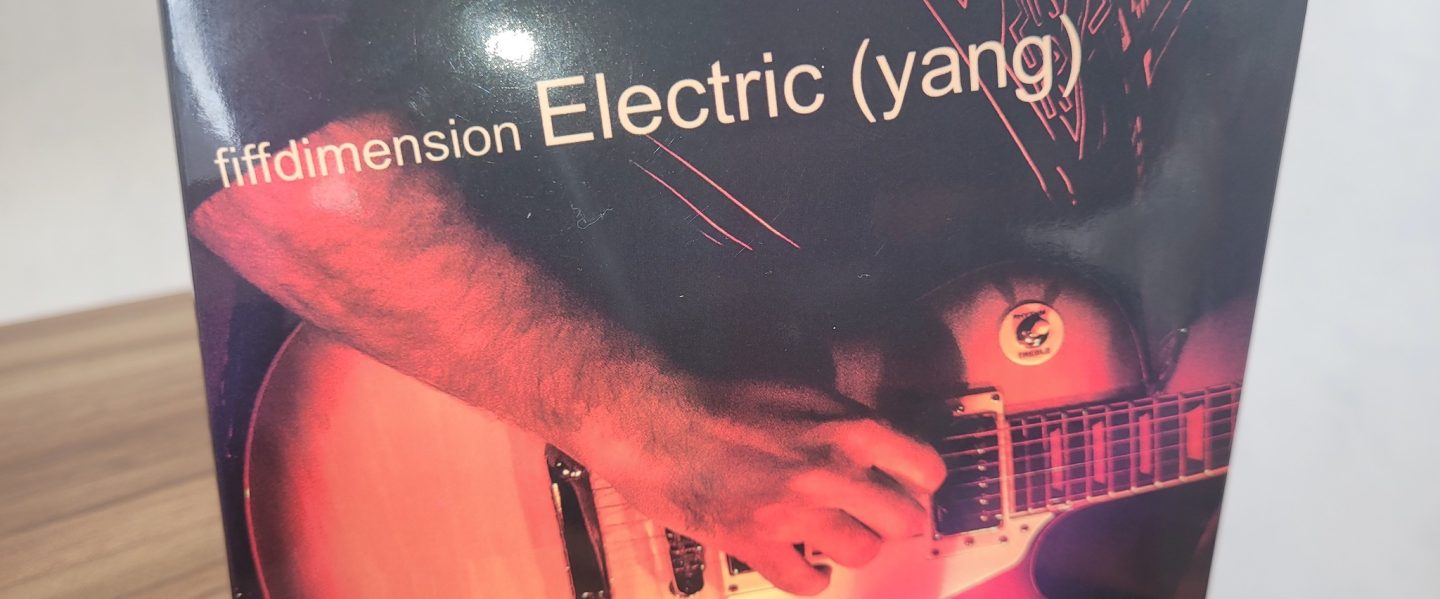
“Double disc collection of more than two decades’ worth of live and studio-recorded tunes by Dave Edwards, who you may have heard recently as part of The Troubled Times with Antony Milton. It’s quite a diverse listen!
“You get some concise and catchy pop songs, some full-on rockers, banjo excursions, improv freak-out, poetry, acoustic blues, folk songs, scrambled noise… there’s something here for everybody. A good intro to Dave’s dauntingly deep discography.”
2CD double album. 35 tracks spanning 25 years. Comes in gatefold card case with full colour photography by Jechtography and James Gilberd. Includes download of the digital album.
“Electric (Yang)/Acoustic (Yin)boasts some wildly different tracks; short instrumentals (the guitar and percussion ofKing Street Boogie, the piano and birdsong of Tui and Grey Sky, the guitar, rain, and bucket- possibly oboe too- of Classical Rain Bucket), song-length instrumentals (the gorgeous and floaty Kalbarri Coastline, the spaced-out psychedelia of Shuffling The Tarot, October Ring‘ssweet little guitar melody being countered by its evil twin sowing dissent and discord), spoken word over free-forming instruments (After The Filmshootdescribing either a spiritual experience or very good drugs… or both, @Bomb The Space sounding like a guitar being attacked, Ornery Return Cravings spoken over sheer instrumental chaos), and occasionally, songs too (the stripped-back post-punk glory of Tony Was Here, the slithery, smoky, speakeasy feel of Cafes In Conversation, Inverno creeping in like a fever-dream of The Cramps, and the beautiful, emotionally-charged Paetumokai (Pua pua i te Koanga)). Dave Edwards is a thoughtful and talented writer, composer, and performer. This double album ably demonstrates that, from the soft, delightful guitar ramblings on Stromatolites, to Wealth And Riches that sounds for all the world like a battle to the death between a drumkit and a horde of toy robots.
“He doesn’t seem to so much want to push boundaries, as to act like he’s never heard of boundaries in the first place. At times soft and beautiful, at others dark and jarring, it makes for fascinating listening.” – Peter Malthus, muzic.nz
“It’s lo-fi, organic and about as eclectic as one could manage. Kind of reminds me of Nick Cave if he had grown up in Timaru. No pretentious American accents or catch phrase choruses, just a bunch of people making music. A little beauty!” – NZ Musician, August/September 2002
The “hit single” Banana Wizard was released on a compilation of Taranaki music and had some student radio airplay around the country… about the extent of my commercial success to date.
I was also opening my ears and mind to more experimental sounds, and moving beyond conventional pop song structures.
At the same sessions we recorded free improvisations, which Paul later overdubbed and rearranged into
Taranakiimprovisedrock/noise deconstruction with sputtering synth, air-sucking turntables, didgeridoo and sundry toys providing layers of surreal abstraction (1999)
“after recording tracks for The Marion Flow at Wafer HQ in New Plymouth, an ad hoc group of associated locals assembled to record… the only rock references here come from the guitars… throw in some spoken word and a special guest appearance by N.P. record mogul Brian Wafer on vacuum cleaner and the dAdApApA nova had blazed and fizzled in the blink of an eye” – Eden Gully
& then I got to the capital city, and was suddenly a small fish in a bigger pond…
Part 2, Wellington
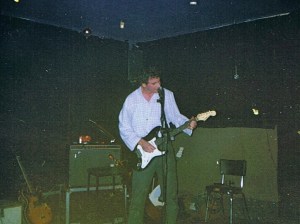
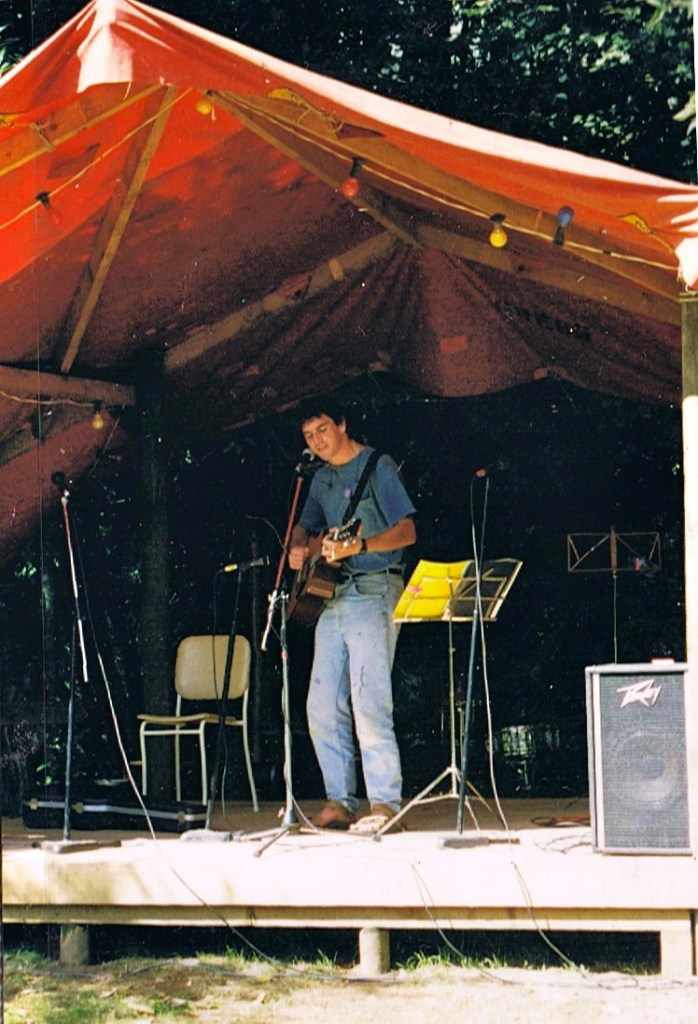
Dave Edwards, at Bar Bodega, Wellington NZ, 1999
Here’s what I sounded like around the time I arrived in Wellington – this solo postpunk set at Bar Bodega, opening for Chris Knox, was preserved (in lo-fi, a 90s aesthetic):
But apart from songs I also fell under the influence of the burgeoning avant garde and free improv scene in Wellington.
This was centred around a venue called the Space (later Fred’s and then the Pyramid Club)… the dissonant flipside of the more popular smooth Pasifika/jazz sound the city became known for (Fat Freddy’s Drop et al).
Although way out of my depth technically, I met up with improvising percussionist Simon O’Rorke, and jazz-trained players including Blair Latham and Jeff Henderson to make
“It’s lo-fi, organic and about as eclectic as one could manage. Kind of reminds me of Nick Cave if he had grown up in Timaru. No pretentious American accents or catch phrase choruses, just a bunch of people making music. A little beauty!” – NZ Musician, August/September 2002
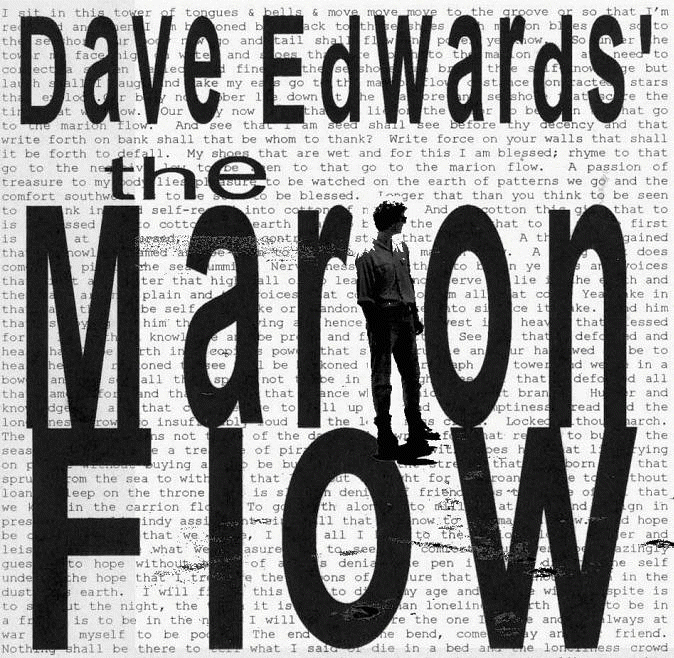
As the sophomore fiffdimension release (following 1998’s Scratched Surface), The Marion Flow began to mix more experimental elements alongside the songwriting. It shows an evolution in ambition and production values, and a more complex & impressionistic lyrical style.
“I sit in this tower of tongues & bells, & move to the groove
Or so that I’m reckoned, & then I am beckoned
Back to these shoes, nigh marion blues
And so to the seashore our body now go, & tale shall flow & power ye know…” – The Marion Flow
In 1999, aged 20, I left New Plymouth, a large rural town, where I grew up, and moved to Wellington, New Zealand’s capital city, where I was born. The Marion Flow reflects this journey, geographically, sonically and spiritually.
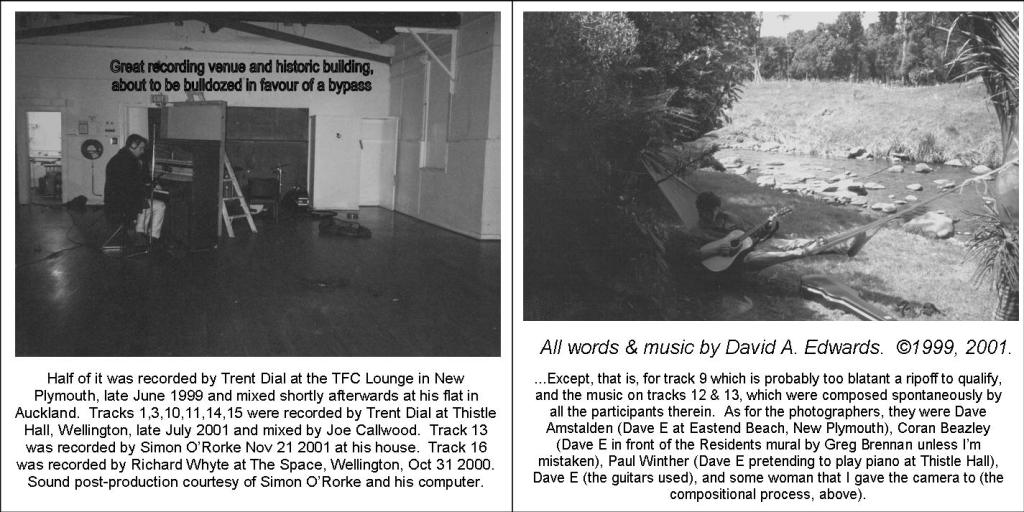
The Marion Flow was originally a longer album spanning recordings from New Plymouth in 1999 and Wellington in 2001. I’ve now reissued the two halves separately – to emphasise the sense of time and place, and stylistic evolution, and to re-present each more concisely (for the short-attention-span 21st century).
“Edwards’ music is often a sculpture rather than a melodic composition. Within this chosen form, amongst all the writings rantings & poetry there’s much difficult pleasure to be had for the musically adventurous.” – Brent Cardy, Real Groove, July 2002
The 1999 recording had quite a different vibe – spoken word delivery, electric guitars panned left & right, and Paul Winstanley playing a cymbal through a pitch shifter, turning it into a deep sea gong sound.
The lyrics are some of my favourite. They were scribbled in a notebook sometime in the late 90s. I was digesting the influence of literary modernism (eg lines like ‘yea take in that wake’ a shout out to James Joyce, using nouns as verbs and vice versa, and other general flouting of grammatical rules).
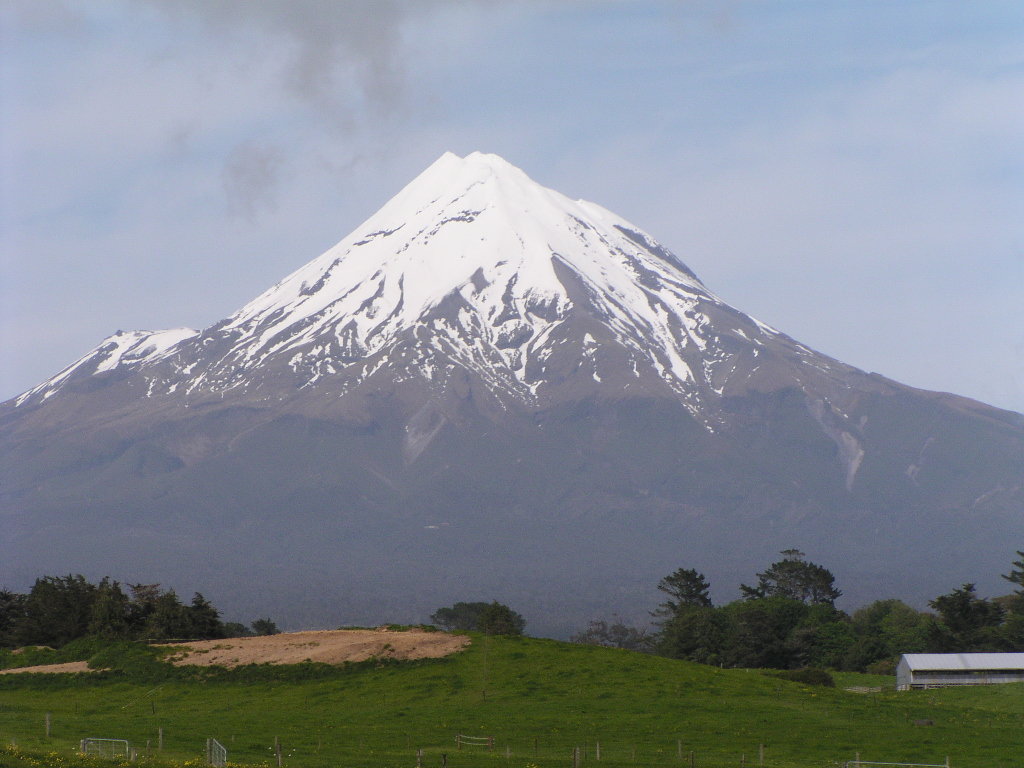
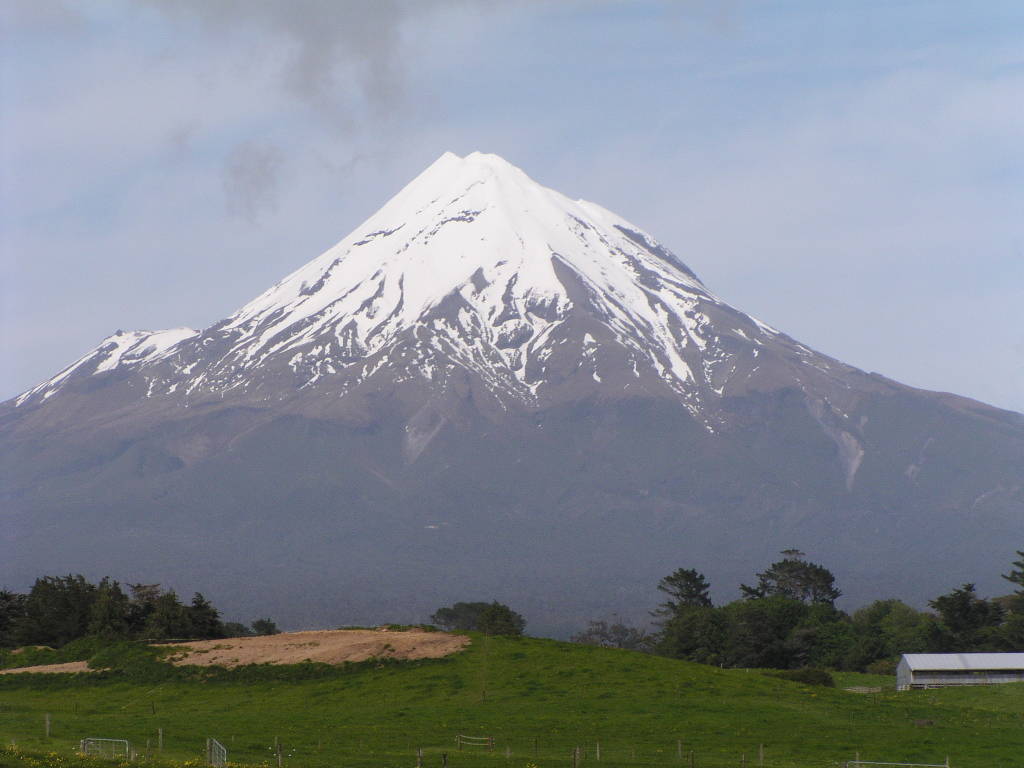
Taranaki and its coastlines inspired much of the atmosphere.
We’re happy to announce the release of the Electricka Zoo‘s first (self-titled) album.
The Electricka Zoo, 2017
The Digitator’s gear
the Electricka Zoo, 2017
The Electricka Zoo, 2017
Tapioca Dragon / The Electrica Zoo / 1/3 Octave Band poster
the Electricka Zoo, 2017
the Electricka Zoo, 2017
The duo of Dave Black & the Digitator, The Electricka Zoo combine influences from EDM and post-punk avant-garde rock to jazz, reggae, Balkan and Portuguese music. Their self-titled debut album features 8 original tunes by the bass/guitar and electronica duo wrapped in colourful mandala artwork by Lucie Hannon.
“Worth searching out coz this lo-fi singer/songwriter oddball has a unique take on the genre. He’s pissed off, a tad fucked up (as usual), but not full of lugubrious self-pity (as unusual) and is happy to get raucous & obnoxious in just the right kinda way.” – Chris Knox
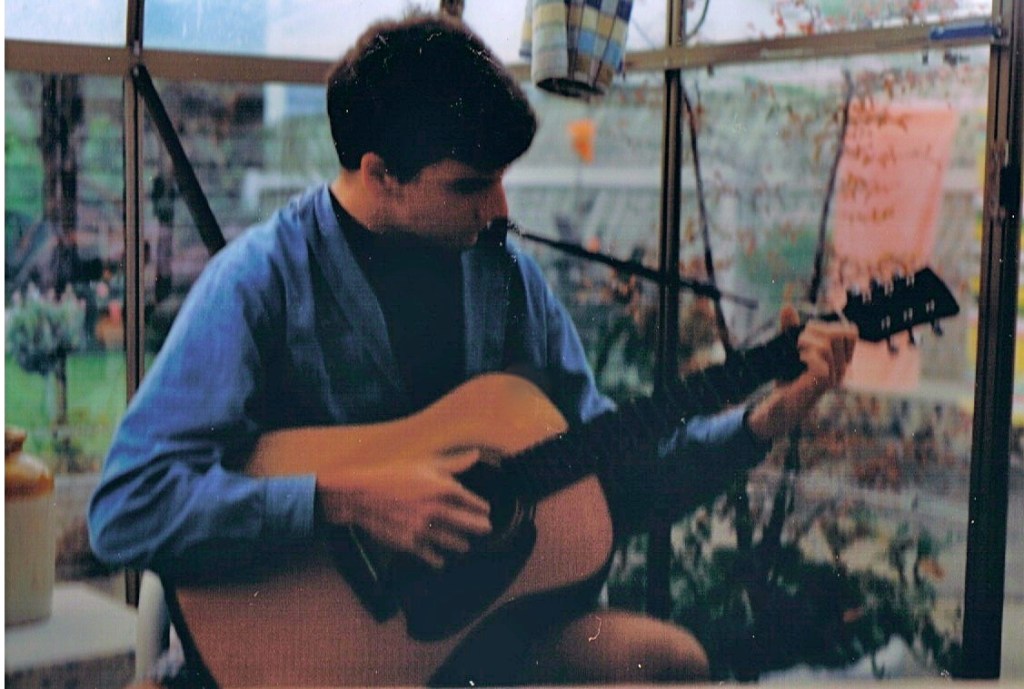
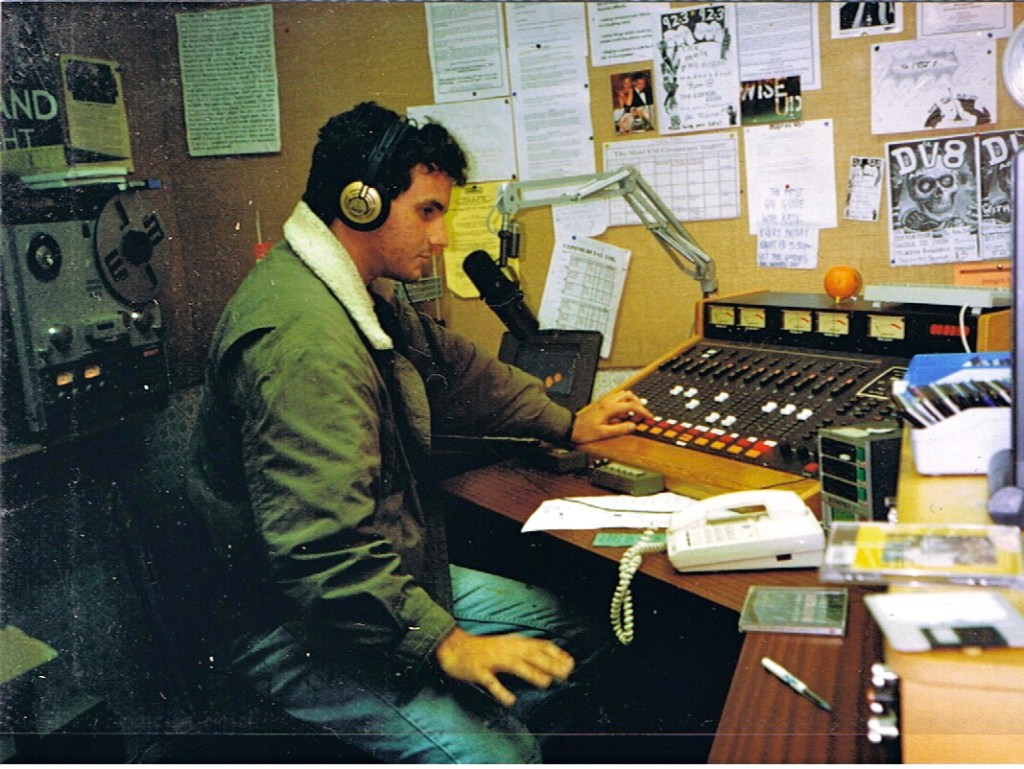
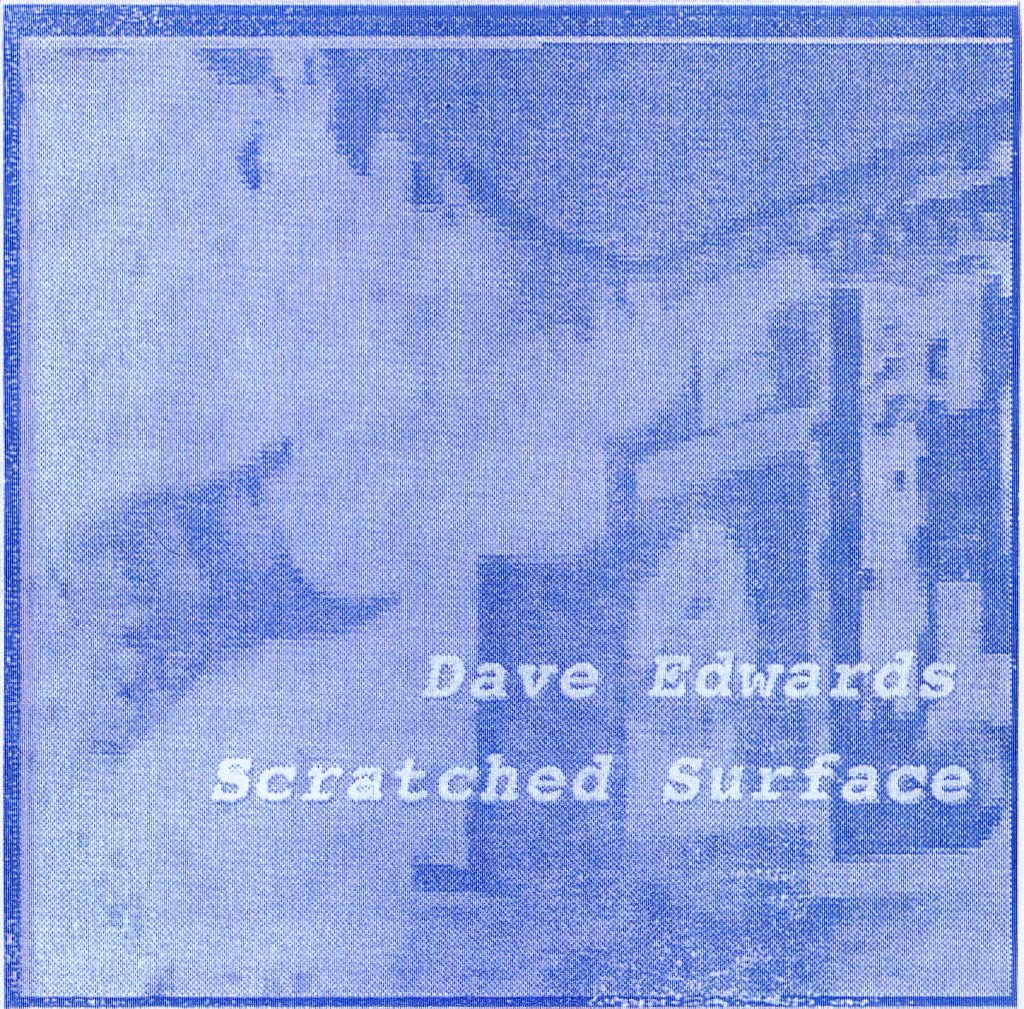
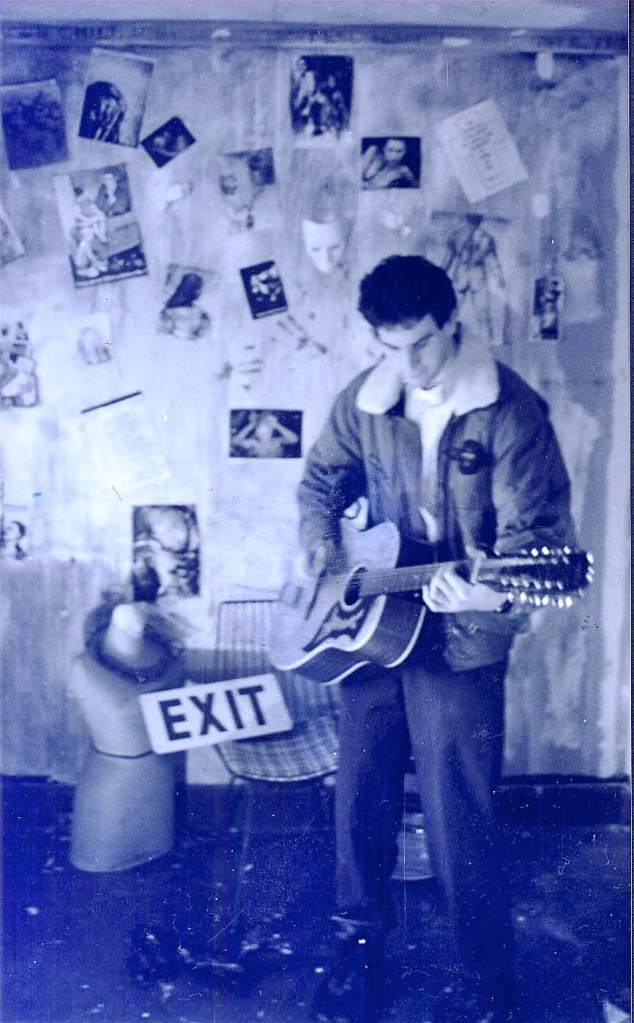
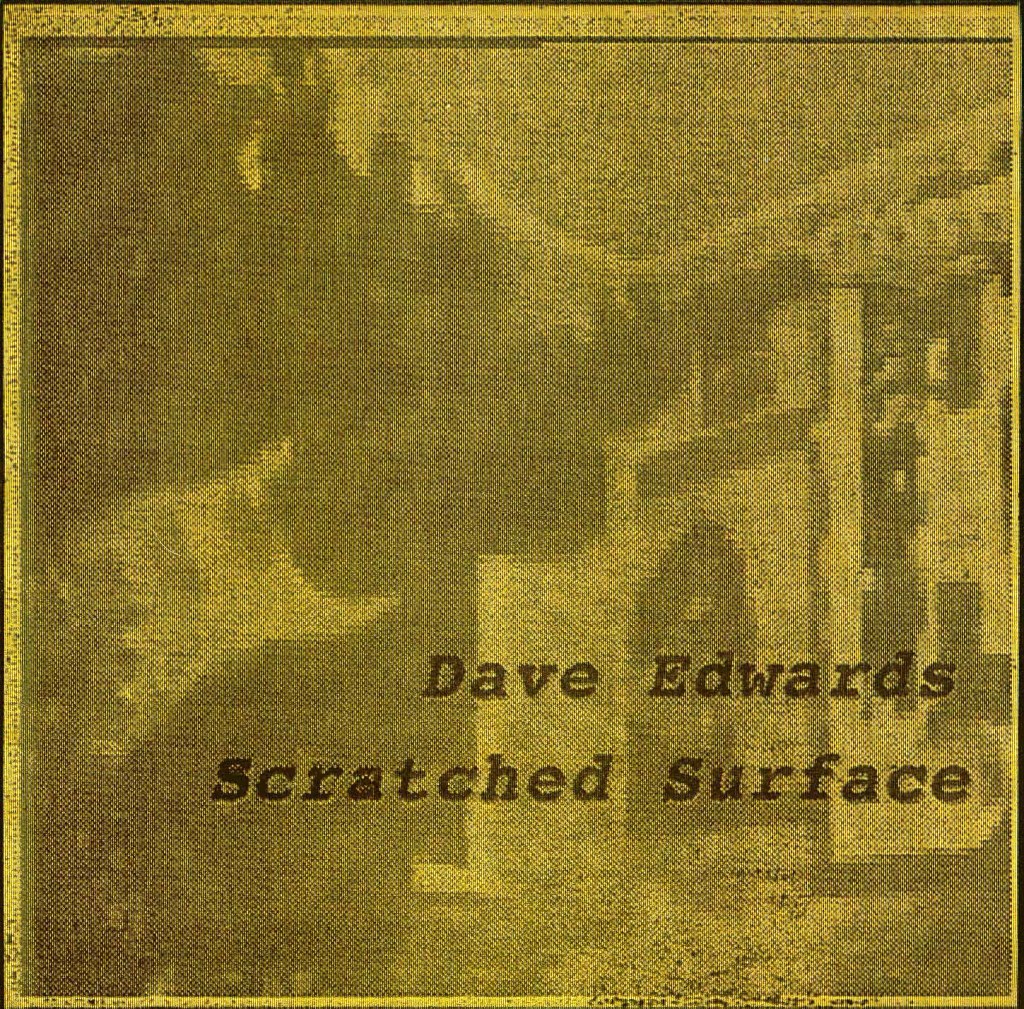
Scratched Surface is a genuine 1990s teenage no-budget lo-fi post-punk singer-songwriter artifact from the Taranaki, New Zealand underground. It includes both electric and acoustic tracks1.
The title alludes to its status as a first effort from fiffdimension2, with muchmore to come (‘scratching the surface’). It also suggests scratches on a disc, reflecting the lo-fi production values and a slightly ‘damaged’ pre-millennial teenager outlook.
I didn’t come from a conventional musical background. Instead of learning to play cover songs first, I skipped straight to writing my own3. The musicianship is rudimentary, and the lyrics are full of youthful angst – but also self-aware humour and ironic detachment.
“One day I’m gonna be a star, but I can’t be bothered to practice my guitar.
I’m not gonna sing you a cover song, ’cause I’d only make it sound all wrong.
I got the ‘can’t play for shit and my voice is shot to hell’ blues”
It was recorded on analogue reel-to-reel and cassette tapes, and self-released on CD-R. The online reissue includes download-only bonus tracks and previously unreleased material.
Credits
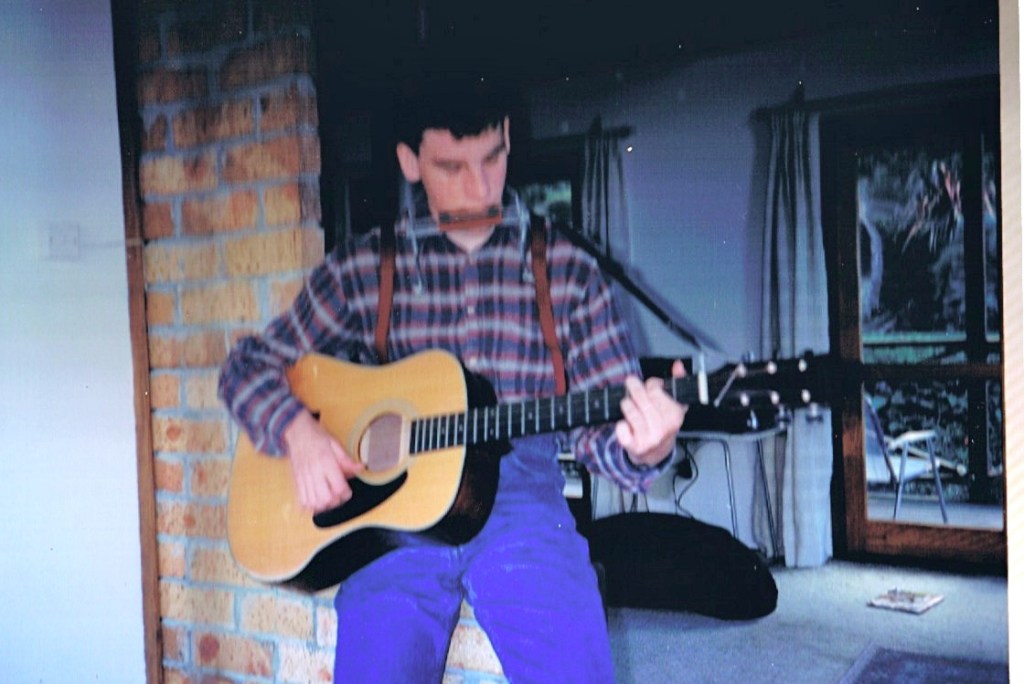
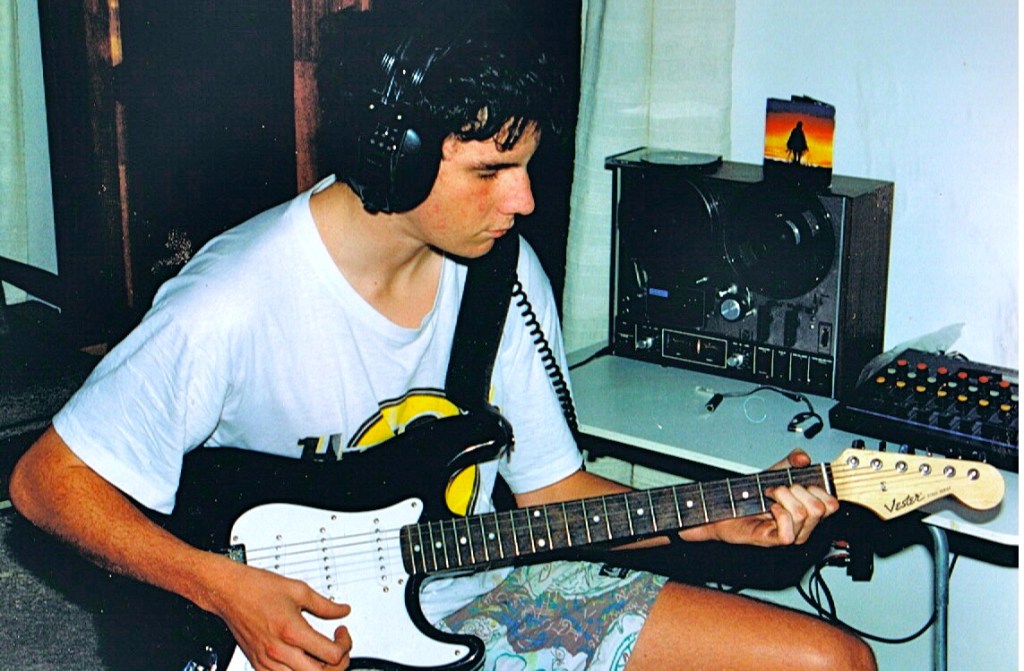
Dave Edwards – acoustic and electric guitar, harmonica, vocal, lyrics
Tim McVicar – bass (2, 12, 14), percussion (3), electric guitar (12, 13)
Brett, Ross, Tammy, Dawn et al – percussion and vocals (15-16)