“Worth searching out coz this lo-fi singer/songwriter oddball has a unique take on the genre. He’s pissed off, a tad fucked up (as usual), but not full of lugubrious self-pity (as unusual) and is happy to get raucous & obnoxious in just the right kinda way.” – Chris Knox
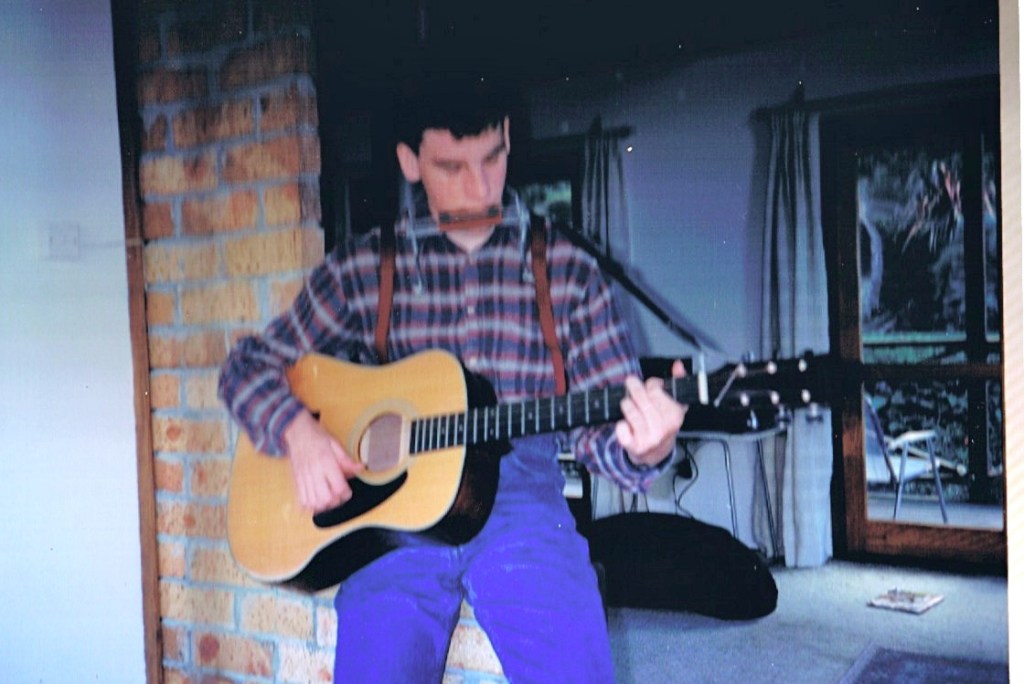
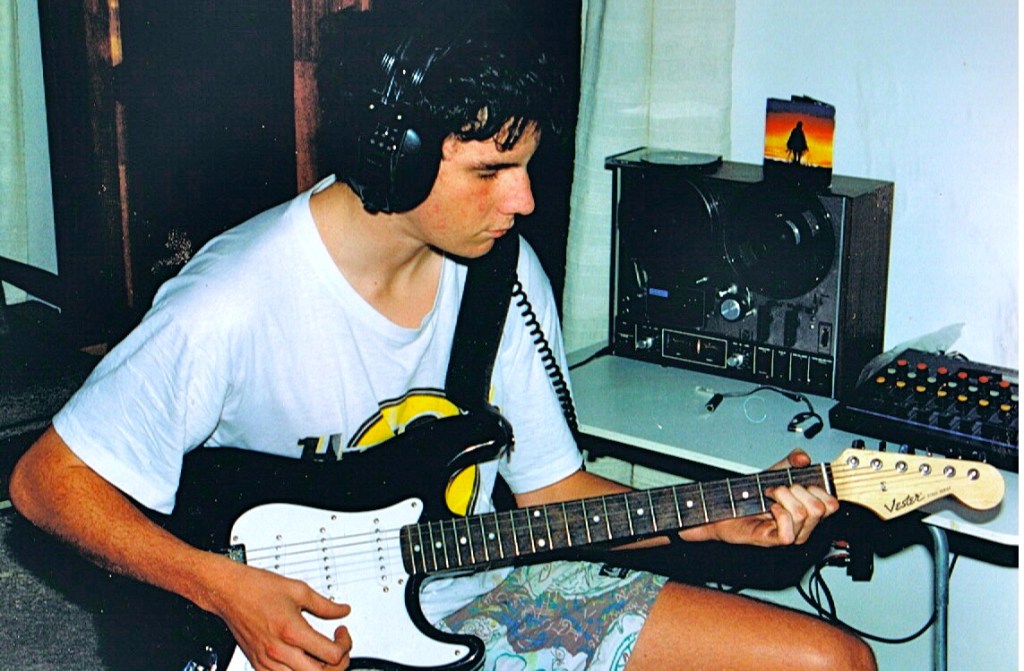
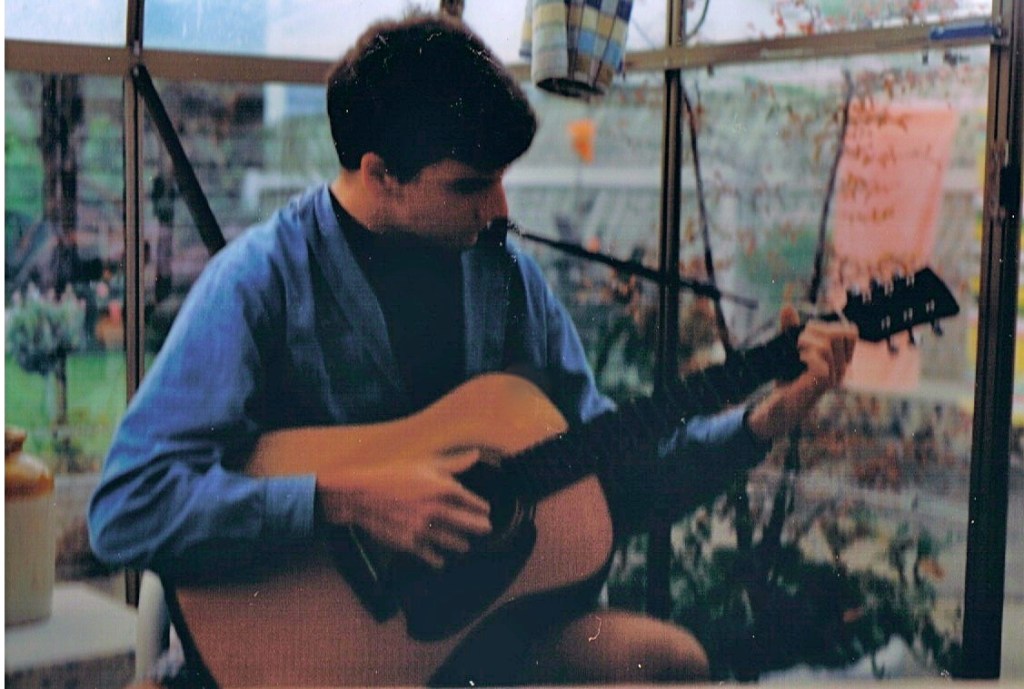
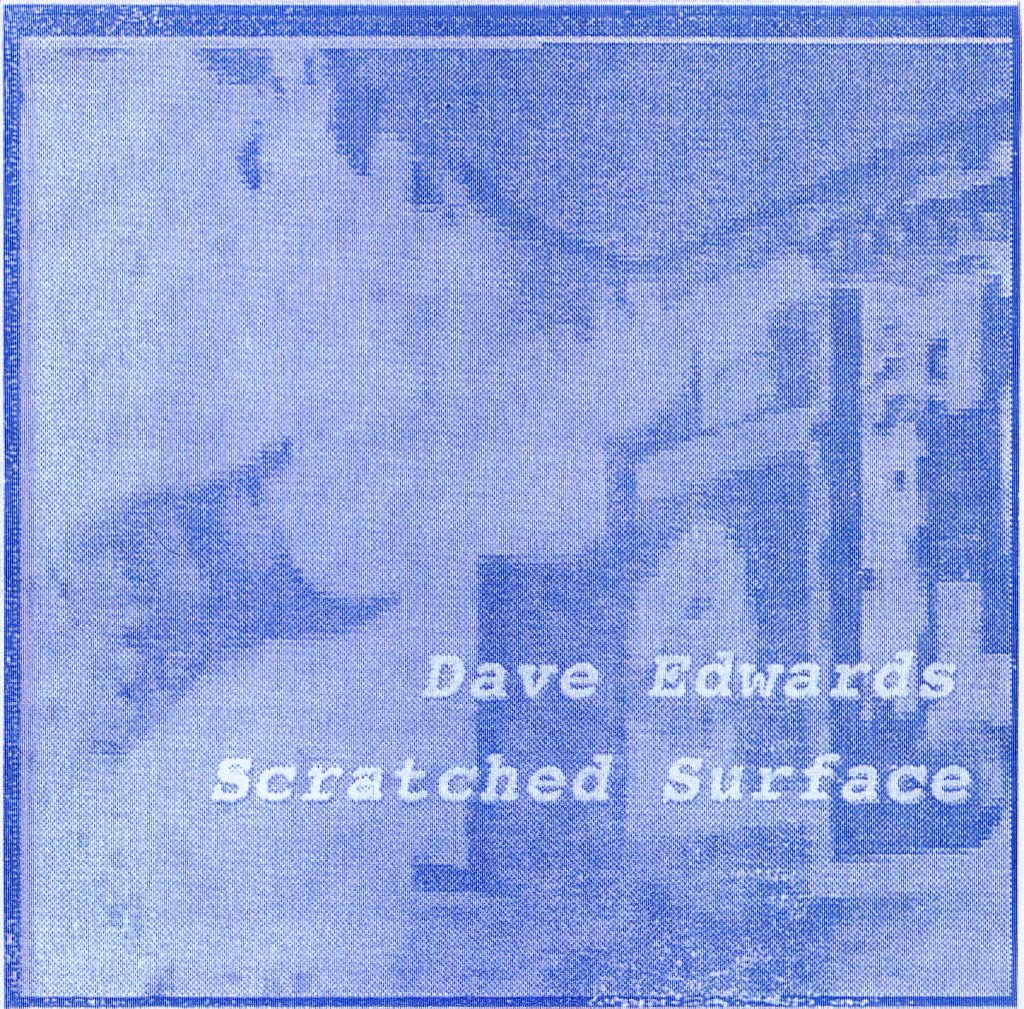
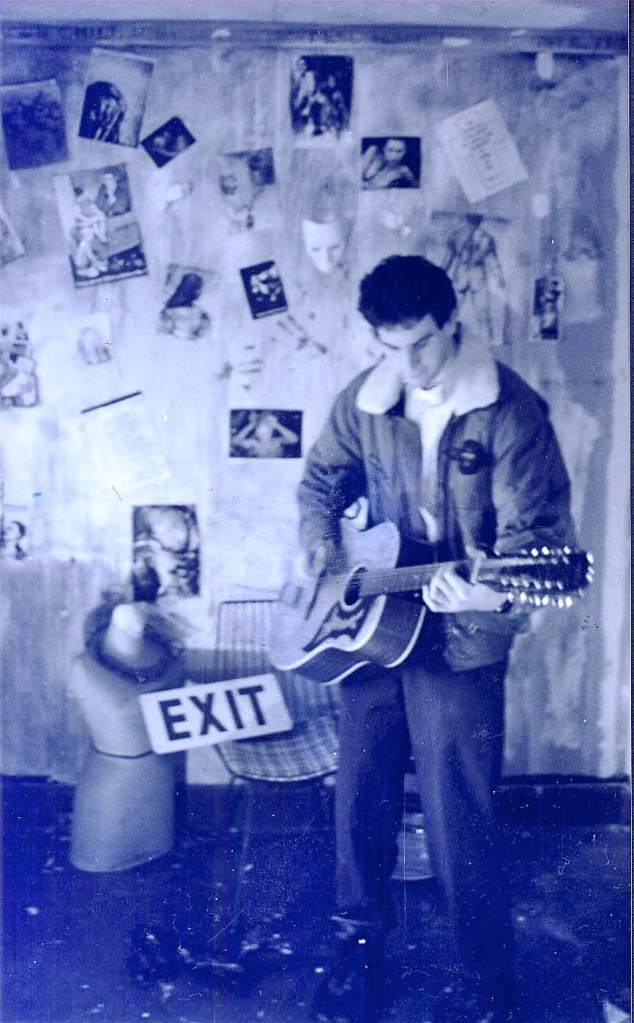
Scratched Surface is a genuine 1990s teenage no-budget lo-fi post-punk singer-songwriter artifact from the Taranaki, New Zealand underground. It includes both electric and acoustic tracks1.
The title alludes to its status as a first effort from fiffdimension2, with muchmore to come (‘scratching the surface’). It also suggests scratches on a disc, reflecting the lo-fi production values and a slightly ‘damaged’ pre-millennial teenager outlook.
I didn’t come from a conventional musical background. Instead of learning to play cover songs first, I skipped straight to writing my own3. The musicianship is rudimentary, and the lyrics are full of youthful angst – but also self-aware humour and ironic detachment.
“One day I’m gonna be a star, but I can’t be bothered to practice my guitar.
I’m not gonna sing you a cover song, ’cause I’d only make it sound all wrong.
I got the ‘can’t play for shit and my voice is shot to hell’ blues”
It was recorded on analogue reel-to-reel and cassette tapes, and self-released on CD-R. The online reissue includes download-only bonus tracks and previously unreleased material.
Credits
Dave Edwards – acoustic and electric guitar, harmonica, vocal, lyrics
Tim McVicar – bass (2, 12, 14), percussion (3), electric guitar (12, 13)
Brett, Ross, Tammy, Dawn et al – percussion and vocals (15-16)
Ngumbang is the first collaborative album by two of New Zealand’s more unusual artist/musician/filmmaker/ethnomusicologists.
Performed on guitars, bass, banjo, percussion, saxophones, clarinets, harmonicas, synthesisers, Okinawan sanshin, ukulele, violin, loop pedal, piano, drums and spoken word.
The title ‘Ngumbang’ is an Indonesian word that refers to the slight difference in tuning between a pair of gamelan instruments, which gives gamelan music its shimmering quality.
The album name reflects a shared interest in ethnomusicology and experimentation, and the almost-but-not-quite-equivalent approaches of these two artists.
Dave Black & Snake Beings
The album was recorded in and near Auckland, New Zealand in 2014–2015 and includes live performances at Vitamin S and the Audio Foundation.
who over several decades has travelled intensively in Spain, Holland, the Middle East, Mexico, America and Japan, is a New Zealand / British experimental filmmaker and musician who has produced over 40 independently released film soundtrack CDs and made a number of short experimental and narrative films in Spain, U.K. and New Zealand. www.snakebeings.co.nz
A few years ago I wrote a chapter of Jazz Aotearoa, a book about New Zealand jazz music history, discussing the free improvisation and avant-garde jazz scene in Wellington at the turn of the millennium.
The title is a reference to Simon’s house on Norway Street, where the recordings took place. The ‘non idiomatic idiom’ suggests the paradox that improvising non-idiomatically (eg in an original personal style without reference to any genre – playing neither jazz, nor rock, blues, reggae, classical etc) is an idiom in itself.
It was recorded in Wellington in two halves, in 1999
Free improvisation is a genre of music with a self-explanatory name. Nothing is planned in advance, and the performers create the music on the spot by responding to what the others are doing in that moment.
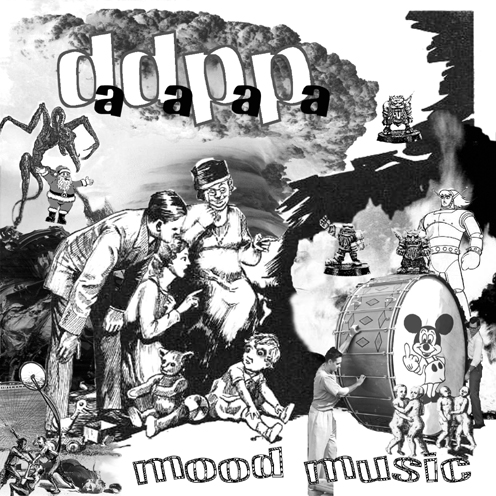
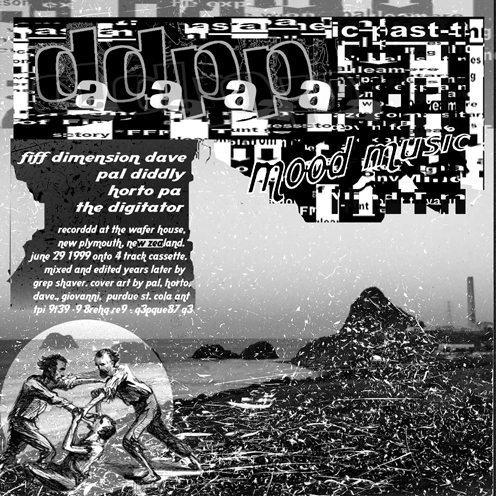
A companion to The Marion Flow, recorded in 1999 by the same lineup who provided that album’s longest (and least conventionally song-based track, pointing the way towards the increasingly radio-unfriendly Mantis Shaped and Worrying), “Lucifer Directing Traffic (at 3AM)”
Recording engineer Paul Winstanley, head of the excellent, now San Francisco-based avant-garde music label Eden Gully recalls it thus:
“after recording tracks for The Marion Flow at Wafer HQ in New Plymouth an ad hoc group of associated locals assembled to record for several sessions of improvised rock/noise deconstruction. really, the only rock references here come from the guitars, with the sputtering synth, air-sucking turntables, didgeridoo and sundry toys providing layers of surreal abstraction. throw in some spoken word and a special guest appearance by N.P. record mogul Brian Wafer on vacuum cleaner – and the dAdApApA nova had blazed and fizzled in the blink of an eye.
“it wasn’t until several years later after the master mixes had been lost, partially recovered and then rediscovered intact again that “Waiting for the Drummer’ was given a final mastering and released as a CDR on EdenGully. it’s been a long strange journey…..”
Fiff Dimension Dave – guitars, spoken word and furbie / Speed Cook – turntables and recording / Pal Diddly – synth and pithy observations / The Digitator – guitar, didgeridoo / BWafer – vacuum cleaner and coffees
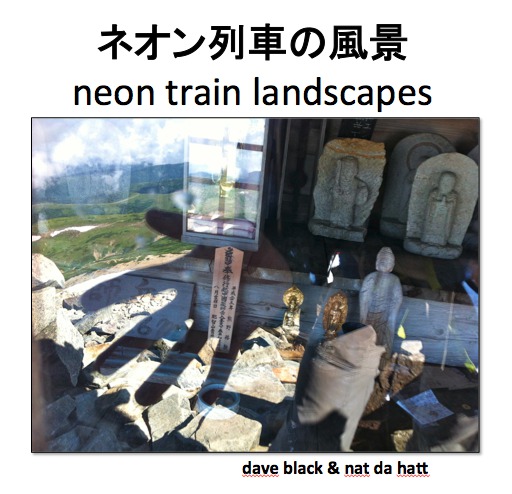
This is an ethnomusicological album of pieces made from sound recordings, during visits to six different countries in Asia during 2007-2008, The sounds are edited into sonic short stories.
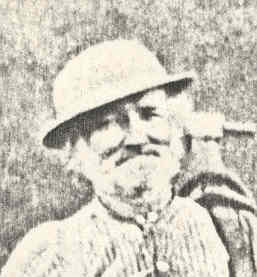
1861 revisited – my pākeha (European) ancestors, John ‘Totara Jack’ and Mary Edwards, arrived in the South Island of New Zealand on board the Olympusand settled in Nelson1.
and recorded the sound of tui and makomako (native birds) in Nelson Lakes National Park.
The early settler stories marked the start of an interest in genealogy, and prompted the music video for The Ballad of William Knife3 (loosely based on ‘Totara Jack’).
In contrast to the ‘traditional’ South Island NZ ‘Flying Nun‘ or The Dead C inspired sounds, South Island Sessions blended acoustic instruments with field recordings and electronic glitches. I played acoustic guitar, banjo and saxophone, and delegated the electric guitar role to two local players. We named this new genre “Steampunk Folktronica“4.
Credits
Dave Black – acoustic guitar (2,6), banjo (3,4,6), drums (4), harmonica (2), laptop, field recordings, tenor saxophone (6,7), and vocals
Music by Dave Black – banjo, dictaphone, laptop, acoustic guitar, harmonica, drums / Cylvi M – phat beatz, shaker, shakuhachi / Francesca Mountfort – cello / Mike Kingston – acoustic guitar / various Australians
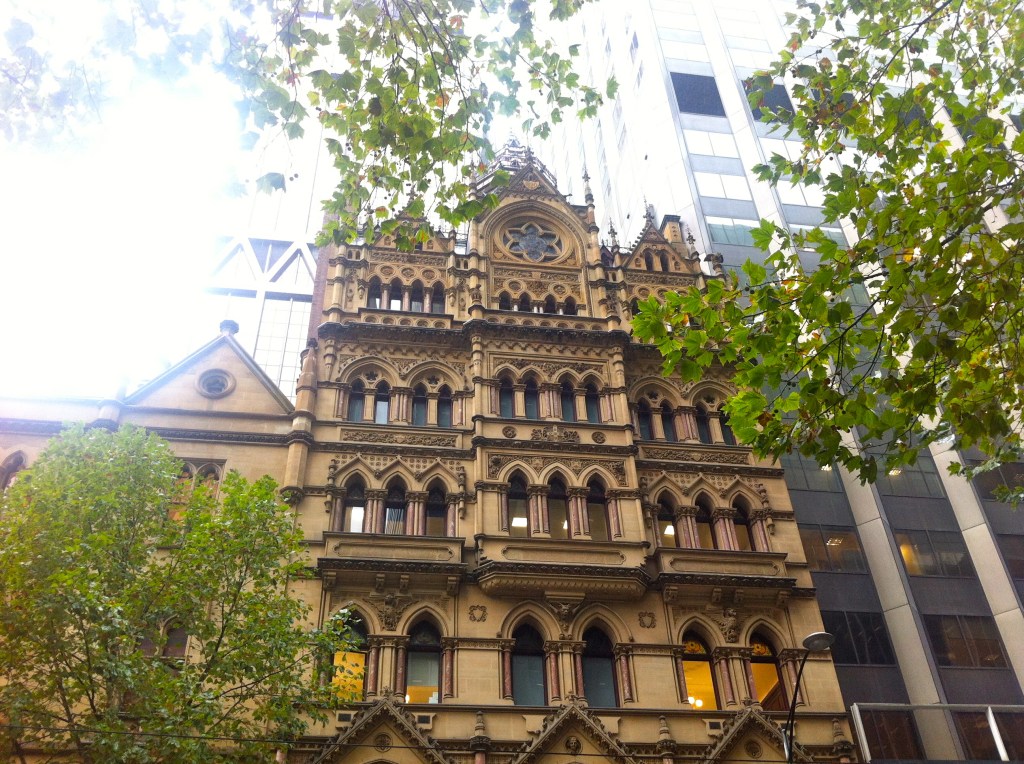
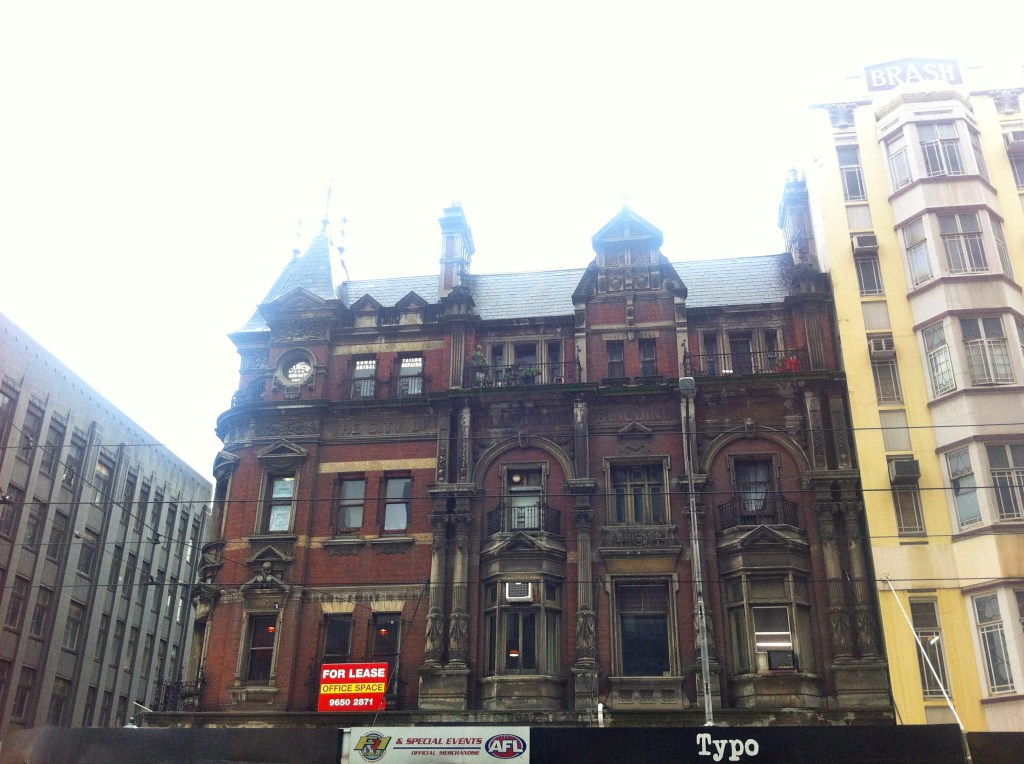
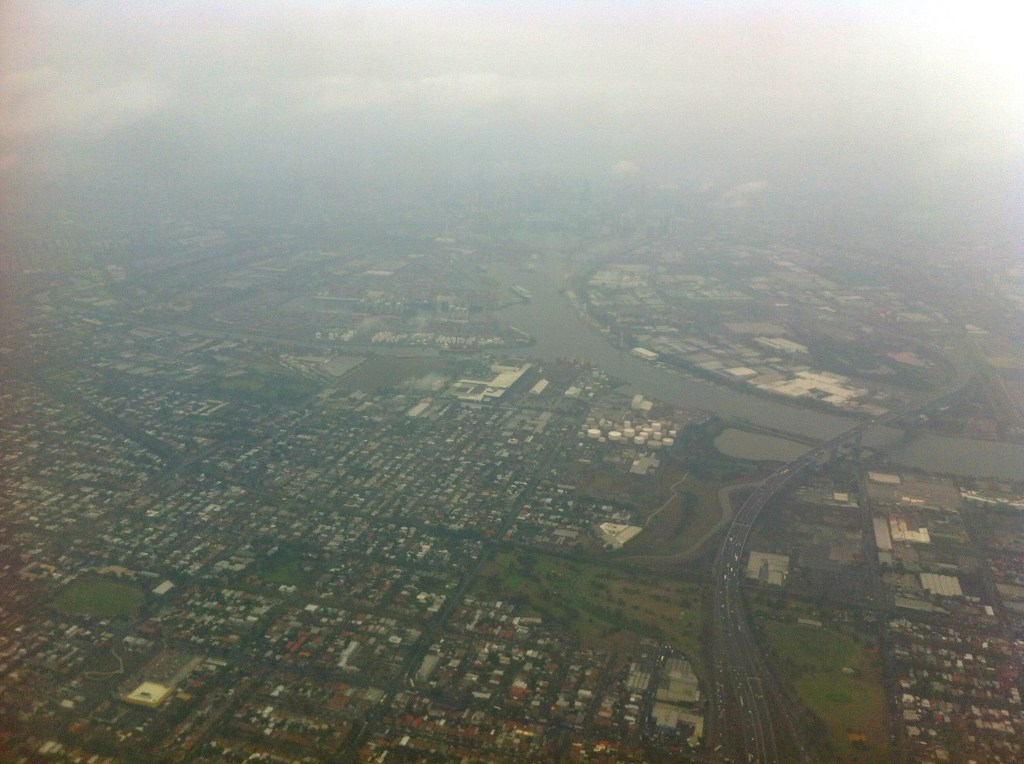
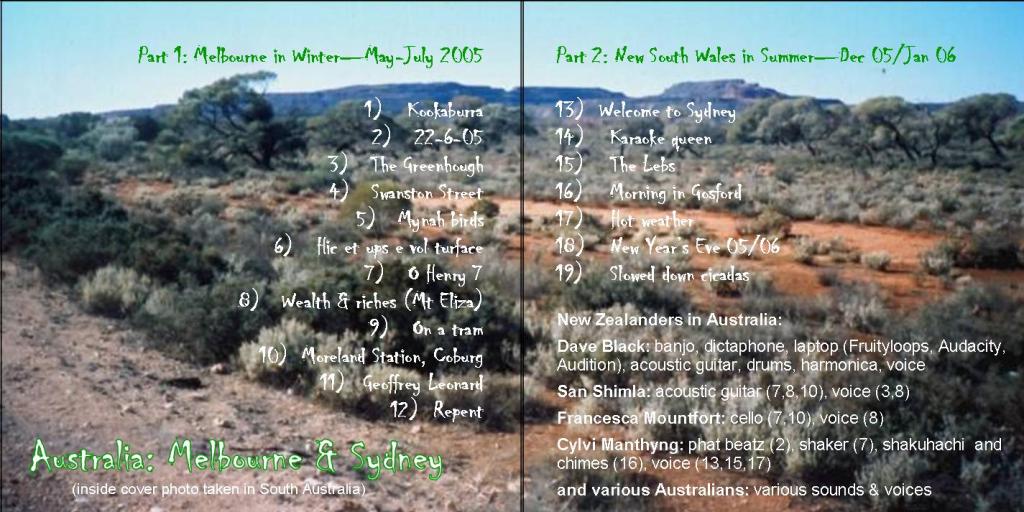
“After Maths & Sciences was recorded by Dave Black (some may know him as David A. Edwards, and if you don’t, then check his website, or the compilation of earlier recordings,Gleefully Unknown 1997-2005) in two parts: From May-July of 2005 in Melbourne, during the winter….
About
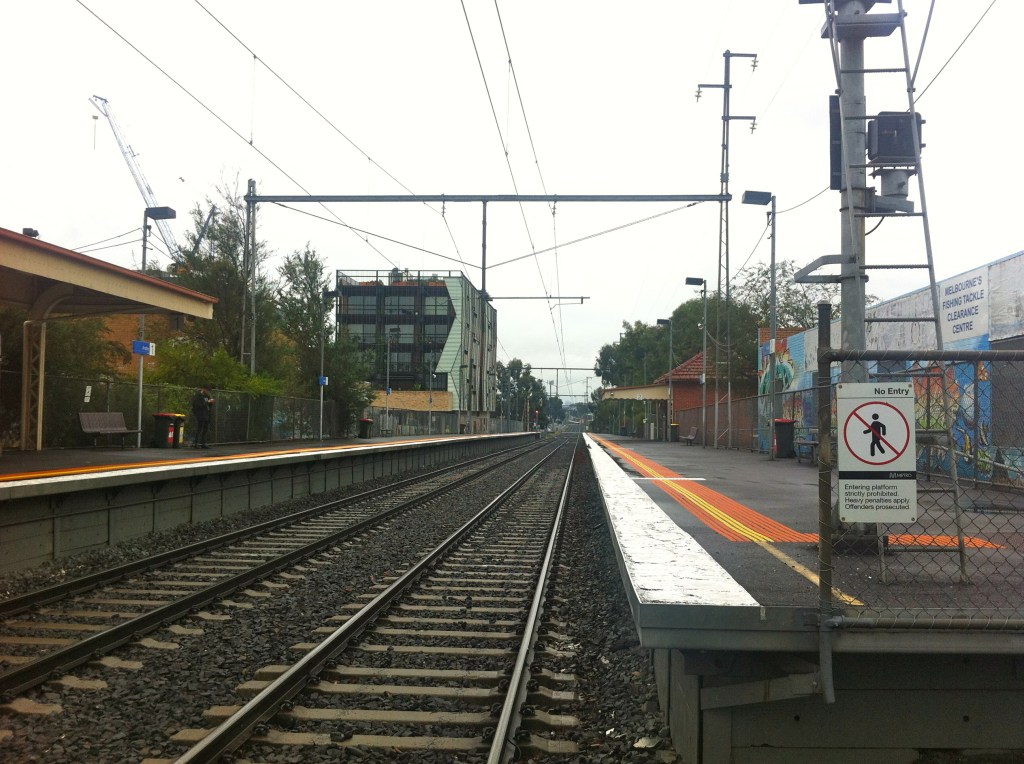
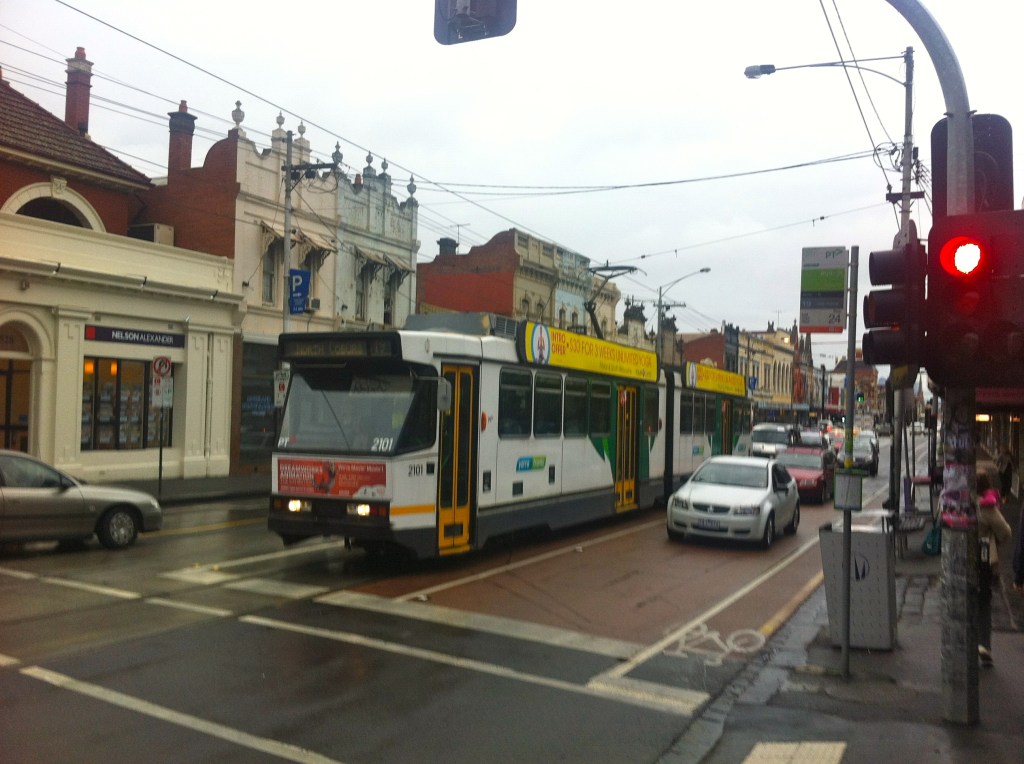
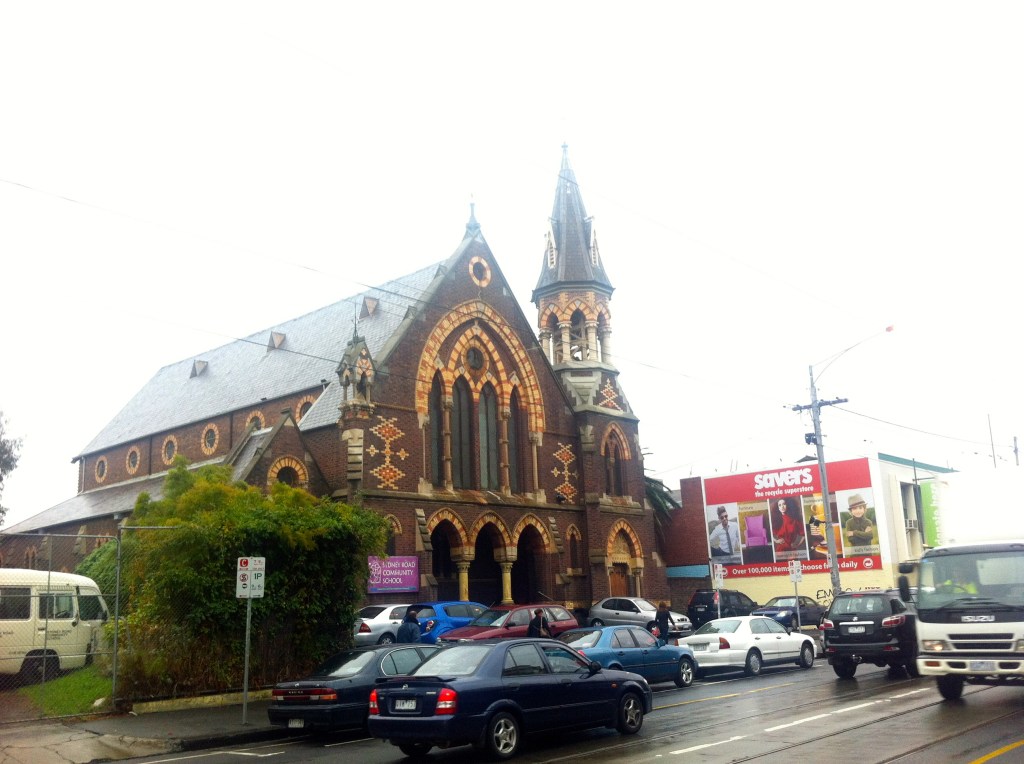
By 2005 I needed a change from Wellington, and bought a ticket to Melbourne – the first leg of my ‘big OE’.
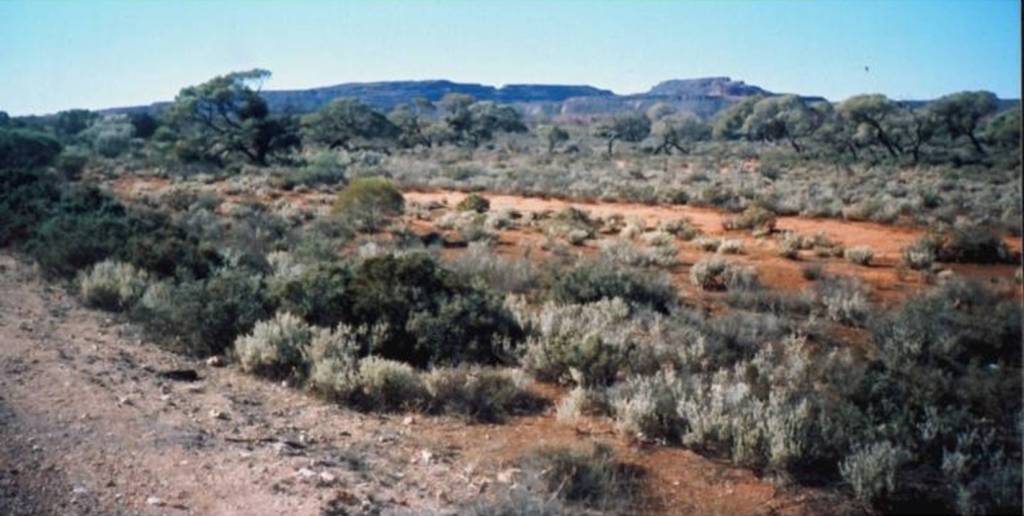
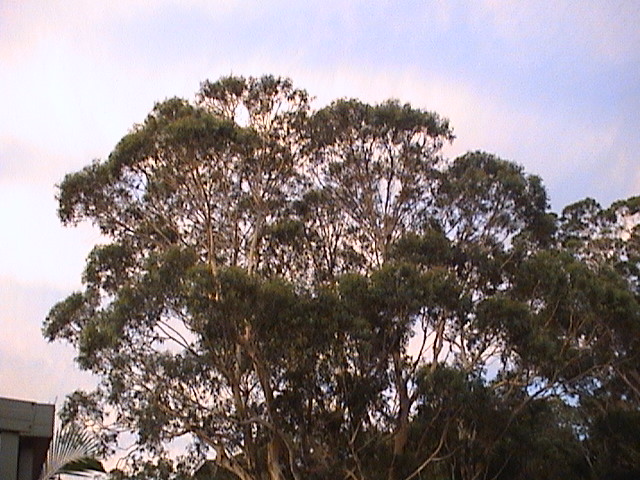
I lived in Melbourne (in Brunswick) for six months, and had my mind blown by the sheer size of Australia, and exposure to new ideas and sounds – eg Aussie hip-hop, Middle Eastern music, and the noisier local birdlife. I loved the wide open spaces and the eucalyptus scent.
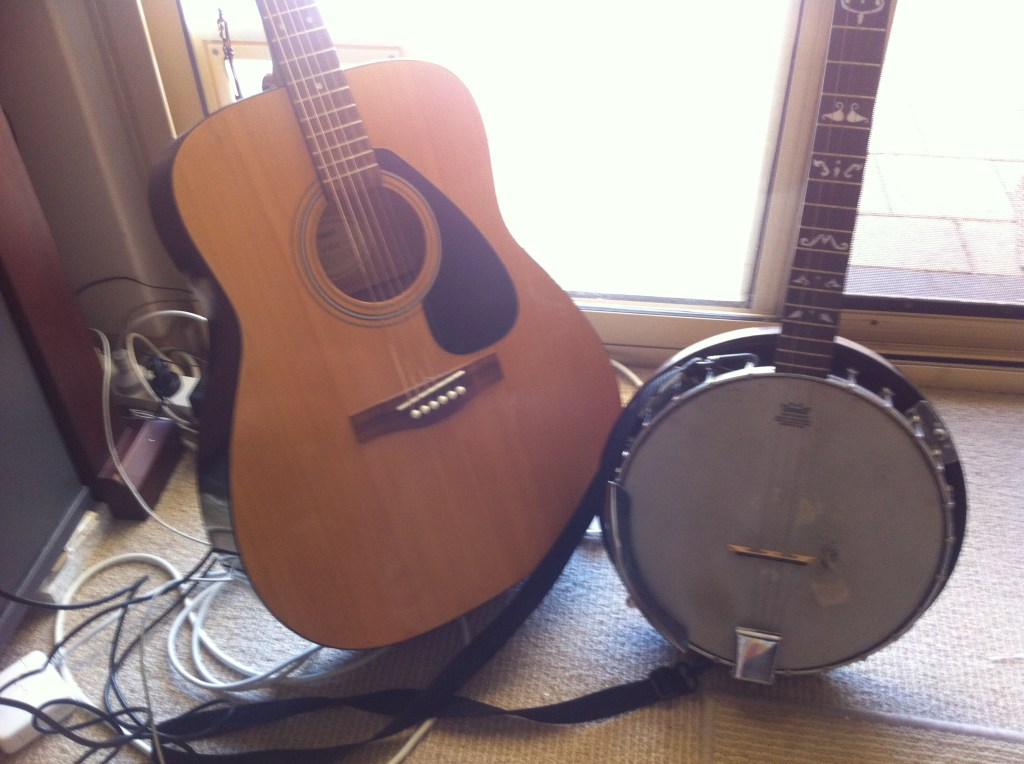
I didn’t have a guitar with me, so bought a banjo instead (which I still have). I also began to incorporate field recordings and laptop electronica. And rather than writing from within myself, I became more of an observer.
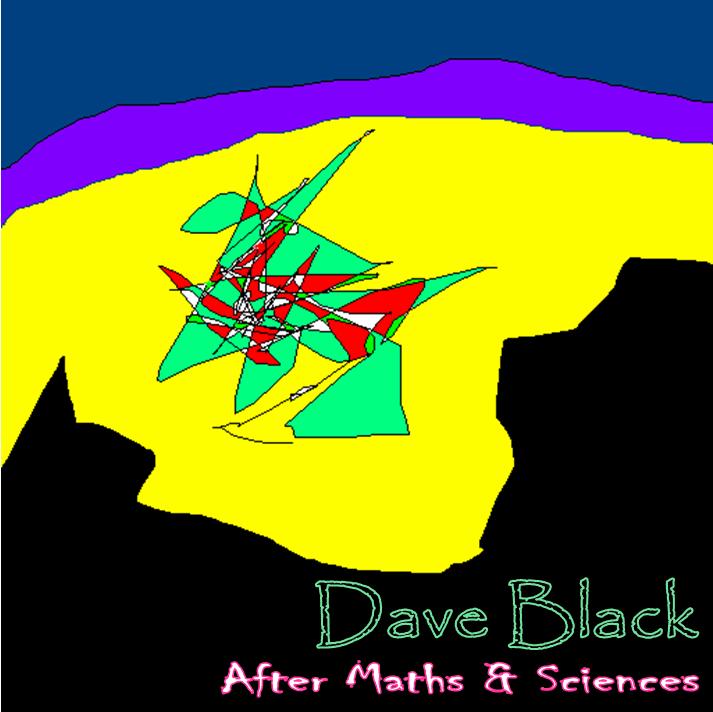
I released After Maths & Sciences (my last CDR for years, before the format became obsolete) under the name Dave Black (adopting my maternal grandfather’s surname), to signal this change of approach. The title suggests the ‘aftermath’ of my life in Wellington, and experimenting with a new approach.
“…And then from December of last year to January of 2006 in New South Wales; summer.”
On a second visit to Australia for Christmas and New Year 2005/06 – this time to New South Wales – Cylvi M and I created more Australian soundscapes (including political themes, such as the Cronulla Riots and burgeoning awareness of climate change, as well as bird and insect sounds).
Later in 2006, on a third visit to Australia, and thanks to Lawrence English, I performed at Liquid Architecture Festival in Brisbane (unrecorded).
Returning to NZ, I then played a set at Lines of Flight in Dunedin – performing a live soundtrack to video footage I’d taken in Queensland. These Australian videos were some of my first uploads to www.youtube.com/@fiffdimension – now one of the platform’s longest-running channels!
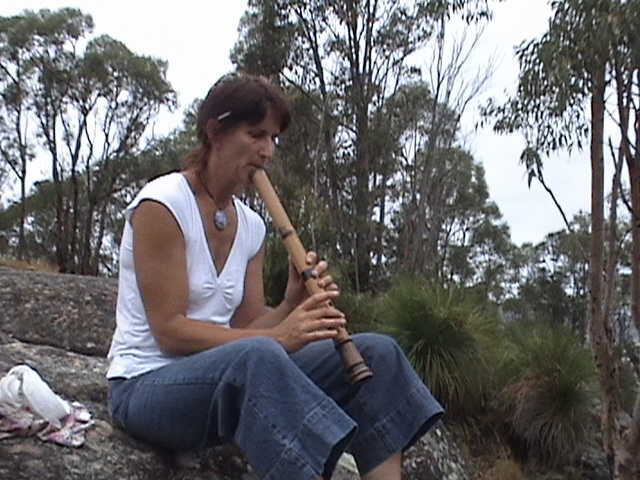
“The album is a travel-document; a response to relocation, a series of sound-sketches and sonic-manipulations designed to confront (and possibly unhinge) the listener; a reflection of several journeys – an aural diary of events from time spent in Australia, evoking the mood of the place (geographically) and the mood of the time (politically).San Shimla’s occasional guitar, Francesca Mountfort’s cello and Cylvi Manthyng’s percussion and shakuhachi (a Japanese woodwind) support Dave Black.
“As Dave Edwards he has explored fuzzy-punk, free-jazz, spoken word, alternative-folk and demented pop, primarily using guitar, harmonica and voice; sometimes with a band or a backing cast at least – often as a solo artist(e). Here, as Dave Black, the palette is broadened: banjo, drums and the use of a laptop computer (triggering sounds via Fruityloops, Audacity and Audition programs) add extra textures. During 2005 Edwards studied journalism, his use of dictaphone and laptop on this recording see him reaching outside of music for influences to use in new contexts.
“The collages that form the pieces on After Maths & Sciences are modern-day field recordings, contemporary anxieties are explored (a typically frank Australian is overheard at a train station lamenting public transport in the wake of the London bombings). The juxtaposition of banjo (an instrument prominent in the work of Doc Boggs, Earl Scruggs and many of the earliest artists featured on the iconic U.S. Library Of Congress field recordings made by Alan Lomax and Harry Smith) helps to recontextualise the snapshots of modern-day Australia. And the name that Edwards has chosen, Dave Black, as well as having relevance within his family history, becomes a nice reference to the passing of The Man In Black (Johnny Cash) and various (possibly mythic) country-playing banjo pickers. For this is “country” music, though perhaps not as we know it. Birdsong, despite computer filtering, sits pure alongside the country’s archaic (near-redneck) political views. Abrasive bursts of white-noise are channelled via a throbbing electro pulse (Kraftwerk goes on safari sabbatical?).
“There are New Zealand artists working in this medium (Montano, Seht, Audible 3) combining concrete poetry, field recordings, found-sounds and electro-acoustic manipulations to sit as aural wallpaper, but Dave Black’s debut release (and a re-birth, if you like, for David Edwards) is an actual document – as much a post-modern piece of Performance Journalism as it is a static batch of “songs” or tracks, After Maths & Sciences is a pleasing challenge of an album. It lives up to the cliché of presenting something new with each listen,”- Simon Sweetman
From 2012-2014 I moved to Australia a second time, and spent 2 1/2 years living in Perth, in Western Australia. Recordings from that period became the albumin a Wildflower State.
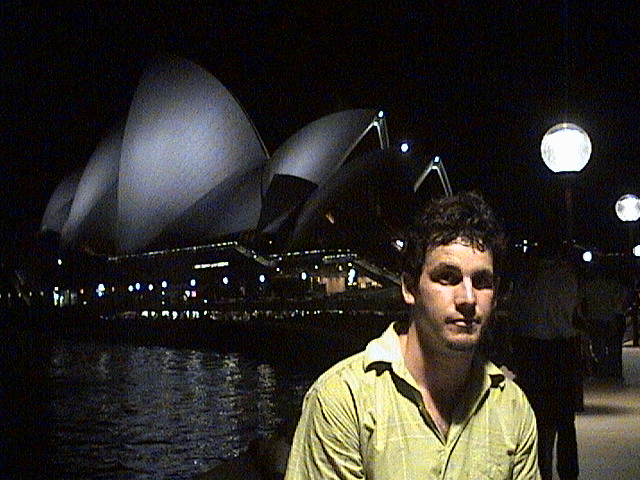
I’ve also revisited ‘the lucky country’ a couple of other times since. In 2024 I played a gig in Sydney, alongside SydneysidersNick Dan,Anthony GuerraandMonica Brooks. The recordings are included on Live 2022-24.
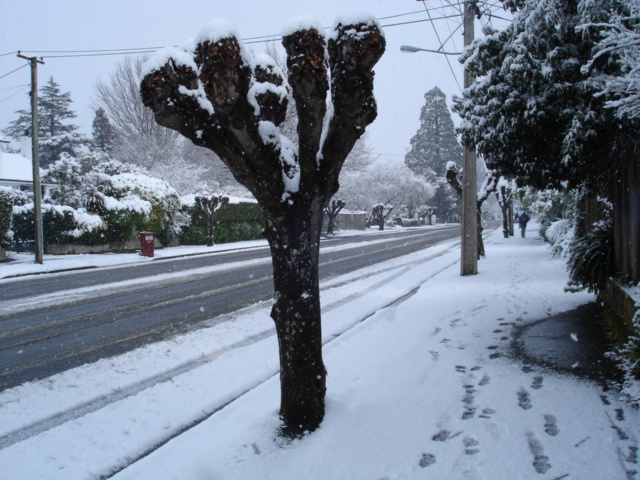
2011 – year of the Christchurch earthquakes, the Arab Spring, the Fukushima disaster, the shootings in Norway,the Queensland floods… and the Wellington (New Zealand) winter was colder than usual.Acoustic improvisations on guitar, ukulele, banjo, clarinet, piano, harmonica and percussion by The Winter (Simon, Dave and Mike).
It was 10 years ago nearly to the day that I had my first jam as part of a group of musicians that would go on to take the name The Winter. The name coming from the day we first got together, 2003’s winter solstice.
I listened back to Parataxes last night for the first time in ages. I wouldn’t say I ever made a habit of listening to it, but as with other recordings I’ve made it gets trotted out from time to time. Very occasional, but I couldn’t tell you I’d never listened to it, or that I’ll never listen to it again.
The Winter has became somewhat infamous in the life of Blog on the Tracks because every time a group of fans get upset with me for picking on their band, a clip from YouTube is circulated suggesting that I cannot play music at all; the band I’m working with is not in tune and not playing anything resembling a song.
I’ve felt a little sad about this only in that it compromises the two other musicians in The Winter. They don’t deserve the abuse but are presumably trialled on a guilty-by-association tip. But I’m fair game. I front up and say things about music. It’d be a bit rich if I couldn’t handle people saying things about mine.
So I figured I should share that post here – and the link to the album to stream or download (both of which I have provided links to above). Have at it. But be warned…you might instead prefer to run to the hills.
Ten years on it was strange listening to this music. It’s improvised music, avant-garde perhaps, or experimental. These are tags that others have used. It might well be the biggest load of s**t you ever hear. That’s fine. I’ve never hidden from this – nor any of the other music I’ve had a hand in. But I understand that I’m an easy target with this platform.
The music on Parataxes and the early jams with The Winter were really important for me – an extension of my appreciation for free and improvised musics – free-jazz/noise/ambient – a lot of free/improv passed me by when I first tried turning an ear to it. But I found it. I found the bits and pieces I liked. And part of appreciating it was having a go at it. My go. With The Winter.
It was the most challenging – and freeing – that a playing experience has ever been. I was so scared the first time we performed live at the Photospace Gallery. I’m sitting there with toy percussion instruments, found pieces, old drum parts scattered around me. And I have no idea what I’m going to do with them – beyond bang at them. It was so stupid of me. But it was great. I loved it.
I made good friends from playing in The Winter – we still catch up, make music now and then, or maybe to you it’s not music at all. That’s fine. We have a cup of tea and a chat and we make our pieces of music – music that makes sense to us. We use different instruments every time. And nothing is ever the same. Nothing’s repeated, nothing’s played the same way twice. But it always sounds like us. Over the past 10 years and a handful of scattered performances we found our sound. And I’m really glad we did. It helped me to appreciate the world’s great improvisers; it has put me on to some amazing music and taught me a lot about myself.








![First time around [South Korea]](https://fiffdimension.com/wp-content/uploads/2013/09/first-time-around-south-korea.jpg)











 fiffdimension