He was a friend I hadn’t seen for a few years as I’ve been living abroad, but he played violin on ‘Loose Autumn Moans‘ and I’d always hoped to work with him again.
I loved the historical turn his recent music was taking.
Definitely a loss to NZ music as well as a personal tragedy to lose him before his time.
There’s my first video from Bali, from footage taken on my earlier visit in August. Note the gamelan (bronze percussion) and rindik (bamboo percussion) soundtrack.
I left my job in Perth and am on my way home to New Zealand, so I’m nervous about jobhunting & starting all over again (again). On the way home I’m spending a week on a smaller island, Nusa Penida, doing conservation volunteer work with www.fnpf.org If you’d like to help me afford to stay longer and make more of a contribution ($20 = 1 day’s expenses) please – or even better, buy some of our music.
Bali is (once you get away from the main city and the tacky resorts in the south) an almost absurdly beautiful place… frangipani and Indonesian flags (preparing for the August 17th independence day celebrations) everywhere, majestic hillsides lined with centuries-old rice terraces, and too many Hindu temples to count (each family has t…heir own). That plus the many international flights, and entertainment options from adventure sports to nightclubbing to traditional arts make it easy to see why it’s such a popular destination (I read somewhere that 80% of visitors to Indonesia go to Bali and nowhere else, which makes me glad I saw Java first).
A few years ago I wrote a chapter of Jazz Aotearoa, a book about New Zealand jazz music history, discussing the free improvisation and avant-garde jazz scene in Wellington at the turn of the millennium.
The title is a reference to Simon’s house on Norway Street, where the recordings took place. The ‘non idiomatic idiom’ suggests the paradox that improvising non-idiomatically (eg in an original personal style without reference to any genre – playing neither jazz, nor rock, blues, reggae, classical etc) is an idiom in itself.
It was recorded in Wellington in two halves, in 1999
Free improvisation is a genre of music with a self-explanatory name. Nothing is planned in advance, and the performers create the music on the spot by responding to what the others are doing in that moment.
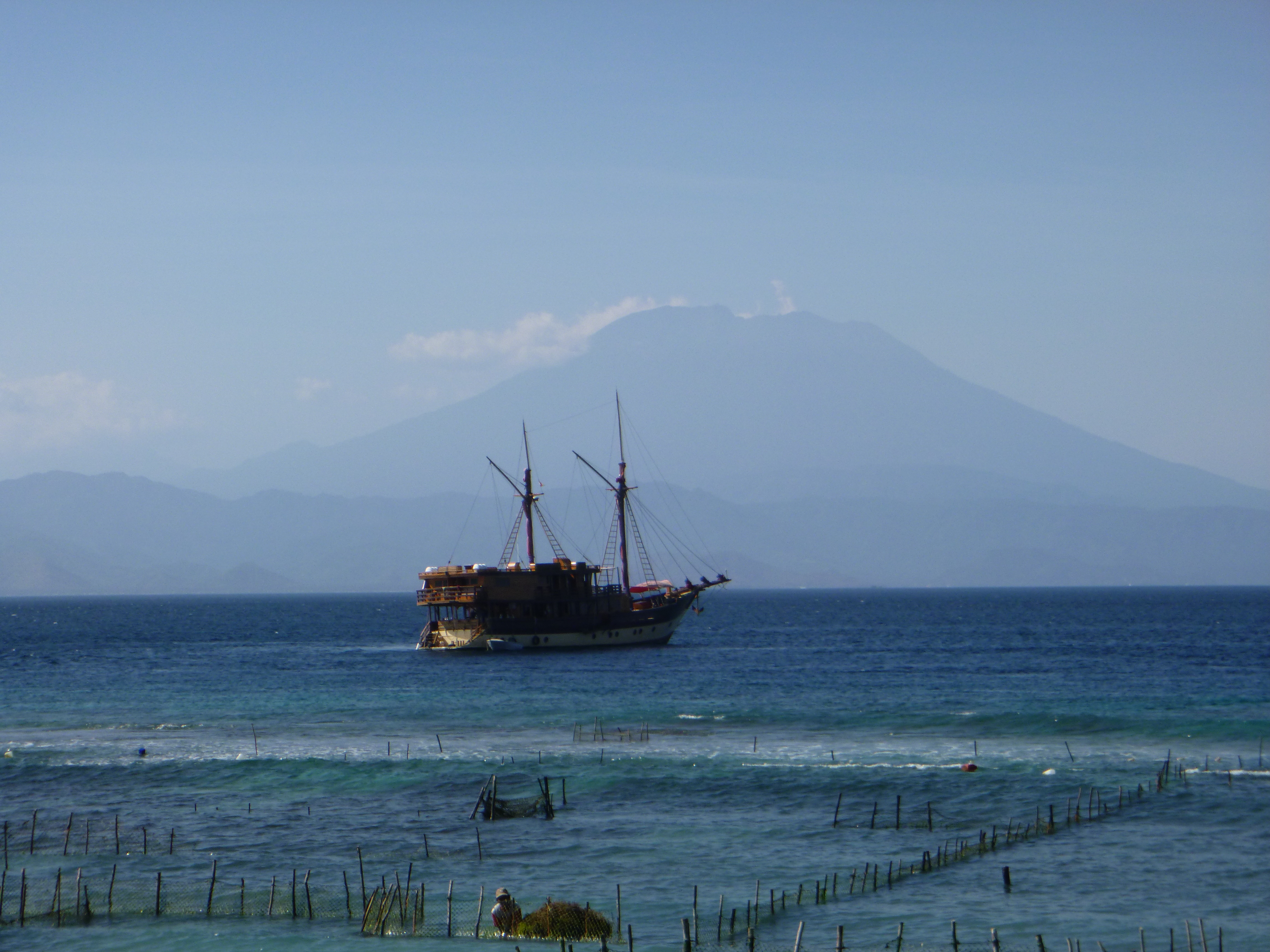
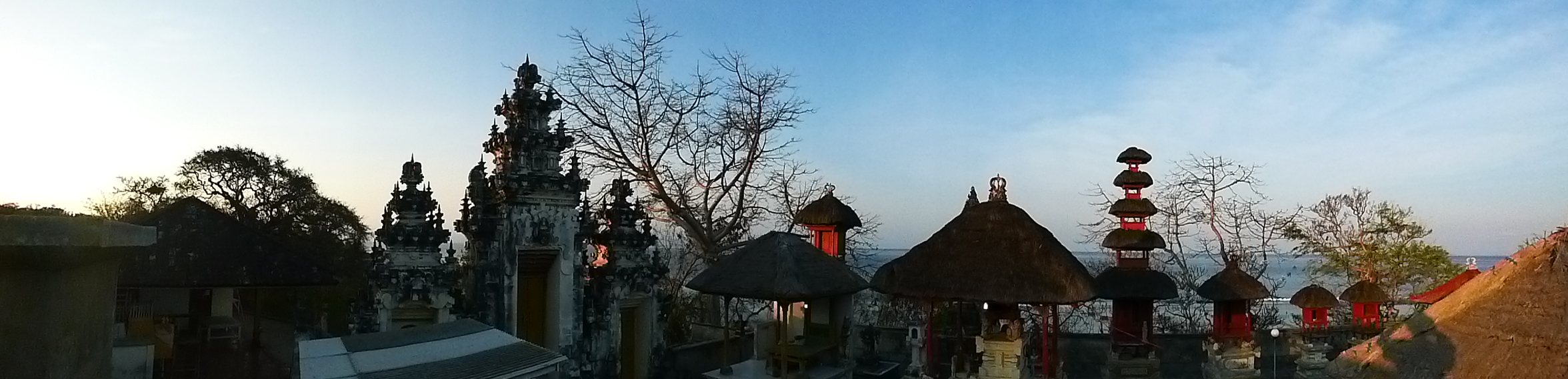
Nusa Penida is a smaller island between Bali and Lombok, about an hour by boat from Sanur in Bali.
View from Nusa Penida towards Bali and Mt Agung
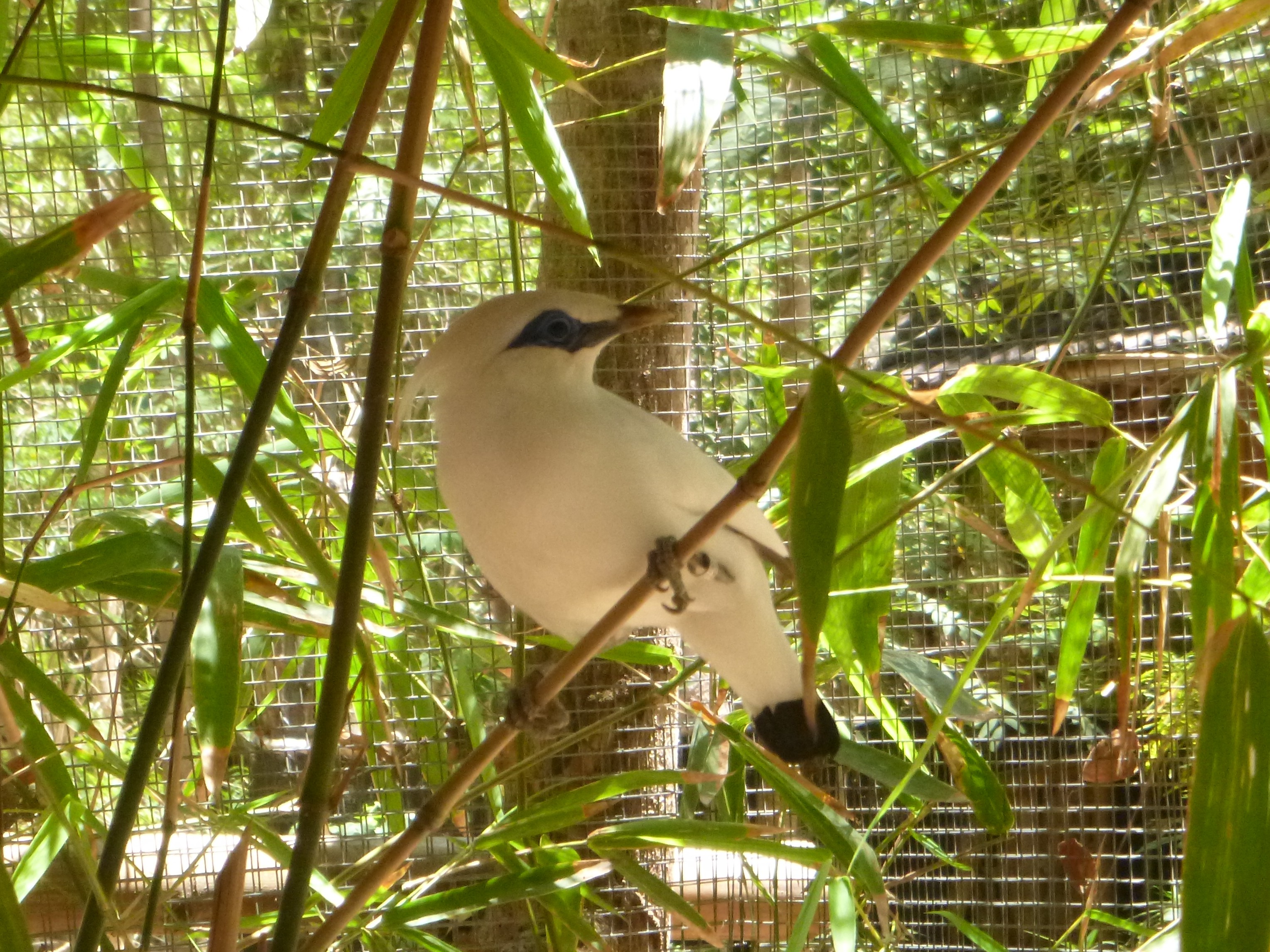
I spent a week as a volunteer with Friends of the National Parks Foundation. I helped with feeding the Bali starlings (critically endangered due to poachers – the population was down to 10 at one point but is now over 100 thanks to the translocation project), along with plant nursery maintenance, a beach cleanup of plastic waste, and construction of the new FNPF premises (thatched huts on a terraced hillside, and gardens that will be beautiful once established).
An endangered Bali Starling, Nusa Penisa, Indonesia
Nusa Penida is much less developed than Bali, and resembles Bali as it might have been 40 years ago before the tourism boom. Accomodation is simple, with basic facilities (eg cold showers – actually very pleasant in the tropical climate – bucket-flush toilets, and limited food variety).
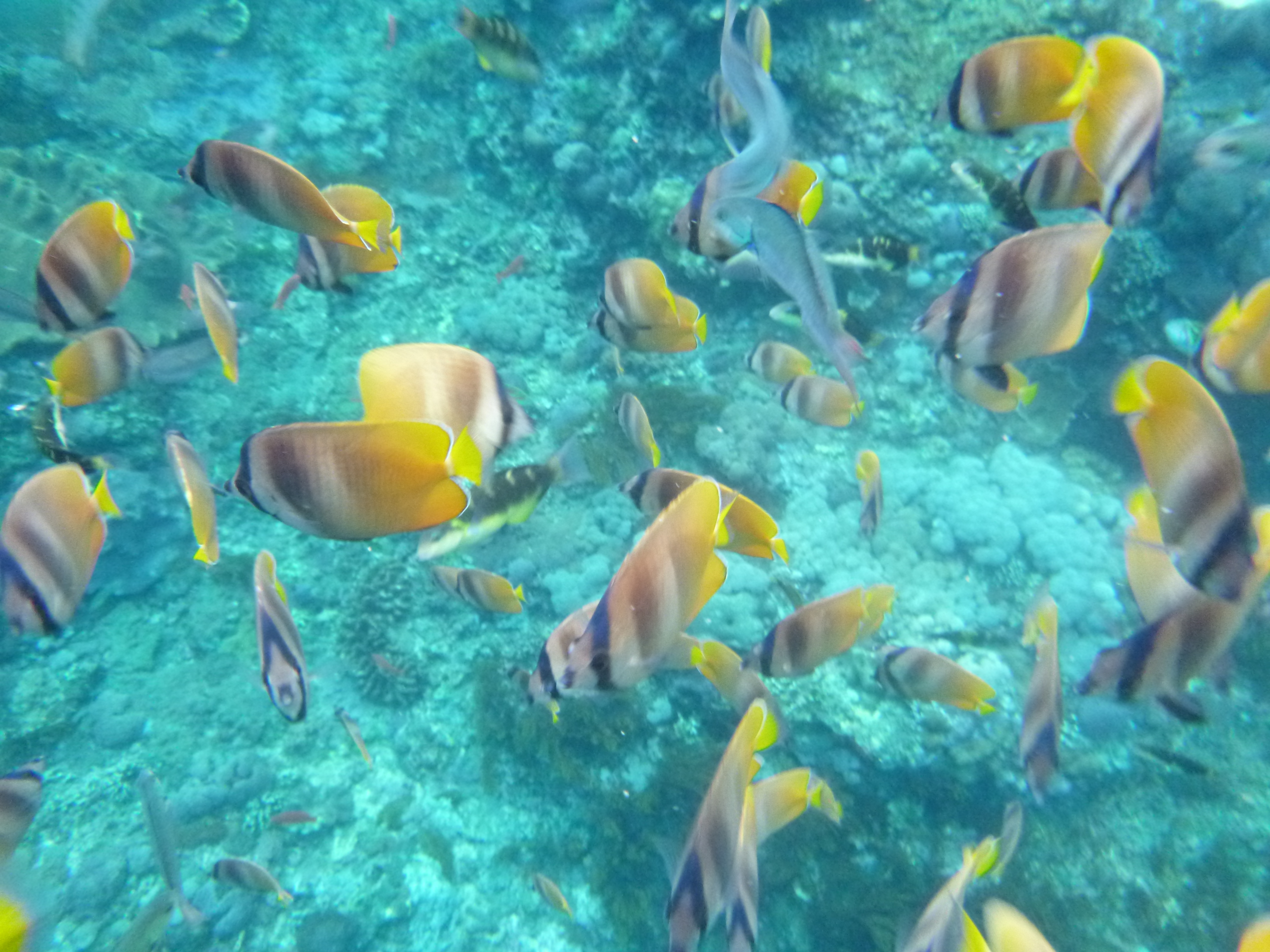
For tourists it offers great snorkelling & diving,
and enough Hindu temples & local colour to make it interesting culturally. It’s nice to not be hassled to buy things as much as in Bali. Mostly people just say ‘hello’ (in some cases it’s the only English word they know).
I also need to mention The Gallery, run by an English expat Mike Appleton – it’s THE place to go for local information, language interpretation, western food, and to support local artists.
The main amenity I missed was reliable internet connections – there was no access at all for five of the nine days I was there, and when it was available it was patchy & unreliable even at the one internet cafe in town. Lesson from this for me was to finish all travel bookings before going somewhere remote like this. Even back here in Bali the connection is too slow for me to upload any sounds or other photos, so I’ll add more later.
If you’ve never been to Asia before, don’t speak any Asian languages, and have only a day or two available, Singapore would be a great introduction.
You can find tropical rainforest and the sea, traditional and modern architecture, and the cultures of China, India, the Middle East and the West all in one city.Most people speak English, buses are frequent and on time, and it even has a nice airport complete with indoor gardens.
Just try not to think what it would cost to live here… and with Malaysia and Indonesia still to go on this trip I imagine things will get more chaotic as I go! I made some sound recordings, which will find their way into some new music pieces eventually. In the meantime here are a few photos.
East to West brings together for the first time two of New Zealand’s more unusual artist/musician/filmmaker/ethnomusicologists, taking the audience on an epic journey from one side of the Eurasian continent to another in the space of an hour. Continue reading “Dave Black & Snake Beings: East to West”→







 fiffdimension