“With elements of punk, post-punk, jazz, classical, straight rock, opera and music hall, the Ascension Band are that rare thing: Something Wholly Other. They retain avant garde cred and still manage to rock harder than AC/DC.” – www.varsity.co.nz
l’ll play a live soundtrack myself as a solo performance, to evoke each country… it’ll be a culmination of the travelling and field recording /world music direction I’ve taken over the past decade.
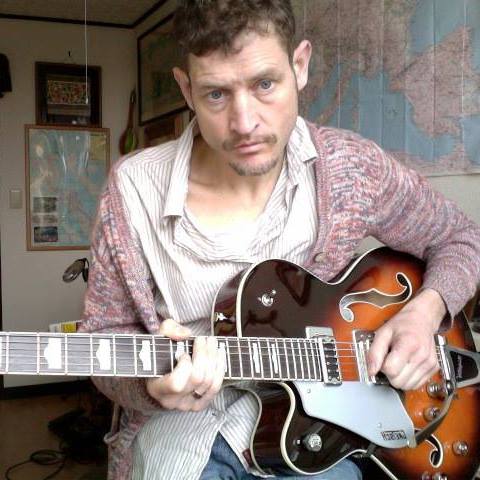
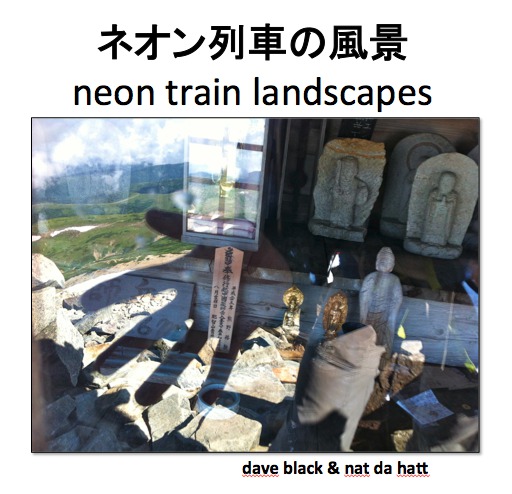
Nat da Hatt is a political refugee from New Zealand who has settled in Japan where he spends his days in a cave creating tone paintings on an array of devices and instruments including: guitar, thumb piano and a Korg vocoder.
He’s also collaborated with fiffdimension’s Dave Black on the 2014 explicitly Japanese psychedelic album
A few years ago I wrote a chapter of Jazz Aotearoa, a book about New Zealand jazz music history, discussing the free improvisation and avant-garde jazz scene in Wellington at the turn of the millennium.
The title is a reference to Simon’s house on Norway Street, where the recordings took place. The ‘non idiomatic idiom’ suggests the paradox that improvising non-idiomatically (eg in an original personal style without reference to any genre – playing neither jazz, nor rock, blues, reggae, classical etc) is an idiom in itself.
It was recorded in Wellington in two halves, in 1999
Free improvisation is a genre of music with a self-explanatory name. Nothing is planned in advance, and the performers create the music on the spot by responding to what the others are doing in that moment.
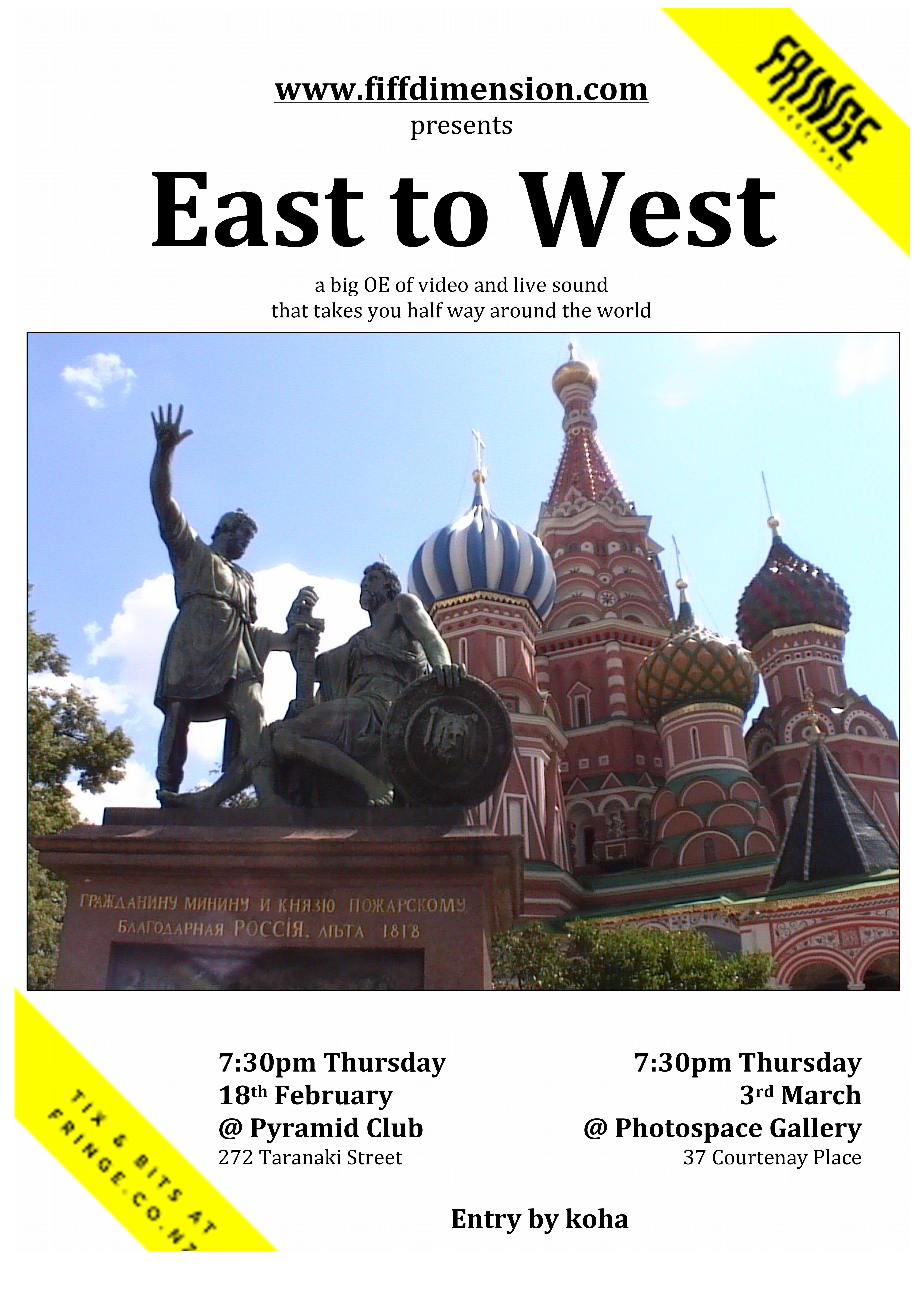
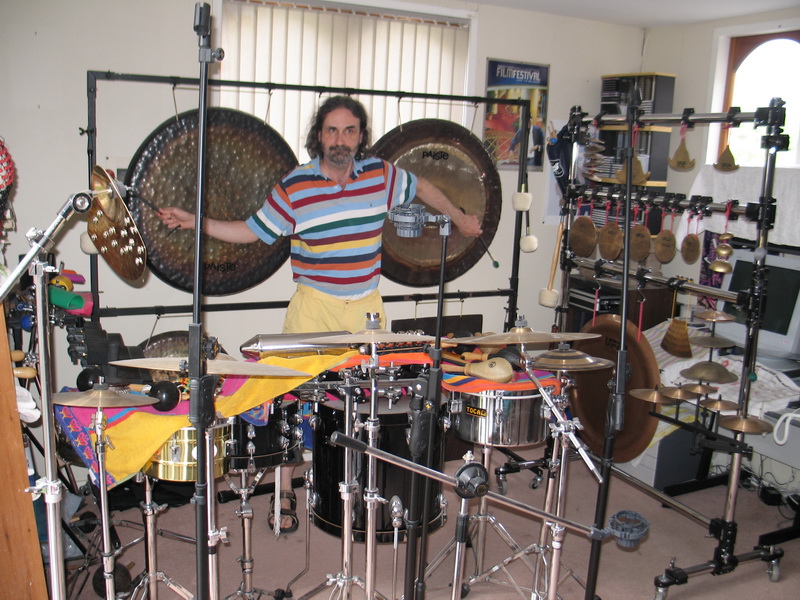
East to West brings together for the first time two of New Zealand’s more unusual artist/musician/filmmaker/ethnomusicologists, taking the audience on an epic journey from one side of the Eurasian continent to another in the space of an hour. Continue reading “Dave Black & Snake Beings: East to West”→
This is an ethnomusicological album of pieces made from sound recordings, during visits to six different countries in Asia during 2007-2008, The sounds are edited into sonic short stories.
1861 revisited – my pākeha (European) ancestors, John ‘Totara Jack’ and Mary Edwards, arrived in the South Island of New Zealand on board the Olympusand settled in Nelson1.
and recorded the sound of tui and makomako (native birds) in Nelson Lakes National Park.
The early settler stories marked the start of an interest in genealogy, and prompted the music video for The Ballad of William Knife3 (loosely based on ‘Totara Jack’).
In contrast to the ‘traditional’ South Island NZ ‘Flying Nun‘ or The Dead C inspired sounds, South Island Sessions blended acoustic instruments with field recordings and electronic glitches. I played acoustic guitar, banjo and saxophone, and delegated the electric guitar role to two local players. We named this new genre “Steampunk Folktronica“4.
Credits
Dave Black – acoustic guitar (2,6), banjo (3,4,6), drums (4), harmonica (2), laptop, field recordings, tenor saxophone (6,7), and vocals
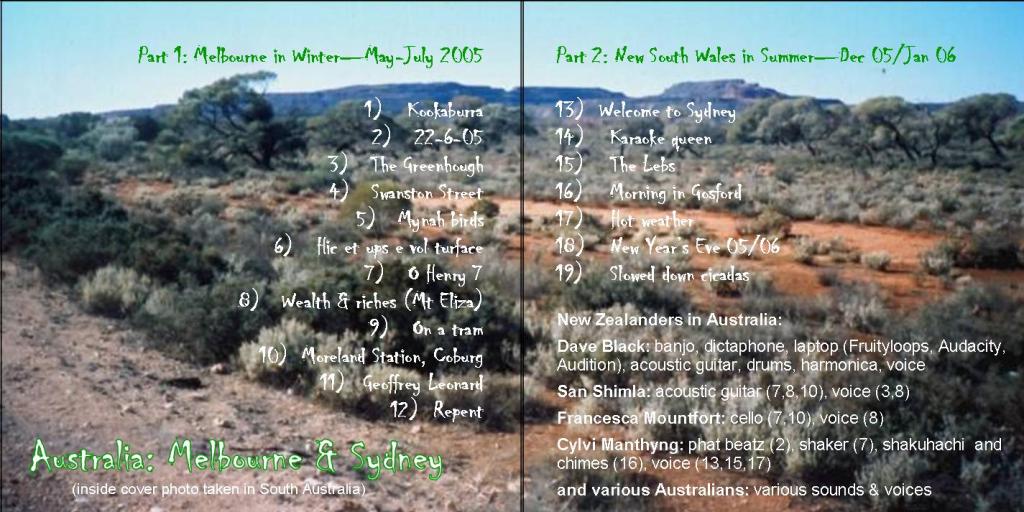
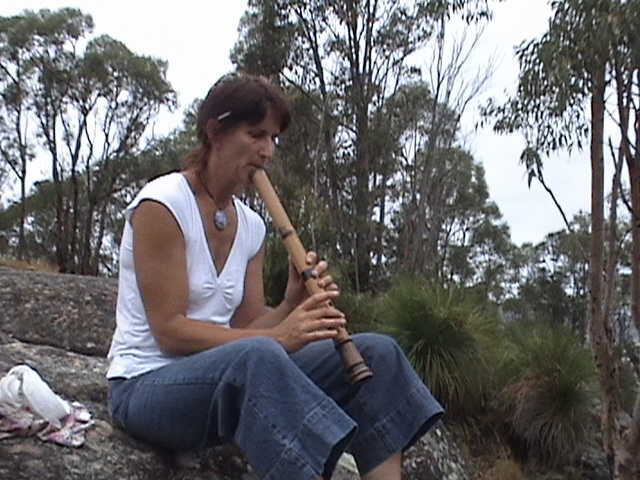
Music by Dave Black – banjo, dictaphone, laptop, acoustic guitar, harmonica, drums / Cylvi M – phat beatz, shaker, shakuhachi / Francesca Mountfort – cello / Mike Kingston – acoustic guitar / various Australians
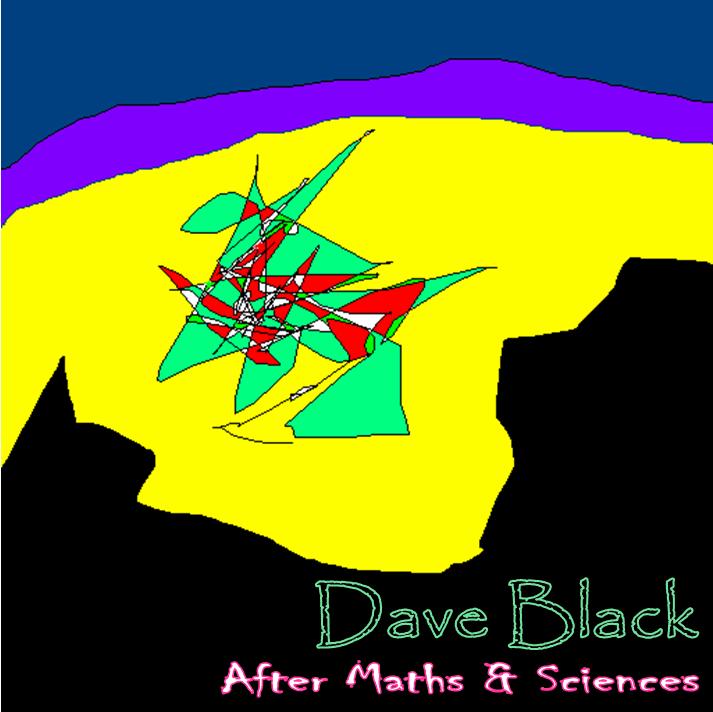
“After Maths & Sciences was recorded by Dave Black (some may know him as David A. Edwards, and if you don’t, then check his website, or the compilation of earlier recordings,Gleefully Unknown 1997-2005) in two parts: From May-July of 2005 in Melbourne, during the winter….
About
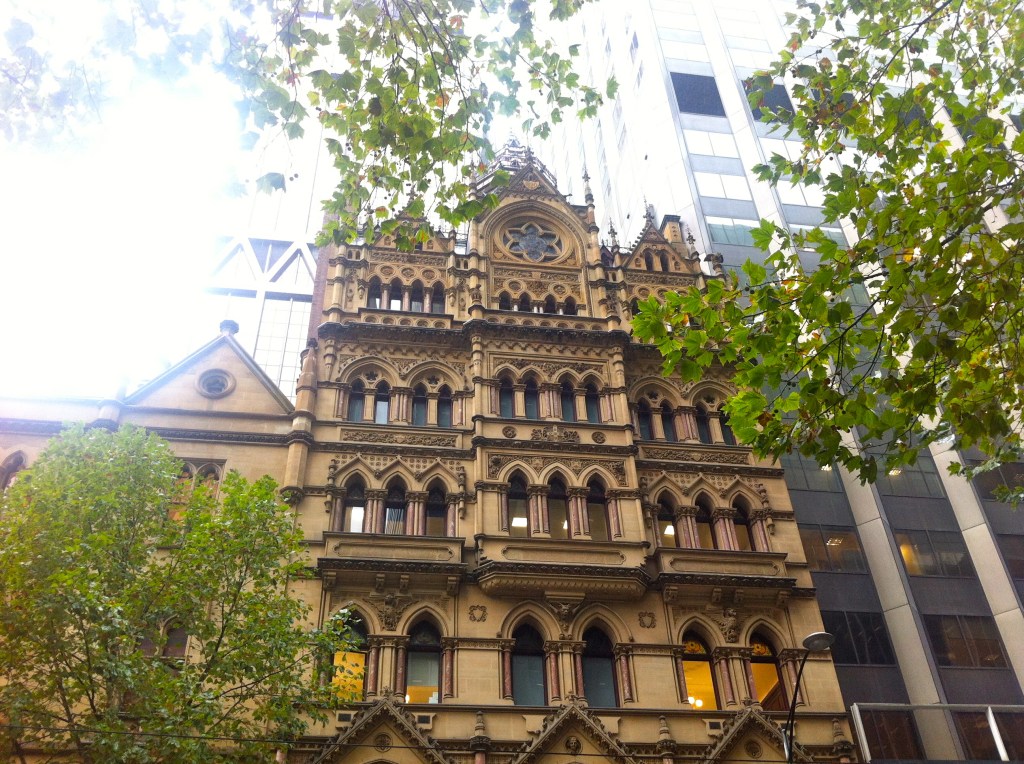
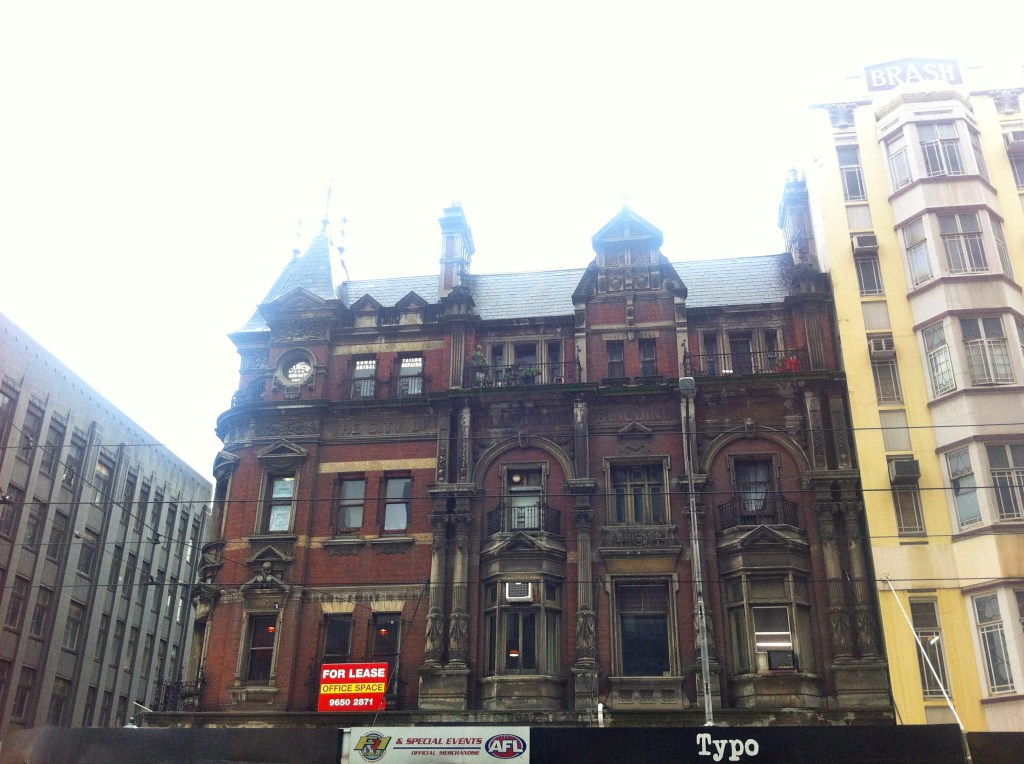
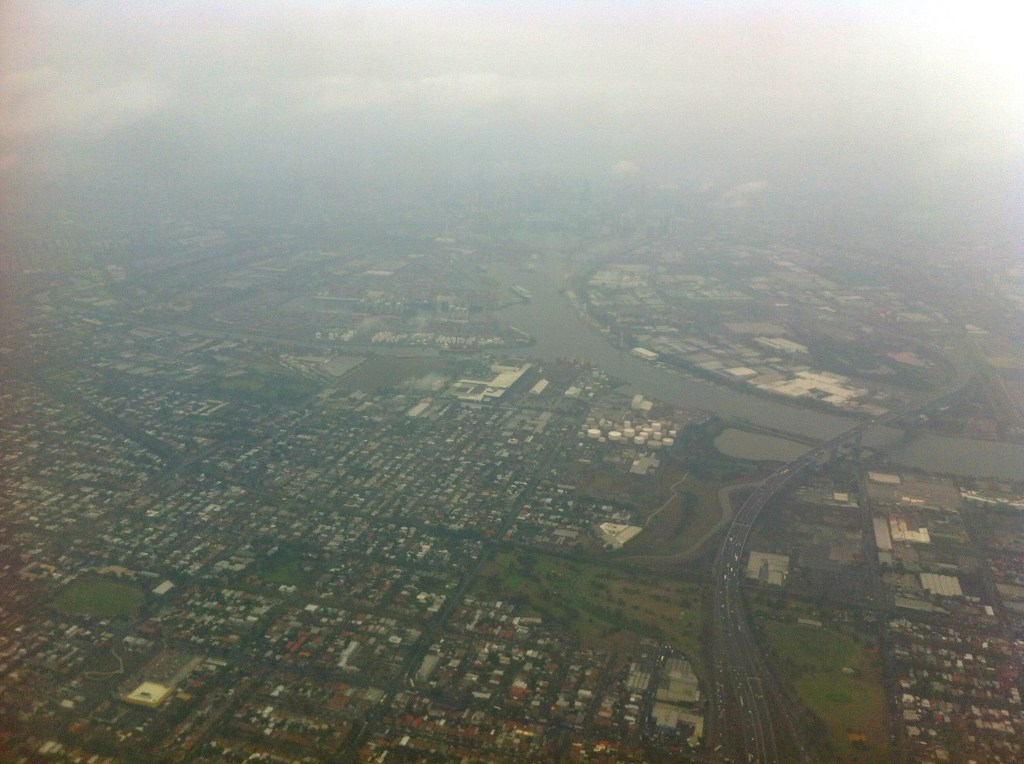
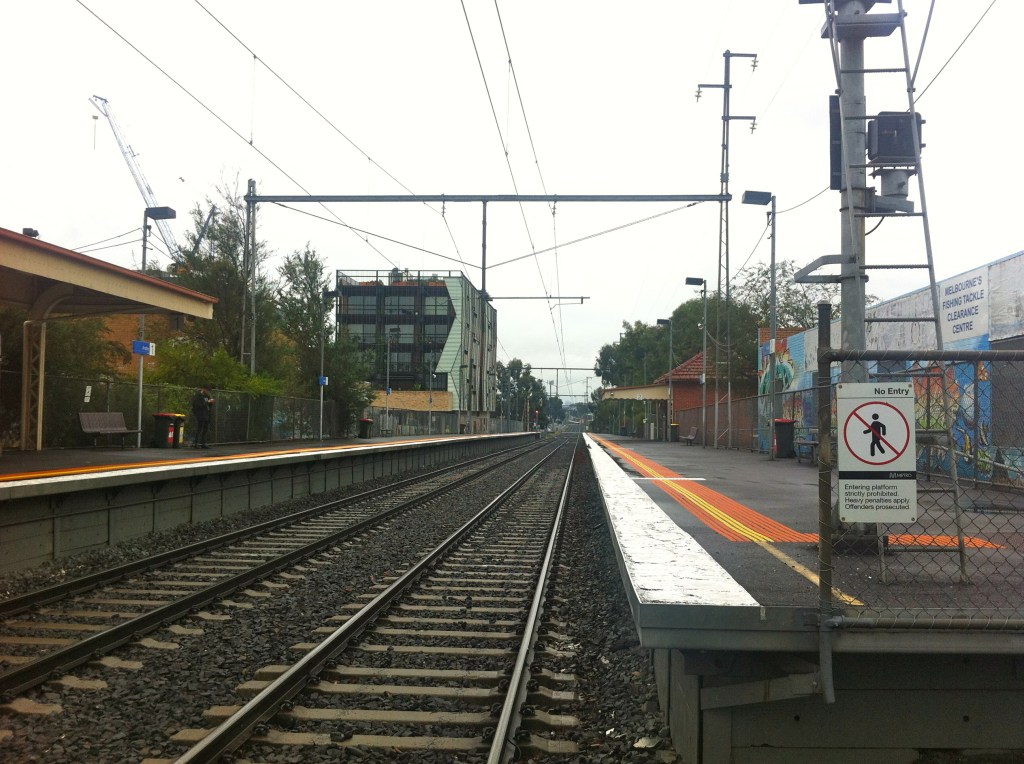
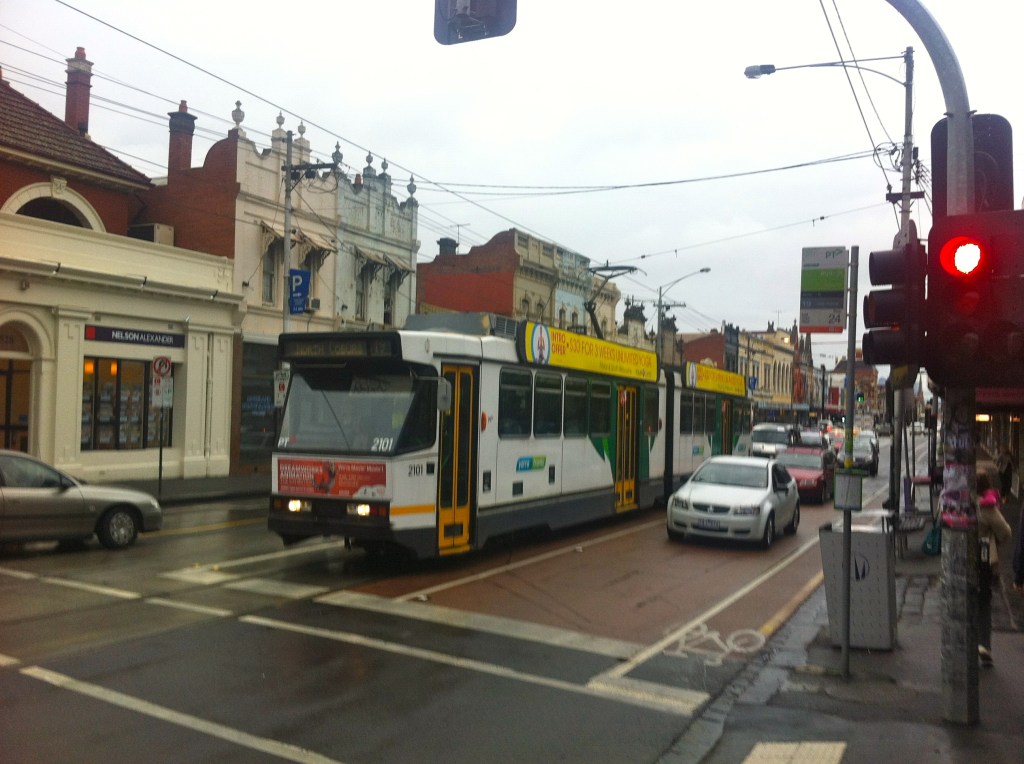
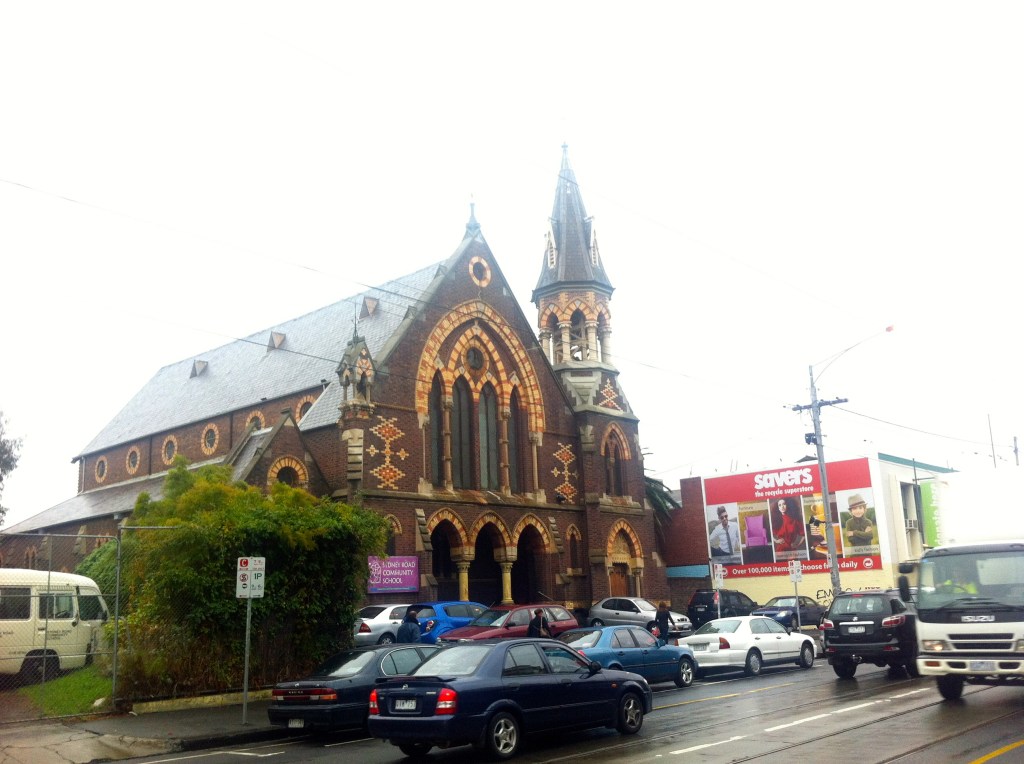
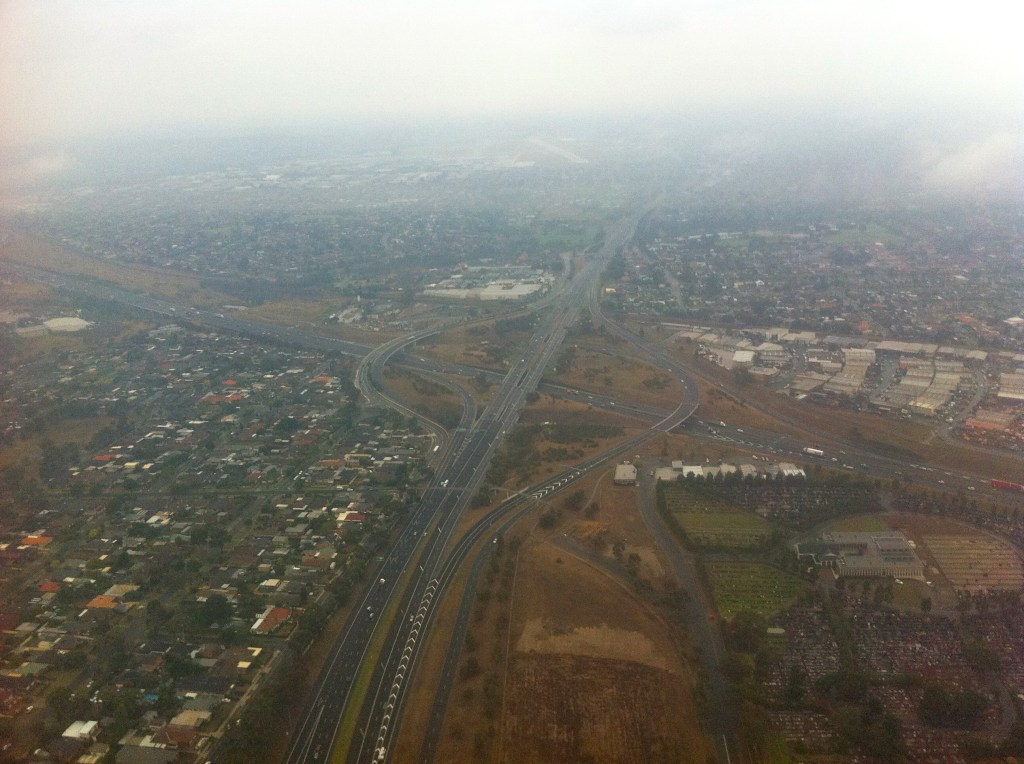
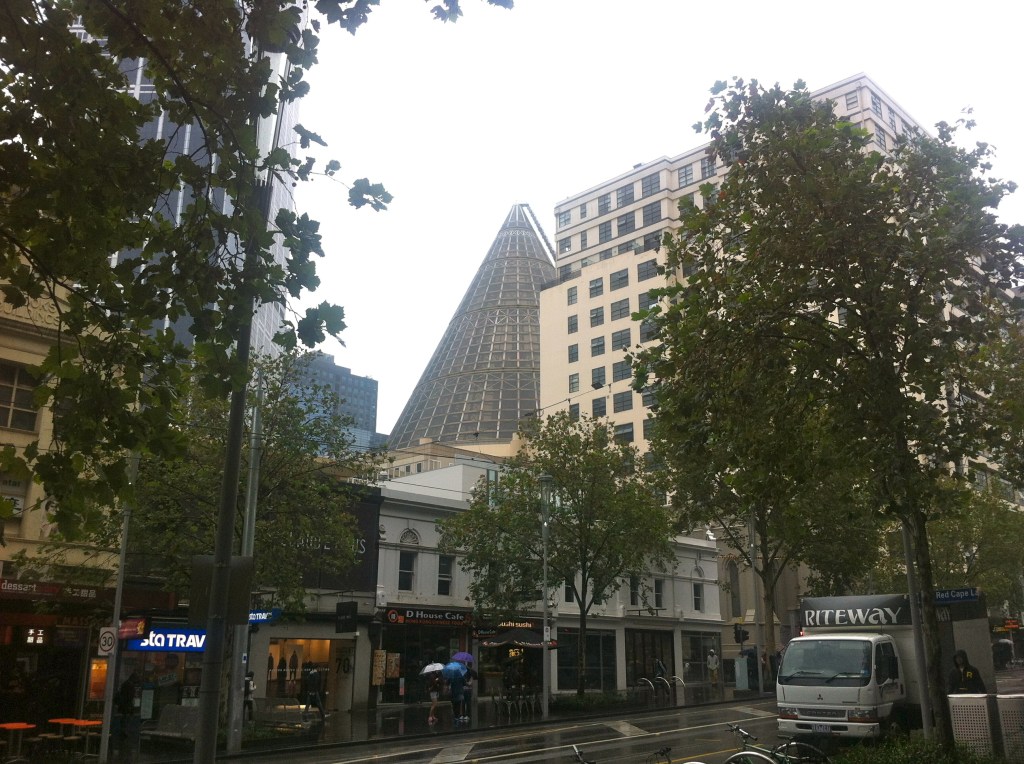
By 2005 I needed a change from Wellington, and bought a ticket to Melbourne – the first leg of my ‘big OE’.
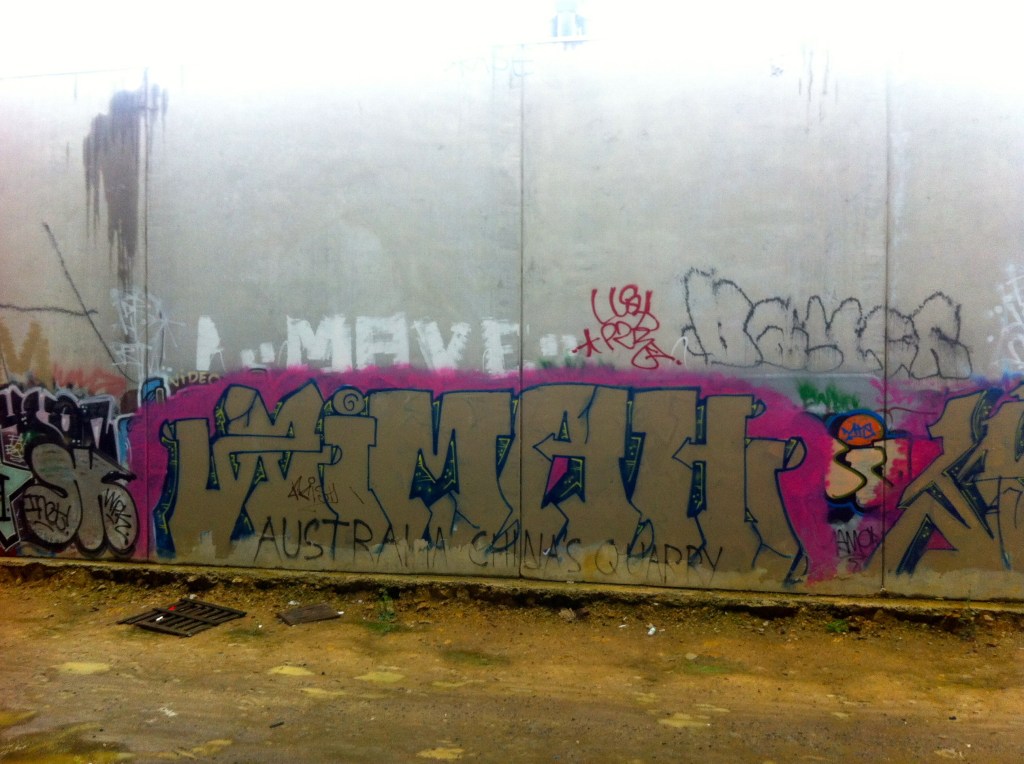
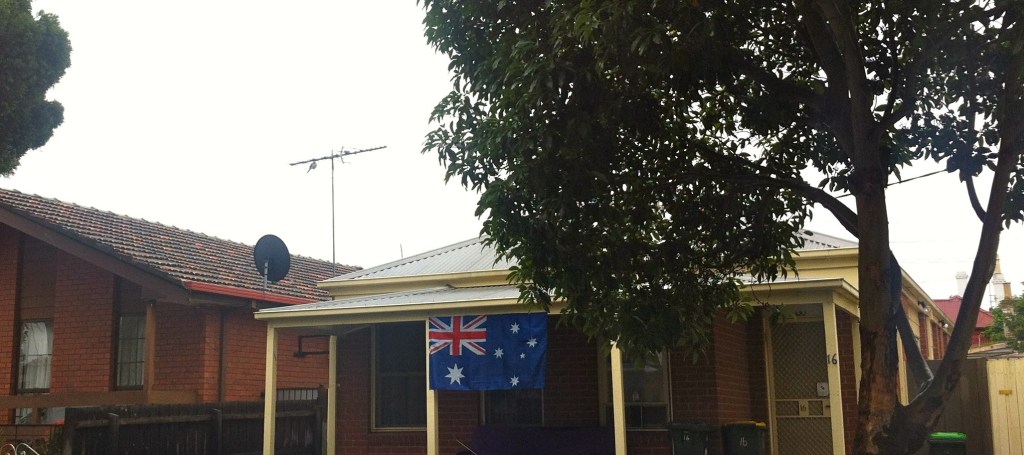
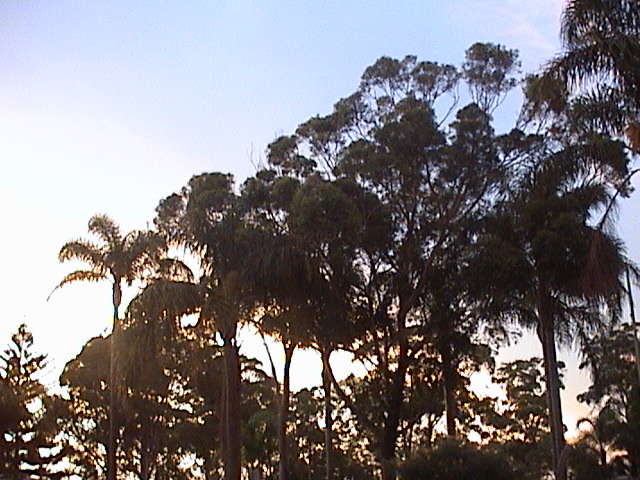
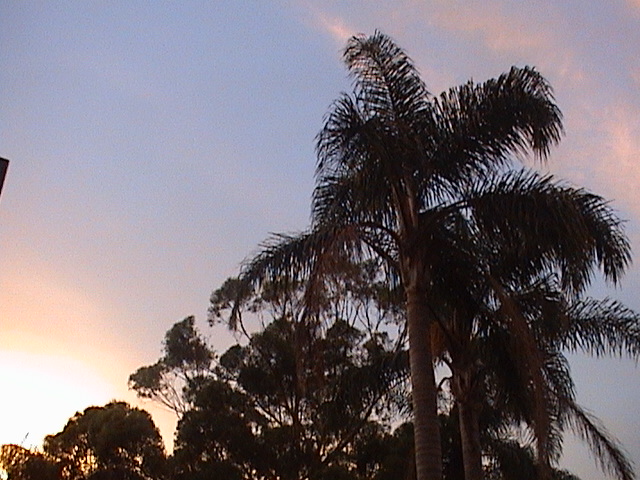
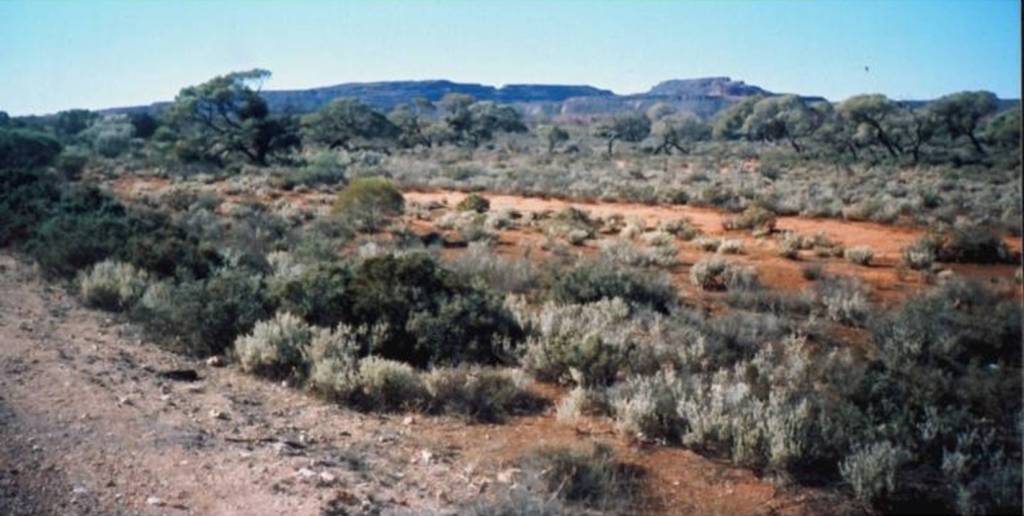
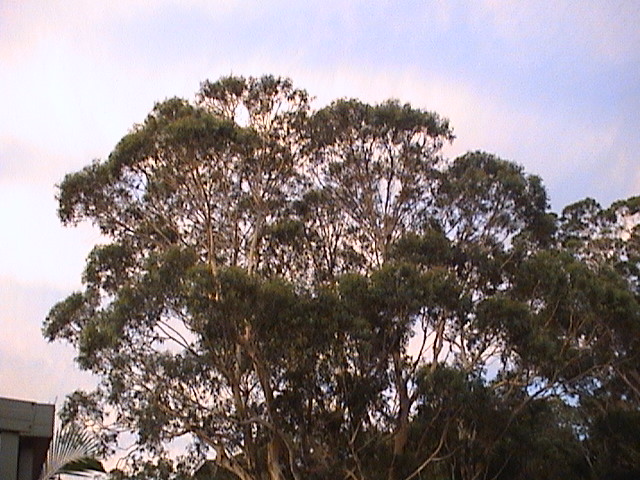
I lived in Melbourne (in Brunswick) for six months, and had my mind blown by the sheer size of Australia, and exposure to new ideas and sounds – eg Aussie hip-hop, Middle Eastern music, and the noisier local birdlife. I loved the wide open spaces and the eucalyptus scent.
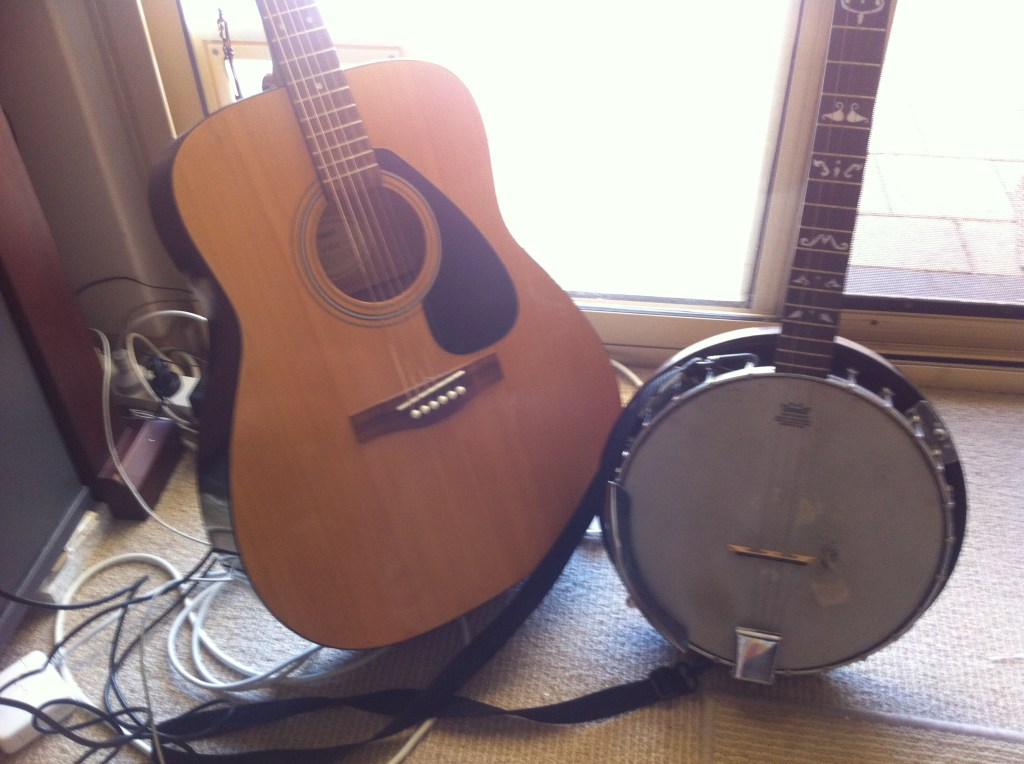
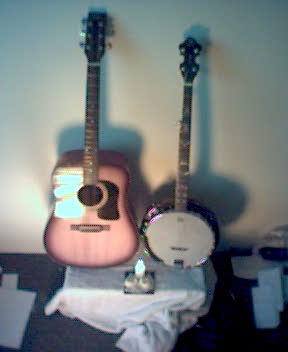
I didn’t have a guitar with me, so bought a banjo instead (which I still have). I also began to incorporate field recordings and laptop electronica. And rather than writing from within myself, I became more of an observer.
I released After Maths & Sciences (my last CDR for years, before the format became obsolete) under the name Dave Black (adopting my maternal grandfather’s surname), to signal this change of approach. The title suggests the ‘aftermath’ of my life in Wellington, and experimenting with a new approach.
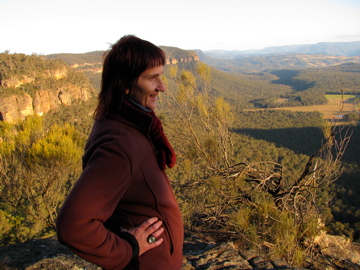
“…And then from December of last year to January of 2006 in New South Wales; summer.”
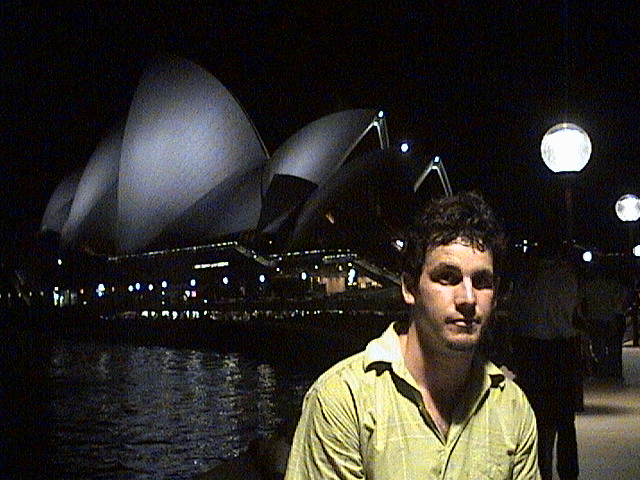
On a second visit to Australia for Christmas and New Year 2005/06 – this time to New South Wales – Cylvi M and I created more Australian soundscapes (including political themes, such as the Cronulla Riots and burgeoning awareness of climate change, as well as bird and insect sounds).
Later in 2006, on a third visit to Australia, and thanks to Lawrence English, I performed at Liquid Architecture Festival in Brisbane (unrecorded).
Returning to NZ, I then played a set at Lines of Flight in Dunedin – performing a live soundtrack to video footage I’d taken in Queensland. These Australian videos were some of my first uploads to www.youtube.com/@fiffdimension – now one of the platform’s longest-running channels!
“The album is a travel-document; a response to relocation, a series of sound-sketches and sonic-manipulations designed to confront (and possibly unhinge) the listener; a reflection of several journeys – an aural diary of events from time spent in Australia, evoking the mood of the place (geographically) and the mood of the time (politically).San Shimla’s occasional guitar, Francesca Mountfort’s cello and Cylvi Manthyng’s percussion and shakuhachi (a Japanese woodwind) support Dave Black.
“As Dave Edwards he has explored fuzzy-punk, free-jazz, spoken word, alternative-folk and demented pop, primarily using guitar, harmonica and voice; sometimes with a band or a backing cast at least – often as a solo artist(e). Here, as Dave Black, the palette is broadened: banjo, drums and the use of a laptop computer (triggering sounds via Fruityloops, Audacity and Audition programs) add extra textures. During 2005 Edwards studied journalism, his use of dictaphone and laptop on this recording see him reaching outside of music for influences to use in new contexts.
“The collages that form the pieces on After Maths & Sciences are modern-day field recordings, contemporary anxieties are explored (a typically frank Australian is overheard at a train station lamenting public transport in the wake of the London bombings). The juxtaposition of banjo (an instrument prominent in the work of Doc Boggs, Earl Scruggs and many of the earliest artists featured on the iconic U.S. Library Of Congress field recordings made by Alan Lomax and Harry Smith) helps to recontextualise the snapshots of modern-day Australia. And the name that Edwards has chosen, Dave Black, as well as having relevance within his family history, becomes a nice reference to the passing of The Man In Black (Johnny Cash) and various (possibly mythic) country-playing banjo pickers. For this is “country” music, though perhaps not as we know it. Birdsong, despite computer filtering, sits pure alongside the country’s archaic (near-redneck) political views. Abrasive bursts of white-noise are channelled via a throbbing electro pulse (Kraftwerk goes on safari sabbatical?).
“There are New Zealand artists working in this medium (Montano, Seht, Audible 3) combining concrete poetry, field recordings, found-sounds and electro-acoustic manipulations to sit as aural wallpaper, but Dave Black’s debut release (and a re-birth, if you like, for David Edwards) is an actual document – as much a post-modern piece of Performance Journalism as it is a static batch of “songs” or tracks, After Maths & Sciences is a pleasing challenge of an album. It lives up to the cliché of presenting something new with each listen,”- Simon Sweetman
From 2012-2014 I moved to Australia a second time, and spent 2 1/2 years living in Perth, in Western Australia. Recordings from that period became the albumin a Wildflower State.
I’ve also revisited ‘the lucky country’ a couple of other times since. In 2024 I played a gig in Sydney, alongside SydneysidersNick Dan,Anthony GuerraandMonica Brooks. The recordings are included on Live 2022-24.




![First time around [South Korea]](https://fiffdimension.com/wp-content/uploads/2013/09/first-time-around-south-korea.jpg)







 fiffdimension