The Troubled Times: State Highway 2

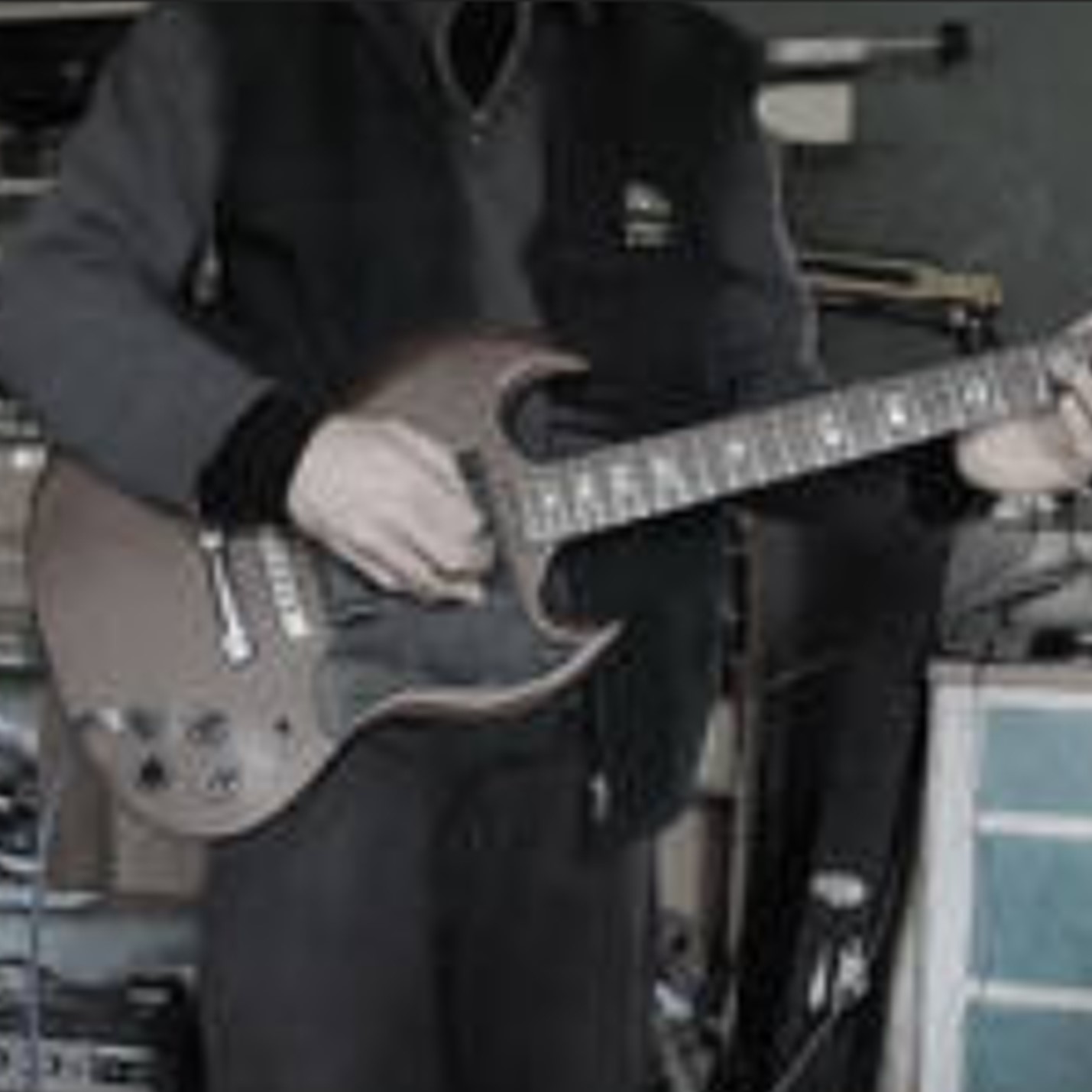
The first proper ‘band’ recording sessions by The Troubled Times, with the addition of David Heath on drums.

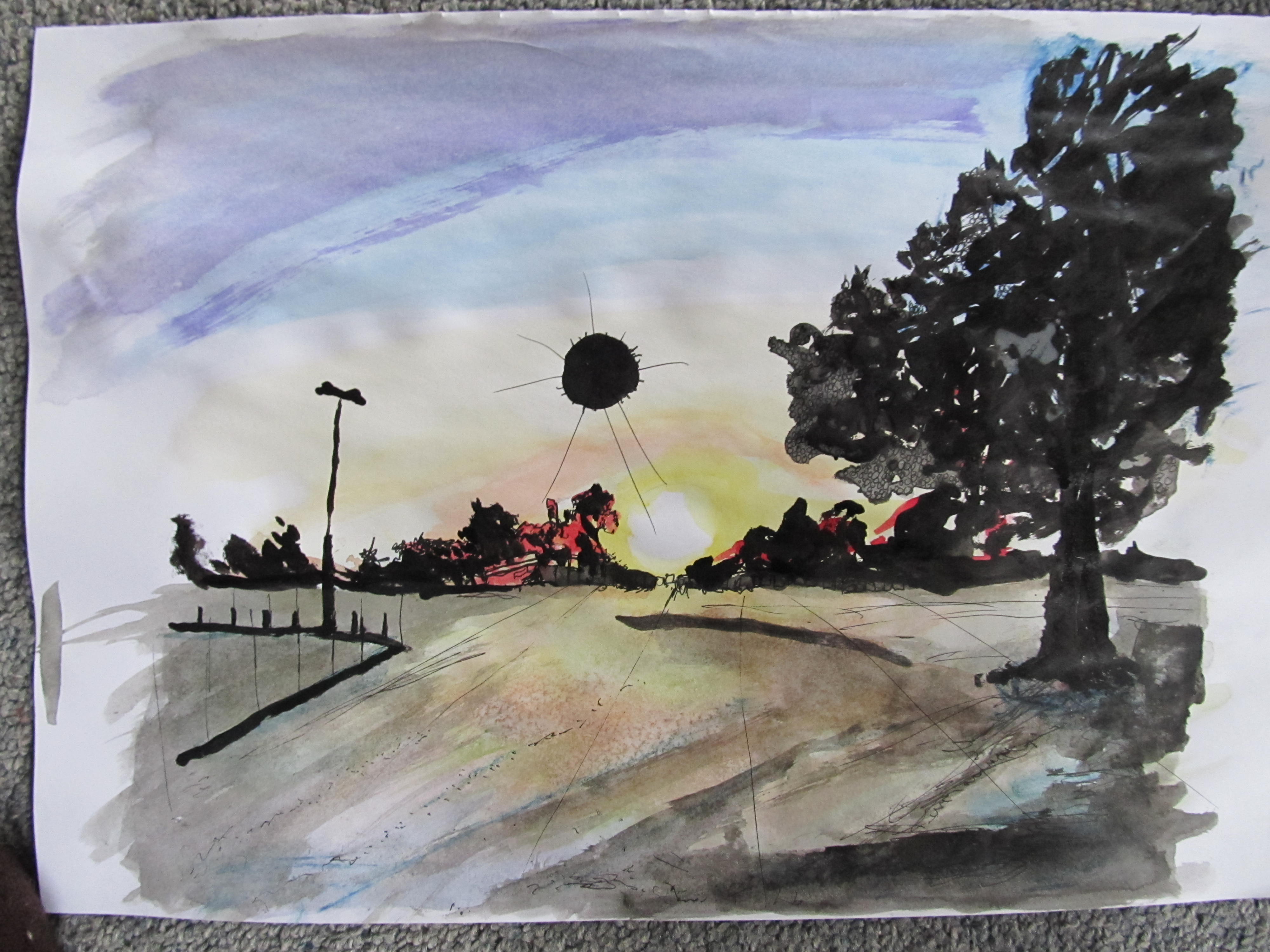
Improvised psychedelic rock – inspired by the Wairarapa rural landscapes, and the main road through them – with touches of country, Brazilian jazz, and electroacoustic experiments.

credits

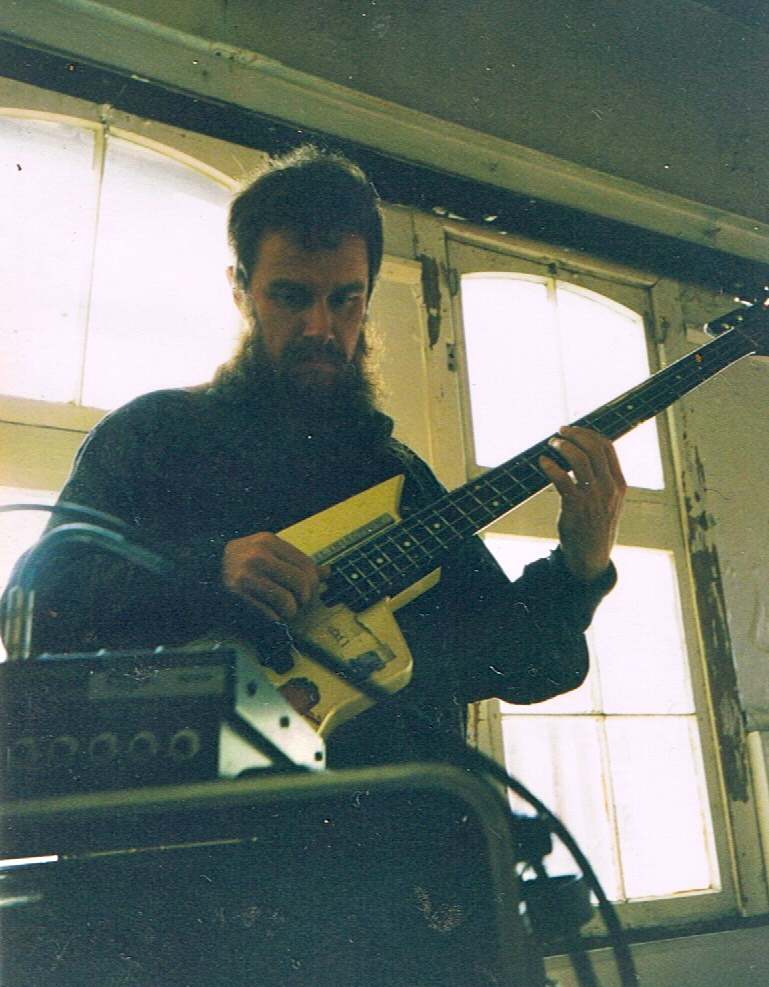
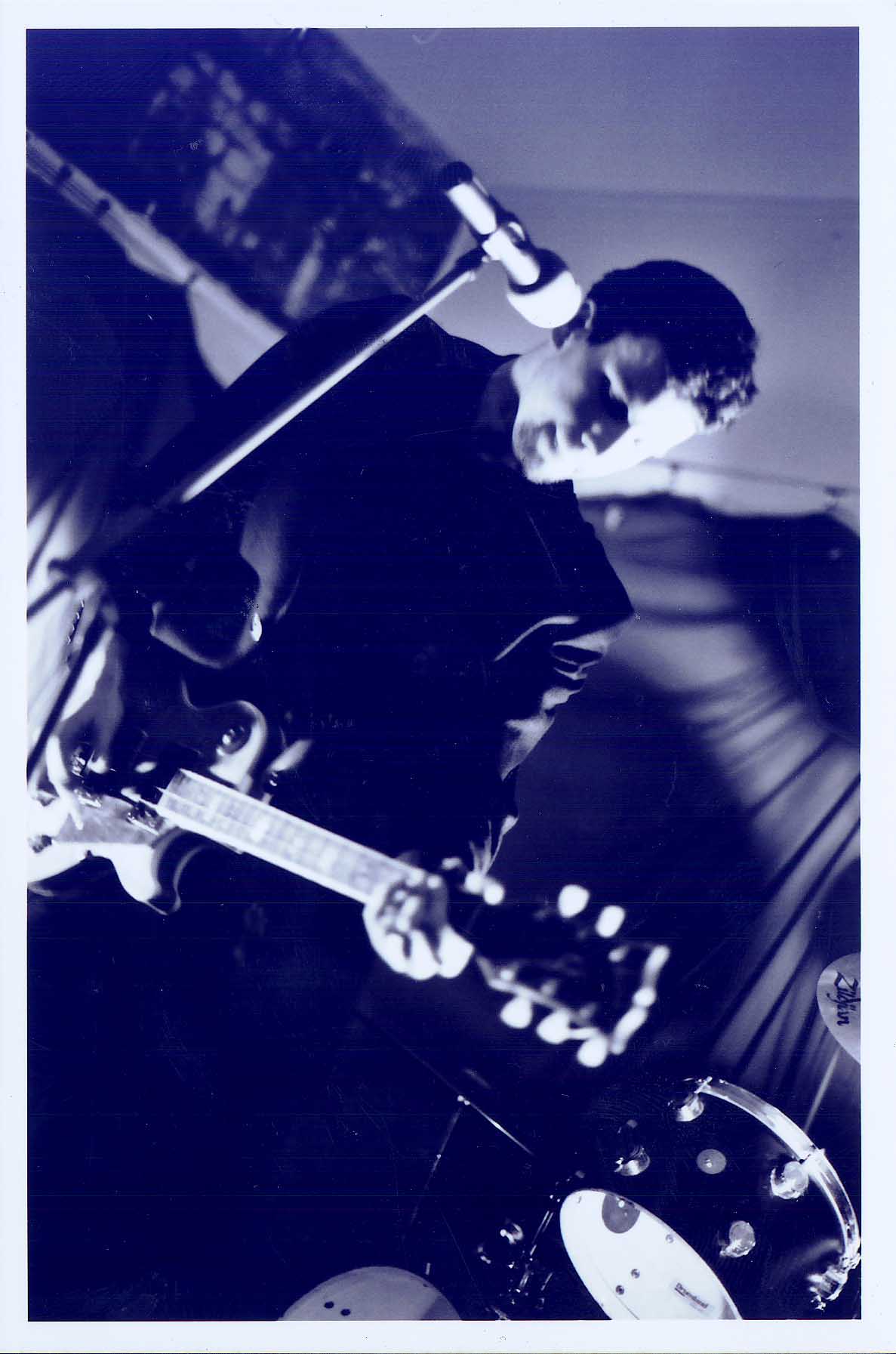
Antony Milton – electric guitar, banjo (6), drums & keyboard (7)

Dave Edwards – electric guitar (1,3,5), acoustic guitar (2,6,7), bass (4), aluminium ladder (7)

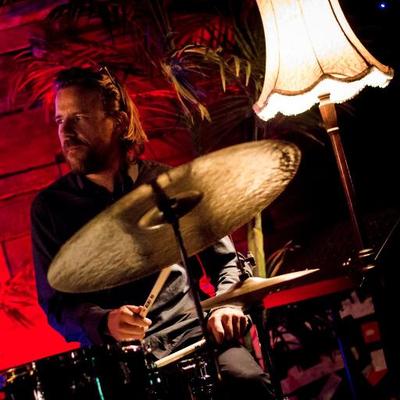
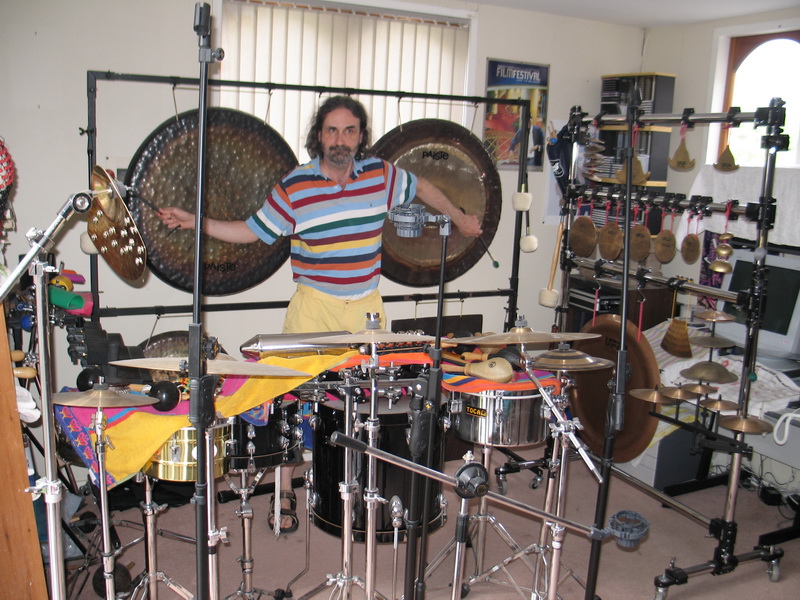
David Heath – drums

released August 13, 2022

——-

Masterton, New Zealand

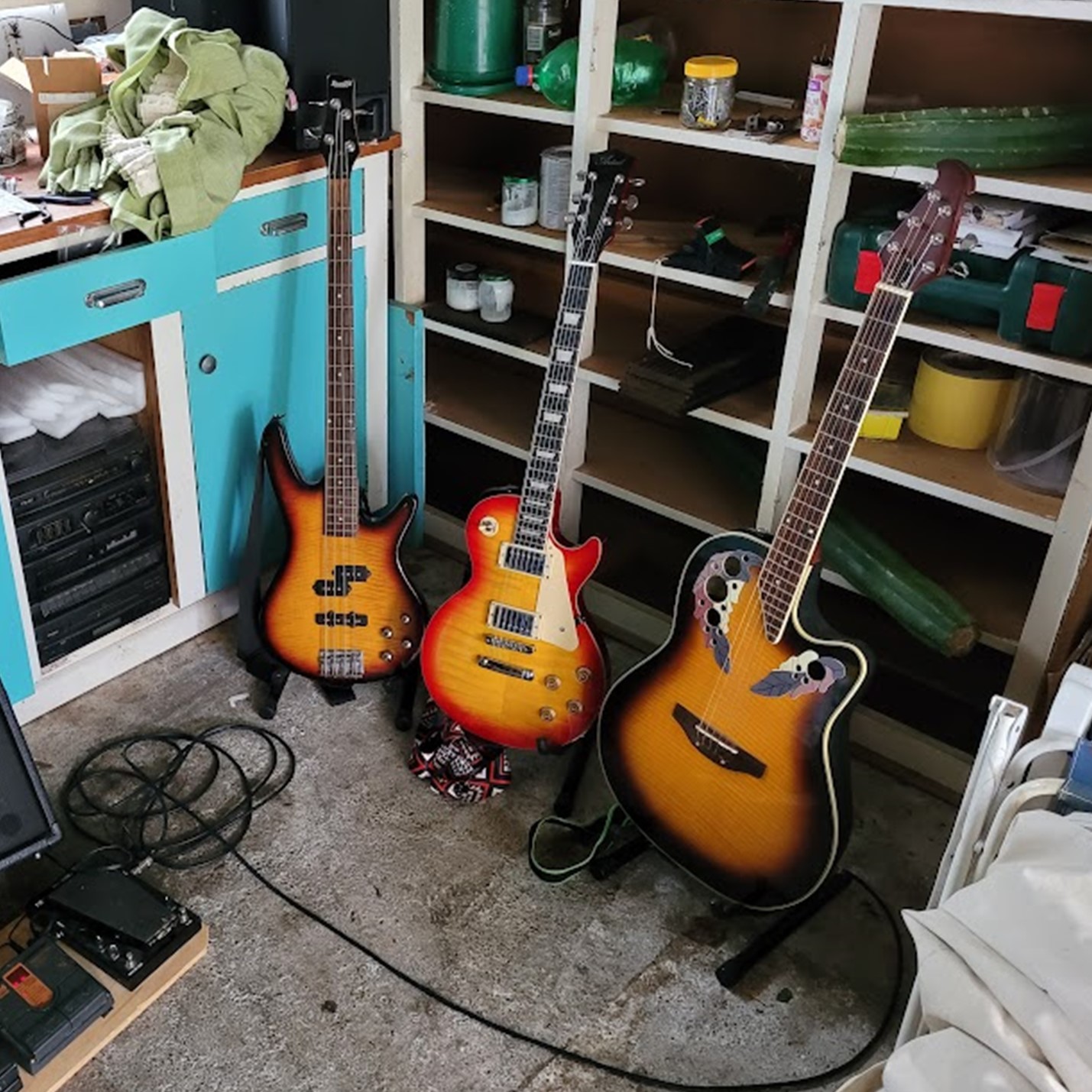
Recorded in Antony’s garage,
17th July + 7th August 2022

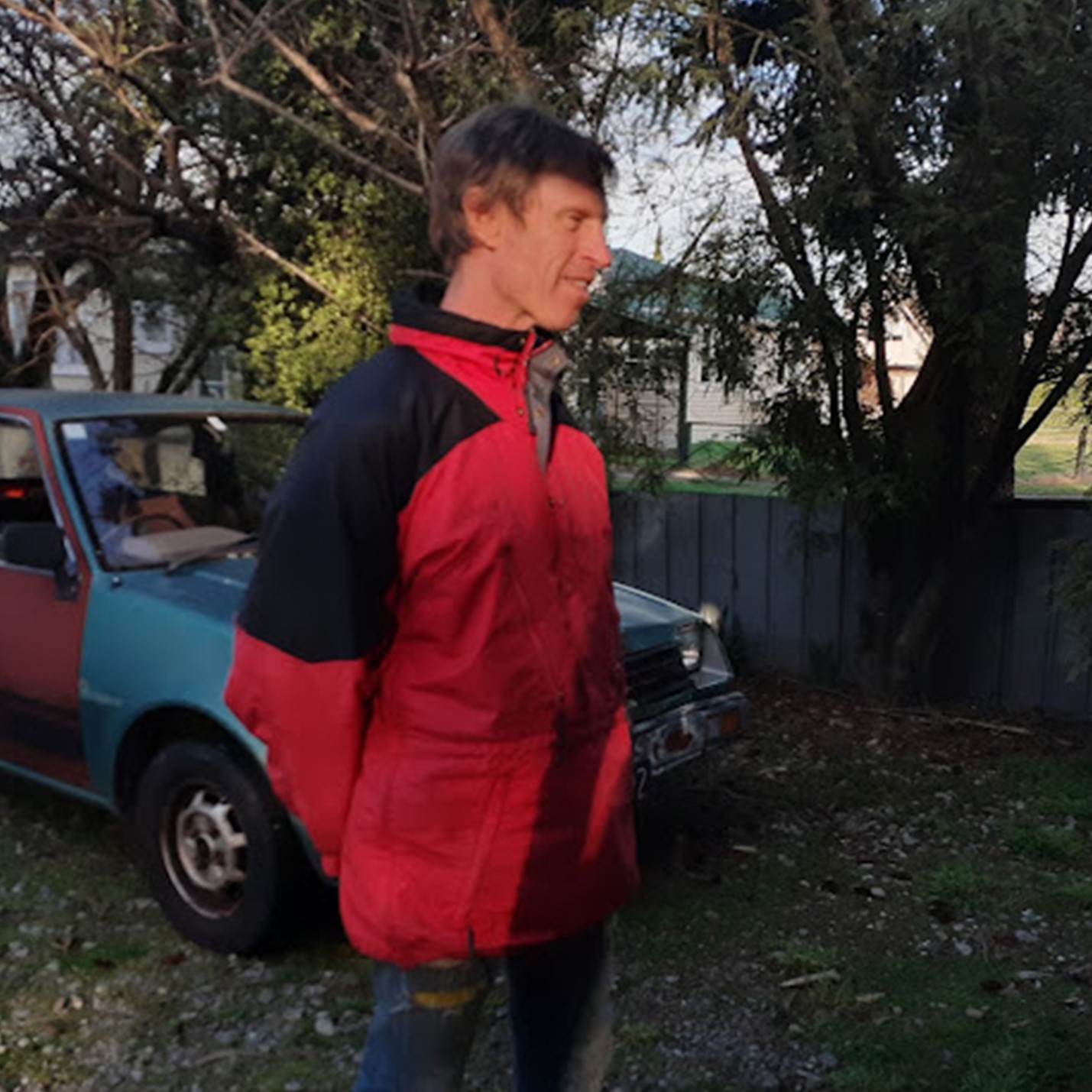
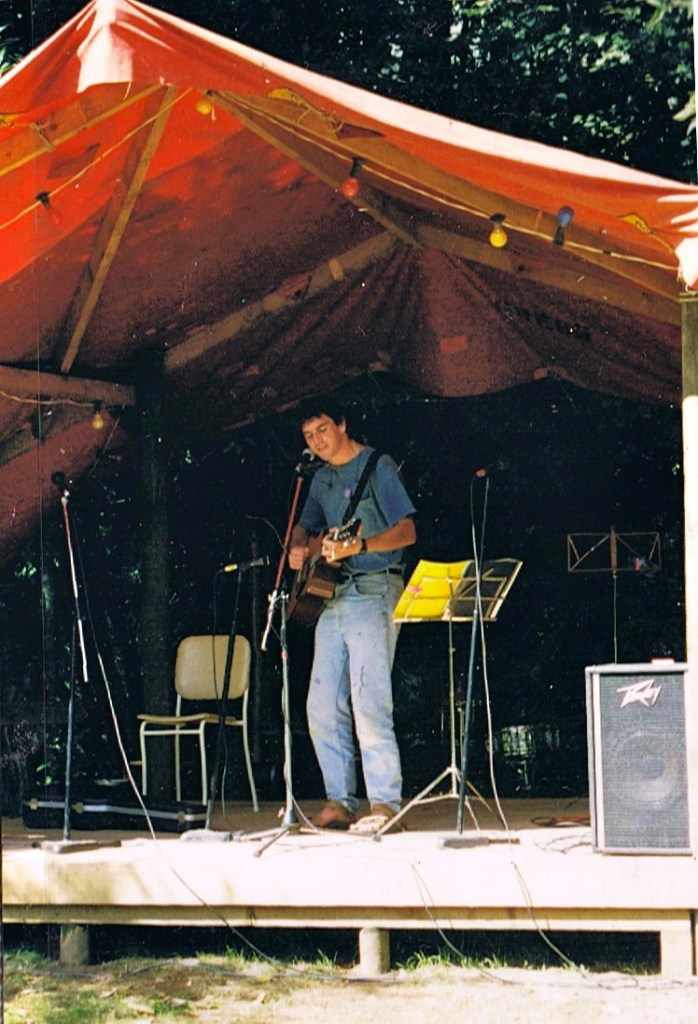
Photo by Sara Rogers

Tracklist

1.Whatever you like (north of Wellington) 06:31
2.Wairarapa bossa nova 03:18
3.Passing the Tararuas 03:26
4.Waiohine river after rain 02:50
5.Driving inland 07:16
6.Sanson & Woodville (acoustic) 06:34
7.Snakes & ladder 02:08
8.Spring nor’wester 06:35
9.Bossanova Wairarapa (mais tempo)

Further listening: The Troubled Times

Antony and Dave also collaborated on fiffdimension.bandcamp.com/album/return-of-the-sun-2021
and
layyourburdensdown.bandcamp.com/album/-

Outono 21

A new multilayered Dave Black electric improv / xenochronous composition.

The track continues the evolution of my Wairarapa one man band 2020s ‘late style’, which began with Glimpses of Utopia (2020) and Spastic Rhythms (2021)

It was originally created for the Psi-solation+12021 compilation album curated by fellow Featherston resident Campbell Kneale. He’s known for his noise music, paintings of cats, and as proprietor of the Miracle Room.

Continue reading “Outono 21”

Spastic Rhythms vol1 (2021)

A quickfire Dave Black solo EP, recorded one summer morning, 24 January 2021

Listen

[send us your review]

It includes ilhas Atlรขnticas, a tribute to my Portuguese ancestor Manuel Bernard.

Tracklist

1.banjo trio 24/1/21ย 03:01
2.drums 1 24/1/21 00:49
3.guitar trio (ringtone) 24/1/21 02:07
4.gritches blerk 24/1/21 01:12
5.spastic drum solo 24/1/21 04:38
6.ilhas Atlรขnticas 03:12
7.Outono 21 08:49

Further Listening

The album adds banjo and electric drums to the 2020s Wairarapa DIY solo electric improv style begun in

Glimpses of Utopia (2020)

The first of the ‘late period’ solo instrumental albums.

รกguas brilhantes: 2018-2022

A compilation of tracks from the Wairarapa in these years.

โ€œIt is unusual to find someone playing so confidently in such diverse areas, and anyone into independent music will certainly find something on here to enjoy โ€“ Kev Rowland, muzic.nz

Gar mar par da nee sa

the opening track from Ruasagavulu

by Dave Black & Snake-Beings

recorded in Suva, Fiji, 2nd November 2019

Snake Beings and Dave Black in Fiji

This short warmup improv is based on an Indian scale, inspired by Dr Emit Snake-Beings‘ travels to Kerala in India, and harmonium lessons in Suva.

There’s an Indian influence throughout the album, as several sections are based on drones and modal improv (rather than the chord changes)… though this is not a traditional Indian album, we’ve borrowed ideas to inform our own experiments.

This slideshow requires JavaScript.

The temple in the photo is Sri Siva Subramaniya in Nadi. It’s built in the Dravidian style from southern India, which is also found in Singapore and Malaysia.

This slideshow requires JavaScript.

In contrast to other Pacific Island countries, Fiji has a large – almost half – population of Indian descent. Indians came to Fiji in the 19th century, as indentured labourers to work the sugar cane plantations.

The following videos are made in India, courtesy of www.snakebeings.co.nz

Continue reading “Gar mar par da nee sa”

New Year’s Day 2020

Huia Vortex

Animated visuals, with electric guitar loops, one-stringed bass, and drums – the opening track from the ‘Ngumbang‘ album (get the free download) – w/ Emit Snake-beings & Nat da Hatt

The title ‘Huia Vortex’ refers to the location where the track was recorded, in Huia, a small village on the outskirts of west Auckland.

Dave Black & Emit Snake-Beings

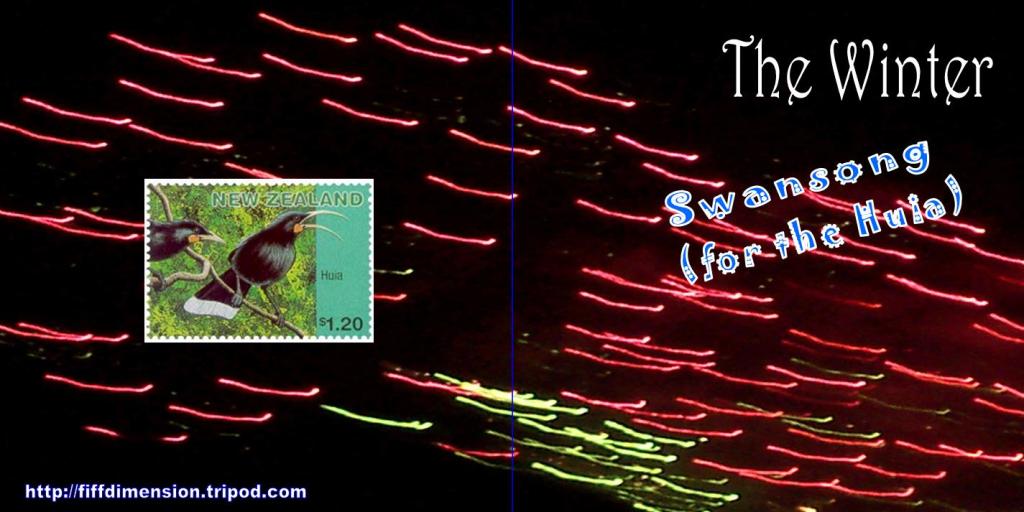
It’s not necessarily related to ‘Swansong (for the Huia)(2004), the second album by The Winter, an electro-acoustic trio improvisation in tribute to the extinct New Zealand bird the huia by Dave Edwards, Mike Kingston, and Simon Sweetman. Its 19-minute final track remains an underrated fiffdimension epic. [send us your review]

The Marion Flow (part 2, Wellington 2001)

It’s lo-fi, organic and about as eclectic as one could manage. Kind of reminds me of Nick Cave if he had grown up in Timaru. No pretentious American accents or catch phrase choruses, just a bunch of people making music. A little beauty!” – NZ Musician, August/September 2002

Listen

Credits

Written by Dave Edwards, and produced by Paul Winstanley,

Featuring Chris O’Connor (drums), Chris Palmer (electric guitars), Simon O’Rorke (percussion), Dean Brown (drums).

Recorded at Thistle Hall, Wellington, 2001, and mixed by Joe Callwood.

About

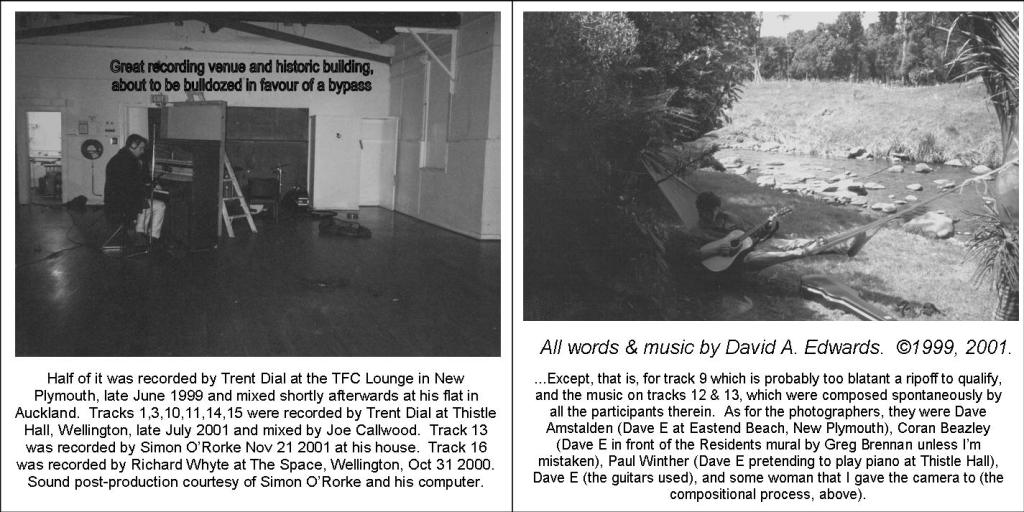
The Marion Flow was originally a longer album which spanned recordings from New Plymouth in 1999 and Wellington in 2001.

In 1999, aged 20, I’d left New Plymouth, a large rural town, where I grew up, and moved to Wellington, New Zealand’s capital city, where I’d been born and where my early pakeha settler ancestors had lived in the 19th century. The Marion Flow reflects this journey, geographically, sonically and spiritually.

“The lights on the city, the barrenness glowed

& behind me the sea as it ebbed & flowed,

Leave the loner alone to go face what he knows

Chained to the flow…” – Seafriends

For the earlier 1999 New Plymouth sessions see The Marion Flow (part 1, Taranaki);

By the time the opportunity arose to finish recording the Marion Flow I’d been thoroughly immersed in the Wellington free jazz and avant-garde music scene, and was very fortunate to have help from some of the top players there. I’d never studied music at school or been in a conventional band, and was out of my depth technically… so working around my limitations became a spark to creativity.

I’ve now reissued the two halves of the album separately – to emphasise the sense of time and place, and stylistic evolution, and to re-present them more concisely for the short-attention-span 21st century.

Edwards’ music is often a sculpture rather than a melodic composition. Within this chosen form, amongst all the writings rantings & poetry there’s much difficult pleasure to be had for the musically adventurous.” – Brent Cardy, Real Groove, July 2002

Tracklist

1.Seafriends 03:07 Dave Edwards – acoustic guitar, vocal Paul Winstanley – fretless bass Chris Palmer – electric guitars Chris O’Connor – drums
2.A Wedding 03:48 Dave Edwards – electric guitar, piano innards, canvas sheet, vocal
3.A Visit to the Beehive 00:45 Dave Edwards – acoustic guitar, vocal Simon O’Rorke – drums
4.Monkeys with Typewriters 03:30 Dave Edwards – electric guitar Chris Palmer – electric guitar Simon O’Rorke – percussion
5.Tony Was Here (but they put him on ice) 03:07 Dave Edwards – electric guitar, vocal Chris O’Connor – drums
6.Cafes in Conversation 03:38 Dave Edwards – electric guitar, vocal Paul Winstanley – fretless bass Chris O’Connor – drums
7.The Marion Flow (live at the Space) 09:07 Dave Edwards – electric guitar, harmonica, vocal Dean Brown – drums
8.Seafriends (instrumental mix) 04:05 Dave Edwards – acoustic guitar Paul Winstanley – fretless bass Chris Palmer – electric guitars Chris O’Connor – drums

Further listening

Continue reading “The Marion Flow (part 2, Wellington 2001)”

The Marion Flow (part 1, Taranaki 1999)

It’s lo-fi, organic and about as eclectic as one could manage. Kind of reminds me of Nick Cave if he had grown up in Timaru. No pretentious American accents or catch phrase choruses, just a bunch of people making music. A little beauty!” – NZ Musician, August/September 2002

Listen

Credits

Produced by Paul Winstanley, & featuring Steve Duffels, the Digitator, and the Dadapapa Magickclone Orchestra.

Recorded at the TFC Lounge, New Plymouth, 1999 – with special thanks to Brian Wafer.

About

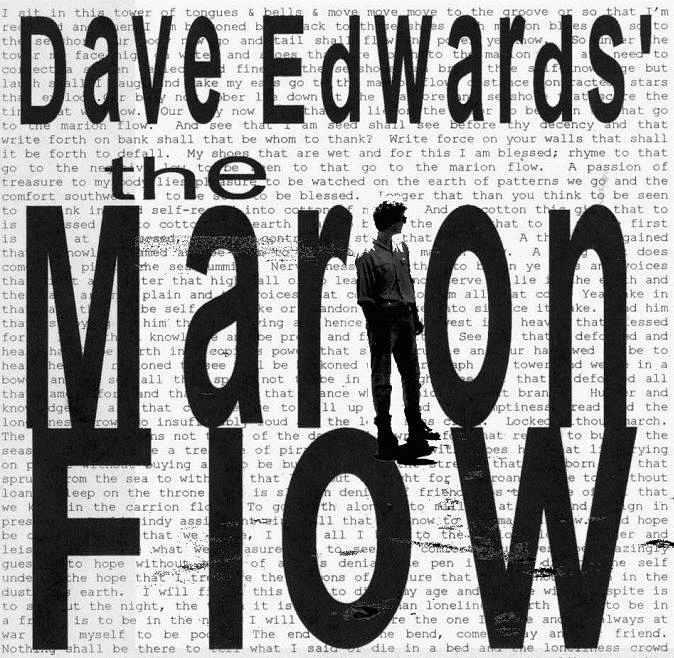
The Marion Flow is a pre-millennial fusion of warm acoustic pop, spoken word and postpunk discord.. An almost-acknowledged New Zealand classic from Taranaki – of its time (the ’90s!) yet timeless.

As the sophomore fiffdimension release (following 1998’s Scratched Surface), The Marion Flow began to mix more experimental elements alongside the songwriting. It shows an evolution in ambition and production values, and a more complex & impressionistic lyrical style.

“I sit in this tower of tongues & bells, & move to the groove

Or so that I’m reckoned, & then I am beckoned

Back to these shoes, nigh marion blues

And so to the seashore our body now go, & tale shall flow & power ye know…” – The Marion Flow

In 1999, aged 20, I left New Plymouth, a large rural town, where I grew up, and moved to Wellington, New Zealand’s capital city, where I was born. The Marion Flow reflects this journey, geographically, sonically and spiritually.

The Marion Flow was originally a longer album spanning recordings from New Plymouth in 1999 and Wellington in 2001. I’ve now reissued the two halves separately – to emphasise the sense of time and place, and stylistic evolution, and to re-present each more concisely (for the short-attention-span 21st century).

This page is for the 1999 New Plymouth sessions; for the 2001 Wellington followup recordings see The Marion Flow (part 2);

Edwards’ music is often a sculpture rather than a melodic composition. Within this chosen form, amongst all the writings rantings & poetry there’s much difficult pleasure to be had for the musically adventurous.” – Brent Cardy, Real Groove, July 2002

Tracklist

Continue reading “The Marion Flow (part 1, Taranaki 1999)”

Seafriends

4th May 2019 live solo version at the Wairarapa TV May Music Marathon.

This song was originally recorded in June 2001, at Thistle Hall, Wellington. It was the opening track of the album The Marion Flow.

Continue reading “Seafriends”

2005

2005

The year got off to a good start, with Ascension Band: Evolution

The successful collaboration with Nigel Patterson, Ryan Prebble, and over a dozen other musicians, from jazz-schooled to untrained punks, won the best music award in the NZ Fringe Festival.

I had my first taste of success (the fame part of Fame & Oblivion 2005-2012)

Melbourne, VIC, Australia 2005

…But by this time I was ready to see the world beyond Aotearoa.ย  I shifted across the Tasman Sea to Melbourne – in Australia, the West Island.

ย 

For the next few months I lived in Brunswick, and worked in temp jobs around the city and in rural Victoria.


This slideshow requires JavaScript.

The results became After Maths & Sciences

Continue reading “2005”