Loose Autumn Moans (2003)

“Wellington, NZ composer Dave Edwards with some able assistance from duo or trio the Winter... Guitars, violin, cello, and percussion all stack up… He’s got a persona that’s all his own.” George Parsons, Dream Magazine #5

Listen

About

All acoustic, no overdubs, and complete with a string section! Recorded and mixed on analogue equipment, and originally released on cassette in 2003 – new 2020 remaster.

Edwards‘ art is always an interactive experience, and the spontaneous nature of his audio output encourages descriptions such as abrasive, discordant, sombre and atmospheric. Such adjectives contribute but never tell the whole tale.” – Real Groove

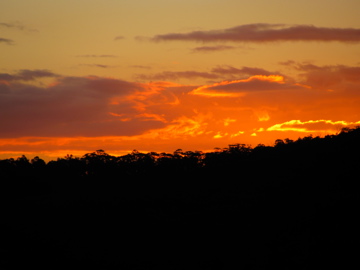
The album is structured as a progression from summer. The cover image shows a NZ pohutukawa tree in flower. It continues through autumn, a time of harvest, preparation, shortening daylight, and the shedding of old dead layers.
It finishes with an extended live version of ‘O Henry Ending‘, recorded at the Winter’s first gig.

O Henry falling leaves & branches, talk a worried sad refrain

Your eyes half tilt, your brain half mast

To tie the fond anonymous bond beyond yr aching shelter lying walls

That fall to fall, & raise the days, museum haze …”

Credits

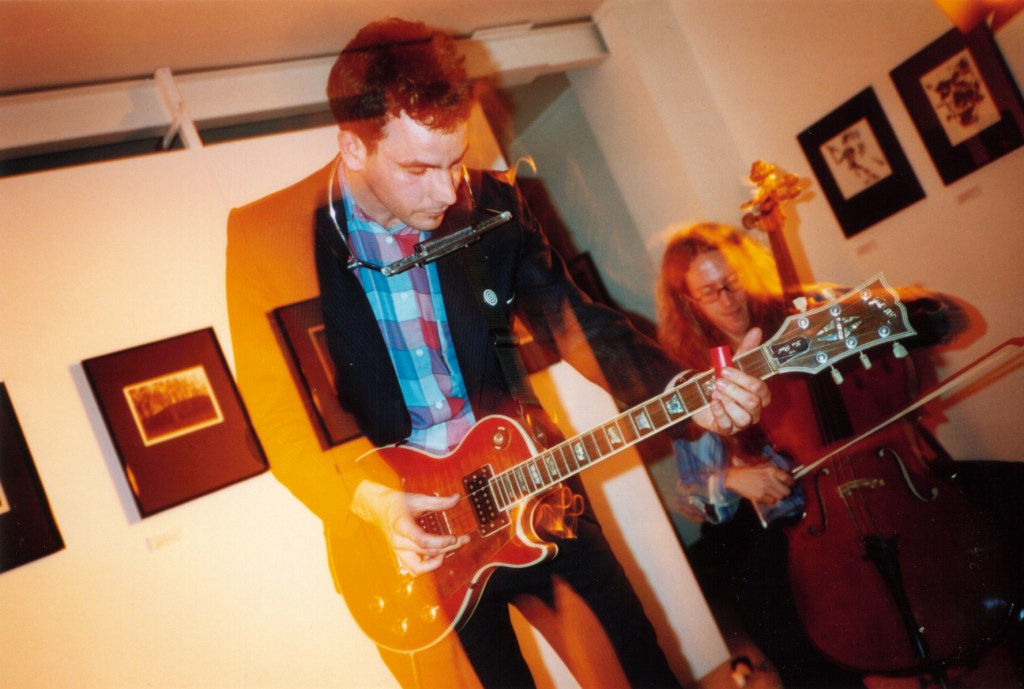
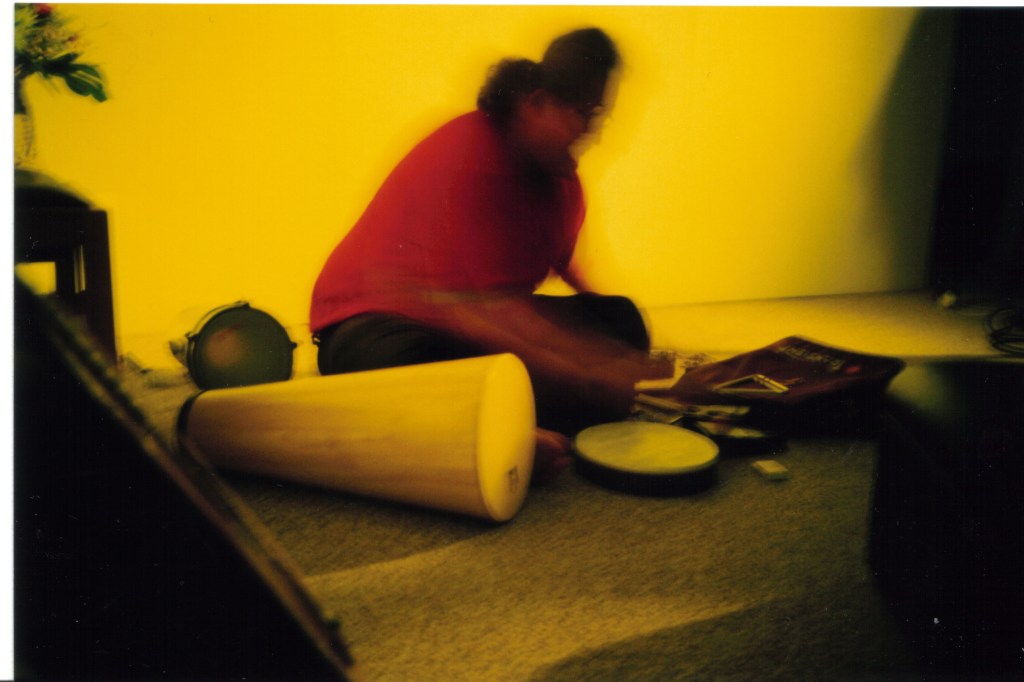
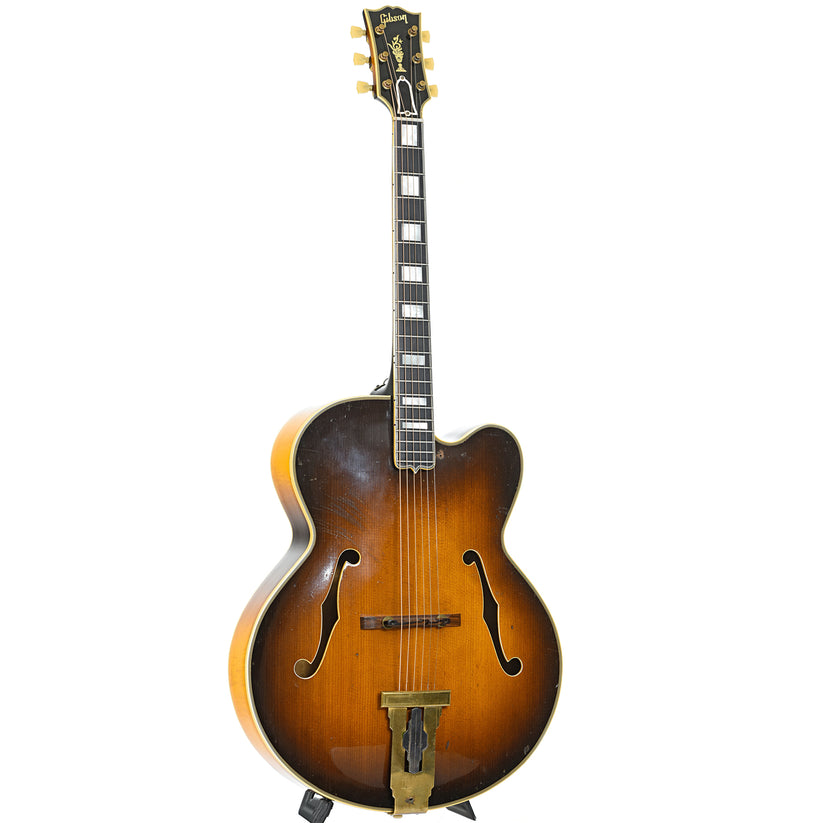
Dave Edwards (archtop acoustic guitar, harmonica, vocal, lyrics)
Sam Prebble (violin) / Mike Kingston (cello)

sam & san

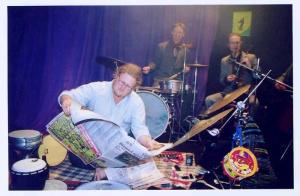
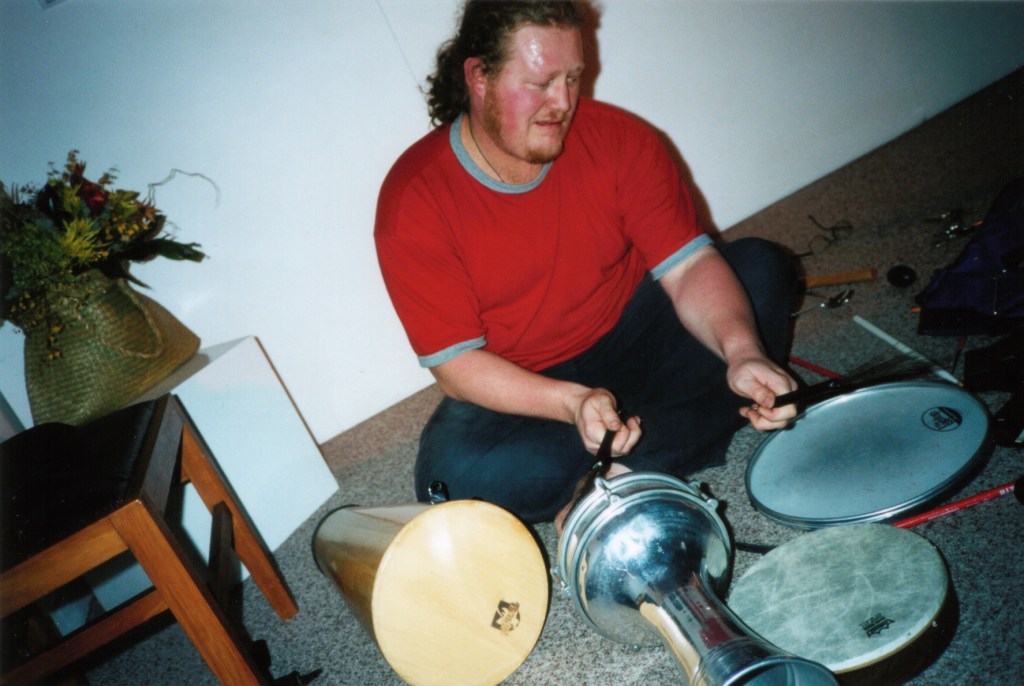
Simon Sweetman (percussion)

simon w newspaper

Recorded in Wellington, NZ, 2003

Tracklist

1.
2.
3.
4.
5.

Dedication: Bond Street Bridge

Loose Autumn Moans is dedicated to Sam Prebble (aka Bond Street Bridge), who died in 2014.

Rest easy Sam, and thank you..

Further listening

The Winter: Shortest Days 2003-2015

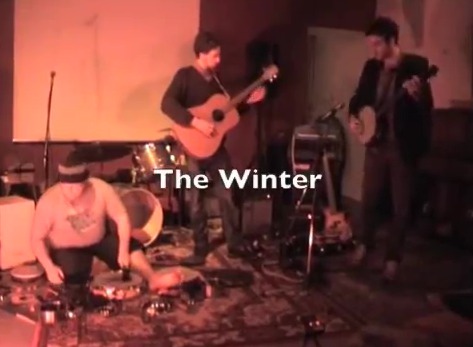
Continuing the seasonal theme, Dave Edwards, Mike Kingston, and Simon Sweetman (occasionally joined by Sam Prebble) formed a regular free improvising instrumental trio , the Winter.
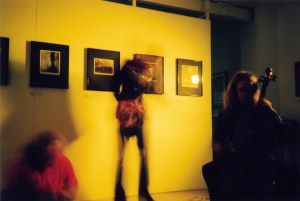
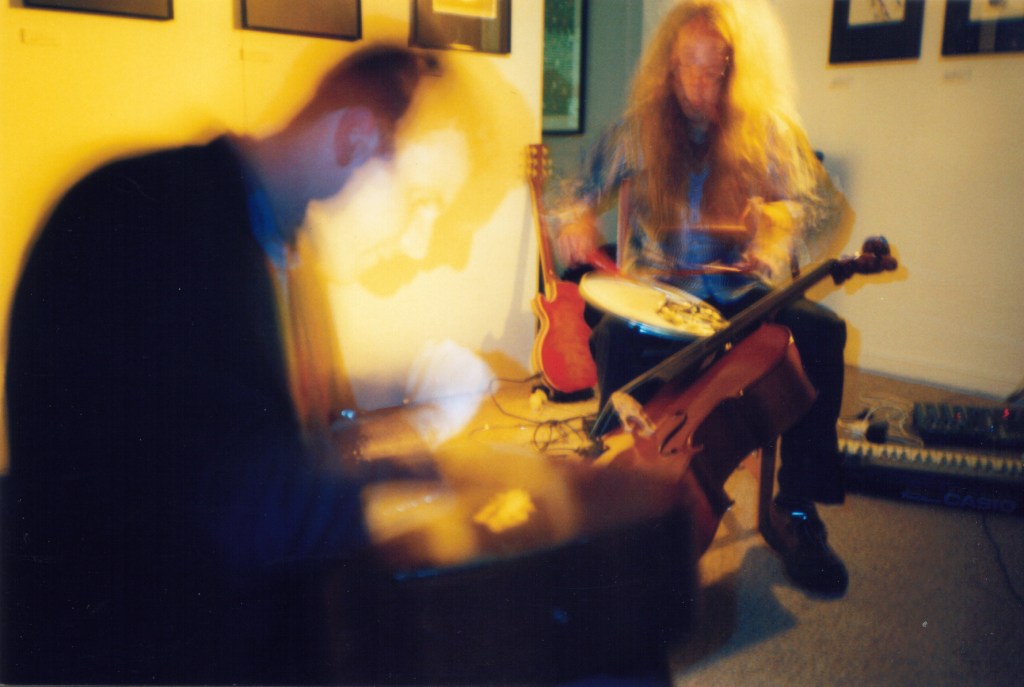
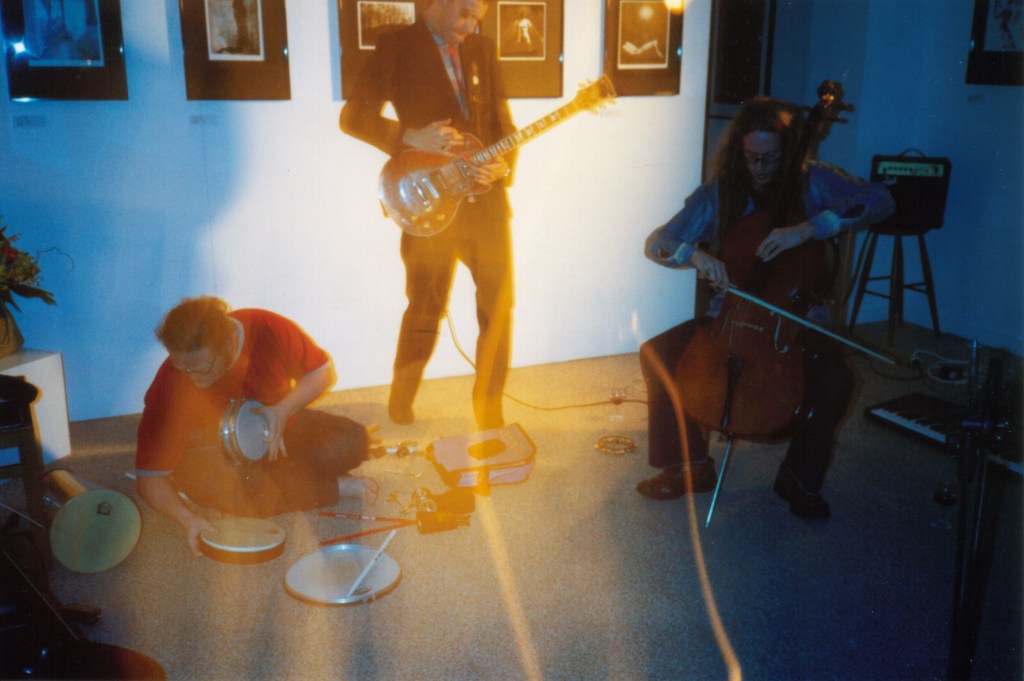
The Winter live at Photospace Gallery, July 2003 (photo by James Gilberd)

“A strange sonic brew that includes dissonant rock textures, rough outsider folk-blues mysteries, electric and acoustic improvisations and a considerable part of tasty feedback. Imagine equal parts Derek Bailey, New Zealand’s Pumice and classic ’60s blues/folk and you’re in the right ballpark.”The Broken Face

After the Filmshoot (2002)

The original C60 cassette release of Loose Autumn Moans included solo interludes recorded the previous year, in 2002. These have since been reissued as a separate album.

By shortening to just the 2003 ensemble sessions, Loose Autumn Moans becomes concise. It emphasises the lyrics, and the jazzy acoustic instrumental interplay.

After Maths & Sciences (2005)

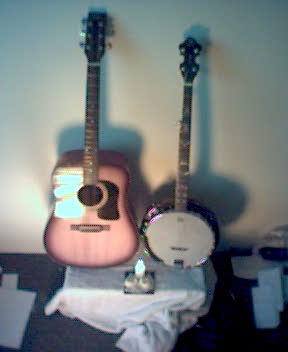
A different take of ‘O Henry Ending‘ was recorded in Melbourne, Australia in 2005. I had just bought a banjo (which I still have), Mike Kingston played acoustic guitar this time, and Francesca Mountfort took the cello role, along with Cylvi M on percussion.

While much of the album was in a new style, incorporating electronica and field recordings, ‘O Henry Ending’ and the presence of fellow expat kiwis provided a thematic bridge from the Wellington days.

Acoustic yin / Electric yang – 2CD 1998-2023

To illustrate how a song can be interpreted in multiple ways, the fiffdimension 25th anniversary 2CD features Mouth of the Caveman – and both the 2005 Melbourne version and a new (2022) a live electric arrangement of O Henry Ending

Live 2019 and Live 2022-24

Three of the Loose Autumn Moans tracks were revived in new solo arrangements for these more recent live albums:

Gleefully Unknown: 1997-2005 compilation

Tracks from Loose Autumn Moans also appear on this compilation, that gives an overview of the early years.

Poems & Lyrics by John Collie (1856).

My great-great-grandfather (himself a young man at the time) self-published a book of poems in 19th century Scotland. It includes a piece about Autumn.

Adapting John Collie’s words to music is a current major work-in-progress, that .allows a new ‘mature’ version of my acoustic style, and shows the early works, like Loose Autumn Moans, in a new light!

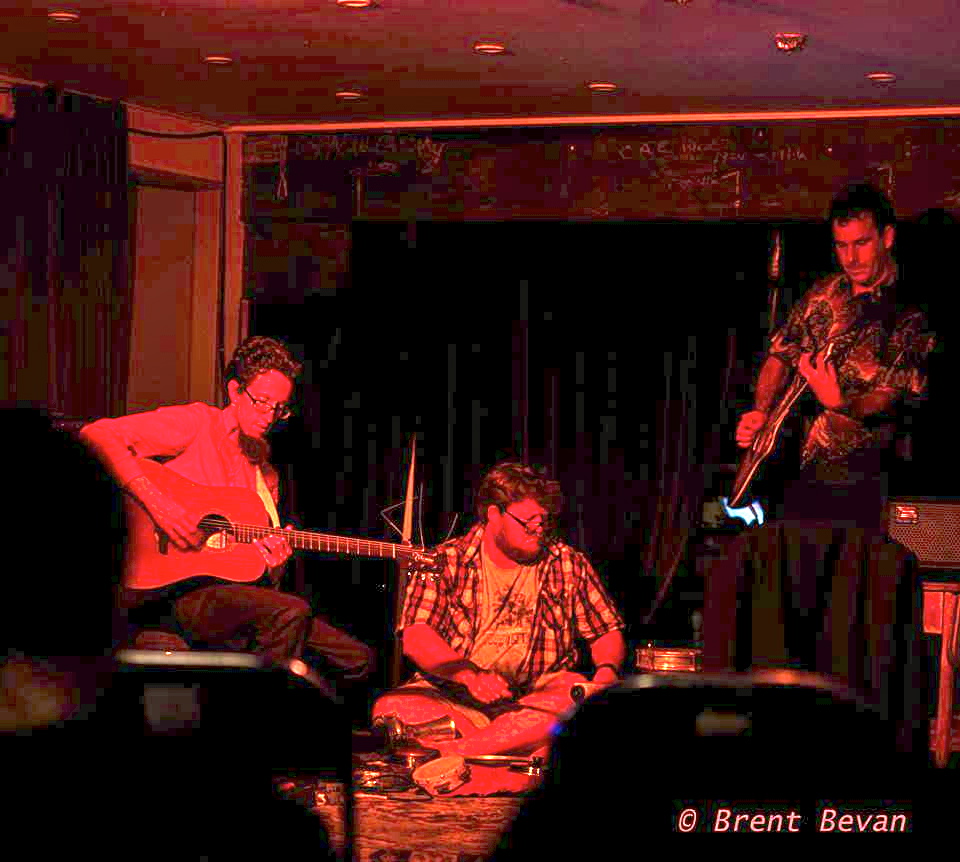
Ascension Band 2005

“With elements of punk, post-punk, jazz, classical, straight rock, opera and music hall, the Ascension Band are that rare thing: Something Wholly Other. They retain avant garde cred and still manage to rock harder than AC/DC.” – www.varsity.co.nz

Dave Edwards – electric guitar & electronics
Nigel Patterson – hammond organ & conductor
Will Rattray – electric guitar
Bell Murphy – bass
Warwick Donald – bass
Murray Stewart – keyboards
Damian ‘Frey’ Stewart – laptop
Ryan Prebble – tone generator
Sam Jenks – trumpet
Felicity Perry – vocal
Atushi Iseki – vocal
Matt Baxter – drums
Greta Welson – drums

This riff

Continue reading “Ascension Band 2005”

The Woods

www.thewoodsnz.com

The Woods EP is available free during May 2017 (NZ Music Month) only… grab a copy at www.thewoodsnz.com/musicmonth2017
If you’re a fan of World Music, Blues or Jazz, then ‘The Woods’ are a must have for your collection. With influences from John Lee Hooker to Pharaoh Sanders, from Africa to Peru, their music will take you some place else…

For a FREE DOWNLOAD of ‘Cuzco’ and ‘Epic Dance Phantasy’ CLICK HERE

“This is easily one of my favorite albums of the year.

Continue reading “The Woods”

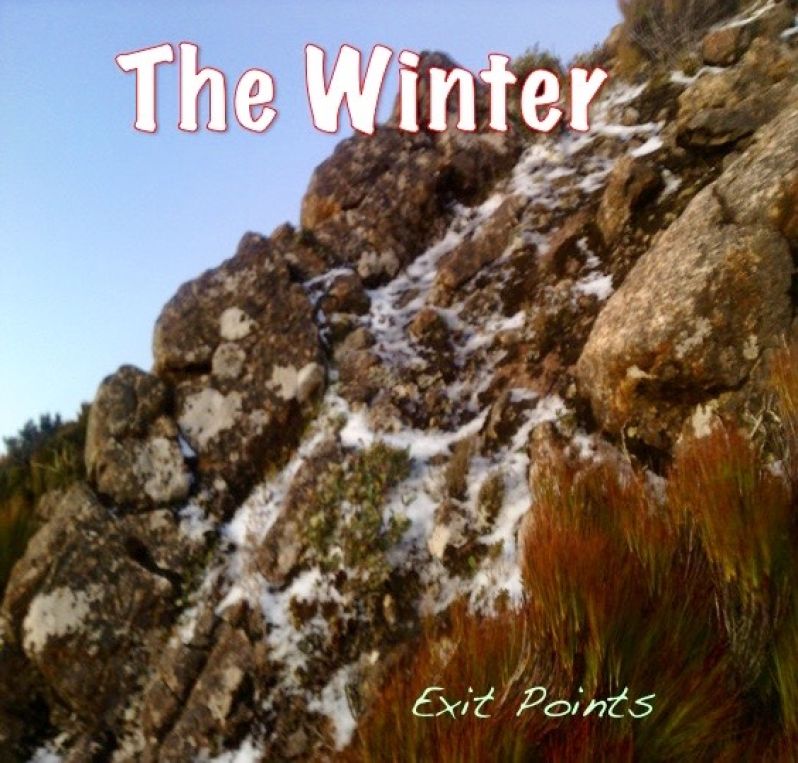
The Winter: Exit Points (2015)

Today is the last day of winter in the southern hemisphere – so to celebrate, here’s the fifth album from The Winter – a New Zealand free improvisation trio of Mike Kingston, Simon Sweetman and Dave Edwards… with a sound that swerves from acoustic folk/blues with hints of Asian, Celtic, and Balkan influences, to electroacoustic soundscapes, abstract dissonance, and pots & pans percussion.

Mike Kingston: guitar, bass, clarinet, electronics
Dave Edwards: guitar, bass, banjo, harmonica, ukulele, sanshin, electronics
Simon Sweetman: drums and percussion, electronics

Continue reading “The Winter: Exit Points (2015)”

First Time Around: East Asia (2008)

This is an ethnomusicological album of pieces made from sound recordings, during visits to six different countries in Asia during 2007-2008, The sounds are edited into sonic short stories.

Listen

Credits

  • Dave Black – field recordings, laptop, gayageum loops, clarinet, acoustic bass, guay, readings
  • Cylvi M – tangso, shakuhachi, golden egg, singing bowl, readings & rubbings
First time around [South Korea]

About

During, and immediately after, a year and a half living in

South Korea 대한민국,

(teaching English for a living, and to fund further travels – see First Time Around: South Korea),

we travelled to:

China 中国

  1. 挽歌为长江豚 (Elegy for the Yangtze River Dolphins) 01:22

8. 请介意你的脚步 (Please Mind Your Step) 01:33

Japan 日本

2. Cylvi M – シルビエム在佛的脚在京都 (at Buddha’s Foot, Kyoto) 02:16


Thailand ประเทศไทย

3.ระดับที่สามพระอารามหลวง (3rd Grade Royal Temple) 04:04
4.เชียงใหม่ร้านรัฐบาล (Chiang Mai government shop) 02:35
5.หมู่บ้านกะเหรี่ยง (The Karen Village) 04:10

Vietnam Việt Nam

6.Việt Nam chào buổi tối (Good Evening Vietnam) 02:25
7.núi và rất cây (Mountain and Very Tree) 04:43

Mongolia Монгол улс

9.Монголын хувьсгалт нам ((It’s a) Mongolian Revolutionary Party) 02:33
10.ханаду ямаа (Goats in Xanadu) 03:32

감사합니다 – ありがとうございました – 谢谢 – ขอขอบคุณคุณ – cảm ơn bạn – Баярлалаа!

Continue reading “First Time Around: East Asia (2008)”

The Winter: Flying Visit (2012)

Acoustic instrumental music by Wellington, New Zealand, improvising trio The Winter.

Mike Kingston: charango, guitar, clarinet

Dave Edwards: ukulele, sanshin, tenor sax, piano

Simon Sweetman: xylophone, percussion

Continue reading “The Winter: Flying Visit (2012)”

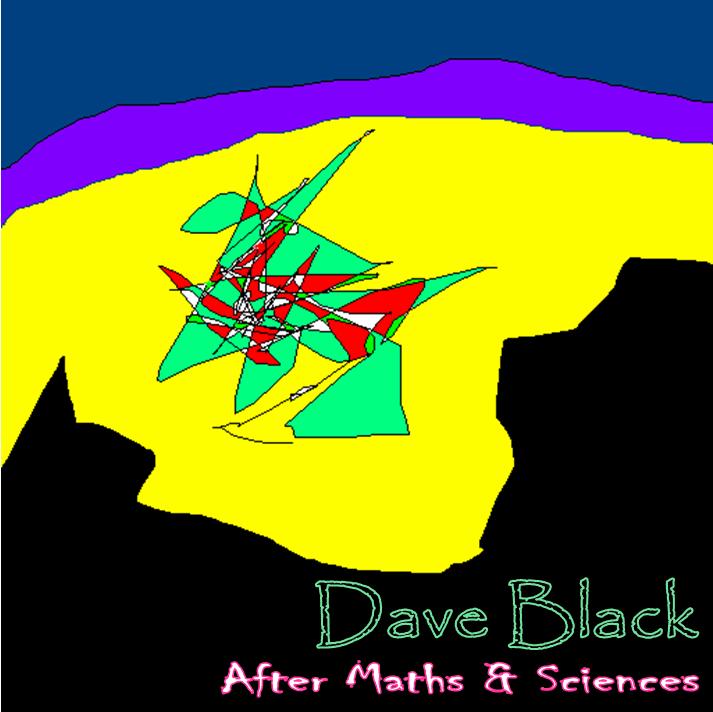
After Maths & Sciences (Australia, 2005)

An Australian novel for the ear, recorded in Melbourne VIC and Gosford NSW in 2005 – by kiwis.

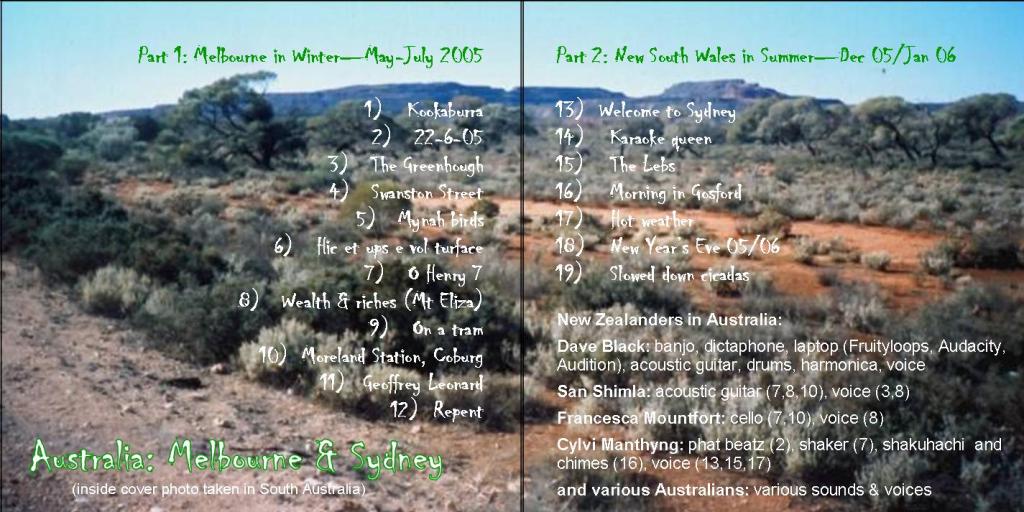
Part 1: Melbourne and Gippsland (VIC)

Music by Dave Black – banjo, dictaphone, laptop, acoustic guitar, harmonica, drums / Cylvi M – phat beatz, shaker, shakuhachi / Francesca Mountfort – cello / Mike Kingston – acoustic guitar / various Australians


2006 | Reviewed by Simon Sweetman

“After Maths & Sciences was recorded by Dave Black (some may know him as David A. Edwards, and if you don’t, then check his website, or the compilation of earlier recordings,Gleefully Unknown 1997-2005) in two parts: From May-July of 2005 in Melbourne, during the winter….

About

By 2005 I needed a change from Wellington, and bought a ticket to Melbourne – the first leg of my ‘big OE’.

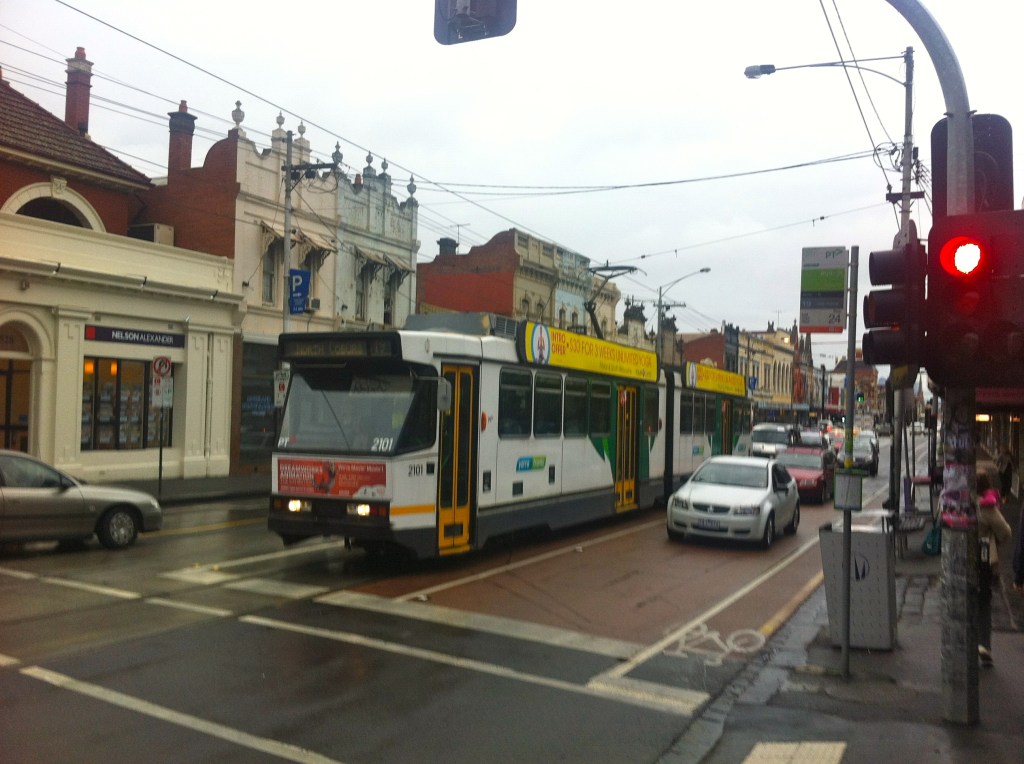
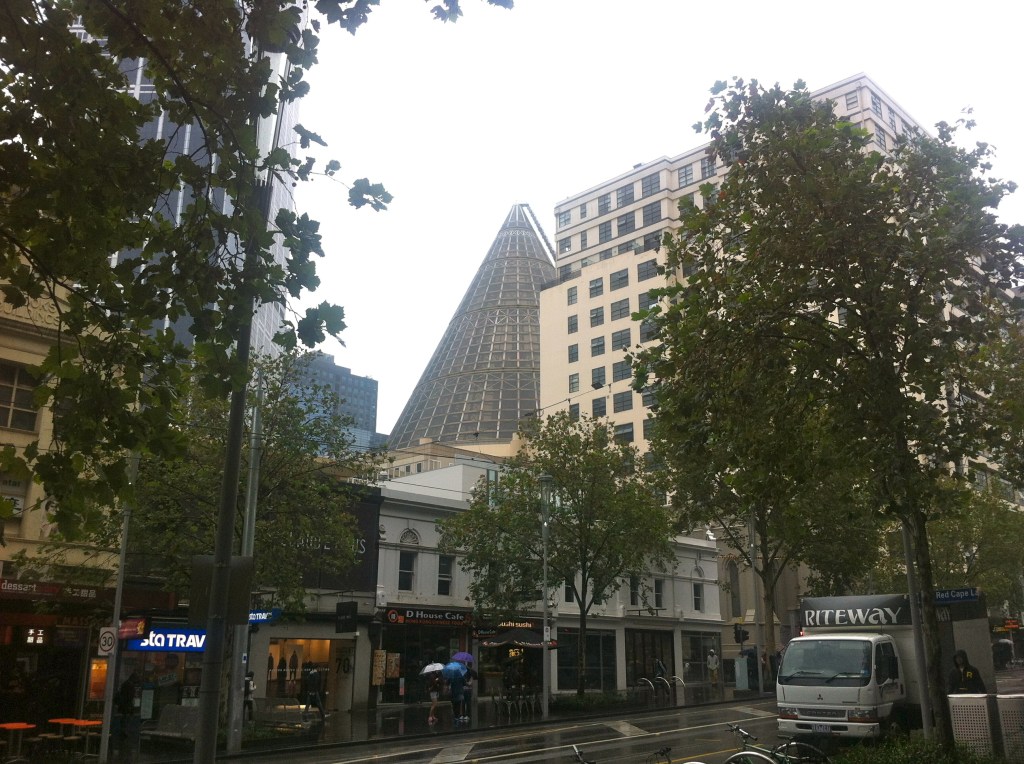
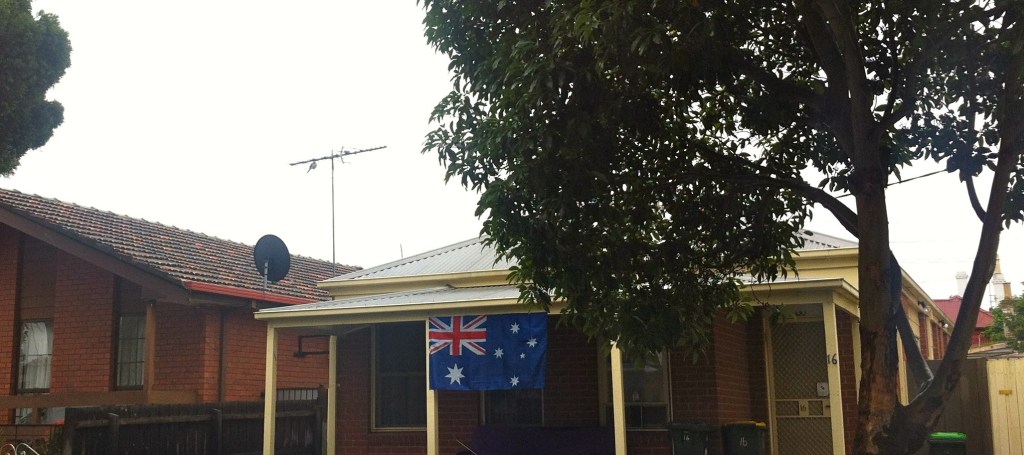
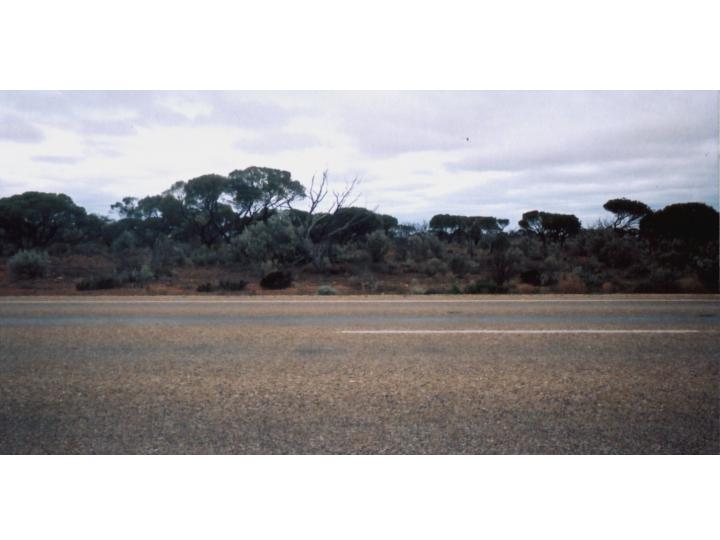
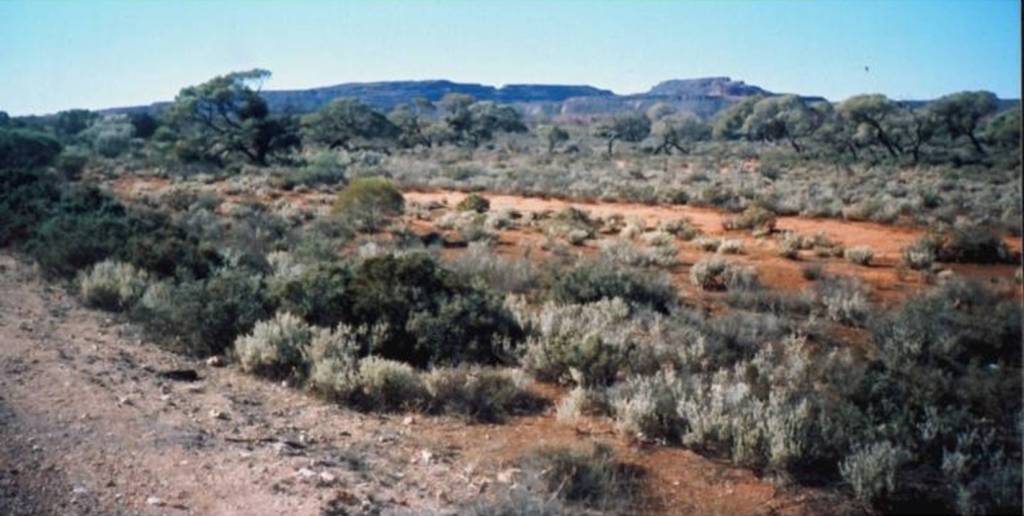
I lived in Melbourne (in Brunswick) for six months, and had my mind blown by the sheer size of Australia, and exposure to new ideas and sounds – eg Aussie hip-hop, Middle Eastern music, and the noisier local birdlife. I loved the wide open spaces and the eucalyptus scent.

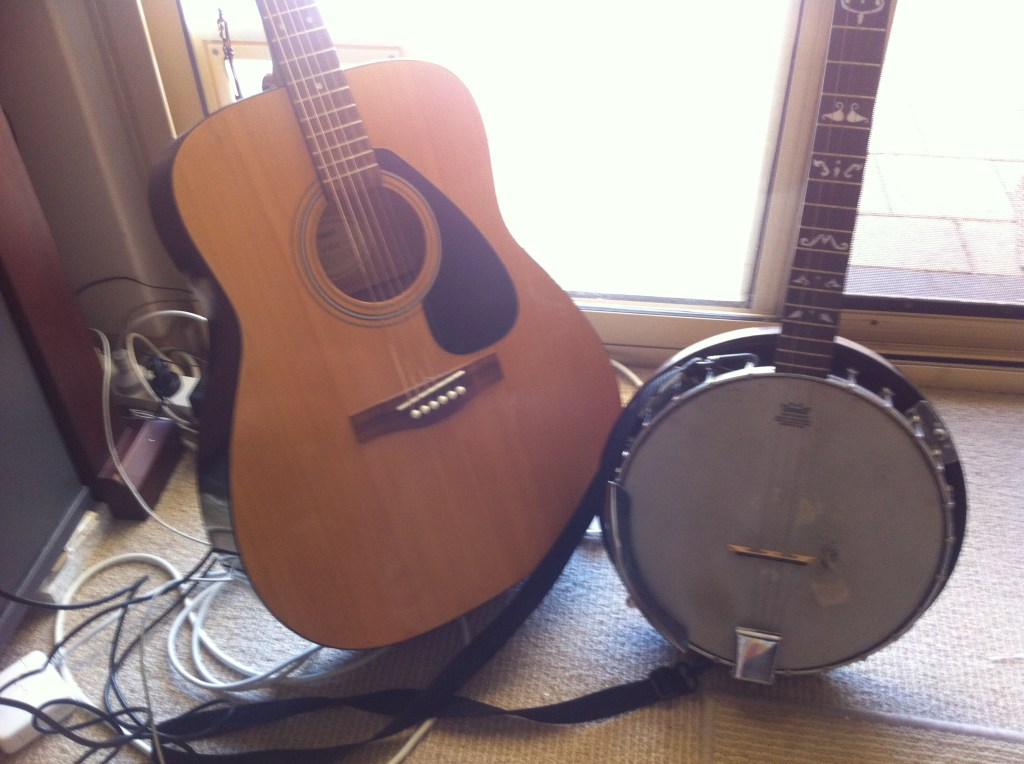
I didn’t have a guitar with me, so bought a banjo instead (which I still have). I also began to incorporate field recordings and laptop electronica. And rather than writing from within myself, I became more of an observer.

I released After Maths & Sciences (my last CDR for years, before the format became obsolete) under the name Dave Black (adopting my maternal grandfather’s surname), to signal this change of approach. The title suggests the ‘aftermath’ of my life in Wellington, and experimenting with a new approach.

For an overview of this new artistic era see the Fame & Oblivion: 2005-2012 compilation.

Tracklist

1.22-6-2005 04:23
2.The Greenhough 05:19
3.Melbourne Streets 02:10
4.hic et ups e vol turface 02:43
5.O Henry Ending 03:29
6.Wealth & Riches (Mt Eliza) 07:13
7.In Gippsland 03:26
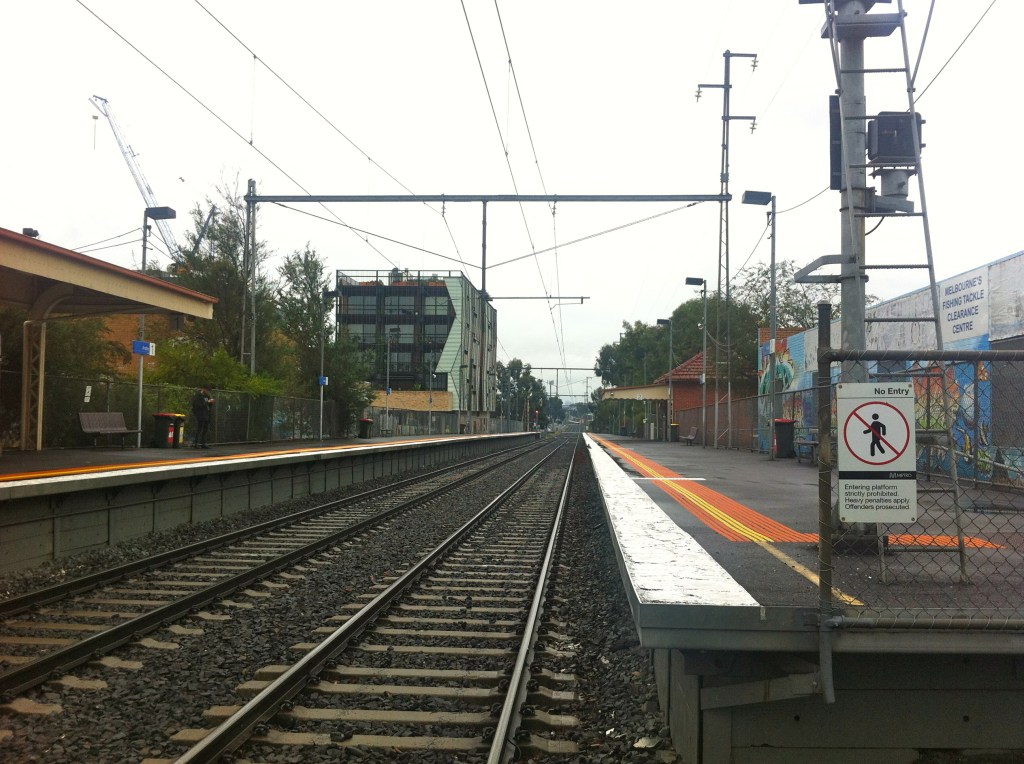
8.Moreland Station, Coburg 02:49
9.Repent 03:31

Part 2: Sydney and Gosford (NSW)

“…And then from December of last year to January of 2006 in New South Wales; summer.”

On a second visit to Australia for Christmas and New Year 2005/06 – this time to New South WalesCylvi M and I created more Australian soundscapes (including political themes, such as the Cronulla Riots and burgeoning awareness of climate change, as well as bird and insect sounds).

Tracklist

1.Welcome to Sydney 01:05
2.Hot Weather (a premonition) 03:19
3.Karaoke Queen 00:59
4.BBQ post-Cronulla riots 03:39
5.Cylvi M – Morning in Gosford 04:57
6.New Year’s Eve 2005/06 07:42
7.Hot Weather (@ Lines of Flight Festival 2006, Dunedin NZ) 03:45
8.Slowing Cicadas 02:23

Part 3: Brisbane and Rockhampton (QLD)

Later in 2006, on a third visit to Australia, and thanks to Lawrence English, I performed at Liquid Architecture Festival in Brisbane (unrecorded).

Returning to NZ, I then played a set at Lines of Flight in Dunedin – performing a live soundtrack to video footage I’d taken in Queensland. These Australian videos were some of my first uploads to www.youtube.com/@fiffdimension – now one of the platform’s longest-running channels!

Review by Simon Sweetman

“The album is a travel-document; a response to relocation, a series of sound-sketches and sonic-manipulations designed to confront (and possibly unhinge) the listener; a reflection of several journeys – an aural diary of events from time spent in Australia, evoking the mood of the place (geographically) and the mood of the time (politically).San Shimla’s occasional guitar, Francesca Mountfort’s cello and Cylvi Manthyng’s percussion and shakuhachi (a Japanese woodwind) support Dave Black.

“As Dave Edwards he has explored fuzzy-punk, free-jazz, spoken word, alternative-folk and demented pop, primarily using guitar, harmonica and voice; sometimes with a band or a backing cast at least – often as a solo artist(e). Here, as Dave Black, the palette is broadened: banjo, drums and the use of a laptop computer (triggering sounds via Fruityloops, Audacity and Audition programs) add extra textures. During 2005 Edwards studied journalism, his use of dictaphone and laptop on this recording see him reaching outside of music for influences to use in new contexts.

“The collages that form the pieces on After Maths & Sciences are modern-day field recordings, contemporary anxieties are explored (a typically frank Australian is overheard at a train station lamenting public transport in the wake of the London bombings). The juxtaposition of banjo (an instrument prominent in the work of Doc Boggs, Earl Scruggs and many of the earliest artists featured on the iconic U.S. Library Of Congress field recordings made by Alan Lomax and Harry Smith) helps to recontextualise the snapshots of modern-day Australia. And the name that Edwards has chosen, Dave Black, as well as having relevance within his family history, becomes a nice reference to the passing of The Man In Black (Johnny Cash) and various (possibly mythic) country-playing banjo pickers. For this is “country” music, though perhaps not as we know it. Birdsong, despite computer filtering, sits pure alongside the country’s archaic (near-redneck) political views. Abrasive bursts of white-noise are channelled via a throbbing electro pulse (Kraftwerk goes on safari sabbatical?).

“There are New Zealand artists working in this medium (Montano, Seht, Audible 3) combining concrete poetry, field recordings, found-sounds and electro-acoustic manipulations to sit as aural wallpaper, but Dave Black’s debut release (and a re-birth, if you like, for David Edwards) is an actual document – as much a post-modern piece of Performance Journalism as it is a static batch of “songs” or tracks, After Maths & Sciences is a pleasing challenge of an album.  It lives up to the cliché of presenting something new with each listen,”- Simon Sweetman

Sequel: Perth, Kalgoorlie and Kalbarri (WA)

From 2012-2014 I moved to Australia a second time, and spent 2 1/2 years living in Perth, in Western Australia. Recordings from that period became the album in a Wildflower State.

Live 2022-24

I’ve also revisited ‘the lucky country’ a couple of other times since. In 2024 I played a gig in Sydney, alongside Sydneysiders Nick Dan, Anthony Guerra and Monica Brooks. The recordings are included on Live 2022-24.

The Winter: 2011

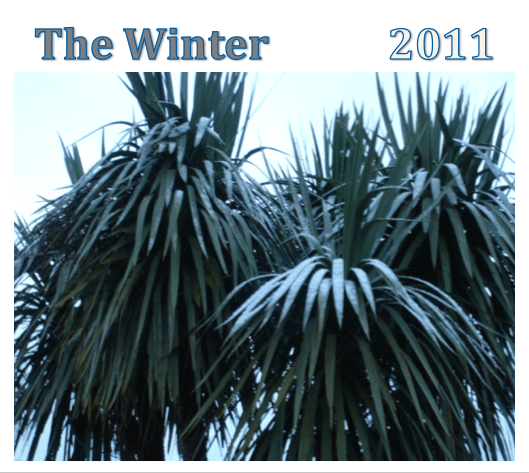
2011 – year of the Christchurch earthquakes, the Arab Spring, the Fukushima disaster, the shootings in Norway,the Queensland floods… and the Wellington (New Zealand) winter was colder than usual.
Acoustic improvisations on guitar, ukulele, banjo, clarinet, piano, harmonica and percussion by The Winter (Simon, Dave and Mike).
Liner notes by Dave

Liner notes

Continue reading “The Winter: 2011”

The Winter: Swansong (for the Huia) (2004)

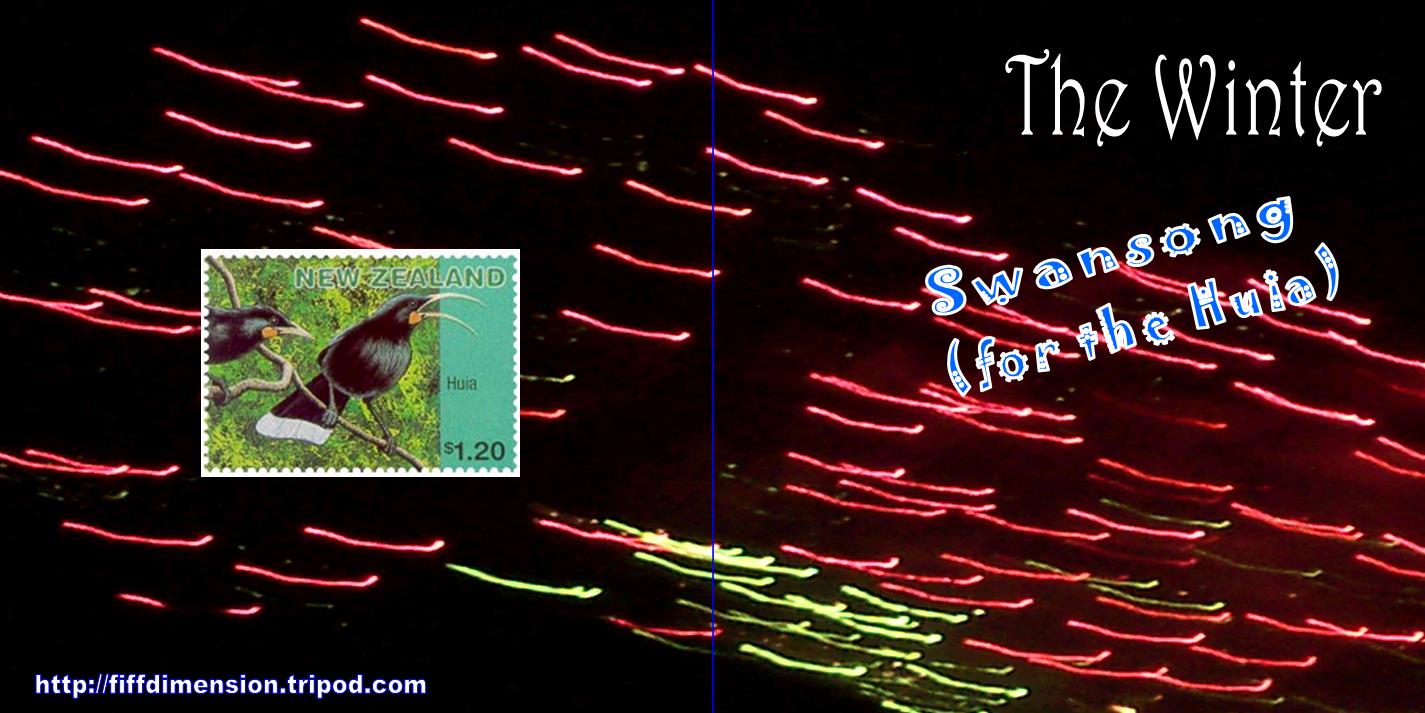
The Winters 2004 sequel to Parataxes was a tribute to extinct New Zealand bird the Huia.

After this Mike and Dave moved to Australia, and the band next played in 2009.

swansong cover

Further listening

Excerpts from the album appear on the band’s Shortest Days: 2003-2015 compilation:

You can download the rest of our back catalogue for free

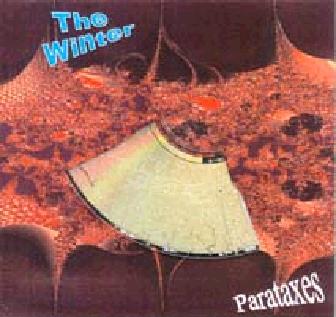
The Winter: Parataxes (2003)

The debut album by The Winter: instrumental improvisations from Wellington, New Zealand, 2003.  The band emerged fully formed on winter solstice day in June.

Builds from acoustic intimacy around the winter fireplace to the electric blizzard climax of ‘Parataxes 9‘.

“Derek Bailey on acid!” – Anthony Donaldson, Primitive Art Group

Photos by James Gilberd, from The Winter’s first gig at Photospace Gallery, Wellington NZ, August 2003.

Mike Kingston – cello, electronic composition (1,4,7), electric guitar (2), acoustic guitar and slide whistle (8)

Dave Edwards – acoustic and electric guitars, harmonica

Simon Sweetman – drums and percussion

The Winter are a Wellington based improvising trio, and Parataxes is their 1st release. It documents both acoustic and electric live sets that drift from eastern sounding cello led pieces to fairly extreme feed-backy noise. A key member of the group is Wellington’s master of pseudo-autistic intensity, Dave Edwards, whose guitar and harmonica work definitely moves the whole into a fairly edgy sphere. Over such a duration this can make pretty harrowing listening, but sometimes such immersions are worth it.” – Antony Milton, Pseudoarcana

“A strange sonic brew that includes dissonant rock textures, rough outsider folk-blues mysteries, electric and acoustic improvisations and a considerable part of tasty feedback. Imagine equal parts Derek Bailey, New Zealand’s Pumice and classic ’60s blues/folk and you’re in the right ballpark.” – The Broken Face

“I can be pretty naive sometimes, and I often forget that it actually
gets cold in New Zealand. For many of us Americans, we think of New
Zealand as being somewhat tropical. It’s an island after all, and we
are brought up believing that islands are exotic places that exist in
the middle of the warm oceans. This is obviously a mistake. Although I
still forget that the seasons are opposite in the Southern hemisphere,
the existence of dreary weather in New Zealand is cemented in my mind.
A great deal of experimental music from New Zealand has a distinctly
desolate, overcast feeling to it.

“Appropriately named, The Winter hail from Wellington, New Zealand.
Most of you probably associate Wellington with the brilliant Pseudo
Arcana label, and keeping that sound in mind, The Winter offer up over
an hour of freeform aural explorations. These loose improvisations
range from processed field recordings to gritty blues dirges to
no-wave skronk. This trio consists of Simon Sweetman on drums and
percussion, San Shimla on cello, and Dave Edwards, whose great solo
albums have been circulating for years, on guitar and harmonica. All
three artists have a firm grasp of their respective instruments and
employ their talents well throughout “Parataxes.”

“One thing I enjoy most about this record is Edward’s playing. On the
second track, the highlight is when he gets into a real groove with
his guitar and harmonica. The two complement each other perfectly, and
it has this 1960s folk feel to it that somehow doesn’t seem out of
place. As Sweetman joins in using various metallic percussive
instruments, the two start playing off each other. Their interaction
is impressive, and adds a vague sense of structure to this otherwise
scattered piece. I love when long improv sessions flow like a wave. At
times, they’re completely disjointed, but during rare moments
everything seems to come together. These last few minutes of the
second piece on “Parataxes” is one of those. It’s excellent.

“Most of “Parataxes” is similar to the second track. Throughout long,
meandering jams, the trio searches through musty fog, searching out
common ground. As if in queue, they find each other, transfixed in the
middle somewhere. During the times when it all comes together, this is
as choice as any freeform improvisations I’ve heard in months.
However, these tracks wouldn’t this good if it weren’t for the journey
toward a collective state of mind. It might be all about the end
result, but the means of getting there is just as important…. The
Winter leave their mark. They soundtrack the devolution of autumn into
the coldest, cruelest of months. Using sparse sounds and sometimes
harsh instrumentation, “Parataxes” is all about finding the moment and
maintaining it for as long as possible. Recommended.”

– Brad E. Rose, Foxy Digitalis

Further listening

Excerpts from the album appear on the band’s Shortest Days: 2003-2015 compilation:

You can download the rest of our back catalogue for free