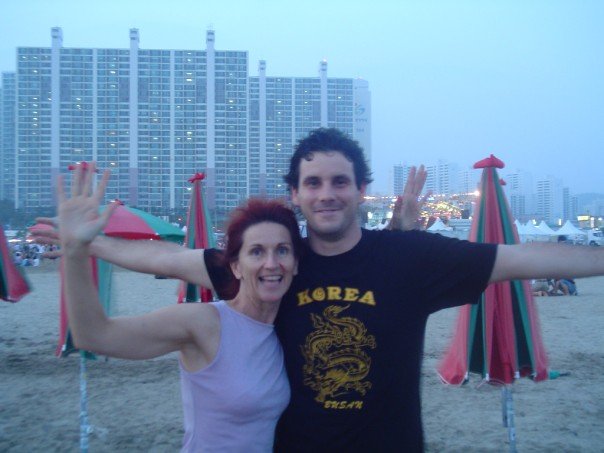
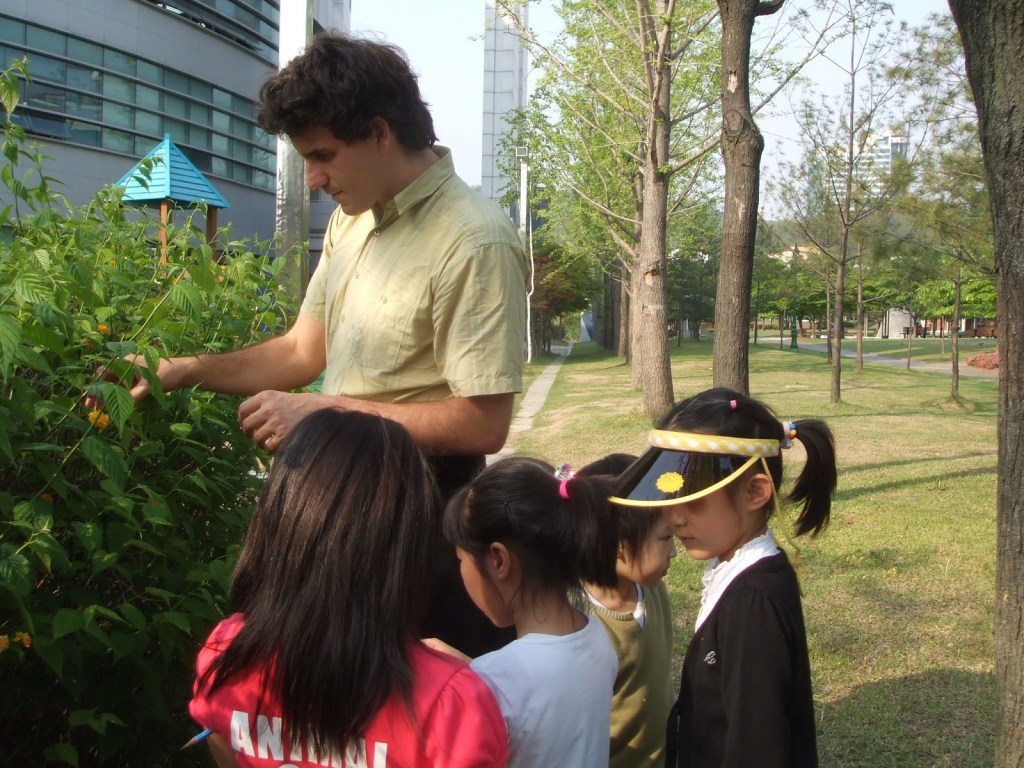
Dave and Cylvi at Dadaepo beach, Busan, South Korea
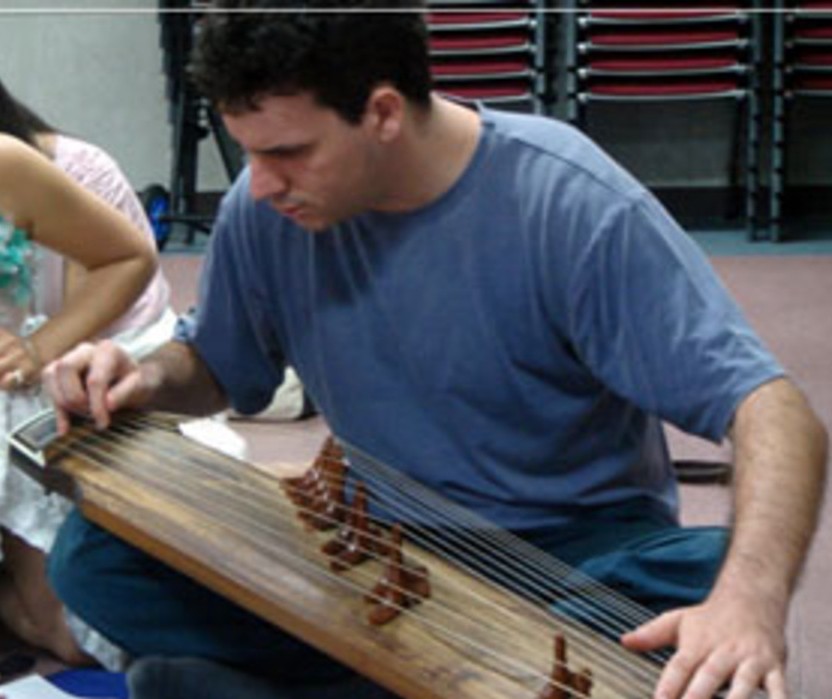
Korean gayageum, 2007
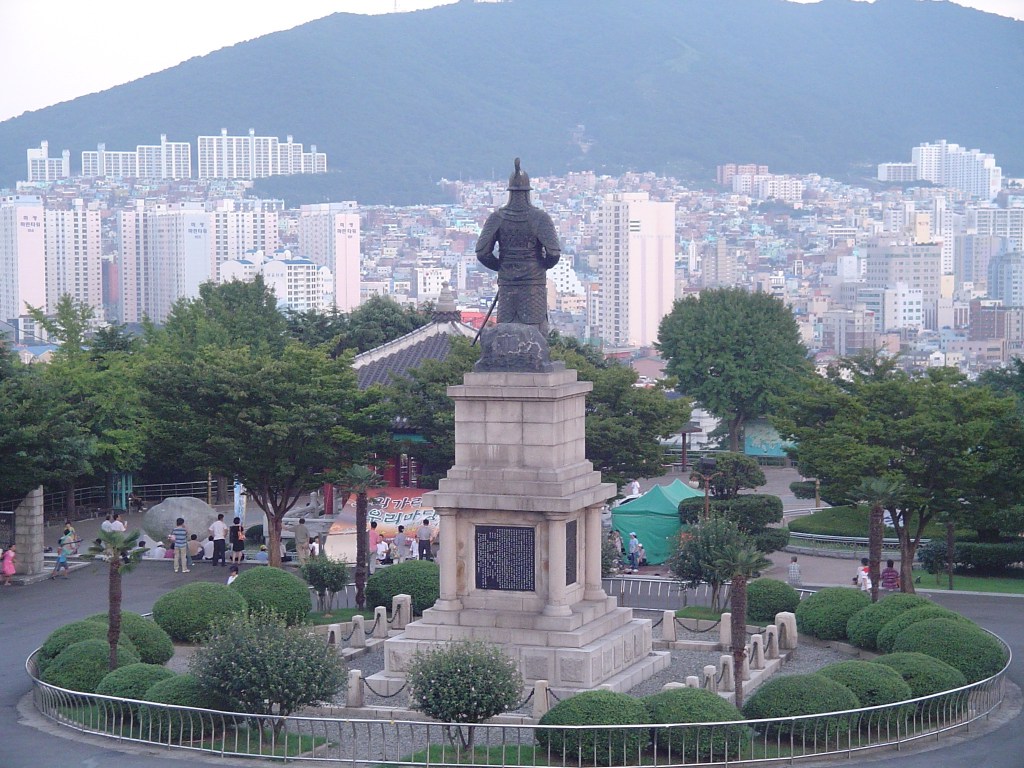
Busan, South Korea
Busan, South Korea
Geumjeong, Busan, South Korea
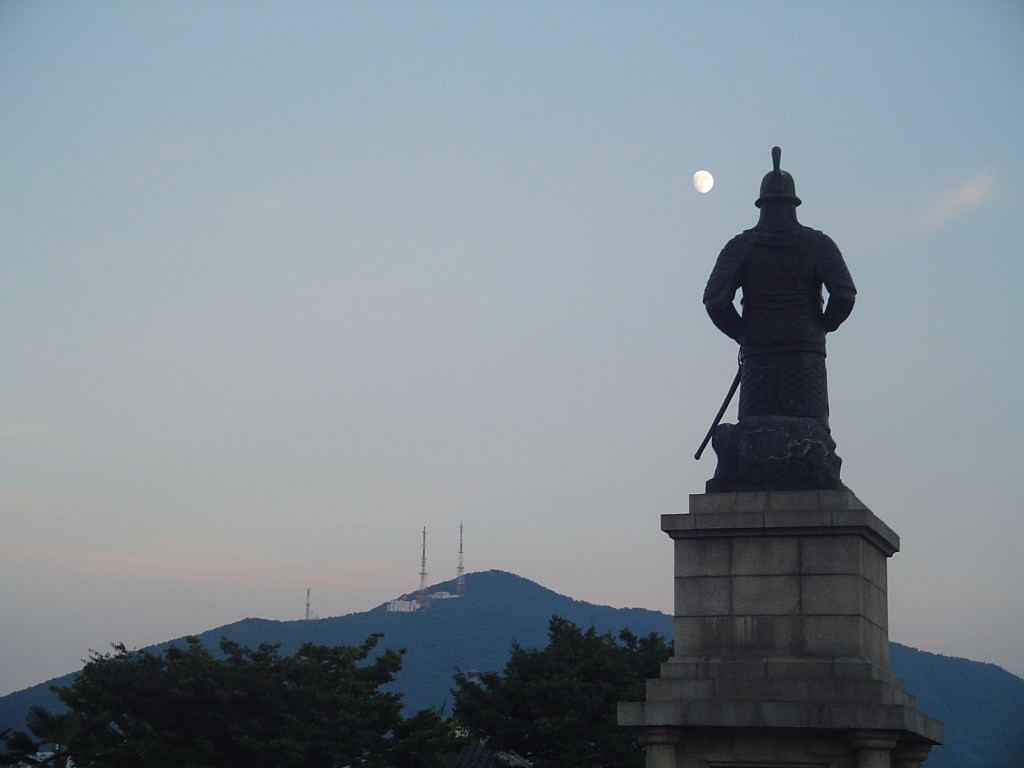
Busan, South Korea
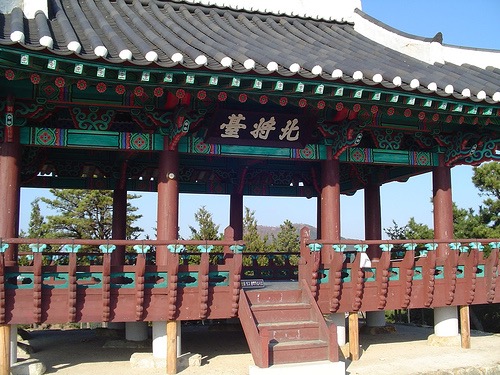
Suwon, South Korea
The pieces here are made from remixed field recordings of traditional Korean musicians, and instruments such as the gayageum, taepyongso, buddhist chants and samulnori drumming, plus our live version of the folk song ‘Arirang’.
“It’s lo-fi, organic and about as eclectic as one could manage. Kind of reminds me of Nick Cave if he had grown up in Timaru. No pretentious American accents or catch phrase choruses, just a bunch of people making music. A little beauty!” – NZ Musician, August/September 2002
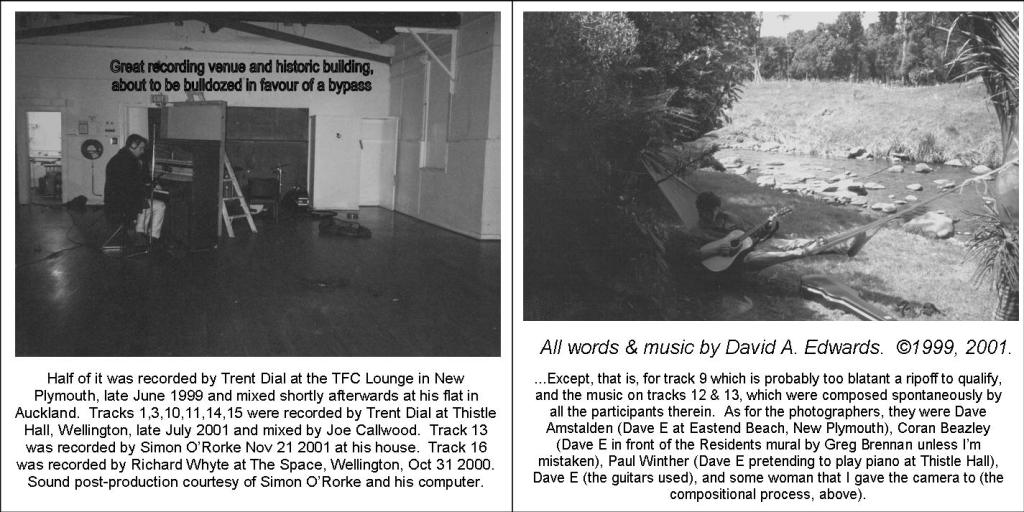
The Marion Flow was originally a longer album which spanned recordings from New Plymouth in 1999 and Wellington in 2001.
In 1999, aged 20, I’d left New Plymouth, a large rural town, where I grew up, and moved to Wellington, New Zealand’s capital city, where I’d been born and where my early pakeha settler ancestors had lived in the 19th century. The Marion Flow reflects this journey, geographically, sonically and spiritually.
By the time the opportunity arose to finish recording the Marion Flow I’d been thoroughly immersed in the Wellington free jazz and avant-garde music scene, and was very fortunate to have help from some of the top players there. I’d never studied music at school or been in a conventional band, and was out of my depth technically… so working around my limitations became a spark to creativity.
I’ve now reissued the two halves of the album separately – to emphasise the sense of time and place, and stylistic evolution, and to re-present them more concisely for the short-attention-span 21st century.
“Edwards’ music is often a sculpture rather than a melodic composition. Within this chosen form, amongst all the writings rantings & poetry there’s much difficult pleasure to be had for the musically adventurous.” – Brent Cardy, Real Groove, July 2002
Tracklist
1.
Seafriends 03:07 Dave Edwards – acoustic guitar, vocal Paul Winstanley – fretless bass Chris Palmer – electric guitars Chris O’Connor – drums
2.
A Wedding 03:48 Dave Edwards – electric guitar, piano innards, canvas sheet, vocal
3.
A Visit to the Beehive 00:45 Dave Edwards – acoustic guitar, vocal Simon O’Rorke – drums
4.
Monkeys with Typewriters 03:30 Dave Edwards – electric guitar Chris Palmer – electric guitar Simon O’Rorke – percussion
Seafriends (instrumental mix) 04:05 Dave Edwards – acoustic guitar Paul Winstanley – fretless bass Chris Palmer – electric guitars Chris O’Connor – drums
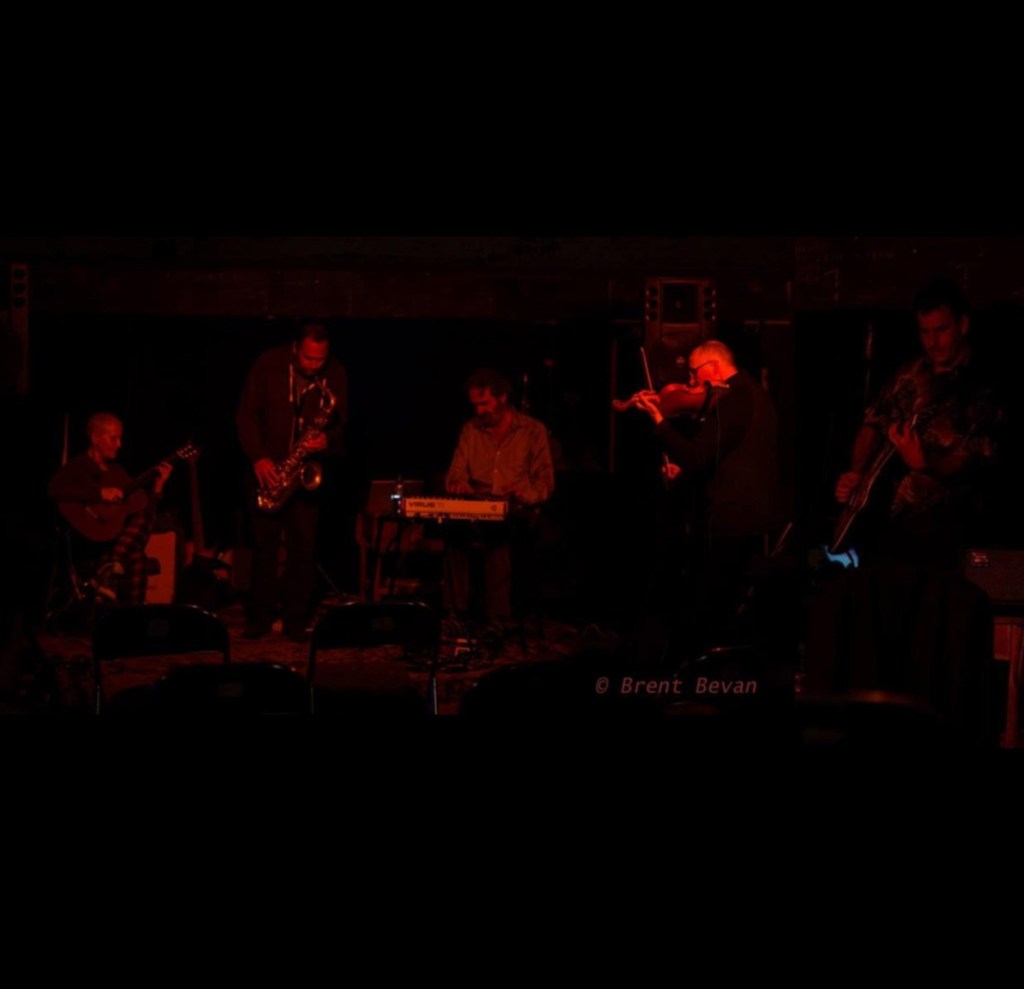
A few years ago I wrote a chapter of Jazz Aotearoa, a book about New Zealand jazz music history, discussing the free improvisation and avant-garde jazz scene in Wellington at the turn of the millennium.
in the non-idiomatic idiom in Norway is a collection of improvised instrumental music with some of the musicians in that scene, from the point of view of my own attempts as an untrained outsider to fit in with these advanced jazz players.
The title is a reference to Simon’s house on Norway Street, where the recordings took place. The ‘non idiomatic idiom’ suggests the paradox that improvising non-idiomatically (eg in an original personal style without reference to any genre – playing neither jazz, nor rock, blues, reggae, classical etc) is an idiom in itself.
Confluence Quintet: (l-r) Julie Bevan, Michael Hall, Simon O’Rorke, Chris Prosser, Dave Edwards
“It’s lo-fi, organic and about as eclectic as one could manage. Kind of reminds me of Nick Cave if he had grown up in Timaru. No pretentious American accents or catch phrase choruses, just a bunch of people making music. A little beauty!” – NZ Musician, August/September 2002
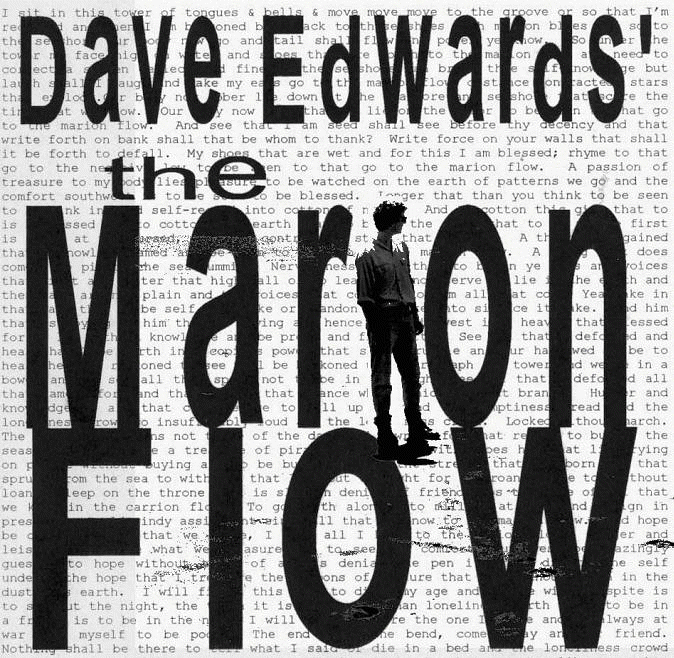
As the sophomore fiffdimension release (following 1998’s Scratched Surface), The Marion Flow began to mix more experimental elements alongside the songwriting. It shows an evolution in ambition and production values, and a more complex & impressionistic lyrical style.
“I sit in this tower of tongues & bells, & move to the groove
Or so that I’m reckoned, & then I am beckoned
Back to these shoes, nigh marion blues
And so to the seashore our body now go, & tale shall flow & power ye know…” – The Marion Flow
In 1999, aged 20, I left New Plymouth, a large rural town, where I grew up, and moved to Wellington, New Zealand’s capital city, where I was born. The Marion Flow reflects this journey, geographically, sonically and spiritually.
The Marion Flow was originally a longer album spanning recordings from New Plymouth in 1999 and Wellington in 2001. I’ve now reissued the two halves separately – to emphasise the sense of time and place, and stylistic evolution, and to re-present each more concisely (for the short-attention-span 21st century).
“Edwards’ music is often a sculpture rather than a melodic composition. Within this chosen form, amongst all the writings rantings & poetry there’s much difficult pleasure to be had for the musically adventurous.” – Brent Cardy, Real Groove, July 2002
An acoustic solo set, live at Wairarapa TV in Masterton, New Zealand
– which took place live on the internet. This was simulcast on Freeview CH41, ArrowFM 89.7FM and YouTube. The set was part of the Property Law Service May Music Marathon – 12 straight hours of live Music to Television screens during NZ Music Month on May the 4th 2019.
On the other hand, musically this was closer to a traditional folk/singer-songwriter set than I’d done for quite a while, eschewing dissonant improv, multitracking, live backing musicians or electronic trickery.
I kept my half hour minimal and acoustic (the discord and electric noise I’m saving for another time soon) and updated my past – with
On this occasion I was privileged to be the opening act for Chris Knox. So this album is (obviously) dedicated to him. Chris influenced generations of artists in NZ and abroad; his place in the pantheon is secure.
Background
I was 20 years old, and had moved back to Wellington (my birthplace, though not my hometown). I had with me a cheap imitation Stratocaster; some notebook scribblings; a harmonica in my pocket; and an album and a half recorded.
We’re happy to announce the release of the Electricka Zoo‘s first (self-titled) album.
the Electricka Zoo, 2017
the Electricka Zoo, 2017
The Electricka Zoo, 2017
the Electricka Zoo, 2017
The Electricka Zoo, 2017
Tapioca Dragon / The Electrica Zoo / 1/3 Octave Band poster
The Digitator’s gear
The duo of Dave Black & the Digitator, The Electricka Zoo combine influences from EDM and post-punk avant-garde rock to jazz, reggae, Balkan and Portuguese music. Their self-titled debut album features 8 original tunes by the bass/guitar and electronica duo wrapped in colourful mandala artwork by Lucie Hannon.
“With elements of punk, post-punk, jazz, classical, straight rock, opera and music hall, the Ascension Band are that rare thing: Something Wholly Other. They retain avant garde cred and still manage to rock harder than AC/DC.” – www.varsity.co.nz
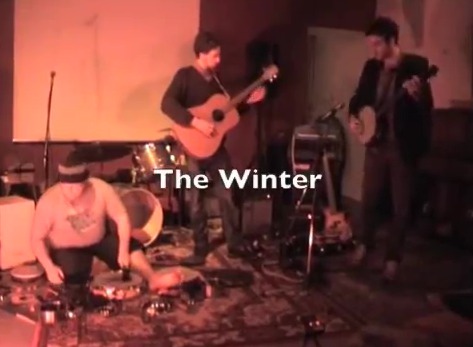
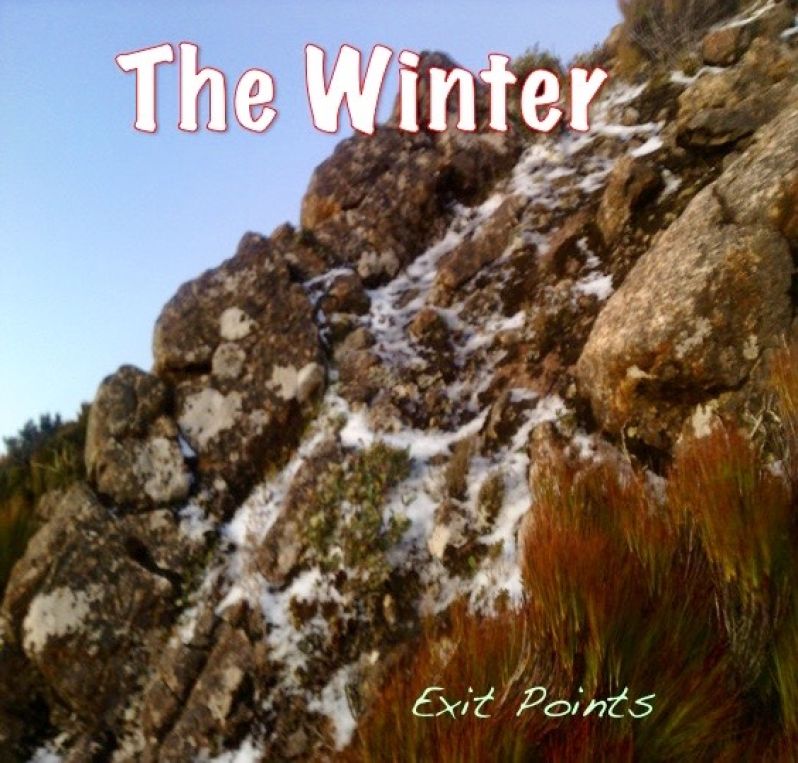
Today is the last day of winter in the southern hemisphere – so to celebrate, here’s the fifth album from The Winter – a New Zealand free improvisation trio of Mike Kingston, Simon Sweetman and Dave Edwards… with a sound that swerves from acoustic folk/blues with hints of Asian, Celtic, and Balkan influences, to electroacoustic soundscapes, abstract dissonance, and pots & pans percussion.
Mike Kingston: guitar, bass, clarinet, electronics Dave Edwards: guitar, bass, banjo, harmonica, ukulele, sanshin, electronics Simon Sweetman: drums and percussion, electronics







 fiffdimension