HERE’S a health to my cronies where’er they reside, Whether this side or that o’ yon big rowin’ tide ; I care na what country or kingdom they claim, Be they English or Irish to me it’s the same, Gif their hearts to a glass o’ gude whisky incline, I instantly class them as “Cronies o’ mine.”
Awa wi’ yon nabob purse-proud o’ his gear, Neither he nor his wealth hae charms for us here; Awa wi’ yon fop wi’ his clear headed cane, A bit trip through the warld, it’s use may explain; But welcome my cronies wherever ye be, To join in this gude reekin’ bumper wi’ me.
A fig for the wealth that this warld can gie, We naething brought here, sae we’ve naething to lea; The farmer wi’ ousen an’ acres galore, Has his crosses just now, an’ may sune count on more; Then come here, my cronies, let’s kick awa care, As lang’s we’ve a groat or a shilling to spare.
John Collie emigrated to New Zealand in 1858. This poem seems to anticipate his leaving Scotland forever, to start a new life in a new country on the opposite side of the world.
1861 revisited – my pākeha (European) ancestors, John ‘Totara Jack’ and Mary Edwards, arrived in the South Island of New Zealand on board the Olympusand settled in Nelson1.
and recorded the sound of tui and makomako (native birds) in Nelson Lakes National Park.
The early settler stories marked the start of an interest in genealogy, and prompted the music video for The Ballad of William Knife3 (loosely based on ‘Totara Jack’).
In contrast to the ‘traditional’ South Island NZ ‘Flying Nun‘ or The Dead C inspired sounds, South Island Sessions blended acoustic instruments with field recordings and electronic glitches. I played acoustic guitar, banjo and saxophone, and delegated the electric guitar role to two local players. We named this new genre “Steampunk Folktronica“4.
Credits
Dave Black – acoustic guitar (2,6), banjo (3,4,6), drums (4), harmonica (2), laptop, field recordings, tenor saxophone (6,7), and vocals
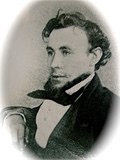 It’s a poem by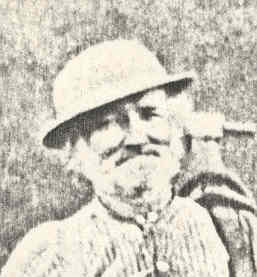
 fiffdimension