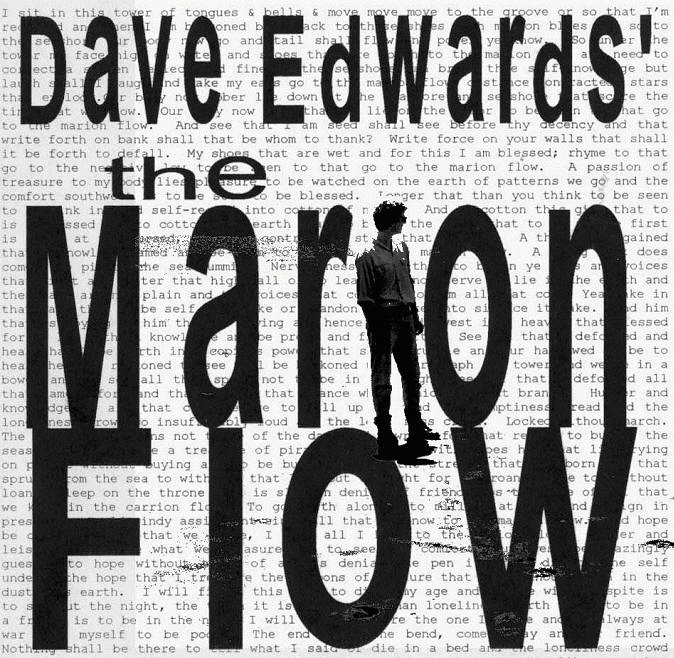
The Marion Flow (part 2, Wellington 2001)

It’s lo-fi, organic and about as eclectic as one could manage. Kind of reminds me of Nick Cave if he had grown up in Timaru. No pretentious American accents or catch phrase choruses, just a bunch of people making music. A little beauty!” – NZ Musician, August/September 2002

Listen

Credits

Written by Dave Edwards, and produced by Paul Winstanley,

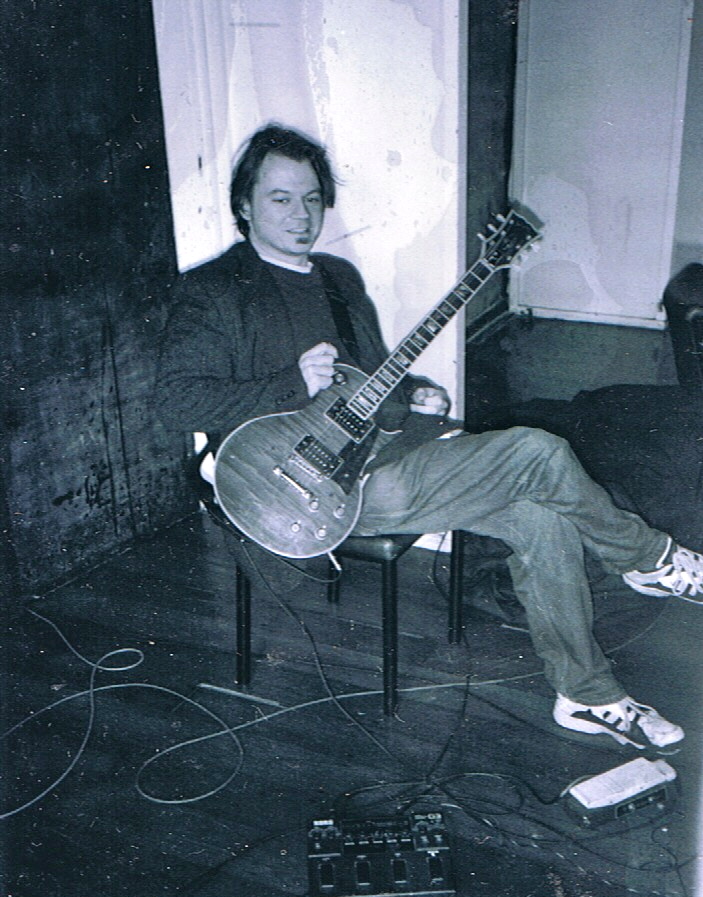
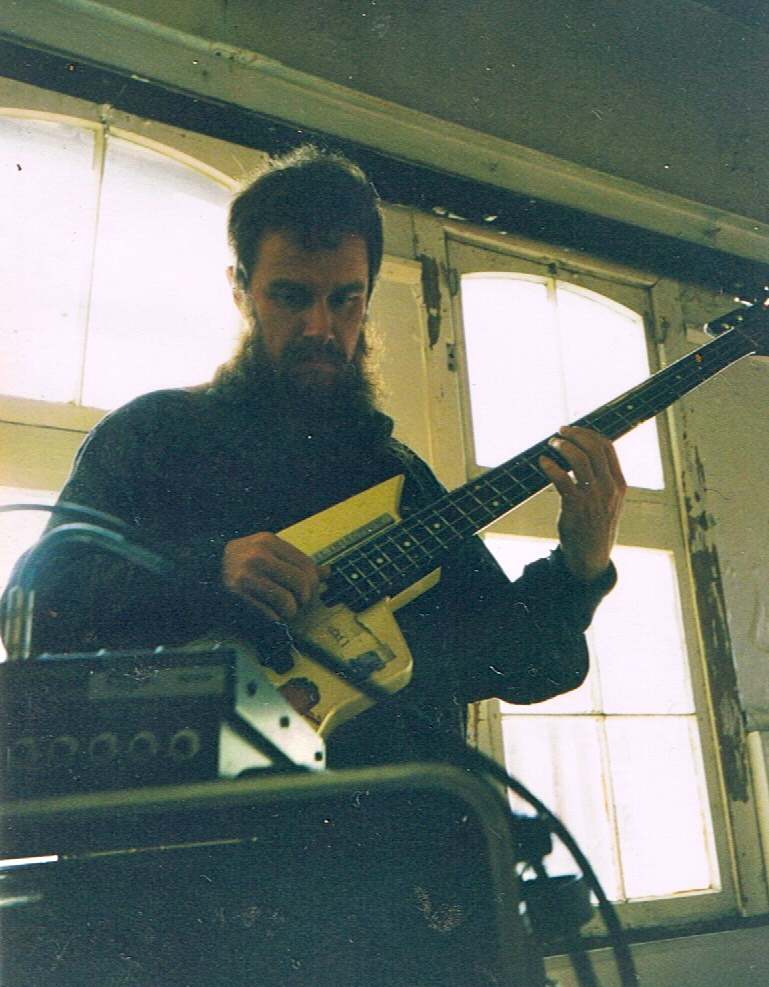
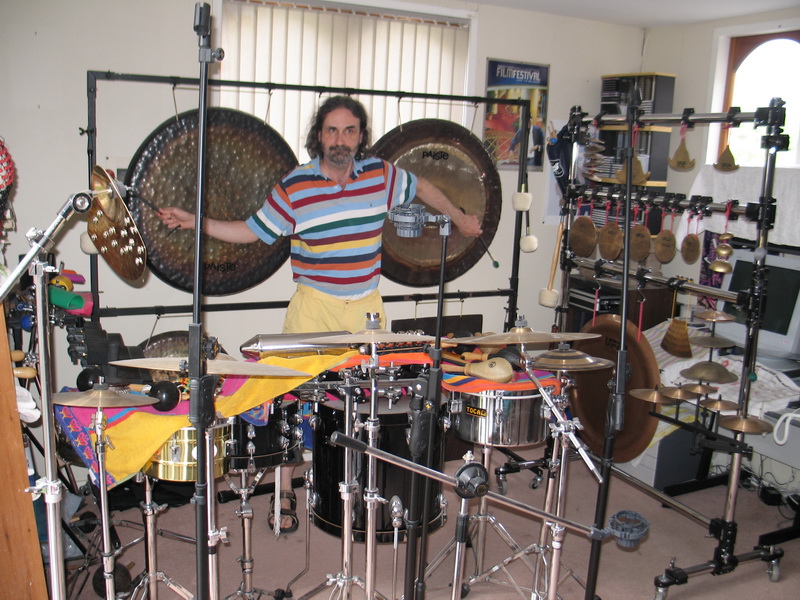
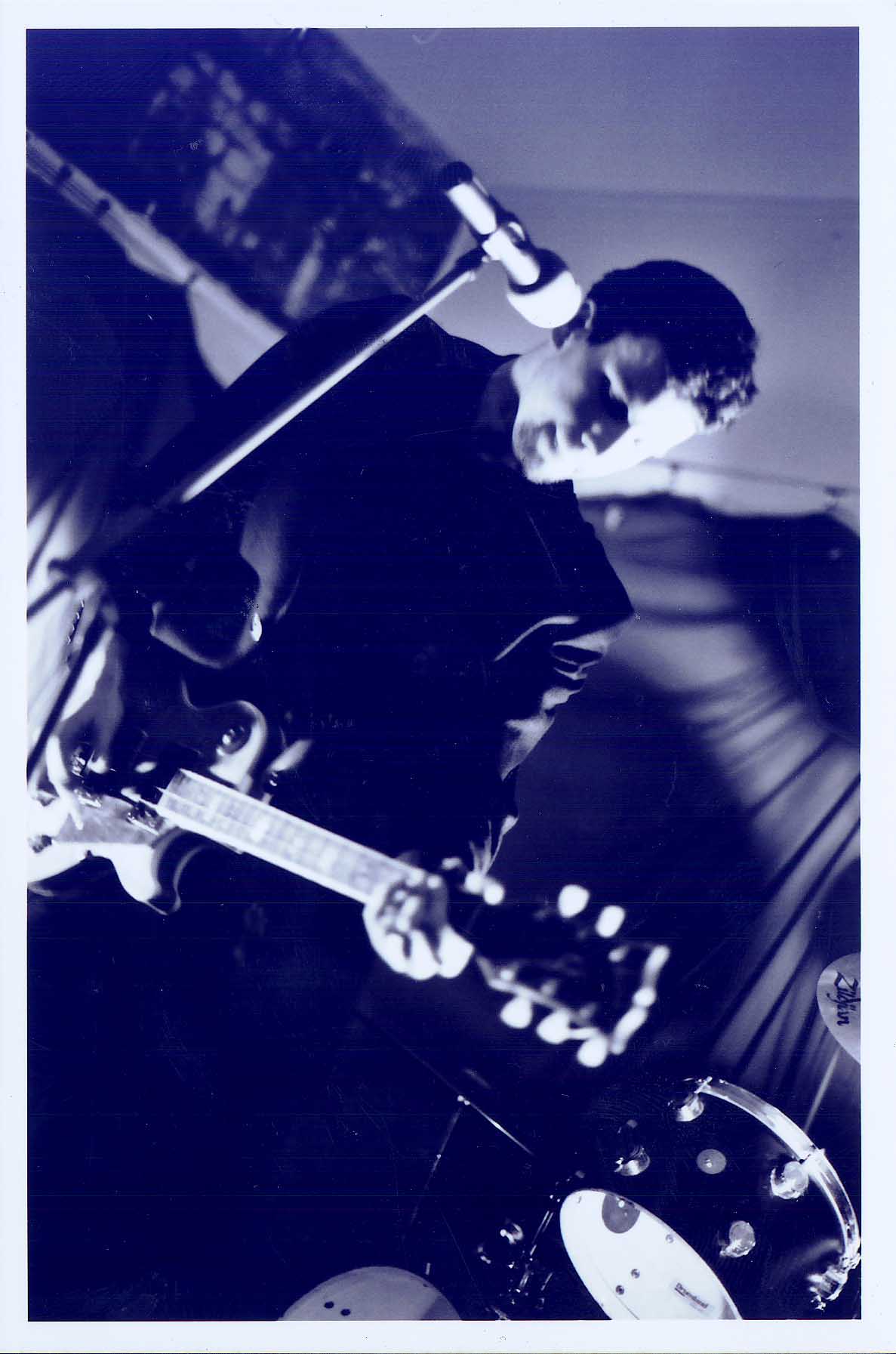
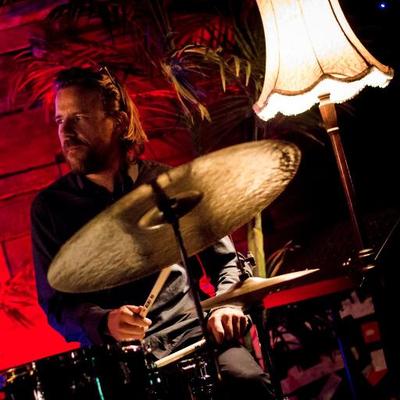
Featuring Chris O’Connor (drums), Chris Palmer (electric guitars), Simon O’Rorke (percussion), Dean Brown (drums).

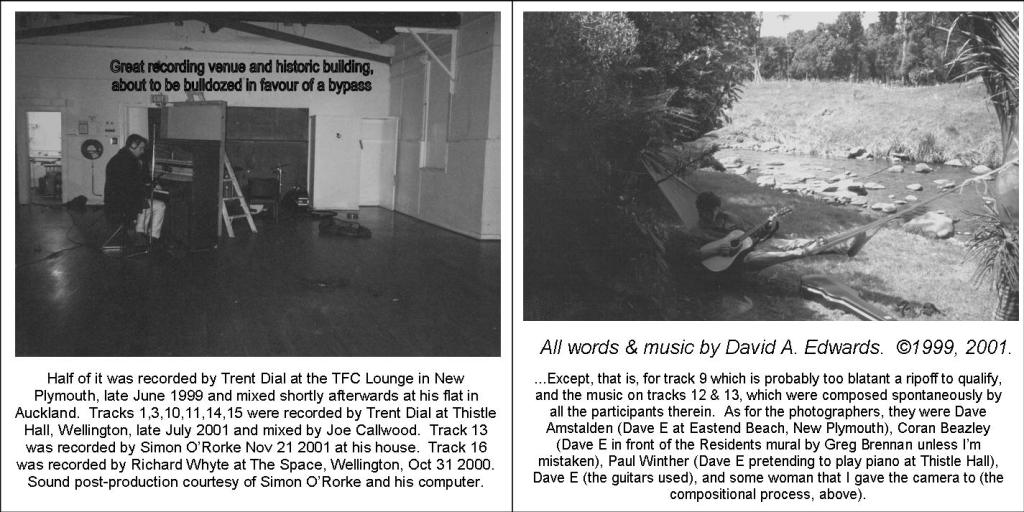
Recorded at Thistle Hall, Wellington, 2001, and mixed by Joe Callwood.
About

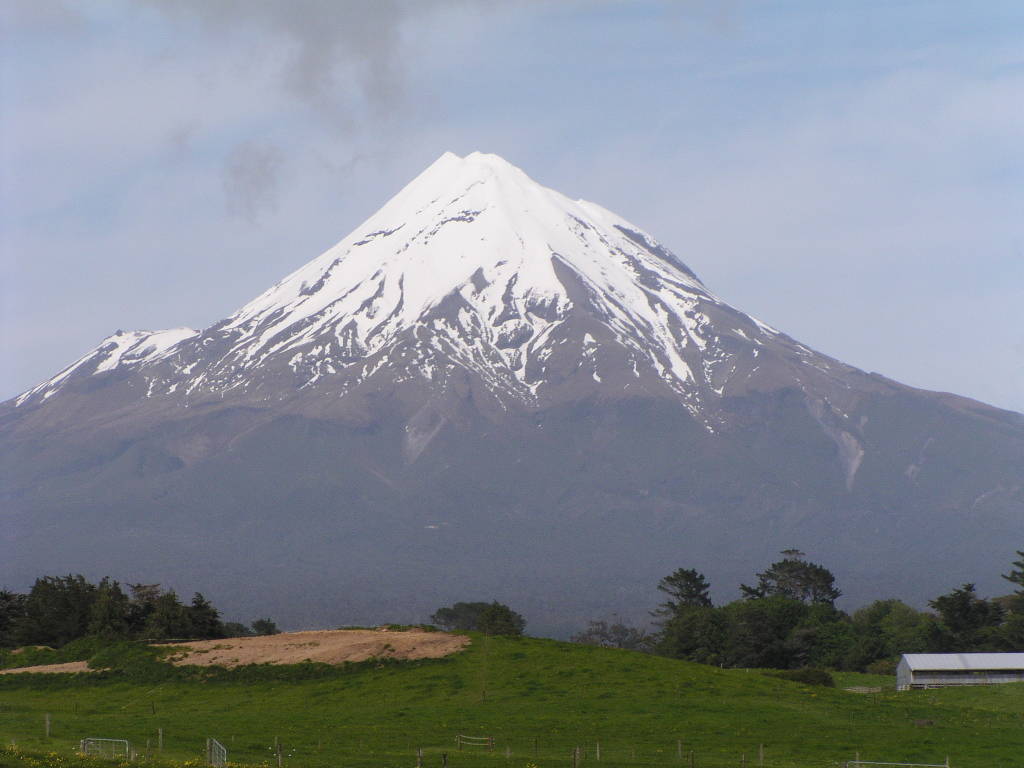
The Marion Flow was originally a longer album which spanned recordings from New Plymouth in 1999 and Wellington in 2001.

In 1999, aged 20, I’d left New Plymouth, a large rural town, where I grew up, and moved to Wellington, New Zealand’s capital city, where I’d been born and where my early pakeha settler ancestors had lived in the 19th century. The Marion Flow reflects this journey, geographically, sonically and spiritually.

“The lights on the city, the barrenness glowed

& behind me the sea as it ebbed & flowed,

Leave the loner alone to go face what he knows

Chained to the flow…” – Seafriends

For the earlier 1999 New Plymouth sessions see The Marion Flow (part 1, Taranaki);

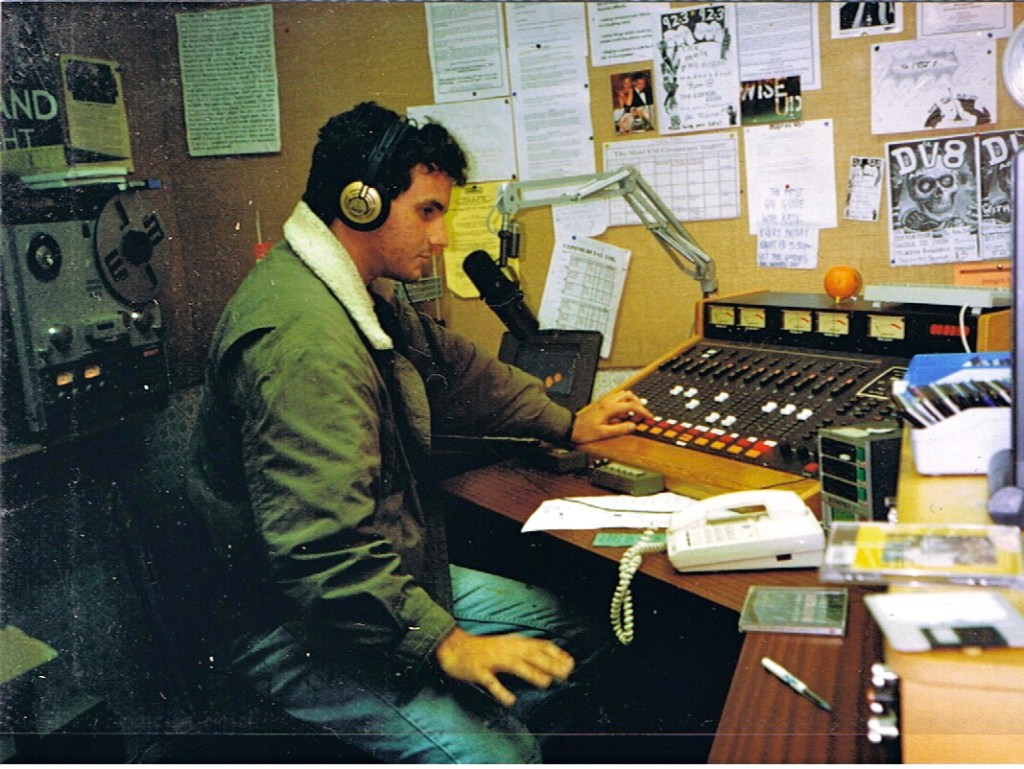
By the time the opportunity arose to finish recording the Marion Flow I’d been thoroughly immersed in the Wellington free jazz and avant-garde music scene, and was very fortunate to have help from some of the top players there. I’d never studied music at school or been in a conventional band, and was out of my depth technically… so working around my limitations became a spark to creativity.

I’ve now reissued the two halves of the album separately – to emphasise the sense of time and place, and stylistic evolution, and to re-present them more concisely for the short-attention-span 21st century.

Edwards’ music is often a sculpture rather than a melodic composition. Within this chosen form, amongst all the writings rantings & poetry there’s much difficult pleasure to be had for the musically adventurous.” – Brent Cardy, Real Groove, July 2002

Tracklist

1.Seafriends 03:07 Dave Edwards – acoustic guitar, vocal Paul Winstanley – fretless bass Chris Palmer – electric guitars Chris O’Connor – drums
2.A Wedding 03:48 Dave Edwards – electric guitar, piano innards, canvas sheet, vocal
3.A Visit to the Beehive 00:45 Dave Edwards – acoustic guitar, vocal Simon O’Rorke – drums
4.Monkeys with Typewriters 03:30 Dave Edwards – electric guitar Chris Palmer – electric guitar Simon O’Rorke – percussion
5.Tony Was Here (but they put him on ice) 03:07 Dave Edwards – electric guitar, vocal Chris O’Connor – drums
6.Cafes in Conversation 03:38 Dave Edwards – electric guitar, vocal Paul Winstanley – fretless bass Chris O’Connor – drums
7.The Marion Flow (live at the Space) 09:07 Dave Edwards – electric guitar, harmonica, vocal Dean Brown – drums
8.Seafriends (instrumental mix) 04:05 Dave Edwards – acoustic guitar Paul Winstanley – fretless bass Chris Palmer – electric guitars Chris O’Connor – drums

Further listening

Continue reading “The Marion Flow (part 2, Wellington 2001)”

The Marion Flow (part 1, Taranaki 1999)

It’s lo-fi, organic and about as eclectic as one could manage. Kind of reminds me of Nick Cave if he had grown up in Timaru. No pretentious American accents or catch phrase choruses, just a bunch of people making music. A little beauty!” – NZ Musician, August/September 2002

Listen

Credits

Produced by Paul Winstanley, & featuring Steve Duffels, the Digitator, and the Dadapapa Magickclone Orchestra.

Recorded at the TFC Lounge, New Plymouth, 1999 – with special thanks to Brian Wafer.

About

The Marion Flow is a pre-millennial fusion of warm acoustic pop, spoken word and postpunk discord.. An almost-acknowledged New Zealand classic from Taranaki – of its time (the ’90s!) yet timeless.

As the sophomore fiffdimension release (following 1998’s Scratched Surface), The Marion Flow began to mix more experimental elements alongside the songwriting. It shows an evolution in ambition and production values, and a more complex & impressionistic lyrical style.

“I sit in this tower of tongues & bells, & move to the groove

Or so that I’m reckoned, & then I am beckoned

Back to these shoes, nigh marion blues

And so to the seashore our body now go, & tale shall flow & power ye know…” – The Marion Flow

In 1999, aged 20, I left New Plymouth, a large rural town, where I grew up, and moved to Wellington, New Zealand’s capital city, where I was born. The Marion Flow reflects this journey, geographically, sonically and spiritually.

The Marion Flow was originally a longer album spanning recordings from New Plymouth in 1999 and Wellington in 2001. I’ve now reissued the two halves separately – to emphasise the sense of time and place, and stylistic evolution, and to re-present each more concisely (for the short-attention-span 21st century).

This page is for the 1999 New Plymouth sessions; for the 2001 Wellington followup recordings see The Marion Flow (part 2);

Edwards’ music is often a sculpture rather than a melodic composition. Within this chosen form, amongst all the writings rantings & poetry there’s much difficult pleasure to be had for the musically adventurous.” – Brent Cardy, Real Groove, July 2002

Tracklist

Continue reading “The Marion Flow (part 1, Taranaki 1999)”

the Ballad of William Knife

Music video from the album ‘South Island Sessions‘, set in 19th century New Zealand with an ecological theme.  ‘The Ballad of William Knife’ was the name of the show we took to the Dunedin Fringe Festival in 2006.

See also the videos for ‘Bandit Joe on a Scraded Gat’ and ‘BFD’

1861 revisited – Continue reading “the Ballad of William Knife”

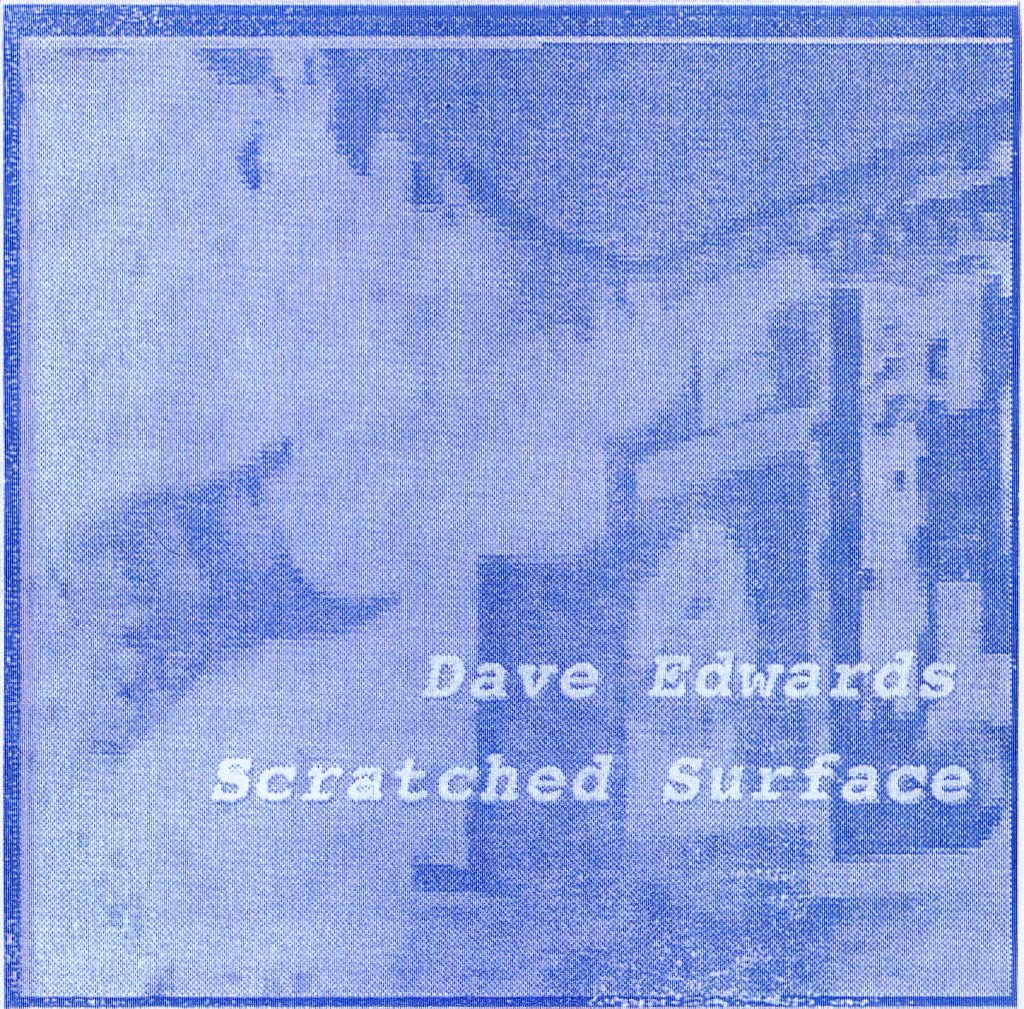
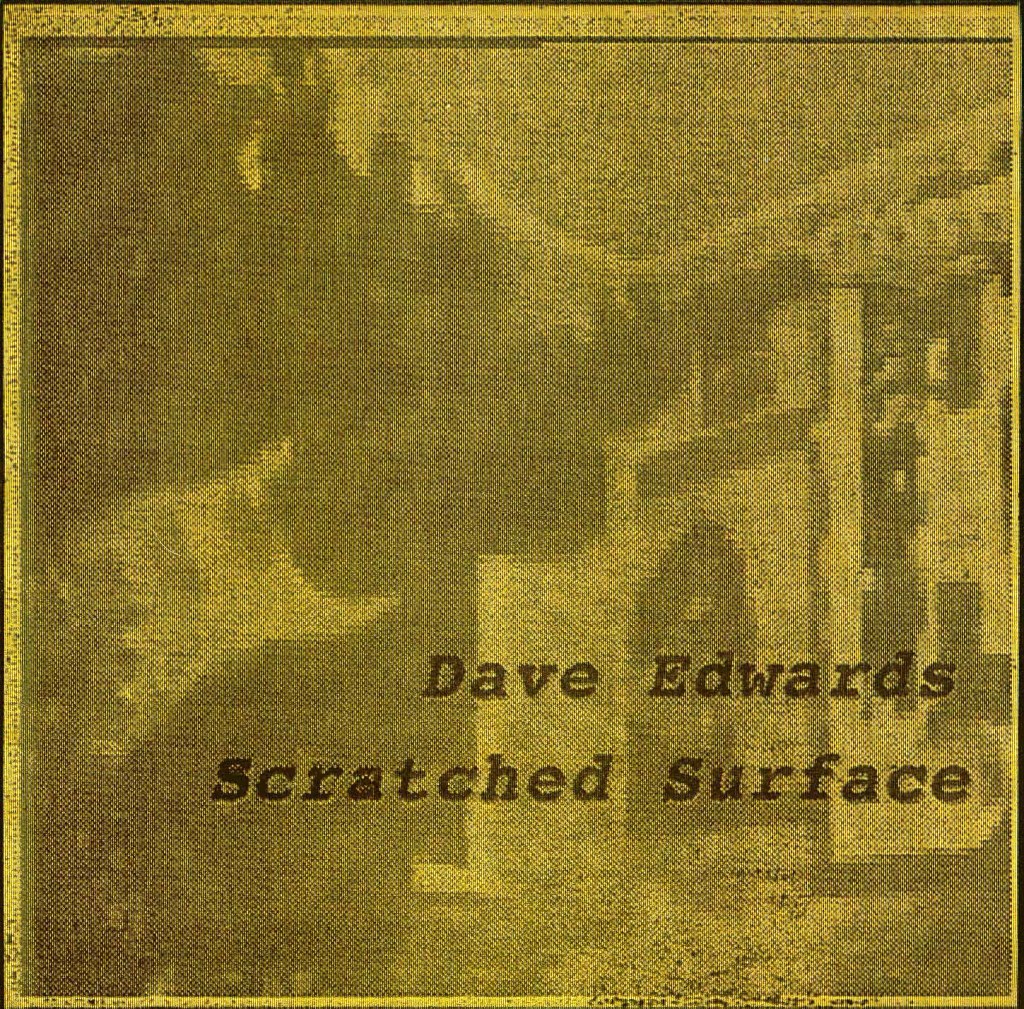
Scratched Surface

The debut album from fiffdimension!

“Worth searching out coz this lo-fi singer/songwriter oddball has a unique take on the genre. He’s pissed off, a tad fucked up (as usual), but not full of lugubrious self-pity (as unusual) and is happy to get raucous & obnoxious in just the right kinda way.”Chris Knox

Listen


About

Scratched Surface is a genuine 1990s teenage no-budget lo-fi post-punk singer-songwriter artifact from the Taranaki, New Zealand underground. It includes both electric and acoustic tracks1.

The title alludes to its status as a first effort from fiffdimension2, with much more to come (‘scratching the surface’). It also suggests scratches on a disc, reflecting the lo-fi production values and a slightly ‘damaged’ pre-millennial teenager outlook.

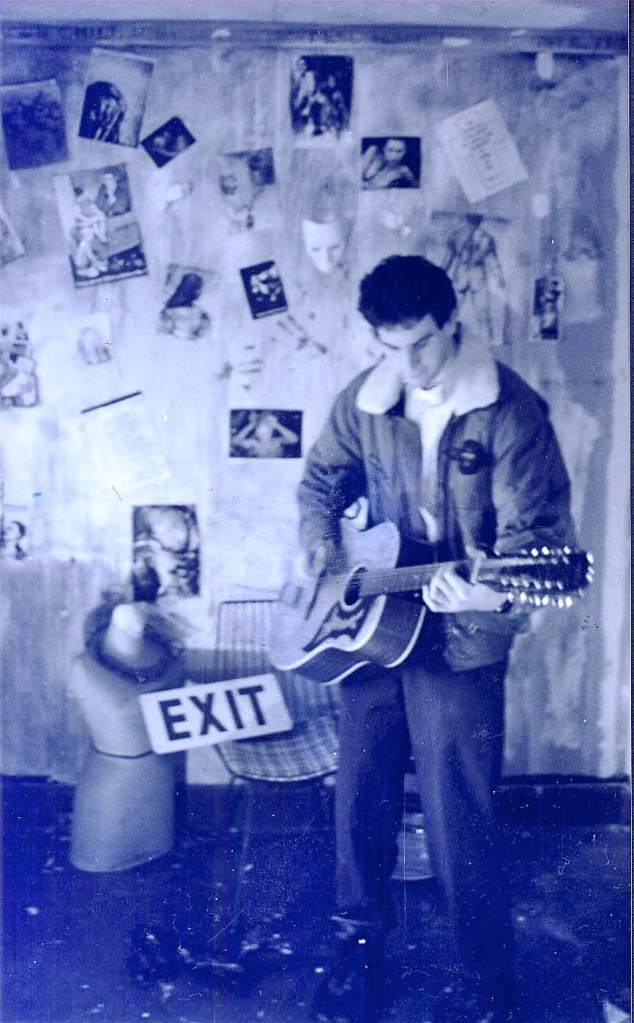
I didn’t come from a conventional musical background. Instead of learning to play cover songs first, I skipped straight to writing my own3. The musicianship is rudimentary, and the lyrics are full of youthful angst – but also self-aware humour and ironic detachment.

“One day I’m gonna be a star, but I can’t be bothered to practice my guitar.

I’m not gonna sing you a cover song, ’cause I’d only make it sound all wrong.

I got the ‘can’t play for shit and my voice is shot to hell’ blues”

The album also includes early forays into free improvisation, in tracks like King Street Boogie and Eat the Noise.

It was recorded on analogue reel-to-reel and cassette tapes, and self-released on CD-R. The online reissue includes download-only bonus tracks and previously unreleased material.

Credits

  • Dave Edwards – acoustic and electric guitar, harmonica, vocal, lyrics
  • Tim McVicar – bass (2, 12, 14), percussion (3), electric guitar (12, 13)
  • Brett, Ross, Tammy, Dawn et al – percussion and vocals (15-16)

Recorded in New Plymouth, NZ, 1997-1998

Special thanks to Alastair Edwards, Keith Finnerty, Karl Taylor, Brian Wafer

Tracklist

Continue reading “Scratched Surface”

Ngumbang

The first collaboration with even more legendary & underground NZ artist Snake Beings.

Listen

About

Ngumbang is the first collaborative album by two of New Zealand’s more unusual artist/musician/filmmaker/ethnomusicologists.

Performed on guitars, bass, banjo, percussion, saxophones, clarinets, harmonicas, synthesisers, Okinawan sanshin, ukulele, violin, loop pedal, piano, drums and spoken word. 

The title ‘Ngumbang’ is an Indonesian word that refers to the slight difference in tuning between a pair of gamelan instruments, which gives gamelan music its shimmering quality.

The album name reflects a shared interest in ethnomusicology and experimentation, and the almost-but-not-quite-equivalent approaches of these two artists.

Dave Black & Snake Beings

The album was recorded in and near Auckland, New Zealand in 20142015 and includes live performances at Vitamin S and the Audio Foundation.

Emit Snake-Beings,

who over several decades has travelled intensively in Spain, Holland, the Middle East, Mexico, America and Japan, is a New Zealand / British experimental filmmaker and musician who has produced over 40 independently released film soundtrack CDs and made a number of short experimental and narrative films in Spain, U.K. and New Zealand. www.snakebeings.co.nz

Dave Black,

originally from Taranaki and active since the late 90s on the NZ underground music scene, began by fusing acoustic songs, noisy postpunk, spoken word and avant-garde improvisation – and has diversified further from there. Notable performances include the award-winning 14-piece Ascension Band, appearing as an international artist at the Liquid Architecture Festival in Brisbane, Australia, and teaching a thousand Okinawan school students to perform a haka. www.fiffdimension.com

Tracklist

1.Huia Vortex (feat. Nat da Hatt) 03:56
2.The Feathered Serpent Sings Again 05:13
3.Illbelly Gritts 03:57
4.Watching a Painting Melt 01:47
5.さくら さくら (Japanese folk song) – live at the Audio Foundation 04:52
6.Pig in the Bamboo 01:47
7.Live at Vitamin S (#1.5) 04:37
8.Pick up the Pieces (after the gig) 04:48
9.Pick up the Pieces (after the jam session) 04:45
10.Ornery Return Cravings 02:40
11.kuningan dan perunggu (Indonesian brass and bronze) 02:50
12.So Long Notes 06:01

Further Listening

Continue reading “Ngumbang”

South Island Sessions (2006)

Recorded in Nelson, NZ, 2006.

Listen

About

1861 revisited – my pākeha (European) ancestors, John ‘Totara Jack’ and Mary Edwards, arrived in the South Island of New Zealand on board the Olympus and settled in Nelson1.

John ‘Totara Jack’ Edwards

When I lived nearby a century and a half later,

  • I found the address where they’d lived, just below a spot on a hill that marks the geographical centre of NZ.
  • I recorded and toured with South Island musicians;
  • studied at the Nelson School of Music – and finally had the chance to learn some ‘conventional’ technique;
  • played in Hokitika, Greymouth, Westport, Nelson, Blenheim, Lyttelton and Dunedin
    • (as well as Brisbane, Australia2);
  • and recorded the sound of tui and makomako (native birds) in Nelson Lakes National Park.

The early settler stories marked the start of an interest in genealogy, and prompted the music video for The Ballad of William Knife3 (loosely based on ‘Totara Jack’).

In contrast to the ‘traditional’ South Island NZ ‘Flying Nun‘ or The Dead C inspired sounds, South Island Sessions blended acoustic instruments with field recordings and electronic glitches. I played acoustic guitar, banjo and saxophone, and delegated the electric guitar role to two local players. We named this new genre “Steampunk Folktronica4.

Credits

  • Dave Black – acoustic guitar (2,6), banjo (3,4,6), drums (4), harmonica (2), laptop, field recordings, tenor saxophone (6,7), and vocals
  • Cylvi M – vocals & phat beatz (1)
  • Hayden Gifkins – electric guitar (5,7)
  • Matthew Thornicroft – electric guitar (5,7)
  • Damian ‘Frey’ Stewart – no-input mixing desk (3)
  • Cookie – drums (5, 6)

Recorded in Nelson NZ, 2006

Tracklist

Continue reading “South Island Sessions (2006)”