Loose Autumn Moans (2003)

“Wellington, NZ composer Dave Edwards with some able assistance from duo or trio the Winter... Guitars, violin, cello, and percussion all stack up… He’s got a persona that’s all his own.” George Parsons, Dream Magazine #5

Listen

About

All acoustic, no overdubs, and complete with a string section! Recorded and mixed on analogue equipment, and originally released on cassette in 2003 – new 2020 remaster.

Edwards‘ art is always an interactive experience, and the spontaneous nature of his audio output encourages descriptions such as abrasive, discordant, sombre and atmospheric. Such adjectives contribute but never tell the whole tale.” – Real Groove

The album is structured as a progression from summer. The cover image shows a NZ pohutukawa tree in flower. It continues through autumn, a time of harvest, preparation, shortening daylight, and the shedding of old dead layers.
It finishes with an extended live version of ‘O Henry Ending‘, recorded at the Winter’s first gig.

O Henry falling leaves & branches, talk a worried sad refrain

Your eyes half tilt, your brain half mast

To tie the fond anonymous bond beyond yr aching shelter lying walls

That fall to fall, & raise the days, museum haze …”

Credits

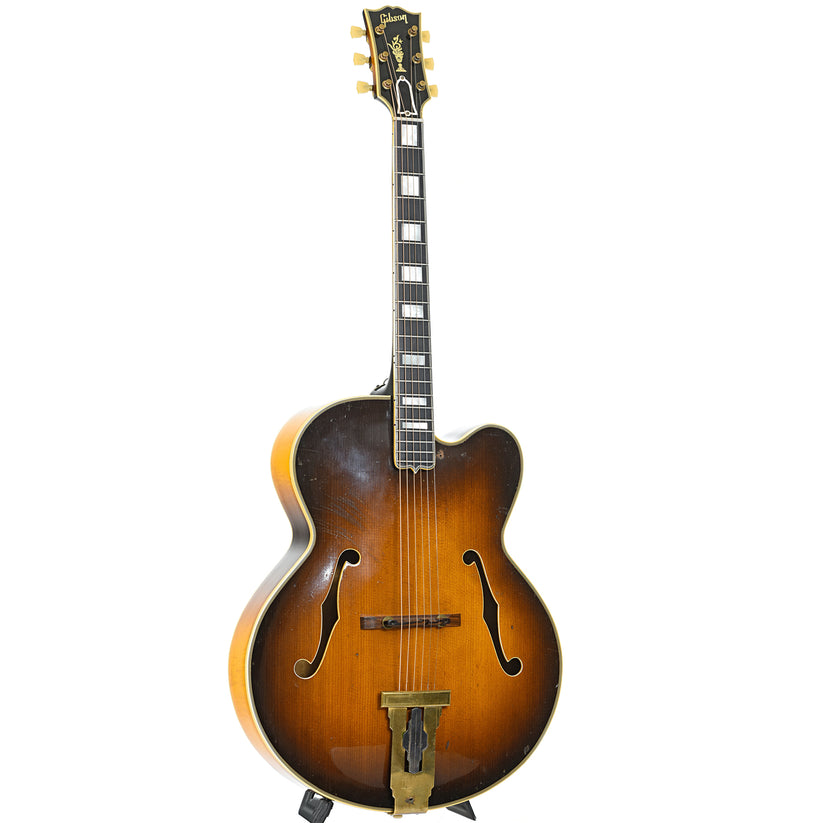
Dave Edwards (archtop acoustic guitar, harmonica, vocal, lyrics)
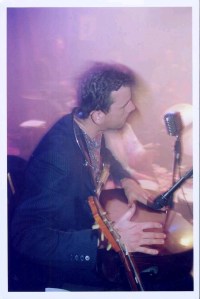
Sam Prebble (violin) / Mike Kingston (cello)

sam & san

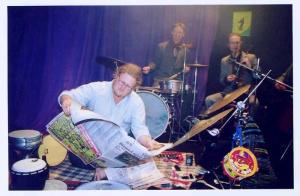
Simon Sweetman (percussion)

simon w newspaper

Recorded in Wellington, NZ, 2003

Tracklist

1.
2.
3.
4.
5.

Dedication: Bond Street Bridge

Loose Autumn Moans is dedicated to Sam Prebble (aka Bond Street Bridge), who died in 2014.

Rest easy Sam, and thank you..

Further listening

The Winter: Shortest Days 2003-2015

Continuing the seasonal theme, Dave Edwards, Mike Kingston, and Simon Sweetman (occasionally joined by Sam Prebble) formed a regular free improvising instrumental trio , the Winter.
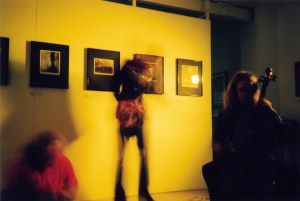
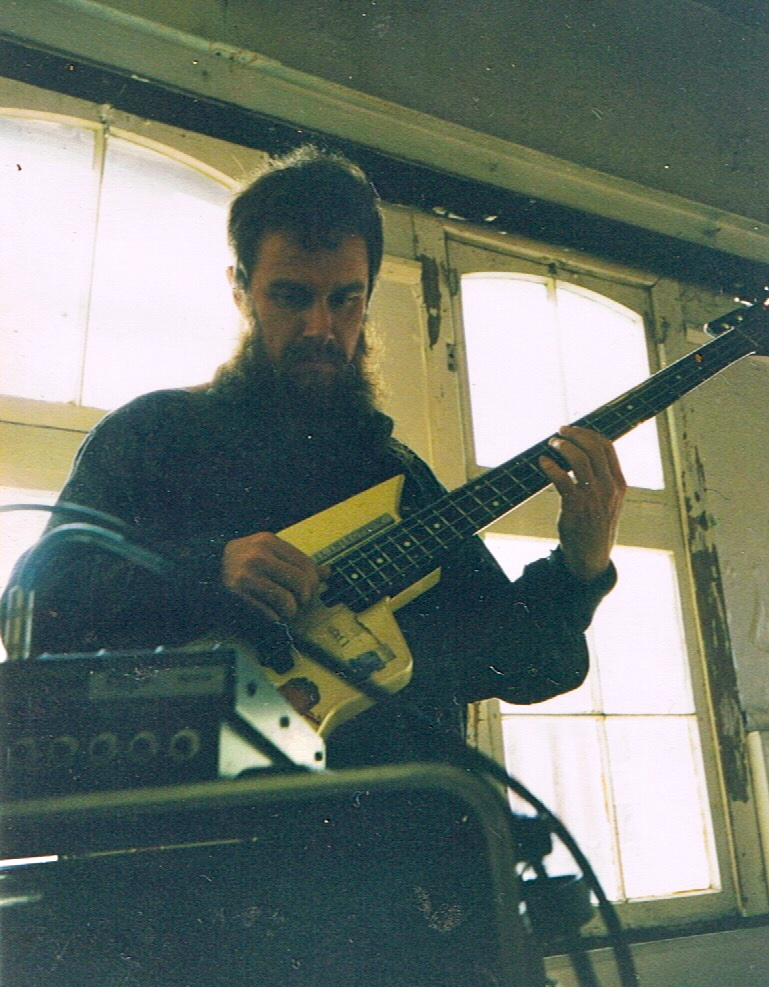
The Winter live at Photospace Gallery, July 2003 (photo by James Gilberd)

“A strange sonic brew that includes dissonant rock textures, rough outsider folk-blues mysteries, electric and acoustic improvisations and a considerable part of tasty feedback. Imagine equal parts Derek Bailey, New Zealand’s Pumice and classic ’60s blues/folk and you’re in the right ballpark.”The Broken Face

After the Filmshoot (2002)

The original C60 cassette release of Loose Autumn Moans included solo interludes recorded the previous year, in 2002. These have since been reissued as a separate album.

By shortening to just the 2003 ensemble sessions, Loose Autumn Moans becomes concise. It emphasises the lyrics, and the jazzy acoustic instrumental interplay.

After Maths & Sciences (2005)

A different take of ‘O Henry Ending‘ was recorded in Melbourne, Australia in 2005. I had just bought a banjo (which I still have), Mike Kingston played acoustic guitar this time, and Francesca Mountfort took the cello role, along with Cylvi M on percussion.

While much of the album was in a new style, incorporating electronica and field recordings, ‘O Henry Ending’ and the presence of fellow expat kiwis provided a thematic bridge from the Wellington days.

Acoustic yin / Electric yang – 2CD 1998-2023

To illustrate how a song can be interpreted in multiple ways, the fiffdimension 25th anniversary 2CD features Mouth of the Caveman – and both the 2005 Melbourne version and a new (2022) a live electric arrangement of O Henry Ending

Live 2019 and Live 2022-24

Three of the Loose Autumn Moans tracks were revived in new solo arrangements for these more recent live albums:

Gleefully Unknown: 1997-2005 compilation

Tracks from Loose Autumn Moans also appear on this compilation, that gives an overview of the early years.

Poems & Lyrics by John Collie (1856).

My great-great-grandfather (himself a young man at the time) self-published a book of poems in 19th century Scotland. It includes a piece about Autumn.

Adapting John Collie’s words to music is a current major work-in-progress, that .allows a new ‘mature’ version of my acoustic style, and shows the early works, like Loose Autumn Moans, in a new light!
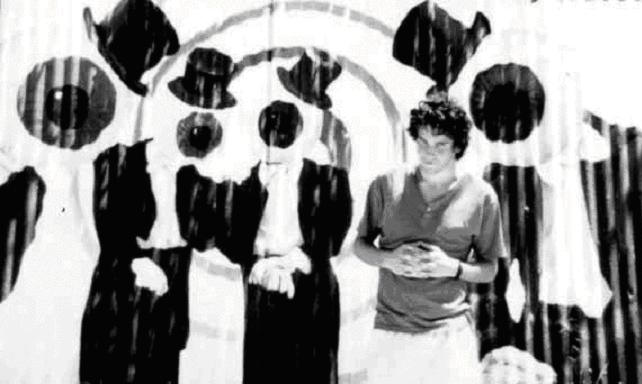
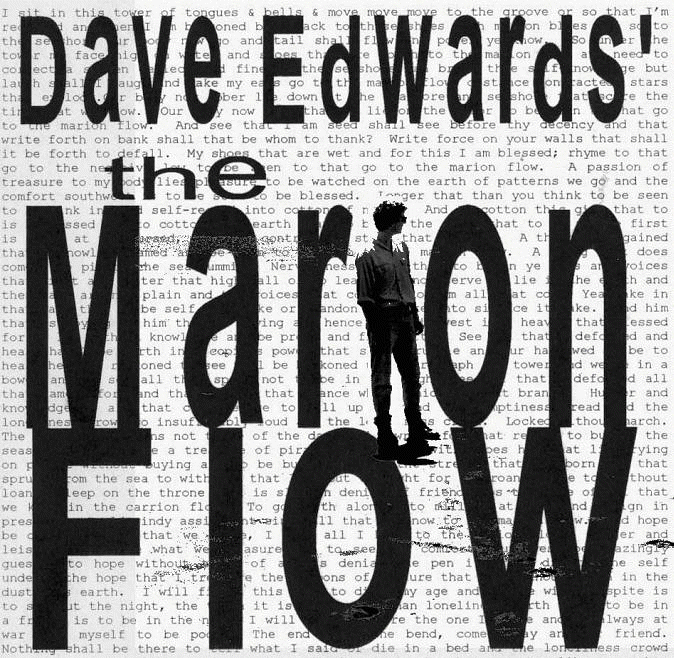
The Marion Flow (part 1, Taranaki 1999)

It’s lo-fi, organic and about as eclectic as one could manage. Kind of reminds me of Nick Cave if he had grown up in Timaru. No pretentious American accents or catch phrase choruses, just a bunch of people making music. A little beauty!” – NZ Musician, August/September 2002

Listen

Credits

Produced by Paul Winstanley, & featuring Steve Duffels, the Digitator, and the Dadapapa Magickclone Orchestra.

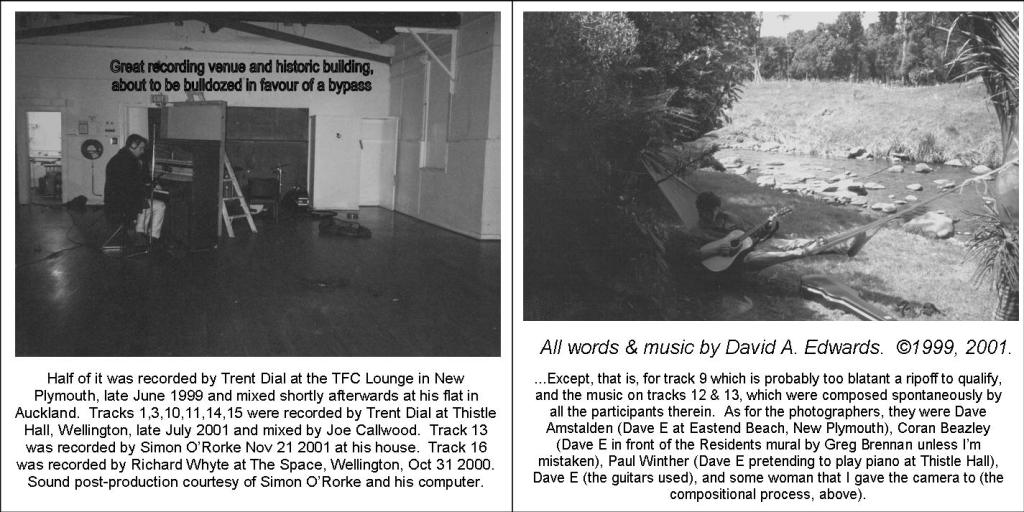
Recorded at the TFC Lounge, New Plymouth, 1999 – with special thanks to Brian Wafer.

About

The Marion Flow is a pre-millennial fusion of warm acoustic pop, spoken word and postpunk discord.. An almost-acknowledged New Zealand classic from Taranaki – of its time (the ’90s!) yet timeless.

As the sophomore fiffdimension release (following 1998’s Scratched Surface), The Marion Flow began to mix more experimental elements alongside the songwriting. It shows an evolution in ambition and production values, and a more complex & impressionistic lyrical style.

“I sit in this tower of tongues & bells, & move to the groove

Or so that I’m reckoned, & then I am beckoned

Back to these shoes, nigh marion blues

And so to the seashore our body now go, & tale shall flow & power ye know…” – The Marion Flow

In 1999, aged 20, I left New Plymouth, a large rural town, where I grew up, and moved to Wellington, New Zealand’s capital city, where I was born. The Marion Flow reflects this journey, geographically, sonically and spiritually.

The Marion Flow was originally a longer album spanning recordings from New Plymouth in 1999 and Wellington in 2001. I’ve now reissued the two halves separately – to emphasise the sense of time and place, and stylistic evolution, and to re-present each more concisely (for the short-attention-span 21st century).

This page is for the 1999 New Plymouth sessions; for the 2001 Wellington followup recordings see The Marion Flow (part 2);

Edwards’ music is often a sculpture rather than a melodic composition. Within this chosen form, amongst all the writings rantings & poetry there’s much difficult pleasure to be had for the musically adventurous.” – Brent Cardy, Real Groove, July 2002

Tracklist

Continue reading “The Marion Flow (part 1, Taranaki 1999)”

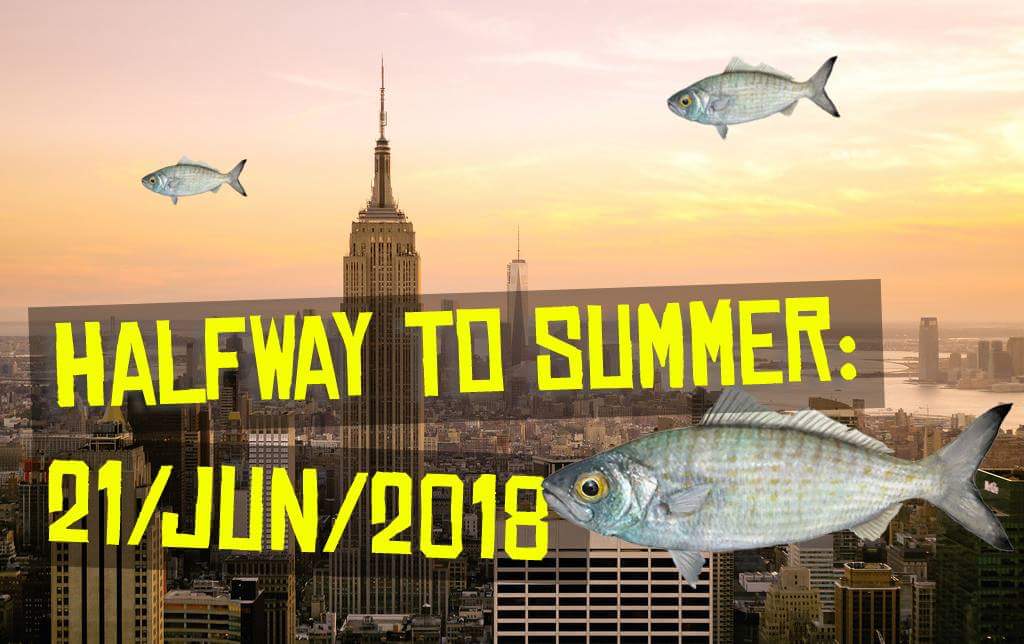
Half way to summer, 21 June 2018

Thursday 21 June, 8pm @ Fringe Bar

26-32 Allen Street, Wellington, NZ

fiffdimension is an umbrella name for music and multimedia projects by Dave Edwards, solo or with various collaborators. Shows may include acoustic songs, spoken word, distorted postpunk, free improvisation, lo fi electronica, Eurasian folk music, 19th century ballads, video installations, or all or none of the above.

www.facebook.com/fiffdimension
www.fiffdimension.com

MuscleMan are an alt. country band that write dark, sweet, melancholy songs about love, loss, and questionable life decisions. Their performances range from intimate, acoustic sessions, to loud, raucous, throw the drum kit into the crowd encounters. Most of all though, they play with feeling.

https://www.facebook.com/musclemannz/

Fredd Marshall is a sonic shaman. Using his voice he takes you on a journey to the unknown. Improvising loops, drones and overtones he will bring you to contemplate the universe and rethink what it means to be human. He has been to the realms of infinity and brought back treasures to share.

http://www.soundcloud.com/theshaman/

As a solo acoustic bassist, Vince Cabrera draws inspiration from sources such as the Argentine folk music of his childhood, American primitive guitarists such as John Fahey, and composer Erik Satie for a rich ambient, acoustic experience.

https://soundcloud.com/vince-cabrera-1

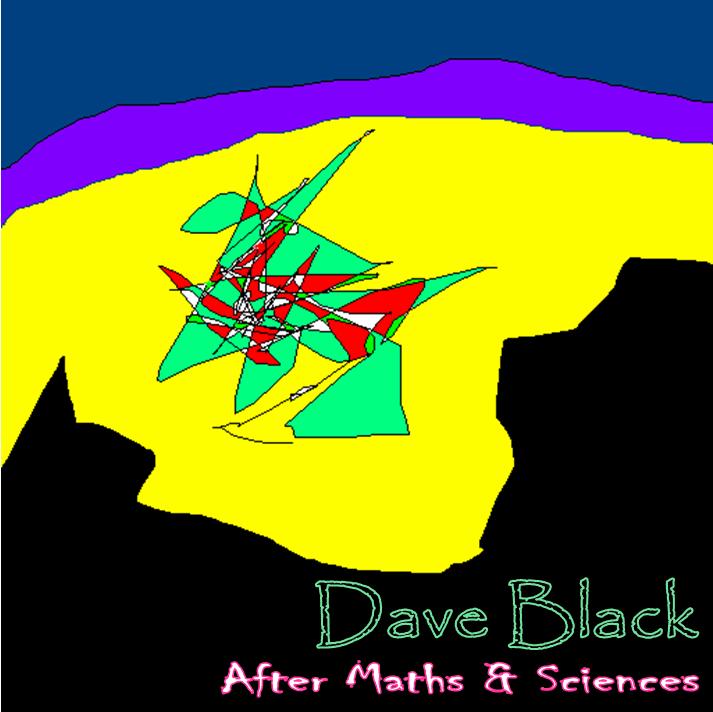
After Maths & Sciences (Australia, 2005)

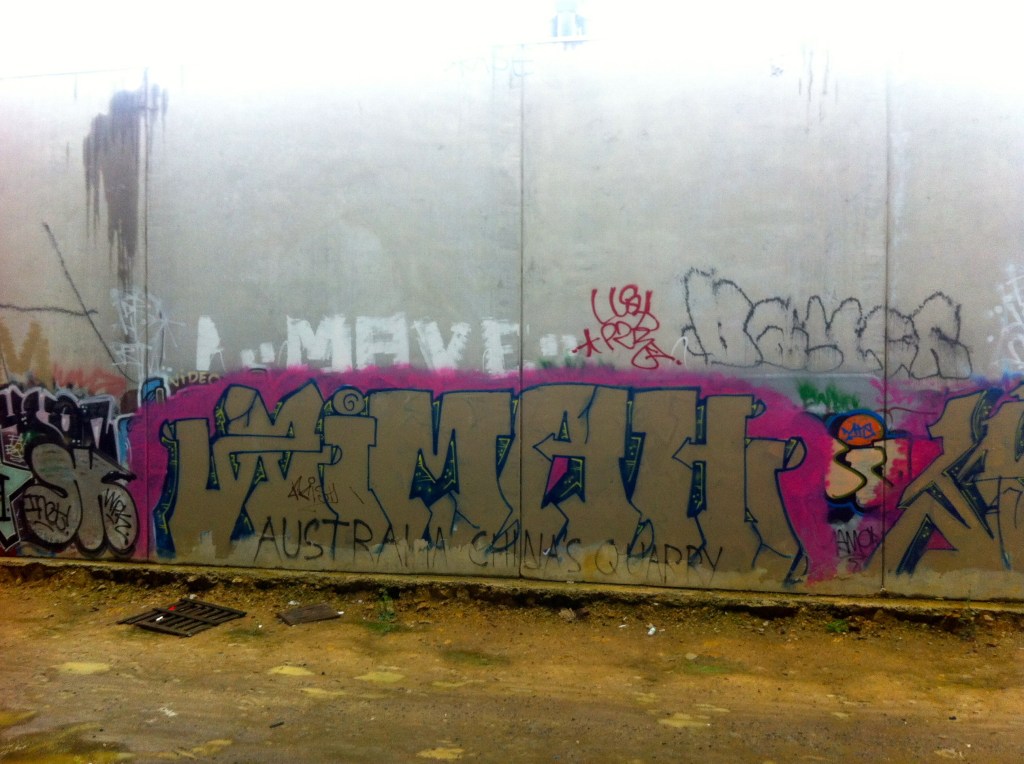
An Australian novel for the ear, recorded in Melbourne VIC and Gosford NSW in 2005 – by kiwis.

Part 1: Melbourne and Gippsland (VIC)

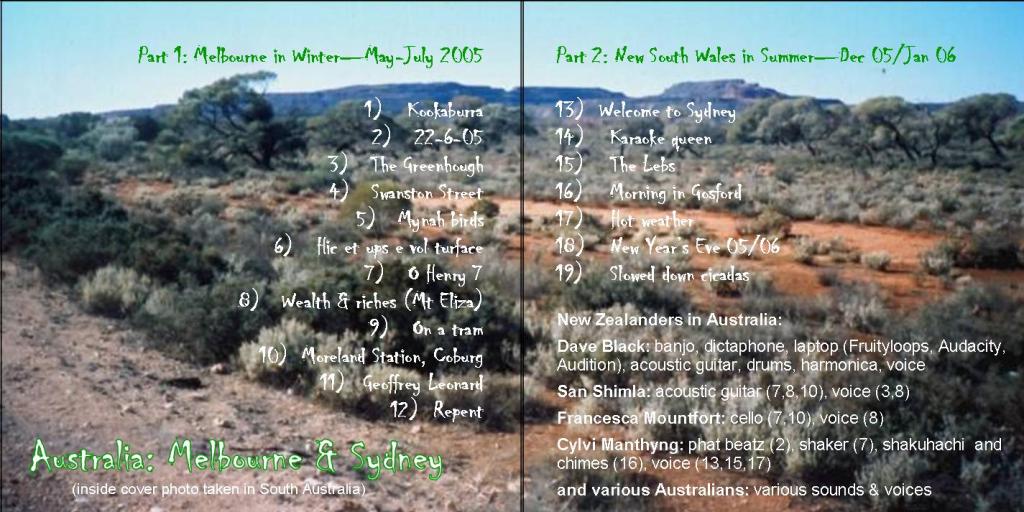
Music by Dave Black – banjo, dictaphone, laptop, acoustic guitar, harmonica, drums / Cylvi M – phat beatz, shaker, shakuhachi / Francesca Mountfort – cello / Mike Kingston – acoustic guitar / various Australians


2006 | Reviewed by Simon Sweetman

“After Maths & Sciences was recorded by Dave Black (some may know him as David A. Edwards, and if you don’t, then check his website, or the compilation of earlier recordings,Gleefully Unknown 1997-2005) in two parts: From May-July of 2005 in Melbourne, during the winter….

About

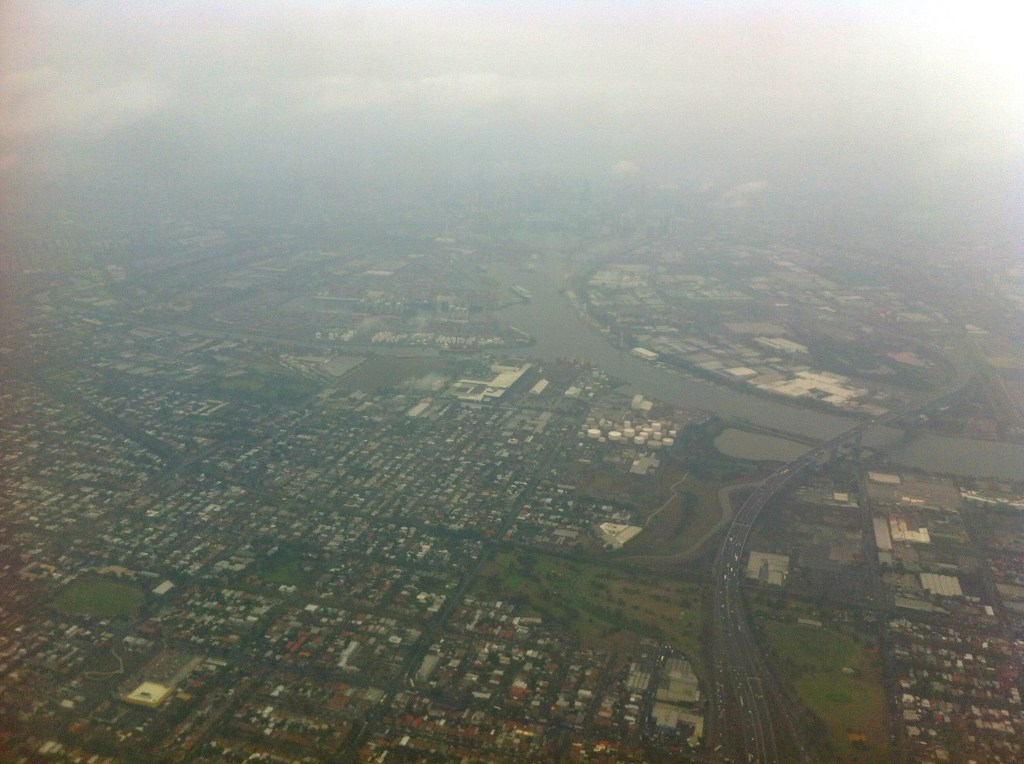
By 2005 I needed a change from Wellington, and bought a ticket to Melbourne – the first leg of my ‘big OE’.

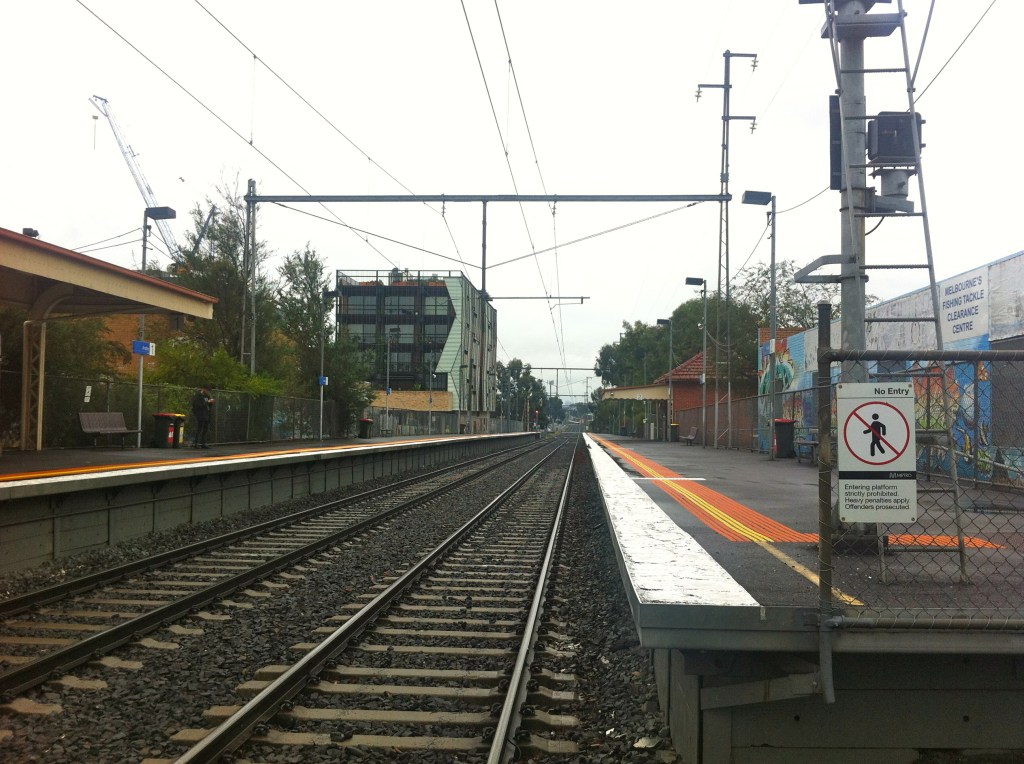
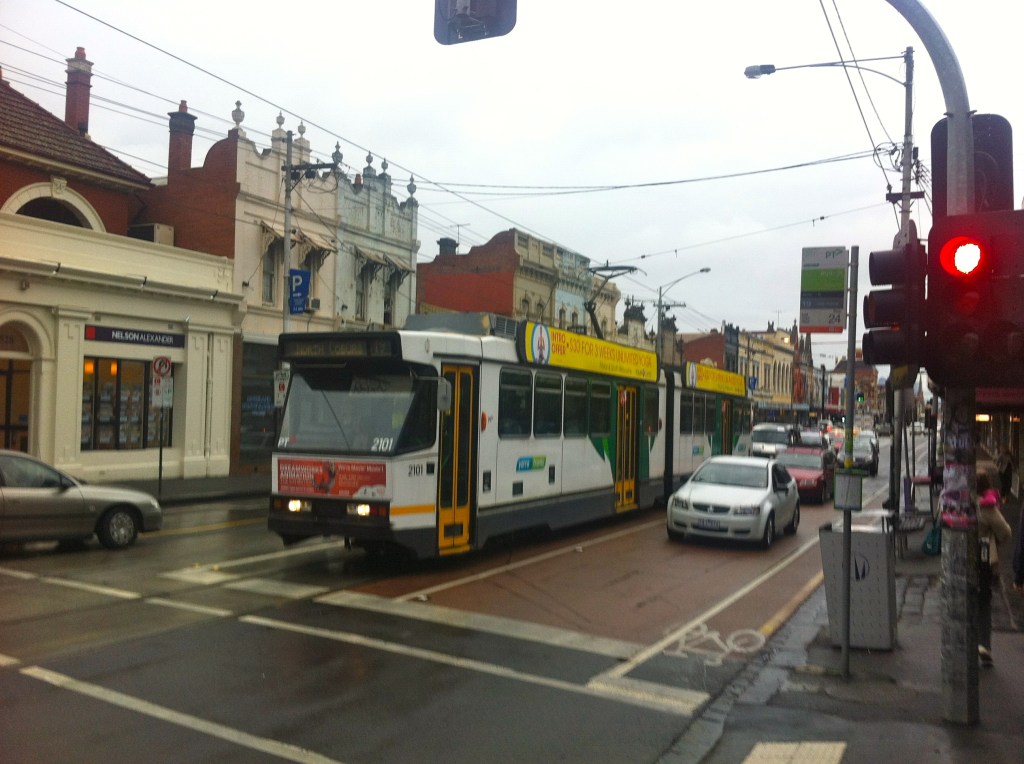
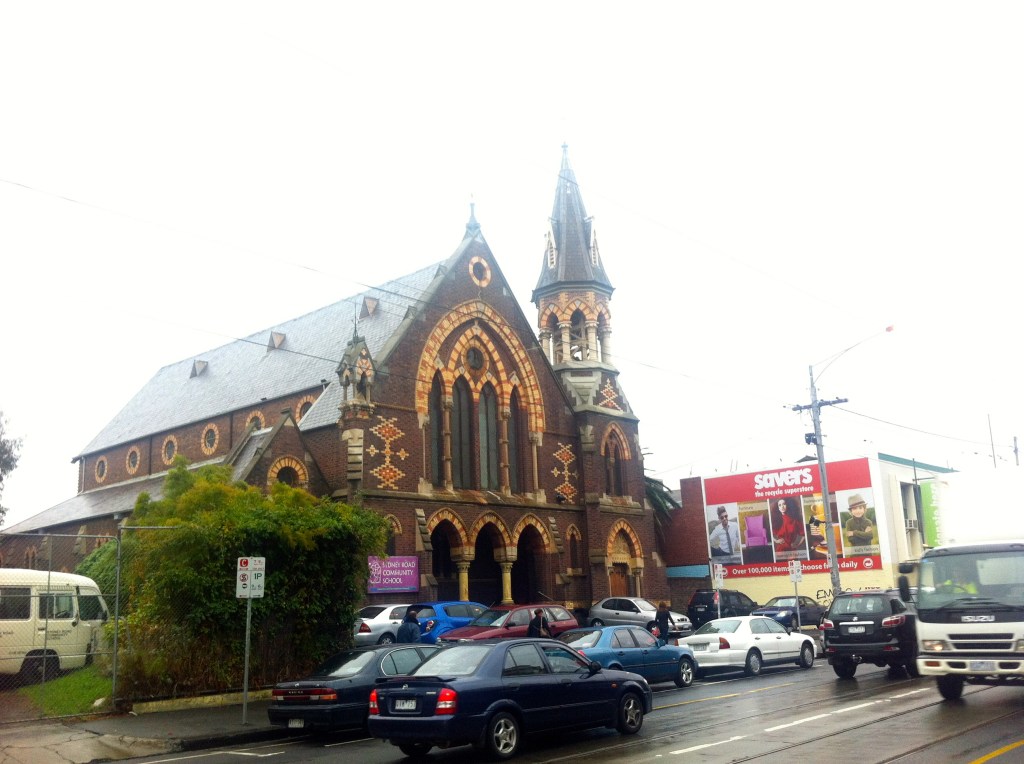
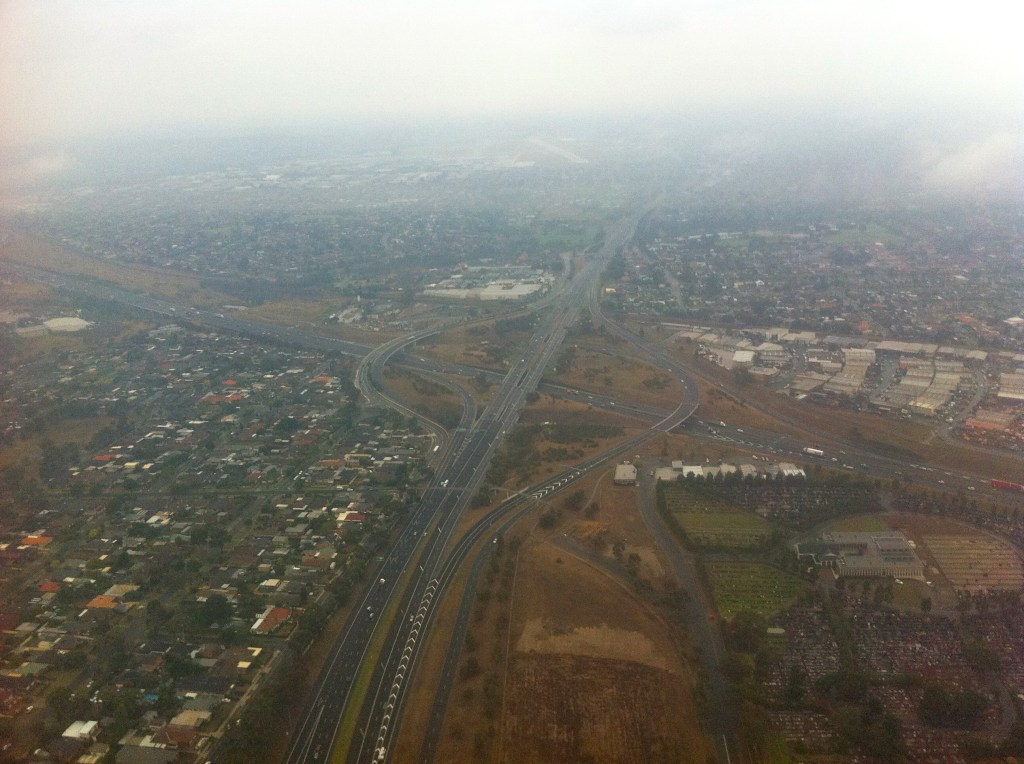
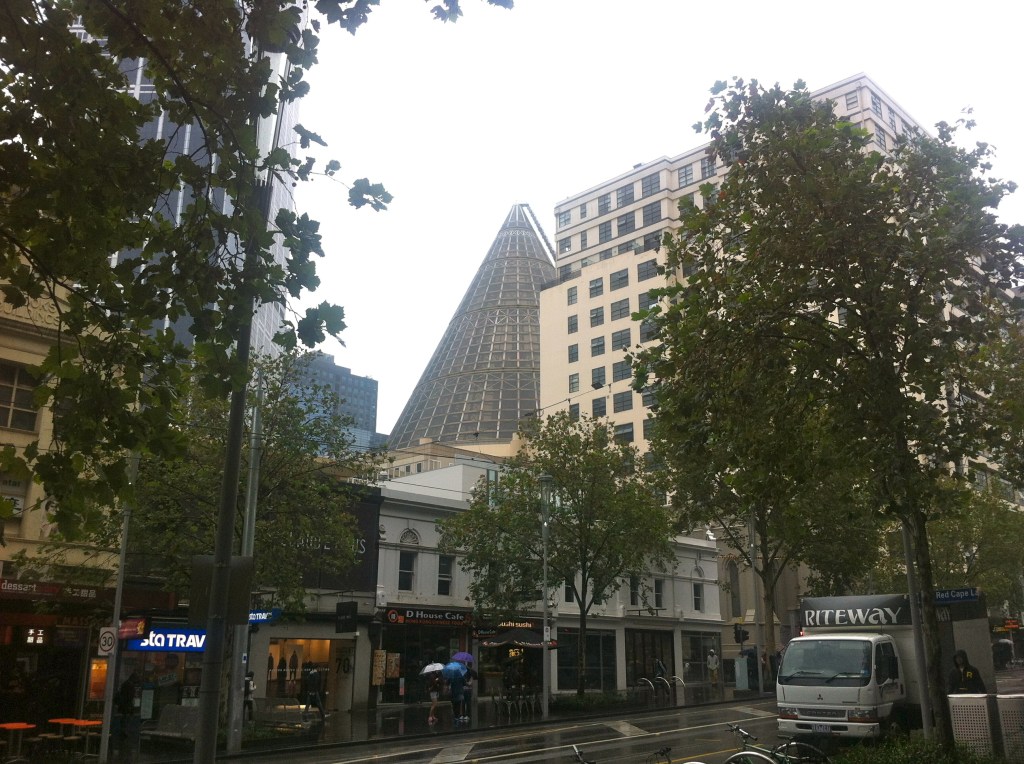
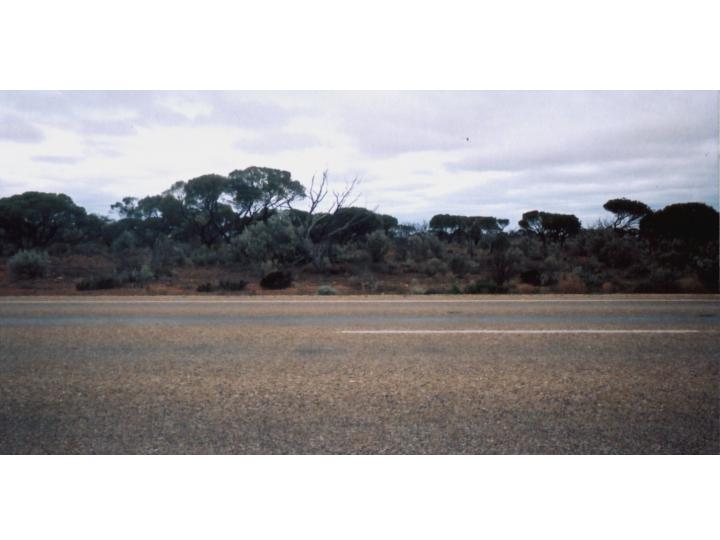
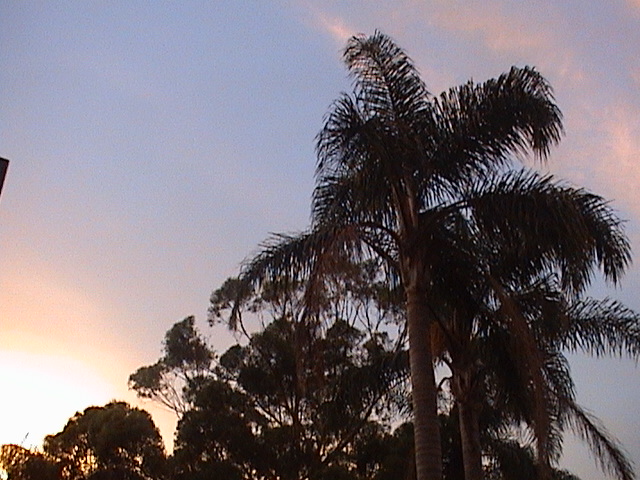
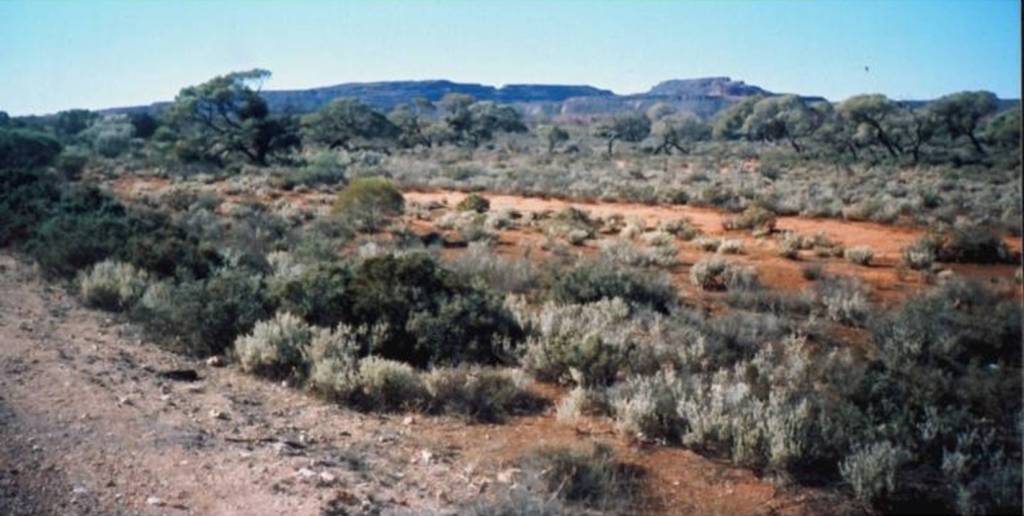
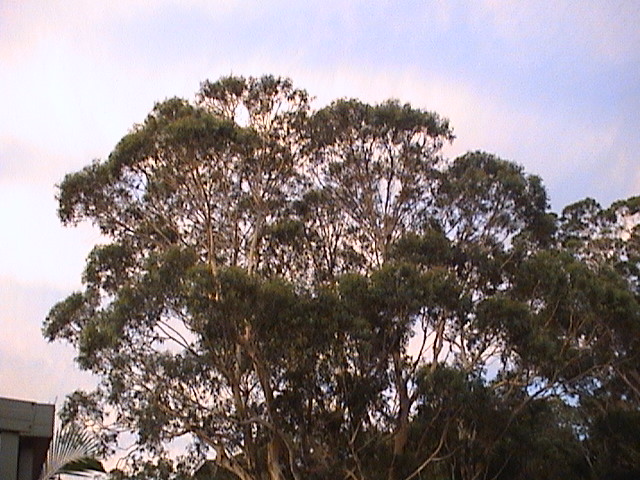
I lived in Melbourne (in Brunswick) for six months, and had my mind blown by the sheer size of Australia, and exposure to new ideas and sounds – eg Aussie hip-hop, Middle Eastern music, and the noisier local birdlife. I loved the wide open spaces and the eucalyptus scent.

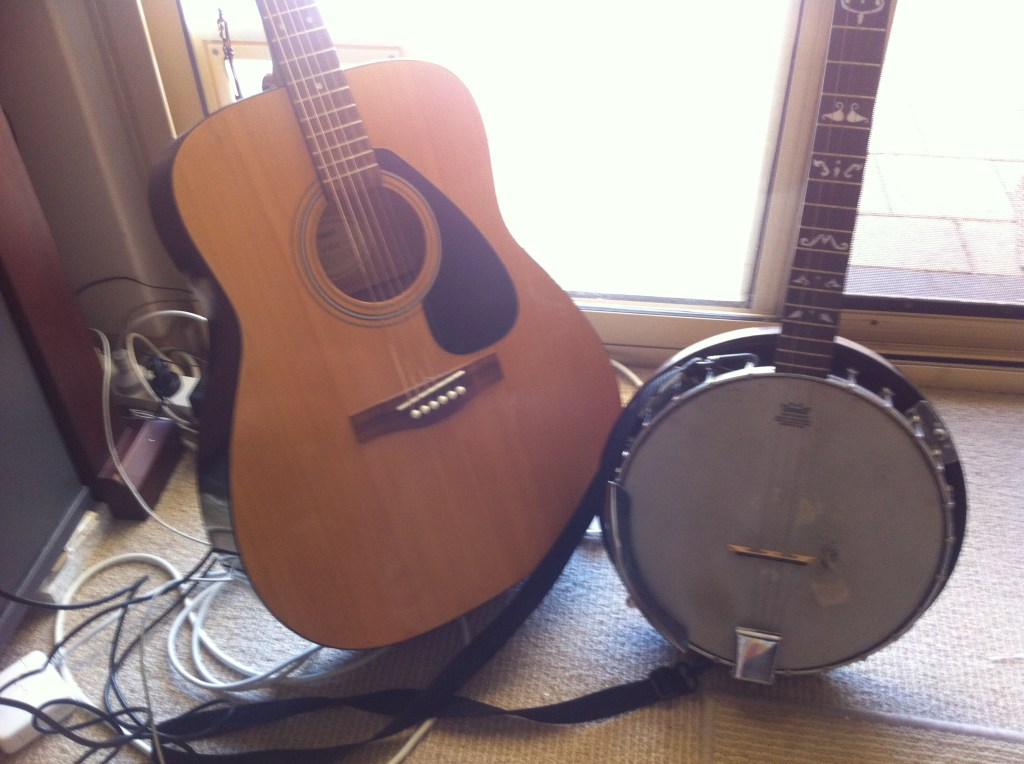
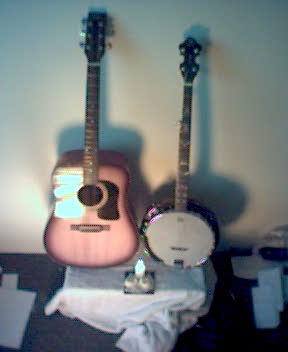
I didn’t have a guitar with me, so bought a banjo instead (which I still have). I also began to incorporate field recordings and laptop electronica. And rather than writing from within myself, I became more of an observer.

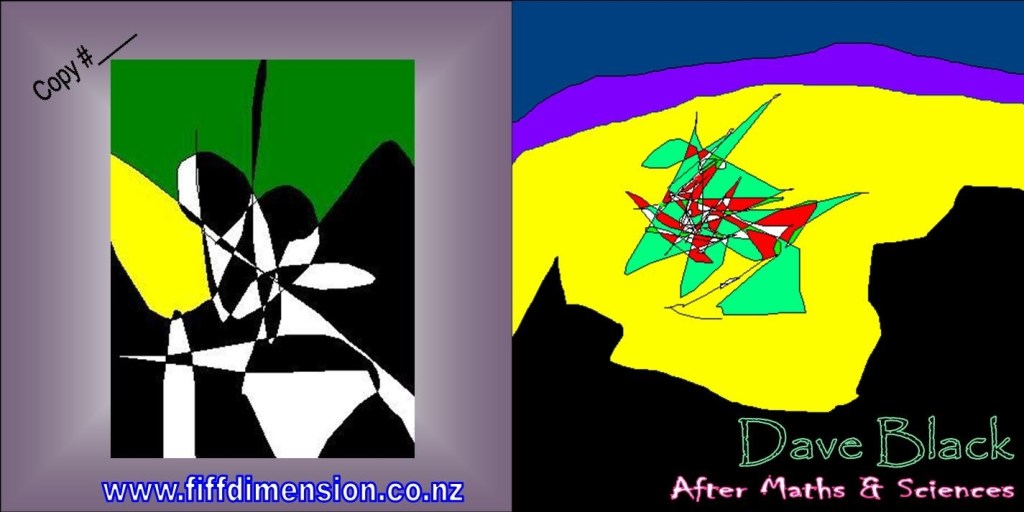
I released After Maths & Sciences (my last CDR for years, before the format became obsolete) under the name Dave Black (adopting my maternal grandfather’s surname), to signal this change of approach. The title suggests the ‘aftermath’ of my life in Wellington, and experimenting with a new approach.

For an overview of this new artistic era see the Fame & Oblivion: 2005-2012 compilation.

Tracklist

1.22-6-2005 04:23
2.The Greenhough 05:19
3.Melbourne Streets 02:10
4.hic et ups e vol turface 02:43
5.O Henry Ending 03:29
6.Wealth & Riches (Mt Eliza) 07:13
7.In Gippsland 03:26
8.Moreland Station, Coburg 02:49
9.Repent 03:31

Part 2: Sydney and Gosford (NSW)

“…And then from December of last year to January of 2006 in New South Wales; summer.”

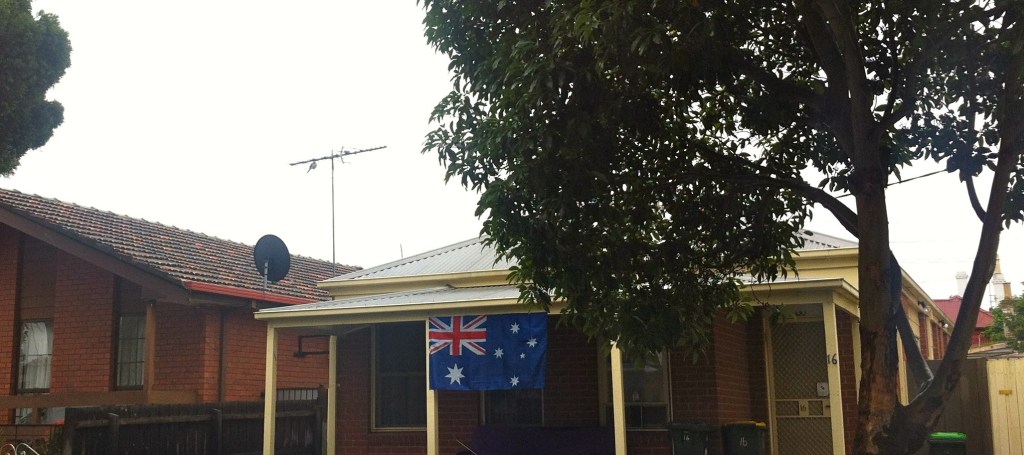
On a second visit to Australia for Christmas and New Year 2005/06 – this time to New South WalesCylvi M and I created more Australian soundscapes (including political themes, such as the Cronulla Riots and burgeoning awareness of climate change, as well as bird and insect sounds).

Tracklist

1.Welcome to Sydney 01:05
2.Hot Weather (a premonition) 03:19
3.Karaoke Queen 00:59
4.BBQ post-Cronulla riots 03:39
5.Cylvi M – Morning in Gosford 04:57
6.New Year’s Eve 2005/06 07:42
7.Hot Weather (@ Lines of Flight Festival 2006, Dunedin NZ) 03:45
8.Slowing Cicadas 02:23

Part 3: Brisbane and Rockhampton (QLD)

Later in 2006, on a third visit to Australia, and thanks to Lawrence English, I performed at Liquid Architecture Festival in Brisbane (unrecorded).

Returning to NZ, I then played a set at Lines of Flight in Dunedin – performing a live soundtrack to video footage I’d taken in Queensland. These Australian videos were some of my first uploads to www.youtube.com/@fiffdimension – now one of the platform’s longest-running channels!
Review by Simon Sweetman

“The album is a travel-document; a response to relocation, a series of sound-sketches and sonic-manipulations designed to confront (and possibly unhinge) the listener; a reflection of several journeys – an aural diary of events from time spent in Australia, evoking the mood of the place (geographically) and the mood of the time (politically).San Shimla’s occasional guitar, Francesca Mountfort’s cello and Cylvi Manthyng’s percussion and shakuhachi (a Japanese woodwind) support Dave Black.

“As Dave Edwards he has explored fuzzy-punk, free-jazz, spoken word, alternative-folk and demented pop, primarily using guitar, harmonica and voice; sometimes with a band or a backing cast at least – often as a solo artist(e). Here, as Dave Black, the palette is broadened: banjo, drums and the use of a laptop computer (triggering sounds via Fruityloops, Audacity and Audition programs) add extra textures. During 2005 Edwards studied journalism, his use of dictaphone and laptop on this recording see him reaching outside of music for influences to use in new contexts.

“The collages that form the pieces on After Maths & Sciences are modern-day field recordings, contemporary anxieties are explored (a typically frank Australian is overheard at a train station lamenting public transport in the wake of the London bombings). The juxtaposition of banjo (an instrument prominent in the work of Doc Boggs, Earl Scruggs and many of the earliest artists featured on the iconic U.S. Library Of Congress field recordings made by Alan Lomax and Harry Smith) helps to recontextualise the snapshots of modern-day Australia. And the name that Edwards has chosen, Dave Black, as well as having relevance within his family history, becomes a nice reference to the passing of The Man In Black (Johnny Cash) and various (possibly mythic) country-playing banjo pickers. For this is “country” music, though perhaps not as we know it. Birdsong, despite computer filtering, sits pure alongside the country’s archaic (near-redneck) political views. Abrasive bursts of white-noise are channelled via a throbbing electro pulse (Kraftwerk goes on safari sabbatical?).

“There are New Zealand artists working in this medium (Montano, Seht, Audible 3) combining concrete poetry, field recordings, found-sounds and electro-acoustic manipulations to sit as aural wallpaper, but Dave Black’s debut release (and a re-birth, if you like, for David Edwards) is an actual document – as much a post-modern piece of Performance Journalism as it is a static batch of “songs” or tracks, After Maths & Sciences is a pleasing challenge of an album.  It lives up to the cliché of presenting something new with each listen,”- Simon Sweetman

Sequel: Perth, Kalgoorlie and Kalbarri (WA)

From 2012-2014 I moved to Australia a second time, and spent 2 1/2 years living in Perth, in Western Australia. Recordings from that period became the album in a Wildflower State.

Live 2022-24

I’ve also revisited ‘the lucky country’ a couple of other times since. In 2024 I played a gig in Sydney, alongside Sydneysiders Nick Dan, Anthony Guerra and Monica Brooks. The recordings are included on Live 2022-24.