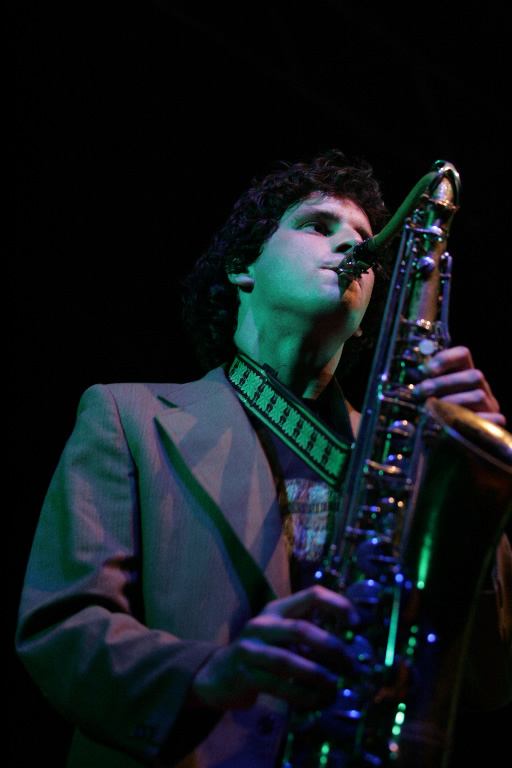
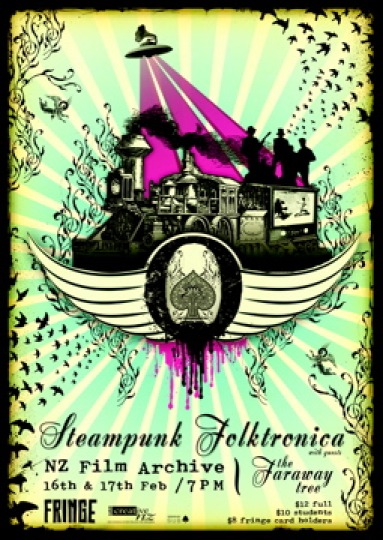
“As Dave Edwards he has explored fuzzypunk, free-jazz, spoken word, alternative-folk and demented pop… as Dave Black, the palette is broadened” – Simon Sweetman
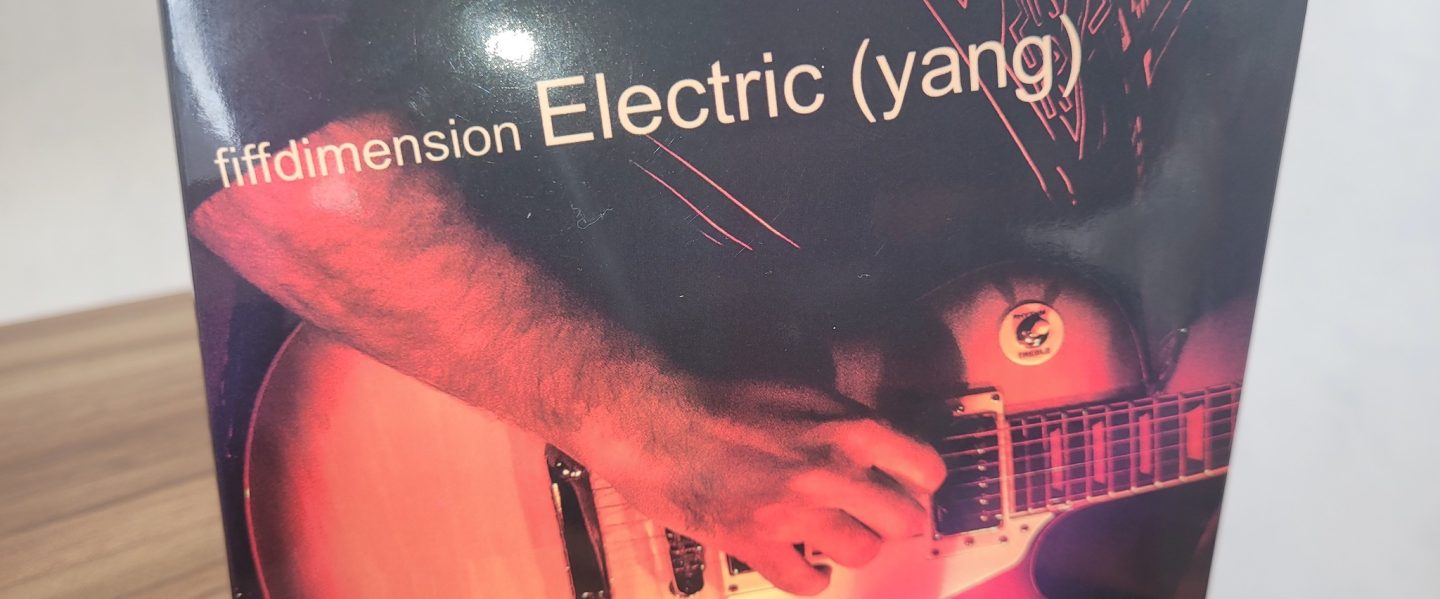
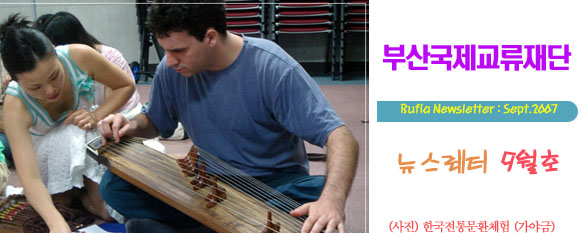
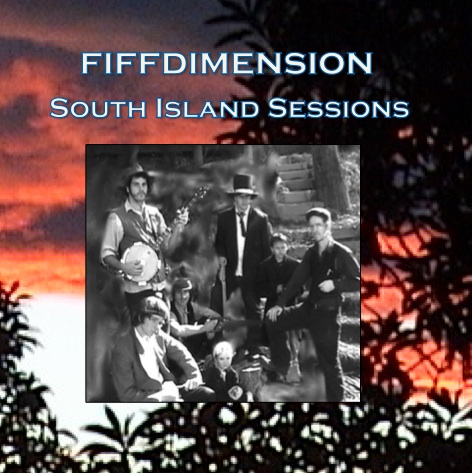
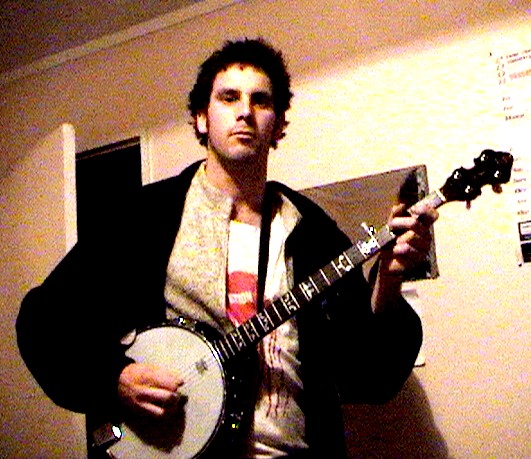
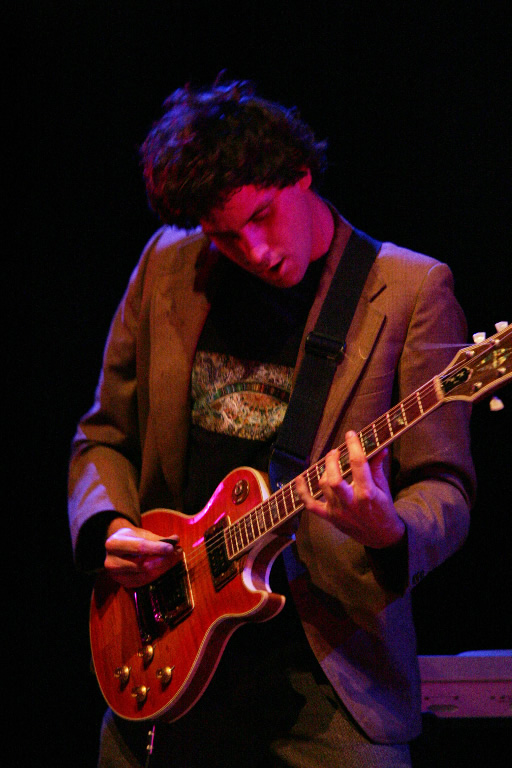
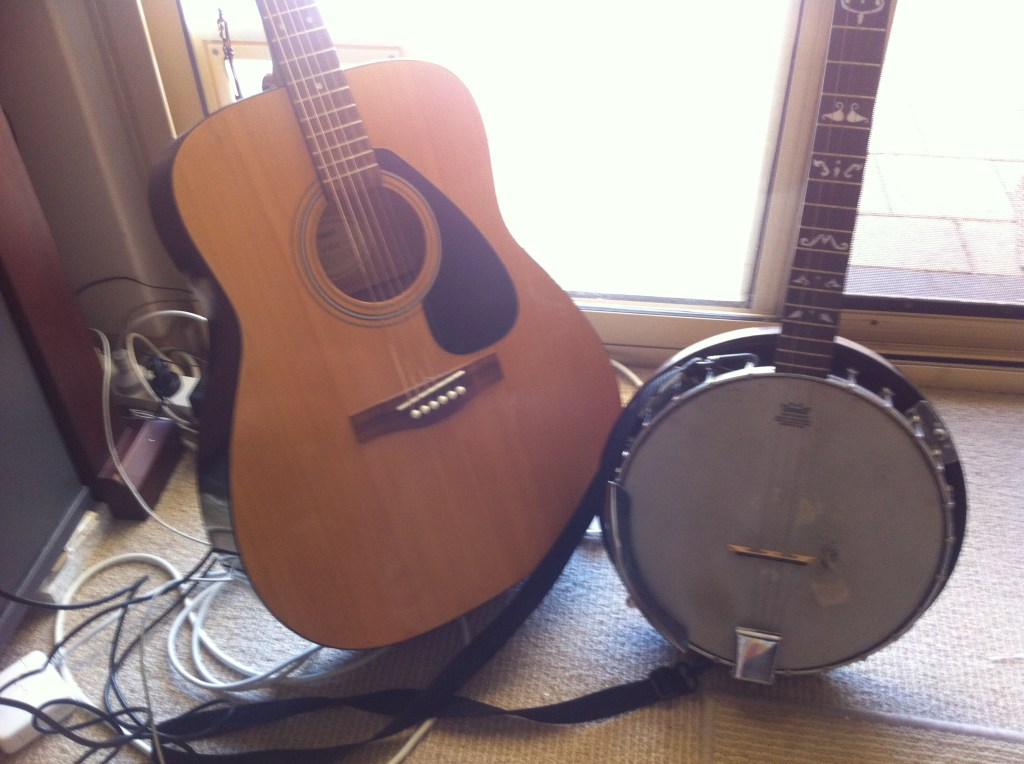
by Dave Black (acoustic & electric guitars, banjo, harmonica, laptop, bass, tenor saxophone, field recordings, piano, gayageum, vocal), with
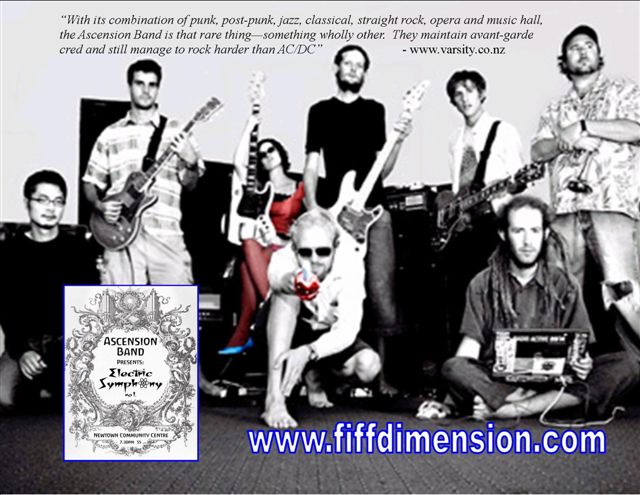
“Experimental and avant-garde…. There is a clear passion, and a commitment to pushing the boundaries… This will challenge your perceptions of what constitutes music and open the mind to new possibilities of sounds that surround us – muzic.net.nz“
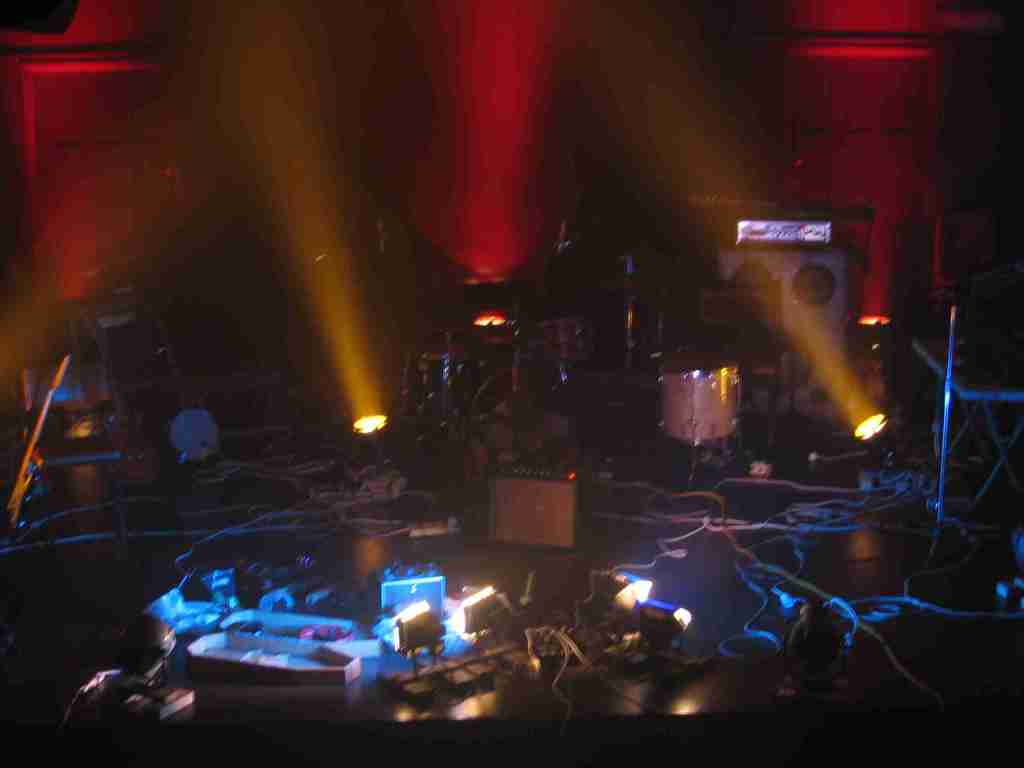
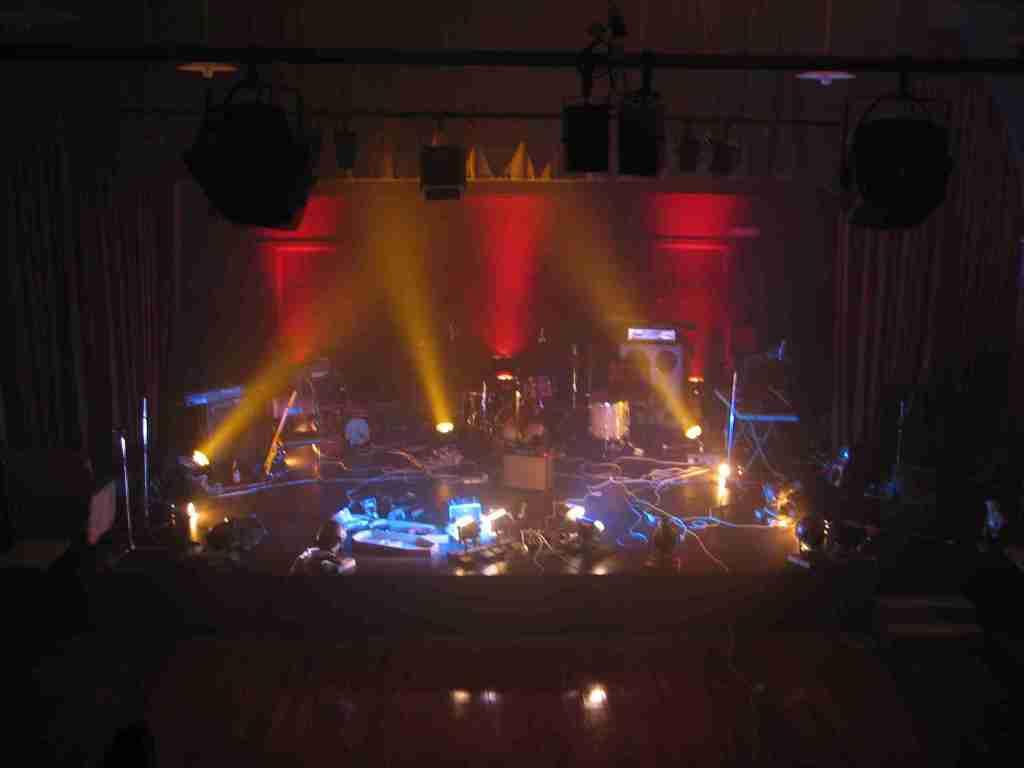
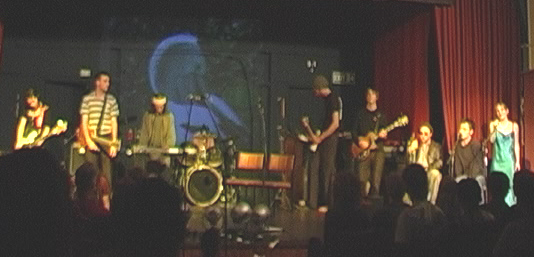
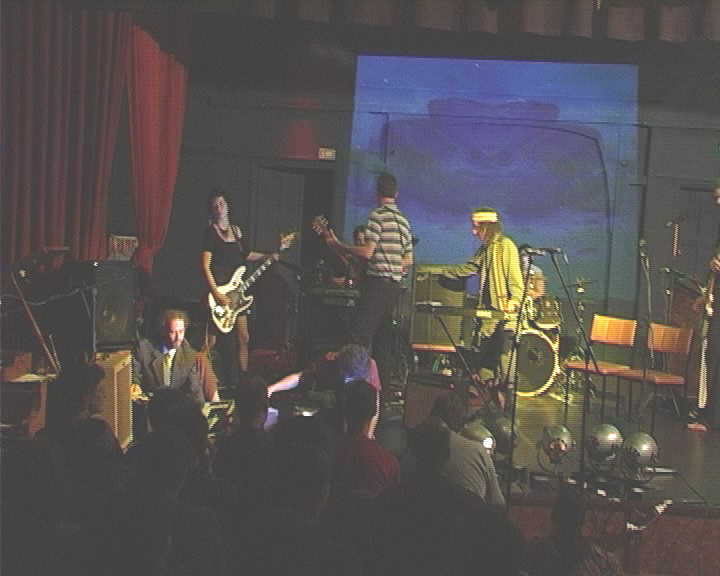
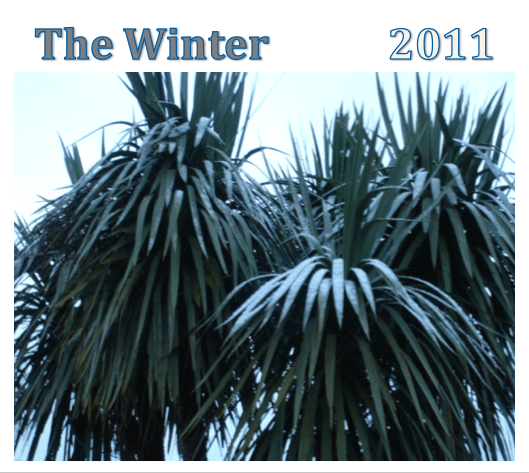
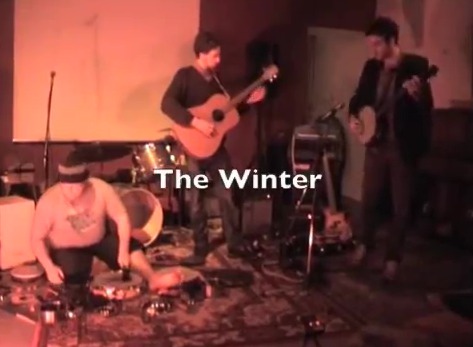
2011 – year of the Christchurch earthquakes, the Arab Spring, the Fukushima disaster, the shootings in Norway,the Queensland floods… and the Wellington (New Zealand) winter was colder than usual.Acoustic improvisations on guitar, ukulele, banjo, clarinet, piano, harmonica and percussion by The Winter (Simon, Dave and Mike).
It was 10 years ago nearly to the day that I had my first jam as part of a group of musicians that would go on to take the name The Winter. The name coming from the day we first got together, 2003’s winter solstice.
I listened back to Parataxes last night for the first time in ages. I wouldn’t say I ever made a habit of listening to it, but as with other recordings I’ve made it gets trotted out from time to time. Very occasional, but I couldn’t tell you I’d never listened to it, or that I’ll never listen to it again.
The Winter has became somewhat infamous in the life of Blog on the Tracks because every time a group of fans get upset with me for picking on their band, a clip from YouTube is circulated suggesting that I cannot play music at all; the band I’m working with is not in tune and not playing anything resembling a song.
I’ve felt a little sad about this only in that it compromises the two other musicians in The Winter. They don’t deserve the abuse but are presumably trialled on a guilty-by-association tip. But I’m fair game. I front up and say things about music. It’d be a bit rich if I couldn’t handle people saying things about mine.
So I figured I should share that post here – and the link to the album to stream or download (both of which I have provided links to above). Have at it. But be warned…you might instead prefer to run to the hills.
Ten years on it was strange listening to this music. It’s improvised music, avant-garde perhaps, or experimental. These are tags that others have used. It might well be the biggest load of s**t you ever hear. That’s fine. I’ve never hidden from this – nor any of the other music I’ve had a hand in. But I understand that I’m an easy target with this platform.
The music on Parataxes and the early jams with The Winter were really important for me – an extension of my appreciation for free and improvised musics – free-jazz/noise/ambient – a lot of free/improv passed me by when I first tried turning an ear to it. But I found it. I found the bits and pieces I liked. And part of appreciating it was having a go at it. My go. With The Winter.
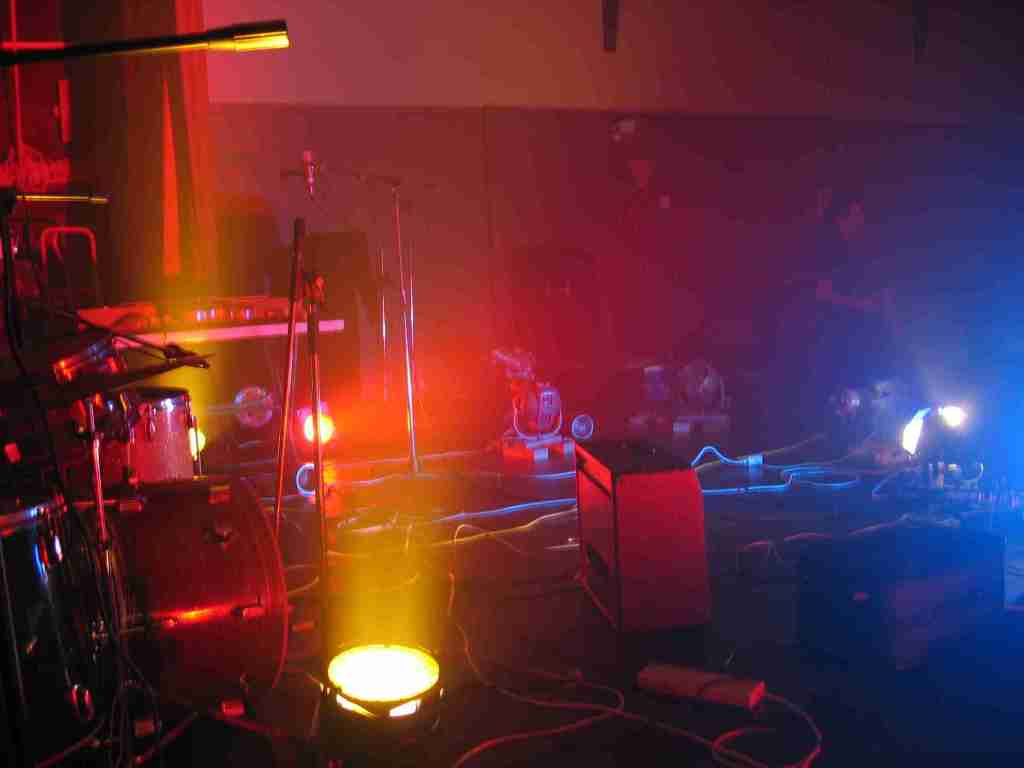
It was the most challenging – and freeing – that a playing experience has ever been. I was so scared the first time we performed live at the Photospace Gallery. I’m sitting there with toy percussion instruments, found pieces, old drum parts scattered around me. And I have no idea what I’m going to do with them – beyond bang at them. It was so stupid of me. But it was great. I loved it.
I made good friends from playing in The Winter – we still catch up, make music now and then, or maybe to you it’s not music at all. That’s fine. We have a cup of tea and a chat and we make our pieces of music – music that makes sense to us. We use different instruments every time. And nothing is ever the same. Nothing’s repeated, nothing’s played the same way twice. But it always sounds like us. Over the past 10 years and a handful of scattered performances we found our sound. And I’m really glad we did. It helped me to appreciate the world’s great improvisers; it has put me on to some amazing music and taught me a lot about myself.
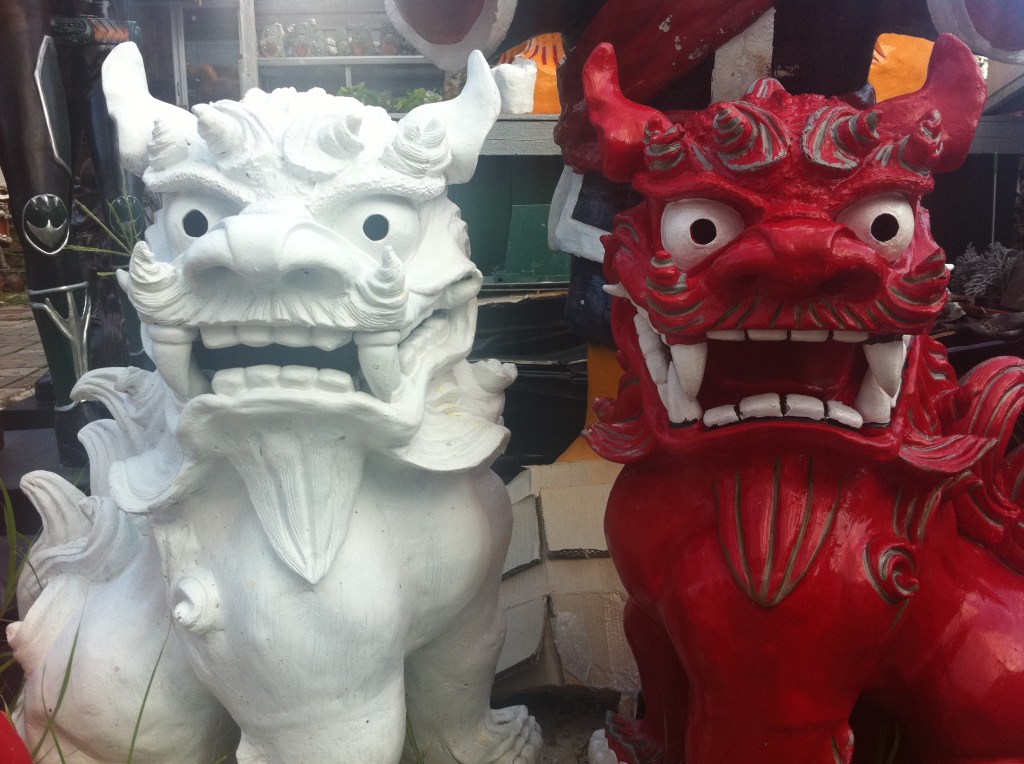
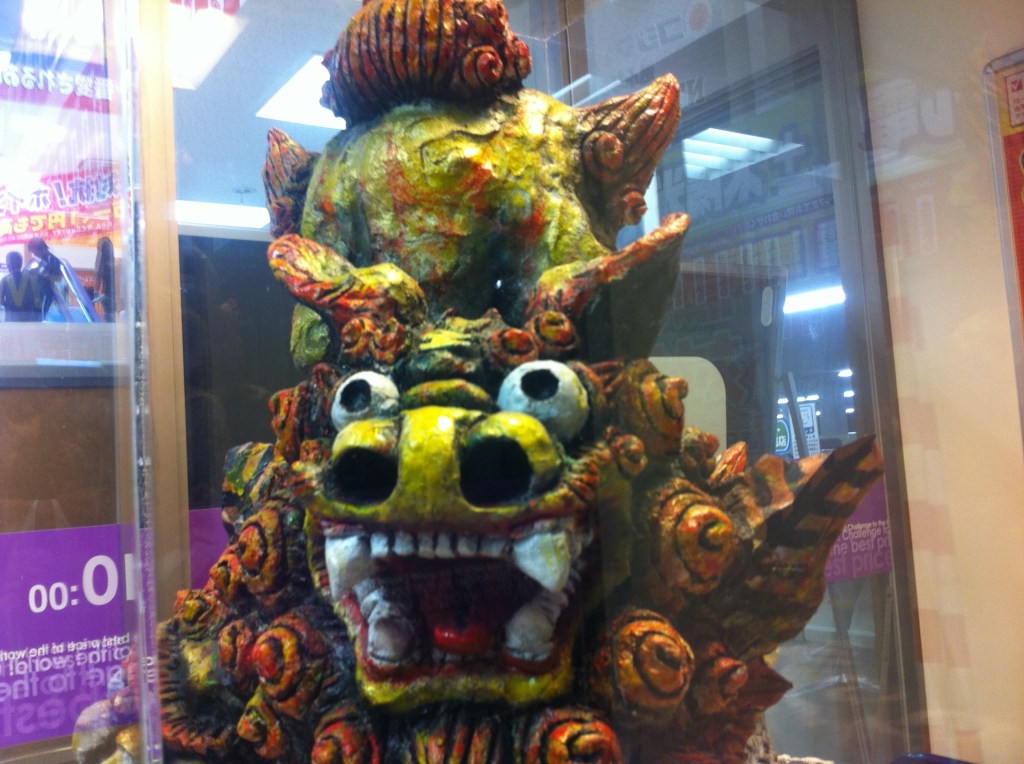
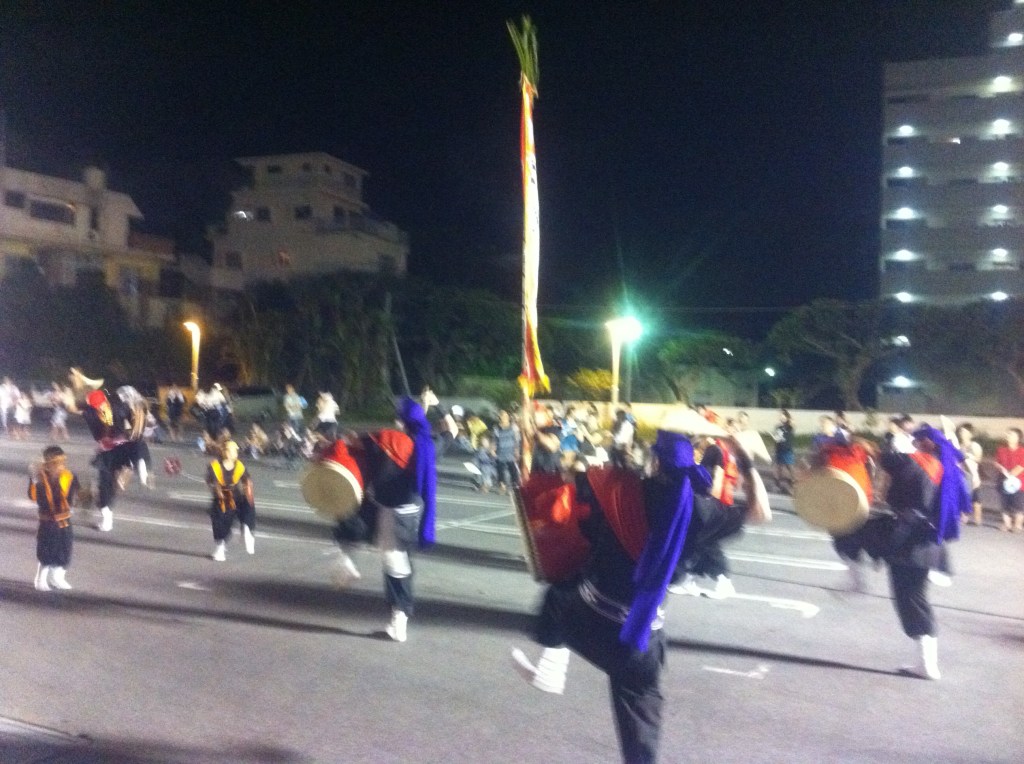
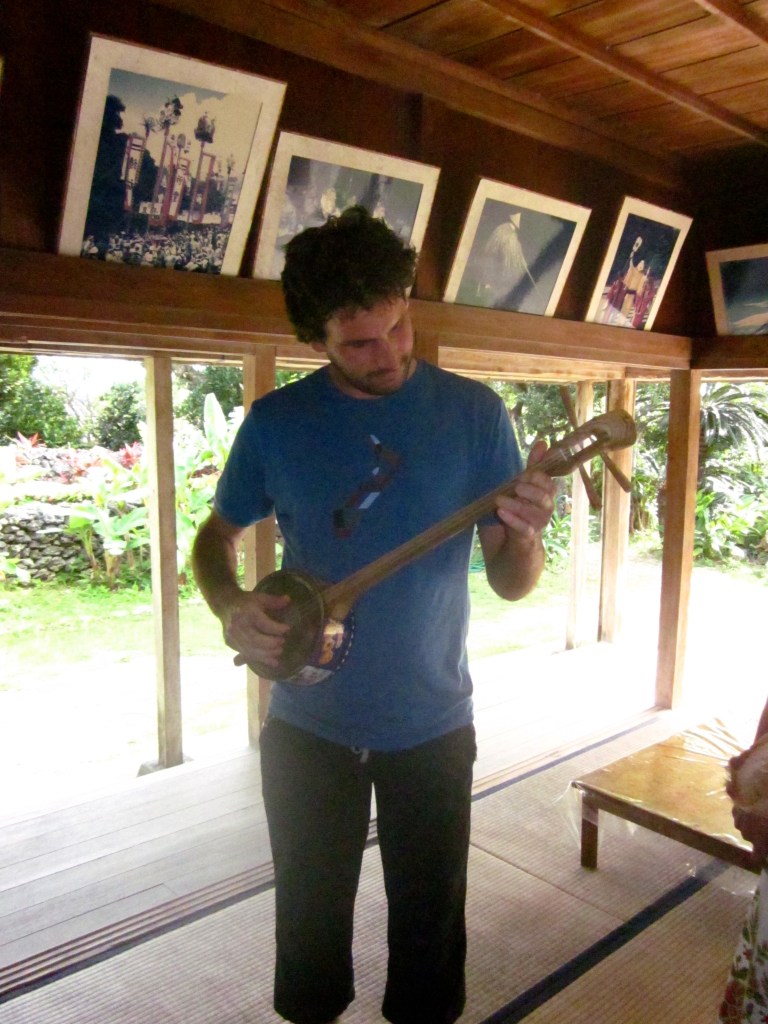
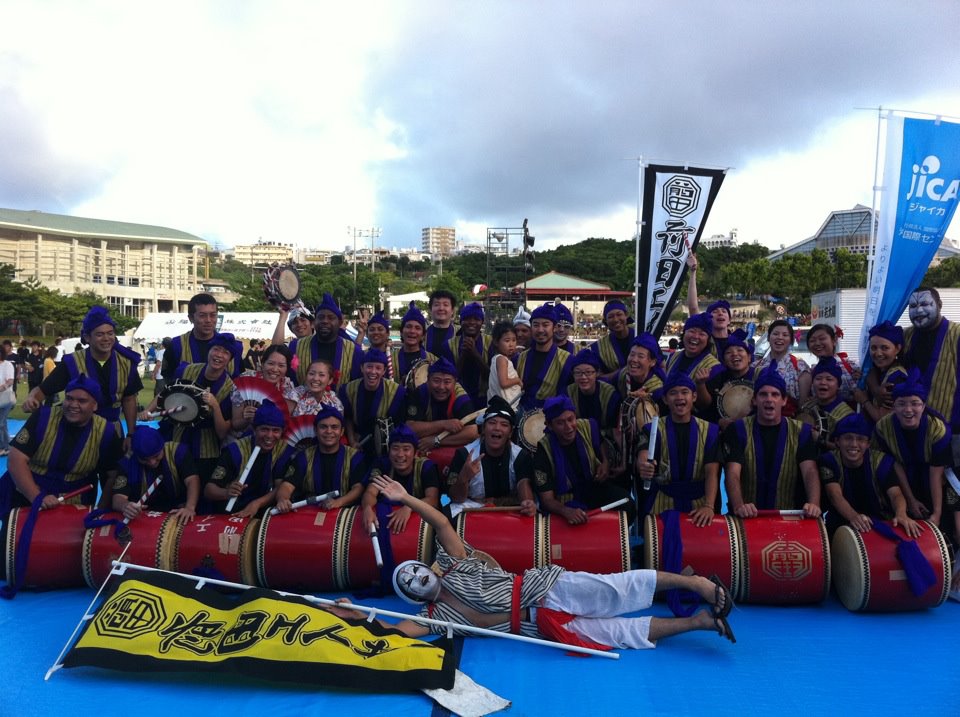
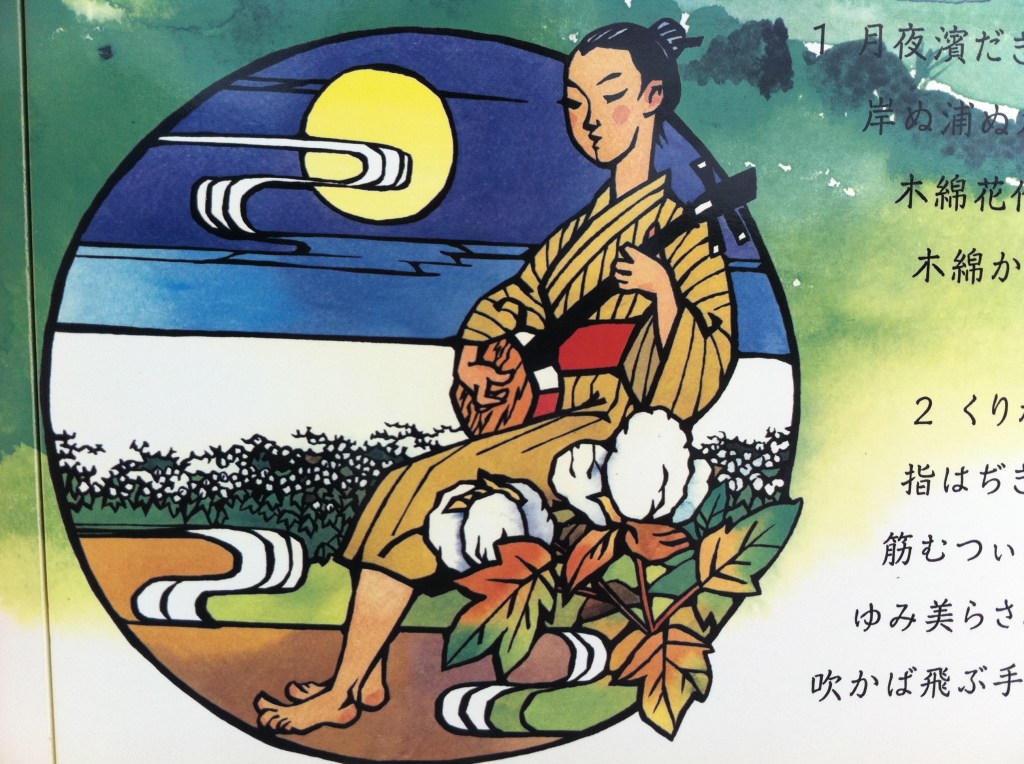
As you can hear, the music of Okinawa is quite distinct from that of mainland Japan. It uses a different scale, and the sanshin is a distinctive instrument.
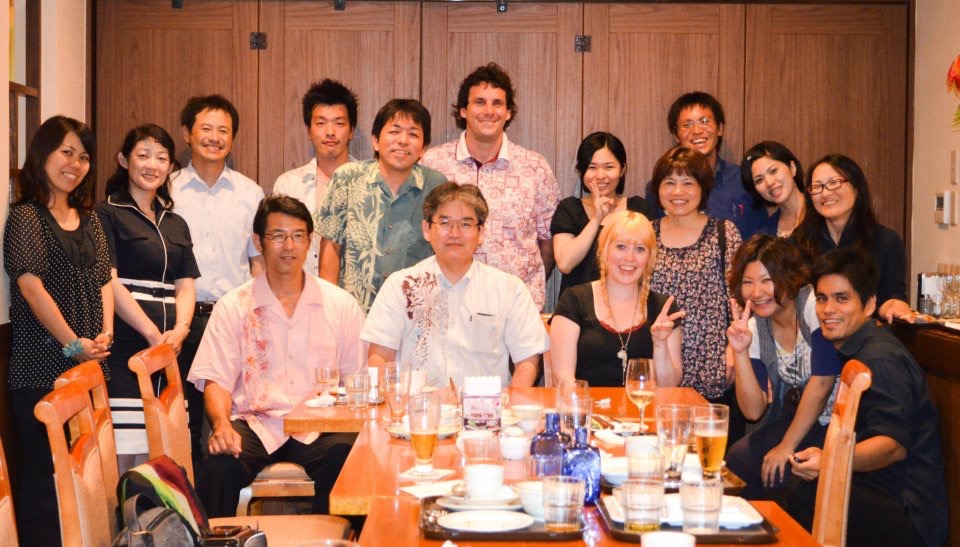
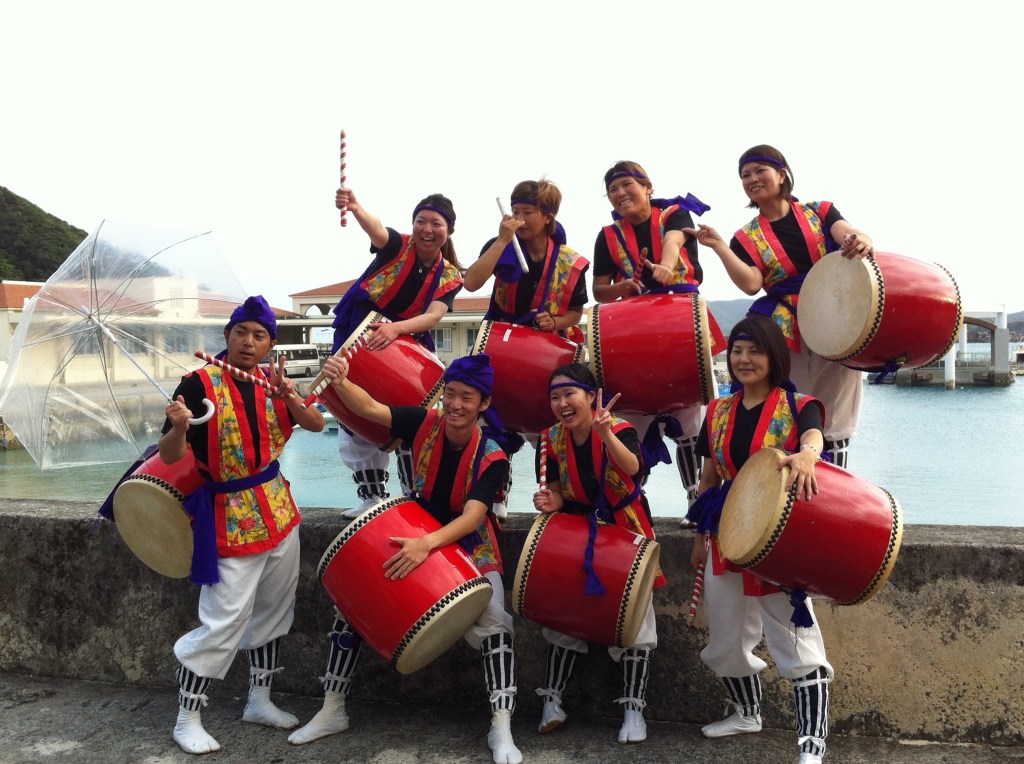
Special thanks to the staff and students of Naha Kokusai and Naha Kogyo senior high schools – Nifei daebiru!
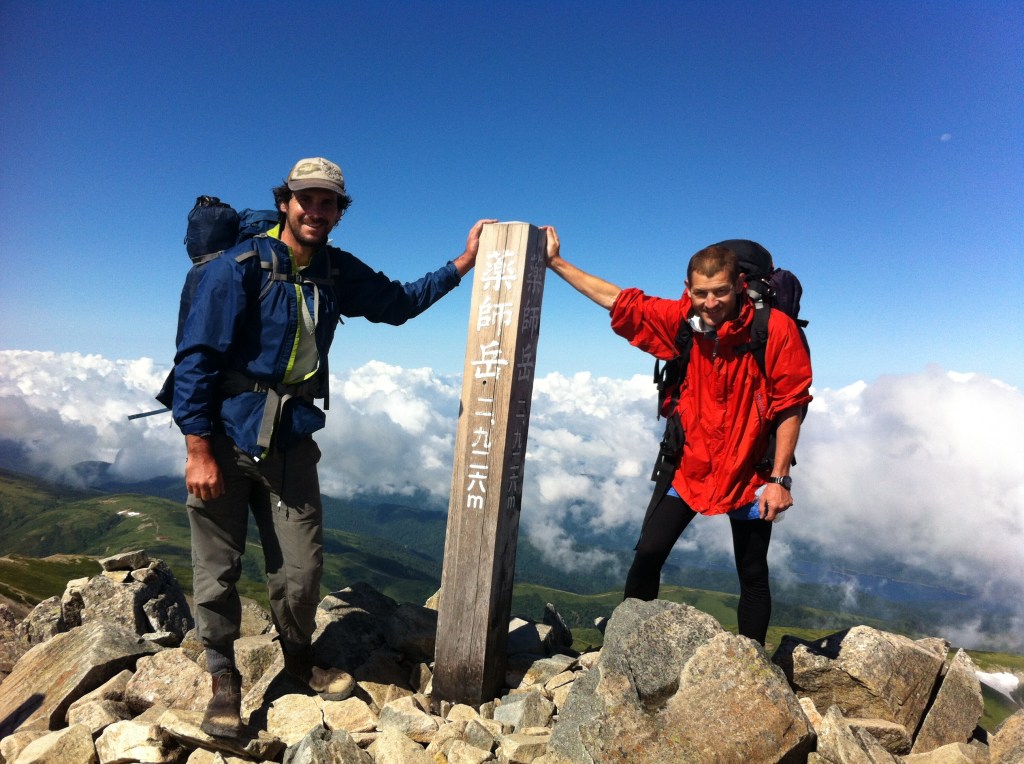
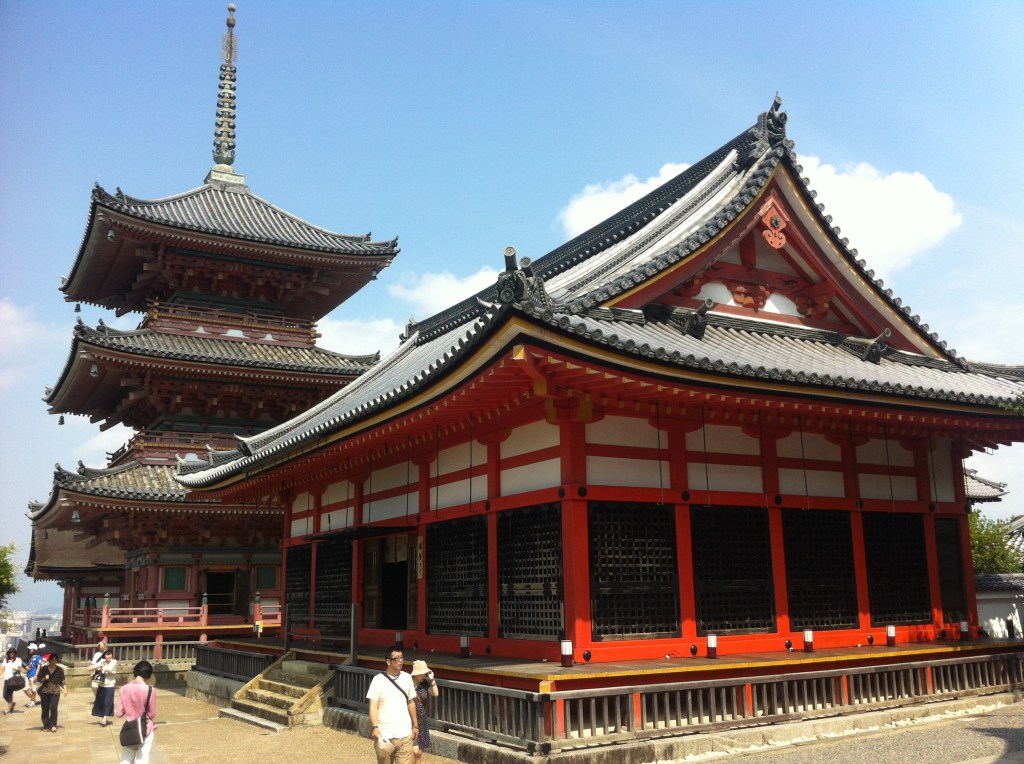
Videos from a solo trip across Kyushu (in March 2012, on holiday from work in Okinawa). Accompanied by Japanese music such as koto, shakuhachi, yokagura and hip-hop, recorded live.
Four videos –
1) from sugi (Japanese cedar) forest with 3000-year-old trees on Yakushima Island,
2) heading north via Kumamoto and its castle, to
3) a yokagura dance performance reenacting the legend of how the sun goddess returned to the world in Takachiho,
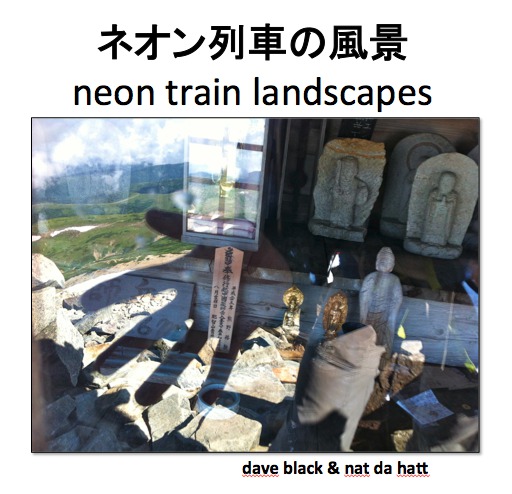
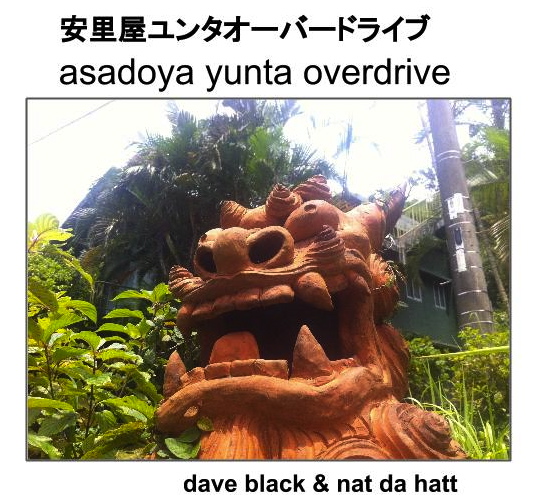
4) to the city of Fukuoka (score by Dave Black & Nat da Hatt – free download)